

Where the soul of the forest whispers in the mist
Volcanoes gorilla trekking happens inside Volcanoes National Park (VNP) in northwestern Rwanda, part of the Virunga Massif that Rwanda shares with Uganda and the Democratic Republic of Congo. The experience is a tightly regulated conservation activity where you hike through bamboo and montane forest on volcanic slopes to locate a habituated mountain gorilla family, then spend exactly one hour observing them at close range under ranger control. It is not a wildlife “show.” It is guided tracking in real terrain, with strict rules to protect gorillas from stress and human-borne disease.
Rwanda’s gorilla tourism model is built around high-value, low-volume visitation. That means higher permit prices, fewer daily visitors per gorilla family, strong ranger presence, and well-organized logistics. Volcanoes National Park is also one of the most time-efficient gorilla destinations in Africa because the drive from Kigali is relatively short compared to Uganda’s Bwindi. But “time-efficient” does not mean “easy”—trek difficulty can still be serious because of altitude, steep gradients, mud, and rapid weather changes.
So lace up your boots, grab your camera, and prepare to meet the wild — this is where your gorilla trekking dreams and unforgettable safari adventures truly begin.
Truly Iconic Highlights in Uganda

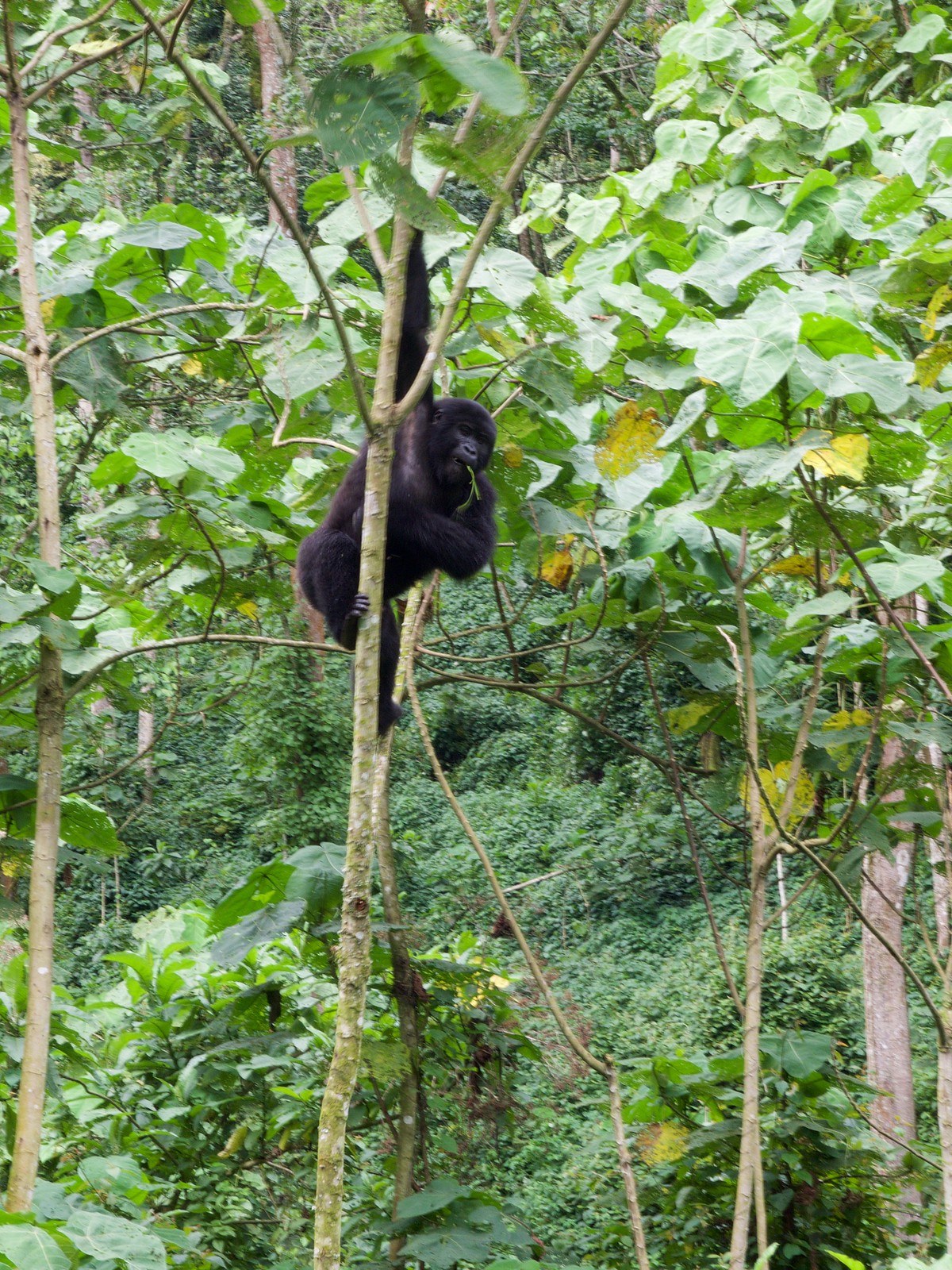
Trek through Bwindi’s mystical rainforest and meet the endangered mountain gorillas in their breathtaking natural home.
Encounter mountain gorillas and golden monkeys on Mgahinga’s misty volcanic trails, where culture and alpine wildlife thrive together.
Unwind after your trek with a peaceful canoe ride across Lake Bunyonyi, Uganda’s most tranquil and scenic highland lake.
Enhance your gorilla trekking safari with an optional chimpanzee encounter in Uganda’s lush forests, adding depth and diversity to your primate adventure
Volcanoes Gorilla Trekking: What You Need to Know Before Booking
1) What Volcanoes Gorilla Trekking Actually Is
Volcanoes gorilla trekking is a regulated wildlife conservation activity conducted inside Volcanoes National Park in northwestern Rwanda. The experience involves hiking into high-altitude volcanic rainforest to locate a habituated mountain gorilla family and spending exactly one controlled hour observing them in their natural habitat.
Rwanda operates a high-value, low-volume tourism model. This means limited daily permits, strict ranger supervision, and direct conservation funding from each visitor. The structure is designed to protect gorillas first and manage tourism second. Everything from group size to viewing time is regulated by conservation policy.
2) Where Volcanoes National Park Is and Why Geography Matters
Volcanoes National Park lies near Musanze, approximately 2.5–3.5 hours by road from Kigali. All trekking operations begin at Kinigi headquarters, where visitors report for early morning briefing and allocation.
The park forms part of the Virunga Massif and includes volcanic peaks such as Karisimbi, Bisoke, Sabyinyo, Gahinga, and Muhabura. These mountains directly shape the trekking experience.
The terrain involves:
- Steep volcanic slopes
- Bamboo forest corridors
- Afro-montane vegetation at higher elevations
- Moist volcanic soil that remains slippery even in dry months
Altitude is a major factor. Most treks begin above 2,400 meters and may climb higher. Visitors arriving from sea level can experience faster fatigue and heavier breathing on steep ascents. Weather shifts quickly, with cloud cover and mist moving across slopes within minutes.
3) Gorilla Families and the Habituation System
Habituation is a multi-year conservation process that gradually introduces controlled human presence to a gorilla family until they tolerate observers without stress responses. Habituated does not mean tame. The gorillas remain fully wild and socially structured under dominant silverbacks.
Each family operates under strict visitation limits:
- Maximum 8 visitors per day
- One tourist visit per day
- One-hour viewing limit
- These restrictions reduce stress and limit disease exposure.
What visitors observe varies daily. Gorilla behavior depends on feeding cycles, group dynamics, terrain position, and weather conditions. Some encounters are calm and stationary, while others involve slow relocation as the group feeds across slopes.
4) Gorilla Permit: Cost, Inclusions and Booking Strategy
The Rwanda gorilla permit is typically priced at USD 1,500 per person for non-residents. This pricing supports anti-poaching patrols, veterinary monitoring, habitat protection, ranger salaries, and community revenue-sharing programs.
The permit includes:
- Park entry for the trekking day
- Ranger and tracker guidance
- Security presence
- Conservation contribution
- One regulated hour with a gorilla family
The permit does not include accommodation, transfers, porter hire, tips, or additional activities.
Permit allocation occurs during the morning briefing. Visitors do not pre-select a gorilla family. Rangers assign groups based on tracker reports, fitness levels, and operational logistics. Gorilla movement overnight ultimately determines trek length.
The correct booking order is:
- Secure permit
- Confirm lodge near Kinigi
- Arrange transfers
- Add complementary activities
Peak travel months (June–September and December–February) require advance booking.
5) What Happens on Trekking Day
Trekking day begins early at Kinigi headquarters. Visitors register and attend a ranger briefing covering safety rules, health protocols, the minimum seven-meter distance rule, and behavioral expectations. Flash photography is prohibited. Visitors showing signs of illness may be denied participation.
Porters are available and strongly recommended. They carry daypacks, assist on steep slopes, and reduce fatigue, particularly during descent where most slips occur.
Depending on gorilla location, vehicles may transport groups to specific trailheads. The hike can range from moderate to physically demanding. Expect steep gradients, bamboo roots, mud patches, cold morning air, and rapid weather changes.
As the group approaches the gorillas, movement slows and ranger instructions become more precise. The one-hour viewing period begins once the family is located.
During the encounter:
- Maintain distance
- Avoid sudden movement
- Do not block pathways
- Follow ranger positioning instructions
- No flash photography
If a gorilla approaches within the distance limit, remain still. Rangers manage the situation.
The descent often feels more demanding than the ascent due to slippery terrain and knee strain.
6) Physical Difficulty and Preparation
Volcanoes trekking is moderately to highly demanding depending on gorilla location. Primary difficulty factors include:
- High starting altitude
- Steep volcanic slopes
- Persistent ground moisture
- Unpredictable gorilla relocation
Travelers arriving from long-haul flights and trekking the following morning often struggle more. Arriving at least one day early improves acclimatization.
Preparation should include cardiovascular conditioning and leg strengthening. Proper waterproof hiking boots are essential.
7) Best Time to Visit
Volcanoes operates year-round.
Dry seasons typically offer firmer trails and easier road access but higher permit demand. Rainy seasons bring more challenging footing yet fewer visitors and dramatic misty scenery.
Gorilla sighting reliability remains high throughout the year due to daily tracking operations.
8) What to Pack
Essential gear includes:
- Waterproof hiking boots with strong grip
- Long sleeves and trousers
- Rain jacket
- Gloves for gripping vegetation
- 1.5–2 liters of water
- Camera with rain protection
- Avoid carrying excessive weight.
9) Accommodation Strategy
Accommodation should be selected based on proximity to Kinigi headquarters. Early morning departure is unavoidable, and longer drives reduce energy before trekking.
Choose lodging based on logistical convenience and post-trek comfort rather than aesthetics alone.
10) Kigali Transfer Strategy
Arrive in the Volcanoes region at least one day before trekking. Rest and hydration improve performance.
When combining with:
- Akagera National Park
- Nyungwe National Park
Plan routing carefully to reduce backtracking.
11) Costs Beyond the Permit
In addition to the permit, budget for:
- Transfers
- Accommodation
- Porter hire
- Tipping
- Add-on activities
Carry small denominations for tips supporting rangers, porters, and lodge staff.
12) Add-On Experiences
Volcanoes pairs well with:
- Golden monkey tracking
- Akagera safari contrast
- Nyungwe chimpanzee tracking
- Lake Kivu relaxation
- Kigali cultural exploration
Strategic itinerary design maximizes efficiency and minimizes fatigue.
13) Volcanoes vs Bwindi: Strategic Comparison
Choose Volcanoes if you prioritize:
- Shorter airport transfer
- Centralized operations
- Premium conservation model
- Structured logistics
- Choose Bwindi if you prioritize:
- Lower permit cost
- Multiple trekking sectors
- Wider accommodation pricing range
- A deeper wilderness feel
More Bwindi Information to Know.
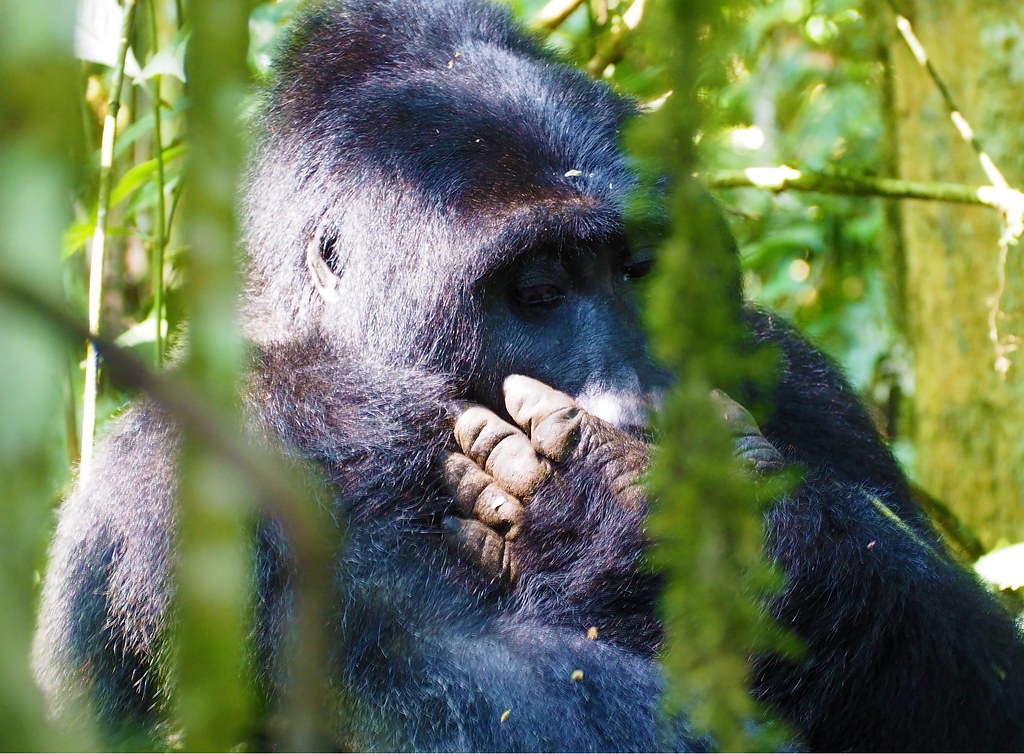
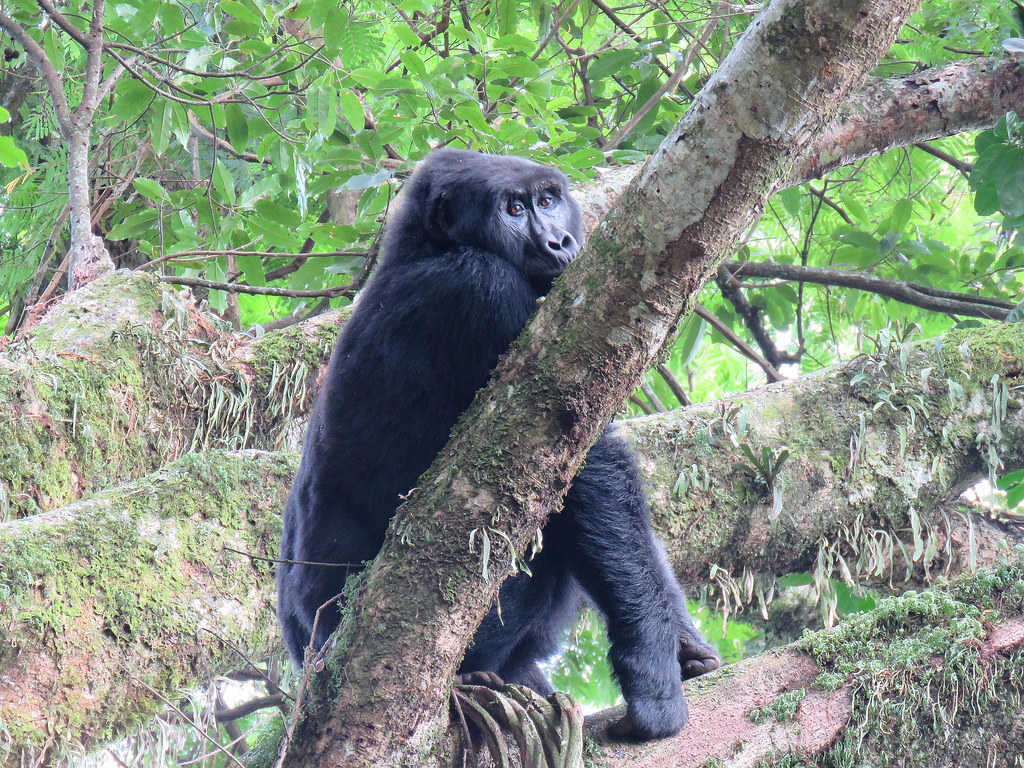
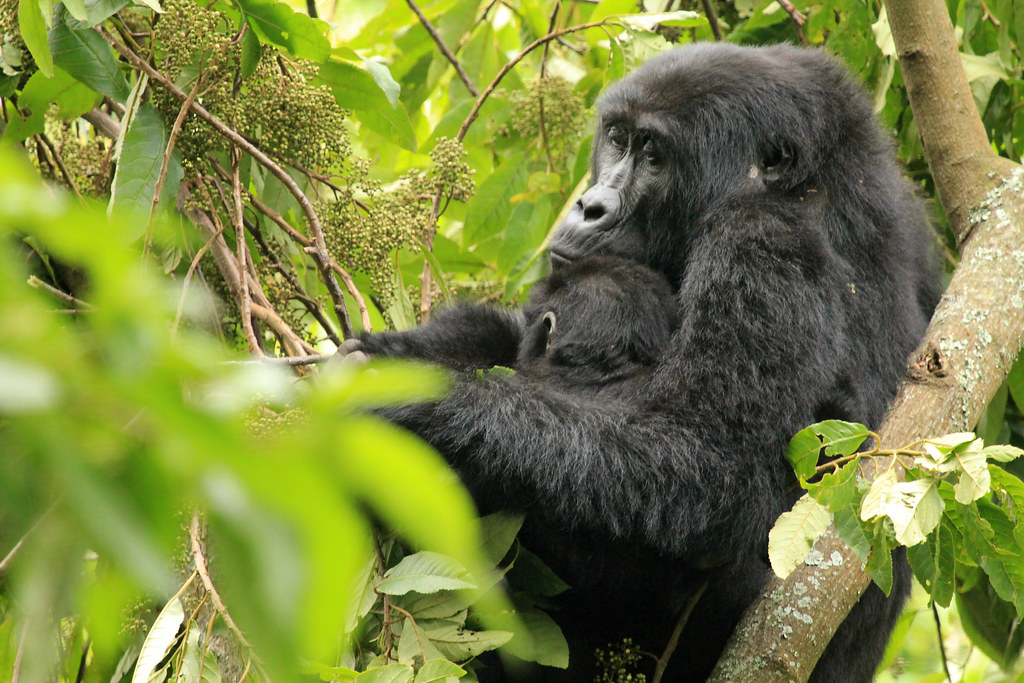
Bwindi Impenetrable Forest is a mountainous rainforest in southwestern Uganda, home to endangered mountain gorillas. Its unique climate, rich vegetation, community tourism, and conservation efforts make it a vital and unforgettable destination.
Bwindi History
Bwindi History
Bwindi Altitude
Bwindi Altitude
Bwindi Climate
Bwindi Climate
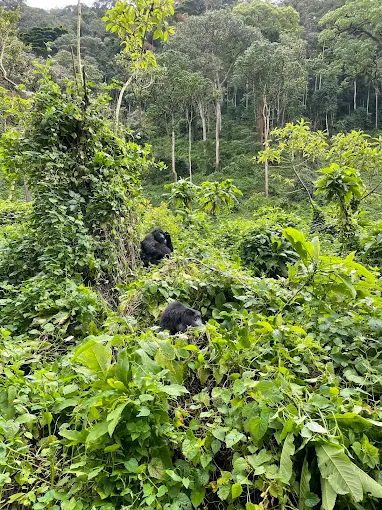
Bwindi Geography
Bwindi Geography
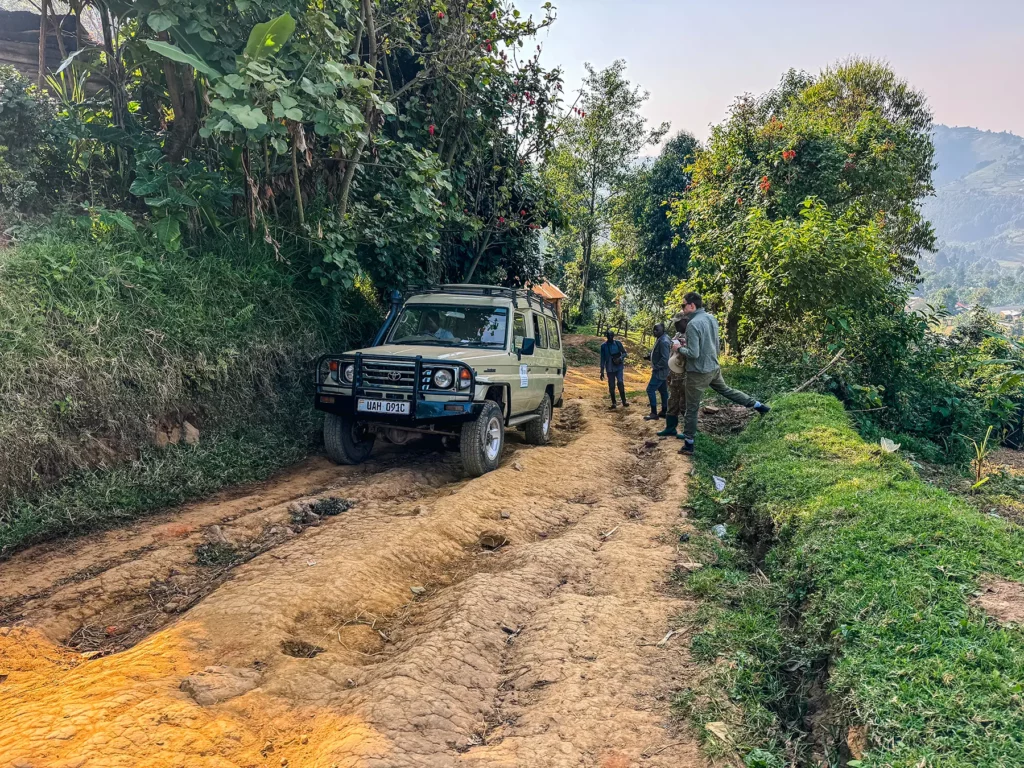
Getting There To Bwindi
Getting There To Bwindi
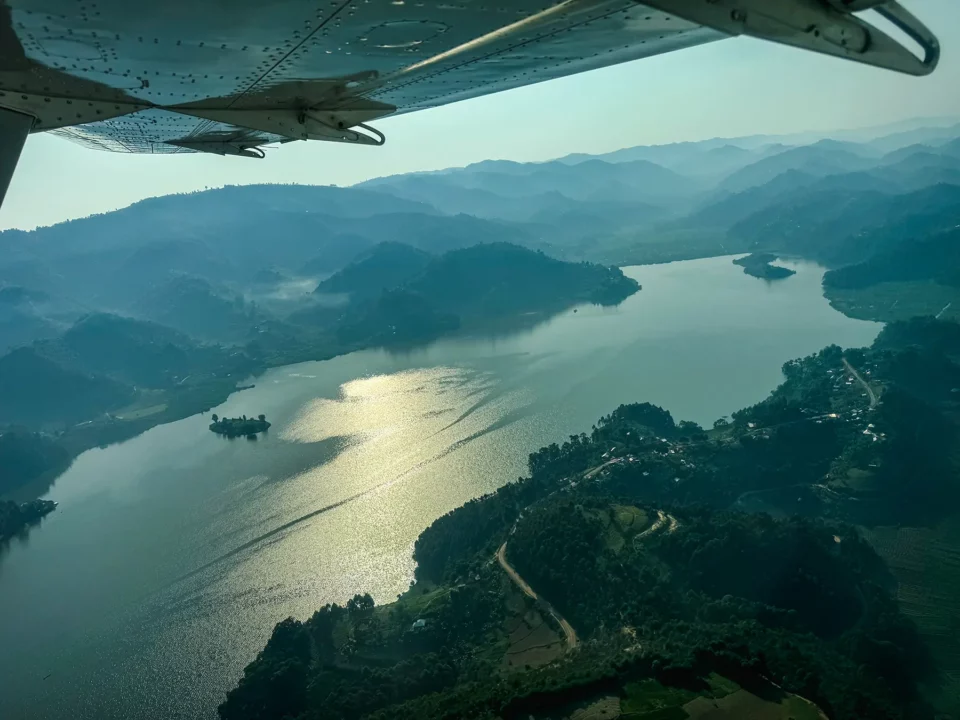
Bwindi Location
Bwindi Location
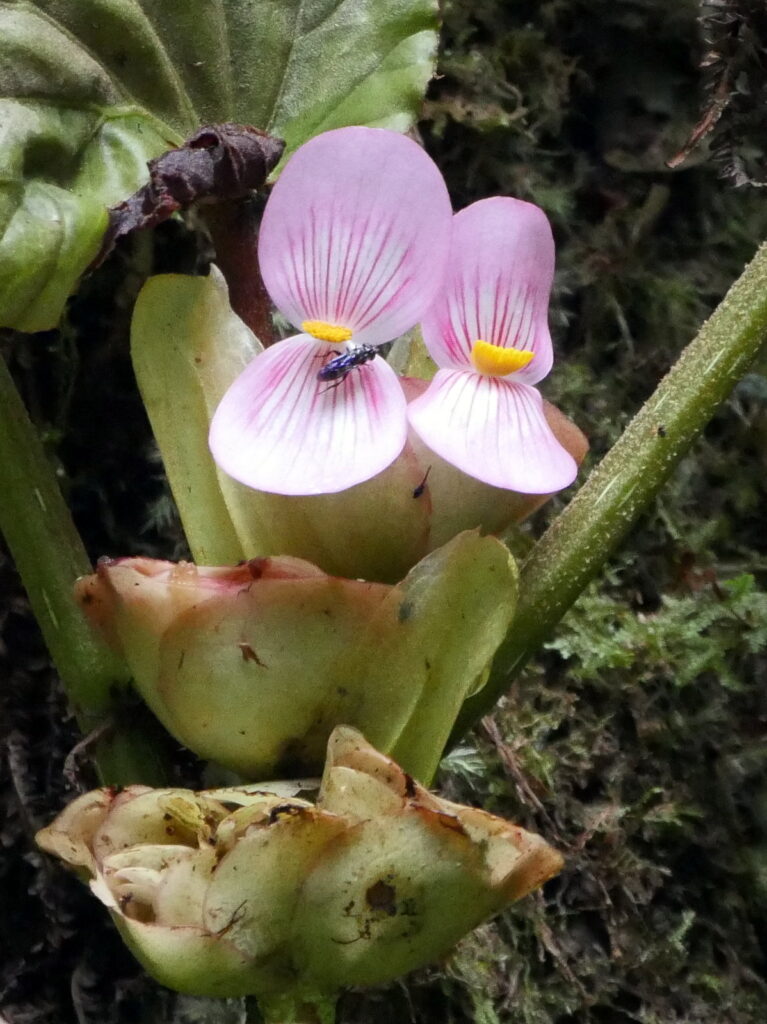
Bwindi Vegetation
Bwindi Vegetation
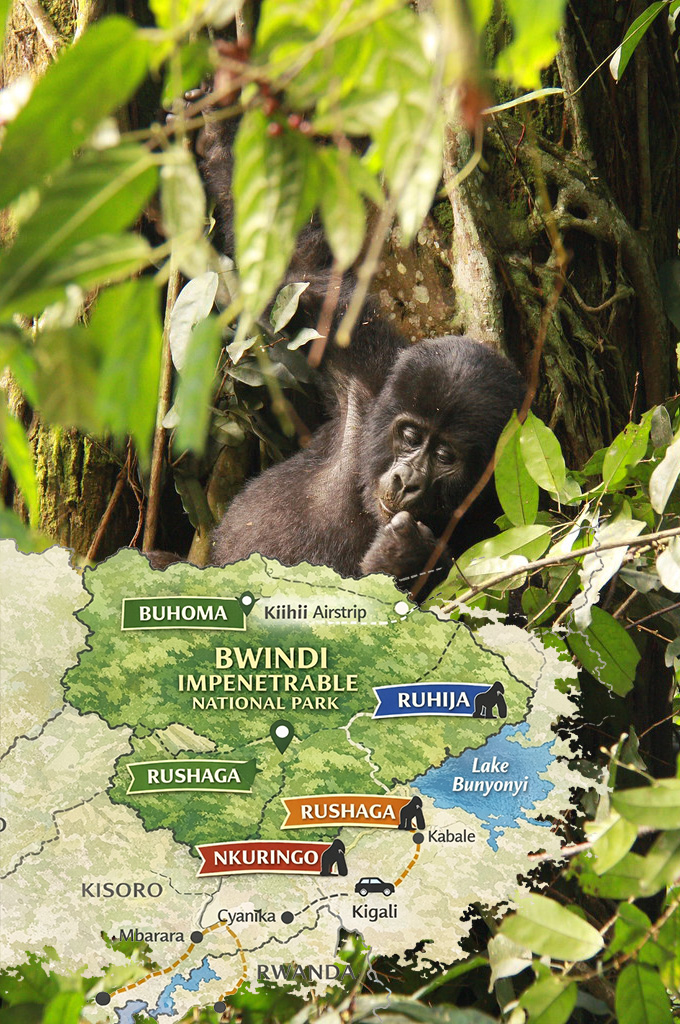
Bwindi Sectors
Bwindi Sectors
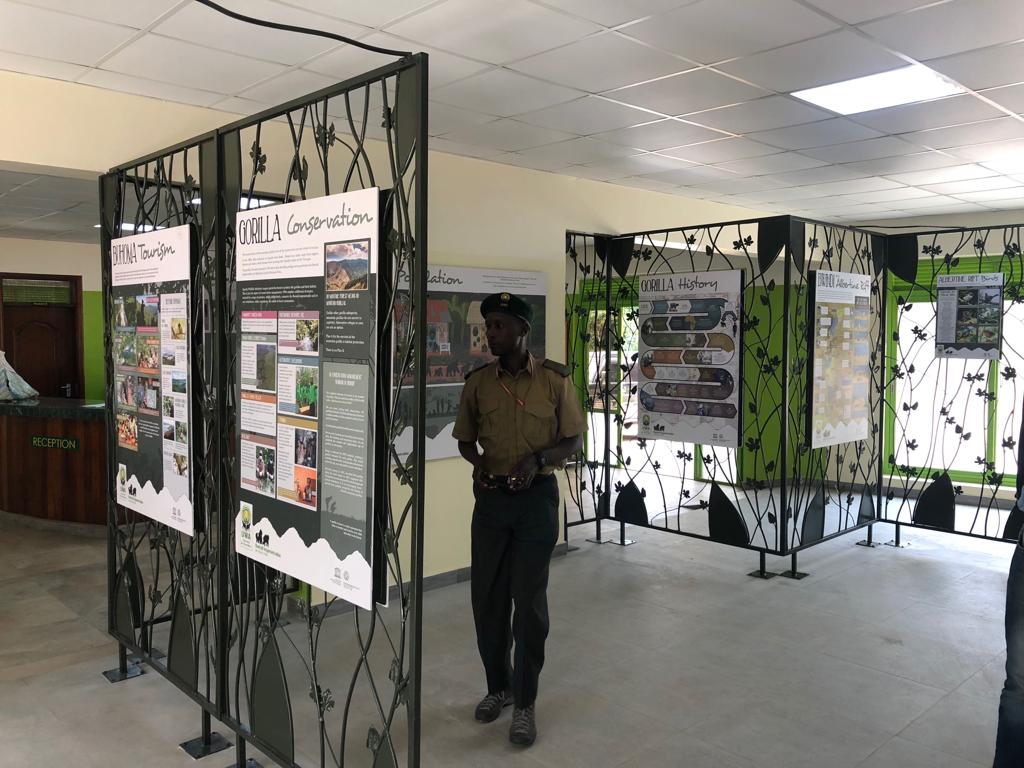
Bwindi Visitor Centres
Bwindi Visitor Centres
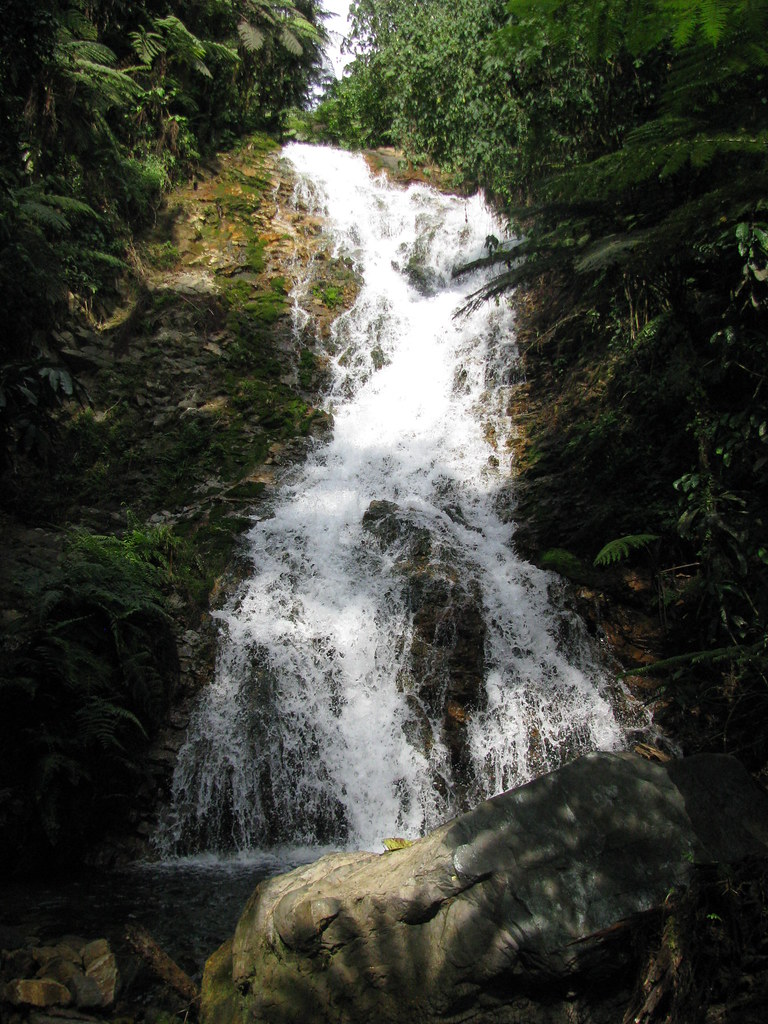
Bwindi Waterfalls
Bwindi Waterfalls
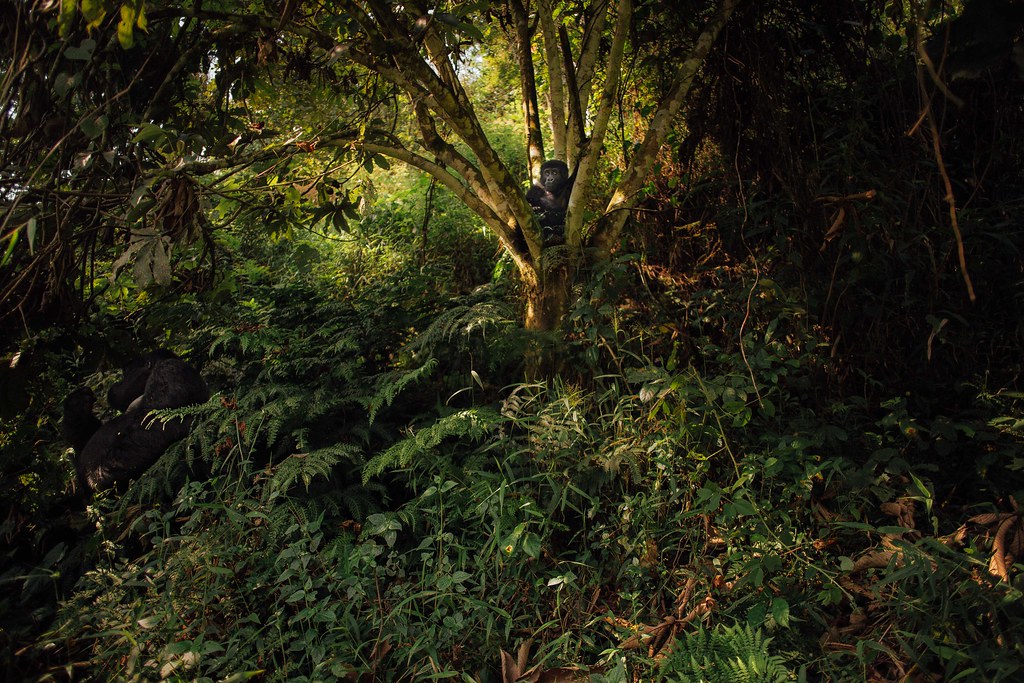
Bwindi Impenetrable Forest
Bwindi Impenetrable Forest
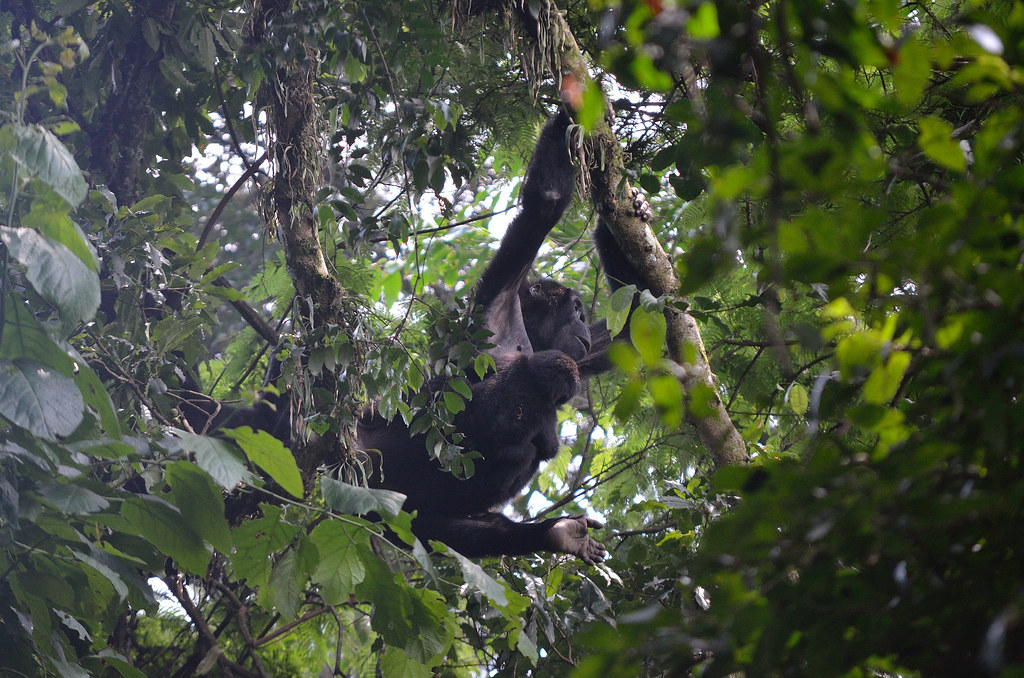
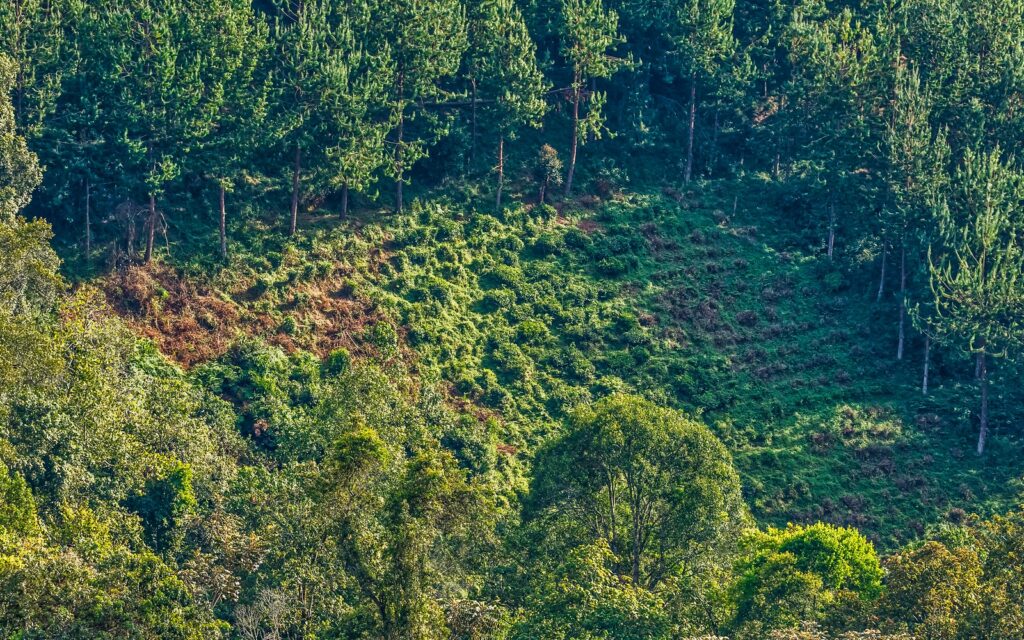
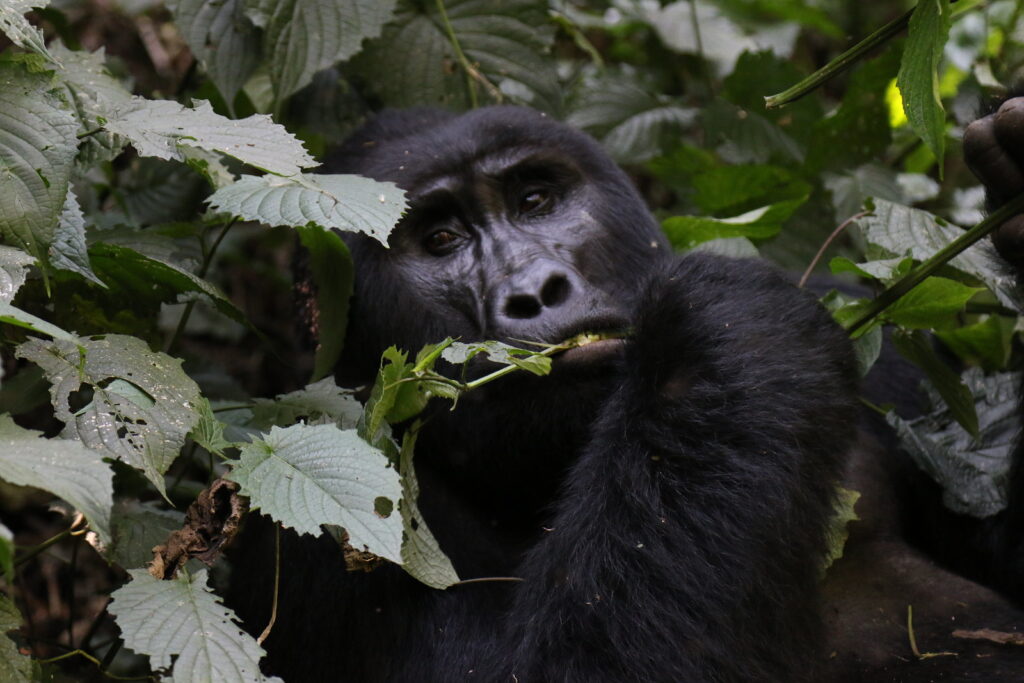
In the Realm of Giants – Bwindi & Mgahinga in Frames.
Wander through an elegant gallery capturing Uganda’s most exclusive gorilla sanctuaries, where ancient forests cradle the last mountain gorillas in a world of mist, mystery, and majesty.

Essential Planning Tips for Visiting Uganda’s National Parks.
Get ready for the wild heart of Africa with expert travel tips on when to visit, what to pack, where to go, and how to make the most of your safari across Uganda’s breathtaking national parks.
Why Uganda for Gorilla Trekking?
Uganda is not just a destination — it's the very soul of gorilla trekking. With over half of the world’s remaining mountain gorillas calling its misty forests home, Uganda offers the rarest encounters in their most authentic setting. Here, your journey is not rushed or crowded. Instead, you’re guided by experienced rangers through pristine jungles where gorillas live as they always have — wild, free, and magnificent
From insider travel insights to unforgettable trekking guides, our blog is your trusted path into Uganda’s wild heart — connecting you with mountain gorillas, breathtaking landscapes, and the soul-stirring adventures that make this land unlike any other.