

Where the soul of the forest whispers in the mist
Rwanda operates as a presidential republic with a centralized governance system and structured administrative hierarchy. The country’s political framework emphasizes stability, national unity, and development planning. Since the mid-1990s, Rwanda has prioritized institutional rebuilding, policy reform, and long-term strategic planning as core elements of governance.
Leadership in Rwanda is characterized by strong executive authority, structured parliamentary processes, and decentralized local administration. Governance reforms following the 1994 Genocide against the Tutsi focused on reconciliation, institutional restructuring, and anti-corruption policies aimed at strengthening state capacity and public accountability.
So lace up your boots, grab your camera, and prepare to meet the wild — this is where your gorilla trekking dreams and unforgettable safari adventures truly begin.
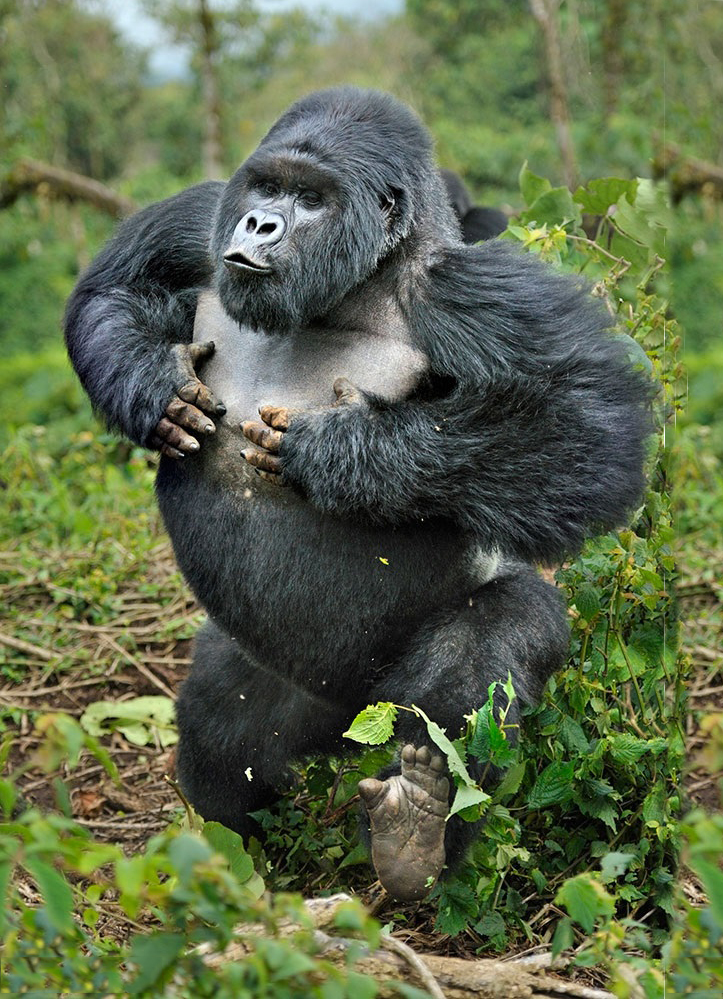
Truly Iconic Highlights in Uganda

Trek through Bwindi’s mystical rainforest and meet the endangered mountain gorillas in their breathtaking natural home.
Encounter mountain gorillas and golden monkeys on Mgahinga’s misty volcanic trails, where culture and alpine wildlife thrive together.
Unwind after your trek with a peaceful canoe ride across Lake Bunyonyi, Uganda’s most tranquil and scenic highland lake.
Enhance your gorilla trekking safari with an optional chimpanzee encounter in Uganda’s lush forests, adding depth and diversity to your primate adventure
Political System of Rwanda: Executive, Legislature and Judiciary
Executive Branch
The President of Rwanda serves as both head of state and head of government. The presidency holds significant executive authority, including appointment powers and strategic policy direction.
Paul Kagame has served as President since 2000. Under his leadership, Rwanda has pursued economic reform, digital transformation, infrastructure development, and conservation-led tourism growth.
The Cabinet, composed of ministers appointed by the President, oversees key sectors including finance, foreign affairs, health, education, and defense.
Legislative Branch
Rwanda has a bicameral parliament consisting of:
- The Chamber of Deputies
- The Senate
The Chamber of Deputies includes members elected through direct voting as well as representatives selected through special electoral mechanisms designed to ensure inclusivity, including women and youth representation.
The Senate focuses on legislative review, oversight, and advisory functions.
Rwanda is internationally recognized for having one of the highest percentages of women in parliament globally.
Judicial System
The judiciary operates independently under constitutional mandate. Courts range from local tribunals to the Supreme Court.
Following the 1994 genocide, community-based Gacaca courts were established to handle a large volume of genocide-related cases. These courts have since concluded operations but remain a significant part of Rwanda’s post-conflict justice history.
Decentralization and Local Government
Rwanda is divided into provinces, districts, sectors, cells, and villages. Decentralization reforms aim to bring governance closer to communities, improve service delivery, and encourage citizen participation.
Local leaders coordinate development projects, community services, and infrastructure planning.
Political Parties and Governance Framework
Rwanda operates under a multi-party political system. Political parties participate in elections and parliamentary processes. The governance model prioritizes national unity and development planning within a regulated political environment.
Elections are conducted periodically, and voter participation rates are typically high.
International Relations
Rwanda maintains active diplomatic engagement within the East African Community, African Union, and United Nations frameworks. The country positions itself as a regional hub for conferences and international summits, often hosted in Kigali.
Foreign policy focuses on regional stability, economic cooperation, and international investment.
Governance Priorities
Key governance priorities include:
- Economic growth and diversification
- Anti-corruption enforcement
- Digital transformation
- Environmental conservation
- Gender equality and youth empowerment
Tourism development in areas such as Volcanoes National Park illustrates how political leadership integrates conservation policy with economic strategy.
Contemporary Political Landscape
Modern Rwanda emphasizes centralized policy coordination, long-term development planning, and measurable performance outcomes. Governance reforms have focused on stability and institutional capacity-building.
The political structure reflects Rwanda’s broader national strategy of unity, reconstruction, and structured development.
More Information About Uganda to Know.
Uganda is a culturally rich and naturally diverse country, home to vibrant traditions, stunning landscapes, and welcoming people. From its deep history to its thriving wildlife and modern identity, Uganda truly stands as the Pearl of Africa.
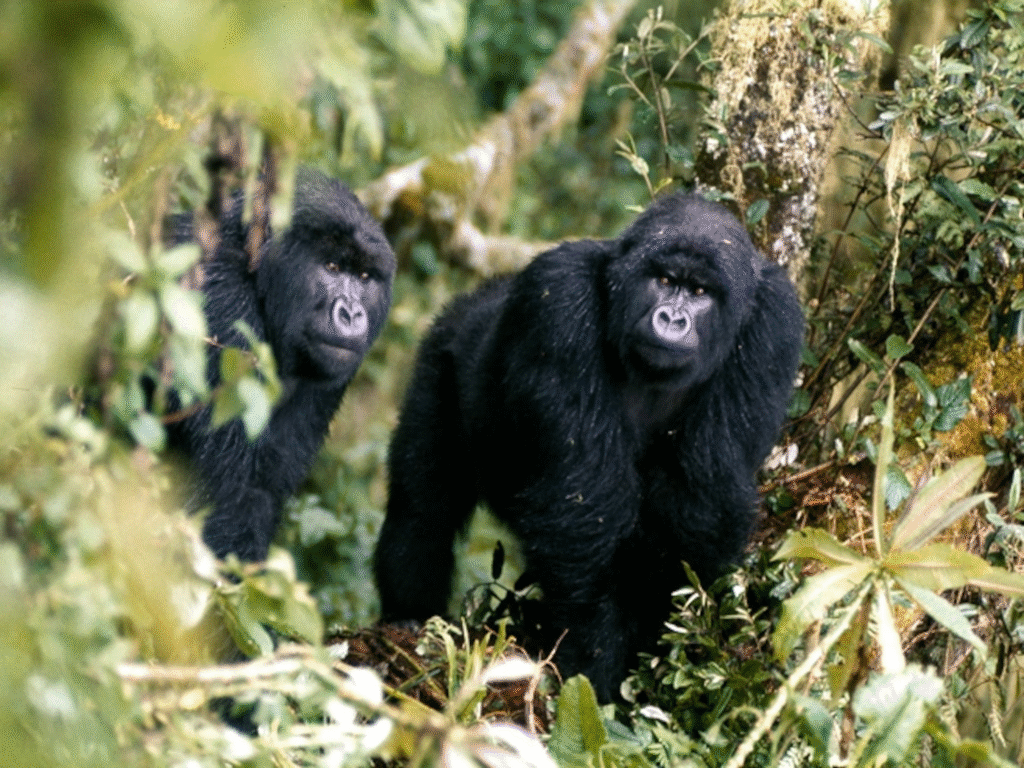
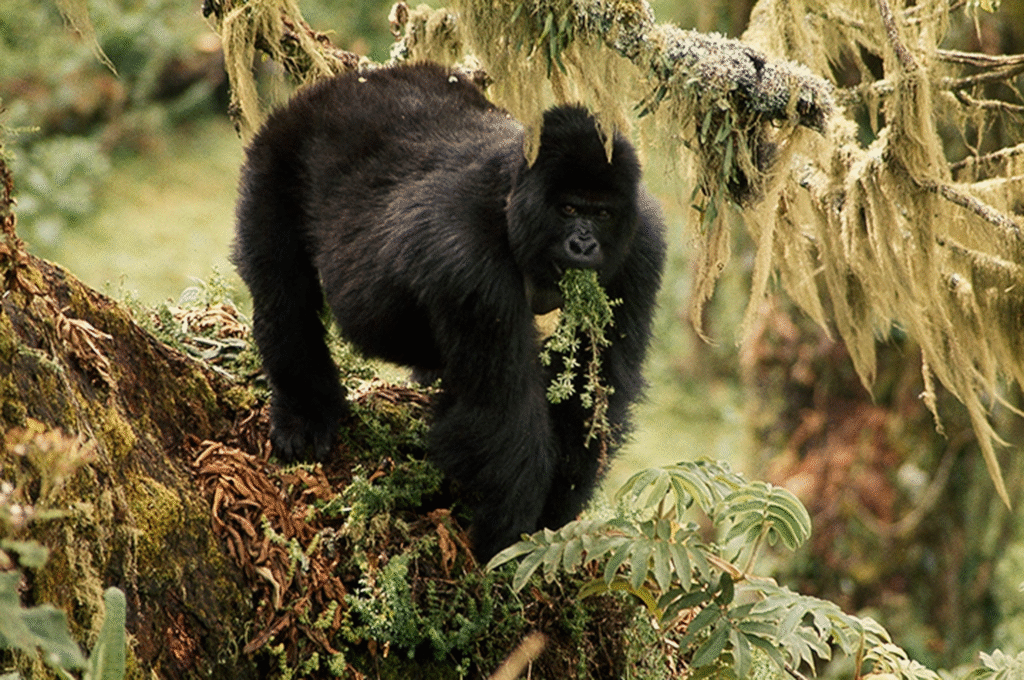
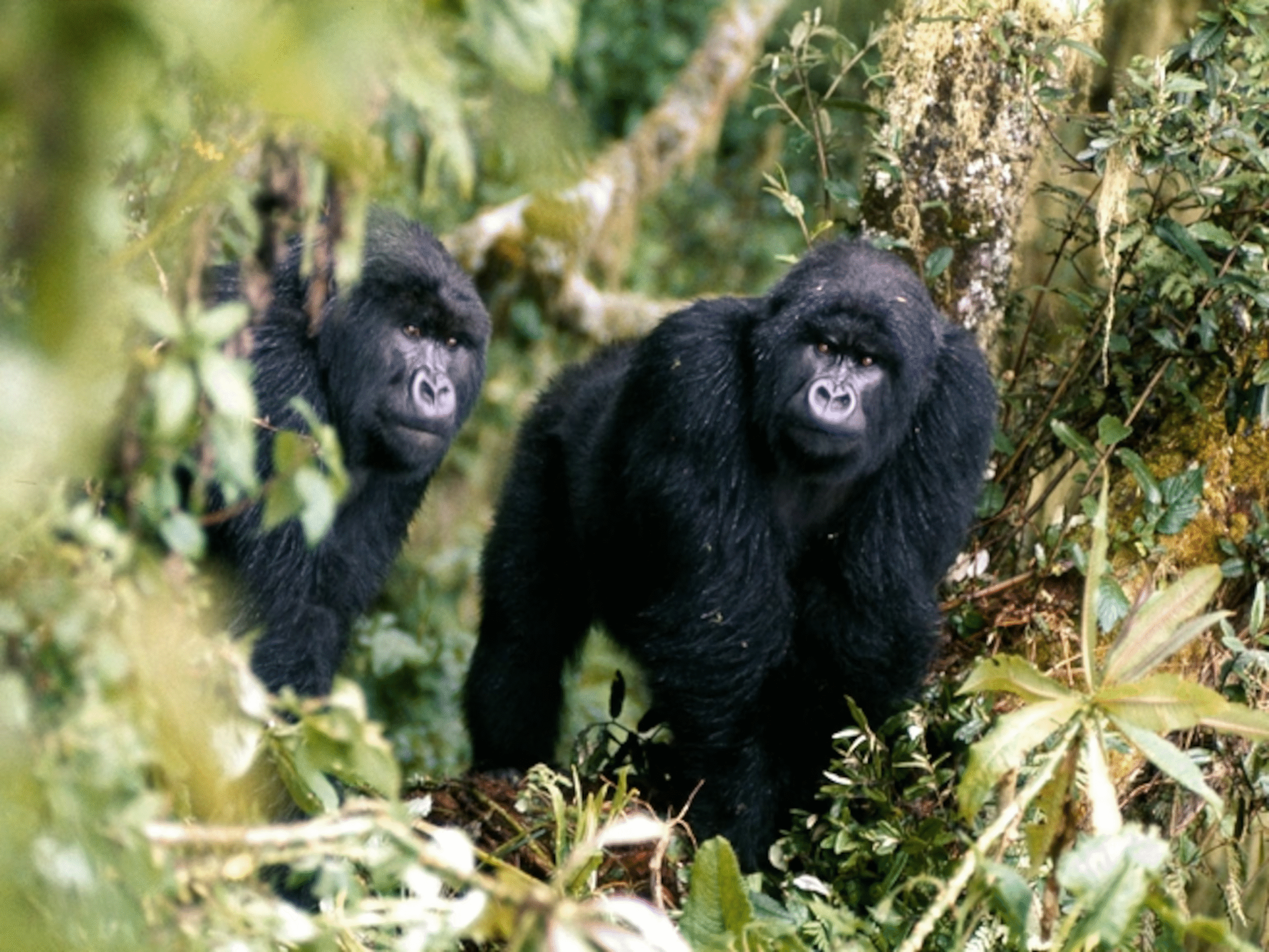
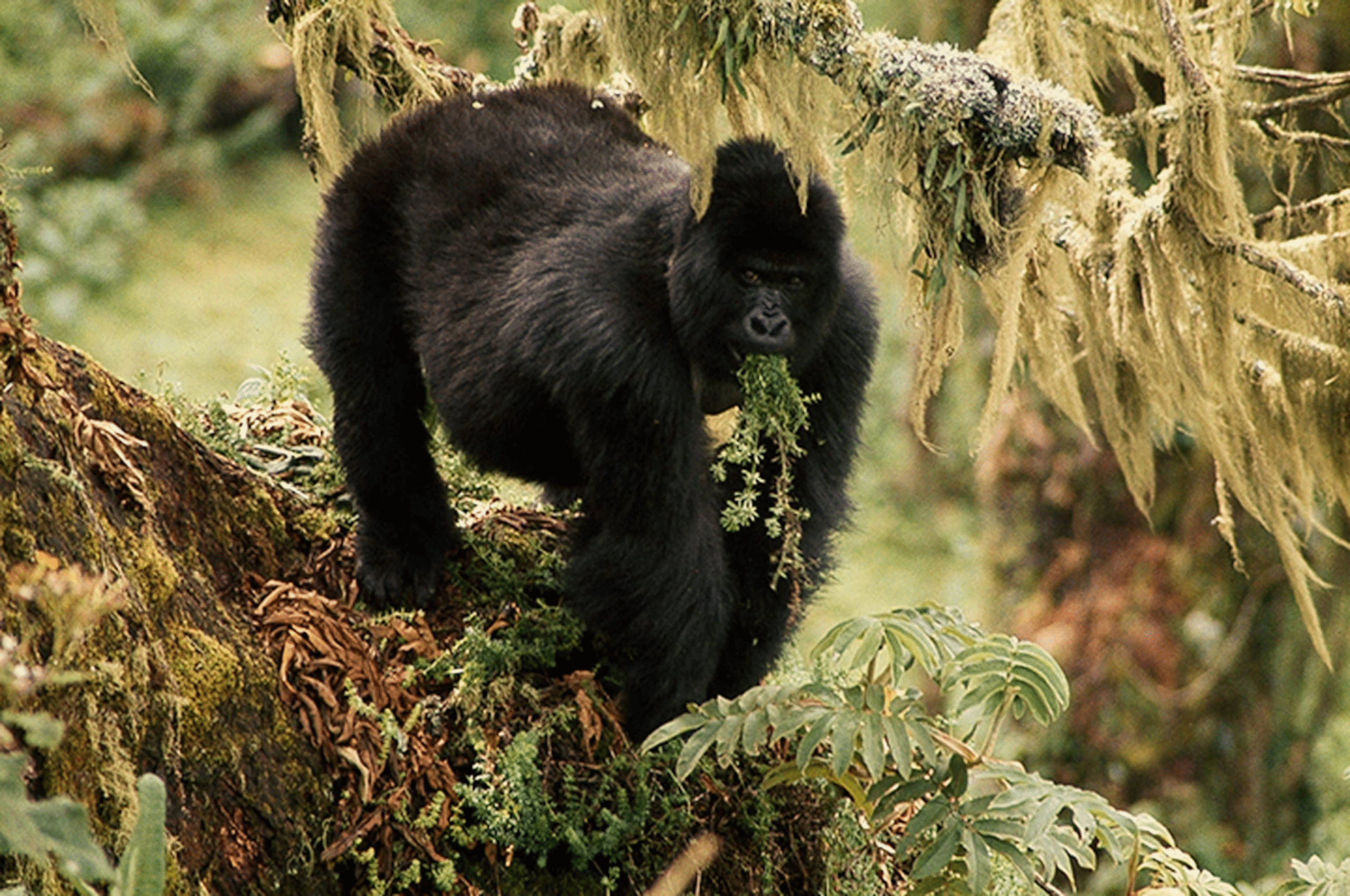
In the Realm of Giants – Bwindi & Mgahinga in Frames.
Wander through an elegant gallery capturing Uganda’s most exclusive gorilla sanctuaries, where ancient forests cradle the last mountain gorillas in a world of mist, mystery, and majesty.
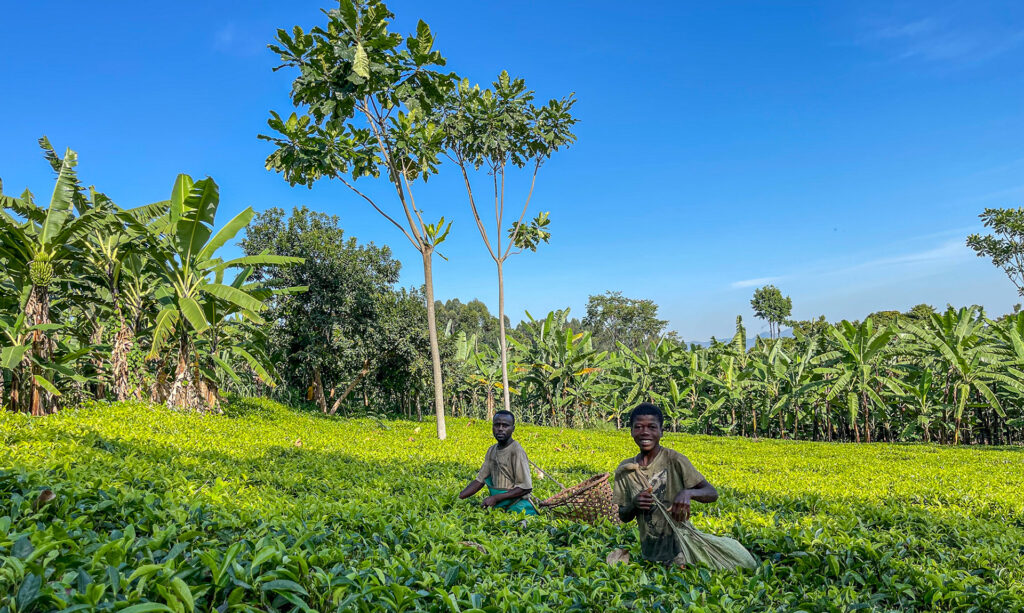

Essential Planning Tips for Visiting Uganda’s National Parks.
Get ready for the wild heart of Africa with expert travel tips on when to visit, what to pack, where to go, and how to make the most of your safari across Uganda’s breathtaking national parks.
Why Uganda for Gorilla Trekking?
Uganda is not just a destination — it's the very soul of gorilla trekking. With over half of the world’s remaining mountain gorillas calling its misty forests home, Uganda offers the rarest encounters in their most authentic setting. Here, your journey is not rushed or crowded. Instead, you’re guided by experienced rangers through pristine jungles where gorillas live as they always have — wild, free, and magnificent
From insider travel insights to unforgettable trekking guides, our blog is your trusted path into Uganda’s wild heart — connecting you with mountain gorillas, breathtaking landscapes, and the soul-stirring adventures that make this land unlike any other.