

Where the soul of the forest whispers in the mist
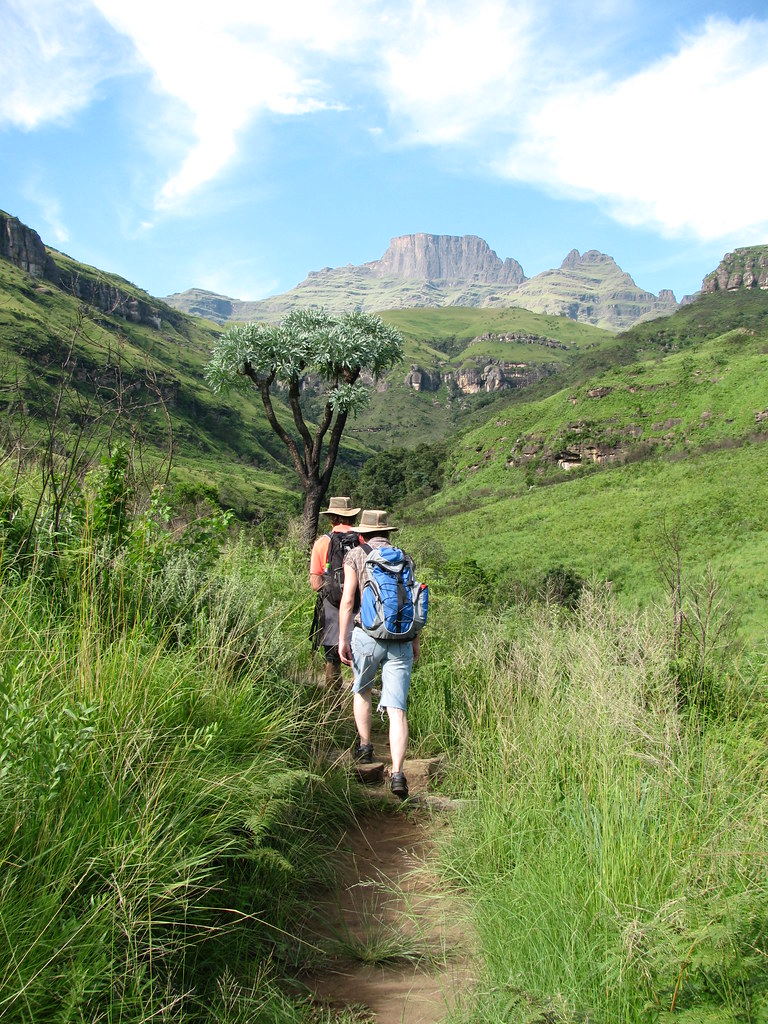
Hiking offers one of the most fulfilling ways to immerse yourself in nature, challenge your physical limits, and refresh your mind. However, without proper preparation, even a seemingly simple trail can become exhausting, stressful, or potentially unsafe. Preparing effectively for a hike involves far more than choosing a scenic route and putting on sturdy boots. It requires careful planning, a realistic assessment of your fitness level, selection of appropriate gear, and anticipation of weather, terrain, and potential hazards.
A well-prepared hiker is able to move confidently, maintain energy throughout the journey, and fully absorb the sights, sounds, and sensations of the natural world. Preparation also includes understanding trail conditions, knowing emergency procedures, and carrying essentials such as navigation tools, hydration, and first aid supplies.
Preparation begins with careful research and deliberate planning. Understanding the terrain, elevation changes, distance, and anticipated weather conditions enables hikers to make informed decisions about clothing, footwear, hydration, and nutrition. Gradually building fitness through regular exercise and practice hikes strengthens the muscles, stamina, and cardiovascular endurance necessary for the trail. Equally important is mental preparation—familiarity with potential hazards, navigation skills, and emergency procedures fosters confidence and calm in unexpected situations.
Whether embarking on a brief nature walk, a challenging day hike, or a multi-day mountain expedition, approaching the journey with thorough preparation transforms it from a simple outing into a safe, rewarding adventure.
So lace up your boots, grab your camera, and prepare to meet the wild — this is where your gorilla trekking dreams and unforgettable safari adventures truly begin.
Truly Iconic Highlights in Uganda

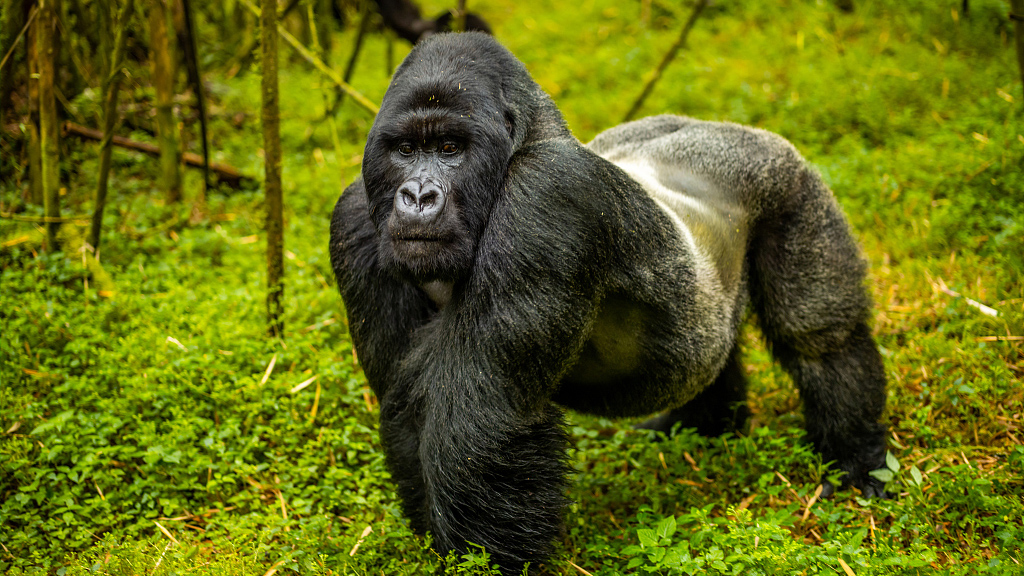
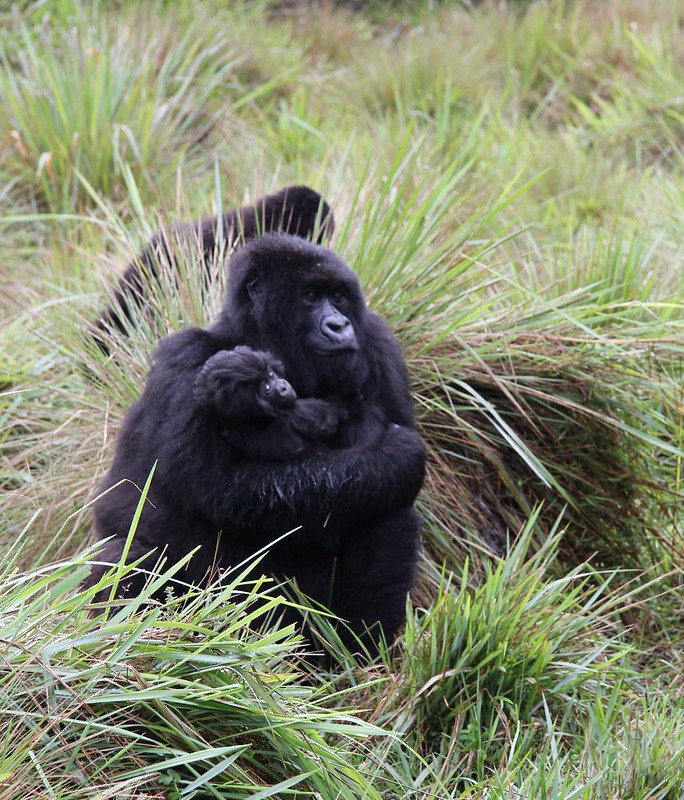
Trek through Bwindi’s mystical rainforest and meet the endangered mountain gorillas in their breathtaking natural home.
Encounter mountain gorillas and golden monkeys on Mgahinga’s misty volcanic trails, where culture and alpine wildlife thrive together.
Unwind after your trek with a peaceful canoe ride across Lake Bunyonyi, Uganda’s most tranquil and scenic highland lake.
Enhance your gorilla trekking safari with an optional chimpanzee encounter in Uganda’s lush forests, adding depth and diversity to your primate adventure
Gorilla Trekking Tours in Uganda – Our Most Popular Itineraries.
Explore our gorilla trekking safaris for every traveler—solo, family, budget, or luxury. All tours include permits, transport, accommodation, meals, and park fees. Whether for a quick trip or a deeper adventure, we’ve got you covered.
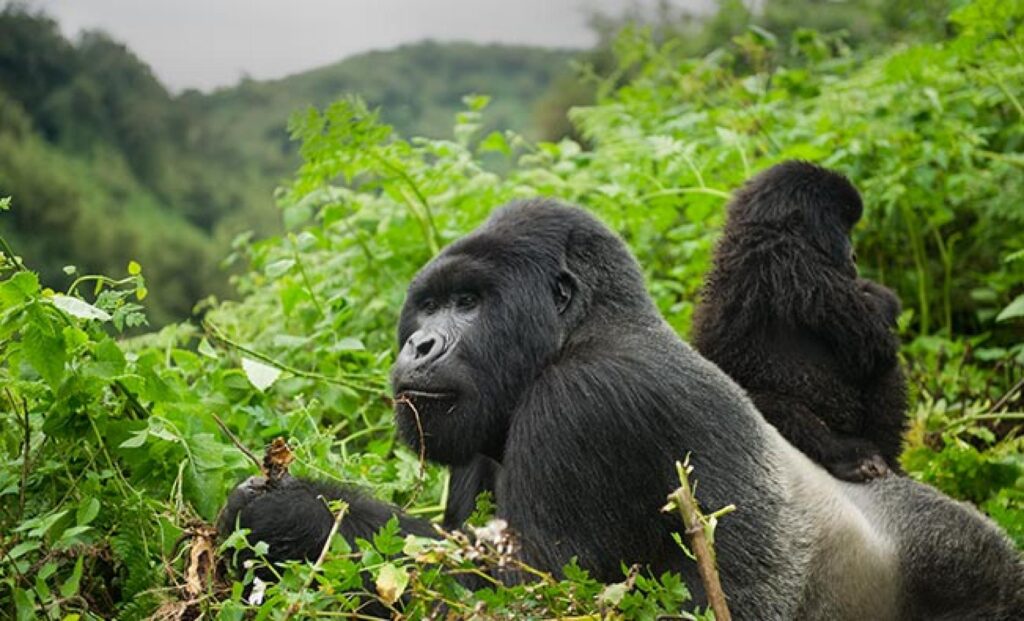
3-Day Bwindi Gorilla Trekking Safari
3-Day Bwindi Gorilla Trekking Safari
4-Day Uganda Gorilla Trekking Safari
4-Day Uganda Gorilla Trekking Safari
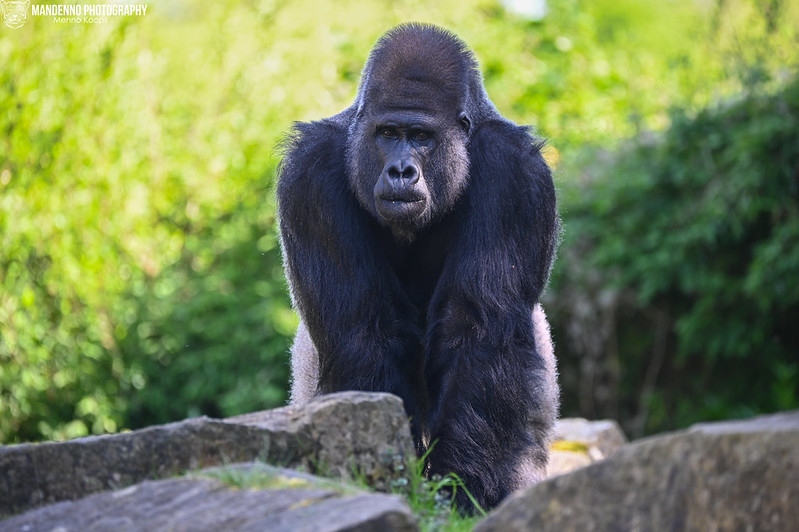
5-Day Gorilla Tracking and Wildlife Safari
5-Day Gorilla Tracking and Wildlife Safari

7-Day Uganda Primate Adventure & Wildlife Safari
7-Day Uganda Primate Adventure & Wildlife Safari
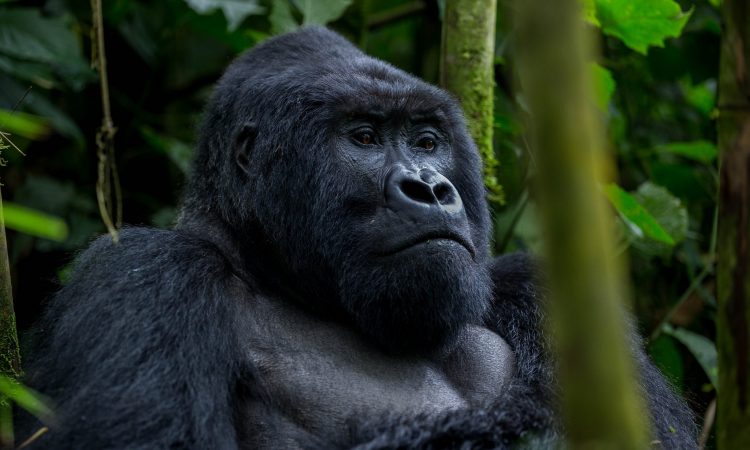
10-Day Gorilla Trekking & Big Five Safari in Uganda
10-Day Gorilla Trekking & Big Five Safari in Uganda
12-Day Uganda Gorilla Trekking, Chimp Tracking & Cultural Safari
12-Day Uganda Gorilla Trekking, Chimp Tracking & Cultural Safari
14-Day Best of Uganda Safari – Gorillas, Wildlife, Cultures
14-Day Best of Uganda Safari – Gorillas, Wildlife, Cultures
Trail Ready: How to Prepare for a Hike Safely and Successfully
Preparing for a Successful Hiking Adventure
Embarking on a hike, whether it is a brief nature walk, a day-long trek through rugged terrain, or a multi-day mountain expedition, begins long before the first step is taken. Preparation combines careful research, physical conditioning, mental focus, and thoughtful planning of gear and nutrition. A well-prepared hiker not only ensures personal safety but also maximizes the enjoyment, discovery, and sense of accomplishment that every journey can offer.
Research and Trail Planning
The foundation of any successful hiking adventure is thorough research. This begins with understanding the trail’s terrain, elevation changes, total distance, and difficulty level. Knowing the likely weather conditions during the planned hike allows hikers to select appropriate clothing, footwear, and gear, minimizing discomfort and risk.
In addition, studying maps, guidebooks, and recent trip reports helps identify rest points, water sources, and potential hazards. Trails can be affected by seasonal changes, wildlife activity, or erosion, so up-to-date information from local guides, park authorities, or experienced hikers is invaluable. For remote or high-altitude expeditions, research into emergency evacuation routes, nearby medical facilities, and cellular or radio coverage is critical.
Planning also includes setting realistic goals based on fitness level and experience. Breaking a long trek into manageable sections, estimating daily travel time, and scheduling rest periods all contribute to a smoother, more enjoyable journey.
Physical Conditioning and Strength
Hiking often challenges the body with uneven surfaces, steep inclines, long distances, and varying climates. Gradual conditioning helps build the muscles, stamina, and cardiovascular endurance necessary for such challenges. Strength training for the legs, core, and back improves stability and reduces fatigue, while aerobic exercises like running, cycling, or swimming increase overall endurance.
Practice hikes, gradually increasing in difficulty and duration, familiarize the body with the strain of a full expedition. Carrying a loaded backpack during training hikes mimics real conditions, preparing the shoulders and back for sustained weight. Even a moderate fitness routine can dramatically improve hiking performance and reduce the risk of strains, sprains, or exhaustion on the trail.
Mental Preparation and Awareness
Equally important to physical readiness is mental preparation. Hiking often involves unpredictable conditions, from sudden weather changes to unexpected encounters with wildlife. Understanding potential hazards and knowing how to respond fosters confidence and calm.
Mental preparation also involves learning basic navigation skills, reading maps, using a compass or GPS, and recognizing trail markers. Visualization techniques—imagining potential challenges and rehearsing responses—can help reduce anxiety and improve decision-making in real time. Mental resilience ensures that even when the trail becomes physically demanding or circumstances change unexpectedly, hikers maintain focus and composure.
Gear, Clothing, and Equipment
Selecting the right gear is central to comfort, safety, and efficiency. Sturdy, well-fitted hiking boots or shoes protect the feet on uneven terrain, while moisture-wicking layers and weather-appropriate clothing maintain comfort in changing temperatures. Rain gear, hats, and sun protection are essential for long exposure to the elements.
Backpacks should be sized appropriately for the length of the hike, with compartments for water, food, first aid supplies, and emergency equipment. Trekking poles can reduce strain on the knees and improve stability on steep or slippery sections. For multi-day hikes, camping gear must be lightweight, durable, and compact, balancing comfort with mobility.
Hydration, Nutrition, and Energy Management
Proper hydration and nutrition are critical components of preparation. Long hikes demand consistent intake of water to prevent dehydration and maintain physical performance. Electrolyte solutions, high-energy snacks, and balanced meals help sustain energy levels and avoid fatigue.
Planning food and water for the duration of the hike requires estimating exertion levels and trail availability. Carrying too little can lead to exhaustion or heat-related illnesses, while carrying excess weight adds strain. For multi-day treks, meals must be easy to prepare, lightweight, and nutritionally balanced to support sustained activity.
Safety and Emergency Preparedness
Safety is a cornerstone of responsible hiking. Carrying a personal first aid kit, understanding basic wound care, and knowing how to manage sprains, insect bites, or blisters are essential. For remote trails, knowledge of emergency signaling, basic survival skills, and evacuation procedures can be lifesaving.
Travelers should always inform someone of their itinerary, expected return times, and any contingencies. In group hikes, establishing clear communication, responsibilities, and meeting points ensures coordinated responses to challenges. Carrying a charged mobile device, GPS unit, or emergency beacon further enhances safety.
Environmental Awareness and Responsibility
Thorough preparation also involves understanding and respecting the natural environment. Hikers should learn about local flora, fauna, and ecosystems, following established trails to minimize ecological impact. Principles such as “Leave No Trace” ensure that the environment remains pristine for future visitors and wildlife is not disturbed. Awareness of potential hazards such as snakes, insects, or unstable terrain contributes both to personal safety and to preserving the environment.
Transforming the Hike into a Rewarding Experience
When preparation is complete, every hike becomes more than a physical challenge—it becomes an immersive adventure. The mind and body are free to focus on the landscape, wildlife, and the rhythms of the natural world. A well-prepared hiker can appreciate the quiet beauty of a forest, the majesty of mountain peaks, or the subtle details of flora and fauna without distraction or undue stress.
Preparation allows hikers to move with confidence, respond effectively to unexpected situations, and fully savor the experience. Each step becomes a conscious act of exploration, curiosity, and connection with the outdoors. Even when faced with fatigue, challenging terrain, or unpredictable weather, a prepared hiker experiences a profound sense of accomplishment, self-reliance, and appreciation for the journey itself.
By combining knowledge, fitness, mental focus, equipment readiness, and environmental awareness, hiking transforms from a simple outdoor activity into a meaningful, safe, and enriching adventure that leaves lasting memories and a deepened respect for nature.
More Gorilla Trekking Information to Know.
Gorilla trekking goes far beyond just the hike — it’s a deep, emotional journey into the heart of Africa’s last wild rainforests. Knowing the right timing, permits, fitness tips, and park details can turn your experience from good to unforgettable.

Gorilla Trekking in Bwindi Impenetrable Forest
Gorilla Trekking in Bwindi Impenetrable Forest
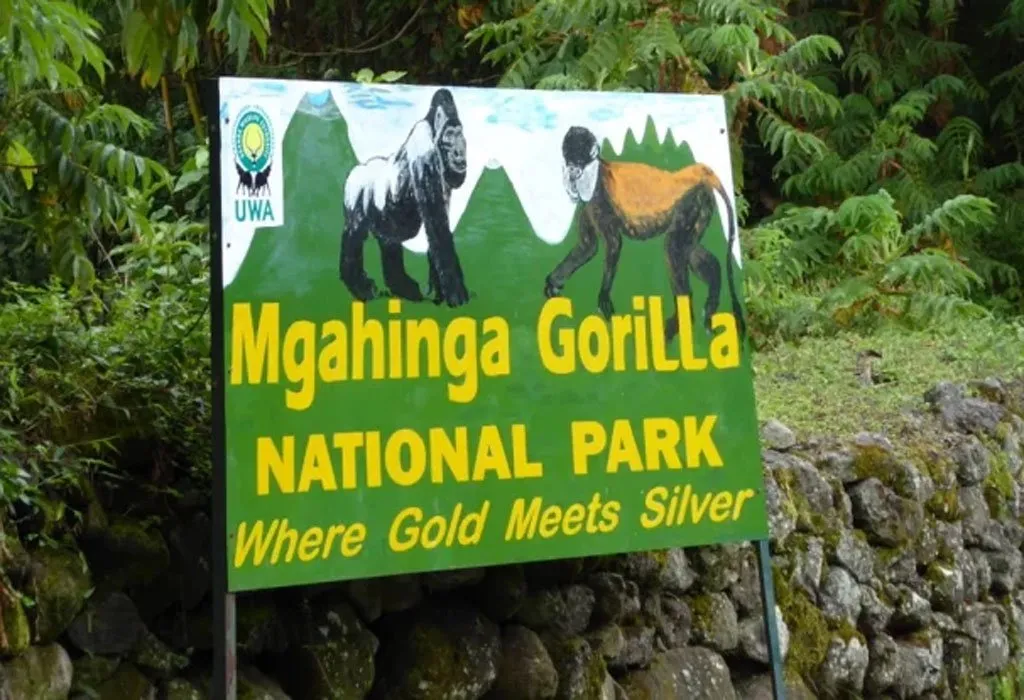
Trekking Gorillas in Mgahinga National Park
Trekking Gorillas in Mgahinga National Park
Uganda Gorilla Trekking Permits – Prices, Booking, & Travel Tips
Uganda Gorilla Trekking Permits – Prices, Booking, & Travel Tips
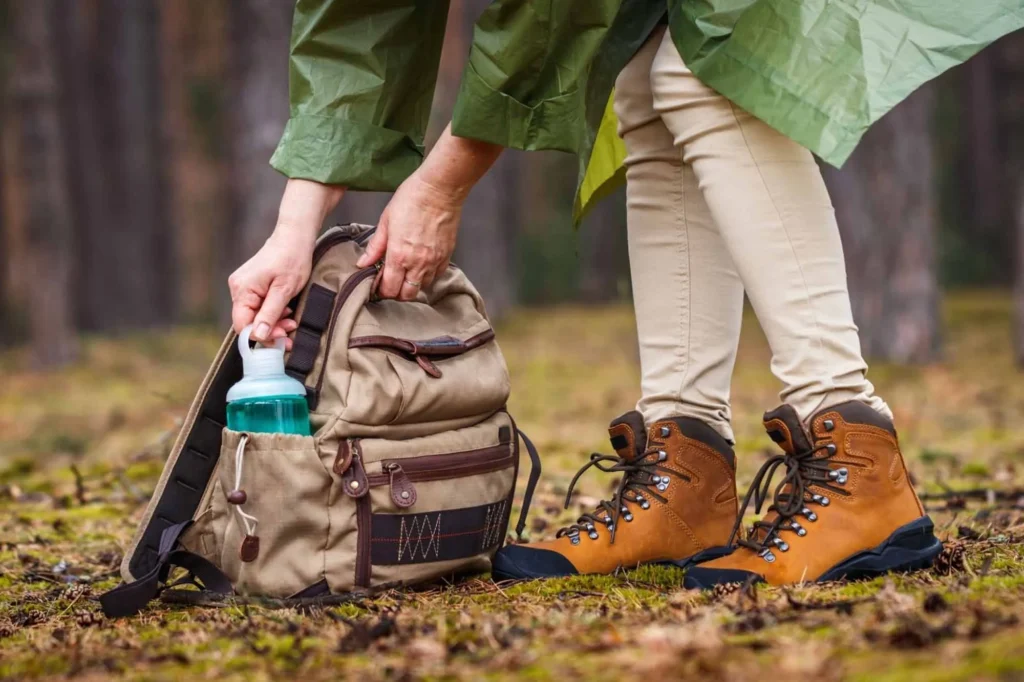
What to Pack for Gorilla Trekking in Uganda – Expert Checklist
What to Pack for Gorilla Trekking in Uganda – Expert Checklist
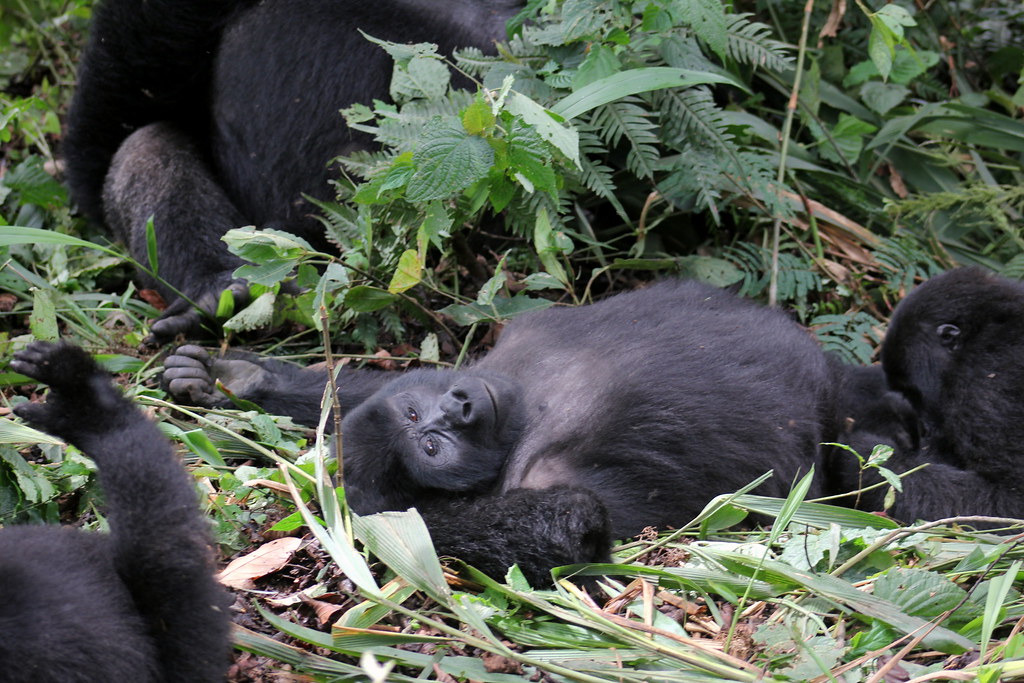
Best Time to Go Gorilla Trekking in Uganda – Weather & Seasons
Best Time to Go Gorilla Trekking in Uganda – Weather & Seasons
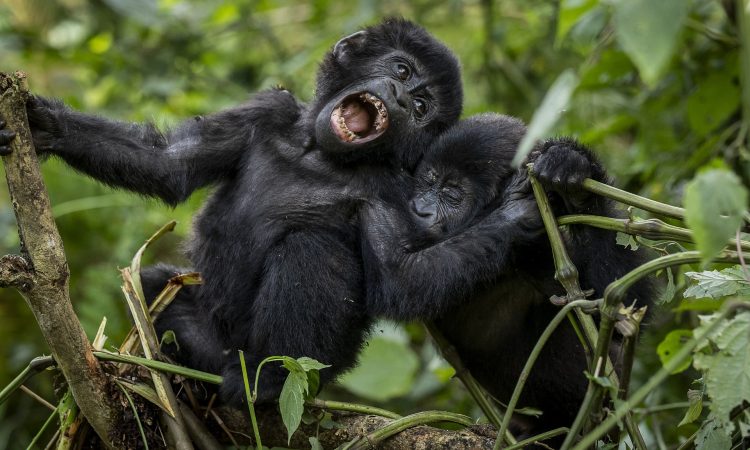
Gorilla Trekking Difficulty in Uganda – Fitness & Trail Guide
Gorilla Trekking Difficulty in Uganda – Fitness & Trail Guide
Gorilla Trekking Rules in Uganda – Safety, Respect & Ethics
Gorilla Trekking Rules in Uganda – Safety, Respect & Ethics
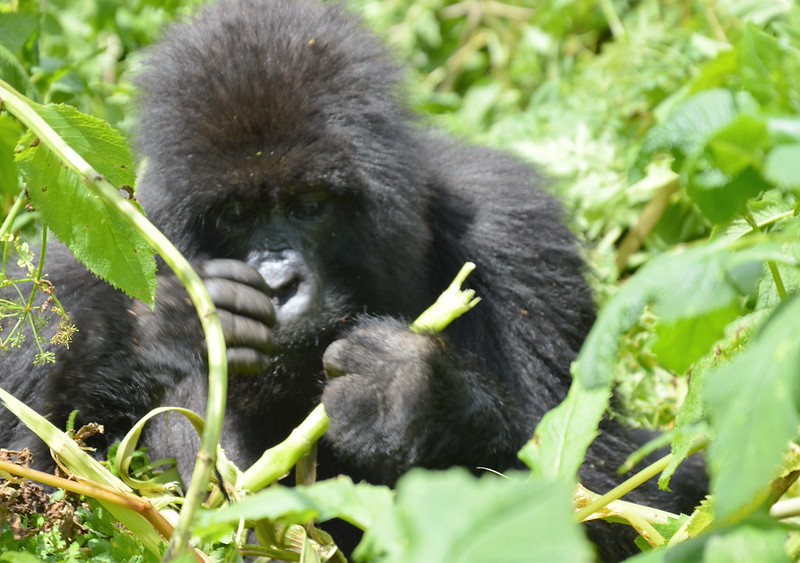
Gorilla Conservation in Uganda – Protecting the Mountain Giants
Gorilla Conservation in Uganda – Protecting the Mountain Giants
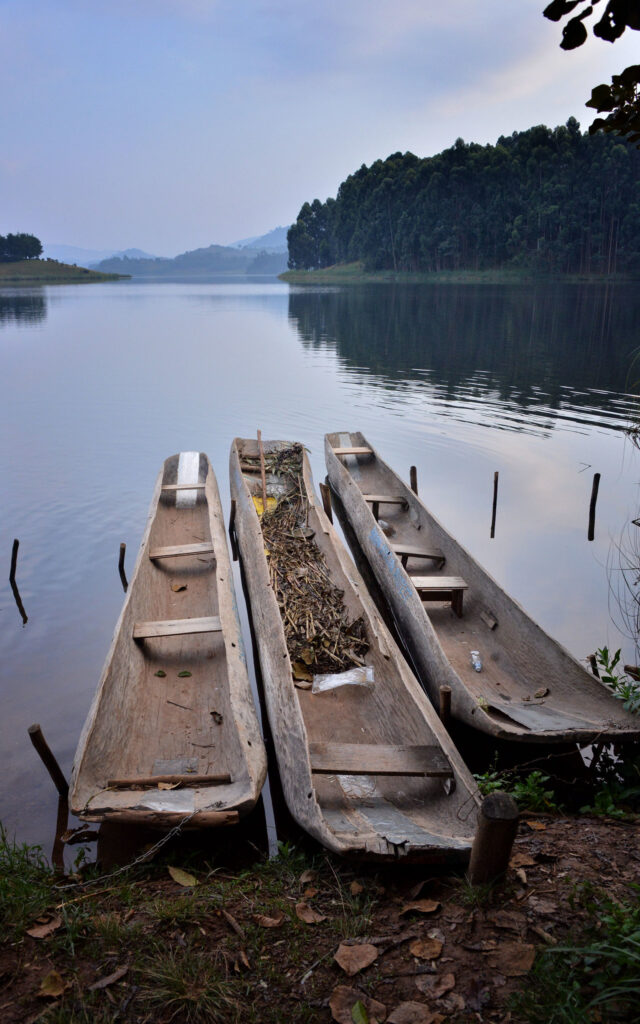
Bwindi vs. Mgahinga – Which One to Choose For Gorilla Trekking?
Bwindi vs. Mgahinga – Which One to Choose For Gorilla Trekking?
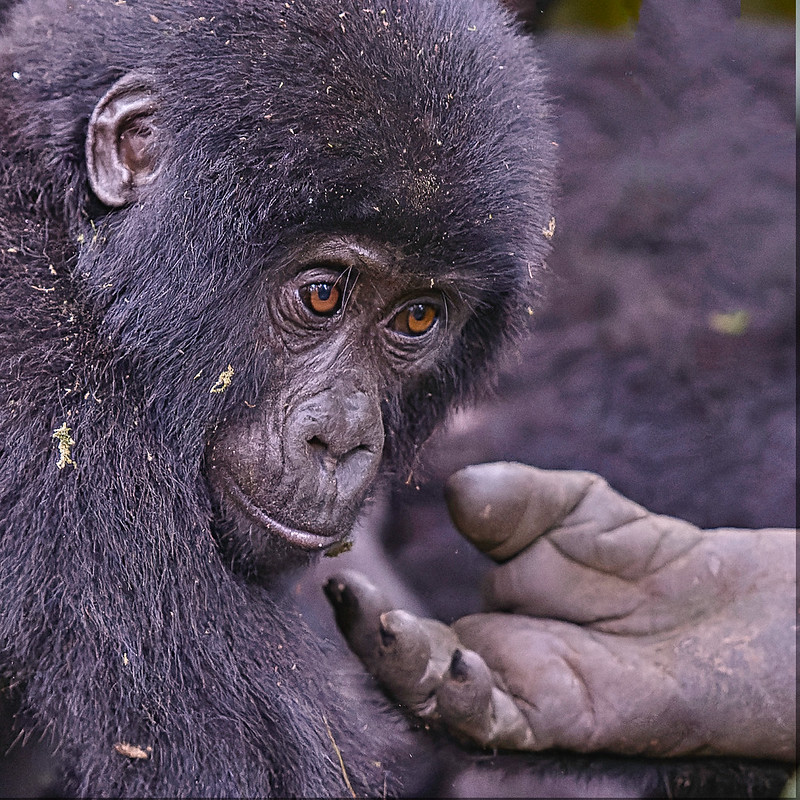
How to Stay Safe and Healthy While Traveling in Uganda
How to Stay Safe and Healthy While Traveling in Uganda
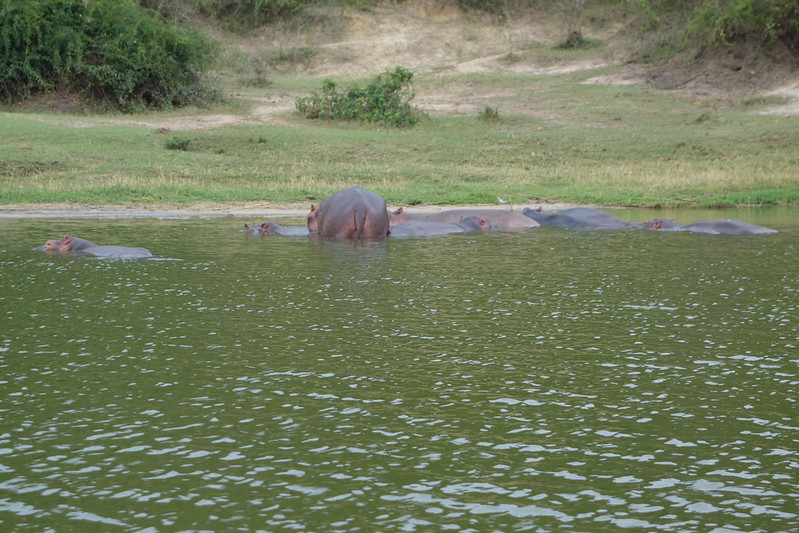
Routes, Tips & Travel Wisdom for Getting to Bwindi or Mgahinga
Routes, Tips & Travel Wisdom for Getting to Bwindi or Mgahinga

Accommodation Options: Lodges & Camps in Bwindi and Mgahinga
Accommodation Options: Lodges & Camps in Bwindi and Mgahinga

Protecting What You Came to See: Gorilla Conservation & Ethics
Protecting What You Came to See: Gorilla Conservation & Ethics
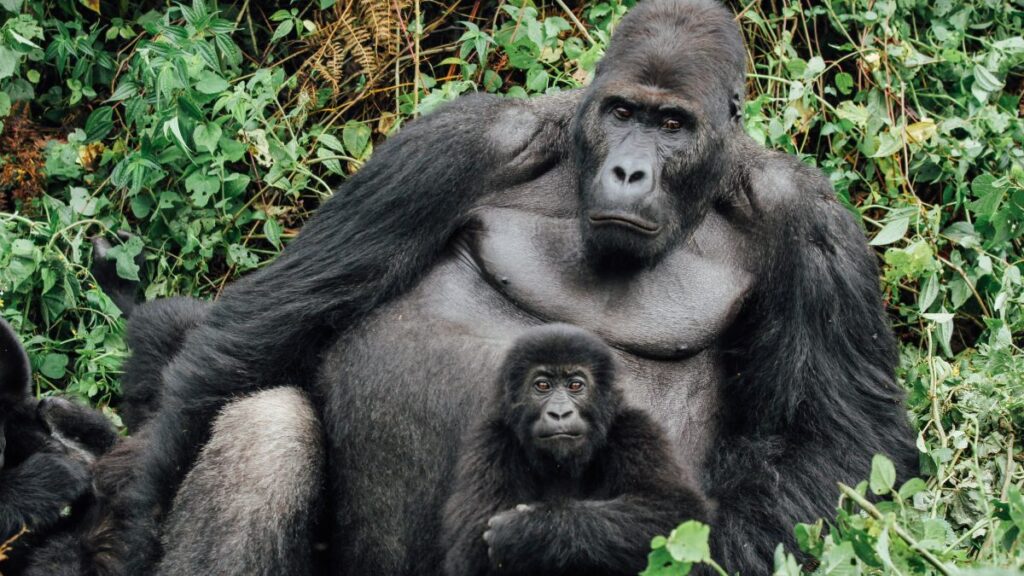
Travel Insurance for Gorilla Treks: Before You Go
Travel Insurance for Gorilla Treks: Before You Go

First Time Gorilla Trekking? Here’s Everything I Wish I Knew
First Time Gorilla Trekking? Here’s Everything I Wish I Knew
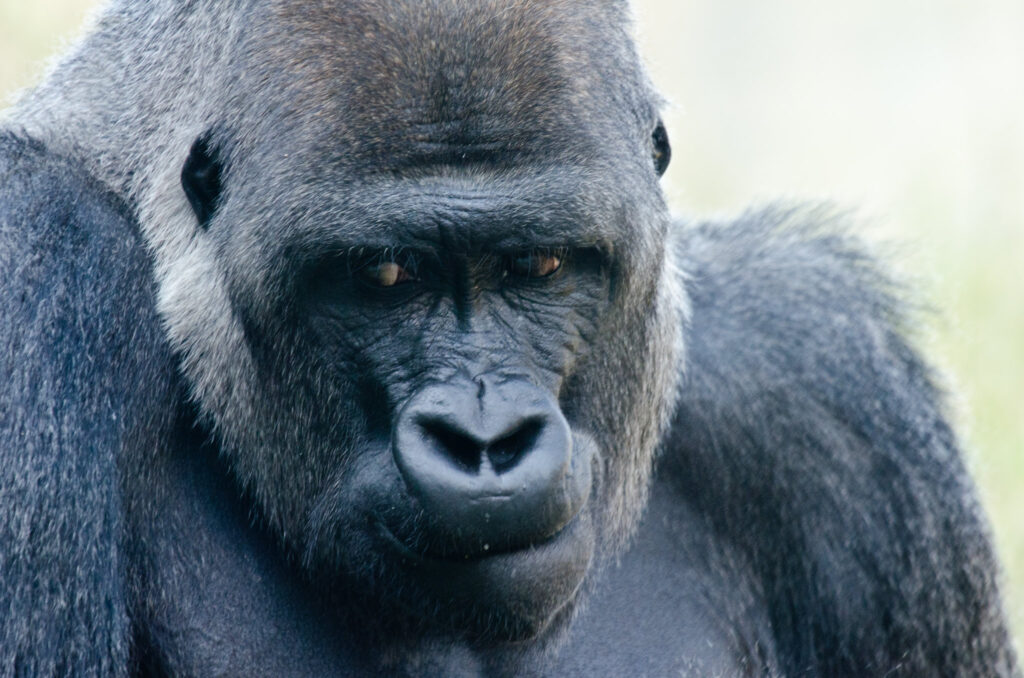
Step by Step: What Happens During a Gorilla Trekking Day
Step by Step: What Happens During a Gorilla Trekking Day
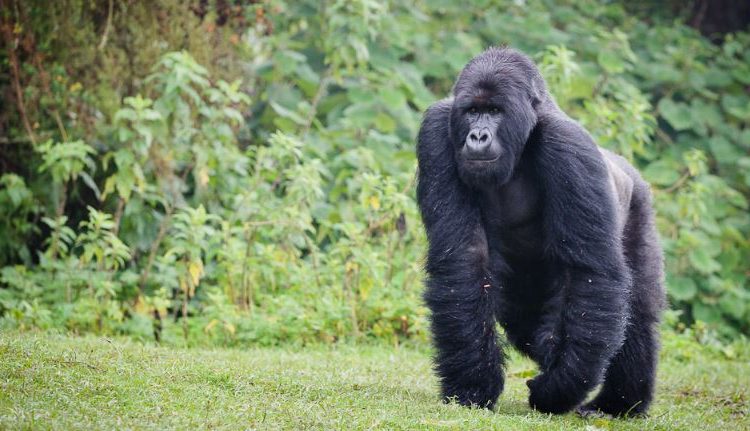
Gorilla Trekking vs. Gorilla Tracking – What’s the Real Difference?
Gorilla Trekking vs. Gorilla Tracking – What’s the Real Difference?
Beyond Gorillas: Other Wildlife You Can See During Your Trek
Beyond Gorillas: Other Wildlife You Can See During Your Trek
In the Realm of Giants – Bwindi & Mgahinga in Frames.
Wander through an elegant gallery capturing Uganda’s most exclusive gorilla sanctuaries, where ancient forests cradle the last mountain gorillas in a world of mist, mystery, and majesty.

Essential Planning Tips for Visiting Uganda’s National Parks.
Get ready for the wild heart of Africa with expert travel tips on when to visit, what to pack, where to go, and how to make the most of your safari across Uganda’s breathtaking national parks.
Why Uganda for Gorilla Trekking?
Uganda is not just a destination — it's the very soul of gorilla trekking. With over half of the world’s remaining mountain gorillas calling its misty forests home, Uganda offers the rarest encounters in their most authentic setting. Here, your journey is not rushed or crowded. Instead, you’re guided by experienced rangers through pristine jungles where gorillas live as they always have — wild, free, and magnificent
From insider travel insights to unforgettable trekking guides, our blog is your trusted path into Uganda’s wild heart — connecting you with mountain gorillas, breathtaking landscapes, and the soul-stirring adventures that make this land unlike any other.