

Where the soul of the forest whispers in the mist
The Mubare family is historically linked to the Buhoma sector of Bwindi Impenetrable National Park, a region recognized as the birthplace of gorilla tourism in Uganda. Buhoma, located on the northern edge of Bwindi, was the first sector to open for mountain gorilla trekking in the early 1990s, marking a turning point in both conservation strategy and community livelihoods. The Mubare family’s story is closely connected to this transformation, reflecting the earliest phase of coexistence between local communities and organized gorilla tourism.
For generations, the Mubare family lived adjacent to the forest, relying on Bwindi for subsistence, cultural identity, and ecological knowledge. The naming of the original Mubare gorilla group after the local area underscores the deep connection between place, people, and wildlife. As tourism and conservation developed in Buhoma, the Mubare family became part of a pioneering community experience that shaped how gorilla protection and local participation would be implemented across Bwindi.
So lace up your boots, grab your camera, and prepare to meet the wild — this is where your gorilla trekking dreams and unforgettable safari adventures truly begin.
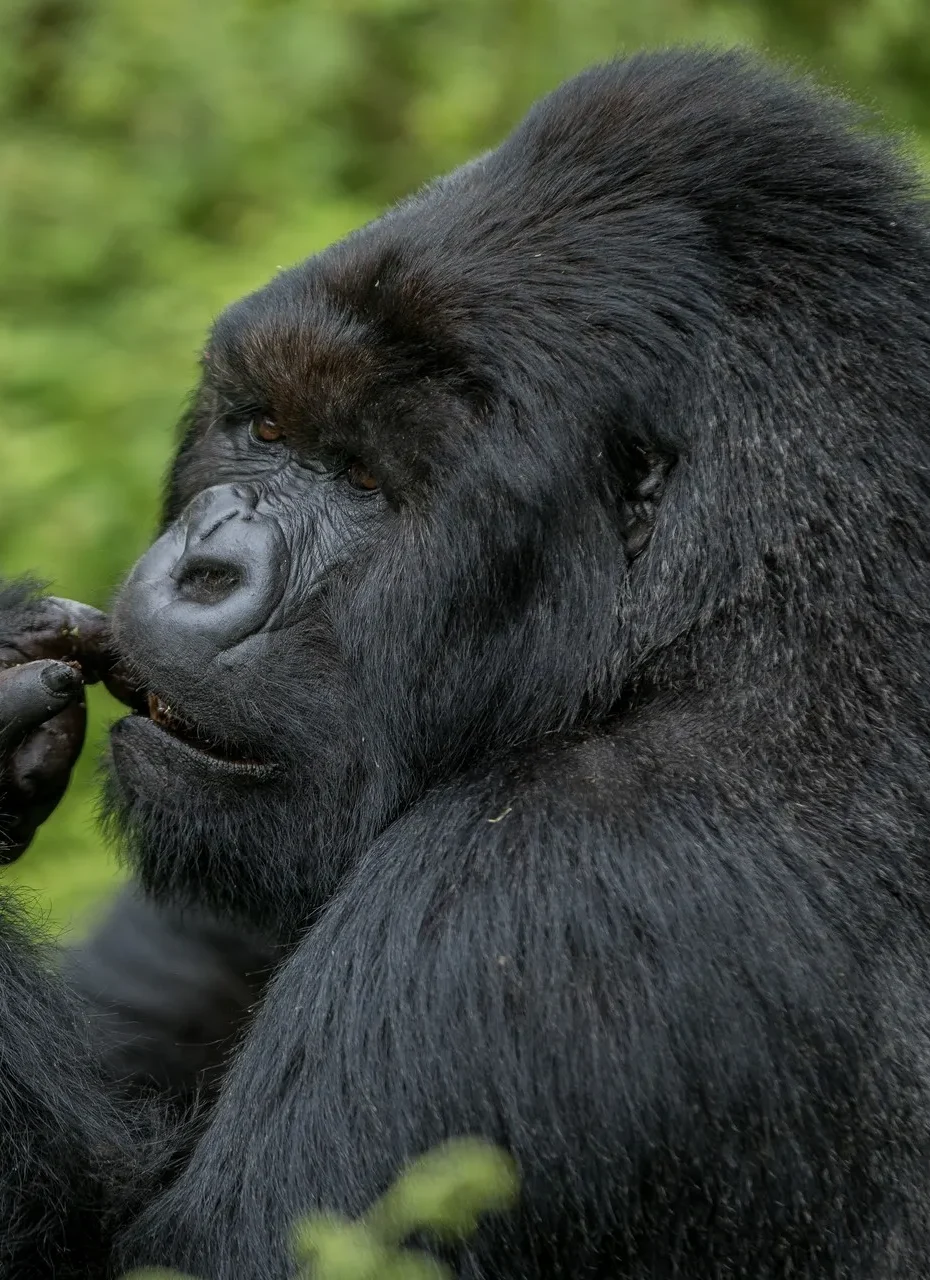
Truly Iconic Highlights in Uganda

Trek through Bwindi’s mystical rainforest and meet the endangered mountain gorillas in their breathtaking natural home.
Encounter mountain gorillas and golden monkeys on Mgahinga’s misty volcanic trails, where culture and alpine wildlife thrive together.
Unwind after your trek with a peaceful canoe ride across Lake Bunyonyi, Uganda’s most tranquil and scenic highland lake.
Enhance your gorilla trekking safari with an optional chimpanzee encounter in Uganda’s lush forests, adding depth and diversity to your primate adventure
Gorilla Trekking Tours in Uganda – Our Most Popular Itineraries.
Explore our gorilla trekking safaris for every traveler—solo, family, budget, or luxury. All tours include permits, transport, accommodation, meals, and park fees. Whether for a quick trip or a deeper adventure, we’ve got you covered.
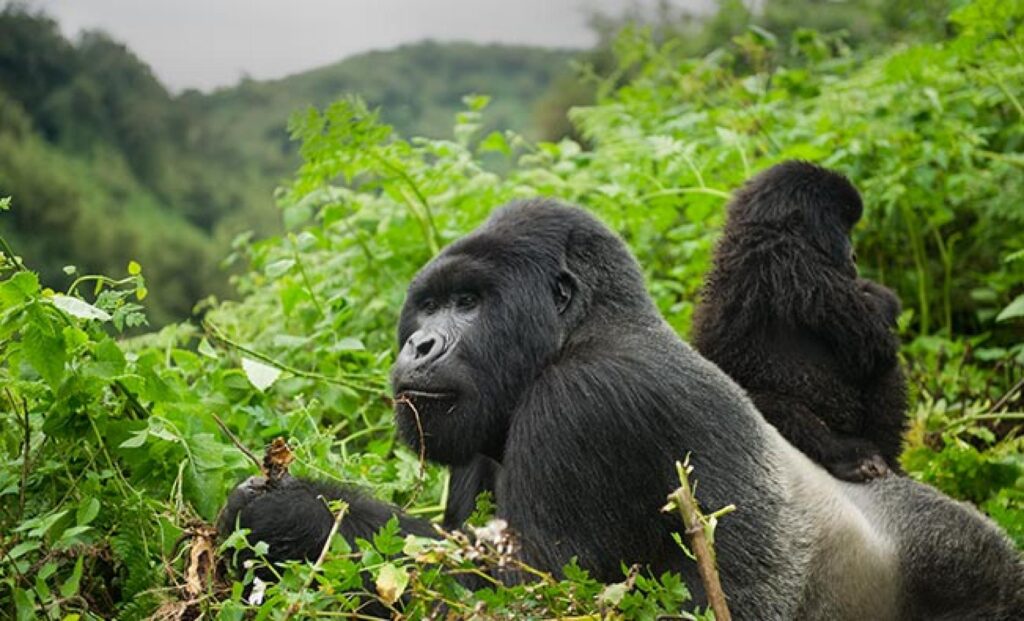
3-Day Bwindi Gorilla Trekking Safari
3-Day Bwindi Gorilla Trekking Safari
4-Day Uganda Gorilla Trekking Safari
4-Day Uganda Gorilla Trekking Safari
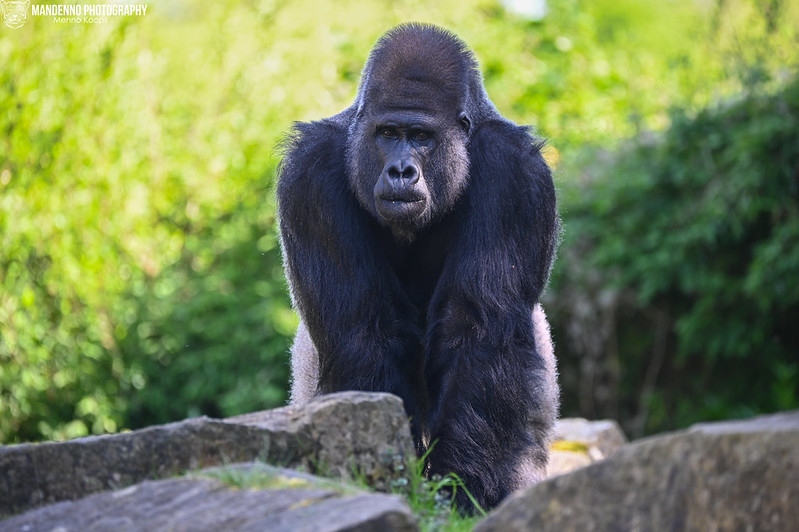
5-Day Gorilla Tracking and Wildlife Safari
5-Day Gorilla Tracking and Wildlife Safari
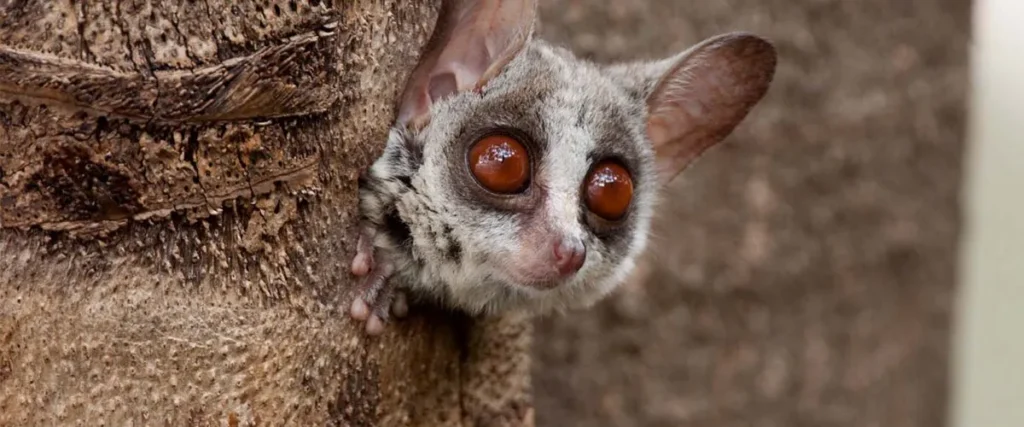
7-Day Uganda Primate Adventure & Wildlife Safari
7-Day Uganda Primate Adventure & Wildlife Safari
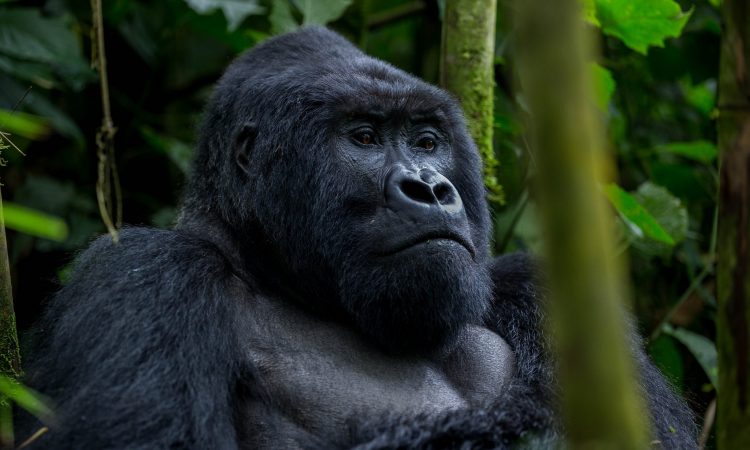
10-Day Gorilla Trekking & Big Five Safari in Uganda
10-Day Gorilla Trekking & Big Five Safari in Uganda
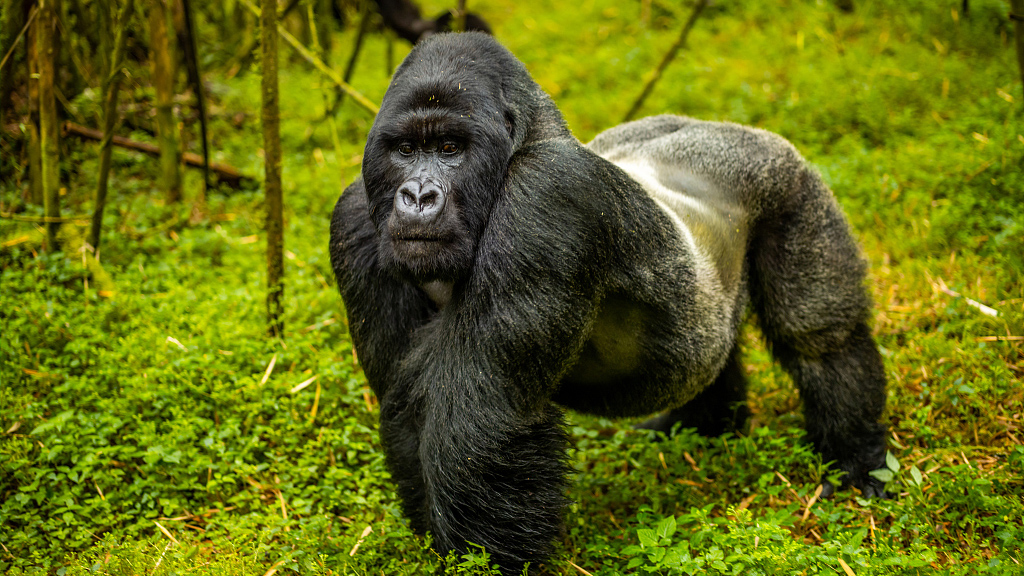
12-Day Uganda Gorilla Trekking, Chimp Tracking & Cultural Safari
12-Day Uganda Gorilla Trekking, Chimp Tracking & Cultural Safari
14-Day Best of Uganda Safari – Gorillas, Wildlife, Cultures
14-Day Best of Uganda Safari – Gorillas, Wildlife, Cultures
A DETAILED STUDY OF THE MUBARE FAMILY – BUHOMA SECTOR
Geographical location and landscape context
The Mubare family homestead is situated in the Buhoma sector, along the northern boundary of Bwindi Impenetrable National Park. This area is characterized by rolling hills, river valleys, and dense tropical forest that descends toward the lowlands. Buhoma’s comparatively lower altitude results in warmer temperatures and higher humidity than the southern and eastern sectors of Bwindi, creating favorable conditions for both agriculture and forest biodiversity.The landscape surrounding the Mubare family is shaped by a network of footpaths, community centers, and early tourism infrastructure. Buhoma’s accessibility and proximity to the forest interior positioned it as the initial gateway for gorilla trekking, placing local families at the center of Uganda’s emerging conservation tourism model.
Historical background and forest reliance
Historically, the Mubare family depended extensively on Bwindi forest resources for daily survival. The forest supplied medicinal plants, wild foods, building materials, and firewood, while also holding cultural and spiritual significance. Knowledge of forest use and wildlife behavior was transmitted through generations, reinforcing a deep familiarity with the ecosystem.The establishment of Bwindi Impenetrable National Park introduced restrictions that altered these traditional practices. For the Mubare family, this period coincided with the earliest efforts to habituate gorillas for tourism. The transition from forest dependence to regulated conservation use required significant adjustment, making the family part of the first community to experience the social impact of gorilla tourism in Uganda.
The Mubare gorilla group and early tourism history
The Mubare gorilla group, the first to be habituated for tourism in Bwindi, holds a special place in conservation history. Its name reflects the local landscape and community identity, symbolizing the close relationship between people and wildlife in Buhoma. The group’s habituation marked the beginning of structured gorilla trekking, setting standards that would later be adopted across the park.For the Mubare family and neighboring households, the emergence of gorilla tourism introduced new forms of engagement with conservation. Community members observed the gradual shift from conflict and uncertainty toward opportunity, as tourism began generating employment, revenue sharing, and infrastructure development. This early exposure shaped local attitudes toward conservation for decades to come.
Community involvement in conservation and tourism
As tourism expanded in Buhoma, members of the Mubare family became involved in various conservation-support roles, including portering, guiding assistance, cultural interpretation, and hospitality-related activities. Their familiarity with the forest environment made them valuable contributors to the success of early trekking operations.This involvement fostered a sense of ownership over conservation outcomes. Gorilla protection was increasingly viewed as a shared responsibility that could improve livelihoods while safeguarding the forest. The Mubare family’s participation strengthened collaboration between the community, park authorities, and tour operators, reinforcing Buhoma’s role as a model for community-based conservation.
Cultural identity and social life
The Mubare family is part of the Bakiga cultural community, whose values emphasize resilience, cooperation, and respect for elders. Cultural traditions are preserved through oral history, shared labor, and everyday practices that reinforce family cohesion. Stories of life before the park, early encounters with gorillas, and the arrival of tourists form an important part of family narrative.These cultural expressions provide context for understanding how conservation has reshaped social life in Buhoma. While external influences have increased, cultural continuity remains central to family identity, offering visitors an authentic perspective on community life at Bwindi’s northern edge.
Agriculture and present livelihoods
Today, the Mubare family relies primarily on small-scale agriculture complemented by tourism-related income. Crops such as bananas, beans, maize, cassava, and vegetables are cultivated on fertile hillsides, supported by consistent rainfall and rich soils. Livestock keeping, including goats and poultry, contributes to household resilience and food security.Farming near the forest requires adaptive practices to manage soil fertility and reduce human–wildlife conflict. The family’s agricultural strategies reflect lessons learned through years of living alongside a protected area, demonstrating how livelihoods can align with conservation objectives.
Education and intergenerational change
The growth of tourism and conservation initiatives in Buhoma has increased access to education and social services. Within the Mubare family, education is increasingly viewed as a pathway to expanded opportunities beyond subsistence farming. Younger generations are encouraged to pursue schooling while remaining connected to cultural values and environmental responsibility.Elders continue to emphasize the importance of traditional knowledge, ensuring that historical understanding of the forest and community identity is not lost. This balance between education and heritage reflects the evolving aspirations of families shaped by long-term conservation engagement.
Visitor experience and cultural exchange
Visitors to Buhoma often encounter the Mubare family’s broader community context through cultural visits, village walks, and shared interactions. These experiences provide insight into the origins of gorilla tourism and the role local families played in its development.Engagement with families like the Mubare offers visitors a deeper appreciation of how conservation success is built on trust, adaptation, and shared benefit. The simplicity and authenticity of these interactions enhance the overall gorilla trekking experience.
Role within Buhoma’s conservation legacy
The Mubare family occupies a symbolic place within Buhoma’s conservation history as part of the community that witnessed and supported the birth of gorilla tourism in Uganda. Their experience highlights the long-term social dimension of conservation, where early cooperation laid the foundation for sustainable tourism models.Their story continues to inform conservation planning by demonstrating the value of involving local communities from the outset. Buhoma’s success as a trekking sector is inseparable from families like the Mubare, whose participation shaped its trajectory.
Pioneers of community-based conservation
The Mubare family represents the pioneering spirit of Buhoma’s conservation journey. From forest dependence to active participation in gorilla tourism, their experience reflects one of the earliest and most influential transitions in Bwindi Impenetrable National Park.Through cultural continuity, agricultural adaptation, and conservation engagement, the Mubare family embodies the human foundation of Uganda’s gorilla tourism success. Their story reminds visitors that behind every trekking permit and conservation milestone lies a community whose history and resilience
More Gorilla Trekking Information to Know.
Gorilla trekking goes far beyond just the hike — it’s a deep, emotional journey into the heart of Africa’s last wild rainforests. Knowing the right timing, permits, fitness tips, and park details can turn your experience from good to unforgettable.
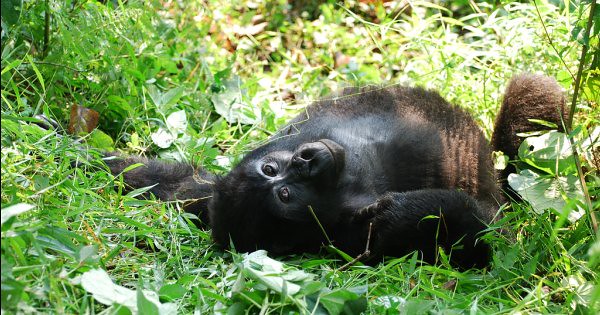
Gorilla Trekking in Bwindi Impenetrable Forest
Gorilla Trekking in Bwindi Impenetrable Forest
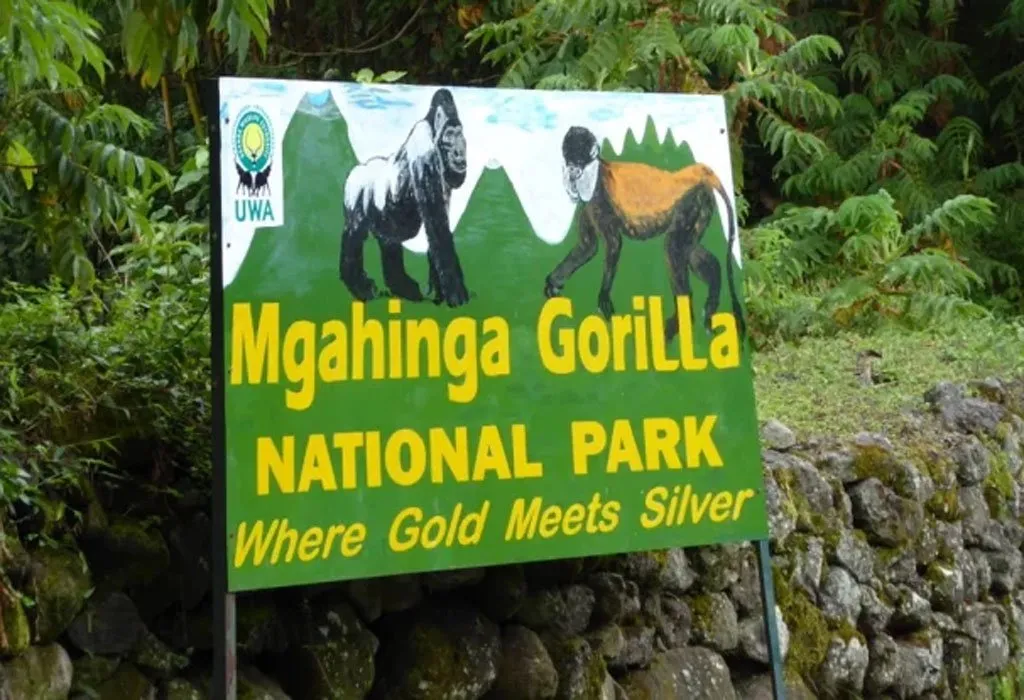
Trekking Gorillas in Mgahinga National Park
Trekking Gorillas in Mgahinga National Park
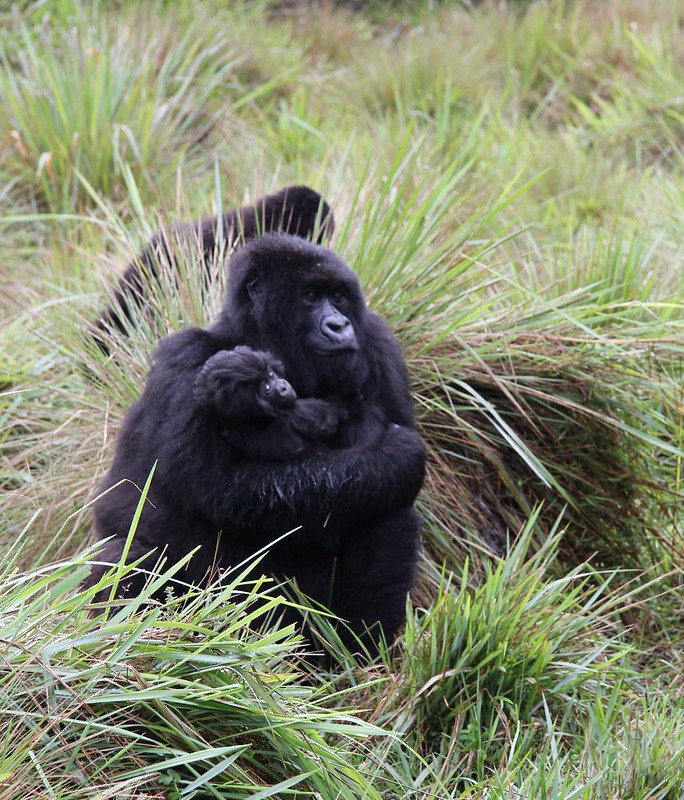
Uganda Gorilla Trekking Permits – Prices, Booking, & Travel Tips
Uganda Gorilla Trekking Permits – Prices, Booking, & Travel Tips
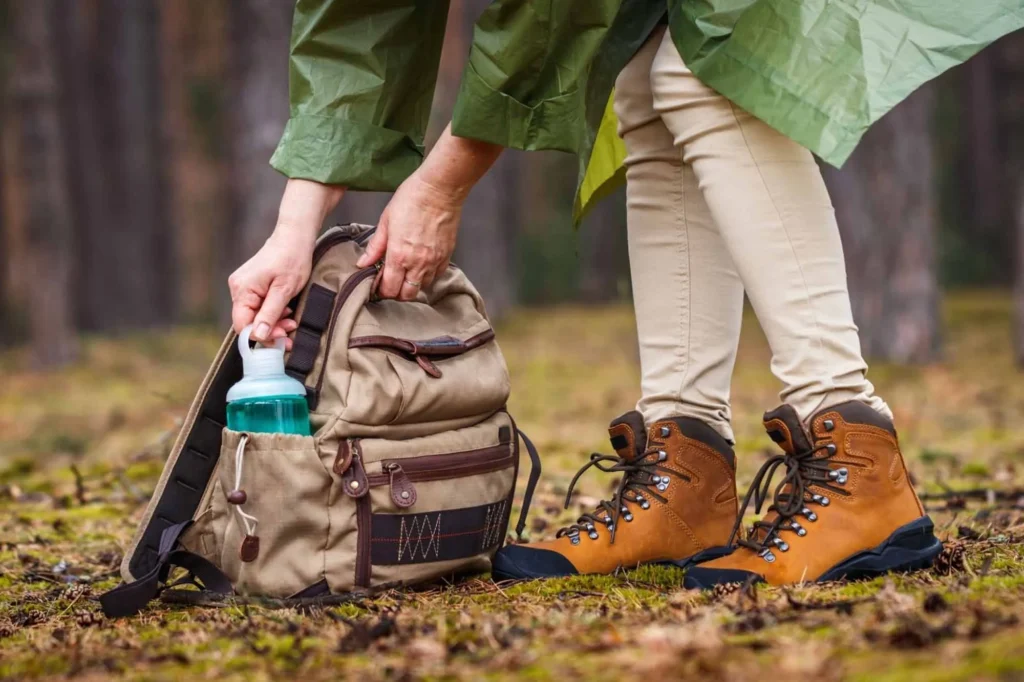
What to Pack for Gorilla Trekking in Uganda – Expert Checklist
What to Pack for Gorilla Trekking in Uganda – Expert Checklist
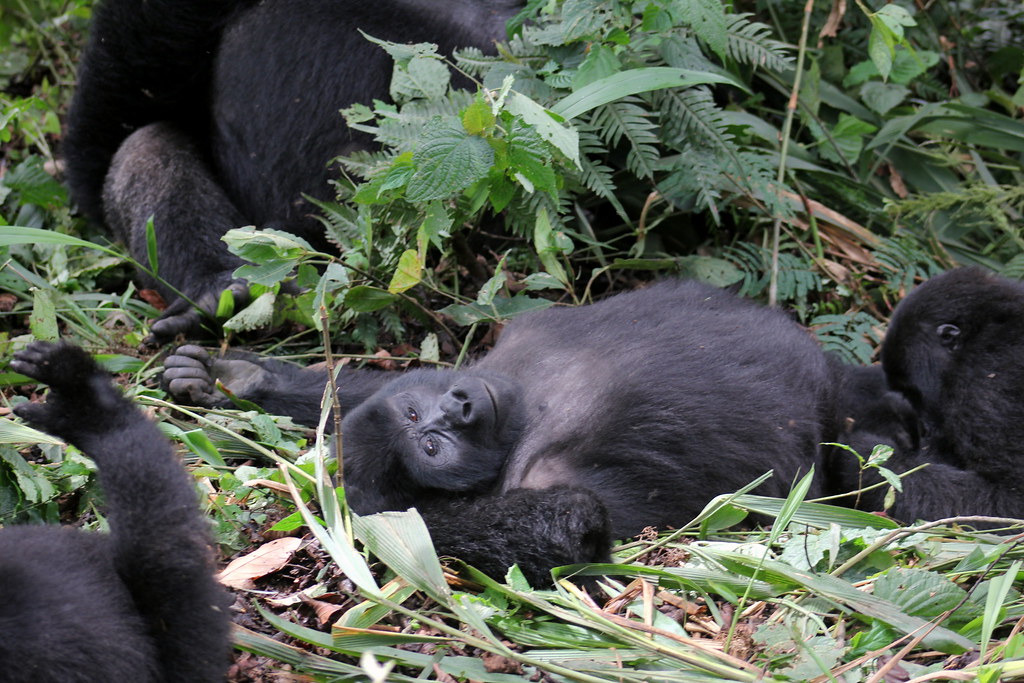
Best Time to Go Gorilla Trekking in Uganda – Weather & Seasons
Best Time to Go Gorilla Trekking in Uganda – Weather & Seasons
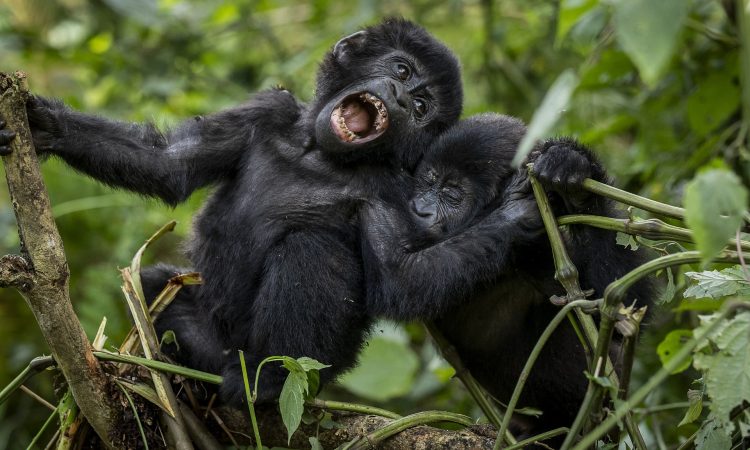
Gorilla Trekking Difficulty in Uganda – Fitness & Trail Guide
Gorilla Trekking Difficulty in Uganda – Fitness & Trail Guide
Gorilla Trekking Rules in Uganda – Safety, Respect & Ethics
Gorilla Trekking Rules in Uganda – Safety, Respect & Ethics
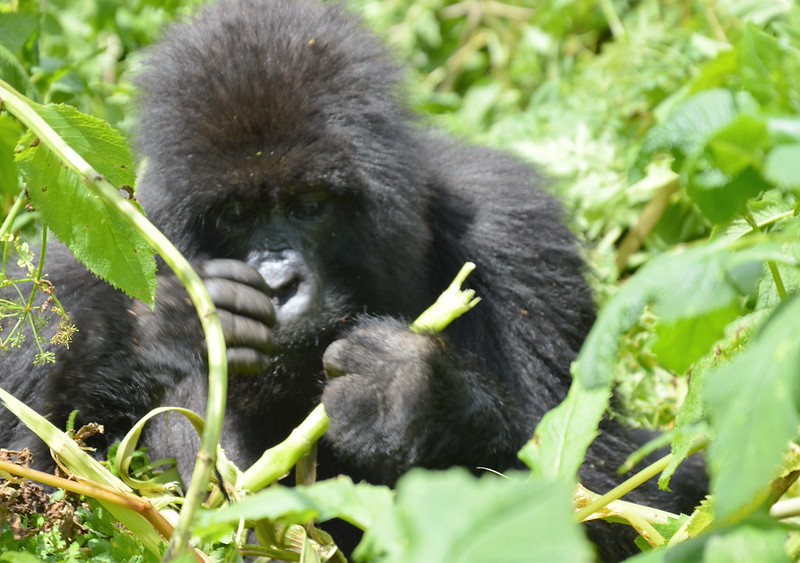
Gorilla Conservation in Uganda – Protecting the Mountain Giants
Gorilla Conservation in Uganda – Protecting the Mountain Giants
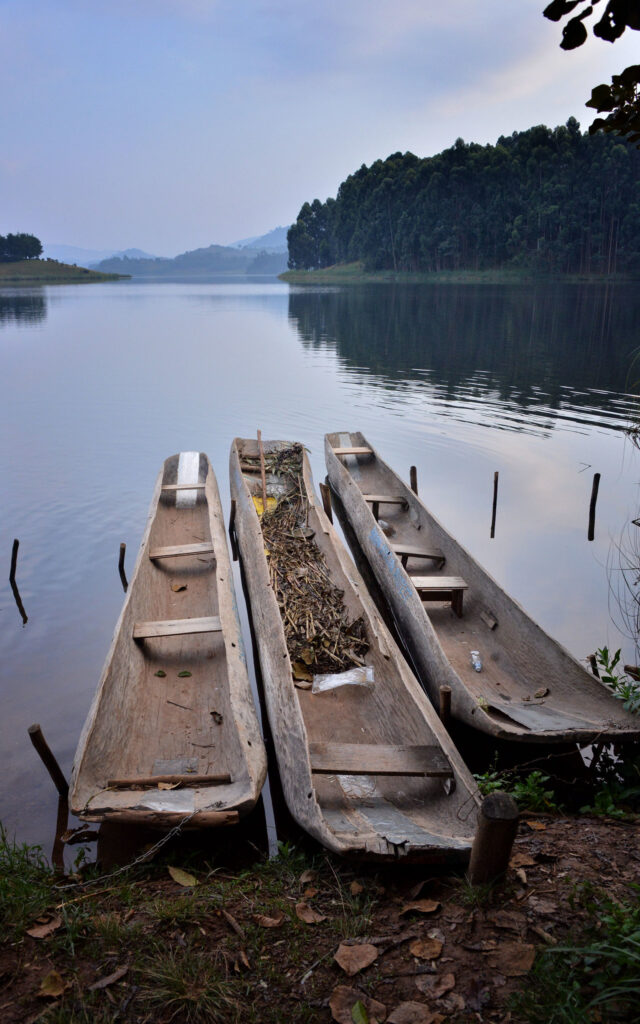
Bwindi vs. Mgahinga – Which One to Choose For Gorilla Trekking?
Bwindi vs. Mgahinga – Which One to Choose For Gorilla Trekking?
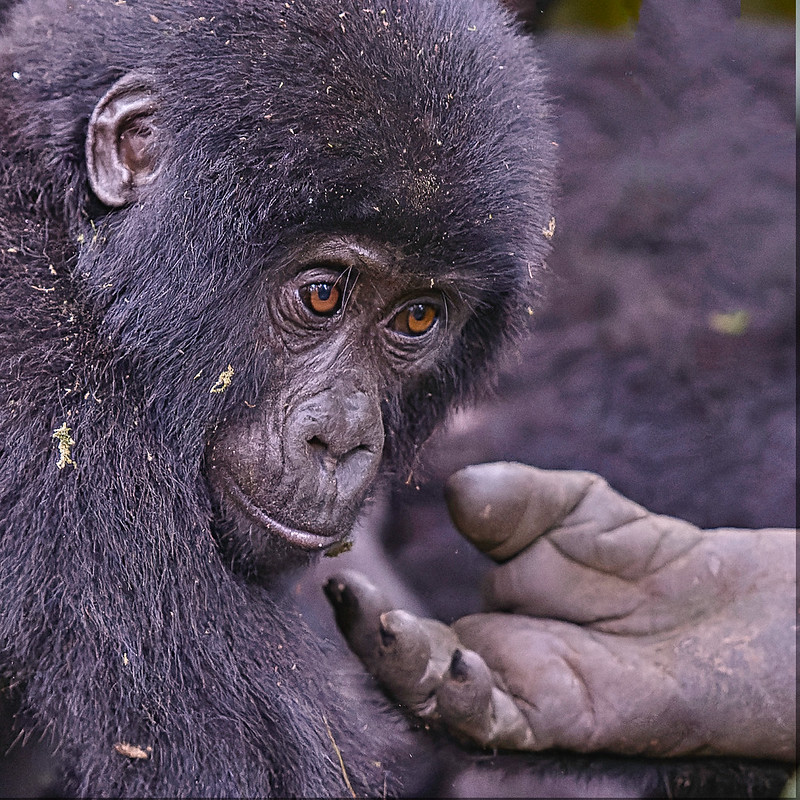
How to Stay Safe and Healthy While Traveling in Uganda
How to Stay Safe and Healthy While Traveling in Uganda
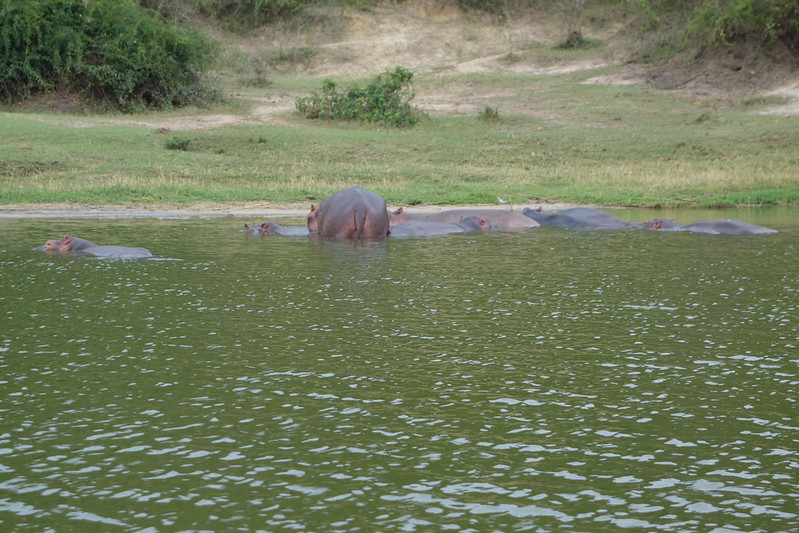
Routes, Tips & Travel Wisdom for Getting to Bwindi or Mgahinga
Routes, Tips & Travel Wisdom for Getting to Bwindi or Mgahinga
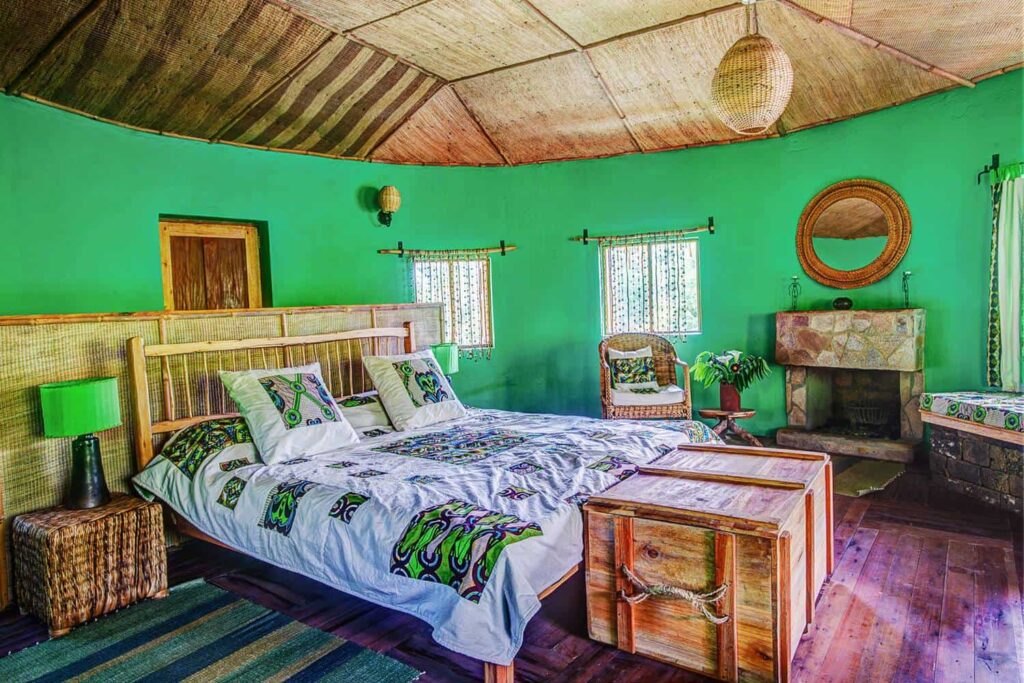
Accommodation Options: Lodges & Camps in Bwindi and Mgahinga
Accommodation Options: Lodges & Camps in Bwindi and Mgahinga
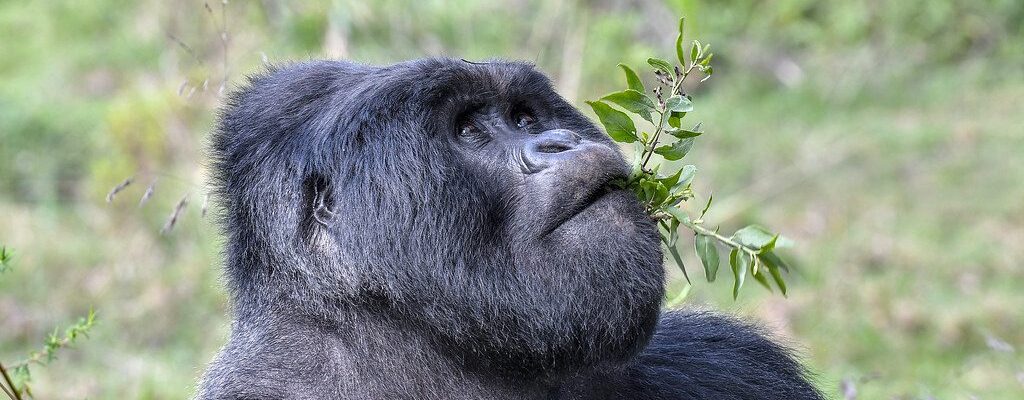
Protecting What You Came to See: Gorilla Conservation & Ethics
Protecting What You Came to See: Gorilla Conservation & Ethics
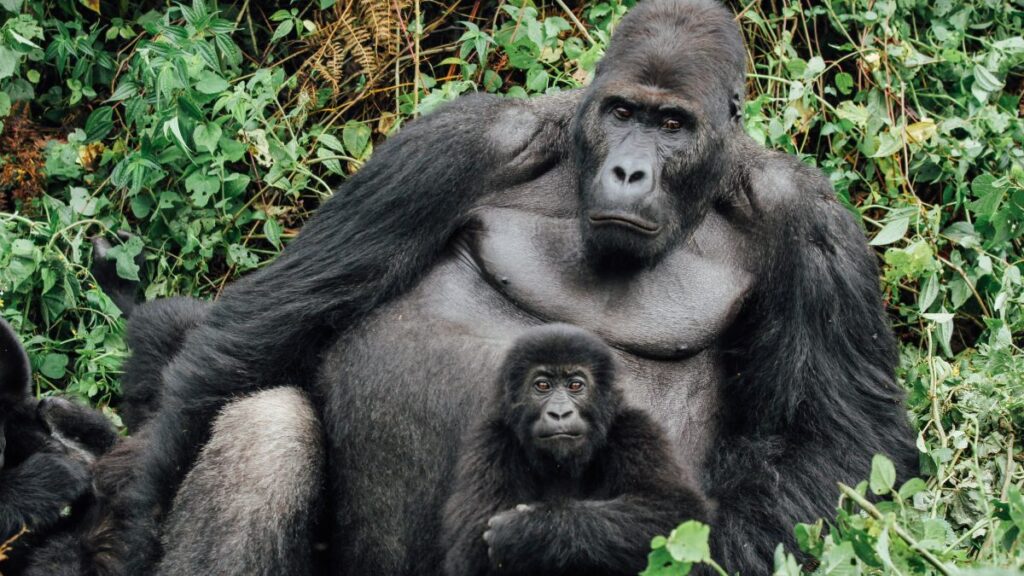
Travel Insurance for Gorilla Treks: Before You Go
Travel Insurance for Gorilla Treks: Before You Go
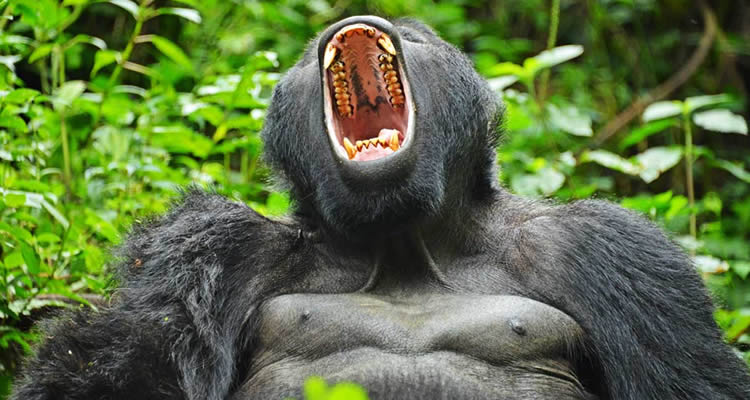
First Time Gorilla Trekking? Here’s Everything I Wish I Knew
First Time Gorilla Trekking? Here’s Everything I Wish I Knew
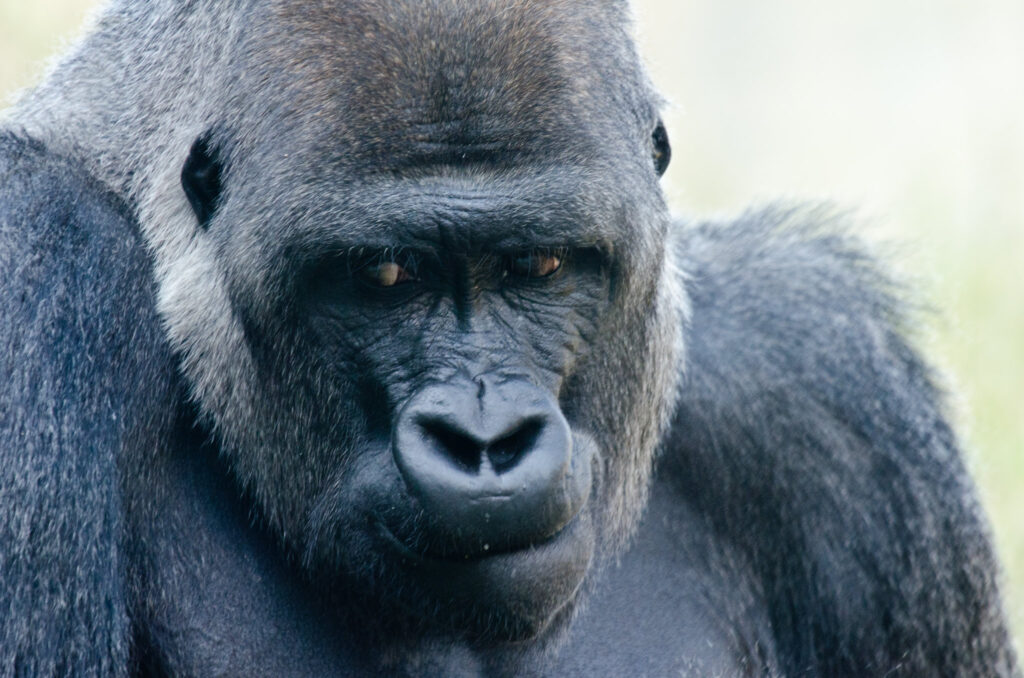
Step by Step: What Happens During a Gorilla Trekking Day
Step by Step: What Happens During a Gorilla Trekking Day
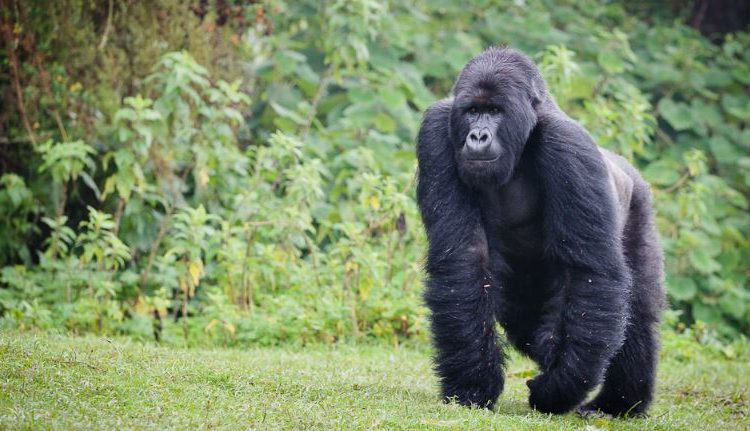
Gorilla Trekking vs. Gorilla Tracking – What’s the Real Difference?
Gorilla Trekking vs. Gorilla Tracking – What’s the Real Difference?
Beyond Gorillas: Other Wildlife You Can See During Your Trek
Beyond Gorillas: Other Wildlife You Can See During Your Trek
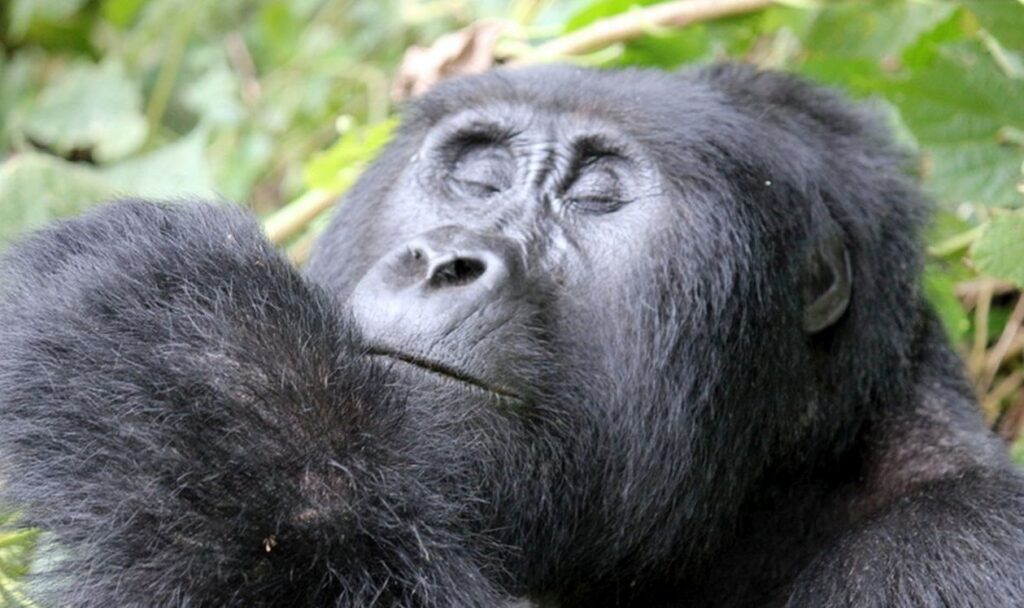
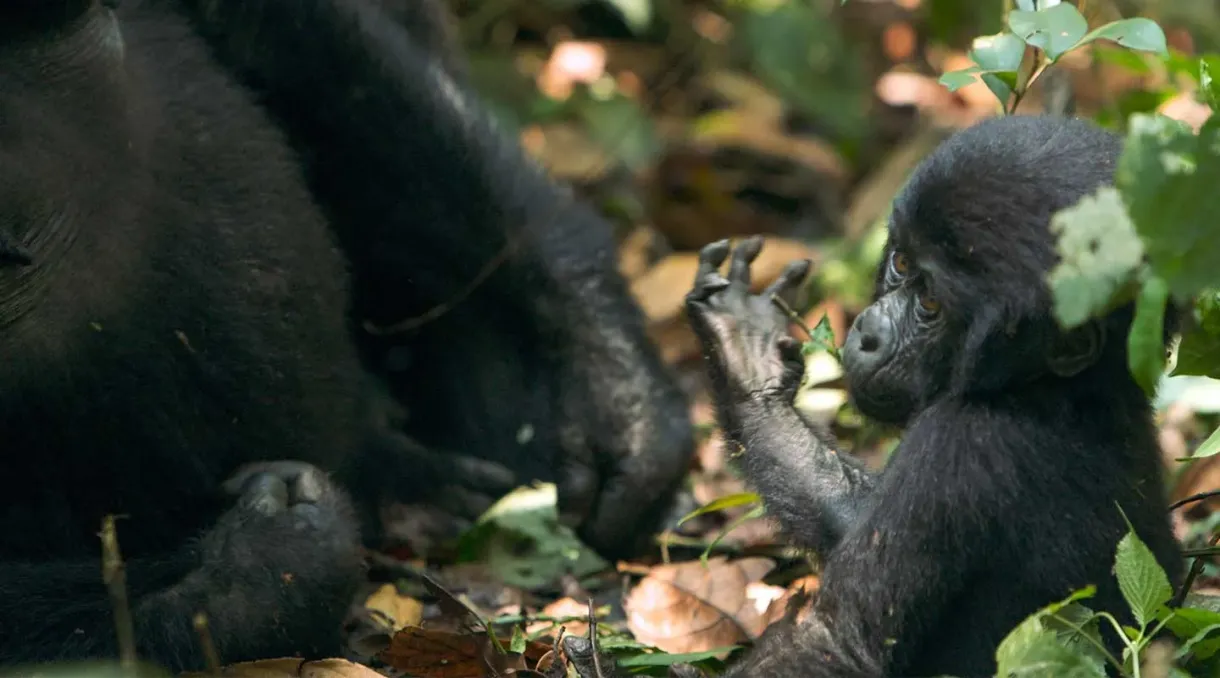
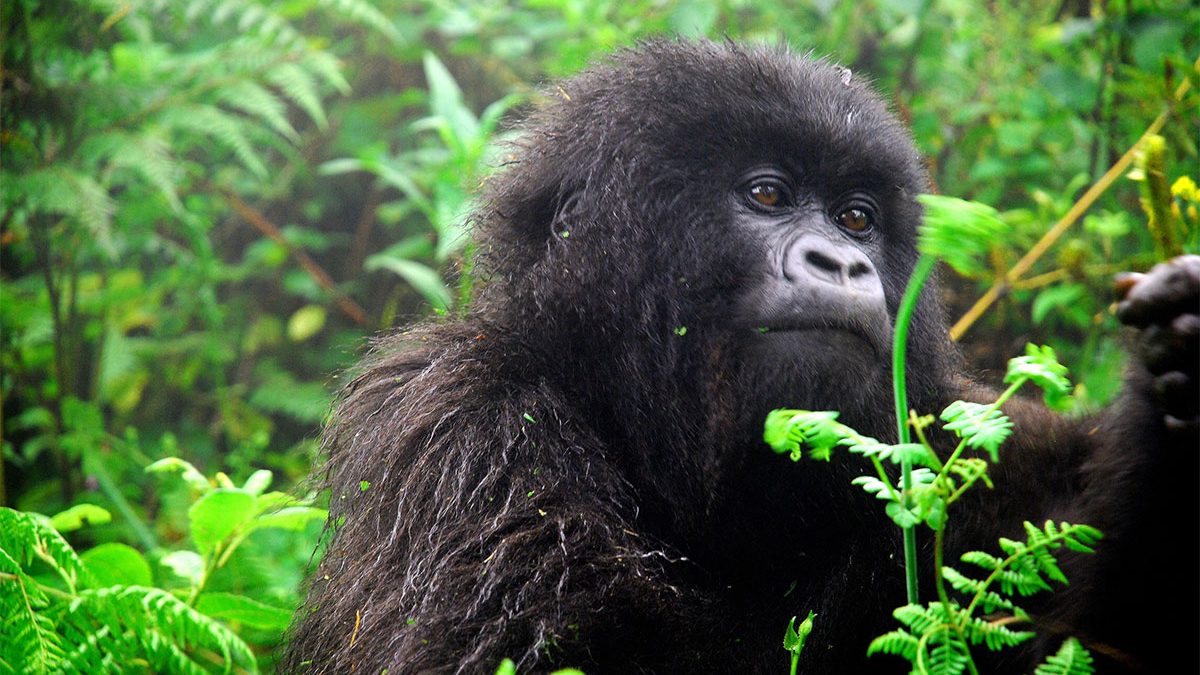
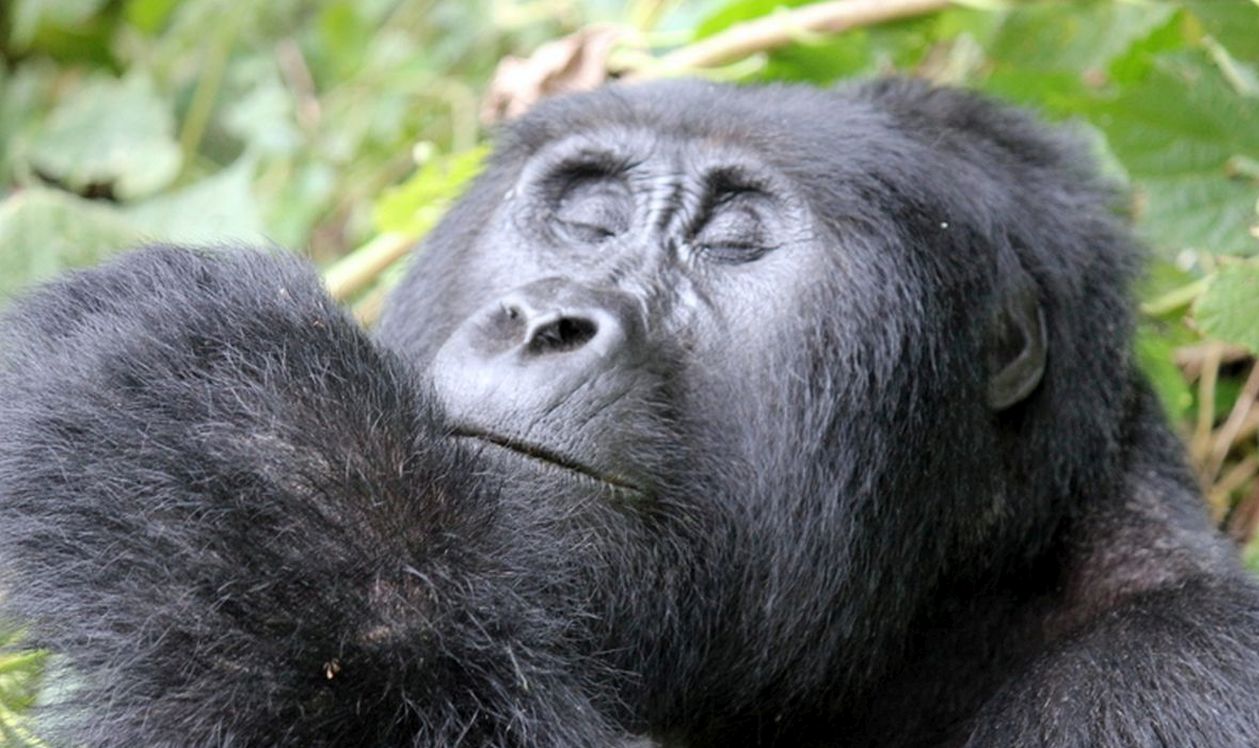
In the Realm of Giants – Bwindi & Mgahinga in Frames.
Wander through an elegant gallery capturing Uganda’s most exclusive gorilla sanctuaries, where ancient forests cradle the last mountain gorillas in a world of mist, mystery, and majesty.
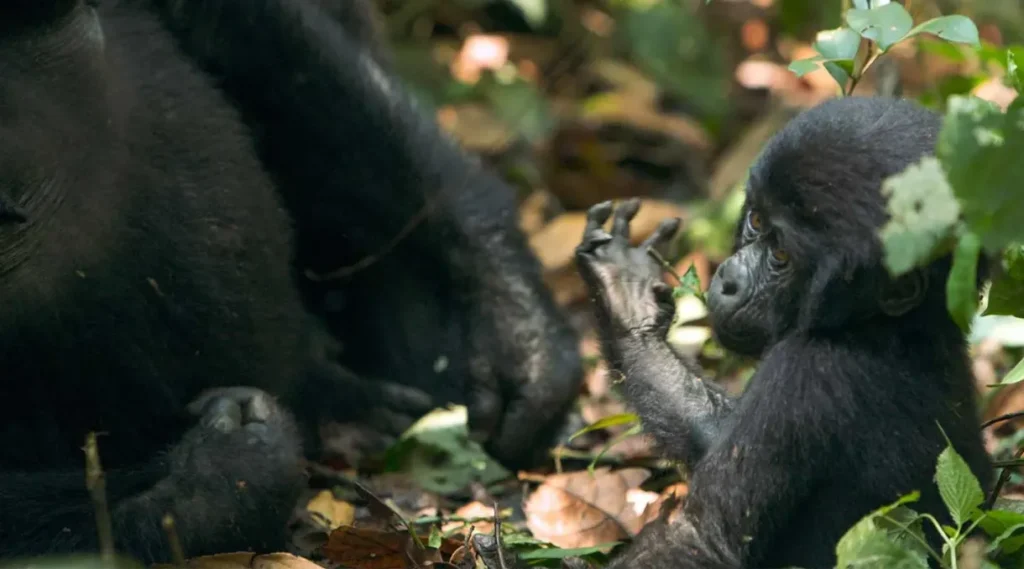
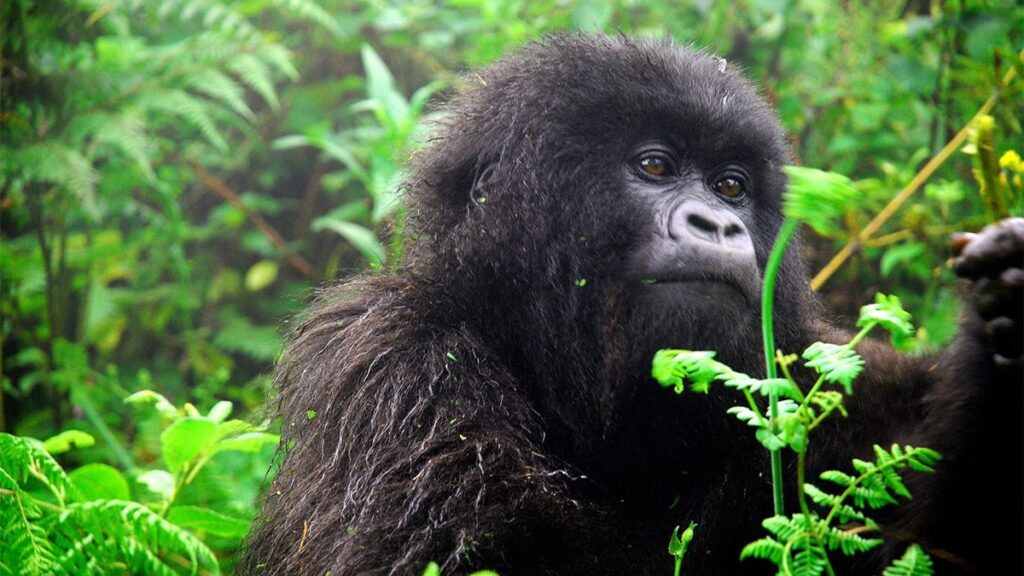
Essential Planning Tips for Visiting Uganda’s National Parks.
Get ready for the wild heart of Africa with expert travel tips on when to visit, what to pack, where to go, and how to make the most of your safari across Uganda’s breathtaking national parks.
Why Uganda for Gorilla Trekking?
Uganda is not just a destination — it's the very soul of gorilla trekking. With over half of the world’s remaining mountain gorillas calling its misty forests home, Uganda offers the rarest encounters in their most authentic setting. Here, your journey is not rushed or crowded. Instead, you’re guided by experienced rangers through pristine jungles where gorillas live as they always have — wild, free, and magnificent
From insider travel insights to unforgettable trekking guides, our blog is your trusted path into Uganda’s wild heart — connecting you with mountain gorillas, breathtaking landscapes, and the soul-stirring adventures that make this land unlike any other.