
Geographic Setting and Landscape Character
Rubuguri is situated within the Albertine Rift highlands, one of Africa’s most biologically diverse regions, surrounded by steep hills and fertile valleys shaped by volcanic activity. The altitude provides cooler temperatures compared to lowland areas, creating a comfortable environment for both residents and travelers. Terraced agriculture dominates the scenery, with crops such as potatoes, beans, maize, and bananas grown on hillside farms that stretch across the landscape.The scenic beauty of Rubuguri enhances its appeal as a tourism stopover. From elevated viewpoints, visitors can see forested valleys, distant volcanoes, and mist-covered hills that change color throughout the day. These dramatic panoramas create excellent opportunities for photography and relaxation before or after gorilla trekking excursions.
Access to Gorilla Trekking Sectors
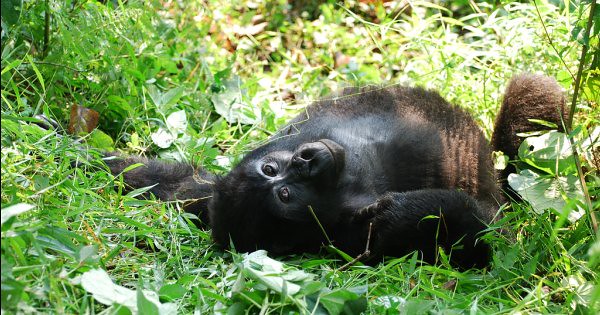
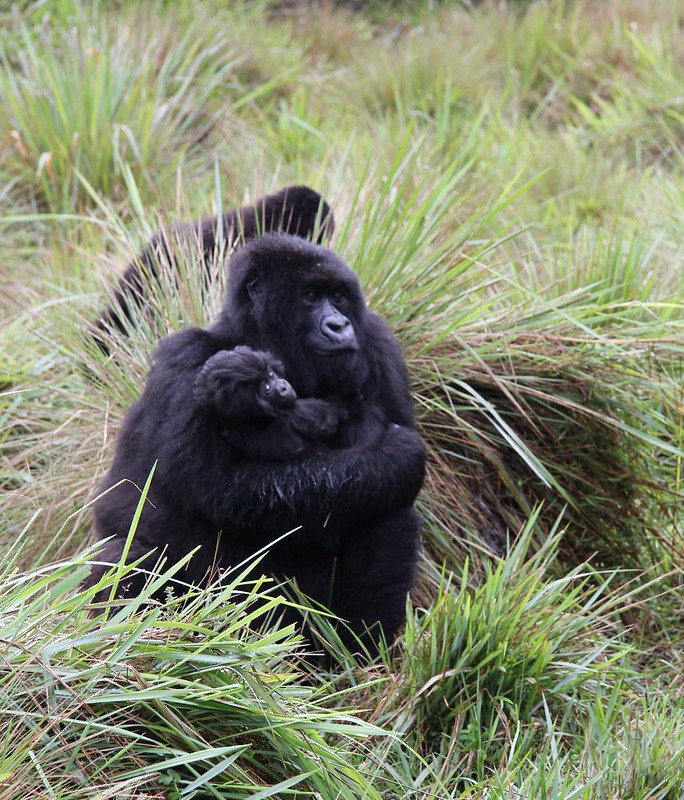
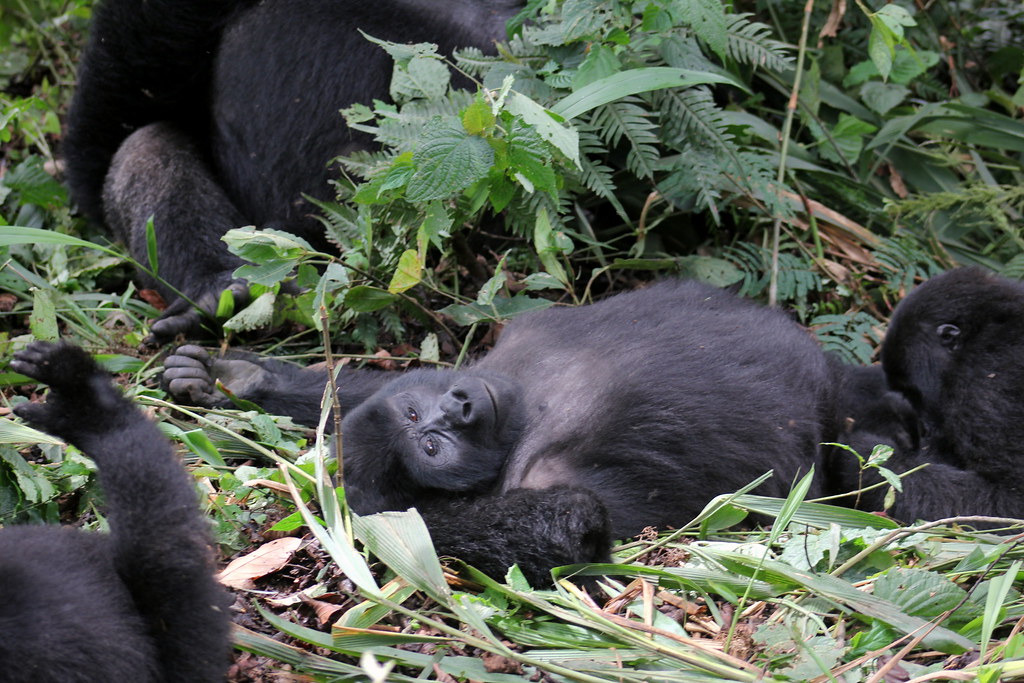
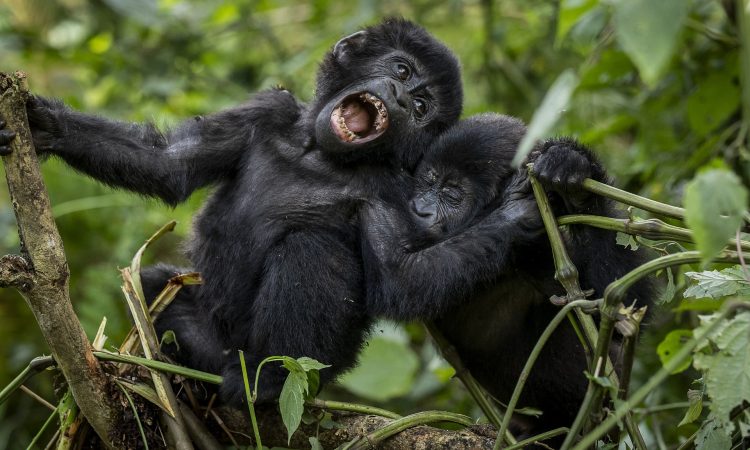
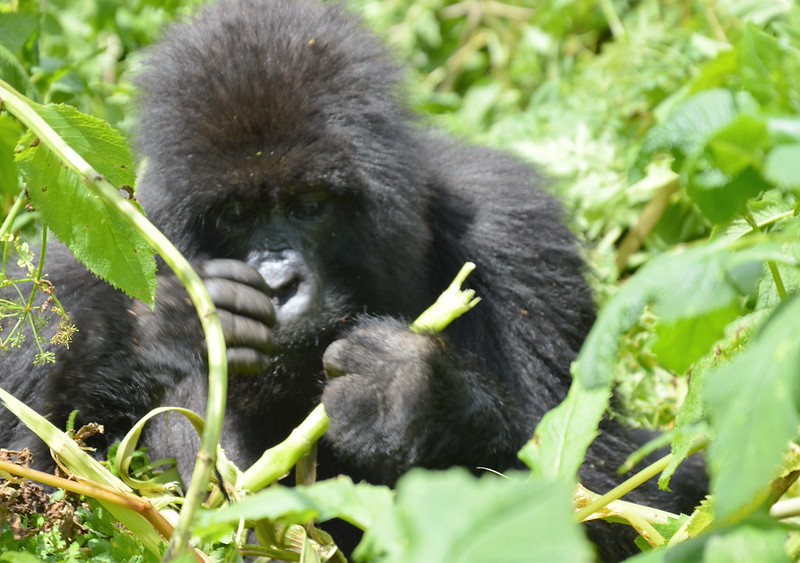
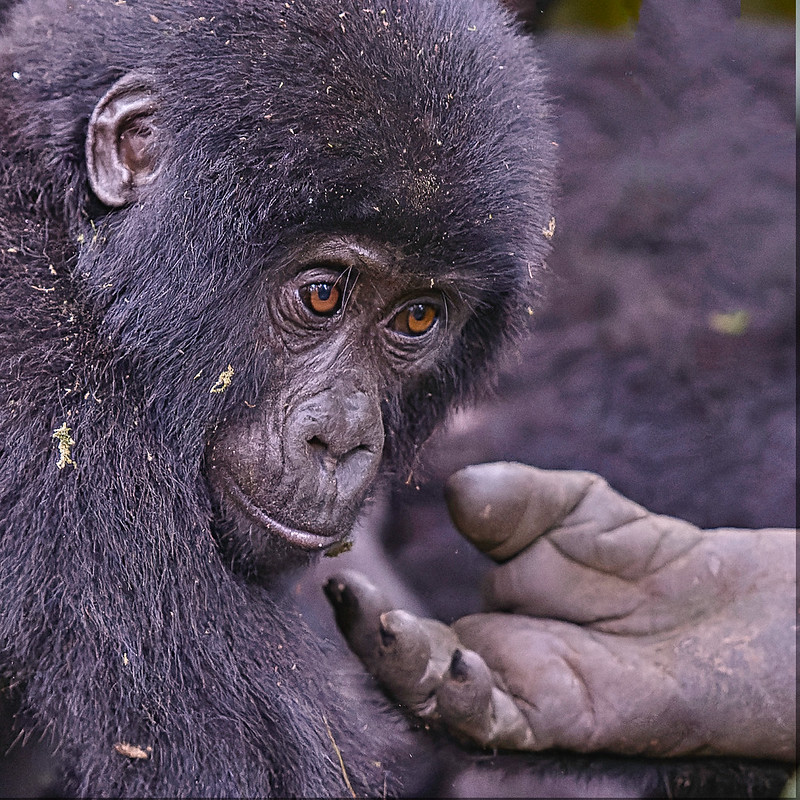
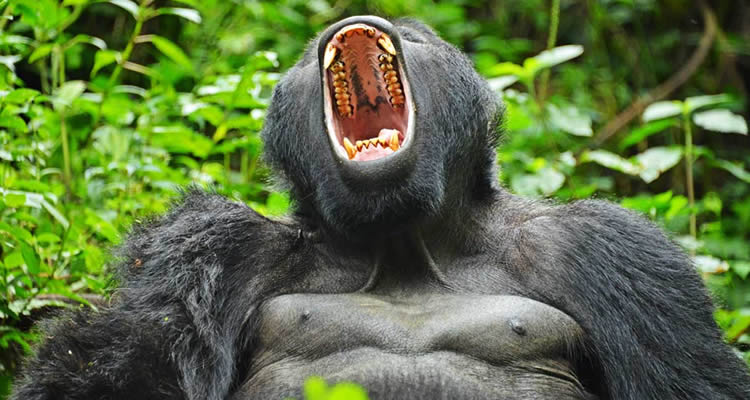
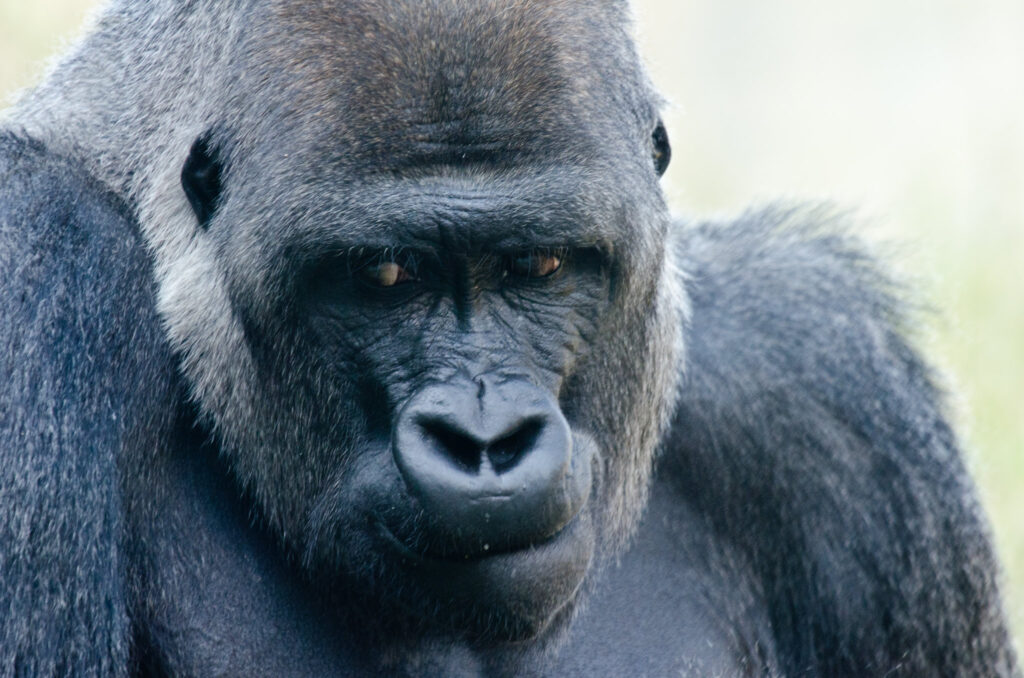
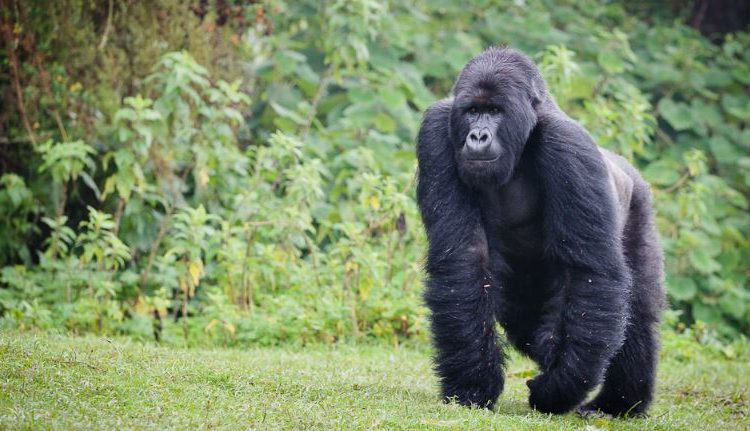
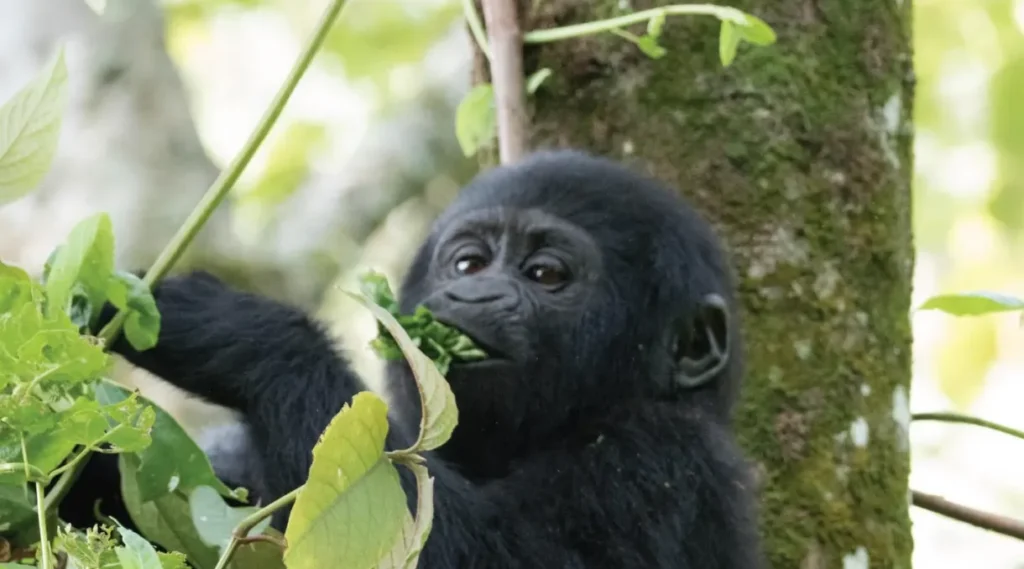
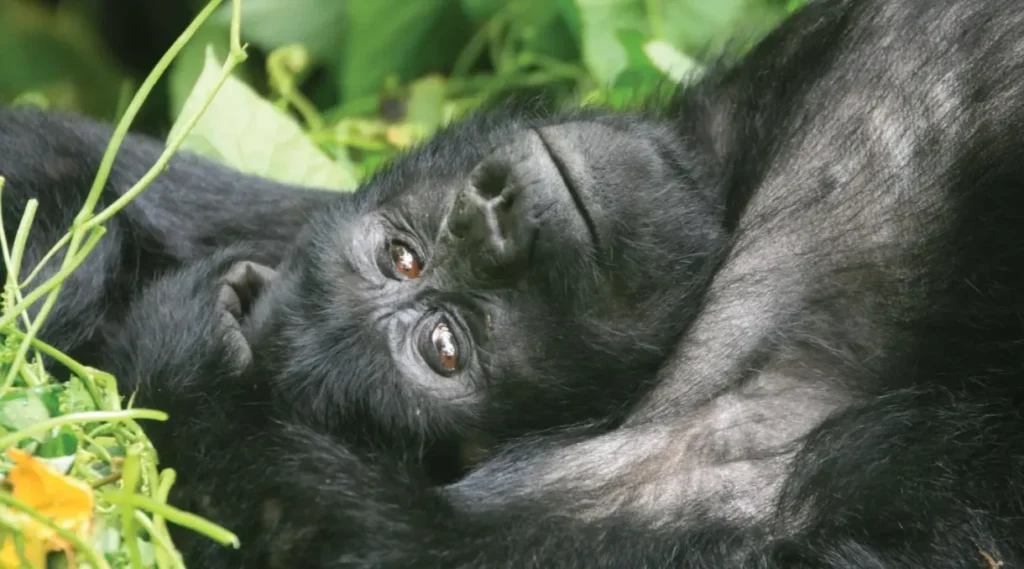
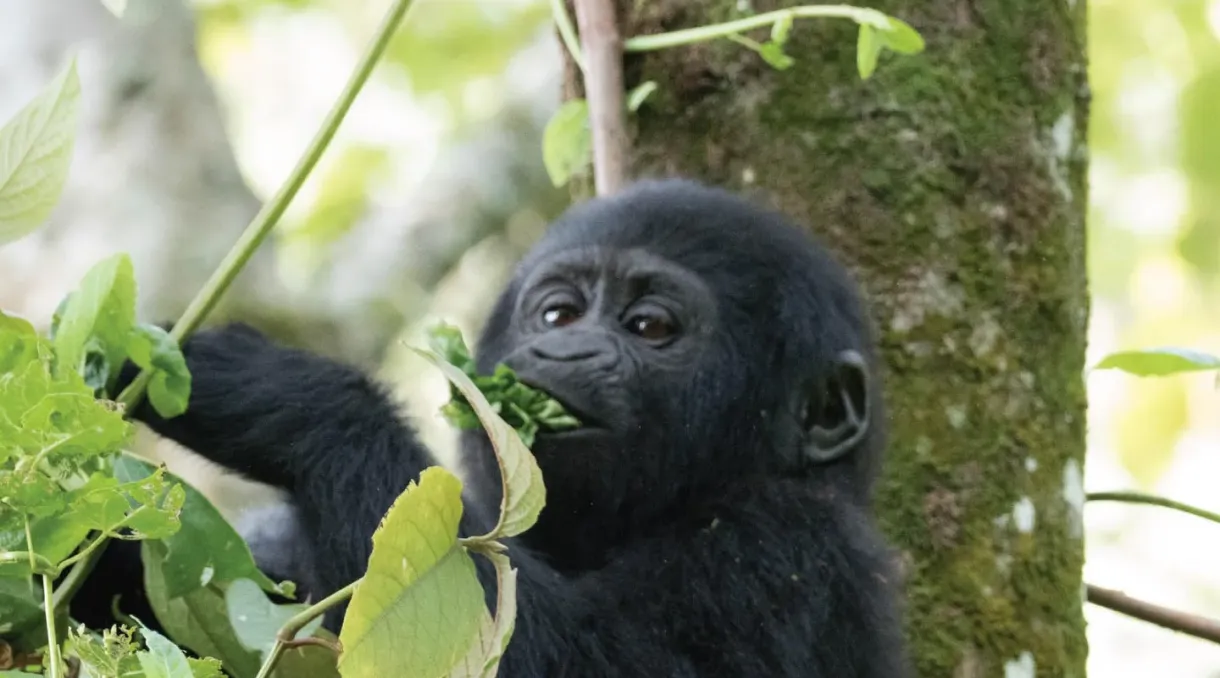
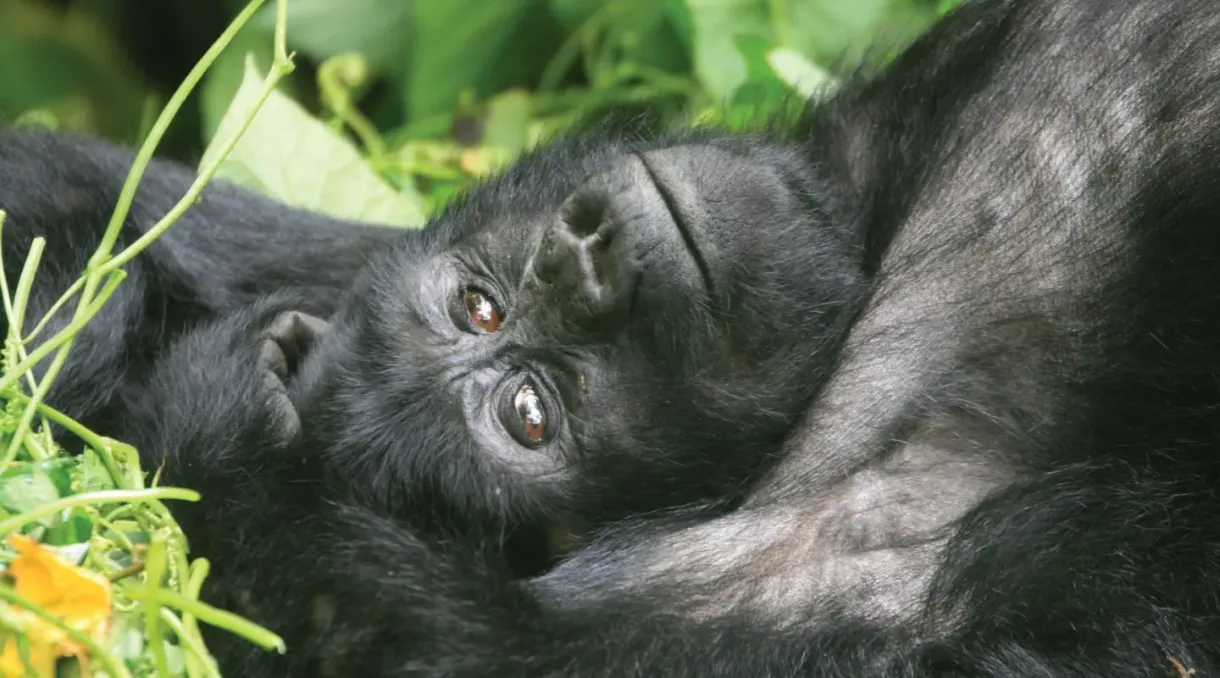
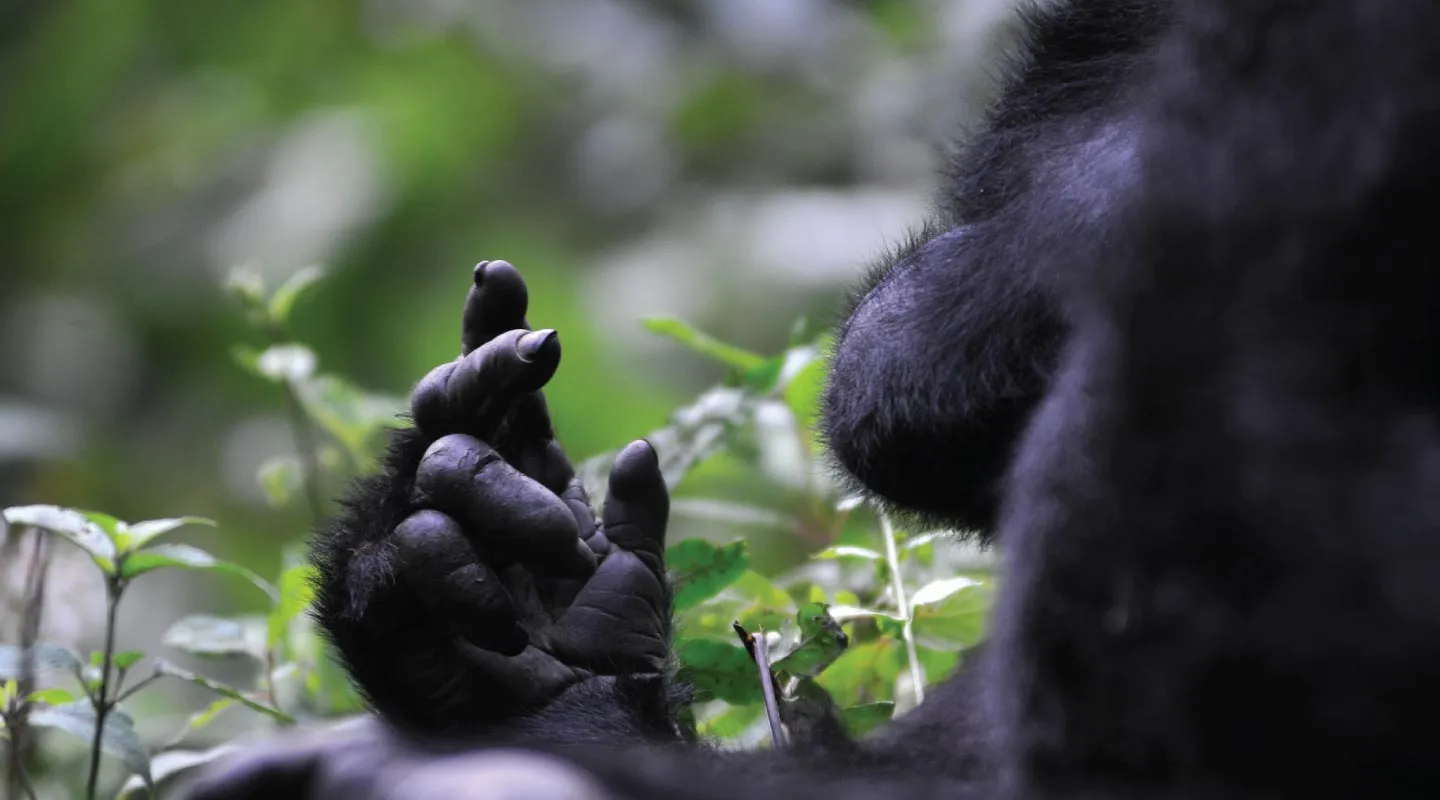
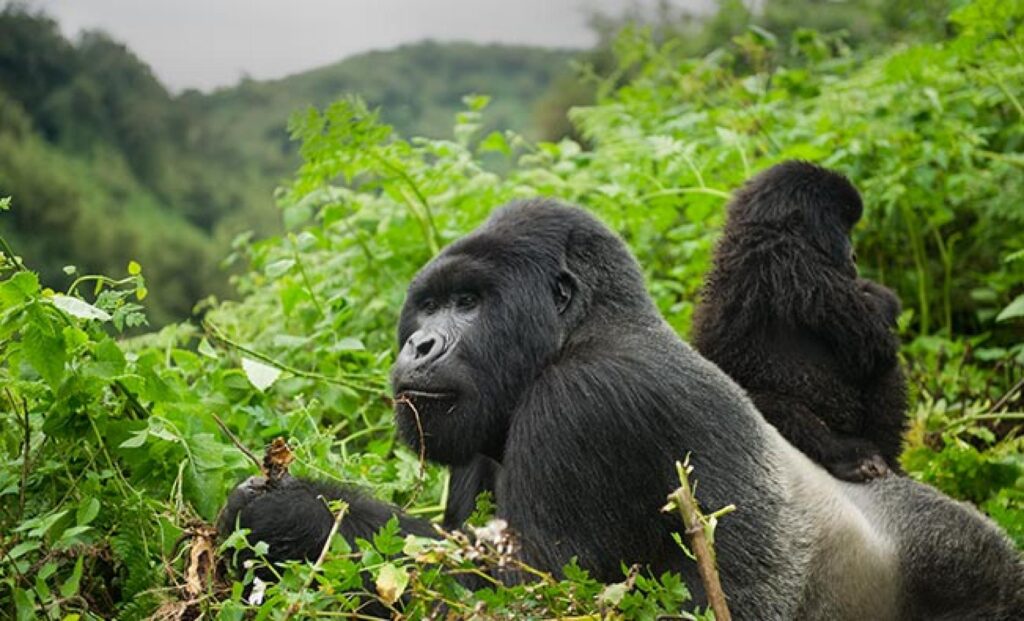
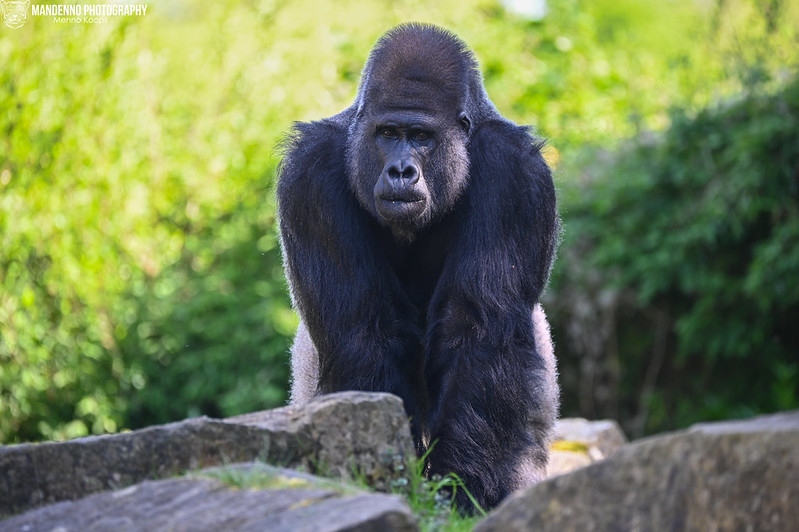
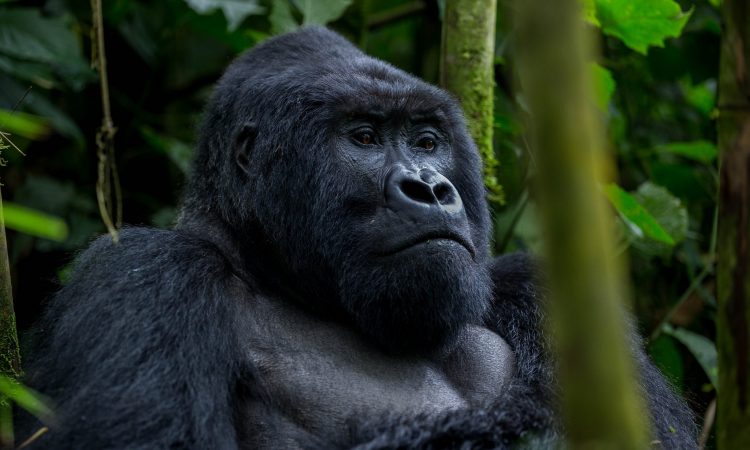
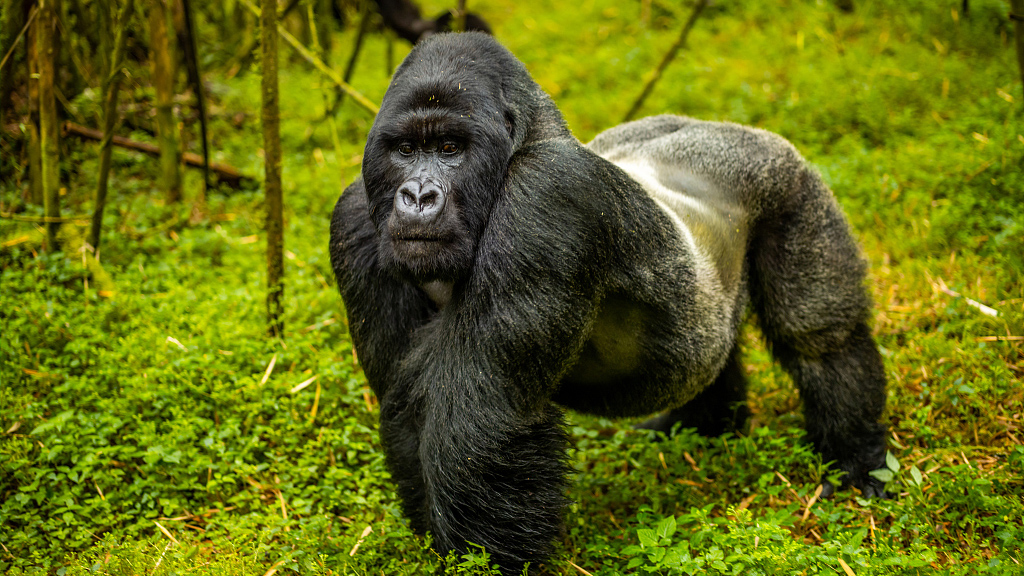
Rubuguri’s primary importance lies in its proximity to the Rushaga and Nkuringo sectors of Bwindi, which host multiple habituated mountain gorilla families. Travelers staying in or passing through Rubuguri can reach trekking starting points within a relatively short drive, making it a convenient base for safari logistics. The southern sectors are known for high gorilla densities and varied trekking experiences, including the specialized gorilla habituation experience.The road journey to Rubuguri itself is part of the adventure. Visitors traveling from Kisoro or Kabale pass through scenic mountain routes with winding roads, terraced farmland, and rural villages. This journey provides insight into local lifestyles and agricultural practices while building anticipation for the forest encounter ahead.
Community Life and Cultural Experiences
Rubuguri reflects the cultural traditions of the Bakiga and Bafumbira communities, whose livelihoods are closely tied to agriculture and local trade. Markets in the town display fresh produce, handmade crafts, and everyday goods, offering travelers opportunities to observe and engage with local life. The welcoming nature of residents often creates memorable cultural exchanges for visitors exploring the region.Tourism has introduced additional community-based experiences. Cultural walks, traditional dance performances, storytelling sessions, and visits to local homesteads provide insight into the heritage of the region. These interactions highlight the relationship between conservation and community development, demonstrating how gorilla tourism contributes to improved livelihoods.
Accommodation and Visitor Services
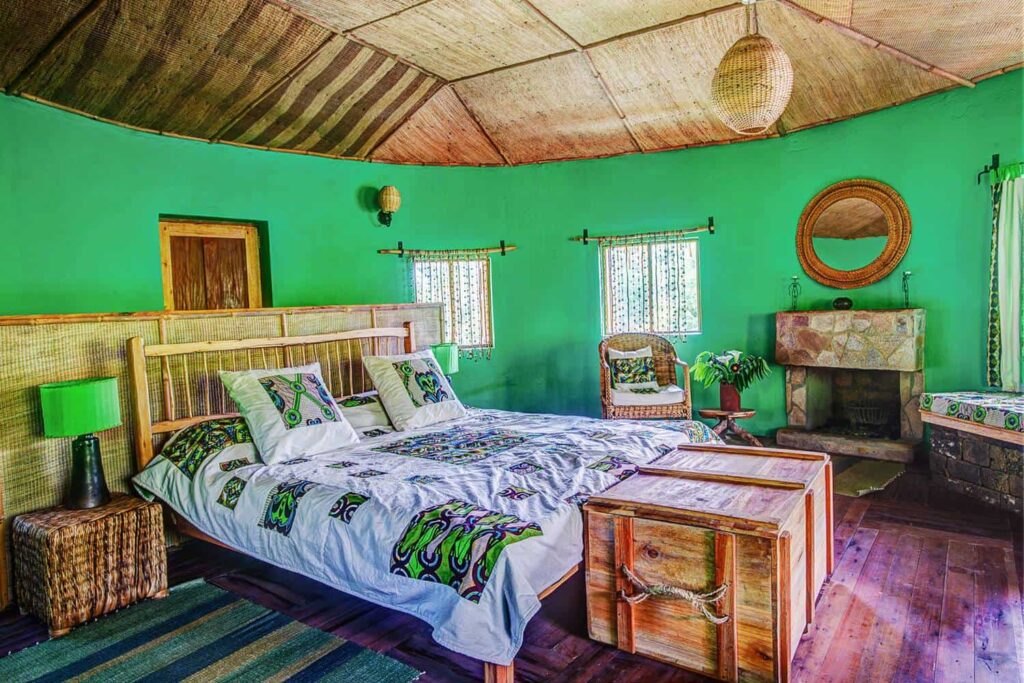
Rubuguri and its surrounding areas offer accommodation options that cater to various budgets, from simple guesthouses to eco-lodges and luxury safari properties. Many lodges are positioned on hillsides with panoramic views of the forest and mountains, providing tranquil environments for relaxation after trekking. The growth of tourism has encouraged investment in hospitality infrastructure, improving comfort and service quality for visitors.Essential services within the town support travelers preparing for gorilla trekking. Shops, fuel stations, and small medical facilities provide necessary supplies, while local guides and transport providers assist with logistics. These services ensure that visitors can access remote trekking areas with greater convenience.
Conservation Impact and Tourism Development
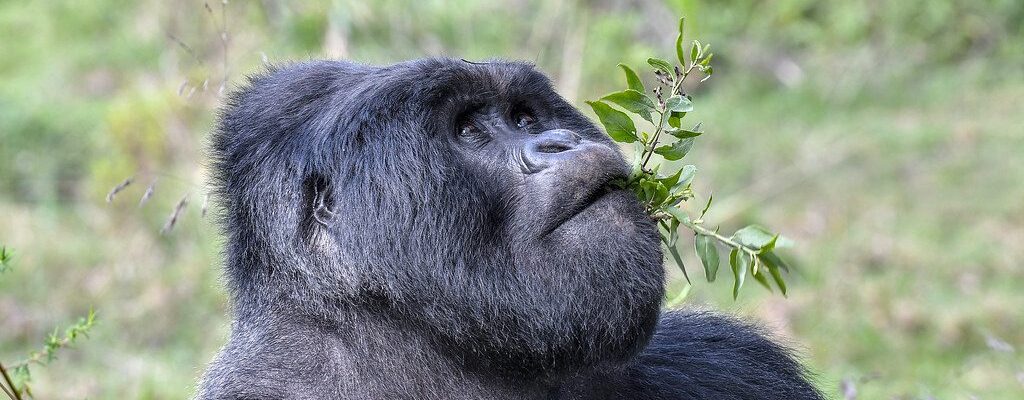
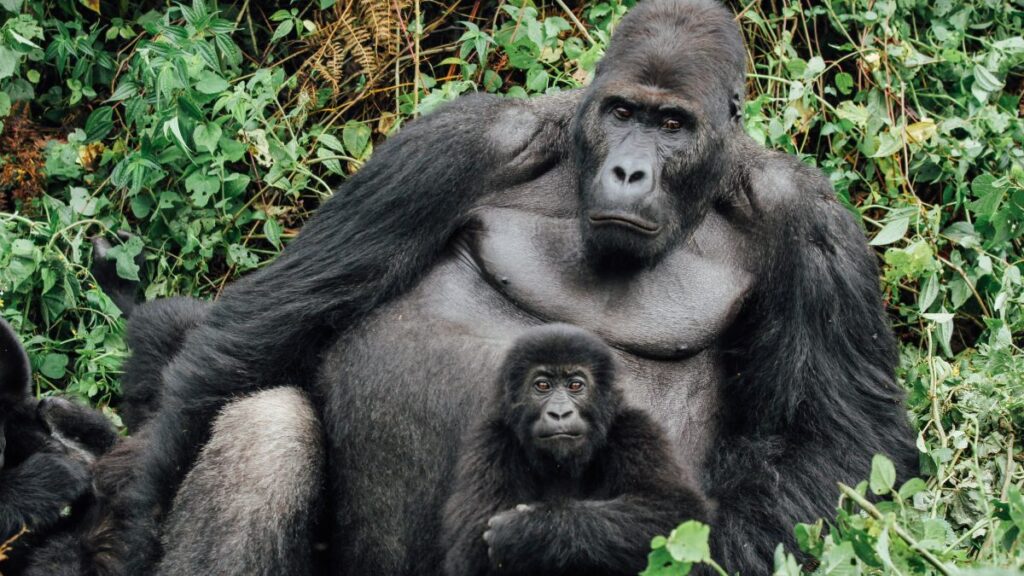
Rubuguri plays a meaningful role in conservation by linking tourism revenue with community benefits and environmental protection. Employment opportunities created by lodges, guiding services, and transport reduce dependence on forest resources, helping protect gorilla habitats. Revenue-sharing programs funded through tourism support schools, health centers, and community infrastructure projects in surrounding villages.The town illustrates how sustainable tourism can transform rural economies. As visitor numbers increase, local businesses expand, and residents gain new income opportunities. This economic growth strengthens community support for conservation initiatives, ensuring long-term protection of endangered species such as mountain gorillas.
Additional Experiences Around Rubuguri
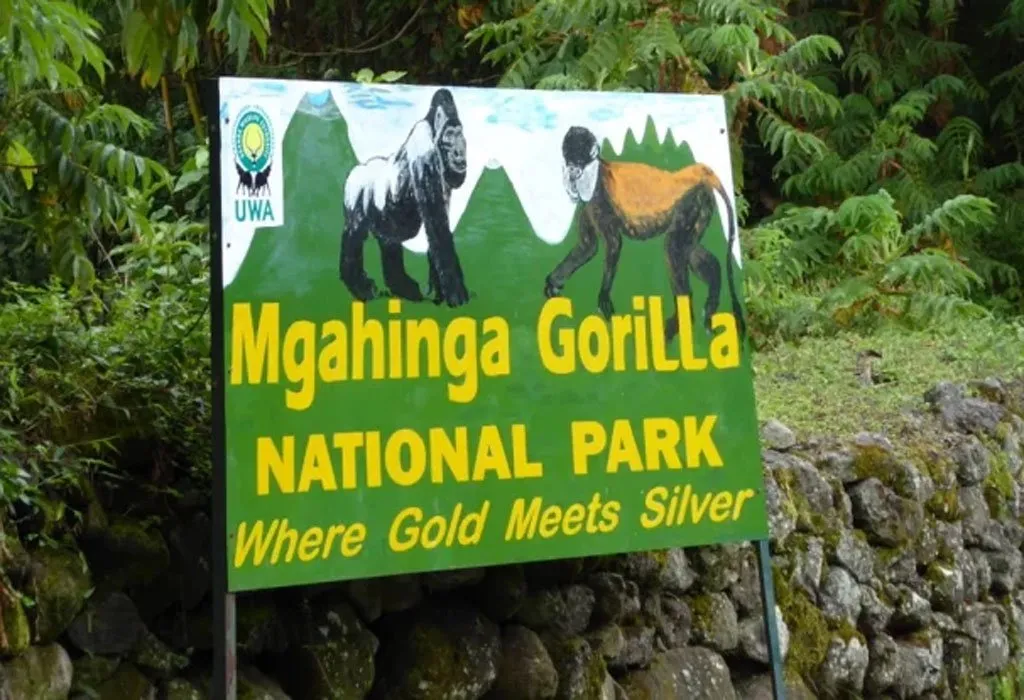
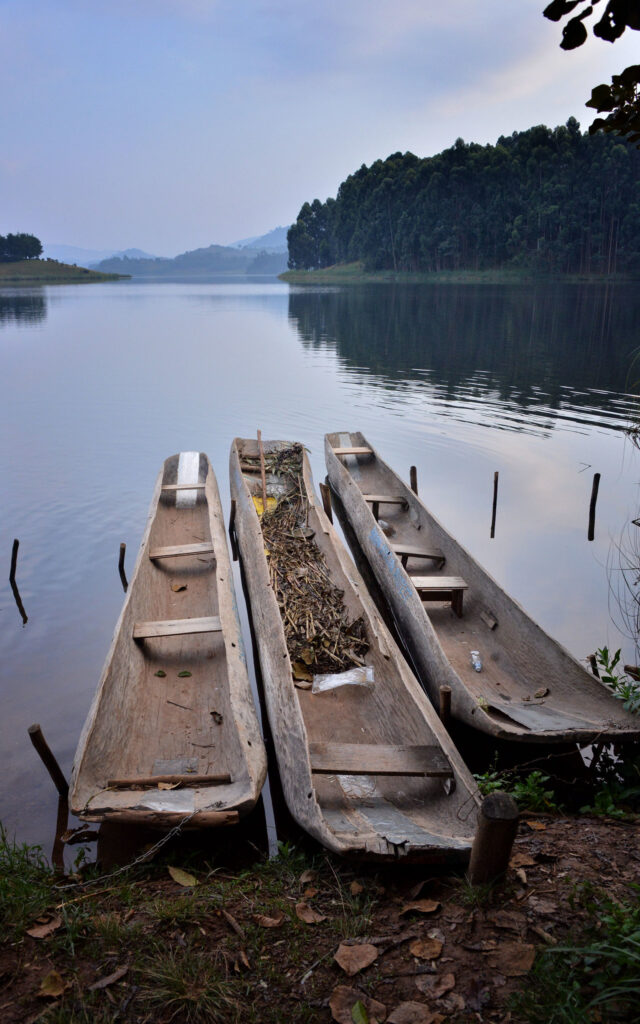
Beyond gorilla trekking, Rubuguri offers opportunities for nature exploration and cultural immersion. Visitors can enjoy guided village walks, birdwatching in nearby forests, agricultural tours, and scenic hikes through the hills. The peaceful environment and dramatic landscapes make it ideal for travelers seeking a deeper connection to rural Uganda.The location also allows combination itineraries with nearby attractions. Travelers may explore Lake Mutanda, Mgahinga’s volcanoes, or wildlife safaris in Queen Elizabeth National Park, creating diverse experiences within a single journey. Rubuguri’s central position within southwestern Uganda makes it a valuable stop for multi-destination itineraries.
Rubuguri as a Hidden Gem Near Gorilla Country
Rubuguri may not be as widely known as larger towns, but its importance in Uganda’s gorilla tourism landscape is undeniable. Serving as a gateway to the southern sectors of Bwindi, the town provides accessibility, cultural authenticity, and scenic beauty that enhance the overall trekking experience.For travelers, Rubuguri represents the authentic highland heart of southwestern Uganda. Its welcoming communities, breathtaking landscapes, and close connection to mountain gorilla habitats create a memorable destination that complements the extraordinary adventure of gorilla trekking.