

Where the soul of the forest whispers in the mist
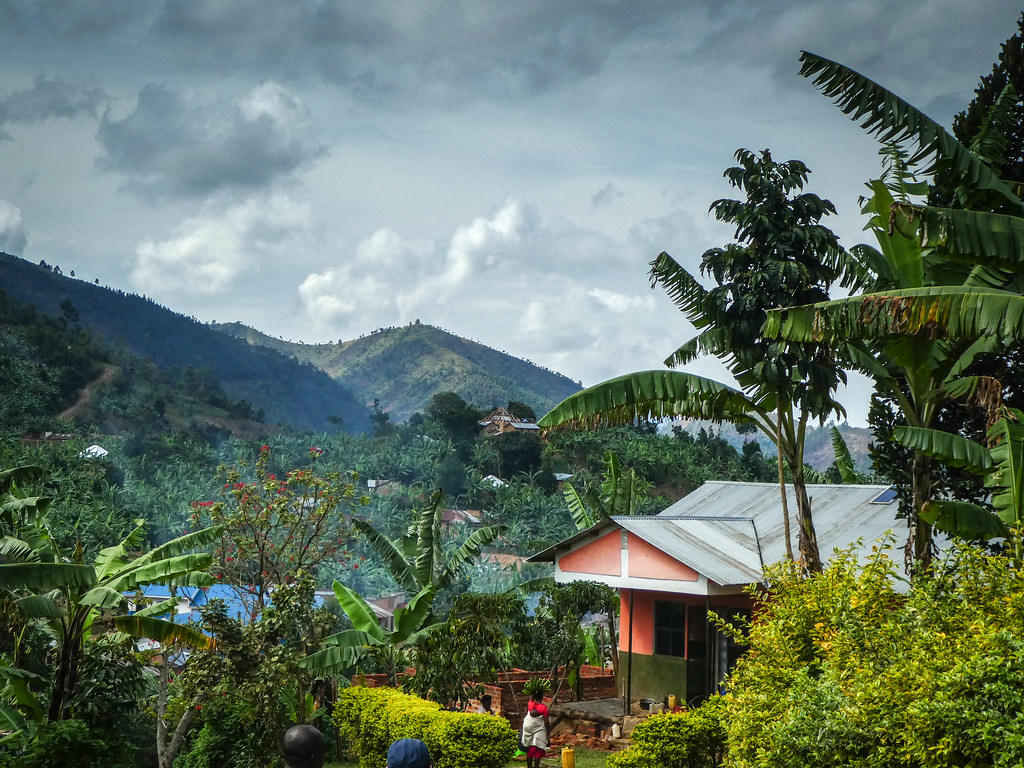
Buhoma Community is the oldest and most established gateway community to Bwindi Impenetrable National Park, located at the northern edge of the forest in Kanungu District, southwestern Uganda. It is widely recognized as the original center of organized gorilla trekking tourism in Bwindi, having hosted the first habituated gorilla group opened to visitors. Over the years, Buhoma has evolved from a forest-dependent rural settlement into a conservation-linked tourism hub shaped by gorilla protection, community enterprise, and sustainable development initiatives.
The identity of Buhoma Community is deeply intertwined with gorilla conservation and ecotourism history, making it a model for community participation in protected area management. Families living here experienced the full transition from forest resource dependence to tourism-supported livelihoods following the establishment of Bwindi as a national park in 1991. Today, Buhoma stands as a living example of how conservation, culture, and community development can function together within a sensitive ecological landscape.
So lace up your boots, grab your camera, and prepare to meet the wild — this is where your gorilla trekking dreams and unforgettable safari adventures truly begin.
Truly Iconic Highlights in Uganda

Trek through Bwindi’s mystical rainforest and meet the endangered mountain gorillas in their breathtaking natural home.
Encounter mountain gorillas and golden monkeys on Mgahinga’s misty volcanic trails, where culture and alpine wildlife thrive together.
Unwind after your trek with a peaceful canoe ride across Lake Bunyonyi, Uganda’s most tranquil and scenic highland lake.
Enhance your gorilla trekking safari with an optional chimpanzee encounter in Uganda’s lush forests, adding depth and diversity to your primate adventure
Gorilla Trekking Tours in Uganda – Our Most Popular Itineraries.
Explore our gorilla trekking safaris for every traveler—solo, family, budget, or luxury. All tours include permits, transport, accommodation, meals, and park fees. Whether for a quick trip or a deeper adventure, we’ve got you covered.
3-Day Bwindi Gorilla Trekking Safari
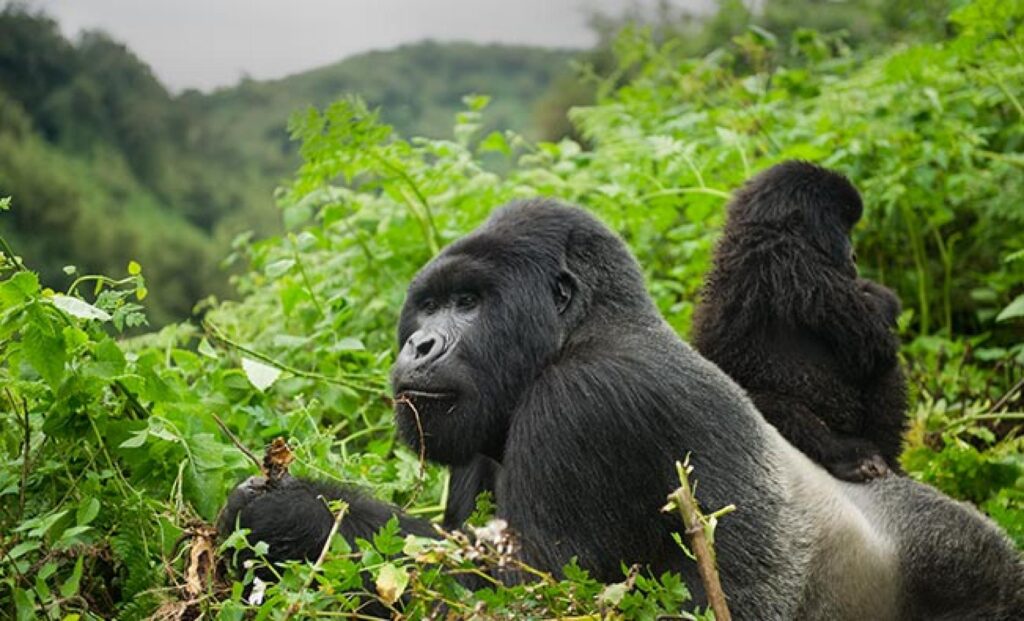
3-Day Bwindi Gorilla Trekking Safari
4-Day Uganda Gorilla Trekking Safari
4-Day Uganda Gorilla Trekking Safari
5-Day Gorilla Tracking and Wildlife Safari
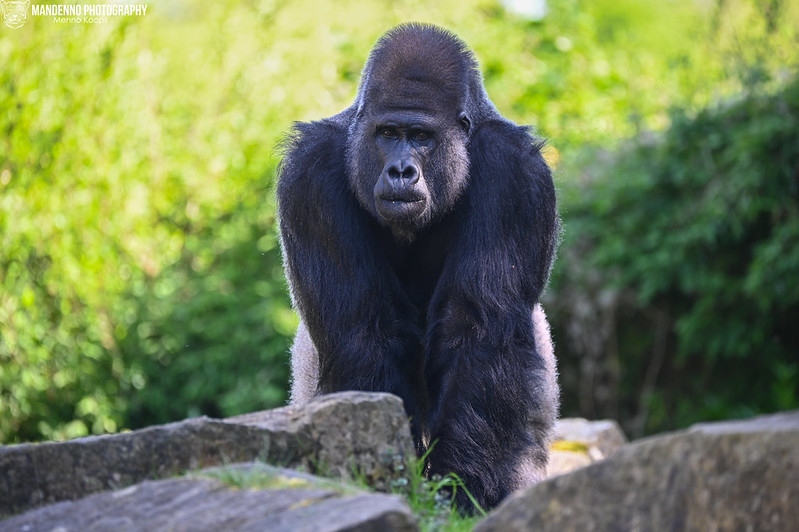
5-Day Gorilla Tracking and Wildlife Safari
7-Day Uganda Primate Adventure & Wildlife Safari
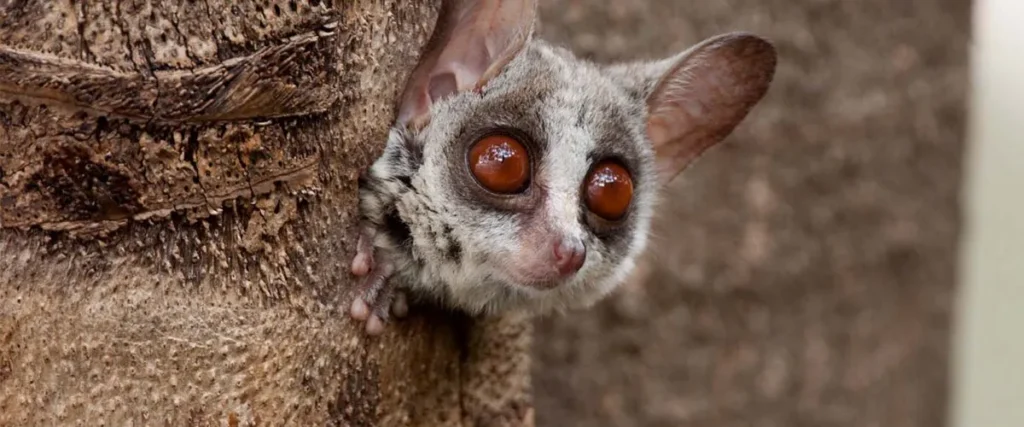
7-Day Uganda Primate Adventure & Wildlife Safari
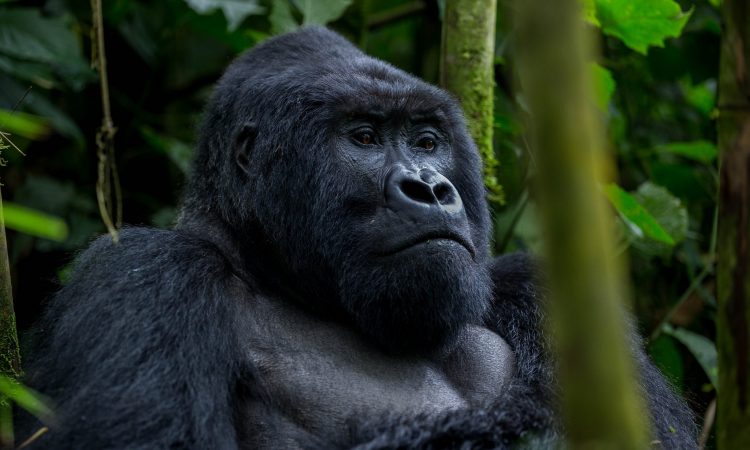
10-Day Gorilla Trekking & Big Five Safari in Uganda
10-Day Gorilla Trekking & Big Five Safari in Uganda
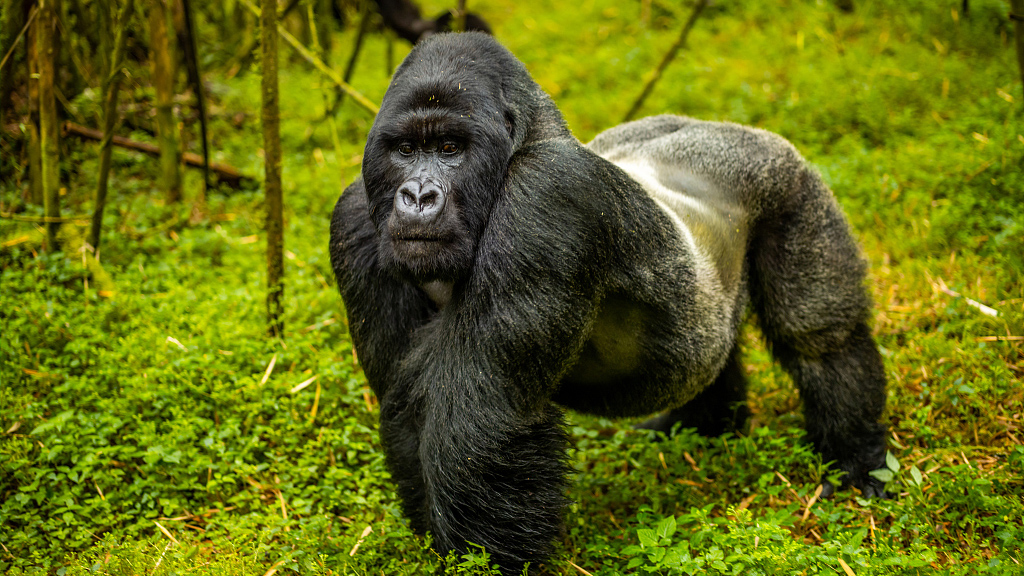
12-Day Uganda Gorilla Trekking, Chimp Tracking & Cultural Safari
12-Day Uganda Gorilla Trekking, Chimp Tracking & Cultural Safari
14-Day Best of Uganda Safari – Gorillas, Wildlife, Cultures
14-Day Best of Uganda Safari – Gorillas, Wildlife, Cultures
A Detailed Study of Buhoma Community – Bwindi Impenetrable National Park
Geographical Setting and Forest Edge Landscape
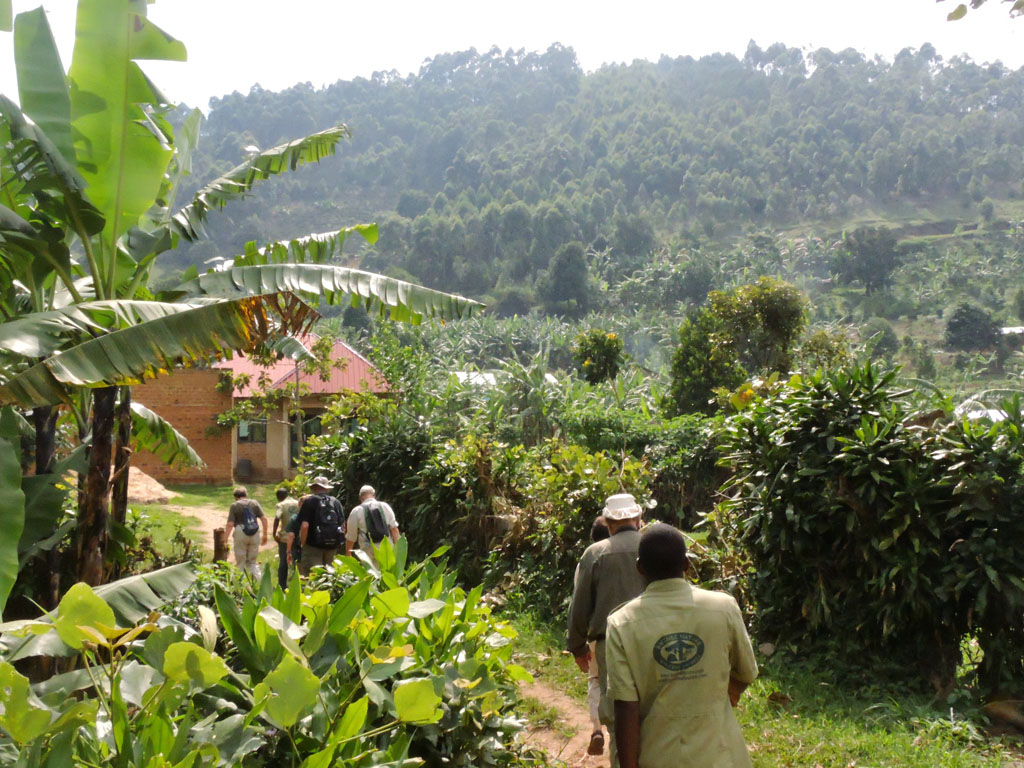
Buhoma Community is situated along the northern boundary of Bwindi Impenetrable National Park, where dense montane rainforest meets cultivated farmland and clustered rural homesteads. The terrain consists of rolling hills, river valleys, and forest corridors that extend toward the park interior. This landscape forms one of the most accessible entry zones into Bwindi’s complex ecosystem.The forest–community interface defines daily life in Buhoma, influencing agriculture, settlement patterns, and tourism infrastructure. The area receives significant rainfall and maintains fertile soils, supporting crop production while also sustaining rich biodiversity. Its accessibility compared to southern sectors helped make Buhoma the first operational base for gorilla tourism, shaping its long-term development trajectory.
Historical Background and Early Forest Dependence
Before the creation of Bwindi Impenetrable National Park, Buhoma residents relied heavily on the forest for survival, drawing on it for firewood, medicinal plants, wild foods, building materials, and cultural practices. Forest knowledge was transmitted through oral tradition, and local communities maintained customary relationships with woodland resources.The gazettement of Bwindi as a protected area brought major social and economic change, restricting direct forest use and requiring new livelihood strategies. The shift was initially difficult for many households, as access to traditional resources was curtailed. However, this same policy change later created the conditions for regulated gorilla tourism and structured conservation partnerships that would transform the local economy.
Emergence as the First Gorilla Trekking Gateway
Buhoma gained international recognition as the birthplace of gorilla trekking tourism in Bwindi, following the successful habituation of the Mubare gorilla family in the early 1990s. This milestone marked the beginning of controlled visitor access to mountain gorillas in Uganda and positioned Buhoma as the operational center for trekking permits, ranger coordination, and visitor briefings.The opening of gorilla trekking created a new economic foundation for the community, attracting tour operators, conservation agencies, and safari travelers. Accommodation facilities, guiding services, craft enterprises, and transport services gradually developed around the trekking program. Buhoma’s early start allowed it to build institutional experience and tourism infrastructure ahead of other Bwindi sectors.
Community Tourism Enterprises and Local Initiatives
Buhoma Community is widely known for pioneering community tourism enterprises linked directly to conservation, including locally owned lodges, craft centers, cultural groups, and guiding associations. One of the most influential developments has been the growth of community-run accommodation and visitor experiences designed to ensure that tourism revenue reaches local households.Cultural performances, village walks, craft demonstrations, and storytelling sessions form part of the Buhoma visitor experience, allowing travelers to engage with local traditions beyond gorilla trekking. These initiatives are structured to be participatory and educational rather than staged spectacles, preserving authenticity while generating income.Community tourism groups often reinvest earnings into social services such as schools, water projects, and health support, reinforcing the tangible value of conservation to residents.
Cultural Identity and Social Structure
Buhoma Community is largely composed of Bakiga and Batwa heritage groups, each contributing distinct cultural traditions and historical experiences to the area. Bakiga culture emphasizes agriculture, clan identity, hard work, and strong extended family systems. Social organization is rooted in kinship networks and shared labor practices.Batwa heritage represents an important historical layer in the Buhoma landscape, reflecting the presence of former forest hunter-gatherer communities with deep ecological knowledge. Cultural preservation efforts and responsible cultural tourism programs aim to recognize and respect this heritage while supporting present-day livelihoods.Oral history, music, dance, and craftwork remain important channels through which cultural identity is maintained and shared with visitors.
Agriculture and Modern Livelihood Systems
Agriculture remains a central pillar of Buhoma Community livelihoods, even as tourism plays an expanding economic role. Households cultivate crops such as bananas, beans, maize, coffee, and vegetables on hillside farms using terracing and soil conservation practices. These methods help reduce erosion and protect watershed health near the park boundary.Tourism has introduced diversified income streams that complement farming, including employment in lodges, guiding, portering, food supply, and construction. This mixed livelihood model increases resilience by reducing sole dependence on agriculture while maintaining food security.Careful land use near the forest edge is essential to minimize human–wildlife conflict, and farmers increasingly adopt buffer practices and crop protection strategies aligned with conservation guidance.
Relationship with Park Authorities and Conservation Programs
Buhoma Community maintains a long-standing working relationship with Bwindi park management and conservation organizations, built through decades of tourism operations and community outreach programs. Revenue-sharing mechanisms allocate a portion of park income to local development projects, strengthening cooperation and shared responsibility.Conservation education programs have reshaped local attitudes toward wildlife, especially gorillas, which are now widely viewed as a source of pride and opportunity rather than competition. Community members participate in awareness campaigns, habitat protection efforts, and conflict mitigation discussions.This collaborative model has helped reduce illegal forest use while increasing transparency and trust between authorities and residents.
Education, Youth Opportunities, and Social Change
Access to education in Buhoma has improved significantly alongside tourism growth, supported by lodge partnerships, nonprofit programs, and community investment. Schools in and around the area benefit from infrastructure support and scholarship initiatives connected to conservation tourism revenue.Youth in Buhoma increasingly see conservation and tourism as viable career paths, including roles in guiding, hospitality, wildlife management, and cultural interpretation. This generational shift is gradually transforming aspirations and skill development priorities within the community.Elders continue to emphasize cultural continuity and environmental respect, encouraging young people to balance modern opportunity with traditional values.
Visitor Experience and Cultural Exchange Value
For visitors, Buhoma Community provides one of the richest cultural interfaces in the Bwindi region, combining gorilla trekking access with structured community engagement opportunities. Travelers can participate in guided village walks, school visits, craft workshops, and cultural storytelling sessions that deepen their understanding of local life.These exchanges add human context to the gorilla trekking experience, helping visitors appreciate that conservation success depends on community partnership. Encounters are typically conversational and experiential, fostering mutual respect rather than passive observation.
Role in Bwindi’s Conservation and Tourism Model
Buhoma Community occupies a foundational role in Bwindi’s conservation and tourism model, having demonstrated early that regulated gorilla tourism can generate meaningful local benefit. Its experience has informed development strategies in other sectors such as Rushaga, Ruhija, and Nkuringo.The community’s evolution illustrates the practical value of people-centered conservation, where livelihood improvement and wildlife protection reinforce each other. Lessons from Buhoma continue to influence protected area planning across the region.
A Pioneer Community in Gorilla Conservation Tourism
Buhoma Community represents the pioneering human dimension of Bwindi Impenetrable National Park’s gorilla tourism story, evolving from forest dependence to conservation partnership through adaptation and enterprise. Its strategic location, early involvement in gorilla habituation tourism, and strong community initiatives have shaped its identity as a model gateway settlement.Through cultural resilience, tourism participation, and conservation cooperation, Buhoma has become more than a park entrance—it is a living conservation community. For visitors, engagement with Buhoma adds depth, perspective, and authenticity to the Bwindi experience, demonstrating that lasting conservation success is built with community at its core.
More Gorilla Trekking Information to Know.
Gorilla trekking goes far beyond just the hike — it’s a deep, emotional journey into the heart of Africa’s last wild rainforests. Knowing the right timing, permits, fitness tips, and park details can turn your experience from good to unforgettable.
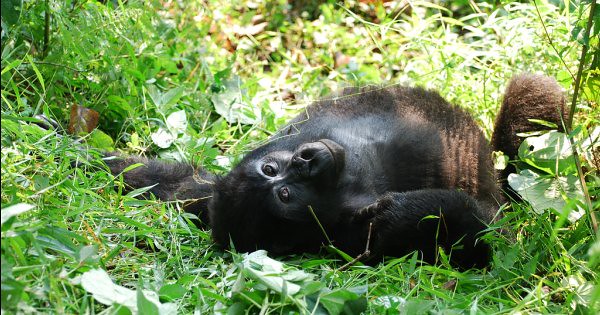
Gorilla Trekking in Bwindi Impenetrable Forest
Gorilla Trekking in Bwindi Impenetrable Forest
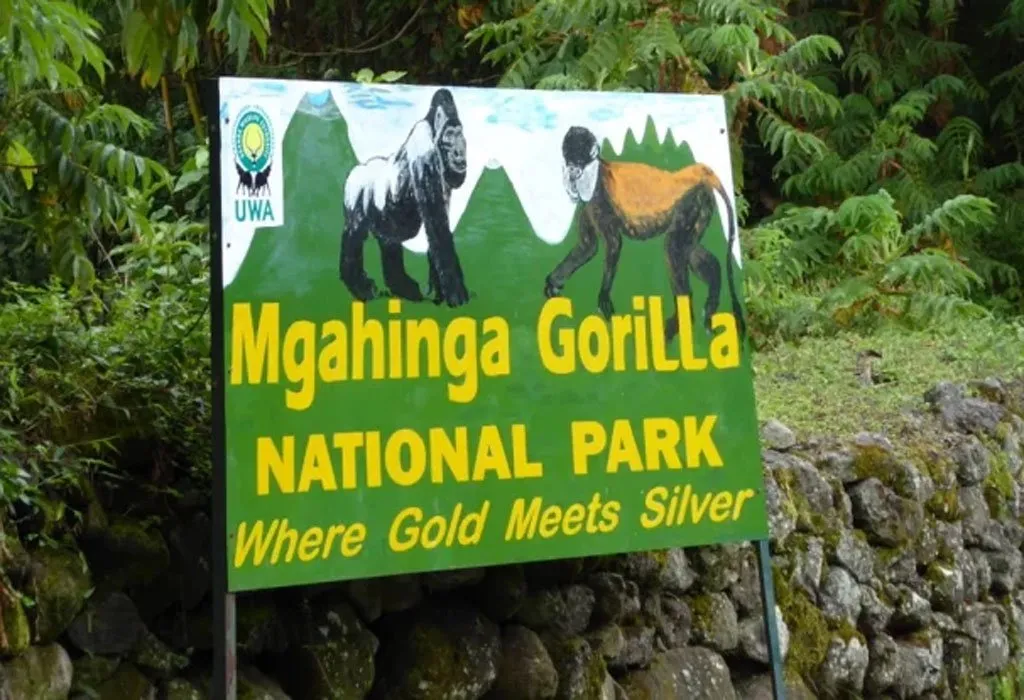
Trekking Gorillas in Mgahinga National Park
Trekking Gorillas in Mgahinga National Park
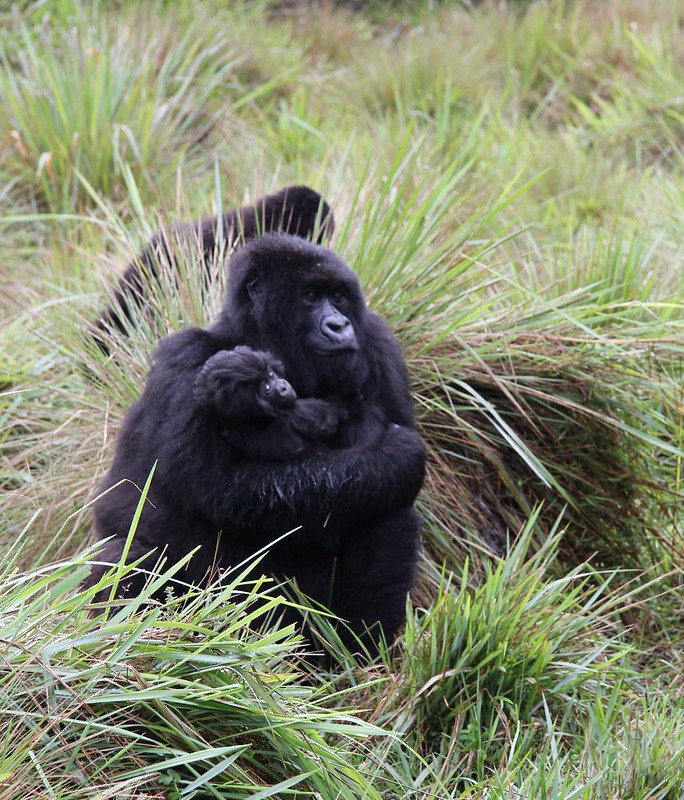
Uganda Gorilla Trekking Permits – Prices, Booking, & Travel Tips
Uganda Gorilla Trekking Permits – Prices, Booking, & Travel Tips
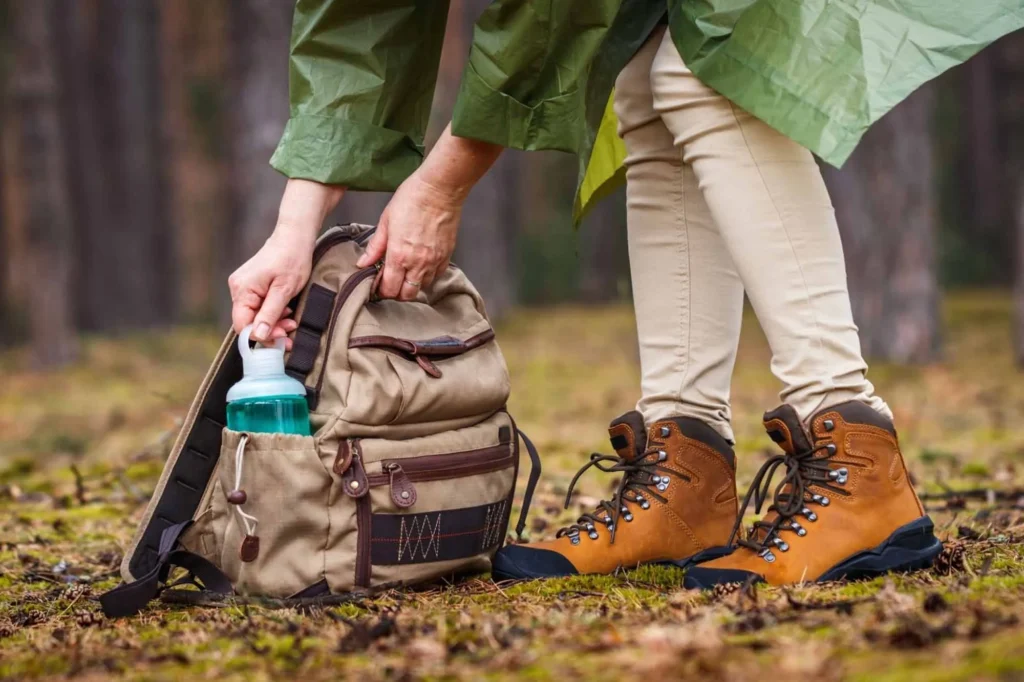
What to Pack for Gorilla Trekking in Uganda – Expert Checklist
What to Pack for Gorilla Trekking in Uganda – Expert Checklist
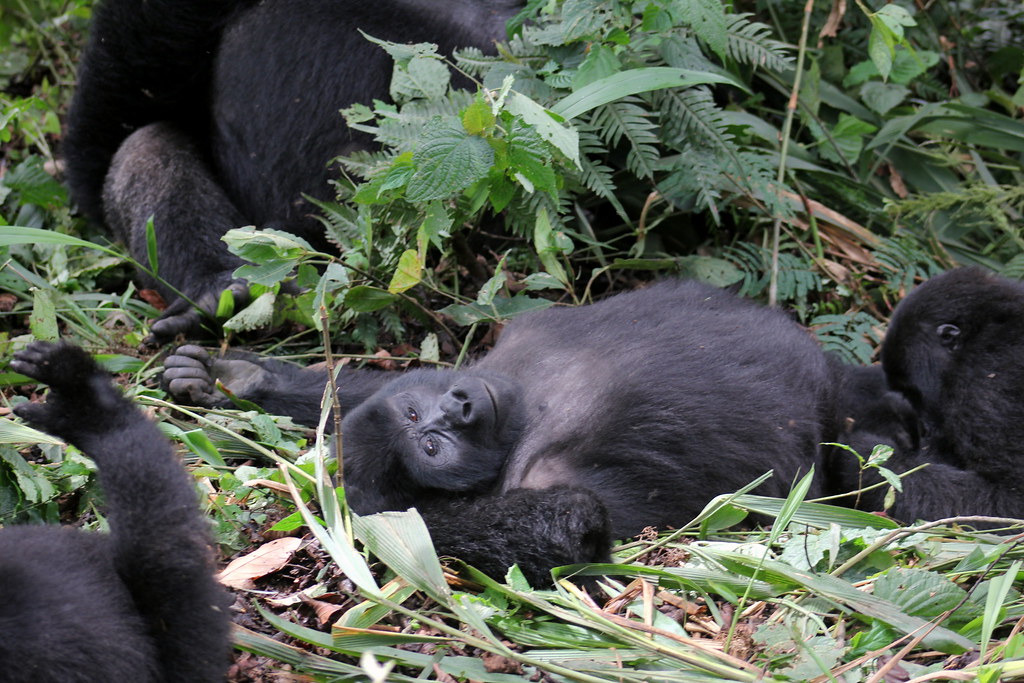
Best Time to Go Gorilla Trekking in Uganda – Weather & Seasons
Best Time to Go Gorilla Trekking in Uganda – Weather & Seasons
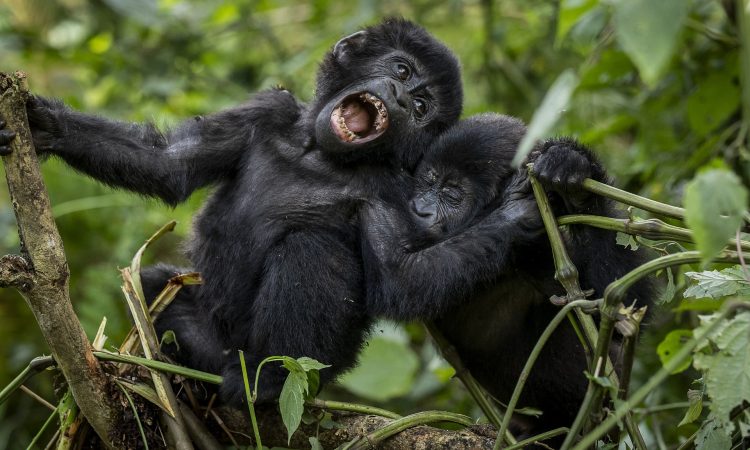
Gorilla Trekking Difficulty in Uganda – Fitness & Trail Guide
Gorilla Trekking Difficulty in Uganda – Fitness & Trail Guide
Gorilla Trekking Rules in Uganda – Safety, Respect & Ethics
Gorilla Trekking Rules in Uganda – Safety, Respect & Ethics
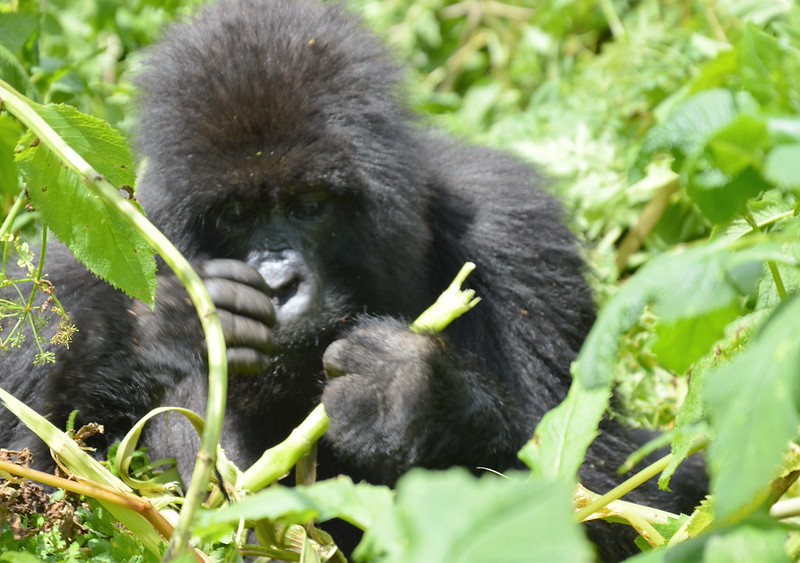
Gorilla Conservation in Uganda – Protecting the Mountain Giants
Gorilla Conservation in Uganda – Protecting the Mountain Giants
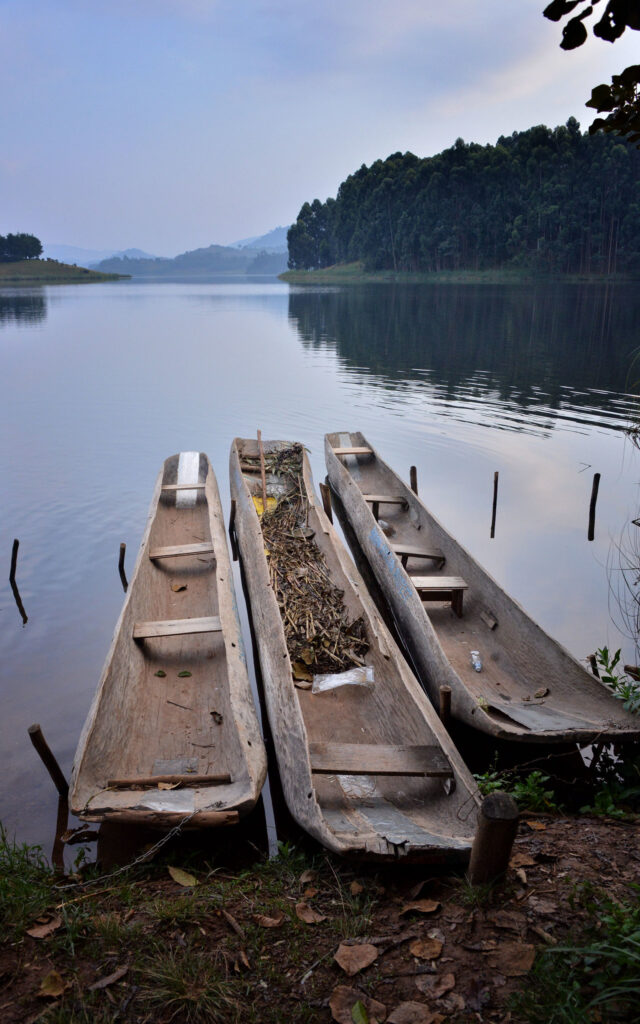
Bwindi vs. Mgahinga – Which One to Choose For Gorilla Trekking?
Bwindi vs. Mgahinga – Which One to Choose For Gorilla Trekking?
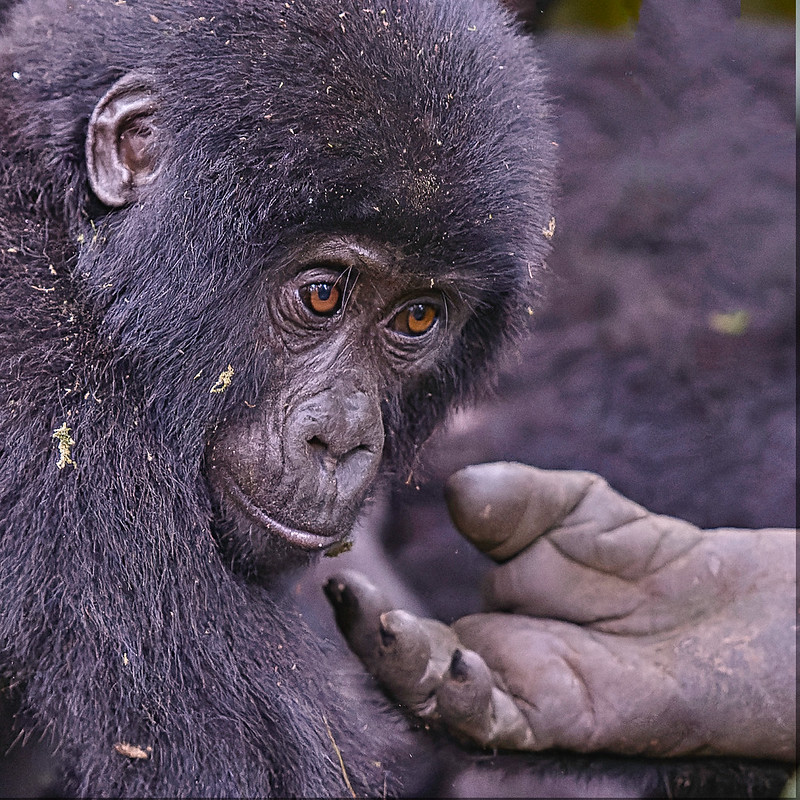
How to Stay Safe and Healthy While Traveling in Uganda
How to Stay Safe and Healthy While Traveling in Uganda
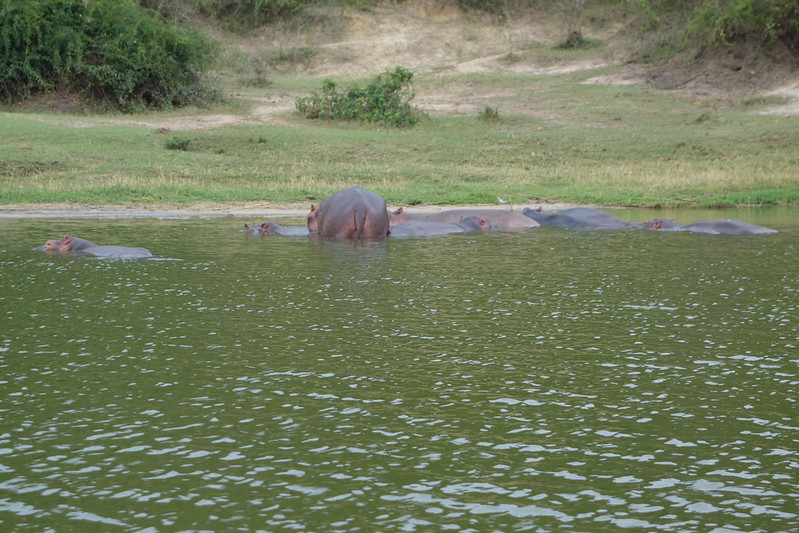
Routes, Tips & Travel Wisdom for Getting to Bwindi or Mgahinga
Routes, Tips & Travel Wisdom for Getting to Bwindi or Mgahinga
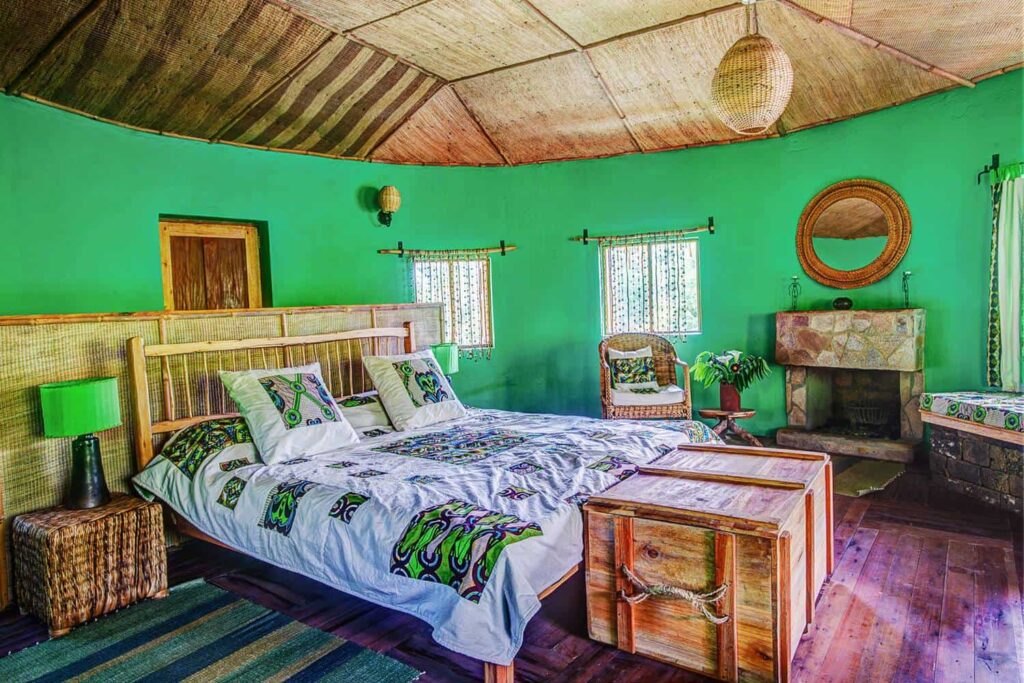
Accommodation Options: Lodges & Camps in Bwindi and Mgahinga
Accommodation Options: Lodges & Camps in Bwindi and Mgahinga
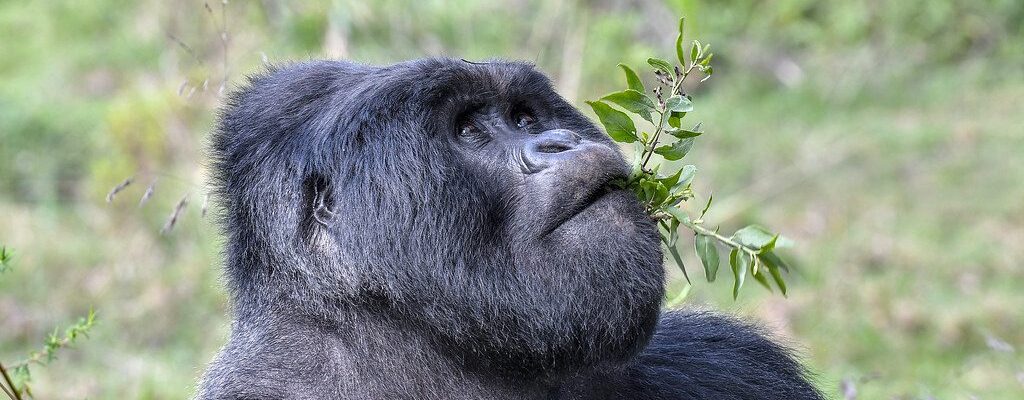
Protecting What You Came to See: Gorilla Conservation & Ethics
Protecting What You Came to See: Gorilla Conservation & Ethics
Travel Insurance for Gorilla Treks: Before You Go
Travel Insurance for Gorilla Treks: Before You Go
First Time Gorilla Trekking? Here’s Everything I Wish I Knew
First Time Gorilla Trekking? Here’s Everything I Wish I Knew
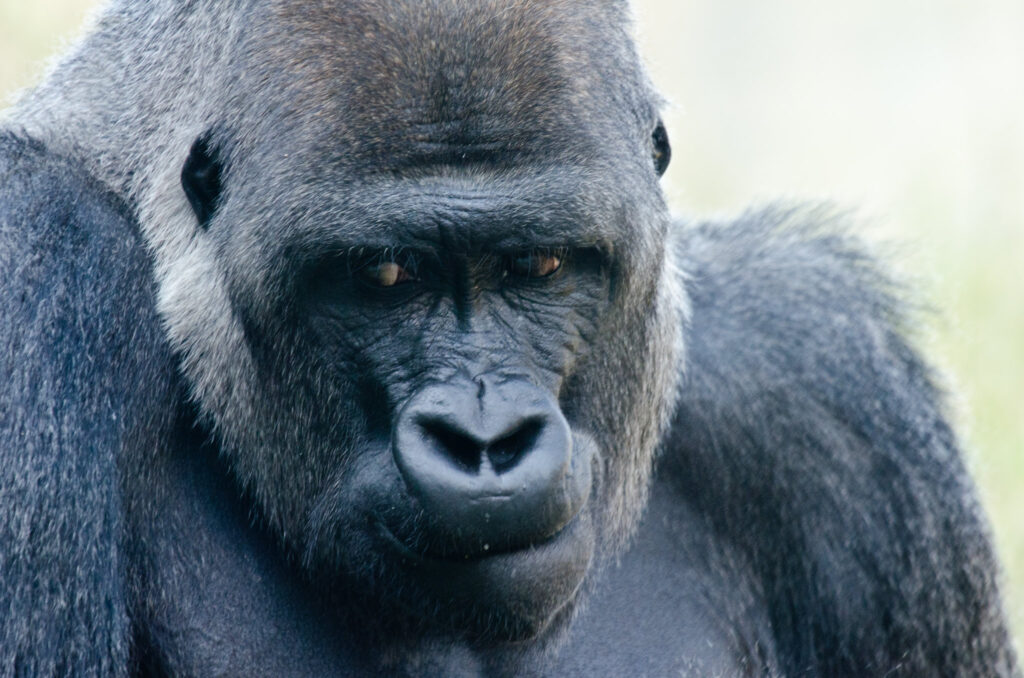
Step by Step: What Happens During a Gorilla Trekking Day
Step by Step: What Happens During a Gorilla Trekking Day
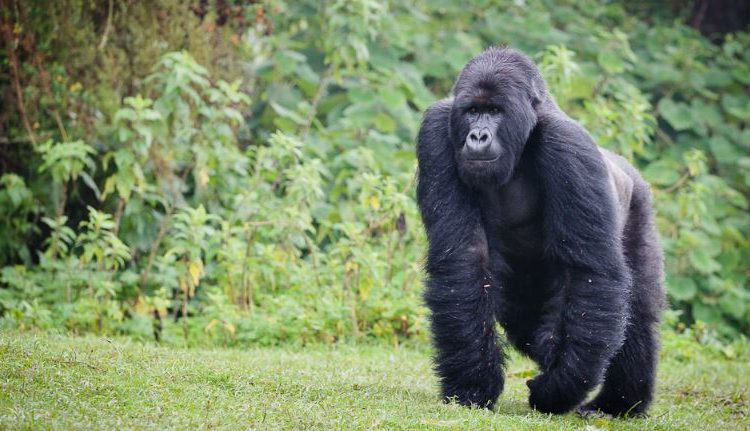
Gorilla Trekking vs. Gorilla Tracking – What’s the Real Difference?
Gorilla Trekking vs. Gorilla Tracking – What’s the Real Difference?
Beyond Gorillas: Other Wildlife You Can See During Your Trek
Beyond Gorillas: Other Wildlife You Can See During Your Trek
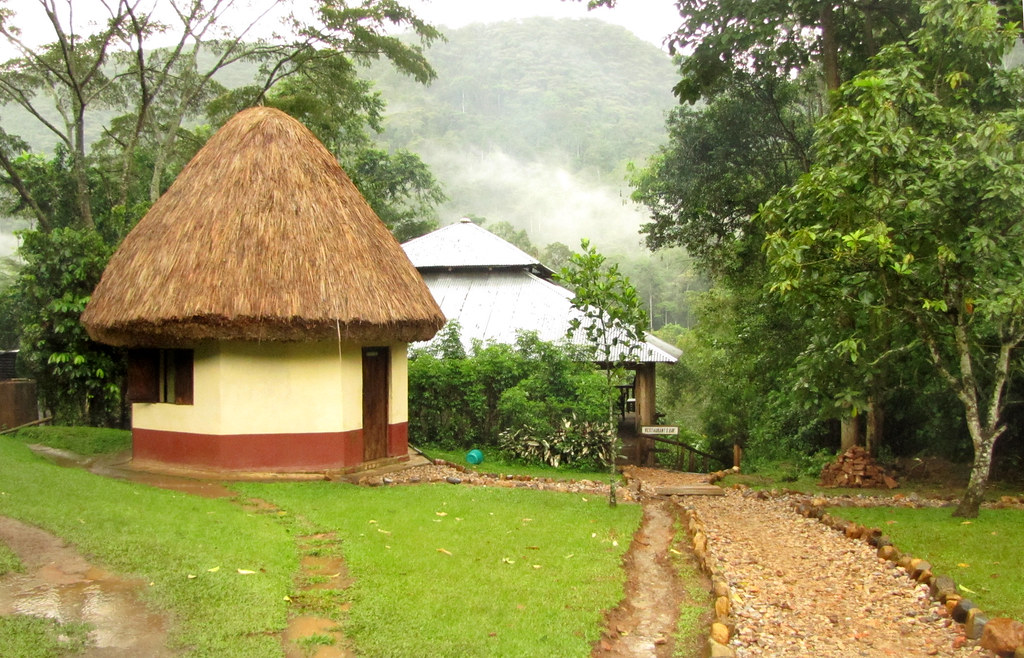
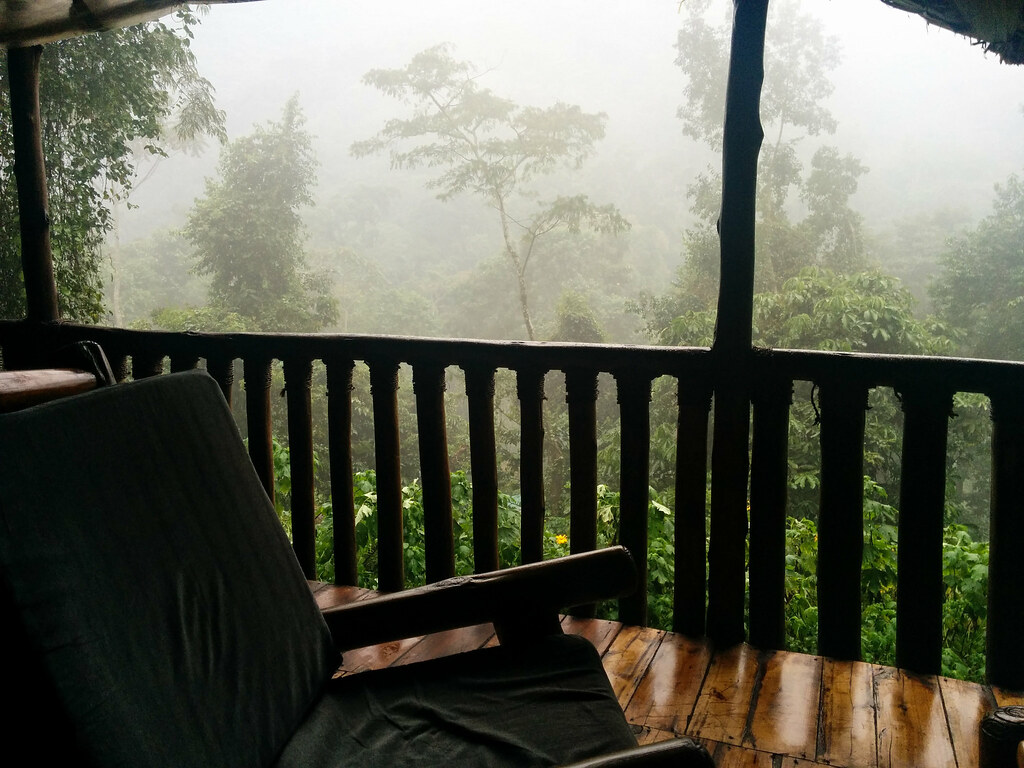
In the Realm of Giants – Bwindi & Mgahinga in Frames.
Wander through an elegant gallery capturing Uganda’s most exclusive gorilla sanctuaries, where ancient forests cradle the last mountain gorillas in a world of mist, mystery, and majesty.
Essential Planning Tips for Visiting Uganda’s National Parks.
Get ready for the wild heart of Africa with expert travel tips on when to visit, what to pack, where to go, and how to make the most of your safari across Uganda’s breathtaking national parks.
Why Uganda for Gorilla Trekking?
Uganda is not just a destination — it's the very soul of gorilla trekking. With over half of the world’s remaining mountain gorillas calling its misty forests home, Uganda offers the rarest encounters in their most authentic setting. Here, your journey is not rushed or crowded. Instead, you’re guided by experienced rangers through pristine jungles where gorillas live as they always have — wild, free, and magnificent
From insider travel insights to unforgettable trekking guides, our blog is your trusted path into Uganda’s wild heart — connecting you with mountain gorillas, breathtaking landscapes, and the soul-stirring adventures that make this land unlike any other.