
Geographic Location and Accessibility
Kihihi is strategically positioned in southwestern Uganda near the northern boundary of Bwindi forest, making it highly accessible for gorilla trekking itineraries. Travelers arriving by road from Kampala or Queen Elizabeth National Park often pass through Kihihi before continuing to Buhoma. The journey offers scenic views of rolling hills, tea plantations, and rural settlements, creating an enjoyable prelude to the forest experience.The presence of Kihihi Airstrip significantly enhances accessibility. Scheduled and charter domestic flights connect the town with Entebbe International Airport, reducing travel time dramatically compared to the long road journey. This accessibility has contributed to increased visitor numbers and the development of higher-end tourism services in the region.
Connection to Gorilla Trekking in Buhoma Sector
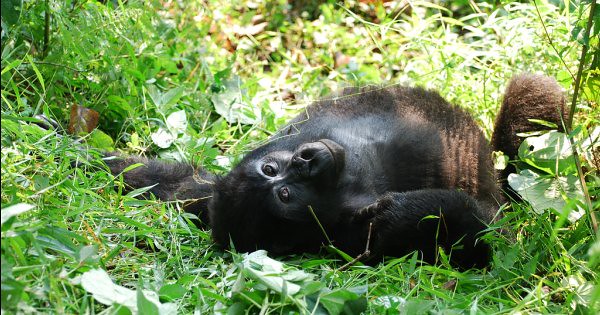
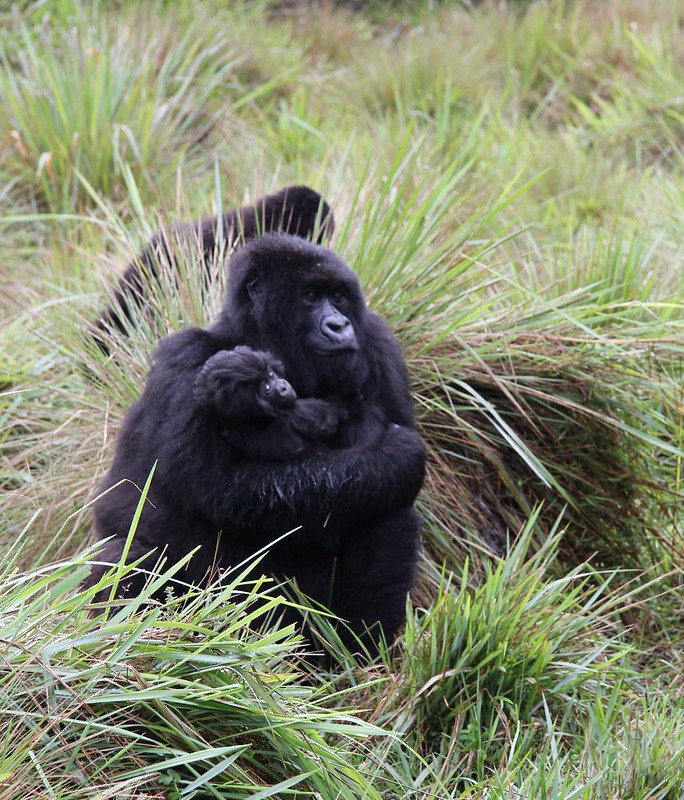
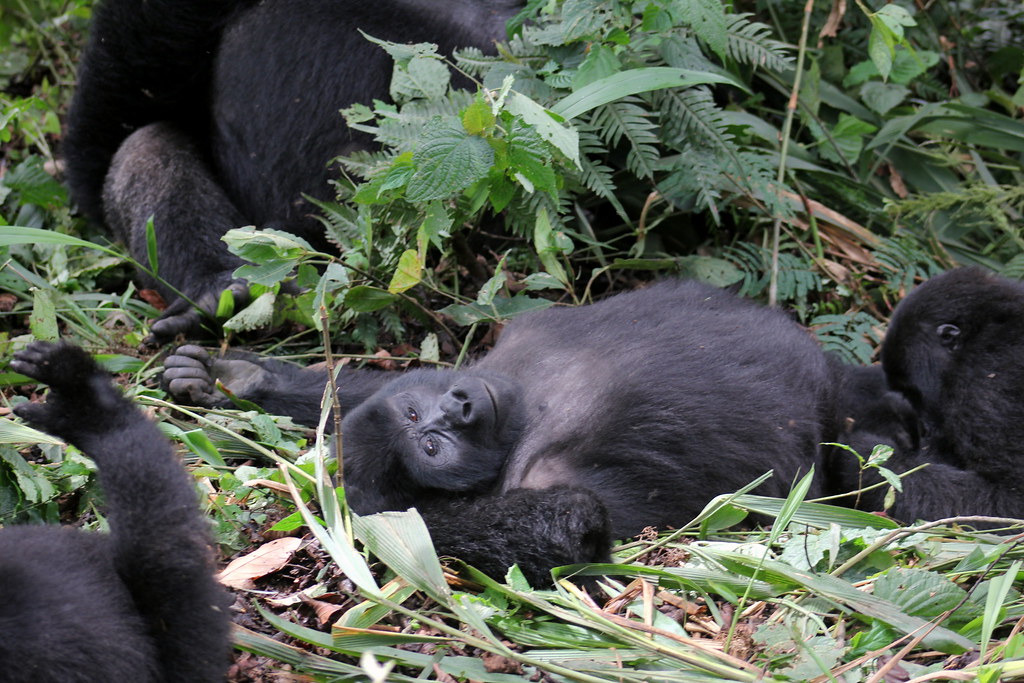
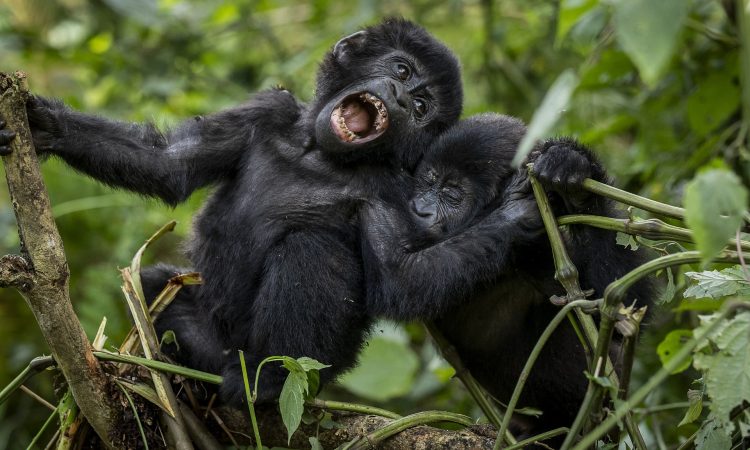
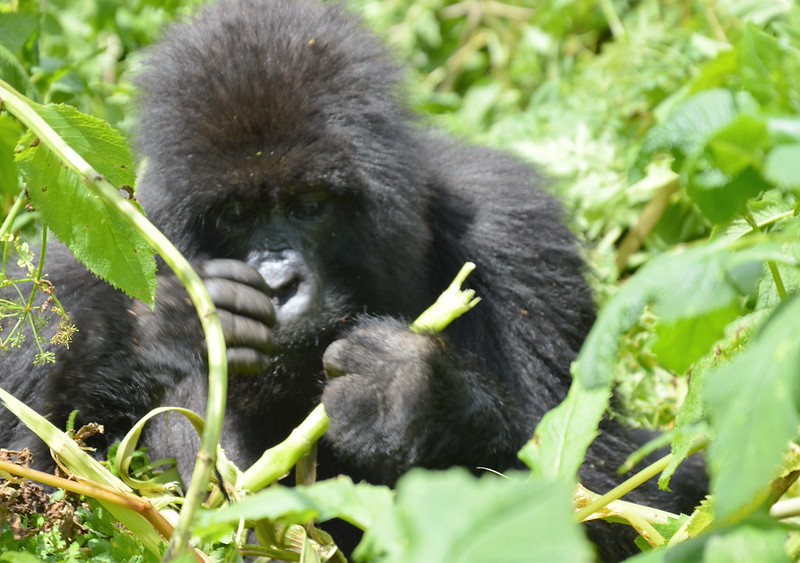
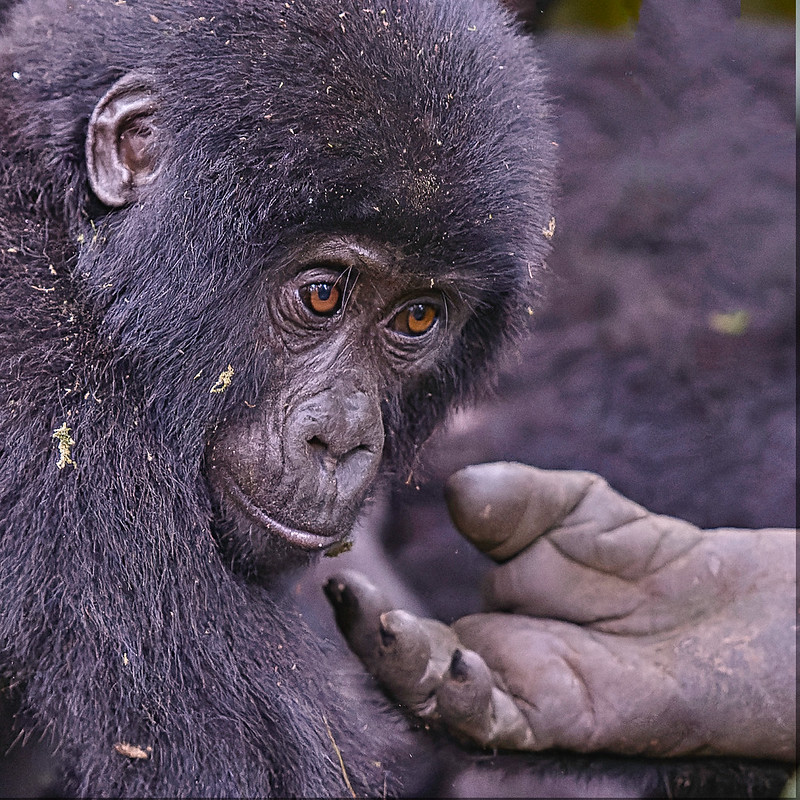
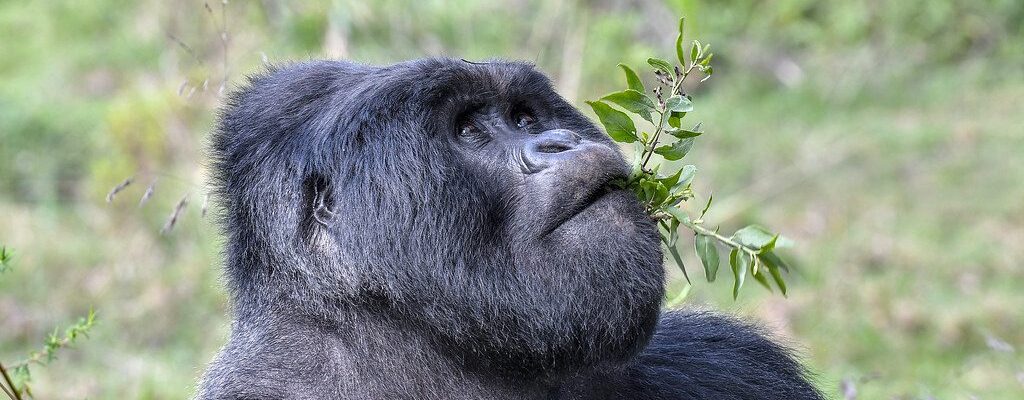
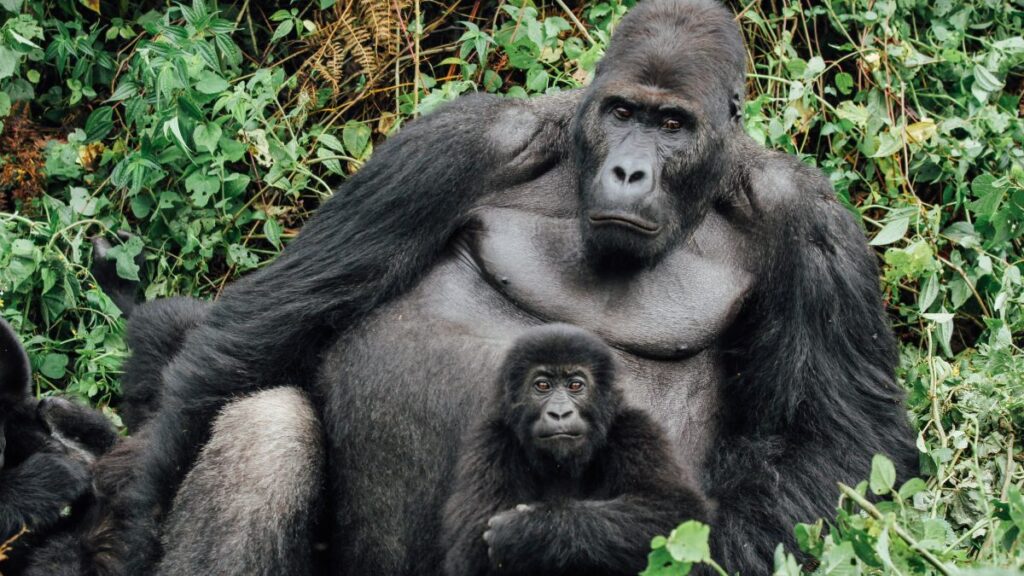
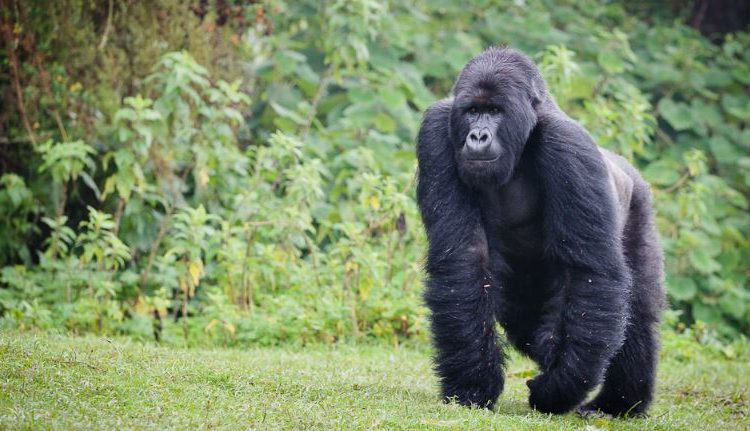
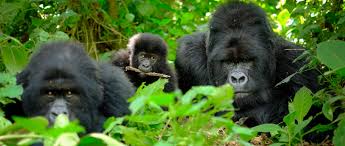
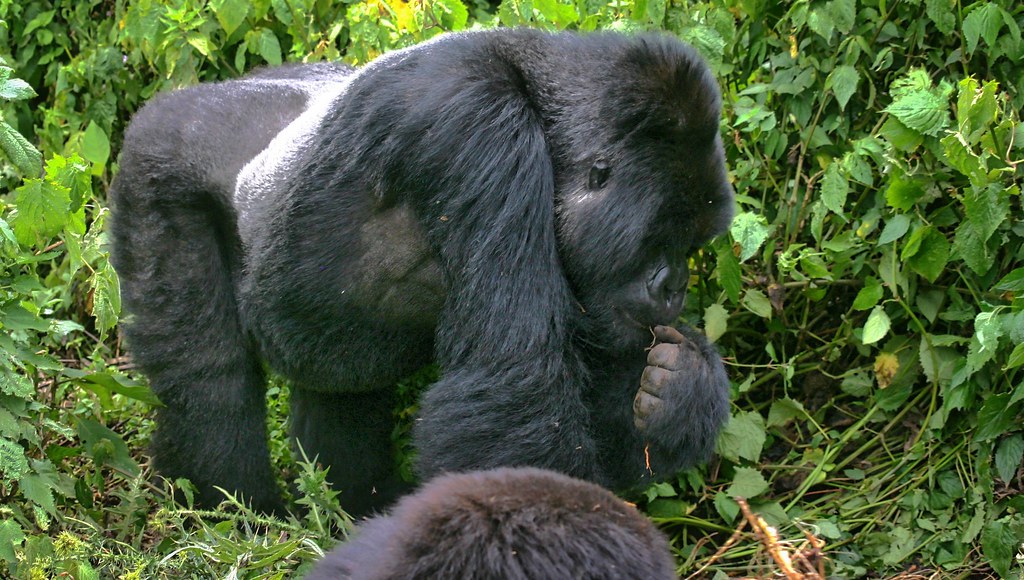
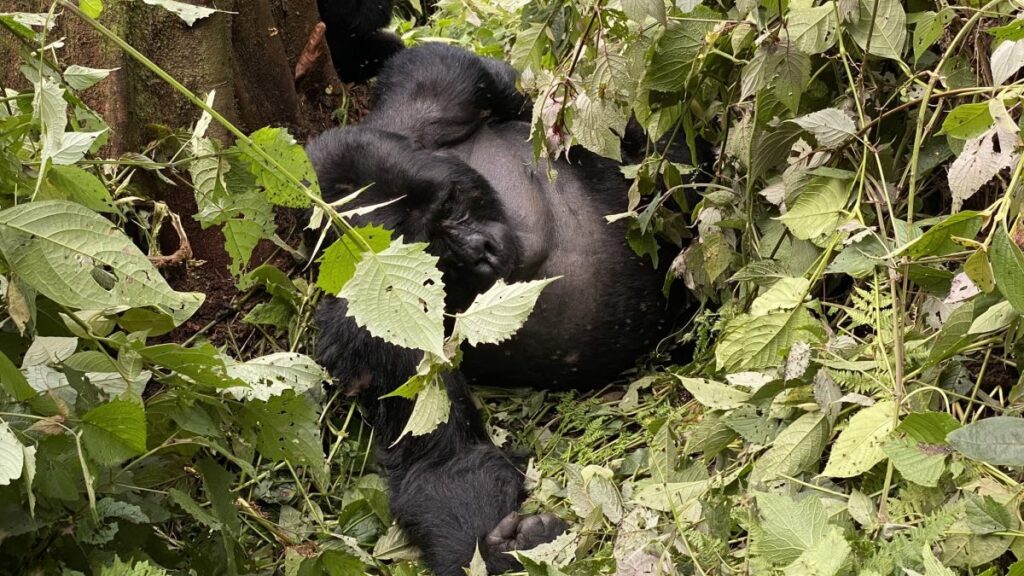
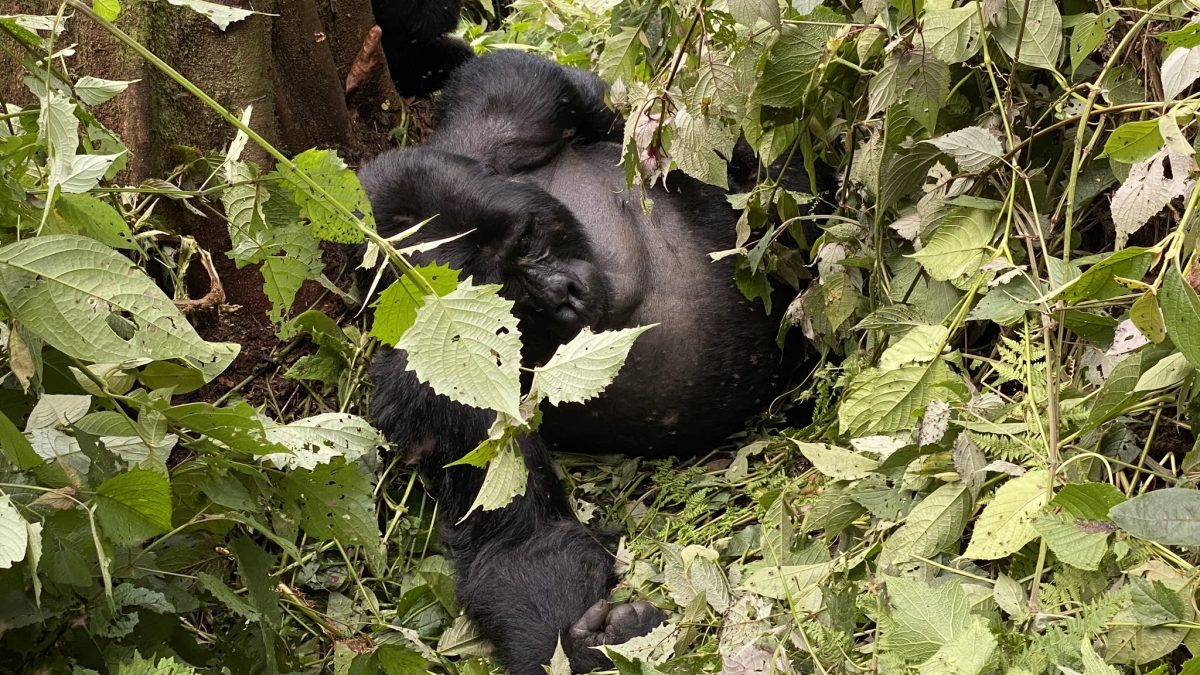
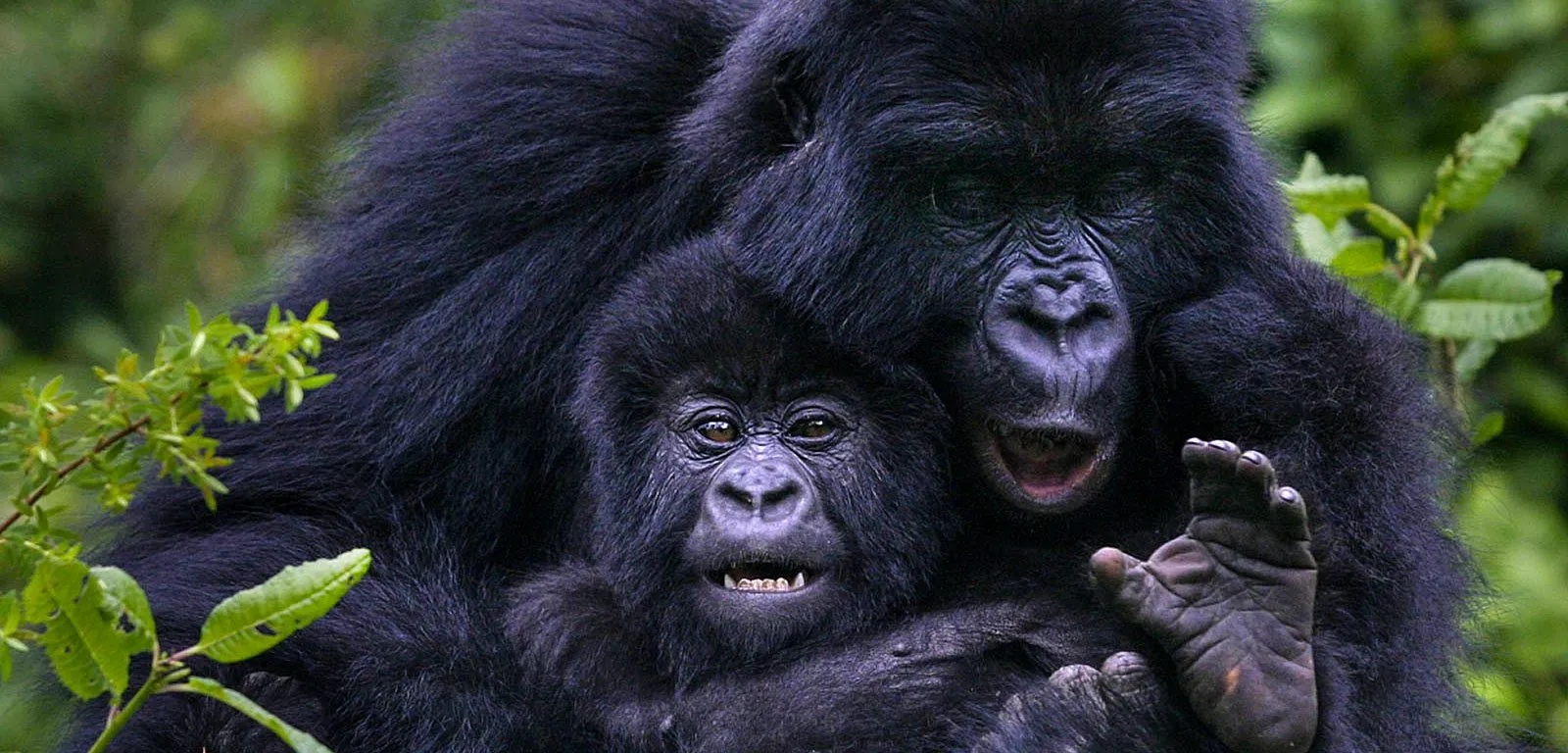
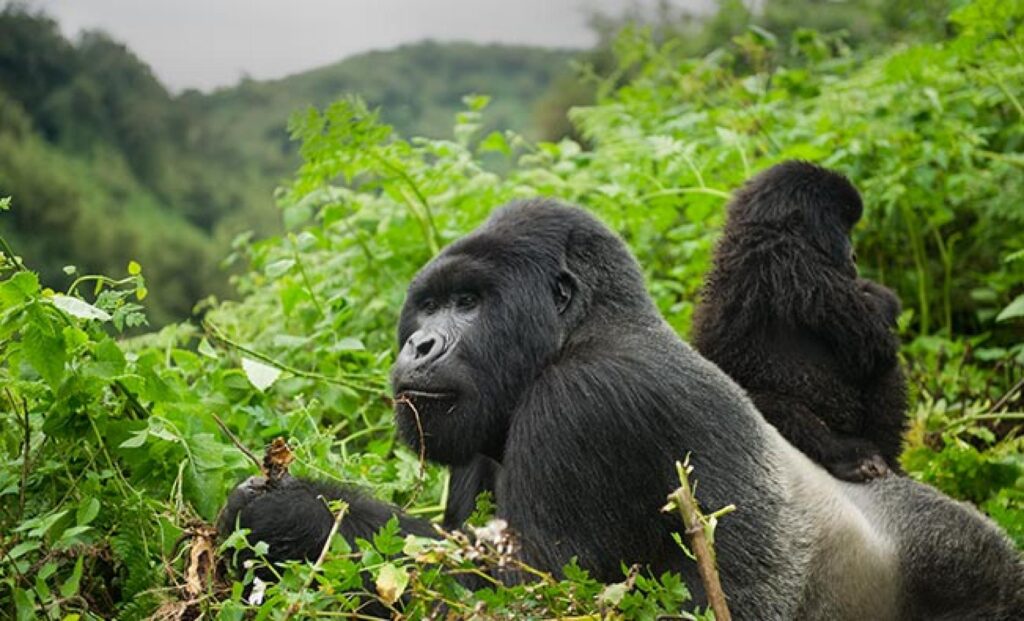
Kihihi is closely linked to the Buhoma sector, one of the oldest and most historically significant gorilla trekking areas in Uganda. Buhoma was the first location where mountain gorillas were habituated for tourism, making it central to Uganda’s conservation story. Visitors staying in Kihihi or nearby lodges often travel a short distance to the park headquarters to begin their trekking experience.The proximity allows flexible accommodation options. Some travelers choose to stay in Kihihi for budget or mid-range options while accessing luxury lodges closer to the park for premium experiences. The short travel distance between the town and trekking starting points ensures convenience without compromising the wilderness atmosphere.
Local Economy and Community Life
The economy of Kihihi is largely driven by agriculture, trade, and tourism-related services. Local markets display fresh produce such as bananas, beans, cassava, and vegetables grown in surrounding farms. Tourism has introduced new employment opportunities in guiding, hospitality, transport, and handicrafts, providing alternative income sources for residents.Community interactions offer cultural insights for visitors. Walking through the town allows travelers to observe daily life, including traditional cooking methods, small-scale businesses, and social gatherings. These experiences create a richer understanding of how rural communities coexist with conservation tourism.
Accommodation and Visitor Services
Kihihi offers a range of accommodation options that cater to different traveler budgets. Guesthouses and small lodges provide comfortable stays for visitors preparing for gorilla trekking, while nearby luxury lodges closer to Buhoma offer premium amenities such as forest views, fine dining, and spa services. This variety allows travelers to customize their experience according to preferences and budgetEssential services are also available within the town. Banks, fuel stations, pharmacies, and small shops ensure that travelers can access necessary supplies before entering more remote areas near the national park. The availability of these services enhances the practicality of using Kihihi as a base.
Cultural and Nature Experiences Around Kihihi
Beyond gorilla trekking, the area surrounding Kihihi offers additional activities that enrich visitor experiences. Nature walks, birdwatching, and visits to nearby tea plantations provide opportunities to explore the scenic countryside. Cultural tours to local communities, schools, and craft centers allow travelers to engage meaningfully with residents and support community-based tourism initiatives.The proximity to other attractions also adds value. Travelers can combine gorilla trekking with wildlife safaris in nearby Queen Elizabeth National Park, creating diverse itineraries that include both savannah and rainforest ecosystems within a single trip.
The Role of Kihihi in Regional Tourism Development
Kihihi plays a crucial role in the tourism economy of southwestern Uganda by acting as a logistical hub and service center for visitors heading to Bwindi. Infrastructure improvements driven by tourism demand have contributed to regional development, including better roads, communication networks, and employment opportunities. This demonstrates how conservation tourism can stimulate economic growth while protecting wildlife habitats.The town also represents the connection between local communities and global conservation efforts. Revenue generated from gorilla trekking supports community projects such as schools, health centers, and clean water initiatives. Visitors passing through Kihihi witness how tourism contributes directly to improving local livelihoods, reinforcing the importance of sustainable travel practices.
Kihihi as a Vital Gateway to Gorilla Adventures
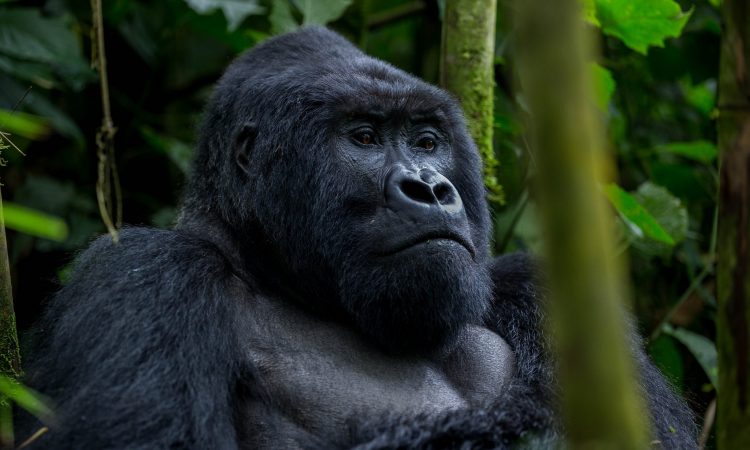
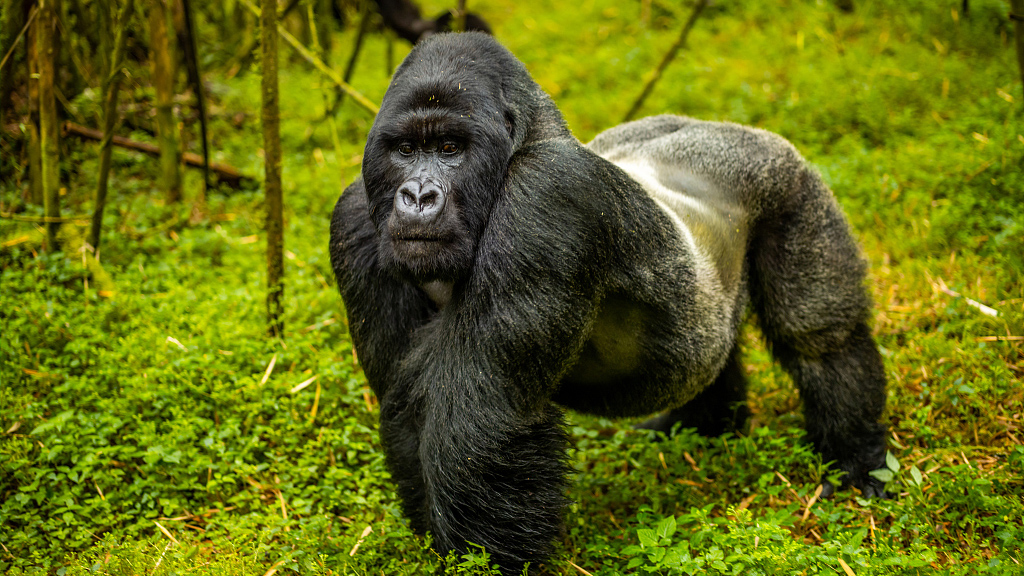
Kihihi may appear as a modest rural town, but its significance in Uganda’s gorilla tourism landscape is substantial. Serving as a gateway to Bwindi’s Buhoma sector, the town provides accessibility, services, and cultural context for travelers embarking on one of the world’s most remarkable wildlife experiences.For visitors, Kihihi represents the beginning of an unforgettable journey into the rainforest. The combination of welcoming community life, scenic surroundings, and proximity to gorilla trekking areas makes it an integral part of the overall adventure, bridging the gap between civilization and the wild beauty of Uganda’s mountain gorilla habitat.