

Where the soul of the forest whispers in the mist
The vegetation of Bwindi Impenetrable National Park is one of the oldest and most biologically complex forest ecosystems in Africa. Bwindi is a true montane and lowland rainforest estimated to be more than 25,000 years old, having survived major climatic changes that wiped out many other African forests. Its dense plant cover, tangled vines, thick understory, and towering trees give the forest its well-known name, “Impenetrable.” This ancient vegetation system is the foundation of Bwindi’s global ecological importance and supports an extraordinary concentration of plant and animal life.
Bwindi’s vegetation creates a stable, self-sustaining environment that supports mountain gorillas, chimpanzees, forest elephants, and hundreds of bird, butterfly, and tree species. The forest regulates moisture, temperature, and soil fertility, allowing natural regeneration to continue uninterrupted over centuries. Vegetation patterns change gradually with altitude, rainfall, and terrain, forming distinct ecological zones within a relatively small area. This diversity of plant life is what makes Bwindi one of Africa’s most important conservation landscapes and a world-class destination for gorilla trekking and forest exploration.
So lace up your boots, grab your camera, and prepare to meet the wild — this is where your gorilla trekking dreams and unforgettable safari adventures truly begin.
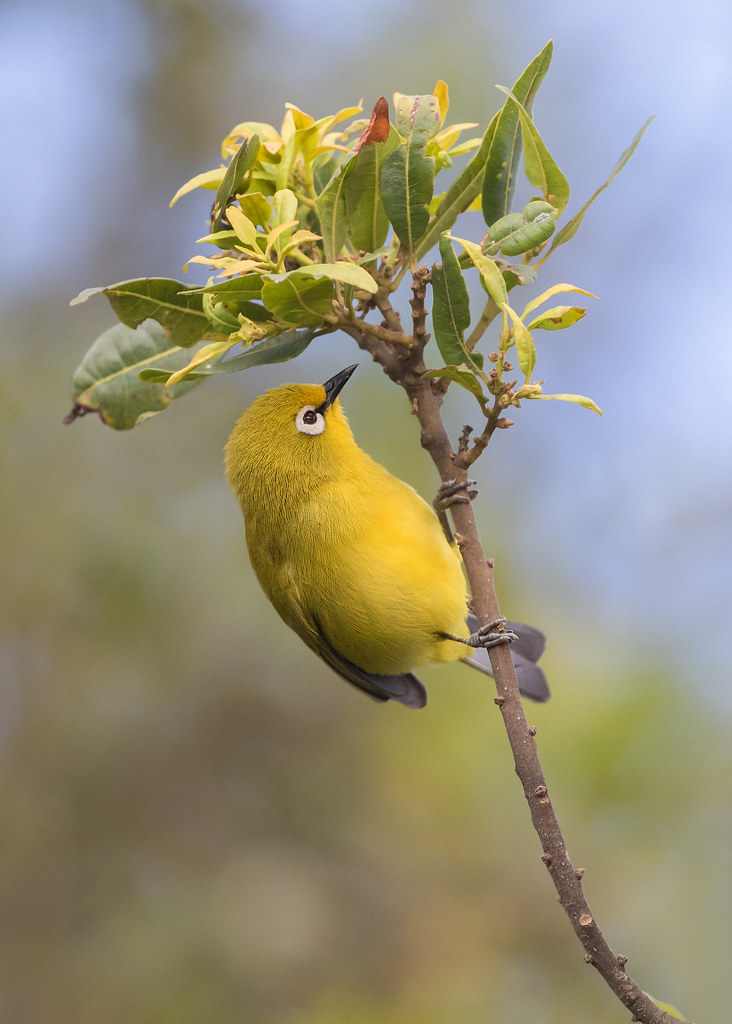
Truly Iconic Highlights in Uganda

Trek through Bwindi’s mystical rainforest and meet the endangered mountain gorillas in their breathtaking natural home.
Encounter mountain gorillas and golden monkeys on Mgahinga’s misty volcanic trails, where culture and alpine wildlife thrive together.
Unwind after your trek with a peaceful canoe ride across Lake Bunyonyi, Uganda’s most tranquil and scenic highland lake.
Enhance your gorilla trekking safari with an optional chimpanzee encounter in Uganda’s lush forests, adding depth and diversity to your primate adventure
Bwindi Vegetation — Forest Types and Plant Biodiversity of Bwindi Impenetrable National Park
Types of Vegetation in Bwindi
Bwindi’s vegetation is broadly divided into lowland rainforest, montane forest, and transitional bamboo zones, shaped mainly by altitude and rainfall. Lower elevations are dominated by tall lowland forest with dense canopy cover, while higher elevations support montane forest with shorter trees, moss-covered branches, and cooler conditions. Bamboo vegetation appears in some transitional zones, particularly near higher altitudes. These vegetation types allow the park to support a wide range of wildlife within a compact area.
Forest Canopy and Tree Species
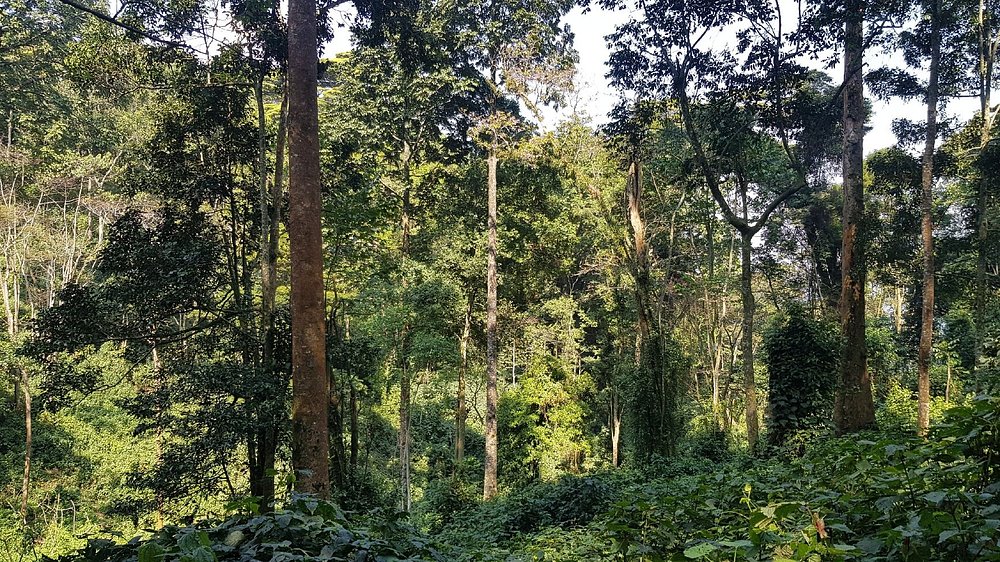
The forest canopy in Bwindi is tall, layered, and continuous, with some trees reaching over 40 meters in height. Dominant species include mahogany, fig trees, ironwood, and other ancient hardwoods typical of long-established rainforests. The canopy controls sunlight penetration, moisture retention, and temperature balance, creating a stable environment below. It also provides nesting, feeding, and movement corridors for birds and primates, making it critical to ecosystem health.
Understory and Ground Vegetation
Beneath the canopy lies a thick understory of shrubs, ferns, vines, and young trees that gives Bwindi its impenetrable character. The forest floor is covered with leaf litter, mosses, fungi, and seedlings thriving in constant moisture. Lianas and climbers wrap around tree trunks, forming natural pathways for arboreal animals. This dense ground vegetation provides feeding areas, shelter, and protection for gorillas and other forest wildlife.
Bamboo and Secondary Vegetation
Bamboo vegetation occurs in certain parts of Bwindi, particularly in higher and transitional zones. Bamboo shoots are an important seasonal food source for mountain gorillas and other herbivores. Secondary vegetation is also found in areas that experienced limited human disturbance before full protection. Over time, these areas have naturally regenerated, increasing plant diversity and demonstrating the forest’s resilience under conservation management.
Medicinal and Culturally Important Plants
Bwindi is rich in medicinal plants traditionally used by surrounding communities to treat various illnesses. Many species are used for herbal remedies, pain relief, and cultural practices passed down through generations. This plant knowledge forms an important part of local heritage. Protecting Bwindi’s vegetation also preserves this indigenous knowledge alongside biodiversity.
Role of Vegetation in Gorilla Survival
Bwindi’s vegetation is essential to the survival of mountain gorillas, which rely almost entirely on forest plants for food. Gorillas feed on leaves, shoots, stems, bark, and fruits found across different vegetation zones. The diversity of plant species ensures year-round food availability and reduces long-distance movement. Dense vegetation also provides shelter and protection, making the forest ideal gorilla habitat.
Vegetation and Climate Regulation
The forest vegetation plays a major role in regulating Bwindi’s local climate by retaining moisture and maintaining high humidity levels. Morning mist and cool temperatures are common due to constant moisture held within the forest. This microclimate supports species that cannot survive in drier environments. Any loss of vegetation would disrupt rainfall patterns, temperature balance, and ecosystem stability.
Conservation of Bwindi’s Vegetation
Bwindi’s vegetation is strictly protected under national park regulations to prevent deforestation and habitat degradation. Conservation efforts focus on controlling illegal logging, agricultural encroachment, and unsustainable resource use. Community-based programs encourage local involvement in forest protection. Tourism revenue, especially from gorilla trekking, supports vegetation monitoring and habitat restoration.
Why Bwindi Vegetation Matters to Visitors
For visitors, Bwindi’s vegetation defines the entire trekking experience. The dense forest creates a sense of adventure unlike savannah safaris, making every trek immersive and challenging. Towering trees, thick undergrowth, and rich plant life shape wildlife encounters and trekking difficulty. Bwindi’s vegetation is not just scenery—it is the foundation of its conservation value and unforgettable gorilla trekking experiences.
More Bwindi Information to Know.
Bwindi Impenetrable Forest is a mountainous rainforest in southwestern Uganda, home to endangered mountain gorillas. Its unique climate, rich vegetation, community tourism, and conservation efforts make it a vital and unforgettable destination.
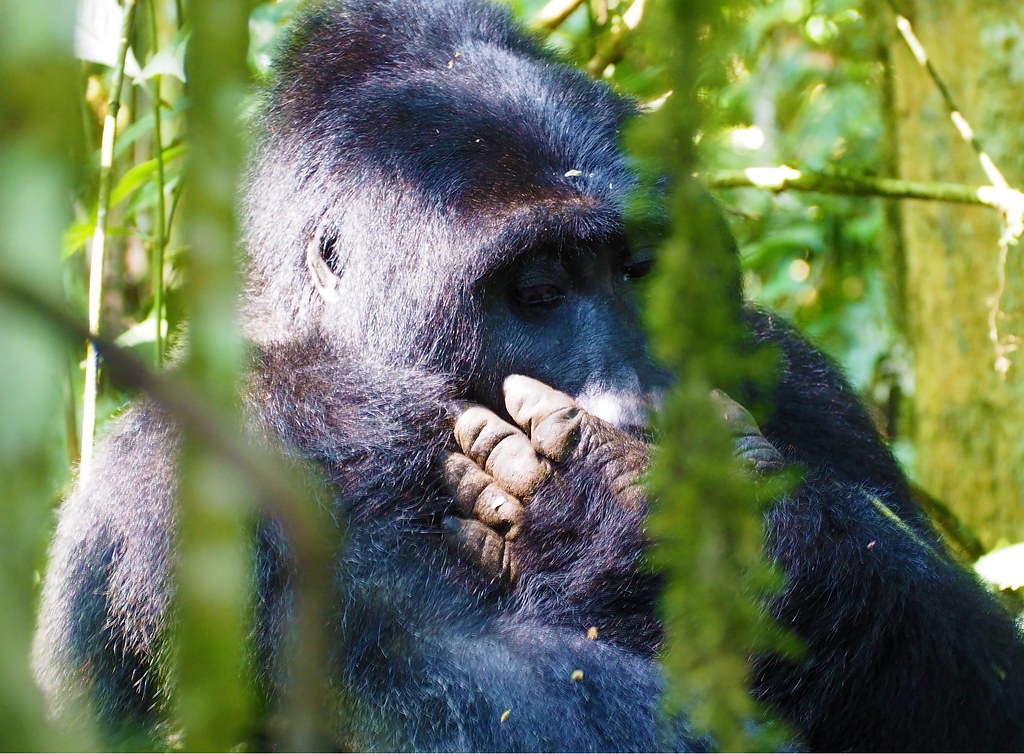
Bwindi History
Bwindi History
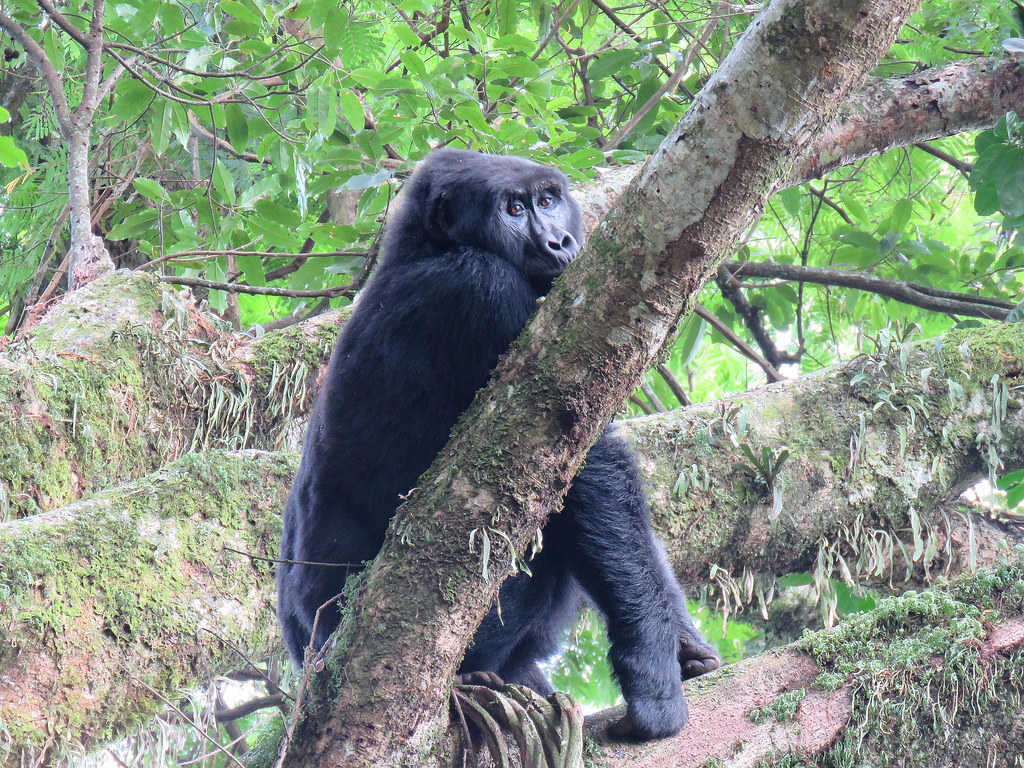
Bwindi Altitude
Bwindi Altitude
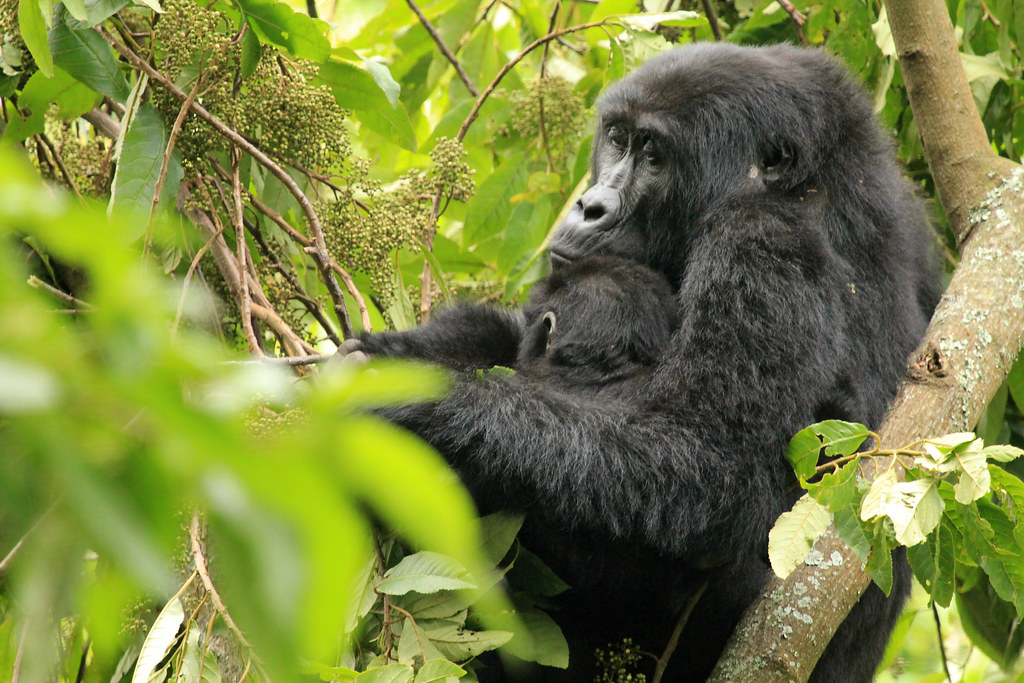
Bwindi Climate
Bwindi Climate
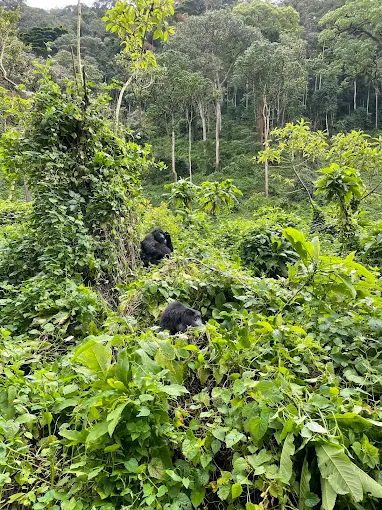
Bwindi Geography
Bwindi Geography
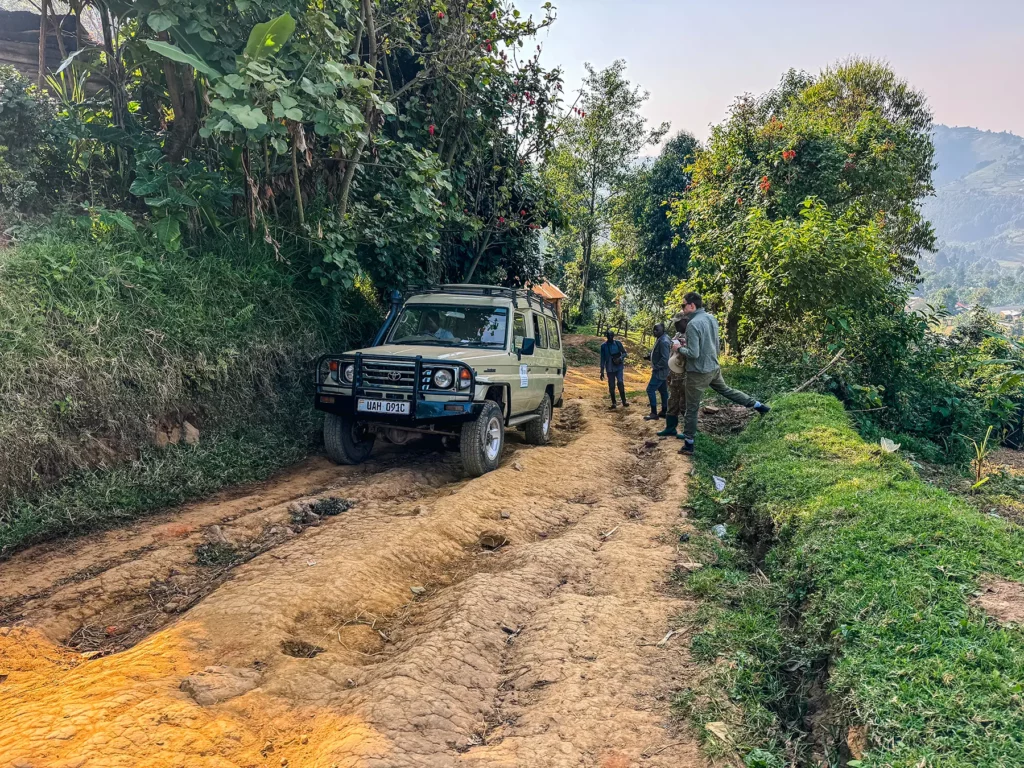
Getting There To Bwindi
Getting There To Bwindi
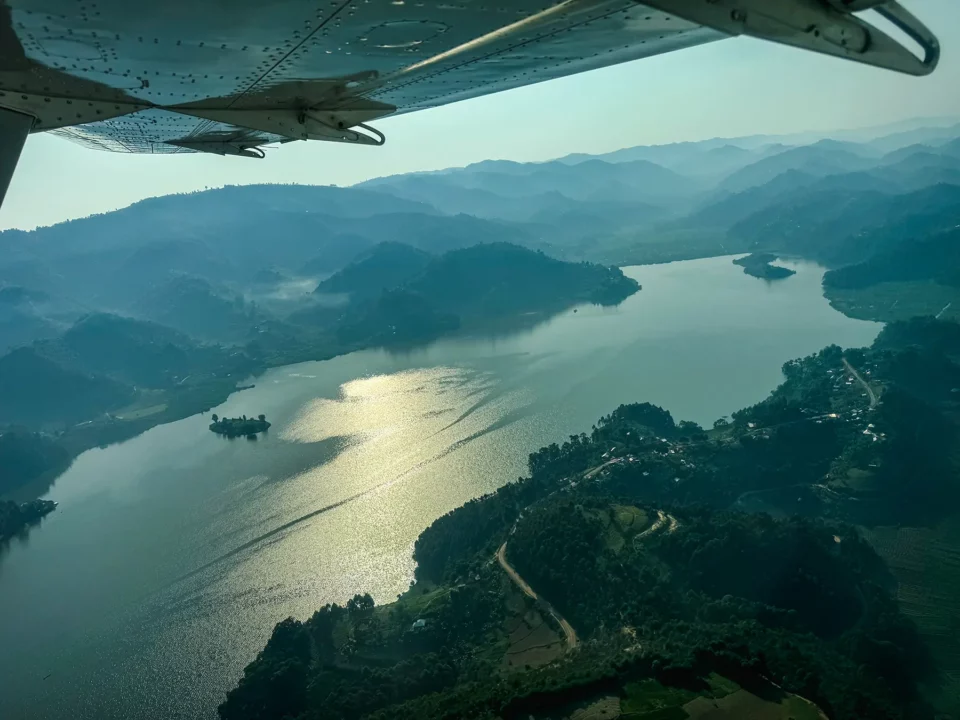
Bwindi Location
Bwindi Location
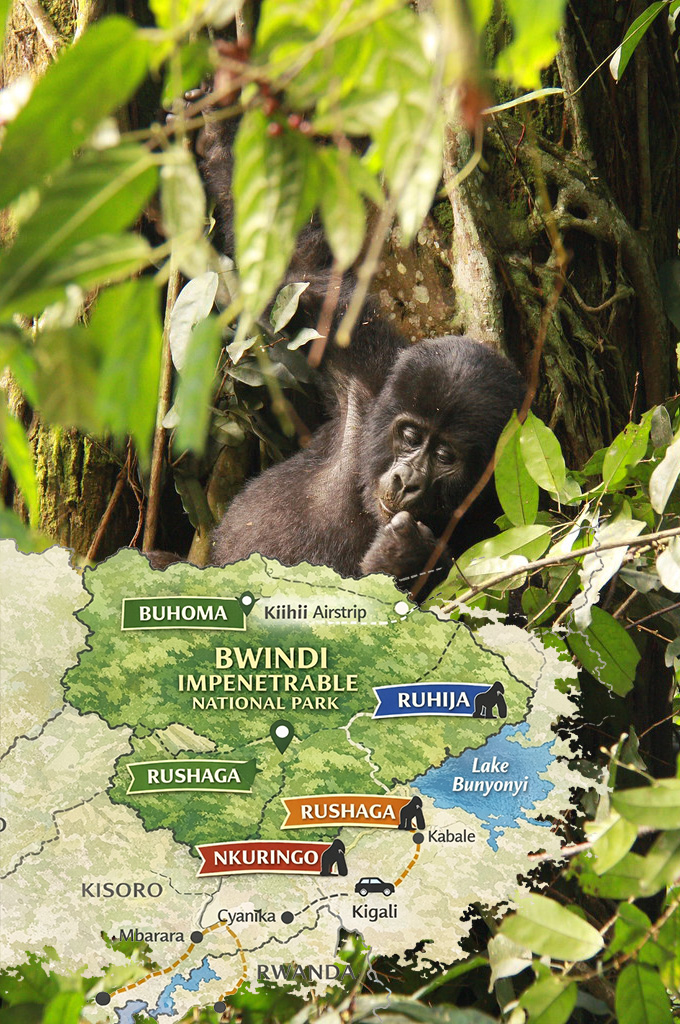
Bwindi Sectors
Bwindi Sectors
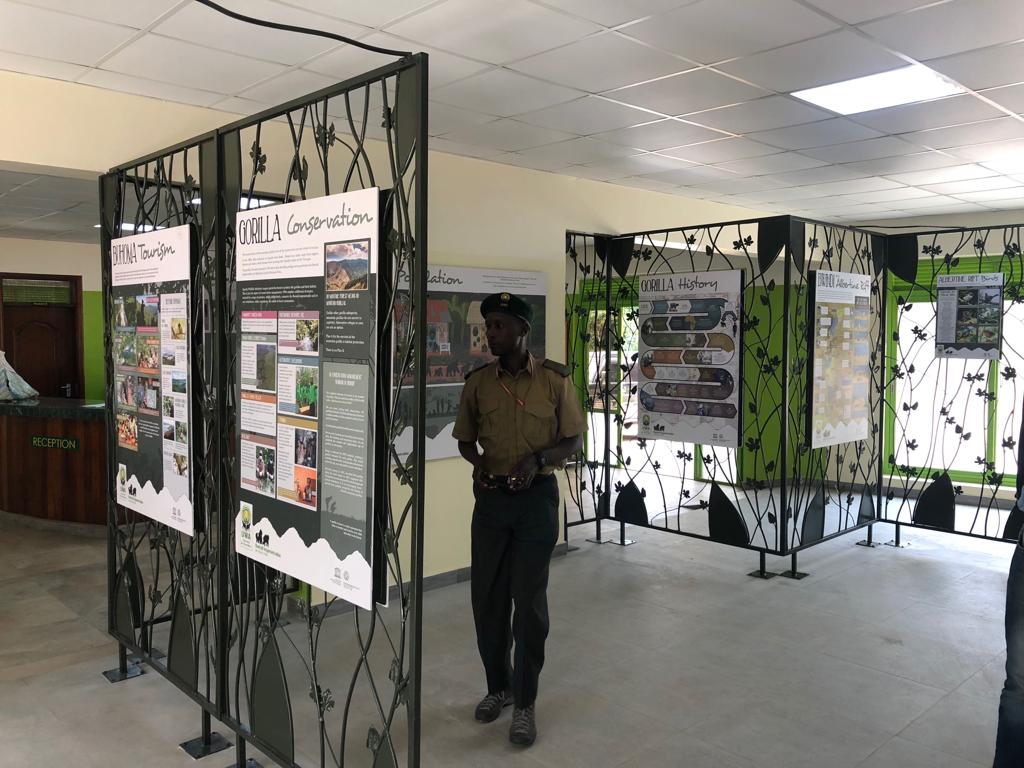
Bwindi Visitor Centres
Bwindi Visitor Centres
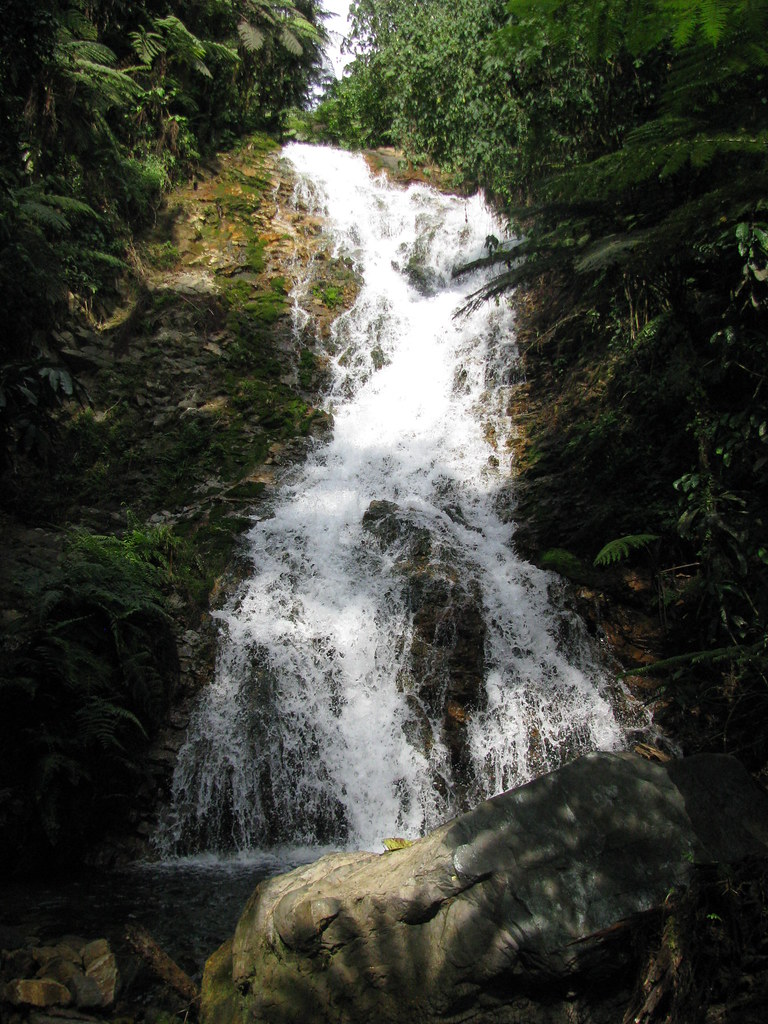
Bwindi Waterfalls
Bwindi Waterfalls
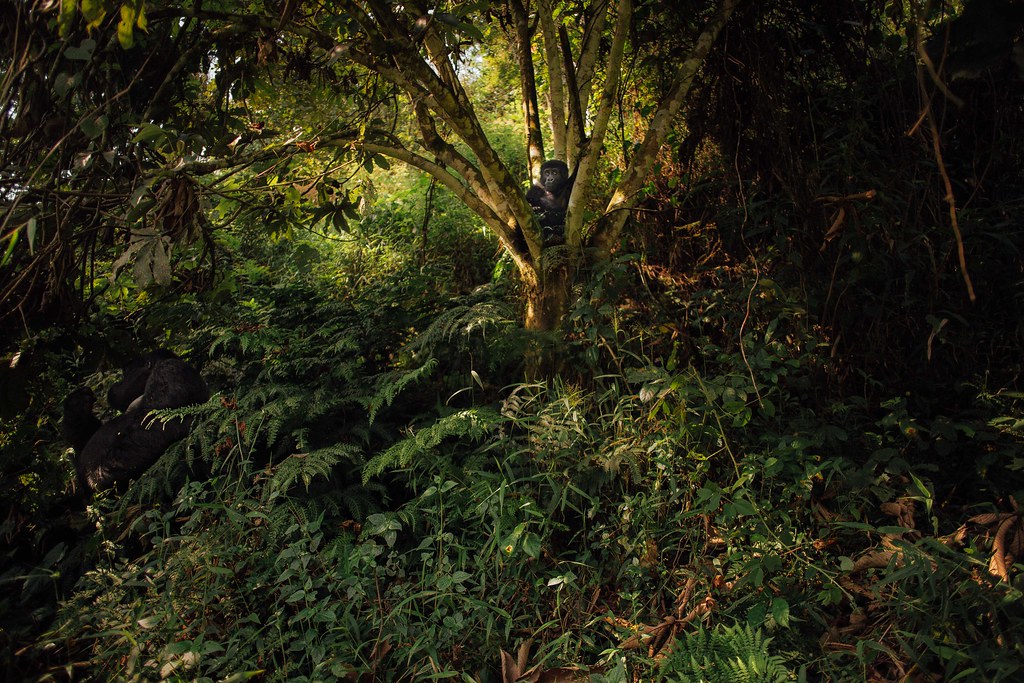
Bwindi Impenetrable Forest
Bwindi Impenetrable Forest
In the Realm of Giants – Bwindi & Mgahinga in Frames.
Wander through an elegant gallery capturing Uganda’s most exclusive gorilla sanctuaries, where ancient forests cradle the last mountain gorillas in a world of mist, mystery, and majesty.
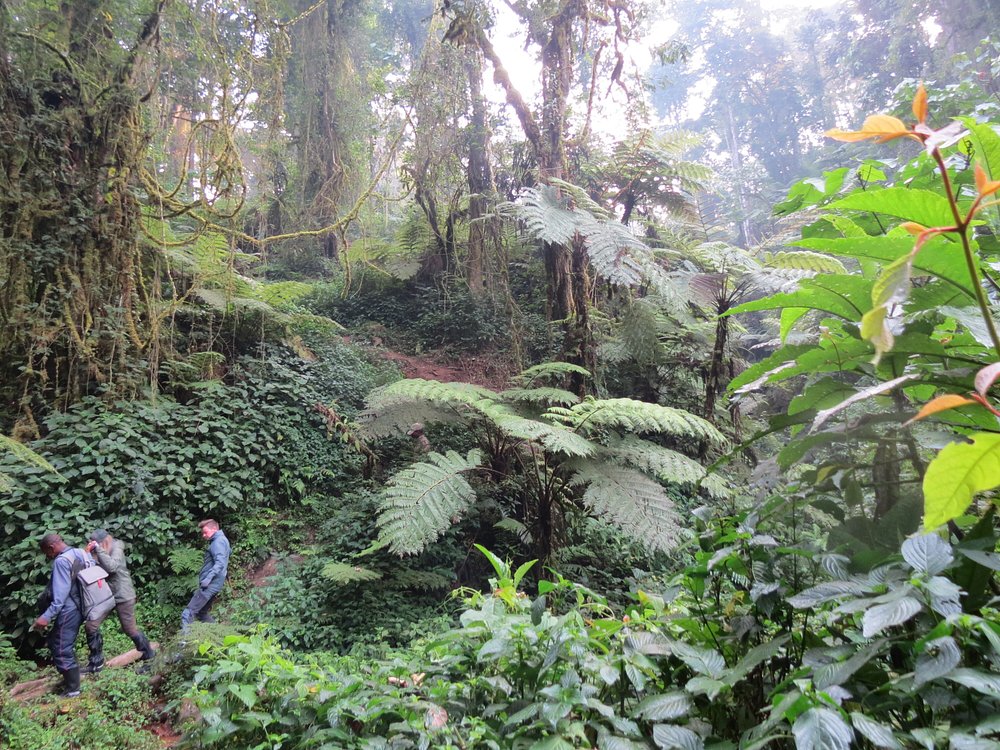
Essential Planning Tips for Visiting Uganda’s National Parks.
Get ready for the wild heart of Africa with expert travel tips on when to visit, what to pack, where to go, and how to make the most of your safari across Uganda’s breathtaking national parks.
Why Uganda for Gorilla Trekking?
Uganda is not just a destination — it's the very soul of gorilla trekking. With over half of the world’s remaining mountain gorillas calling its misty forests home, Uganda offers the rarest encounters in their most authentic setting. Here, your journey is not rushed or crowded. Instead, you’re guided by experienced rangers through pristine jungles where gorillas live as they always have — wild, free, and magnificent
From insider travel insights to unforgettable trekking guides, our blog is your trusted path into Uganda’s wild heart — connecting you with mountain gorillas, breathtaking landscapes, and the soul-stirring adventures that make this land unlike any other.