

Where the soul of the forest whispers in the mist
Bwindi Impenetrable National Park has a long and complex history rooted in both natural evolution and human presence. Located in southwestern Uganda, this forested mountain region dates back over 25,000 years, making it one of Africa’s most ancient and biologically rich ecosystems. Its long-term survival through changing climates has allowed it to become a biodiversity hotspot, home to rare species like the mountain gorilla, forest elephants, and hundreds of unique plants and birds.
Historically, the forest was inhabited by the Batwa people—indigenous hunter-gatherers who relied entirely on its resources for survival. They lived in harmony with the forest for centuries, preserving knowledge about its wildlife, medicinal plants, and sacred sites. However, in 1991, when Bwindi was officially gazetted as a national park, the Batwa were displaced, losing access to their ancestral land in the name of wildlife conservation. This remains a critical issue in Bwindi’s conservation story, as modern efforts are now attempting to integrate their cultural heritage into sustainable tourism and education.
Bwindi’s global importance surged when researchers confirmed it harbored one of the last stable populations of mountain gorillas. This discovery led to increased international attention, transforming the forest into a focal point for primate conservation. The park was declared a UNESCO World Heritage Site in 1994, thanks to its exceptional biodiversity and ecological significance.
Today, Bwindi is not only a stronghold for endangered species but also a leading example of how ecotourism can fund conservation and support local livelihoods. Gorilla trekking, carefully managed and limited in numbers, provides vital revenue for park protection and community development. From its prehistoric roots to its modern role in conservation science, Bwindi’s history continues to shape how the world values wild spaces and indigenous wisdom.
So lace up your boots, grab your camera, and prepare to meet the wild — this is where your gorilla trekking dreams and unforgettable safari adventures truly begin.
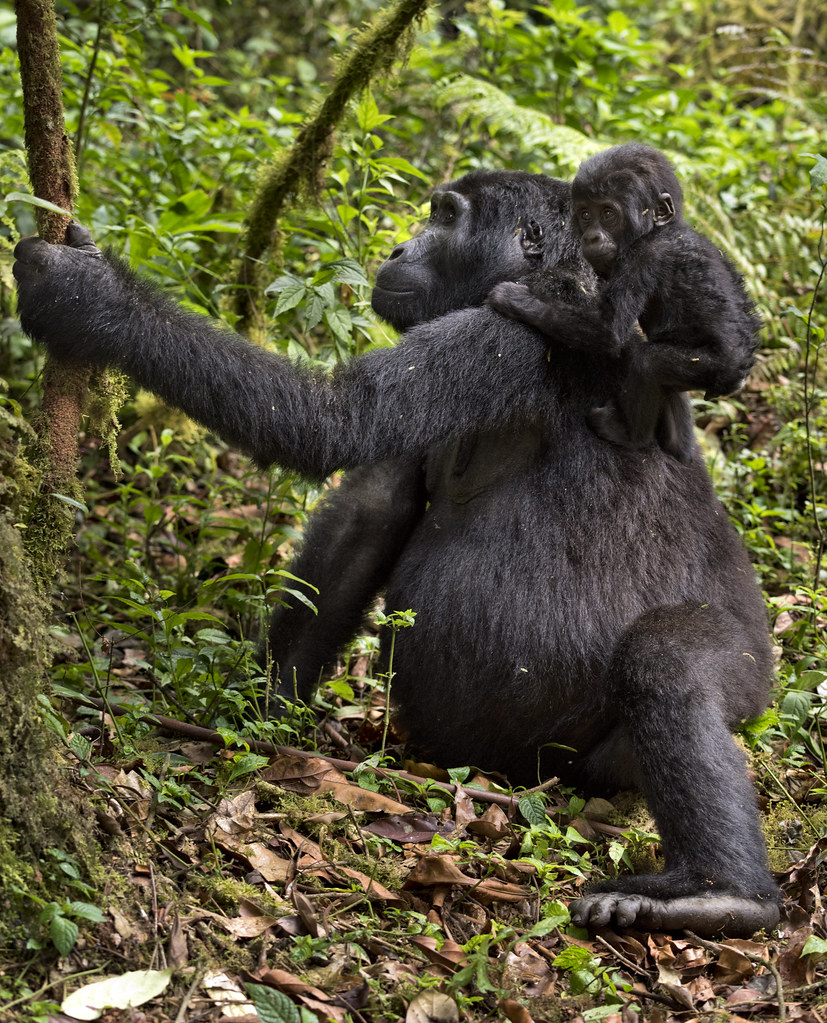
Truly Iconic Highlights in Uganda

Trek through Bwindi’s mystical rainforest and meet the endangered mountain gorillas in their breathtaking natural home.
Encounter mountain gorillas and golden monkeys on Mgahinga’s misty volcanic trails, where culture and alpine wildlife thrive together.
Unwind after your trek with a peaceful canoe ride across Lake Bunyonyi, Uganda’s most tranquil and scenic highland lake.
Enhance your gorilla trekking safari with an optional chimpanzee encounter in Uganda’s lush forests, adding depth and diversity to your primate adventure
History of Bwindi National Park: The Past of the Enchanting Rainforest
Hidden in the mist-covered highlands of southwestern Uganda, Bwindi Impenetrable National Park is far more than a premier gorilla trekking destination. It is one of Africa’s oldest surviving rainforests and a living record of ecological resilience, human history, and conservation evolution. While most visitors come in search of mountain gorillas, Bwindi’s past stretches back thousands of years, shaped by climate shifts, indigenous cultures, colonial influence, and modern conservation efforts. Its history is as deep and layered as the forest itself.
Ancient Origins: A Forest That Survived Time
Bwindi Impenetrable Forest is estimated to be more than 25,000 years old, making it one of the oldest continuously surviving forests on the African continent. During the last Ice Age, when large parts of Africa experienced severe climatic changes and forest loss, Bwindi remained intact. Scientists classify it as a Pleistocene refuge, meaning it served as a safe haven for plant and animal species that disappeared elsewhere.
This long-term ecological stability allowed Bwindi to evolve into an exceptionally diverse ecosystem. Today, the forest supports hundreds of tree species, countless insects, rare birds, and nearly half of the world’s remaining mountain gorillas. Its ancient origins explain why Bwindi is so biologically rich and why it plays a critical role in global biodiversity conservation.
The First Custodians: The Batwa People
Long before Bwindi gained international recognition, it was home to the Batwa people, one of Africa’s oldest indigenous forest communities. For thousands of years, the Batwa lived as hunter-gatherers within Bwindi, relying on the forest for food, medicine, shelter, and spiritual identity. Their deep understanding of forest ecology allowed them to coexist sustainably with wildlife, including gorillas.
To the Batwa, Bwindi was sacred. Every cave, stream, and clearing held cultural meaning. However, this relationship changed dramatically in the late 20th century. When Bwindi was gazetted as a national park in 1991 to protect endangered wildlife, the Batwa were displaced from their ancestral land without adequate compensation or resettlement. While conservation was necessary, it marked a painful turning point in Batwa history, leading to loss of land, identity, and livelihood.
In recent years, conservation and tourism initiatives have begun to acknowledge this injustice. Cultural heritage programs and Batwa community walks now allow visitors to learn about Batwa history, traditions, and their former life in the forest, helping restore dignity and inclusion.
Colonial Era and Scientific Interest
During the British colonial period in the early 20th century, Bwindi attracted attention from missionaries, explorers, and scientists drawn by its untouched wilderness. In 1932, the area was designated as the Impenetrable Forest Reserve, managed under the colonial forestry system. The focus at the time was resource control rather than wildlife protection, though the forest’s remoteness helped preserve its integrity.
From the 1960s onward, biological research intensified. Scientists documented Bwindi’s remarkable biodiversity, including stable populations of mountain gorillas living outside the Virunga Volcanoes. These findings elevated Bwindi’s global importance and triggered growing concern over threats such as deforestation, poaching, and human encroachment. Conservationists began pushing for stronger legal protection to safeguard the forest and its wildlife.
From Forest Reserve to National Park
In 1991, the Ugandan government officially gazetted Bwindi as a national park under the management of the Uganda Wildlife Authority. This decision marked a major shift from forest resource management to strict wildlife conservation. Gorilla trekking was introduced as a regulated tourism activity, providing funding for conservation while limiting human impact.
The transition was not without challenges. Local communities, particularly the Batwa, were affected by restricted access to forest resources. However, the park designation laid the foundation for one of Africa’s most successful conservation models, balancing protection, tourism, and community involvement.
UNESCO World Heritage Recognition
In 1994, Bwindi Impenetrable National Park was designated a UNESCO World Heritage Site in recognition of its outstanding universal value. This status brought international recognition, funding, and stronger conservation enforcement. It also positioned Bwindi as a flagship destination for responsible tourism in Africa.
With UNESCO status came improved park infrastructure, ranger training, and anti-poaching initiatives. Gorilla trekking permits became highly regulated, ensuring low visitor impact while generating revenue for conservation and local development. These efforts contributed significantly to the recovery and long-term survival of mountain gorilla populations.
A Living History Still Unfolding
Today, Bwindi stands as both a conservation success story and a reminder of the complex relationship between people and nature. It protects endangered species, preserves ancient ecosystems, and increasingly recognizes the cultural heritage of the communities that once depended on the forest.
Bwindi’s history is not frozen in the past—it continues to evolve. Every newborn gorilla, every conservation program, and every visitor who walks its forest trails becomes part of that story. The park remains a place where ancient nature, human resilience, and modern conservation intersect, making Bwindi not just a destination, but a living legacy of Africa’s natural and cultural heritage.
More Bwindi Information to Know.
Bwindi Impenetrable Forest is a mountainous rainforest in southwestern Uganda, home to endangered mountain gorillas. Its unique climate, rich vegetation, community tourism, and conservation efforts make it a vital and unforgettable destination.
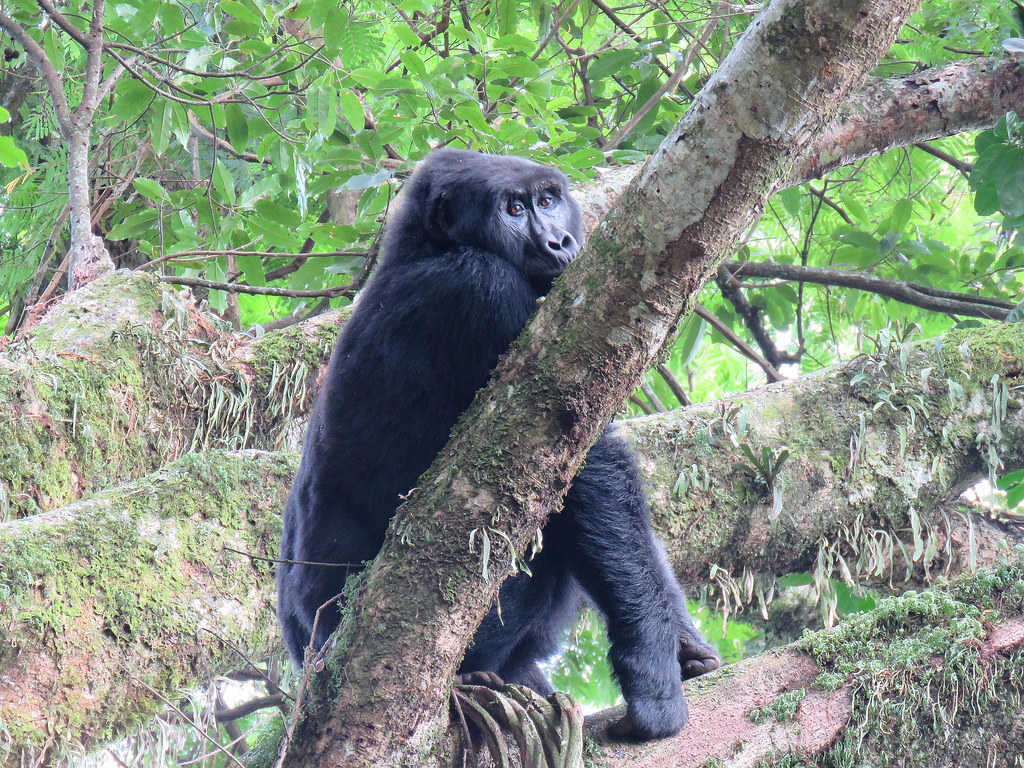
Bwindi Altitude
Bwindi Altitude
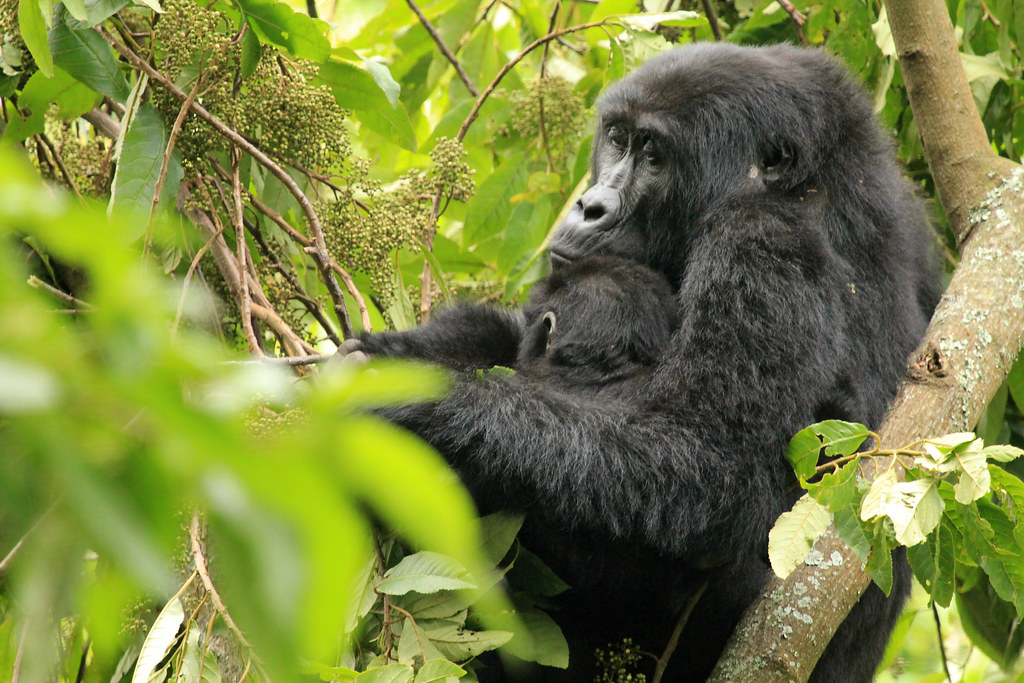
Bwindi Climate
Bwindi Climate
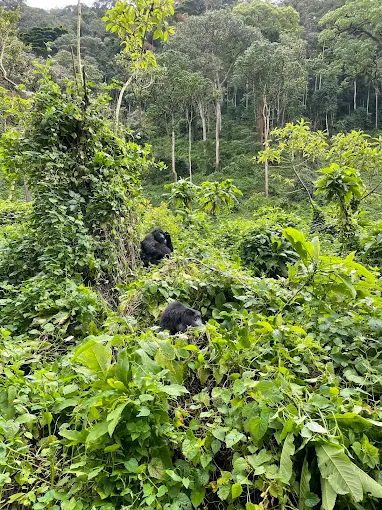
Bwindi Geography
Bwindi Geography
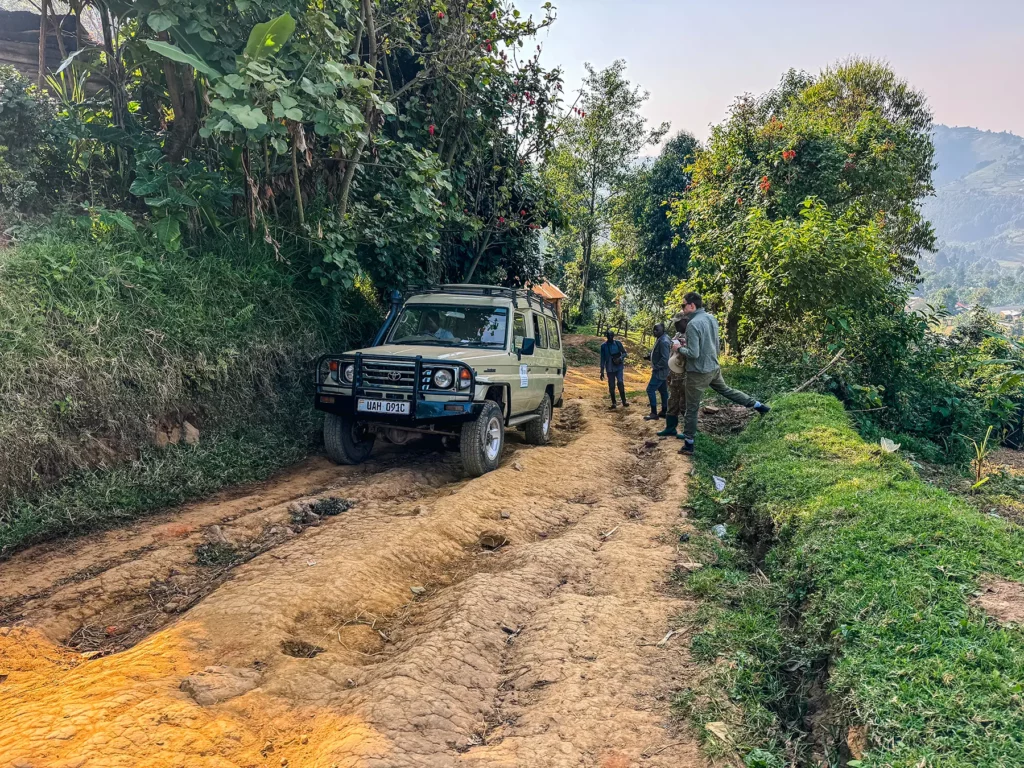
Getting There To Bwindi
Getting There To Bwindi
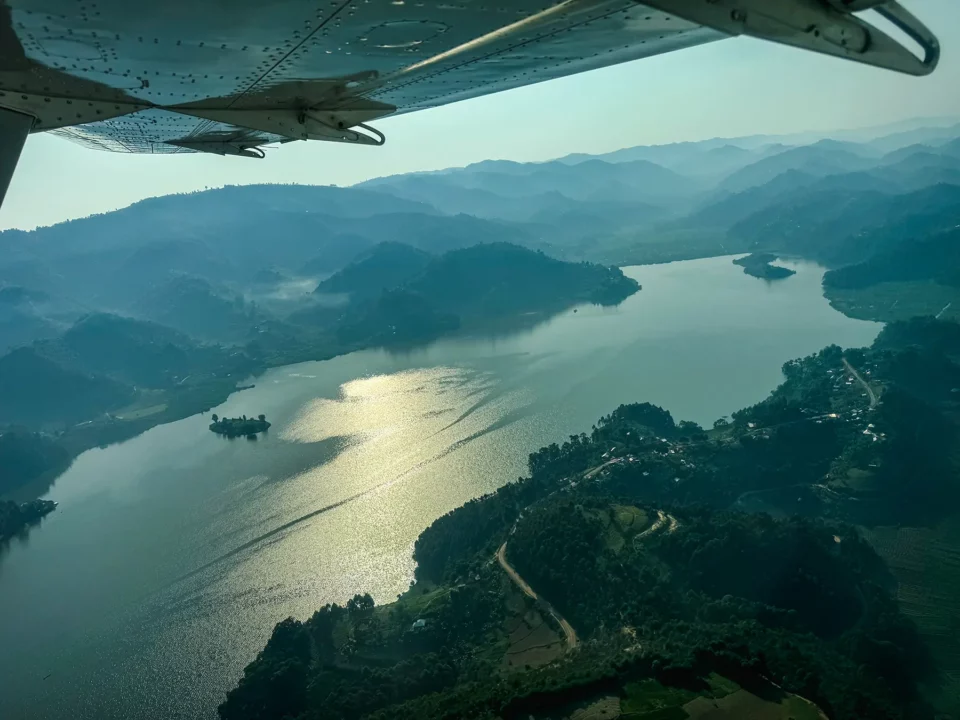
Bwindi Location
Bwindi Location
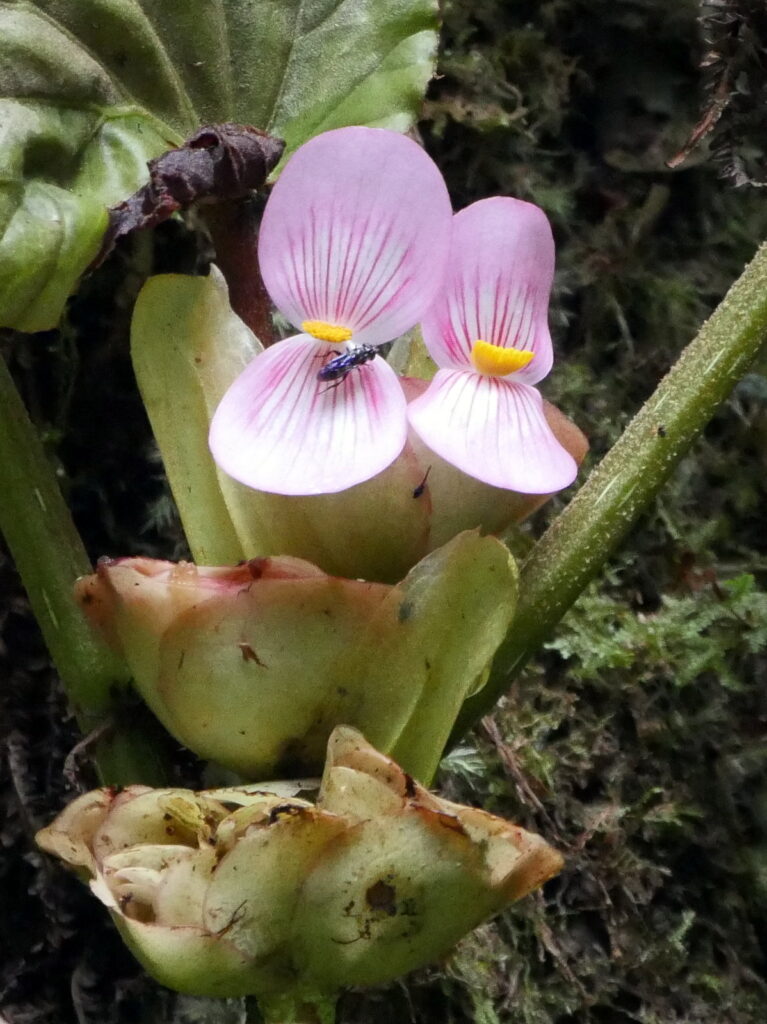
Bwindi Vegetation
Bwindi Vegetation
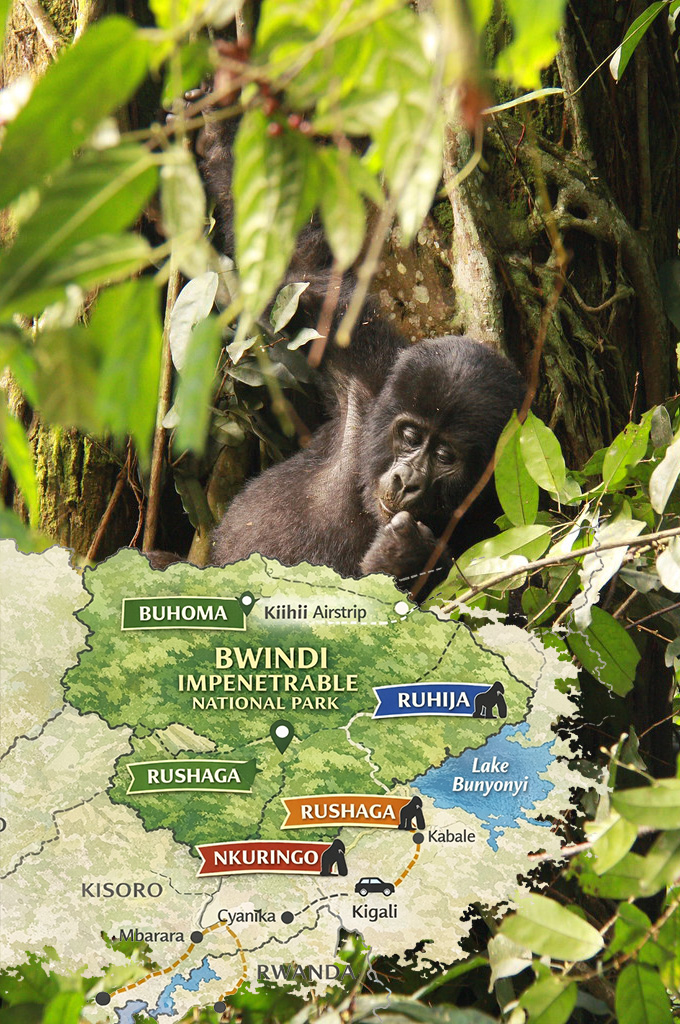
Bwindi Sectors
Bwindi Sectors
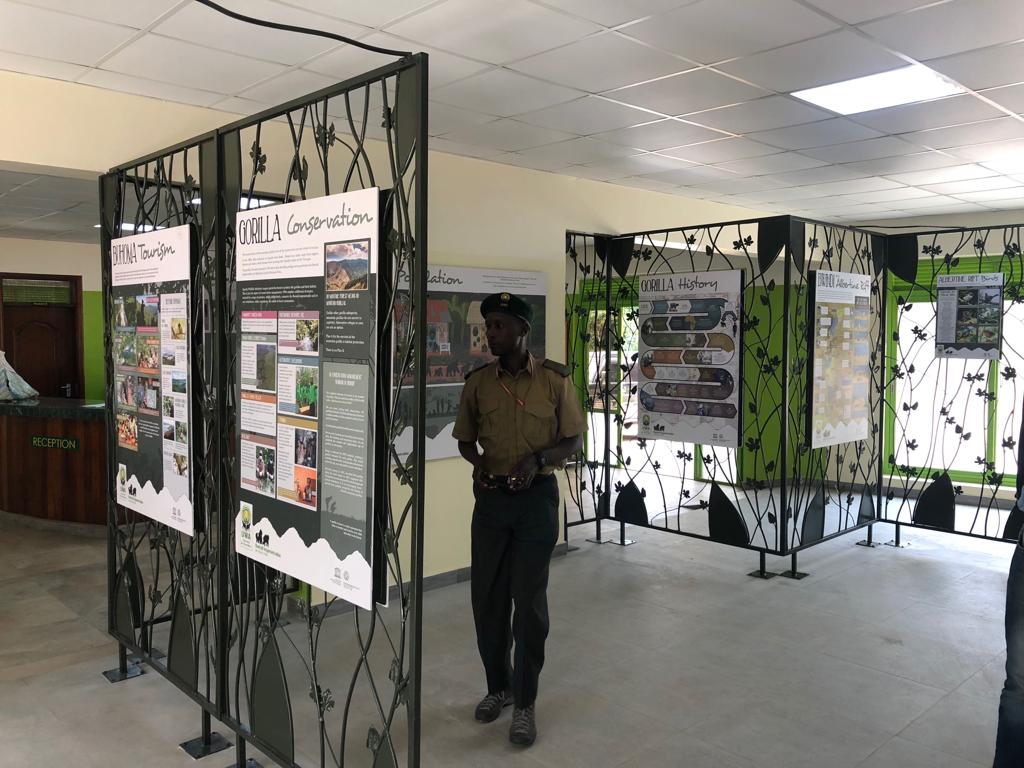
Bwindi Visitor Centres
Bwindi Visitor Centres
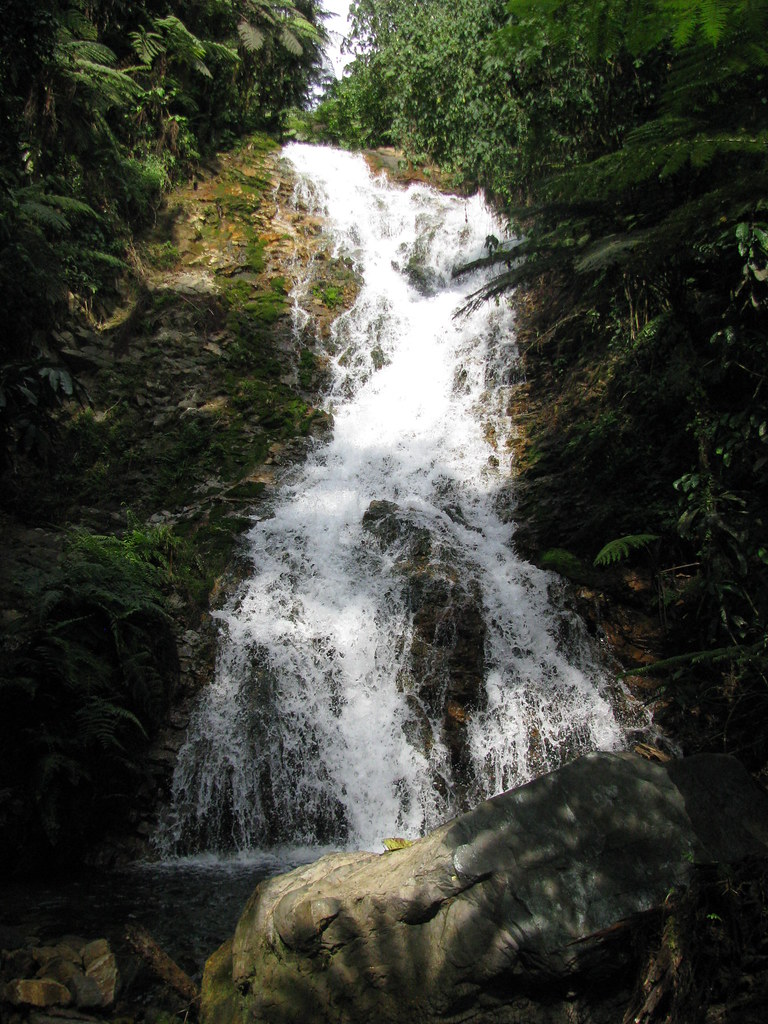
Bwindi Waterfalls
Bwindi Waterfalls
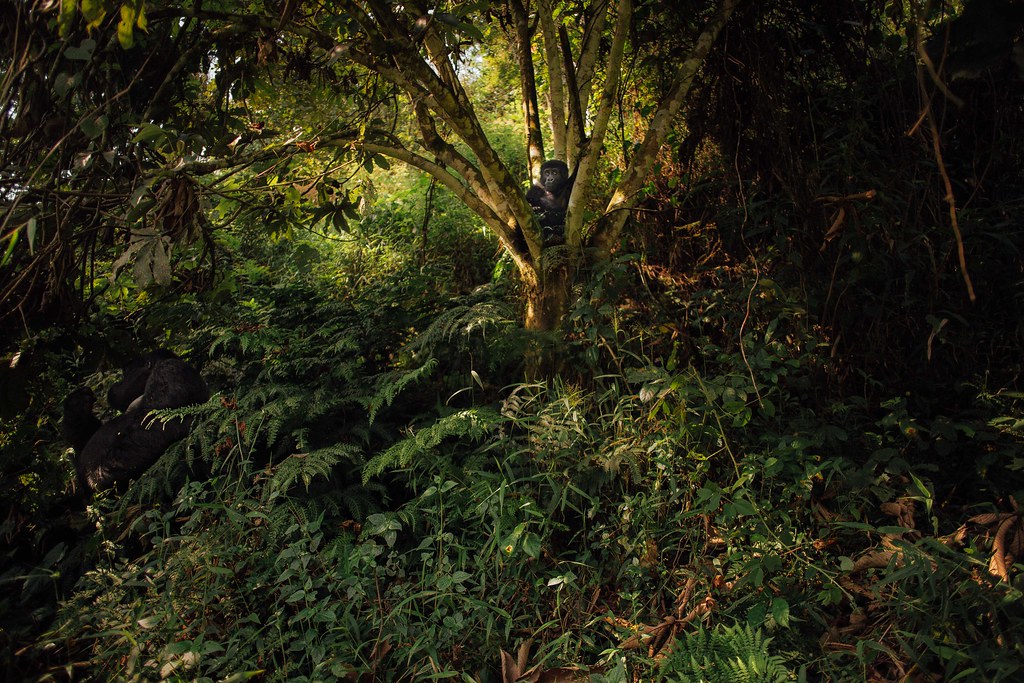
Bwindi Impenetrable Forest
Bwindi Impenetrable Forest
In the Realm of Giants – Bwindi & Mgahinga in Frames.
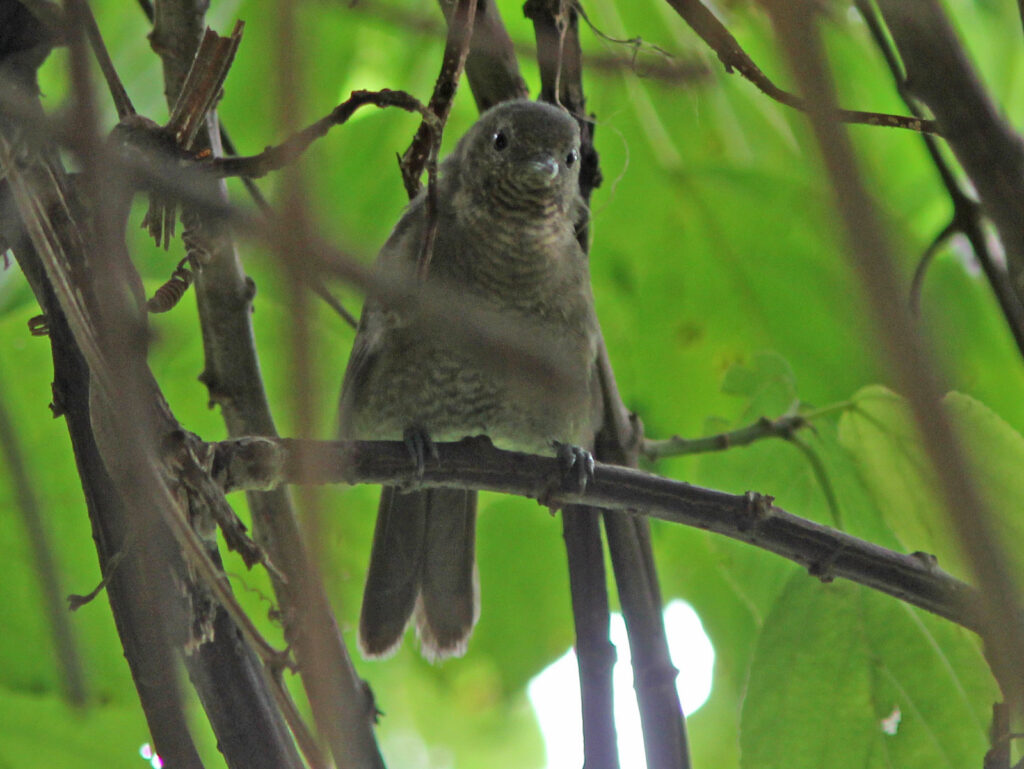
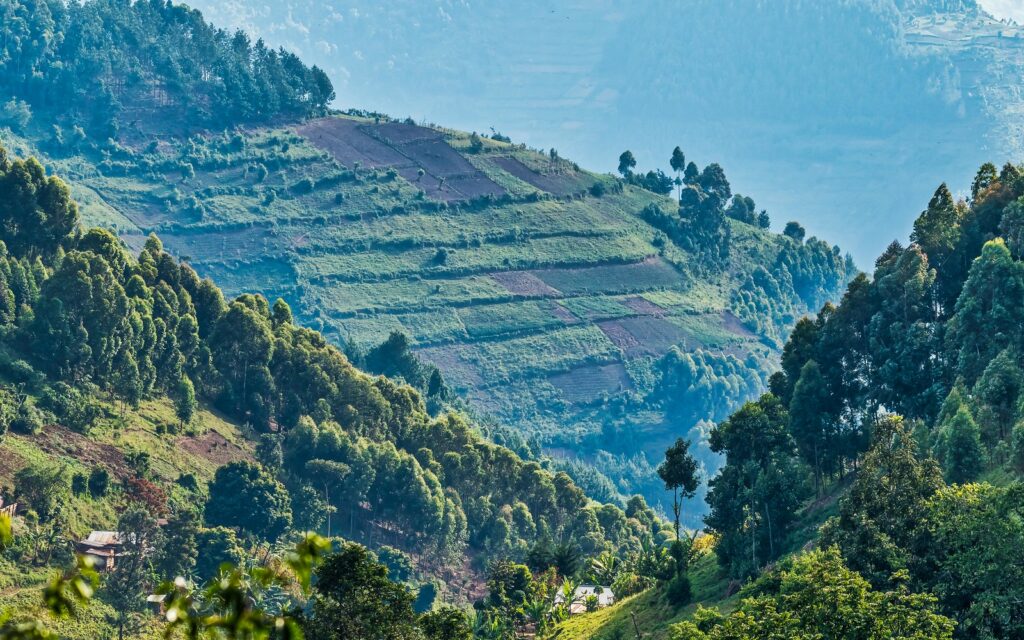
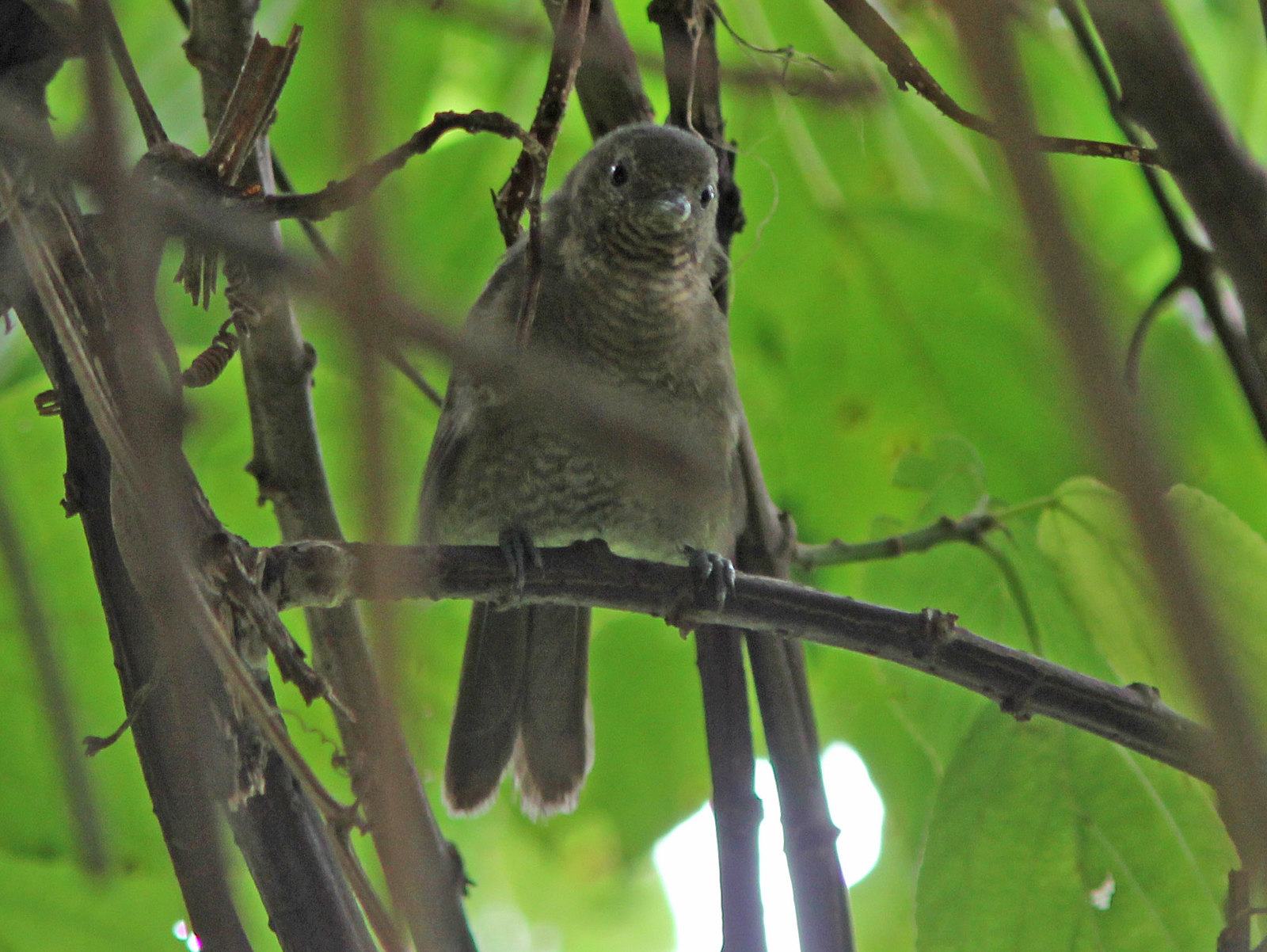
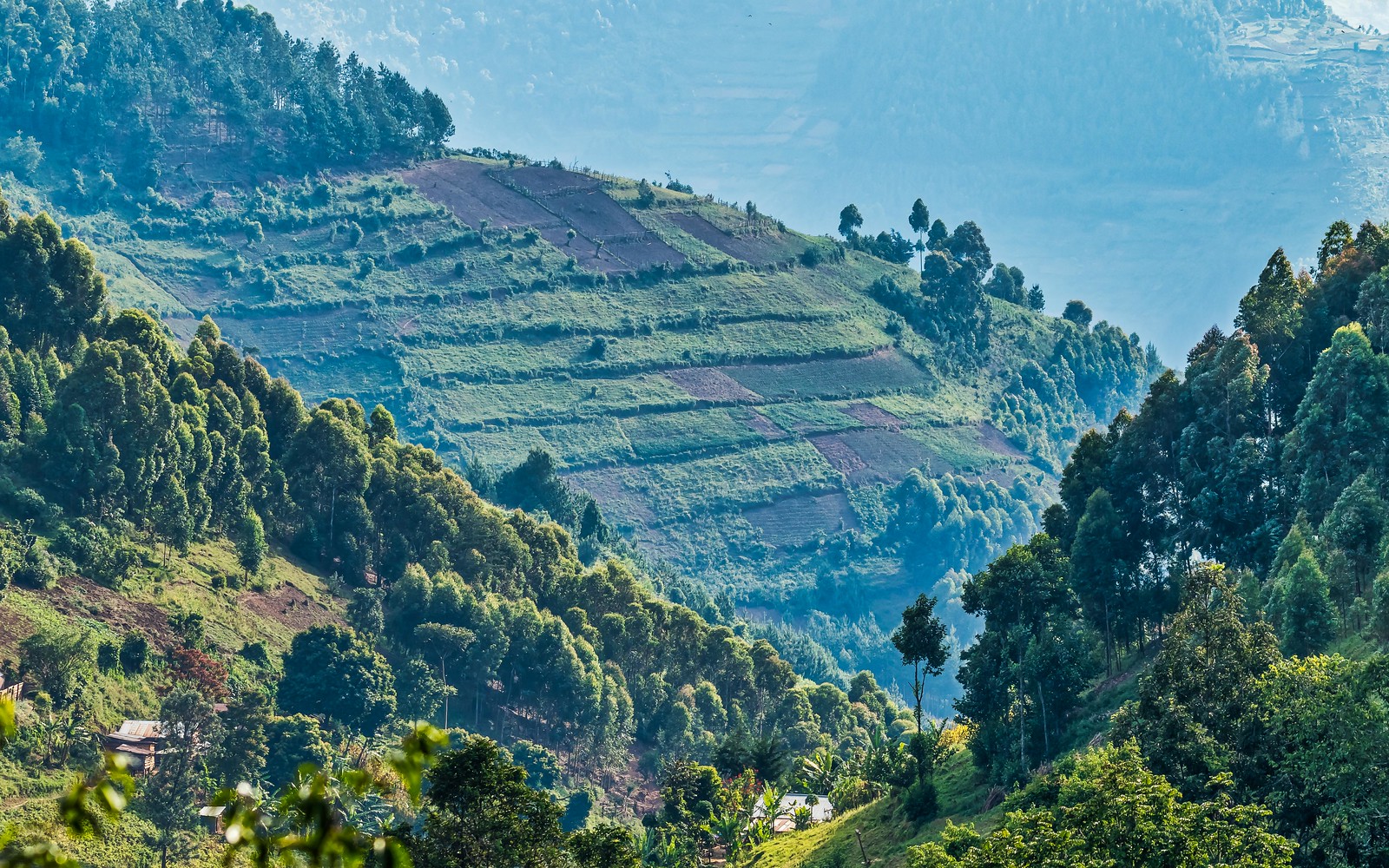
Wander through an elegant gallery capturing Uganda’s most exclusive gorilla sanctuaries, where ancient forests cradle the last mountain gorillas in a world of mist, mystery, and majesty.
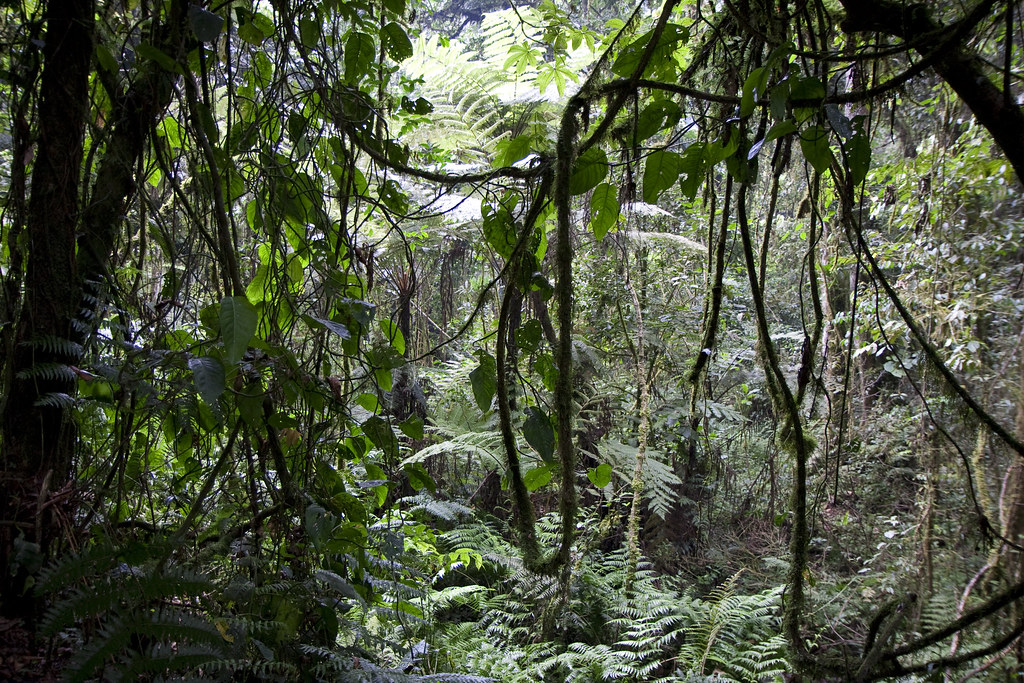
Essential Planning Tips for Visiting Uganda’s National Parks.
Get ready for the wild heart of Africa with expert travel tips on when to visit, what to pack, where to go, and how to make the most of your safari across Uganda’s breathtaking national parks.
Why Uganda for Gorilla Trekking?
Uganda is not just a destination — it's the very soul of gorilla trekking. With over half of the world’s remaining mountain gorillas calling its misty forests home, Uganda offers the rarest encounters in their most authentic setting. Here, your journey is not rushed or crowded. Instead, you’re guided by experienced rangers through pristine jungles where gorillas live as they always have — wild, free, and magnificent
From insider travel insights to unforgettable trekking guides, our blog is your trusted path into Uganda’s wild heart — connecting you with mountain gorillas, breathtaking landscapes, and the soul-stirring adventures that make this land unlike any other.