

Where the soul of the forest whispers in the mist
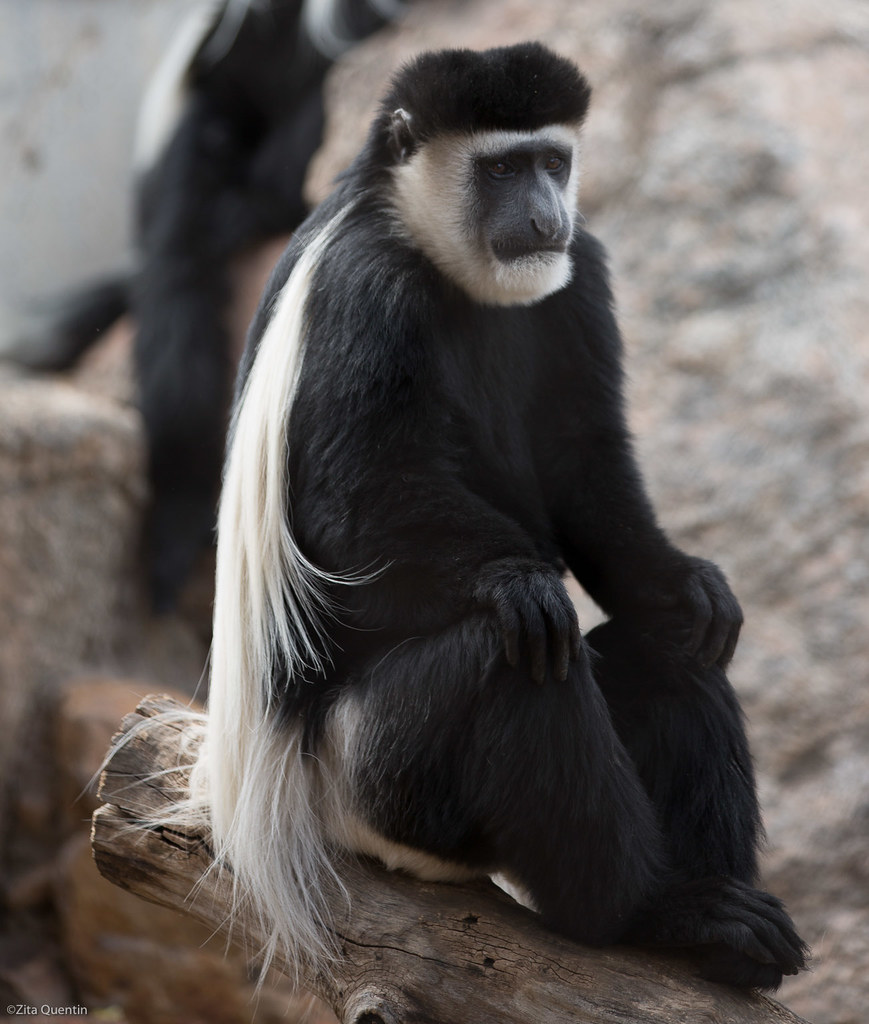
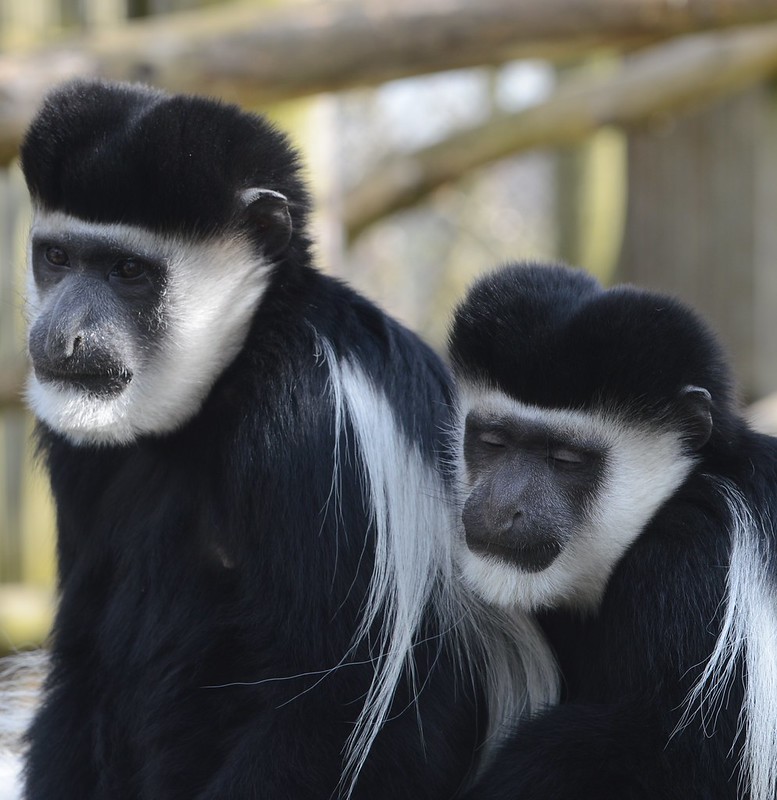
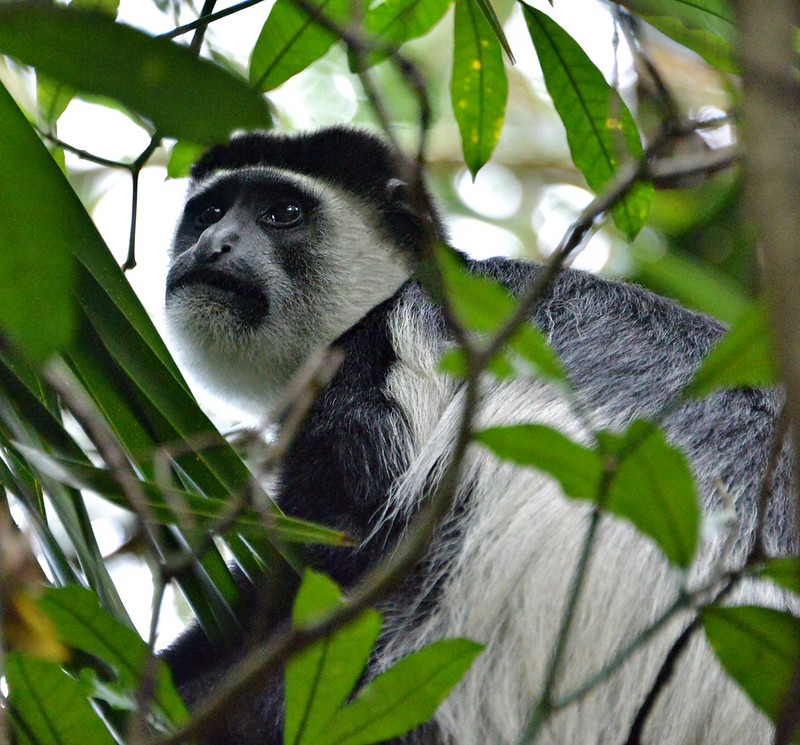
The black and white colobus monkey (Colobus guereza) is as intriguing in behavior as it is in appearance. Highly social, these primates live in cohesive family groups led by a dominant male, communicating through vocalizations, facial expressions, and precise body language. Their striking long tails and flowing mantle of fur make them instantly recognizable, yet their agility and quiet movements reveal a life finely tuned to the canopy. By browsing selectively on leaves and fruit, colobus monkeys contribute directly to forest regeneration, shaping plant diversity and supporting the broader ecosystem that countless other species rely on.
Watching a troop of colobus monkeys interact—the playful chases of juveniles, the careful grooming among adults, the alert coordination when predators approach—is a lesson in forest dynamics and social intelligence.
Colobus monkeys’ social cohesion and acrobatic skills are not only fascinating to observe but also crucial for their survival. Group dynamics, led by a dominant male, help maintain order, coordinate foraging, and protect against predators, while their agility allows them to navigate the forest canopy efficiently. Conservation initiatives, including protected habitats and anti-poaching programs, are vital to safeguard these elegant primates from the pressures of deforestation and human encroachment. For travelers exploring Uganda’s rainforests, watching black and white colobus monkeys in their natural environment is both a visually stunning experience and a powerful reminder of the delicate balance that sustains Africa’s diverse forest ecosystems.
So lace up your boots, grab your camera, and prepare to meet the wild — this is where your gorilla trekking dreams and unforgettable safari adventures truly begin.
Truly Iconic Highlights in Uganda

Trek through Bwindi’s mystical rainforest and meet the endangered mountain gorillas in their breathtaking natural home.
Encounter mountain gorillas and golden monkeys on Mgahinga’s misty volcanic trails, where culture and alpine wildlife thrive together.
Unwind after your trek with a peaceful canoe ride across Lake Bunyonyi, Uganda’s most tranquil and scenic highland lake.
Enhance your gorilla trekking safari with an optional chimpanzee encounter in Uganda’s lush forests, adding depth and diversity to your primate adventure
Gorilla Trekking Tours in Uganda – Our Most Popular Itineraries.
Explore our gorilla trekking safaris for every traveler—solo, family, budget, or luxury. All tours include permits, transport, accommodation, meals, and park fees. Whether for a quick trip or a deeper adventure, we’ve got you covered.
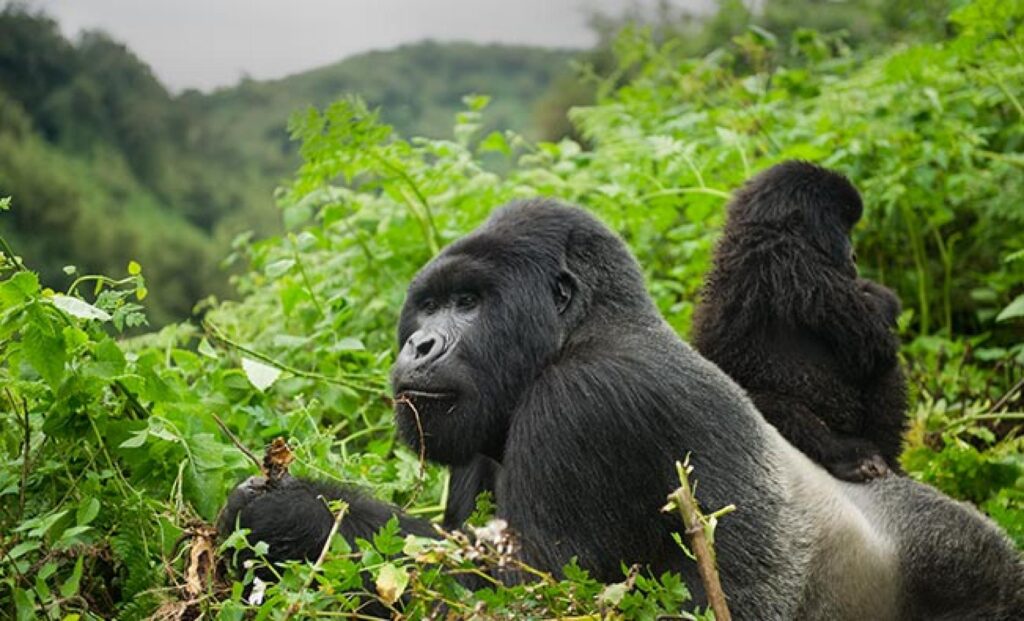
3-Day Bwindi Gorilla Trekking Safari
3-Day Bwindi Gorilla Trekking Safari
4-Day Uganda Gorilla Trekking Safari
4-Day Uganda Gorilla Trekking Safari
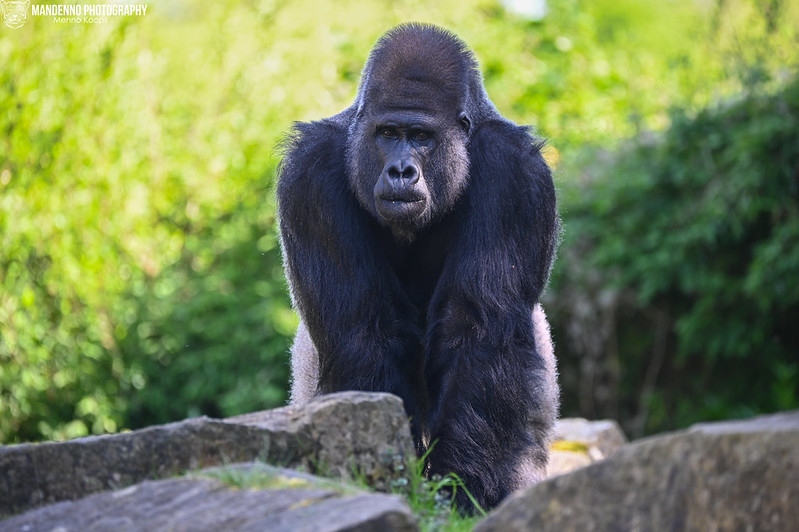
5-Day Gorilla Tracking and Wildlife Safari
5-Day Gorilla Tracking and Wildlife Safari
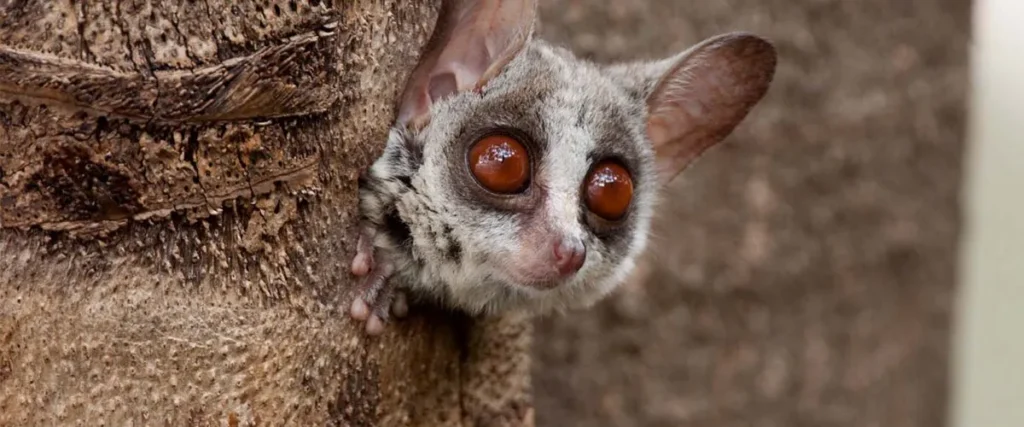
7-Day Uganda Primate Adventure & Wildlife Safari
7-Day Uganda Primate Adventure & Wildlife Safari
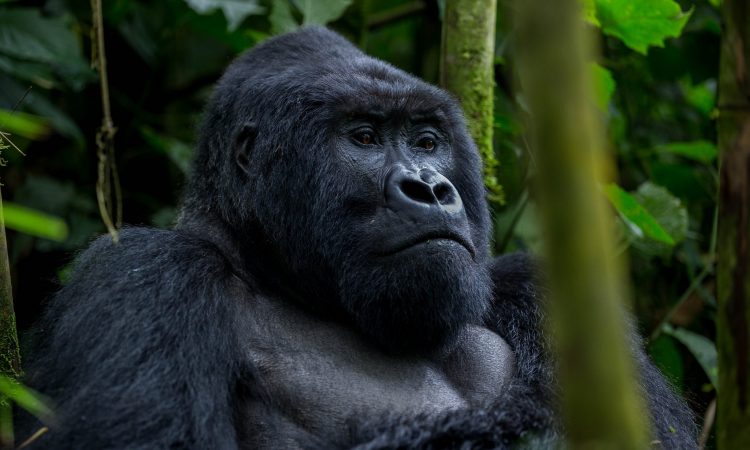
10-Day Gorilla Trekking & Big Five Safari in Uganda
10-Day Gorilla Trekking & Big Five Safari in Uganda
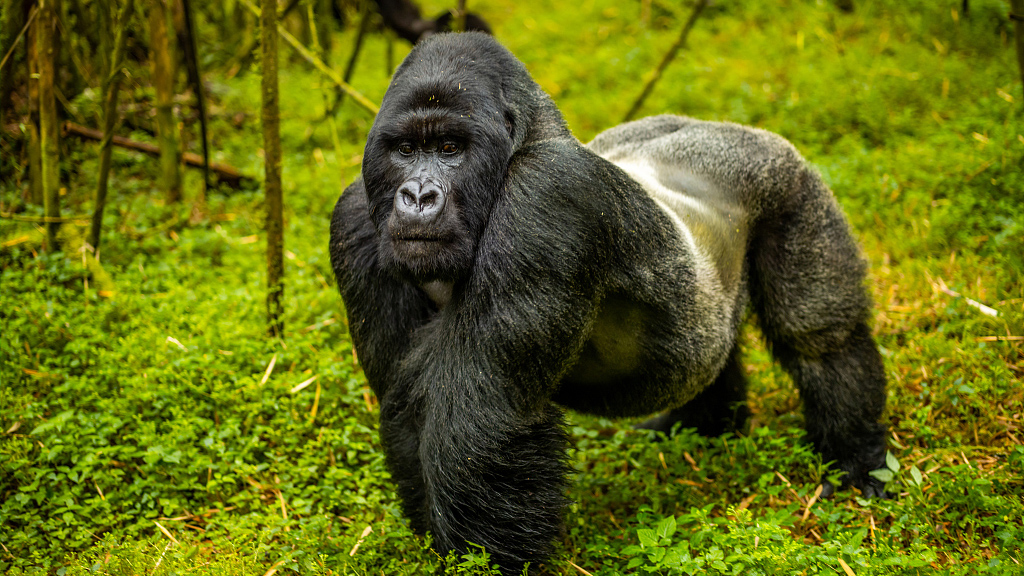
12-Day Uganda Gorilla Trekking, Chimp Tracking & Cultural Safari
12-Day Uganda Gorilla Trekking, Chimp Tracking & Cultural Safari
14-Day Best of Uganda Safari – Gorillas, Wildlife, Cultures
14-Day Best of Uganda Safari – Gorillas, Wildlife, Cultures
Elegant Shadows: The Life and Habitat of Uganda’s Black and White Colobus Monkeys
Habitat and Distribution
Black and white colobus monkeys (genus Colobus) are native to the dense tropical and subtropical forests of East and Central Africa, including Uganda, Kenya, Rwanda, and Tanzania. In Uganda, they are commonly spotted in protected areas such as Bwindi Impenetrable National Park, Kibale National Park, and the Mabira Forest Reserve. These monkeys prefer tall, mature forests where they can move swiftly among the canopy, feeding on leaves, fruits, seeds, and occasionally flowers. Their presence often indicates a healthy forest ecosystem, as they contribute to seed dispersal and the regeneration of vegetation.
Physical Characteristics
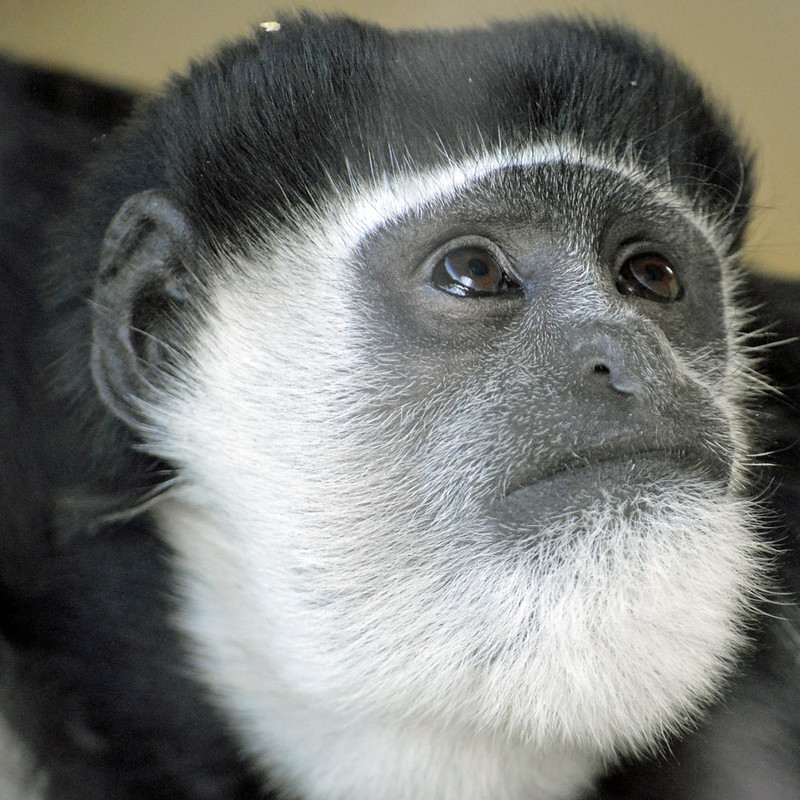
These colobus monkeys are instantly recognizable due to their striking black fur contrasted with flowing white mantle-like hair along their shoulders and back. Their long white tail tufts serve as a visual signal during group movement, aiding cohesion in dense forests. Adults can weigh between 9 and 20 kilograms, with males slightly larger than females. Their specialized stomachs allow them to digest leaves efficiently, making them unique among primates for their folivorous diet. Their expressive faces, rimmed with white fur, add to their elegant appearance and make them one of the most photogenic primates in Africa.
Behavior and Social Life
Black and white colobus monkeys are highly social animals, typically living in groups ranging from three to fifteen individuals. These groups are matriarchal, with strong bonds formed among females, while males often compete for dominance. Communication within the group is complex, involving loud calls that echo through the forest, facial expressions, and tail movements. Their locomotion is a spectacle in itself, as they leap with remarkable precision between branches, sometimes covering distances up to ten meters in a single bound.
Conservation Status
Although currently listed as “Least Concern” by the IUCN, black and white colobus monkeys face ongoing threats from habitat destruction, illegal hunting for bushmeat, and fragmentation of forest landscapes. Conservation initiatives, including protected forest reserves and community-based programs, are crucial to ensuring the survival of these primates. Ecotourism, when managed responsibly, also provides an incentive for local communities to protect forests and wildlife, allowing visitors to witness the monkeys’ natural behaviors without disturbing their habitat.
Why Observe Black and White Colobus Monkeys
Watching black and white colobus monkeys in their natural habitat is a rare and enriching experience. Their graceful movements, striking coloration, and lively social interactions create unforgettable encounters for wildlife enthusiasts and photographers alike. Beyond their beauty, they offer an important lesson in forest ecology and the need for conservation, reminding us of the delicate balance that sustains life in Uganda’s forests.
More Gorilla Trekking Information to Know.
Gorilla trekking goes far beyond just the hike — it’s a deep, emotional journey into the heart of Africa’s last wild rainforests. Knowing the right timing, permits, fitness tips, and park details can turn your experience from good to unforgettable.
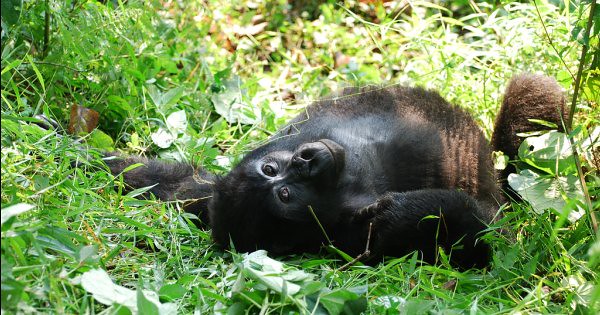
Gorilla Trekking in Bwindi Impenetrable Forest
Gorilla Trekking in Bwindi Impenetrable Forest
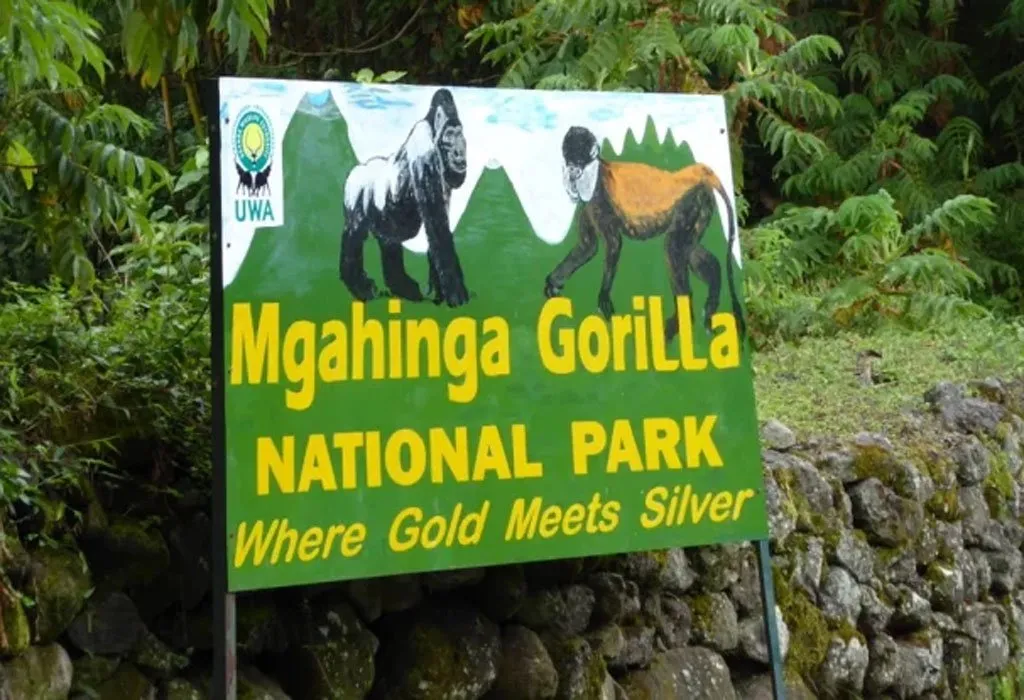
Trekking Gorillas in Mgahinga National Park
Trekking Gorillas in Mgahinga National Park
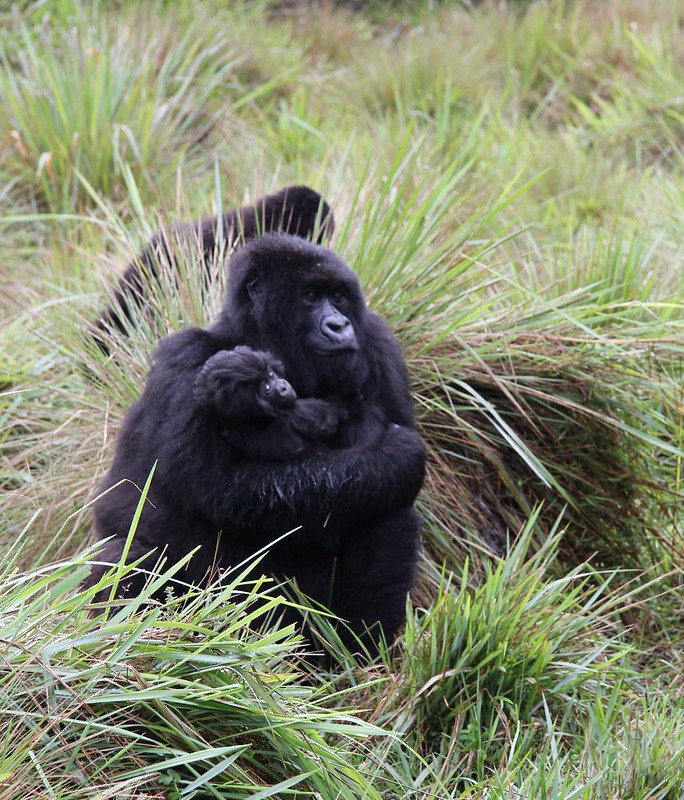
Uganda Gorilla Trekking Permits – Prices, Booking, & Travel Tips
Uganda Gorilla Trekking Permits – Prices, Booking, & Travel Tips

What to Pack for Gorilla Trekking in Uganda – Expert Checklist
What to Pack for Gorilla Trekking in Uganda – Expert Checklist
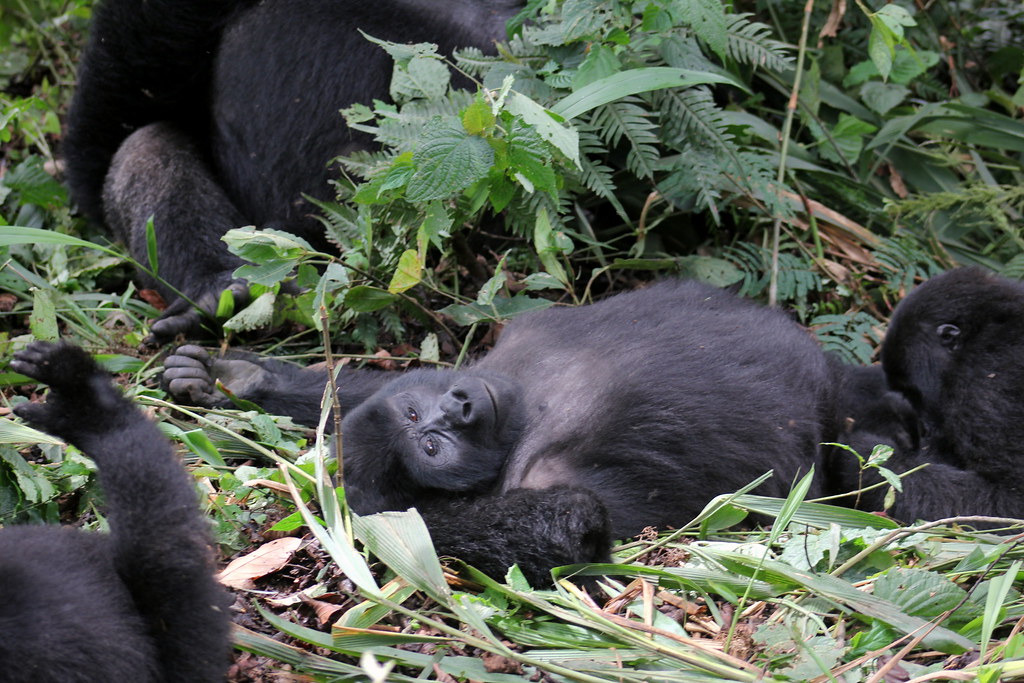
Best Time to Go Gorilla Trekking in Uganda – Weather & Seasons
Best Time to Go Gorilla Trekking in Uganda – Weather & Seasons
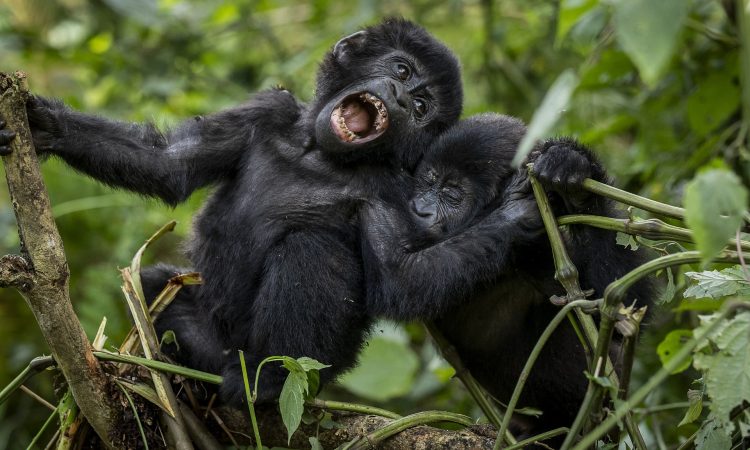
Gorilla Trekking Difficulty in Uganda – Fitness & Trail Guide
Gorilla Trekking Difficulty in Uganda – Fitness & Trail Guide
Gorilla Trekking Rules in Uganda – Safety, Respect & Ethics
Gorilla Trekking Rules in Uganda – Safety, Respect & Ethics
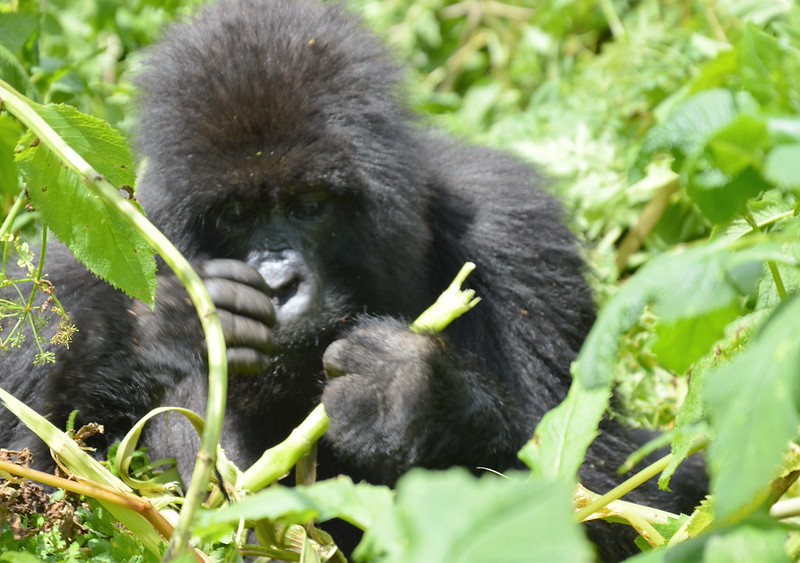
Gorilla Conservation in Uganda – Protecting the Mountain Giants
Gorilla Conservation in Uganda – Protecting the Mountain Giants

Bwindi vs. Mgahinga – Which One to Choose For Gorilla Trekking?
Bwindi vs. Mgahinga – Which One to Choose For Gorilla Trekking?
How to Stay Safe and Healthy While Traveling in Uganda
How to Stay Safe and Healthy While Traveling in Uganda
Routes, Tips & Travel Wisdom for Getting to Bwindi or Mgahinga
Routes, Tips & Travel Wisdom for Getting to Bwindi or Mgahinga
Accommodation Options: Lodges & Camps in Bwindi and Mgahinga
Accommodation Options: Lodges & Camps in Bwindi and Mgahinga
Protecting What You Came to See: Gorilla Conservation & Ethics
Protecting What You Came to See: Gorilla Conservation & Ethics
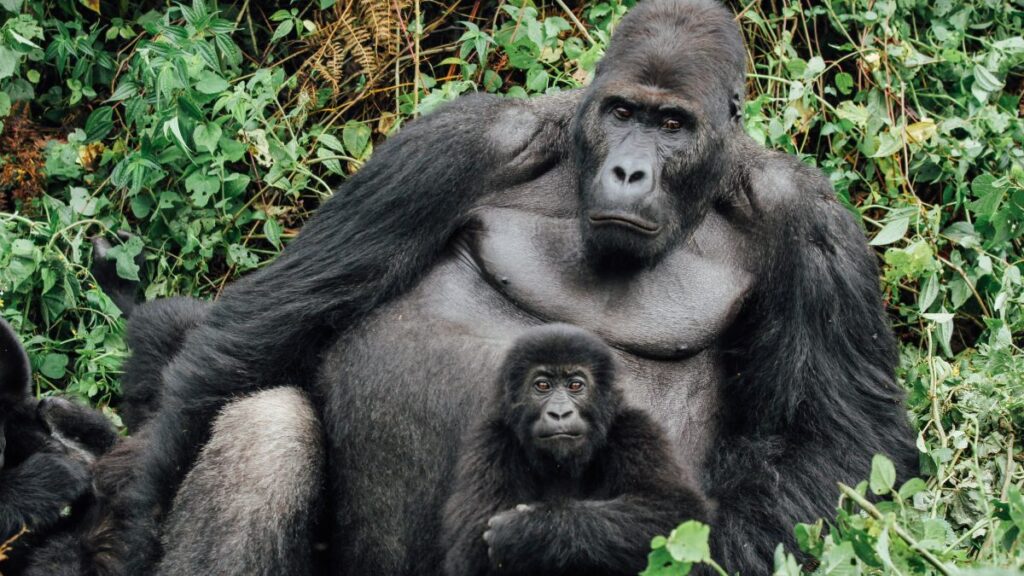
Travel Insurance for Gorilla Treks: Before You Go
Travel Insurance for Gorilla Treks: Before You Go
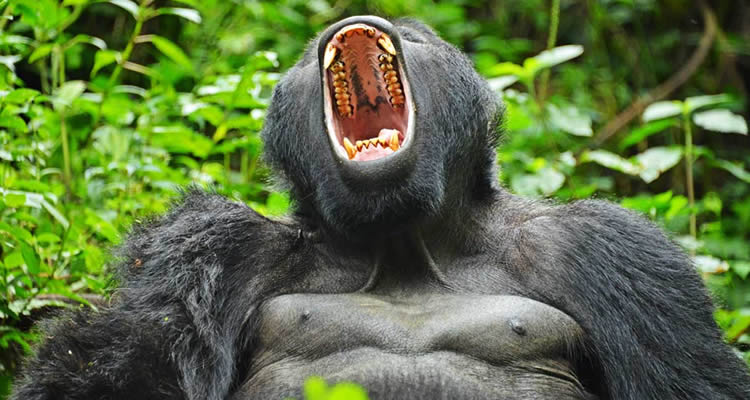
First Time Gorilla Trekking? Here’s Everything I Wish I Knew
First Time Gorilla Trekking? Here’s Everything I Wish I Knew
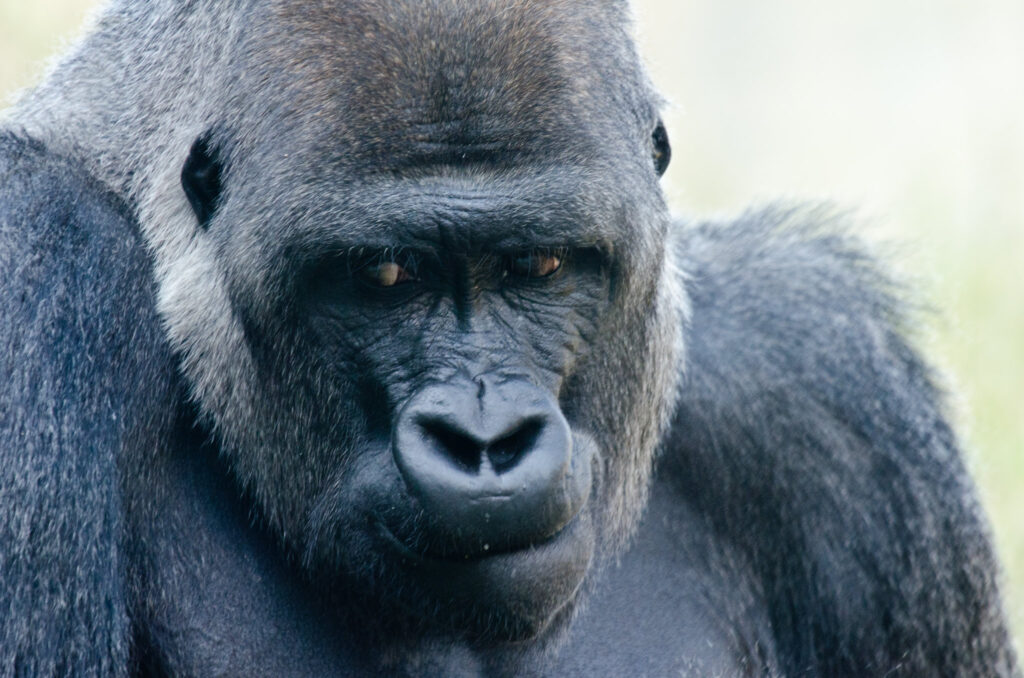
Step by Step: What Happens During a Gorilla Trekking Day
Step by Step: What Happens During a Gorilla Trekking Day
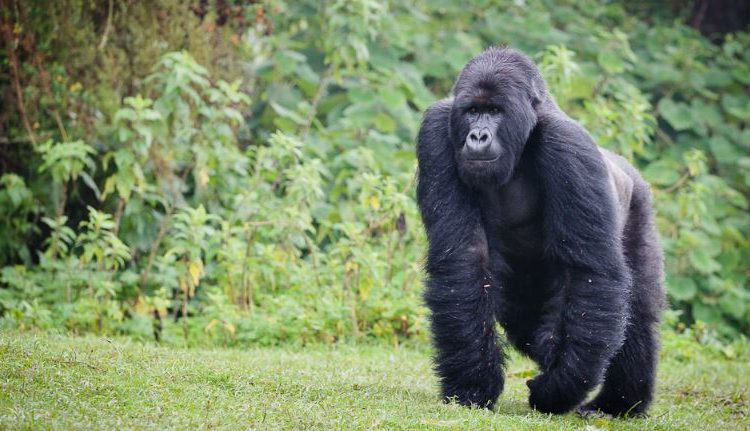
Gorilla Trekking vs. Gorilla Tracking – What’s the Real Difference?
Gorilla Trekking vs. Gorilla Tracking – What’s the Real Difference?
Beyond Gorillas: Other Wildlife You Can See During Your Trek
Beyond Gorillas: Other Wildlife You Can See During Your Trek
In the Realm of Giants – Bwindi & Mgahinga in Frames.
Wander through an elegant gallery capturing Uganda’s most exclusive gorilla sanctuaries, where ancient forests cradle the last mountain gorillas in a world of mist, mystery, and majesty.
Essential Planning Tips for Visiting Uganda’s National Parks.
Get ready for the wild heart of Africa with expert travel tips on when to visit, what to pack, where to go, and how to make the most of your safari across Uganda’s breathtaking national parks.
Why Uganda for Gorilla Trekking?
Uganda is not just a destination — it's the very soul of gorilla trekking. With over half of the world’s remaining mountain gorillas calling its misty forests home, Uganda offers the rarest encounters in their most authentic setting. Here, your journey is not rushed or crowded. Instead, you’re guided by experienced rangers through pristine jungles where gorillas live as they always have — wild, free, and magnificent
From insider travel insights to unforgettable trekking guides, our blog is your trusted path into Uganda’s wild heart — connecting you with mountain gorillas, breathtaking landscapes, and the soul-stirring adventures that make this land unlike any other.