

Where the soul of the forest whispers in the mist
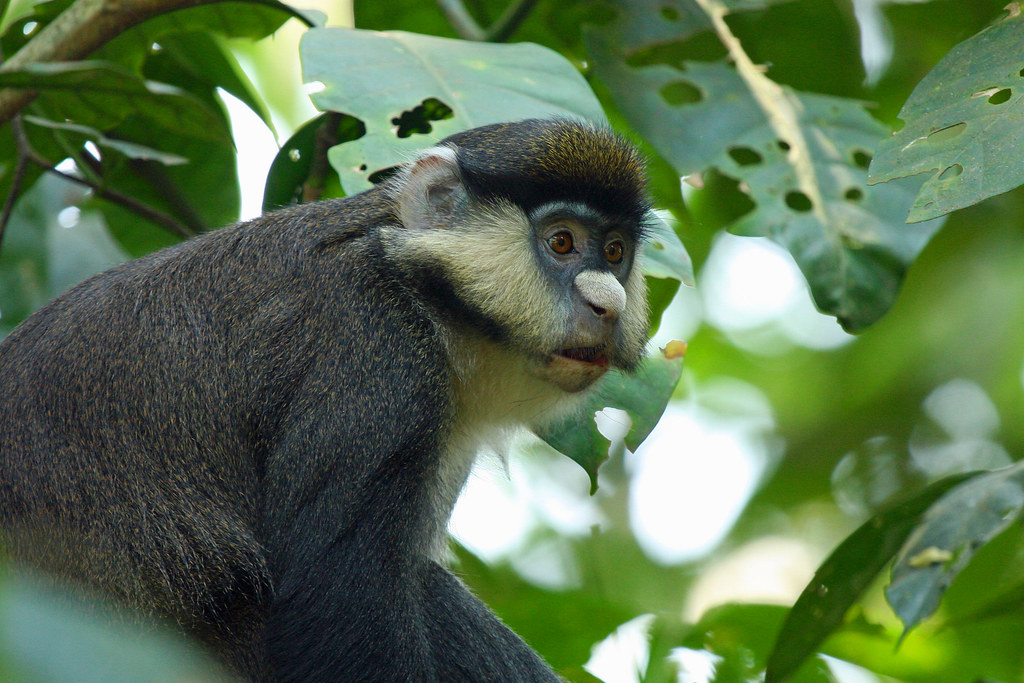
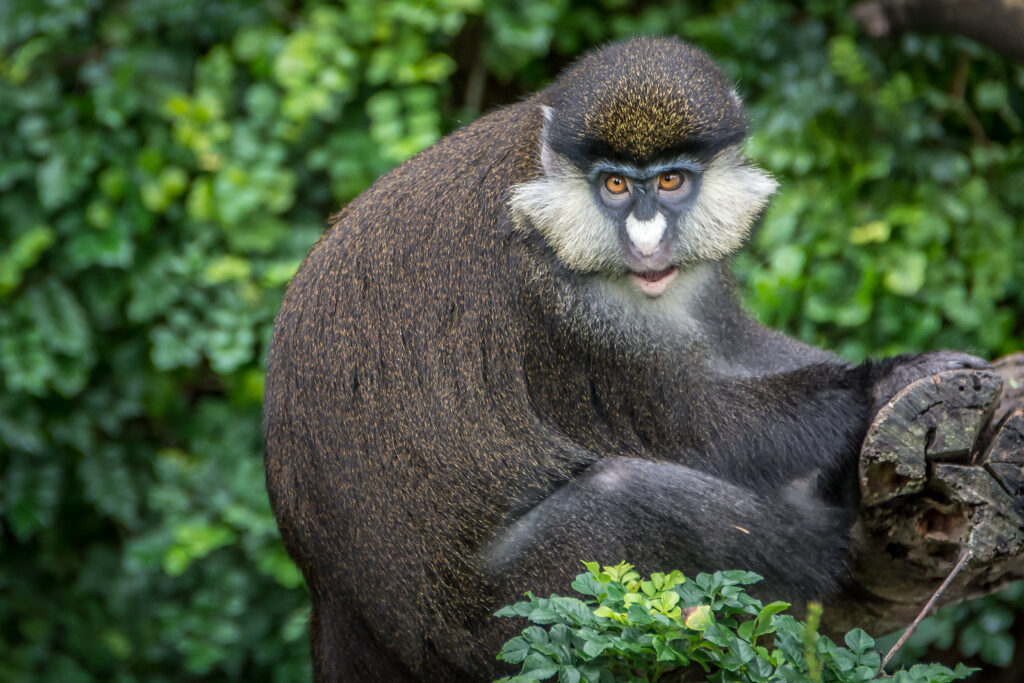
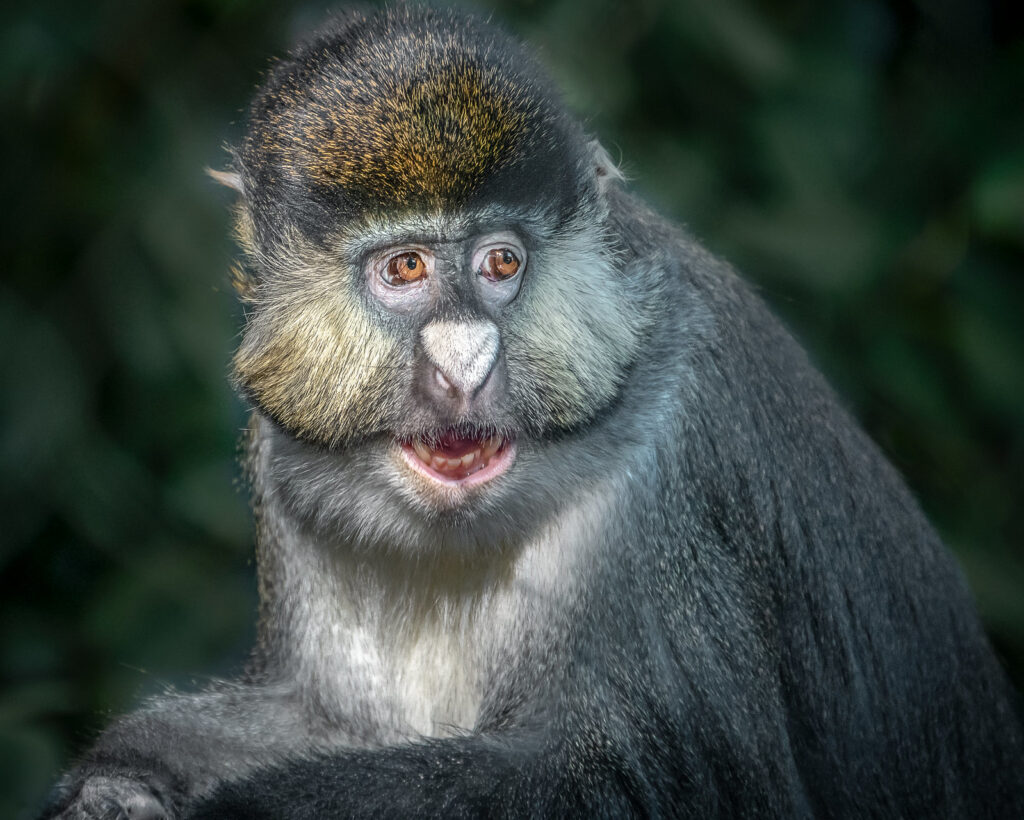
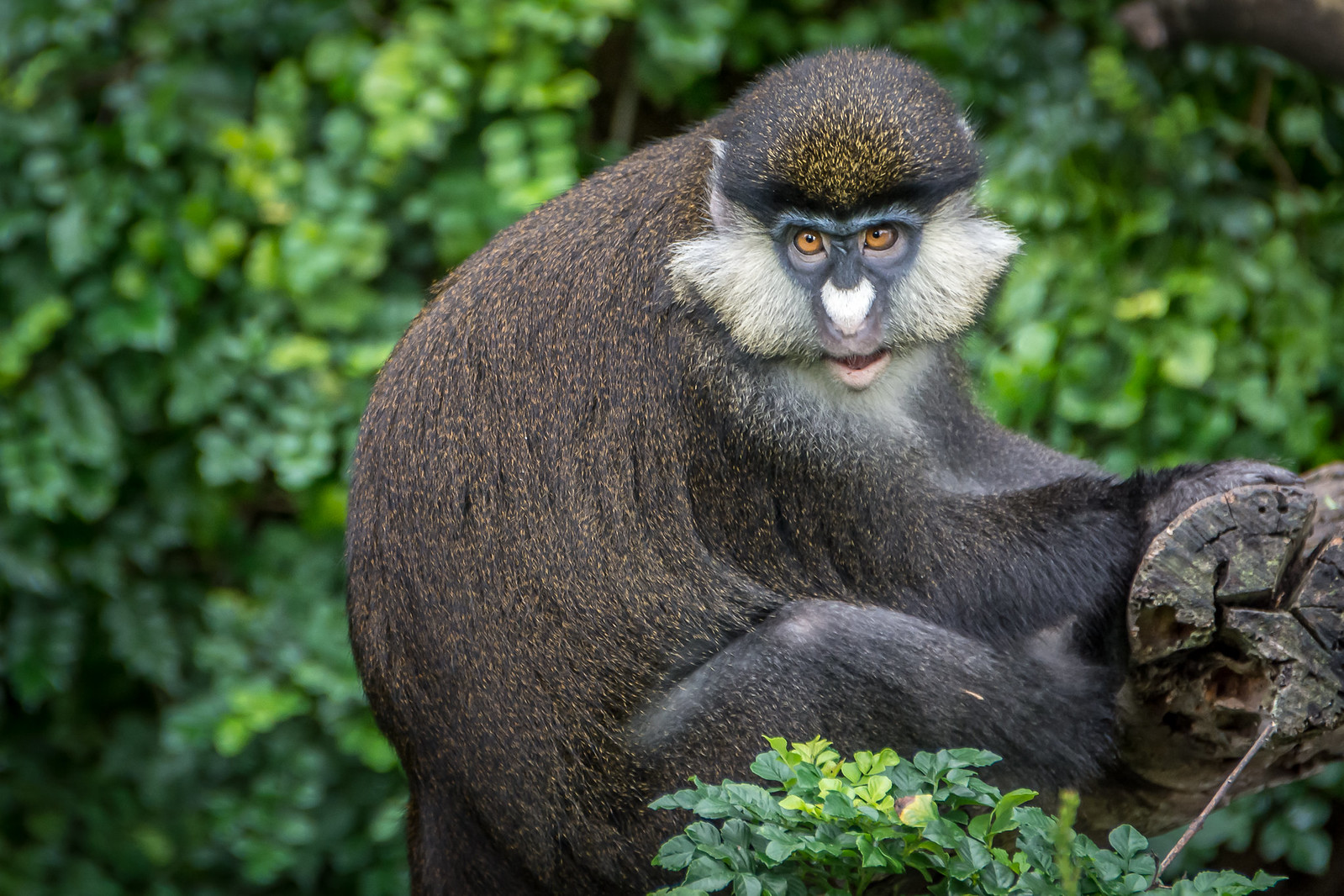
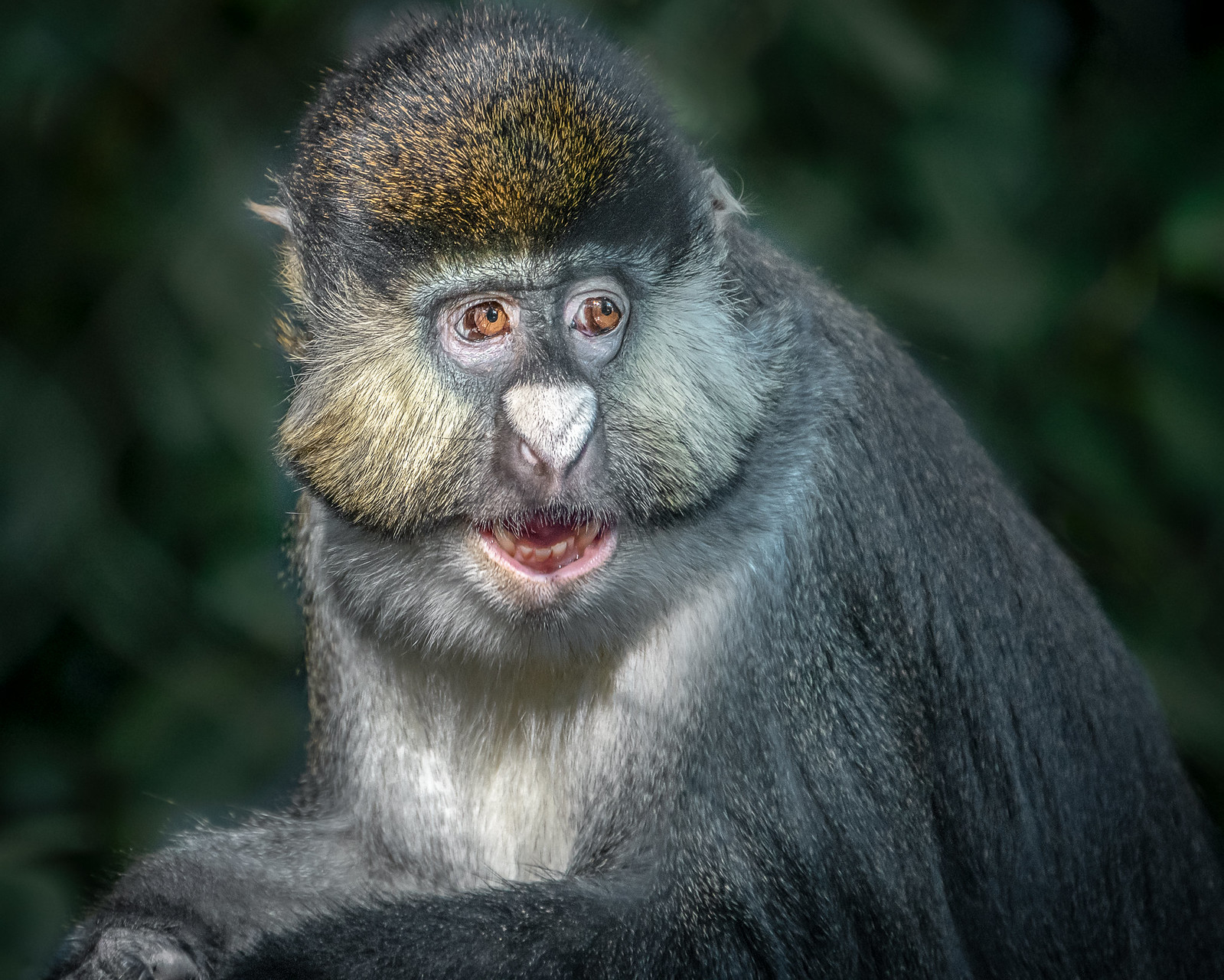
The Red-tailed Monkey (Cercopithecus ascanius), also known as the Schmidt’s guenon, is a vibrant and highly active primate native to central and eastern African forests. Recognizable for its striking reddish-orange tail, contrasting facial markings, and agile movements, it inhabits a range of habitats including primary and secondary tropical forests, riverine corridors, and wooded savannahs.
Red-tailed monkeys are diurnal and arboreal, spending most of their lives in the forest canopy, yet they occasionally descend to the ground in search of fruit, insects, or water. They play a vital ecological role as seed dispersers, insect predators, and prey for larger forest carnivores, and they are often observed by ecotourists for their bright coloration and social behavior.
So lace up your boots, grab your camera, and prepare to meet the wild — this is where your gorilla trekking dreams and unforgettable safari adventures truly begin.
Truly Iconic Highlights in Uganda

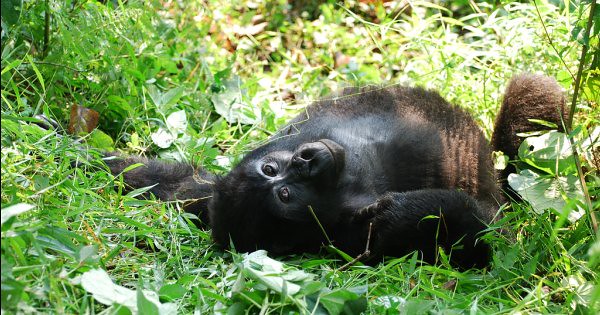
Trek through Bwindi’s mystical rainforest and meet the endangered mountain gorillas in their breathtaking natural home.
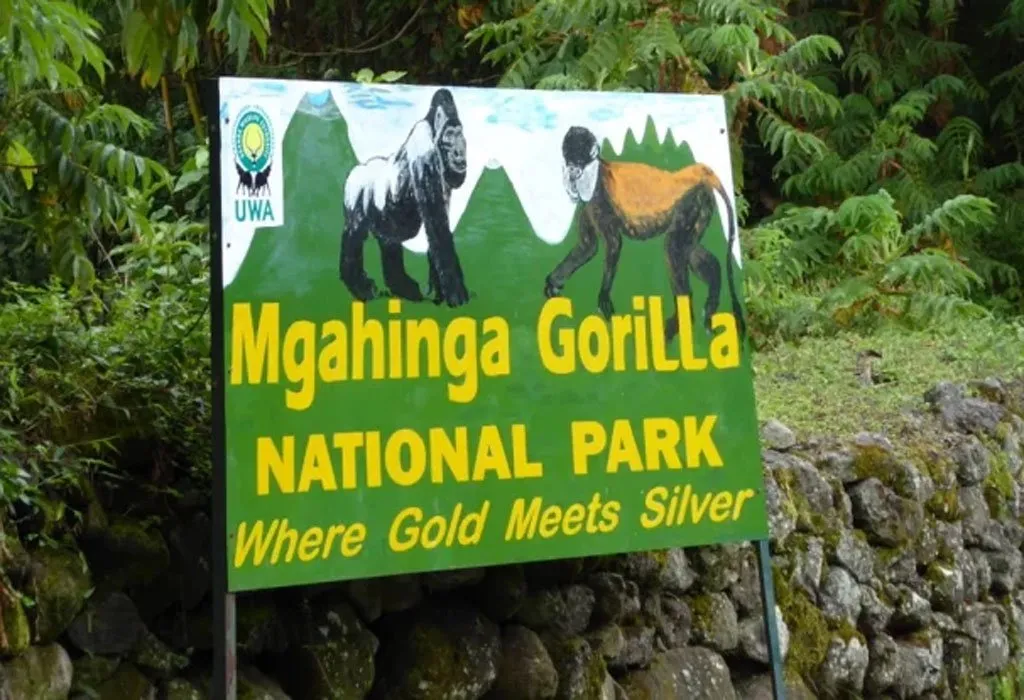
Encounter mountain gorillas and golden monkeys on Mgahinga’s misty volcanic trails, where culture and alpine wildlife thrive together.
Unwind after your trek with a peaceful canoe ride across Lake Bunyonyi, Uganda’s most tranquil and scenic highland lake.
Enhance your gorilla trekking safari with an optional chimpanzee encounter in Uganda’s lush forests, adding depth and diversity to your primate adventure
Gorilla Trekking Tours in Uganda – Our Most Popular Itineraries.
Explore our gorilla trekking safaris for every traveler—solo, family, budget, or luxury. All tours include permits, transport, accommodation, meals, and park fees. Whether for a quick trip or a deeper adventure, we’ve got you covered.
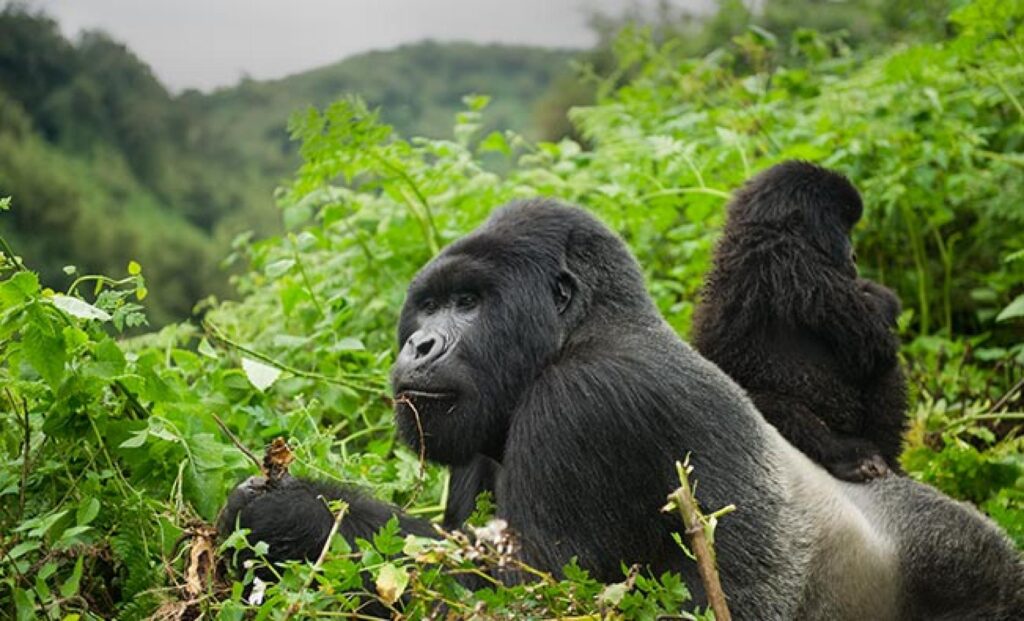
3-Day Bwindi Gorilla Trekking Safari
3-Day Bwindi Gorilla Trekking Safari
4-Day Uganda Gorilla Trekking Safari
4-Day Uganda Gorilla Trekking Safari
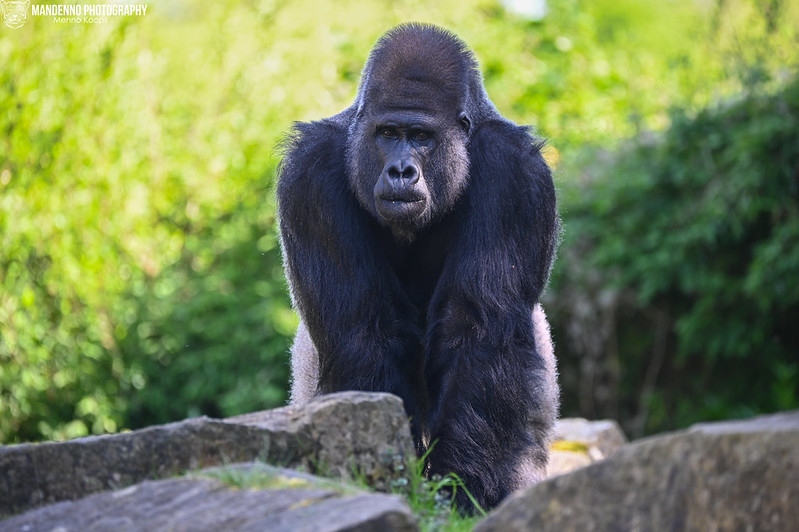
5-Day Gorilla Tracking and Wildlife Safari
5-Day Gorilla Tracking and Wildlife Safari
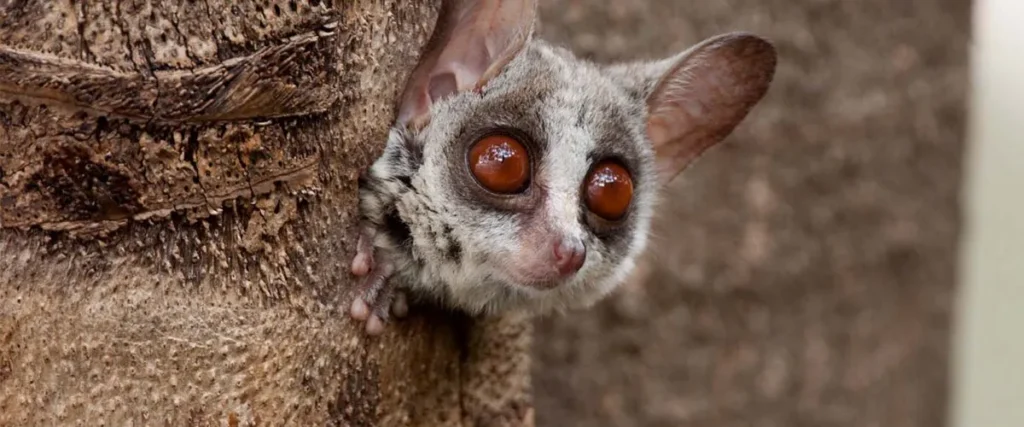
7-Day Uganda Primate Adventure & Wildlife Safari
7-Day Uganda Primate Adventure & Wildlife Safari
10-Day Gorilla Trekking & Big Five Safari in Uganda
10-Day Gorilla Trekking & Big Five Safari in Uganda
12-Day Uganda Gorilla Trekking, Chimp Tracking & Cultural Safari
12-Day Uganda Gorilla Trekking, Chimp Tracking & Cultural Safari
14-Day Best of Uganda Safari – Gorillas, Wildlife, Cultures
14-Day Best of Uganda Safari – Gorillas, Wildlife, Cultures
Overview of the Red-tailed Monkey
The Red-tailed Monkey (Cercopithecus ascanius), also known as the Schmidt’s guenon, is a vibrant and highly active primate native to central and eastern African forests. Recognizable for its striking reddish-orange tail, contrasting facial markings, and agile movements, it inhabits a range of habitats including primary and secondary tropical forests, riverine corridors, and wooded savannahs.
Red-tailed monkeys are diurnal and arboreal, spending most of their lives in the forest canopy, yet they occasionally descend to the ground in search of fruit, insects, or water. They play a vital ecological role as seed dispersers, insect predators, and prey for larger forest carnivores, and they are often observed by ecotourists for their bright coloration and social behavior.
Physical Characteristics
Red-tailed monkeys are medium-sized guenons, with males typically weighing 4–7 kilograms and females slightly smaller at 3–5 kilograms. Their bodies are covered in dense fur, generally gray or olive on the back, with lighter underparts. The defining feature is their long, reddish-orange tail, which is used for balance as they leap between branches.The face exhibits a white or cream-colored muzzle and distinct black facial markings, giving each individual a unique appearance. Their large eyes enhance visual acuity in the dappled light of the canopy, while strong hands and feet allow for precise grasping and agile locomotion. Juveniles are smaller and often display brighter coloration, which gradually darkens with maturity.
Habitat and Geographic Distribution
Red-tailed monkeys are widespread in central Africa, including countries such as Uganda, Rwanda, Burundi, Democratic Republic of Congo, and Tanzania. They thrive in dense tropical forests, moist lowland forests, swamp edges, and secondary growth areas where fruiting trees and understory vegetation are abundant.They are particularly common in forest fragments and riverine corridors, which provide both food resources and protective cover from predators. In Uganda, they are regularly observed in Bwindi Impenetrable National Park, Mgahinga Gorilla National Park, and Kibale Forest National Park, where intact forest structures support their arboreal lifestyle.
Behavior and Social Structure
Red-tailed monkeys are highly social and diurnal, living in groups that range from 10 to 30 individuals. These groups are typically multi-male, multi-female, with a dominant male responsible for defending the group and coordinating movement. Social hierarchy is maintained through vocalizations, grooming, and displays of aggression or submission.Communication is diverse and includes loud alarm calls, soft grunts, and facial expressions. Alarm calls alert group members to predators such as eagles, leopards, and snakes, while grooming reinforces social bonds and group cohesion. Play behavior is common among juveniles, involving chasing, wrestling, and mock fighting, which strengthens social skills and coordination.
Diet and Feeding Ecology
Red-tailed monkeys are omnivorous, feeding primarily on fruits, seeds, leaves, flowers, and occasionally insects or small vertebrates. Fruit constitutes the bulk of their diet when in season, while leaves and flowers provide nutritional balance during lean periods.They forage in the canopy, moving agilely between branches and sometimes descending to the forest floor to access fallen fruit. Their feeding behavior contributes significantly to seed dispersal, ensuring the regeneration and sustainability of forest plant communities.
Reproduction and Life Cycle
Female red-tailed monkeys reach sexual maturity at approximately 3–4 years, while males mature around 4–5 years. Breeding is non-seasonal, and females typically give birth to one infant after a gestation period of about 160–170 days.Infants cling to their mother for the first few months, learning vital climbing, foraging, and social skills within the safety of the group. Juveniles gradually gain independence while remaining closely integrated into social life. Lifespan in the wild averages 15–20 years, with adults forming stable family groups over long periods.
Ecological Role
Red-tailed monkeys are key seed dispersers, consuming a variety of fruit and depositing seeds throughout their home ranges, which supports forest regeneration and biodiversity. Their insectivory contributes to controlling insect populations, and they provide a prey base for apex predators, integrating them into complex forest food webs.Their arboreal activity also aerates the canopy, influencing forest structure and microhabitats for other organisms. By maintaining these ecological functions, red-tailed monkeys play a critical role in sustaining healthy forest ecosystems.
Threats and Conservation Status
Red-tailed monkeys are currently listed as Least Concern by the IUCN, but they face significant localized threats. Habitat destruction due to logging, agriculture, and human settlement, as well as hunting for bushmeat, have caused population declines in fragmented areas.Forest fragmentation isolates populations, limiting genetic diversity and increasing vulnerability to disease and predation. Conservation efforts focus on protected area management, forest restoration, anti-poaching patrols, and community education, emphasizing the importance of conserving arboreal primates and their habitats.
Observation and Ecotourism
Red-tailed monkeys are among the most frequently observed primates in African forest tours, thanks to their striking appearance, vocal behavior, and daytime activity. Guided treks in Uganda’s Bwindi, Mgahinga, and Kibale forests offer visitors opportunities to witness foraging, social interactions, and playful juvenile behavior.Responsible ecotourism minimizes disturbance through controlled group sizes, quiet observation, and educational briefings, ensuring that wildlife is not stressed and that local communities benefit economically. Visitors gain insights into forest ecology, primate behavior, and conservation challenges, enhancing appreciation for biodiversity and sustainable tourism practices.
Human-Wildlife Interaction and Community Involvement
Community conservation initiatives encourage local populations to protect habitats, reduce hunting, and participate in eco-tourism programs. Revenue from tourism supports schools, healthcare, and community infrastructure, creating incentives for sustainable forest management.Red-tailed monkeys are an accessible entry point for education about primate behavior and conservation, fostering awareness and stewardship among local communities and visitors alike.
Arboreal Jewel of African Forests
The Red-tailed Monkey is a small yet ecologically vital primate, combining vibrant coloration, agility, and complex social behavior. Their role as seed dispersers, insect controllers, and prey species makes them indispensable components of African forest ecosystems.Protecting these monkeys involves safeguarding forests, engaging local communities, and promoting responsible ecotourism, ensuring that both the species and their habitats thrive. Observing Red-tailed Monkeys provides a window into the dynamic life of the forest canopy, highlighting the richness and interconnectivity of Africa’s tropical forests.
More Gorilla Trekking Information to Know.
Gorilla trekking goes far beyond just the hike — it’s a deep, emotional journey into the heart of Africa’s last wild rainforests. Knowing the right timing, permits, fitness tips, and park details can turn your experience from good to unforgettable.
Gorilla Trekking in Bwindi Impenetrable Forest
Gorilla Trekking in Bwindi Impenetrable Forest
Trekking Gorillas in Mgahinga National Park
Trekking Gorillas in Mgahinga National Park
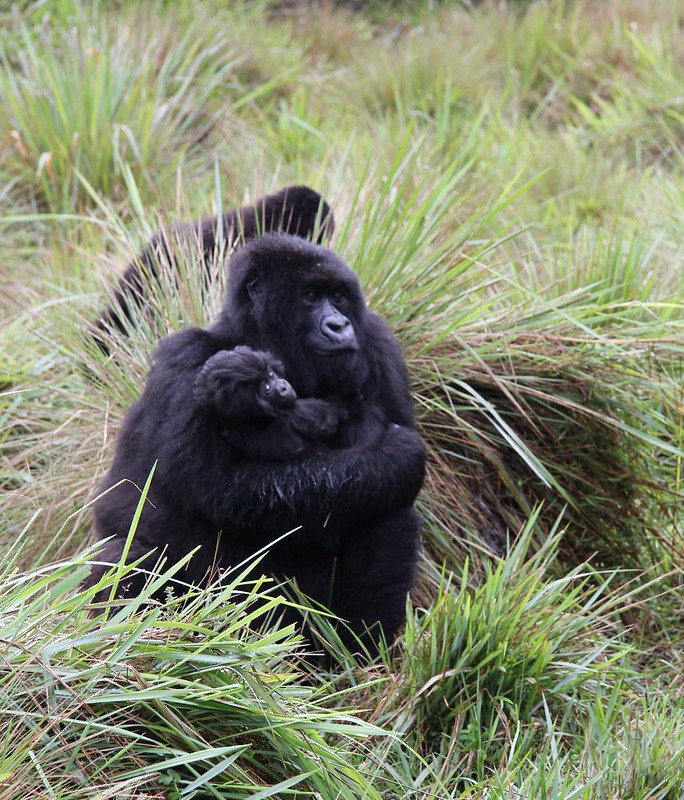
Uganda Gorilla Trekking Permits – Prices, Booking, & Travel Tips
Uganda Gorilla Trekking Permits – Prices, Booking, & Travel Tips

What to Pack for Gorilla Trekking in Uganda – Expert Checklist
What to Pack for Gorilla Trekking in Uganda – Expert Checklist
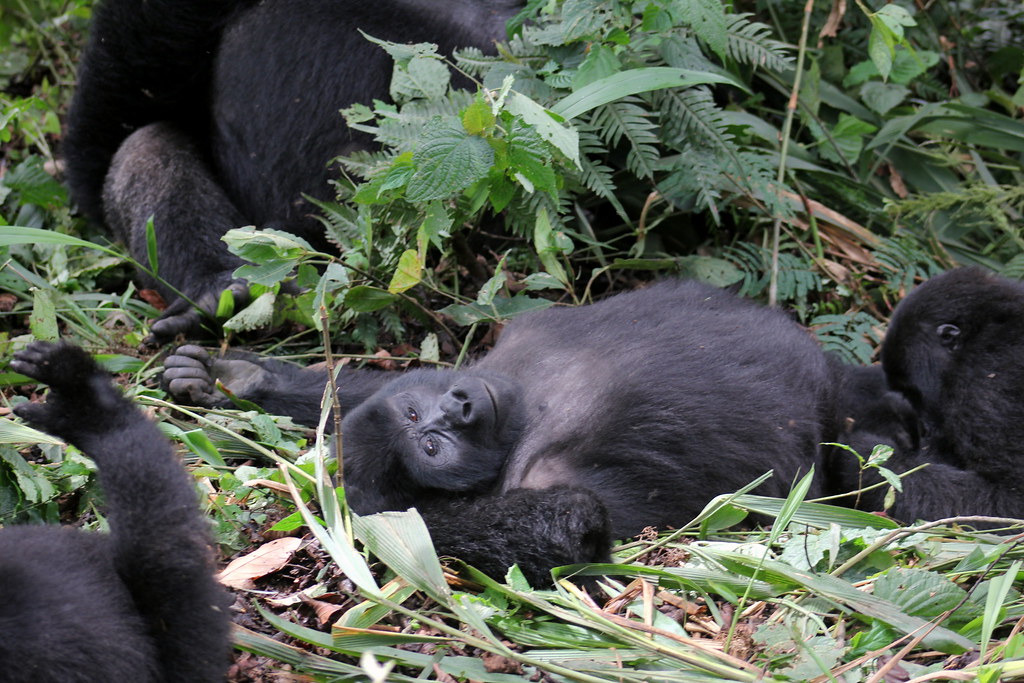
Best Time to Go Gorilla Trekking in Uganda – Weather & Seasons
Best Time to Go Gorilla Trekking in Uganda – Weather & Seasons
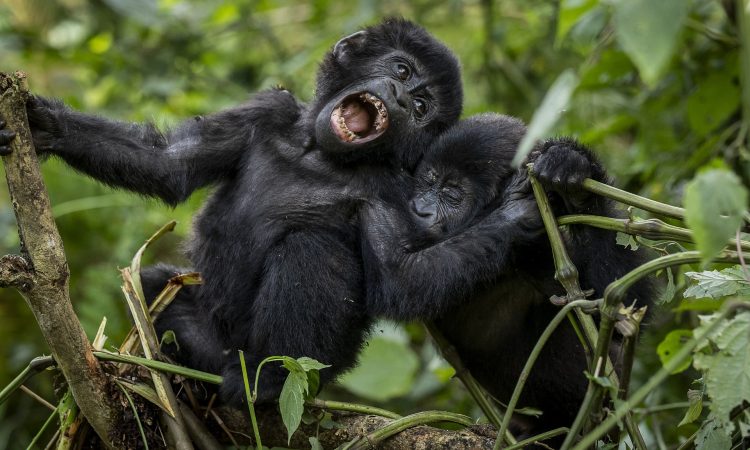
Gorilla Trekking Difficulty in Uganda – Fitness & Trail Guide
Gorilla Trekking Difficulty in Uganda – Fitness & Trail Guide
Gorilla Trekking Rules in Uganda – Safety, Respect & Ethics
Gorilla Trekking Rules in Uganda – Safety, Respect & Ethics
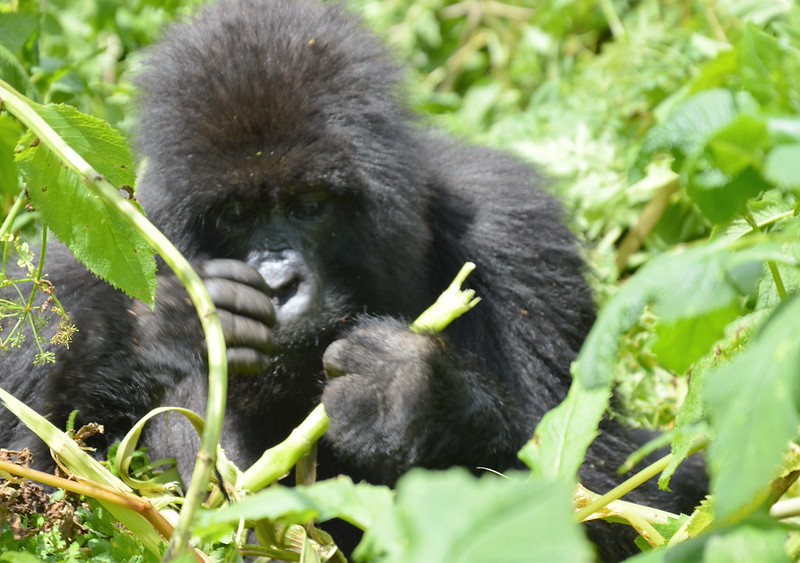
Gorilla Conservation in Uganda – Protecting the Mountain Giants
Gorilla Conservation in Uganda – Protecting the Mountain Giants
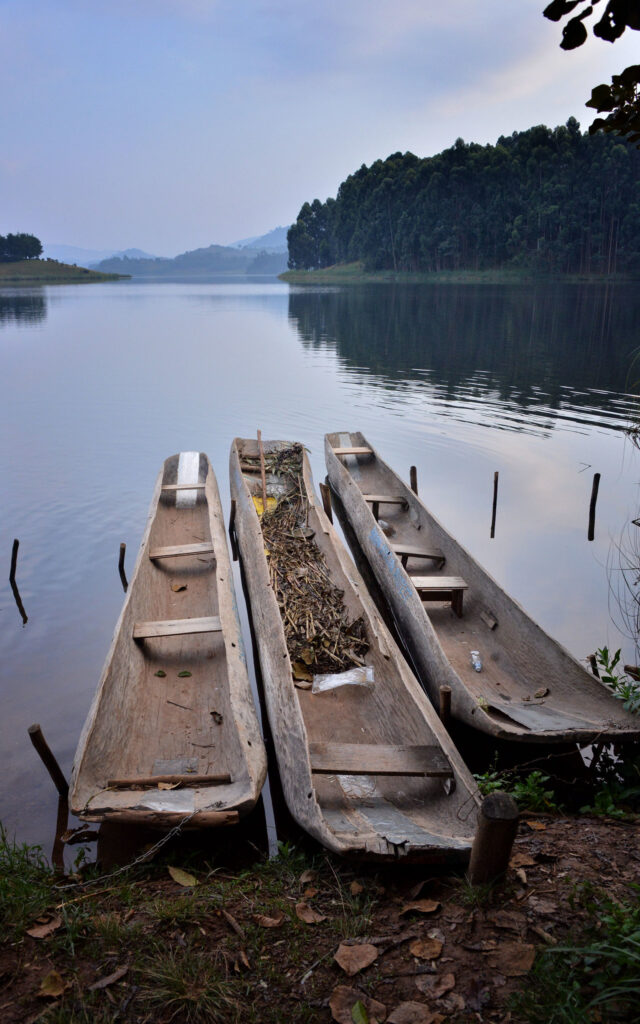
Bwindi vs. Mgahinga – Which One to Choose For Gorilla Trekking?
Bwindi vs. Mgahinga – Which One to Choose For Gorilla Trekking?
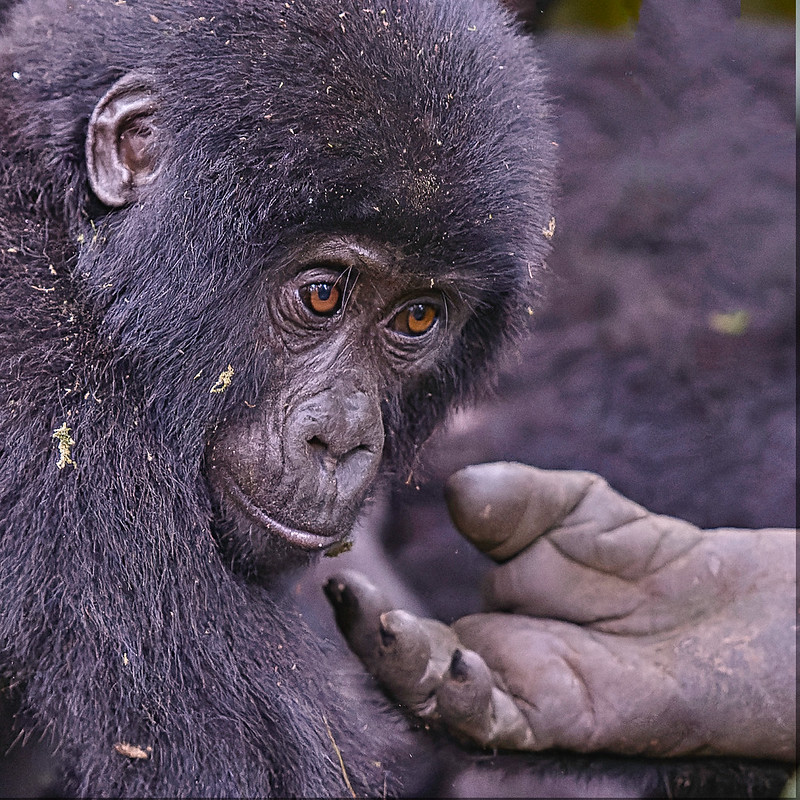
How to Stay Safe and Healthy While Traveling in Uganda
How to Stay Safe and Healthy While Traveling in Uganda
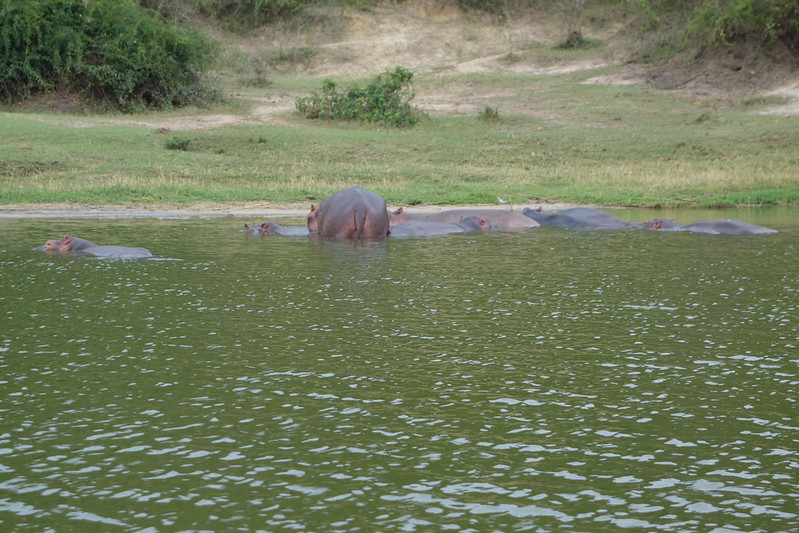
Routes, Tips & Travel Wisdom for Getting to Bwindi or Mgahinga
Routes, Tips & Travel Wisdom for Getting to Bwindi or Mgahinga

Accommodation Options: Lodges & Camps in Bwindi and Mgahinga
Accommodation Options: Lodges & Camps in Bwindi and Mgahinga
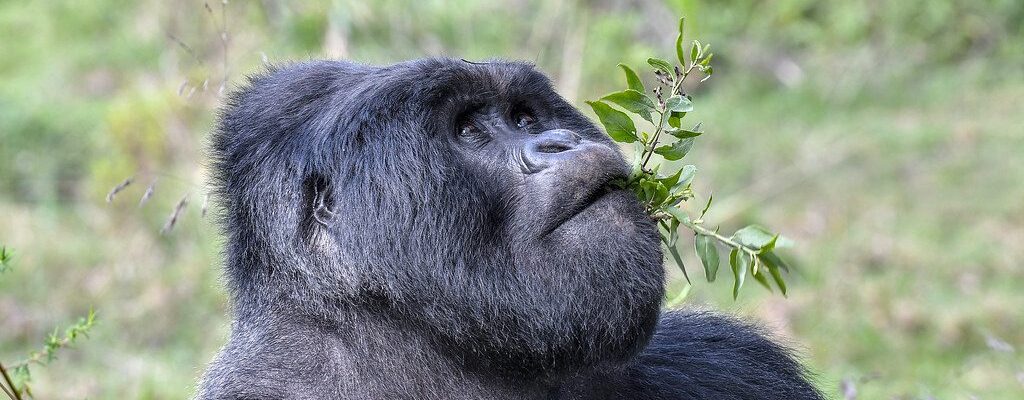
Protecting What You Came to See: Gorilla Conservation & Ethics
Protecting What You Came to See: Gorilla Conservation & Ethics
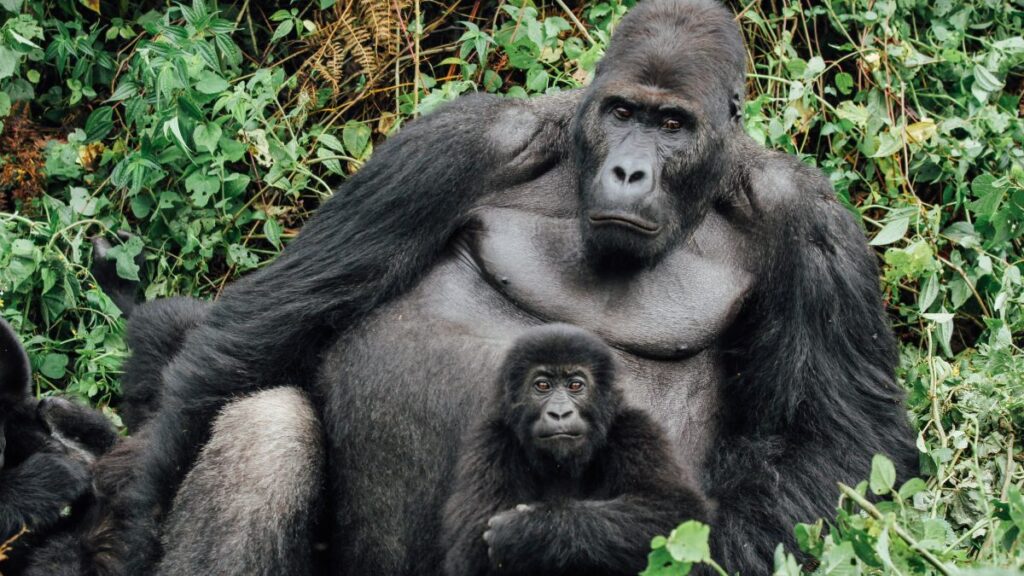
Travel Insurance for Gorilla Treks: Before You Go
Travel Insurance for Gorilla Treks: Before You Go
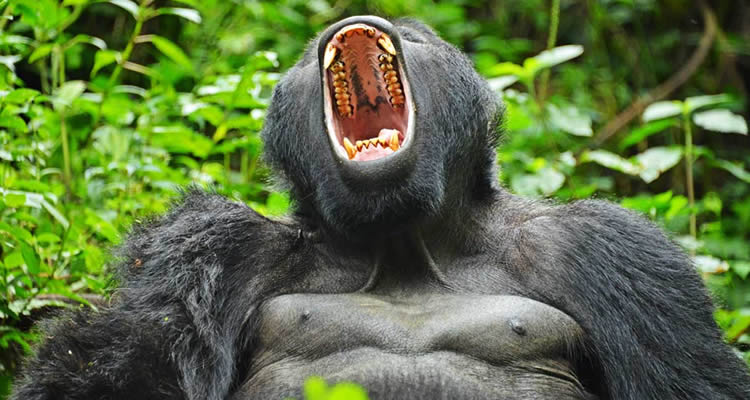
First Time Gorilla Trekking? Here’s Everything I Wish I Knew
First Time Gorilla Trekking? Here’s Everything I Wish I Knew
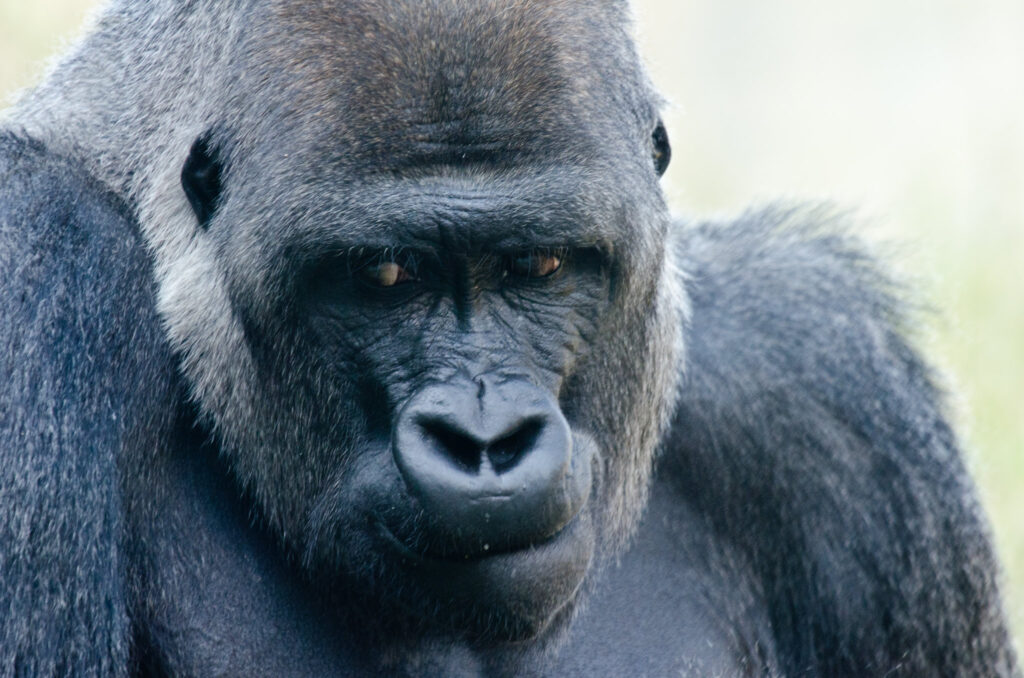
Step by Step: What Happens During a Gorilla Trekking Day
Step by Step: What Happens During a Gorilla Trekking Day
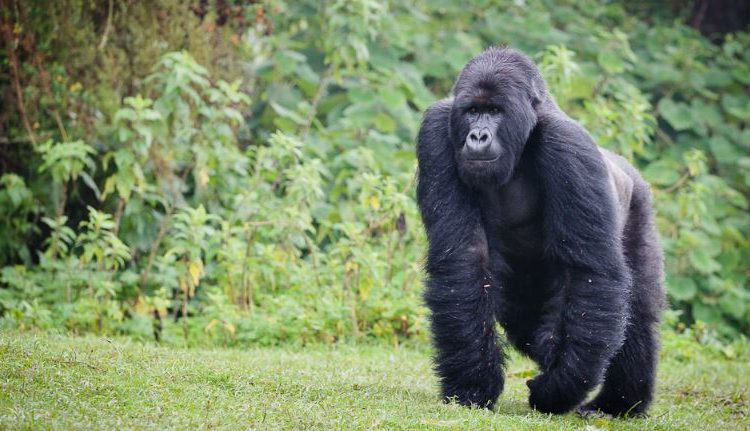
Gorilla Trekking vs. Gorilla Tracking – What’s the Real Difference?
Gorilla Trekking vs. Gorilla Tracking – What’s the Real Difference?
Beyond Gorillas: Other Wildlife You Can See During Your Trek
Beyond Gorillas: Other Wildlife You Can See During Your Trek
In the Realm of Giants – Bwindi & Mgahinga in Frames.
Wander through an elegant gallery capturing Uganda’s most exclusive gorilla sanctuaries, where ancient forests cradle the last mountain gorillas in a world of mist, mystery, and majesty.
Essential Planning Tips for Visiting Uganda’s National Parks.
Get ready for the wild heart of Africa with expert travel tips on when to visit, what to pack, where to go, and how to make the most of your safari across Uganda’s breathtaking national parks.
Why Uganda for Gorilla Trekking?
Uganda is not just a destination — it's the very soul of gorilla trekking. With over half of the world’s remaining mountain gorillas calling its misty forests home, Uganda offers the rarest encounters in their most authentic setting. Here, your journey is not rushed or crowded. Instead, you’re guided by experienced rangers through pristine jungles where gorillas live as they always have — wild, free, and magnificent
From insider travel insights to unforgettable trekking guides, our blog is your trusted path into Uganda’s wild heart — connecting you with mountain gorillas, breathtaking landscapes, and the soul-stirring adventures that make this land unlike any other.