Discounted Gorilla Permits in Uganda for International Travelers
A Strategic Low-Season Opportunity for Overseas Visitors
Uganda Wildlife Authority has introduced discounted low-season gorilla trekking permits for international travelers during selected months of the year. This is not a reduction in quality or a promotional gimmick. It is a structured seasonal adjustment designed to encourage travel during April, May, and November while maintaining Uganda’s world-class conservation and trekking standards.
For travelers coming from the United Kingdom, United States, Germany, wider Europe, Canada, or Australia, this creates a rare opportunity to secure gorilla permits with stronger availability, lower global competition, and greater itinerary flexibility. The experience remains identical to peak-season trekking. The difference lies purely in timing.

What Has Changed in the Permit Structure
During April, May, and November, the standard Foreign Non-Resident gorilla trekking permit has been reduced from USD 800 to USD 600 per person. This applies specifically to international visitors. The discount is built into the official tariff structure for those months and takes effect immediately within the booking system.
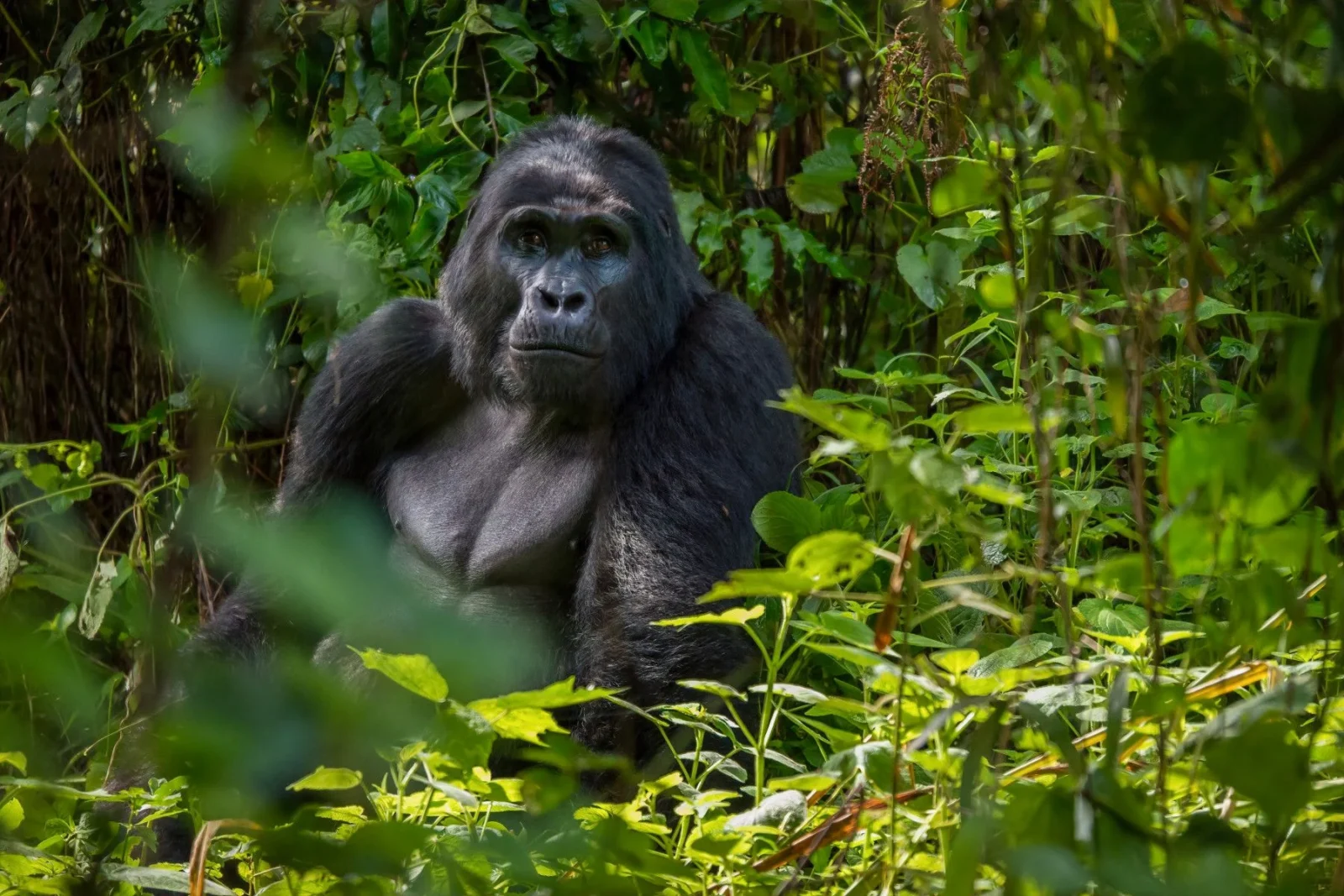
The trekking experience itself does not change. Visitors still track habituated gorilla families in Bwindi Impenetrable National Park or Mgahinga Gorilla National Park. The one-hour viewing limit remains in place. Professional rangers lead each trek. Group size is still strictly limited to eight visitors per gorilla family per day. Conservation funding allocation remains exactly the same.
This is a seasonal adjustment, not a change in standards.
Why April, May, and November
These months fall within Uganda’s transitional rainy periods. However, rainfall in southwestern Uganda is often misunderstood. It does not mean constant storms or impassable terrain. Rain frequently falls in short, concentrated bursts, often later in the day, leaving morning trekking windows clear and operational.
The forest during these months becomes intensely green and photogenic. Mist rises through the canopy, vegetation thickens, and wildlife activity continues uninterrupted. Gorilla families do not migrate and are tracked daily by professional rangers, meaning encounter success rates remain extremely high year-round.
For international travelers, the real advantage lies in reduced visitor numbers. The forest feels quieter. Lodge availability improves. Preferred trekking sectors become easier to secure. The overall atmosphere is more intimate and immersive.
Immediate Payment Requirement and Booking Implications
Alongside the introduction of low-season permits, Uganda Wildlife Authority has suspended the previous seven-day reservation window system. In the past, operators could temporarily hold permits without full payment. Under the revised system, permits are only secured once payment is completed at the time of booking.
For international travelers, this creates transparency and real-time availability. It eliminates artificial blocking of permits and ensures that confirmed bookings reflect actual confirmed clients. However, it also means that low-season permits cannot be reserved speculatively or rescheduled once issued. Travel dates must be confirmed before securing the permit.
This strengthens fairness in allocation while rewarding travelers who plan decisively.
How This Benefits UK, US, and European Travelers
For travelers from the United Kingdom, April and May provide an alternative to peak summer travel, particularly for couples or retirees who are not tied to school calendars. November offers a strong pre-Christmas window before festive demand intensifies.
For United States travelers, November aligns strategically with Thanksgiving flexibility, while April and May can provide better airfare positioning compared to peak summer travel. Because US summer travel overlaps heavily with European demand, discounted months can reduce competition for permits and preferred lodges.
For German and wider European travelers, May can align with certain regional holiday breaks, while November offers quieter conditions before winter holidays begin. Because German summer holidays stretch across July and August, these low-season months create breathing room outside the European peak.
The key advantage is not simply financial. It is structural. These months reduce pressure and improve planning flexibility.

Does the Discount Affect Experience Quality
The answer is unequivocally no. Gorilla trekking operates under strict conservation protocols that do not fluctuate seasonally. Ranger expertise, tracking procedures, and safety measures remain constant. The maximum of eight visitors per family per day does not change. The one-hour viewing limit remains enforced.
The gorillas are habituated and monitored year-round. Encounter probability remains consistently high because trackers locate families each morning before visitors depart.
The only variable is environmental condition. Trails may be slightly muddier, but many experienced trekkers find the forest atmosphere during these months more dramatic and immersive.
Broader Safari Budget Implications
While the direct permit reduction represents a USD 200 saving per person, the broader financial advantage lies in seasonal flexibility. During April, May, and November, accommodation pressure softens and itinerary customization becomes easier. Travelers often secure preferred lodge categories with greater ease, and overall safari pacing becomes more relaxed.
This does not position gorilla trekking as a budget activity. Rather, it allows international visitors to allocate savings toward extended wildlife circuits, upgraded accommodations, or additional experiences such as chimpanzee tracking or safari extensions in Queen Elizabeth National Park.
Strategic timing enhances value without diminishing experience.
Who Should Consider Low-Season Gorilla Permits
International travelers with flexible schedules are best positioned to benefit from discounted permits. Couples, retirees, photographers, honeymooners, and repeat Africa travelers often prefer quieter conditions over peak-season congestion. Those who prioritize forest atmosphere, availability, and thoughtful pacing may find April, May, and November particularly attractive.
Families restricted to European summer school holidays may still prefer July or August despite higher permit pricing due to calendar limitations.
Conservation Impact Remains Identical
Every gorilla permit, regardless of season, contributes directly to conservation funding. Revenue supports anti-poaching patrols, ranger training, veterinary intervention programs, and community revenue-sharing initiatives surrounding Bwindi and Mgahinga.
Uganda holds nearly half of the world’s remaining mountain gorillas. Tourism funding has played a central role in stabilizing and increasing their population over the past two decades. Discounted permits continue to support this model without compromise.
Choosing to travel during low season still actively contributes to conservation success.
Final Perspective for International Planners
Discounted gorilla permits in Uganda represent a structured seasonal opportunity for international travelers who value strategic timing. The experience remains elite, regulated, and conservation-driven. What changes is crowd density, permit competition, and overall itinerary flexibility.
For travelers from the UK, USA, Germany, Europe, Canada, and Australia who are able to travel in April, May, or November, this window provides a compelling combination of availability, immersive forest atmosphere, and intelligent financial positioning.
The gorillas remain in the forest year-round. The question is not whether you will see them, but how you choose to time your journey.