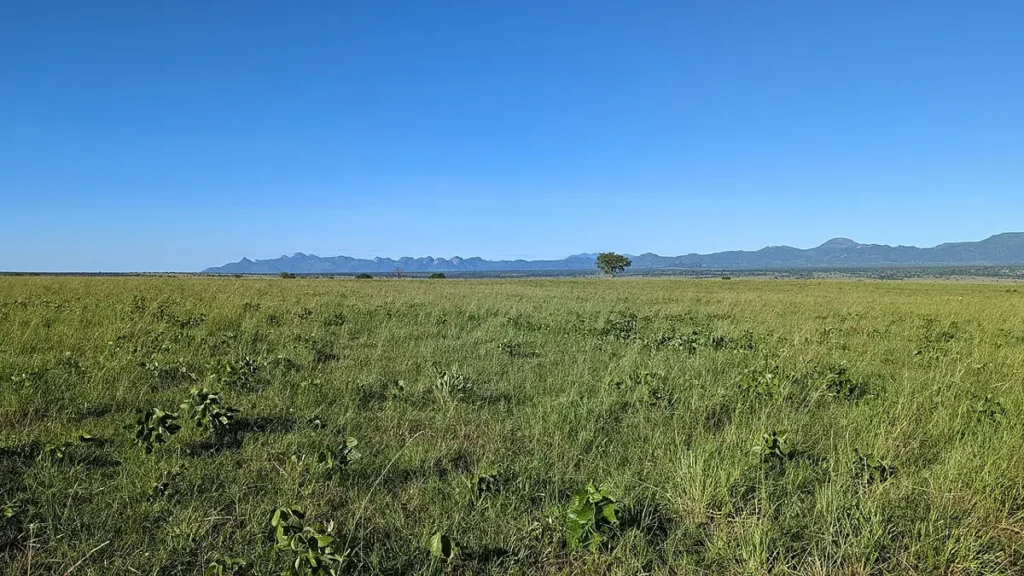
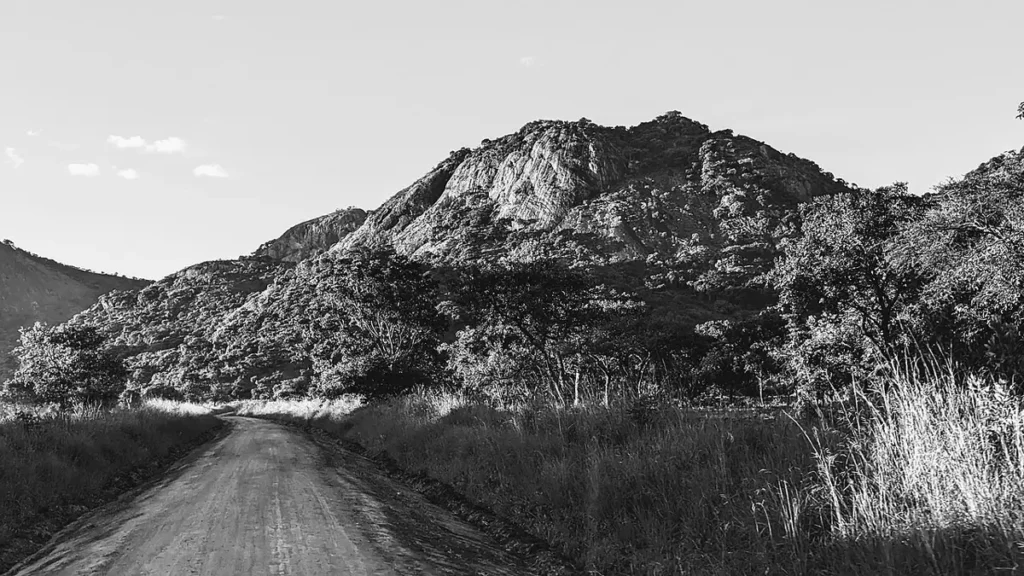
Kidepo Valley National Park sits in the far northeastern corner of Uganda, in the Karamoja sub-region near the borders with South Sudan and Kenya. It is among the most remote and least-visited of Uganda’s national parks, requiring either a long overland journey of eight to ten hours from Kampala or a scheduled flight from Entebbe to Apoka airstrip. This remoteness has preserved Kidepo in a state of wilderness that Uganda’s more accessible parks can no longer fully claim — vast open savannah traversed by elephant herds, dramatic rocky outcrops rising above grass plains, and a wildlife complement that includes species found nowhere else in Uganda. For visitors willing to make the logistical commitment, Kidepo delivers one of Africa’s most authentic and least commercialised safari experiences.
The landscape: African savannah at its most dramatic
Kidepo Valley National Park covers 1,442 square kilometres of semi-arid savannah, seasonal riverine woodland, and rocky inselberg landscape that differs completely from the lush highland forests of southwestern Uganda where most gorilla trekking takes place. The Narus Valley at the heart of the park contains a permanent water source that concentrates wildlife during the dry season, producing game viewing densities that rival East Africa’s most celebrated destinations during the December to March dry period. The Kidepo River in the north is seasonal but supports woodland and thicket habitats that harbour different wildlife communities from the open valley grasslands.
The visual quality of the Kidepo landscape is extraordinary by any standard. Termite mounds the height of a person dot the grass plains. Rocky outcrops and isolated hills — kopjes in the South African terminology that applies equally to Kidepo’s equivalent formations — provide dramatic foreground and background elements that give the landscape a sculptural quality that flat-savannah parks lack. The quality of light at dawn and dusk in the semi-arid northern savannah, where dust suspended in the dry air produces long, golden-toned photography hours, is among Uganda’s finest natural spectacles.
Wildlife unique to Kidepo in Uganda
Kidepo Valley National Park contains several species that are absent from or rarely seen in Uganda’s other national parks, making it an essential destination for visitors seeking to complete their Uganda mammal list or to see wildlife that Uganda’s other parks simply do not offer. The cheetah, which disappeared from most of Uganda’s range decades ago, maintains a small population in Kidepo’s open savannah — one of the very few places in East Africa where cheetahs can be seen outside Kenya and Tanzania. Sightings are not guaranteed but are reported regularly by visitors during peak game-viewing periods.
The striped hyena, a species virtually never seen in Uganda’s southern and western parks, occurs in Kidepo’s arid northern areas. The aardwolf, a termite-specialist member of the hyena family that is rarely observed anywhere due to its nocturnal habits and secretive behaviour, has been recorded at Kidepo. The caracal, an elegant medium-sized wild cat with distinctive ear tufts, is present in rocky areas. Black-backed jackals, absent from Uganda’s other parks, are common in the open grasslands. The sheer list of range-restricted and unusual species that Kidepo adds to a Uganda wildlife itinerary is compelling for any visitor with genuine wildlife interests.
The large mammal community includes substantial elephant, buffalo, and zebra populations, lions that are more frequently seen than in some of Uganda’s southern parks, and Rothschild’s giraffes — one of the world’s rarest giraffe subspecies — that were reintroduced to the park and have established a growing population. The combination of semi-arid landscape species and typical East African savannah fauna makes Kidepo’s wildlife checklist one of the most diverse in Uganda, and the low visitor numbers mean that encounters with these animals are free from the convoy-of-vehicles dynamic that affects heavily visited parks.
The Karamojong people: cattle culture and cultural engagement
The Karamojong are the dominant ethnic group of Uganda’s northeastern region, a pastoral people whose culture is organised around cattle in ways that parallel the great pastoral cultures of East Africa — the Maasai of Kenya and Tanzania, the Samburu, the Turkana. Cattle are not merely an economic resource but a social currency, a spiritual focus, and the medium through which Karamojong identity is expressed and reproduced. The elaborate beadwork, body modification practices, and ceremonial culture of the Karamojong are among the most visually striking in Uganda and provide a cultural experience that complements the park’s wildlife entirely differently from the Bakiga and Batwa traditions of the southwest.
The village of Apoka, adjacent to the park headquarters, provides the most accessible point of cultural engagement for visitors to Kidepo. Guided community visits can be arranged through the park and through lodges, offering introductions to Karamojong homestead structure, traditional crafts, food culture, and the role of cattle in daily and ceremonial life. The Karamojong’s history of conflict — the region experienced significant instability related to cattle raiding and small arms circulation well into the 2000s — is now largely resolved, and the cultural openness of Karamojong communities to respectful visitor engagement has increased correspondingly as security has improved.
Combining Kidepo with a Bwindi gorilla trekking itinerary
Combining Kidepo Valley National Park with a Bwindi gorilla trekking itinerary requires either additional time in Uganda — a minimum of two to three extra days for a meaningful Kidepo visit on top of a standard gorilla trekking circuit — or the use of Uganda’s domestic air network to manage the distances involved efficiently. Flying from Entebbe to Apoka airstrip in northern Uganda and subsequently from Entebbe to Kihihi or Kisoro in the southwest compresses what would be multi-day overland journeys into single flying days, making a Kidepo and Bwindi combination genuinely practical for visitors with twelve to fourteen days in Uganda.
The ecological contrast between Kidepo and Bwindi is among the most dramatic available in any single African country. The transition from mountain gorillas in an ancient impenetrable forest to cheetahs on a semi-arid savannah, accomplished within a single Uganda itinerary, represents the full range of East African wildlife ecosystems compressed into one visit. For visitors seeking genuine wildlife diversity rather than a single-focus safari, this combination is one of the most compelling itinerary options that Uganda offers.
The low visitor numbers at Kidepo mean that the park’s infrastructure is less developed than Queen Elizabeth or Murchison Falls, but several high-quality lodge and camp options provide comfortable bases for exploration. Apoka Safari Lodge, the flagship property near the park headquarters, combines good facilities with unmatched proximity to the Narus Valley game viewing circuit. More adventurous visitors can stay at fly camps in more remote sections of the park, combining authentic wilderness camping with the game-viewing intensity that Kidepo’s dry season concentrations provide.