Updated
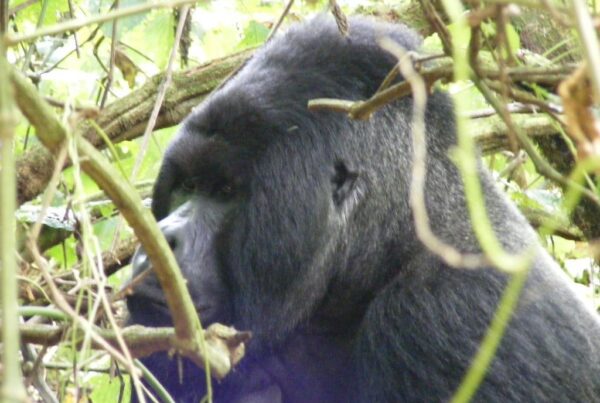
Gorilla trekking means walking into the forest with a ranger guide to spend one hour with a habituated family of mountain gorillas. In Uganda you do it in Bwindi Impenetrable National Park or Mgahinga Gorilla National Park. You need a permit, costing US$800, or US$600 in April, May and November, booked months ahead; you must be at least 15; and the walk can take from one to six hours or more on steep, muddy trails. Here is everything a first-timer needs to know.
Step 1: get a permit
Permits are issued by Uganda Wildlife Authority for a specific date and gorilla sector, either directly or through a licensed tour operator. Each family takes only eight visitors a day, so book three to six months ahead for the dry seasons. The permit is tied to your passport details. See how to book a permit.
Step 2: choose where to trek
Bwindi has four trekking sectors: Buhoma in the north, Ruhija in the east, and Rushaga and Nkuringo in the south, each with several families. Mgahinga, near Kisoro, has one family on the slopes of the Virunga volcanoes. Your sector decides which lodge you stay in, so choose it before booking accommodation. See our guide to choosing a sector.
Step 3: plan the journey
Most visitors fly into Entebbe. Bwindi is a long day’s drive, about 8 to 10 hours, or a one to two-hour scheduled flight to an airstrip near the park. Kigali in Rwanda is closer to the southern sectors and Mgahinga. Plan to arrive near your sector the day before your trek. See our guide to getting to Bwindi.
Step 4: the trek day
You report to your sector headquarters at about 07:00 for a briefing at about 07:30, where rangers check permits, explain the rules and assign groups to families. Hire a porter, take a walking stick and set off with your ranger guide while trackers radio the family’s location. Once you reach the gorillas, you have one hour with them, keeping about 7 m away. See our briefing guide.
Step 5: prepare and pack
Moderate fitness is enough for most people; walking regularly on hills in the months before helps. Wear long trousers, long sleeves, waterproof boots with grip, gardening gloves and a rain jacket, and carry water, lunch and a camera without flash. See our guides to what to wear and fitness preparation.
When to go and what it costs
Treks run all year. The drier months, June to September and December to February, are easiest underfoot; April, May and November have the lower permit price but more rain. On top of the permit, budget for transport, lodges, a porter of around US$15 to 20 and tips. Read our best time to go guide.
Frequently asked questions
US$800, or US$600 in April, May and November.
From one to six hours or more, plus one hour with the gorillas.
15 years.
No, moderate fitness is enough, and porters can help.