Updated
Eight hundred dollars sounds like a lot for a permit. But when you analyse what that 800 USD actually buys — and compare it to other premium experiences people spend similar or larger sums on without hesitation — the gorilla permit starts to look like one of the better value decisions a traveller can make. Here is the case for why the Uganda gorilla permit is not expensive when viewed through the right lens.
What 800 USD Means in Other Contexts
Consider what 800 USD buys elsewhere. A flight from London to New York in economy class. Two nights in a standard hotel in Paris. A four-day music festival ticket with camping. A moderately decent weekend city break in Europe covering flights, hotel, and meals. One night in a luxury London hotel. A business-class upgrade on a transatlantic flight. None of these experiences are described as “too expensive” by the same travellers who hesitate at an 800 USD gorilla permit. The hesitation comes not from the absolute dollar amount but from unfamiliarity with what that dollar amount is purchasing in this context.
The Rarity Premium: What Are You Actually Buying?
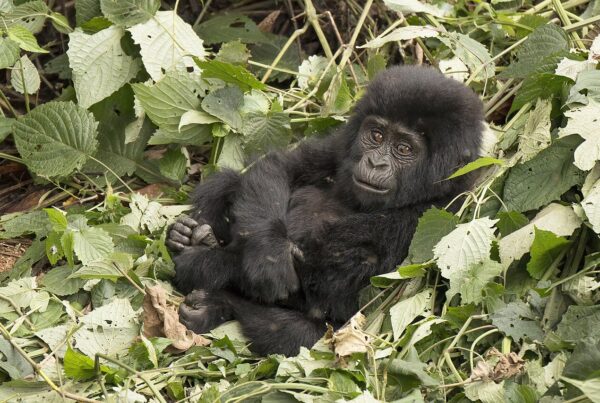
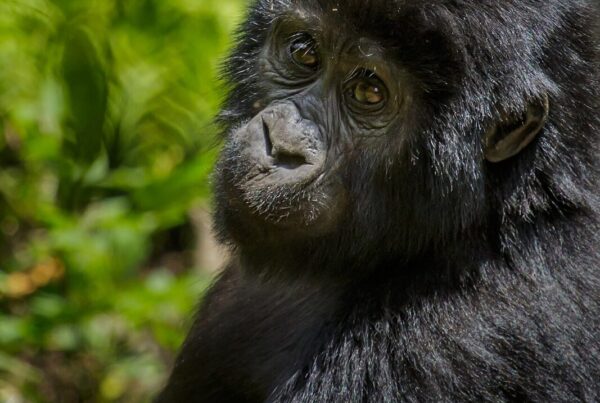
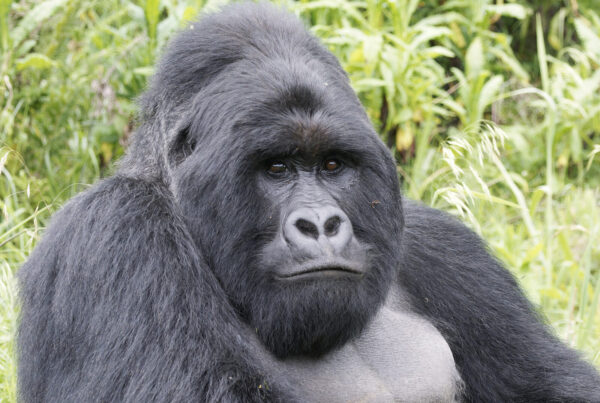
Mountain gorillas are among the rarest animals on earth. There are approximately 1,000 left. They live in three countries — Uganda, Rwanda, and the Democratic Republic of Congo — in a combined habitat area smaller than London. The 800 USD gorilla permit buys access to this species in the wild, at close range, for one hour. No zoo, no documentary, no virtual experience replicates this. The permit is not expensive relative to what it delivers — it is the only price at which the experience is available, and the experience is unique on the planet. Rarity has a price. The gorilla permit price reflects the rarity of what it accesses.
The Conservation Equation
A significant portion of the permit fee funds the conservation infrastructure keeping the gorillas alive: UWA ranger salaries, anti-poaching operations, veterinary care, research programmes, and community revenue-sharing. When you pay 800 USD for a gorilla permit, you are simultaneously buying an experience and funding the ongoing existence of the species you have come to see. That dual value — personal experience plus conservation contribution — is built into the price in a way that is not present in a hotel room or a festival ticket. The permit is a payment for both a present experience and a future species.
The Comparison That Puts It in Perspective
Rwanda charges 1,500 USD for the same mountain gorilla permit. The Democratic Republic of Congo charges around 400 USD — but with security risks that most travellers reasonably avoid. Uganda at 800 USD is the most affordable safe option for mountain gorilla trekking on earth. It is not cheap — it is not meant to be — but it is the best value option among the available alternatives for this specific experience. Viewed through that lens, the Uganda gorilla permit is not the expensive option. It is the accessible one.
The Memory Economy
There is a category of expenditure that economists call “experiential goods” — experiences whose value increases over time rather than depreciating. The gorilla trekking experience belongs firmly in this category. The 800-USD permit is not spent — it is invested in a memory that travellers consistently describe as the most vivid and meaningful of their lives. That return on investment does not diminish with time. At 30 years of recall value per dollar spent — 800 USD for 30 years of a life-defining memory — the gorilla permit is approximately 73 USD per year of its impact. That is not expensive. That is remarkable value by any measure.
The Only Regret We Hear
In over a decade of organising gorilla treks, we have never had a client come home and say the permit was too expensive for what they experienced. We have, consistently, heard from clients who waited years before booking and wish they had gone sooner. The regret is never about cost. It is always about delay. If you are calculating whether 800 USD is worth it, the data from everyone who has paid it says clearly: yes. Stop calculating and start planning.
The framing of the gorilla permit as expensive or not expensive depends entirely on what the comparison point is. Compared to a night in a luxury hotel or a business class flight segment, $800 is a similar or smaller number. Compared to the total cost of a two-week Uganda safari, the permit is a significant but not dominant component — typically 15 to 25 percent of the total cost depending on accommodation standard. The philosophical argument that the permit is not expensive — because it funds conservation, provides a life-defining experience, and supports Uganda’s economy — is true but addresses a different question than the practical financial one. The practical financial question is whether $800 fits within the visitor’s travel budget alongside the other trip costs; for those who can answer yes, the relative value calculation strongly favours the gorilla trekking permit over almost any alternative use of the same budget.