Updated
Uganda Gorilla Trekking Health and Safety Guide
Staying Safe and Healthy on Your Gorilla Trek
Uganda gorilla trekking health safety is one of Africa’s most extraordinary wildlife experiences, connecting travellers with mountain gorillas in their natural forest habitat. Gorilla trekking in Uganda involves physical exertion in a remote environment, potential exposure to altitude and local disease risk, and close proximity to wild animals. Understanding the health and safety considerations before you travel allows you to prepare appropriately and arrive at Bwindi confident that you have taken the steps necessary to protect both your own health and the health of the gorillas you will visit. This guide covers vaccinations, malaria prevention, altitude considerations, wildlife safety protocols, and the emergency systems available in and around Bwindi.
Required and Recommended Vaccinations
Yellow fever vaccination is mandatory for all travellers entering Uganda. You must carry your International Certificate of Vaccination (the yellow card) showing yellow fever vaccination, as it is checked at Entebbe International Airport on arrival. Yellow fever vaccination requires administration at least 10 days before travel to allow immunity to develop. If you have not had the vaccination, arrange it at a travel medicine clinic well before your departure date.
Planning your trip? Our complete Uganda gorilla trekking guide covers permits, sectors, costs, and everything you need before you go.
Recommended (but not mandatory) vaccinations for Uganda include: Hepatitis A and B, typhoid, tetanus, rabies (particularly for those who will be spending time in rural environments or working with animals), and meningococcal meningitis. These recommendations should be confirmed with a travel medicine practitioner who can assess your specific medical history, vaccination history, and travel itinerary. Many of these vaccinations require multiple doses administered over weeks, so start the process at least 6 to 8 weeks before travel.
Malaria Prevention
Malaria is present in Uganda, including in the Bwindi area. Malaria prophylaxis medication is strongly recommended for all travellers to Uganda. The most commonly used antimalarial medications for Uganda are atovaquone/proguanil (Malarone), doxycycline, and mefloquine (Lariam). Each has different dosing regimens, side-effect profiles, and suitability for different traveller profiles — consult a travel medicine doctor for personalised recommendation.
In addition to prophylaxis medication, use insect repellent containing DEET on exposed skin from dusk, sleep under mosquito nets (provided at most Uganda accommodation), and wear long-sleeved clothing and long trousers in the evening hours when mosquito activity is highest. The altitude of Bwindi (1,100 to 2,600 metres) reduces (but does not eliminate) malaria risk compared to low-altitude Uganda — malaria-carrying mosquitoes are less active at higher elevations, but the risk is not zero and prophylaxis remains advisable for the entire Uganda trip including any lower-altitude sections.
Altitude Considerations
Bwindi’s altitude ranges from approximately 1,160 metres at Buhoma (the lowest sector) to 2,350 metres at Ruhija (the highest sector headquarters). These elevations are not extreme by mountain trekking standards, but they are sufficient to affect exertion, particularly for visitors arriving from sea-level environments and beginning strenuous activity immediately.
Acute mountain sickness (AMS) is unlikely at Bwindi’s elevations for most healthy travellers, but some individuals are more susceptible than others. Symptoms of AMS include headache, nausea, fatigue, dizziness, and sleep disturbance. If you experience these symptoms at Bwindi, rest, hydrate, and descend to lower elevation if symptoms worsen. The combination of high altitude and sustained physical exertion on trek day increases the importance of adequate hydration — drink water proactively throughout the day.
Disease Risk: Other Infections
Traveller’s diarrhoea is the most common health issue affecting visitors to Uganda. The standard precautions apply: drink only bottled or treated water, avoid ice in drinks in local establishments, eat cooked food from reputable establishments, and wash hands frequently with soap or hand sanitiser. Most lodges serving international tourists maintain appropriate food hygiene standards, but eating from local markets or roadside stalls in remote areas involves more variable risk.
Rabies exists in Uganda and can be contracted through animal bites including from domestic dogs, cats, monkeys, and bats. The gorilla trekking protocol — maintaining 7-metre distance from the gorillas — significantly reduces the risk of gorilla-related injury, but accidental close contact can occur. If bitten by any animal in Uganda, seek medical attention immediately. Rabies post-exposure prophylaxis (PEP) is available in Kampala and should be started as soon as possible after any suspected rabies exposure.
Gorilla Health Protocols
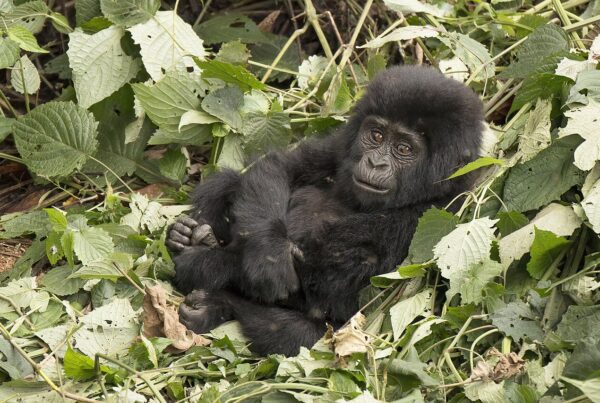
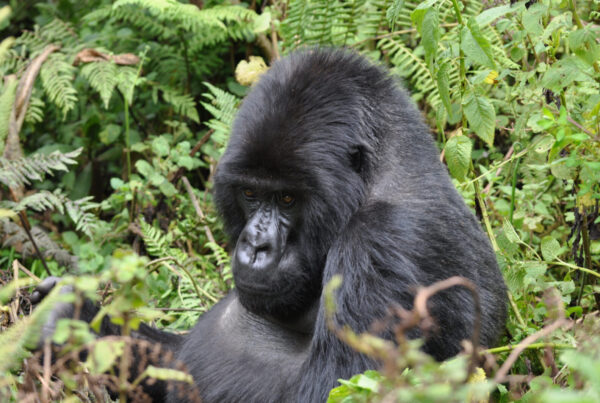
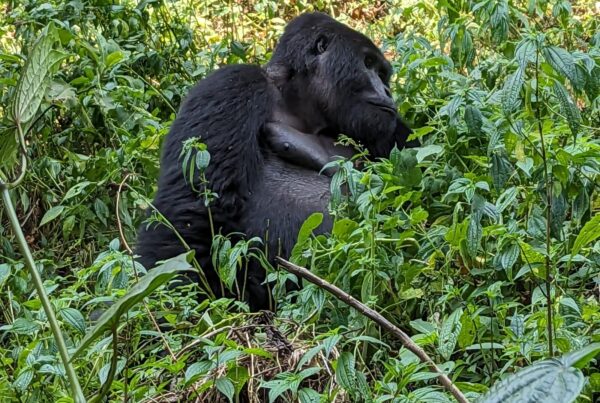
Mountain gorillas are susceptible to many human respiratory infections to which they have no immunity — colds, flu, and other respiratory viruses that are routine for humans can be fatal in gorilla populations. Uganda Wildlife Authority’s health protocols exist specifically to protect gorillas from human disease transmission. The most important rule: if you have cold or flu symptoms on trek day, you will not be permitted to trek. There is no exception to this rule and no refund for medical exclusion.
Face mask or cloth covering requirements apply during the gorilla encounter — visitors may be required to wear a mask near the gorillas. The 7-metre minimum distance requirement is strictly enforced. If a gorilla approaches closer than 7 metres (which habituated animals sometimes do of their own volition), move back while maintaining calm body language. Never approach a gorilla — wait for the guide’s instructions if an animal comes close unexpectedly.
The mask and distance protocols are not bureaucratic inconveniences — they are the practical mechanisms by which the gorilla tourism model prevents the disease transmission that would undermine the entire conservation system. Every visitor who respects these protocols is contributing to gorilla conservation in the most direct way possible.
Wildlife Safety Beyond Gorillas
The forest around the gorilla trek trailheads contains other potentially dangerous wildlife including forest elephants (present in some Bwindi sectors and occasionally encountered on trails), African buffalo (present throughout the park), and venomous snakes. Rangers accompany all trekking groups and are trained in wildlife encounters, including the protocols for managing unexpected encounters with dangerous wildlife.
Follow ranger instructions immediately and without question if they signal a stop, a direction change, or specific behaviour in response to wildlife. Do not move away from the ranger group. Do not attempt to photograph dangerous wildlife at close range. The ranger’s judgement in unexpected wildlife encounters is informed by years of experience in the specific forest and should be trusted entirely.
Emergency Medical Care
Medical facilities in the immediate Bwindi area are limited. The nearest significant hospitals are in Kabale (approximately 1.5 to 2.5 hours from different sectors) and Kampala (8 to 10 hours by road). For medical emergencies at Bwindi, the primary response options are: contact your lodge’s emergency protocols (most good lodges have first aid and evacuation planning), contact your tour operator’s emergency line, and if necessary arrange charter flight evacuation to Kampala or Entebbe.
Travel insurance with medical evacuation coverage is essential for all Uganda gorilla trekking visitors. The cost of helicopter or charter aircraft medical evacuation from Bwindi to Kampala is substantial — several thousand USD — and is an expense that standard travel insurance with adequate coverage will meet but self-funding would be challenging. Ensure your policy’s medical coverage limit is sufficient (minimum $100,000 USD recommended) and that evacuation from remote locations is explicitly covered.
Final Thoughts
The health and safety considerations for Uganda gorilla trekking are manageable with appropriate preparation but require attention. Yellow fever vaccination is mandatory; malaria prophylaxis is strongly recommended; travel insurance with evacuation coverage is essential; and the gorilla health protocols are non-negotiable. Address each of these requirements in advance and you will arrive at Bwindi prepared to focus entirely on the experience ahead — one of the most extraordinary wildlife encounters available anywhere on Earth.