Eight Hundred Dollars Is a Lot of Money. Is the Experience Worth It?
The Uganda gorilla trekking permit costs eight hundred US dollars for foreign non-residents in 2026. That is more than a new smartphone, a high-end camera, or a first-class flight across the Atlantic. For many travellers, it is the single most expensive activity they will ever purchase for a single hour of their life. So the question is legitimate: is it really worth it? This article breaks down the value of the gorilla permit in practical, emotional, and conservation terms.
What Eight Hundred Dollars Buys You
The Permit Includes
- Entry to Bwindi Impenetrable Forest or Mgahinga Gorilla National Park
- Assignment to one of over twenty habituated gorilla families
- An armed ranger guide and tracker team who lead you to the gorillas
- One hour of close-range observation with the gorilla family
- A gorilla trekking certificate
- Contribution to community development programmes around the parks
What It Does Not Include
- Transport to the park
- Accommodation
- Meals and drinks
- Porter hire at the trailhead
- Tips for guides and porters
The Experience: What One Hour With Gorillas Feels Like
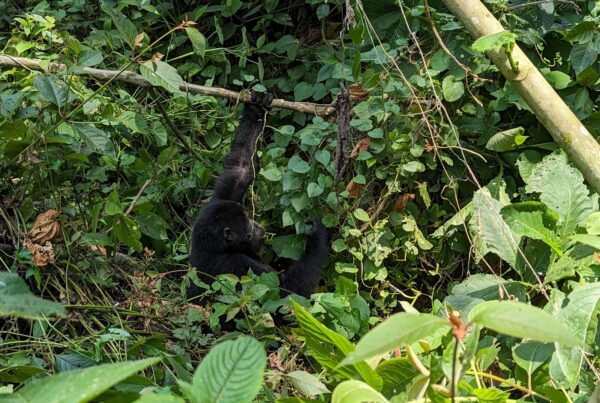
Words cannot fully describe sitting three metres from a four-hundred-pound silverback gorilla in his natural forest home. His calm, intelligent eyes assess you with something that feels like recognition. A mother cradles her infant, nursing quietly while her older juvenile plays in the branches overhead. Juveniles tumble past your feet in a wrestling match that sends leaves flying. The silverback shifts his weight, scratches his shoulder with a hand that shares ninety-eight percent of your DNA, and returns to peeling a stalk of bamboo with surgical precision.
This is not a zoo. There is no glass, no barrier, no scripted performance. You are in the gorilla’s home, and he has chosen to tolerate your presence. The intimacy is overwhelming. Many trekkers cry. Others sit in stunned silence. Almost everyone describes it as the most profound wildlife experience of their lives. That one hour contains more emotional intensity than a week on safari.
The Rarity Factor
With fewer than one thousand one hundred mountain gorillas left on Earth, and only approximately five hundred and fifty in Uganda, the opportunity to see them is genuinely scarce. There are more tigers in India than mountain gorillas in the world. There are more African elephants than mountain gorillas. This is not a common animal in a common place. It is one of the rarest large mammals on the planet, living in one of the most remote and beautiful forests on Earth.
Every permit purchased contributes to keeping this species alive. The eight hundred dollars is not just admission to a wildlife show. It is a direct investment in the survival of a creature that shares more DNA with you than any other animal outside your own species.
Comparing Value: What Else Could Eight Hundred Dollars Buy?
| Alternative Use of $800 | Duration | Memories |
|---|---|---|
| Gorilla permit | 1 hour | Lifetime |
| Luxury hotel suite | 2 nights | Forgettable |
| Designer handbag | Permanent | Outdated in 2 years |
| Latest smartphone | 2-3 years | Replaced by next model |
| First-class flight | 8 hours | Fades quickly |
| Theme park vacation | 3 days | Fun but generic |
Conservation Impact: Where Your Money Goes
Uganda Wildlife Authority allocates gorilla permit revenue to several critical areas:
- Ranger salaries and anti-poaching patrols: Armed rangers patrol Bwindi twenty-four hours a day to protect gorillas from poachers
- Veterinary care: Gorilla Doctors, an international veterinary team, provides emergency medical care to injured and sick gorillas
- Habitat protection: Funding for park boundary maintenance, reforestation, and combating illegal encroachment
- Community development: Twenty percent of permit revenue goes directly to communities around Bwindi and Mgahinga for schools, clinics, and income-generating projects
Since gorilla tourism began, the mountain gorilla population has grown from fewer than three hundred to over one thousand one hundred. Your eight hundred dollars is part of that success story.
The Emotional Return on Investment
Research in tourism psychology shows that experiential purchases, particularly those involving nature and wildlife, generate more lasting happiness than material purchases. A gorilla trekker surveyed one year after their trip consistently rates the experience as more meaningful than any physical possession they could have bought with the same money.
The emotional value of gorilla trekking compounds over time. In the weeks after the trek, you process the photographs and relive the encounter. In the months that follow, you find yourself describing it to friends and family with an enthusiasm that surprises you. Years later, the memory remains vivid and emotionally charged in a way that few other travel experiences achieve.
Who Should NOT Buy a Gorilla Permit?
The permit is not for everyone. Consider skipping it if:
- You are primarily interested in photography but have no zoom lens or smartphone with optical zoom
- You have serious mobility limitations that would prevent you from hiking for several hours on steep, muddy terrain
- You are uncomfortable with unpredictable wildlife encounters
- Your budget is extremely tight and the eight hundred dollars would prevent you from affording safe accommodation and transport
- You expect a guaranteed, theme-park-style experience rather than a wild, natural encounter
The Verdict
Is the eight-hundred-dollar Uganda gorilla permit worth it? For the vast majority of travellers who purchase it, the answer is an unqualified yes. The combination of rarity, intimacy, emotional intensity, and conservation impact creates an experience that justifies the cost many times over. It is not a cheap activity, but it is one of the best-value wildlife experiences on Earth when measured by the depth of the encounter and the lasting impact of the memory.
If you can afford the permit without compromising your safety or financial stability, buy it. Book it now. The gorillas are waiting, and they are worth every dollar.
Frequently Asked Questions
The standard gorilla trekking permit costs $800 per person for foreign non-residents (FNR). EAC foreign residents pay $700. During low season — April, May, and November — the FNR rate drops to $600. The Gorilla Habituation Experience permit (4 hours, Rushaga sector only) costs $1,800 per person.
Permits are issued by Uganda Wildlife Authority (UWA). Most visitors book through a licensed Uganda tour operator, who handles the UWA reservation, permit transfer, and sector logistics. Direct booking via the UWA eTourism portal is available but operators handle the complexity of sector assignment and date changes.
During peak season (June–September, December–February): book 3–6 months ahead. During low season (April, May, November): 4–8 weeks is usually sufficient. The AFCON 2027 period (June–July 2027) will see unusually high demand — book at least 6 months ahead for any date in that window.
UWA gorilla permits are non-refundable but can be rescheduled to another date subject to availability and sufficient advance notice. Your tour operator handles this process. Travel insurance that covers trip cancellation and curtailment is strongly recommended for all Uganda gorilla bookings.
Yes. The permit price is set by Uganda Wildlife Authority and is fixed regardless of which operator you use. No operator can offer a discount on the $800 permit — only their service fees (accommodation, transport, guiding) vary between companies.