Updated
The Evolution of Gorilla Trekking Uganda: 1991 to 2026 in Pictures
Gorilla trekking Uganda history — from the first permit to one million visitors
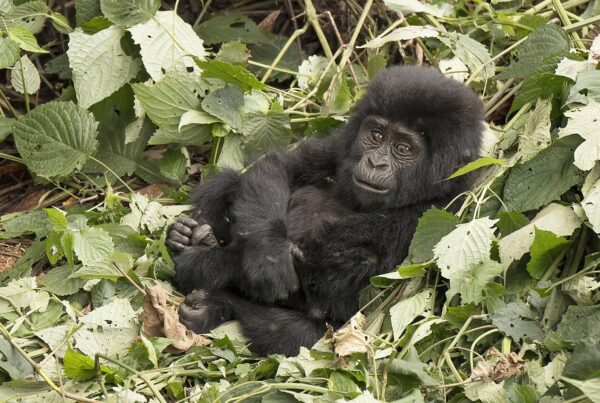
Gorilla trekking Uganda history begins in 1991, when Uganda Wildlife Authority issued the first tourist permits for visits to the Mubare gorilla family in Bwindi Impenetrable Forest. In the 35 years since that first encounter, gorilla trekking in Uganda has evolved from an experimental conservation programme into one of Africa’s most significant and respected wildlife tourism industries — generating over $15 million annually in permit revenue alone, supporting hundreds of thousands of livelihoods in communities adjacent to the forest, and playing a central role in the recovery of the mountain gorilla population from near-extinction. This is the story of that evolution, told in pictures and milestones.
1991: the first permitted trek
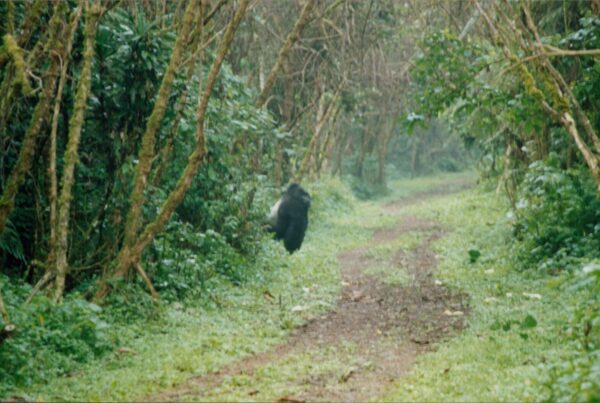
The decision to open Bwindi Impenetrable Forest to tourist trekking in 1991 was not without controversy. Some conservationists argued that habituating gorillas to human presence would increase their stress, disease exposure, and vulnerability to poaching. Others, including the team at Uganda Wildlife Authority that had developed the habituation programme with support from international NGOs, argued that the income from trekking permits would fund the conservation infrastructure that the gorillas needed. The first trekking groups at Buhoma were small, cautious, and accompanied by researchers as well as rangers. The photographs from these early encounters show equipment that looks improvised, trails that are barely trails, and encounters that — by current standards — were closer, less managed, and in some ways more raw than today’s carefully regulated visits. But the gorillas were there, and the visitors were changed by them, and the model worked.
The 1990s: expansion and crisis
Through the 1990s, gorilla trekking expanded slowly but consistently. New gorilla families were habituated in Bwindi and in Mgahinga Gorilla National Park. The number of permitted trekkers per day increased as new families became available. International operators began including Uganda gorilla treks in their East Africa itineraries. But the decade was also marked by the crisis in the broader Great Lakes region — the genocide in Rwanda in 1994, the instability in the DRC, and the military activity in parts of western Uganda — which repeatedly disrupted tourism and created genuine security concerns for operators and visitors alike. Photographs from this period show a trekking industry operating under real difficulty, its conservation achievements hard-won against a backdrop of regional instability.
The Bwindi massacre of 1999
In March 1999, rebels from the Democratic Republic of Congo crossed the border into Bwindi and attacked a trekking camp at Buhoma, killing eight foreign tourists and two Ugandan nationals. The attack, which attracted international media coverage and temporarily collapsed gorilla trekking bookings, was one of the worst crises in the history of gorilla tourism. Uganda Wildlife Authority and the Ugandan government responded with substantially increased security, and within two years, visitor numbers had recovered and exceeded pre-attack levels. The photographs from the aftermath of the attack and the recovery period document both the vulnerability of the gorilla trekking industry and its remarkable resilience.
The 2000s: professionalisation and growth
The 2000s saw gorilla trekking in Uganda mature from an experimental programme into a professional industry. Permit prices rose as demand increased — from $250 in the late 1990s to $500 by the mid-2000s. Accommodation near Bwindi improved dramatically, with several luxury lodges establishing themselves at Buhoma and the other sectors. Uganda Wildlife Authority invested in ranger training, trail maintenance, and the habituation of additional gorilla families to meet growing demand. Photographs from this period show an industry finding its form — better-equipped rangers, better-maintained trails, better-briefed trekking groups, and encounters that reflect the increasingly professional management of the habituation programme.
2010-2020: the luxury era
By 2010, gorilla trekking had become a premium wildlife experience commanding premium prices. The permit price rose to $500, then to $600, then to $700. Luxury accommodation — lodges charging $500 to $1,800 per night — established themselves at each sector of Bwindi, attracting a high-end international clientele that was willing to pay significantly for the quality of the forest setting and the intimacy of the gorilla encounter. The industry had become sophisticated enough to offer custom itineraries, photographic guiding services, and conservation philanthropy programmes that allowed high-end visitors to link their permit purchase to specific conservation outcomes. Photographs from this era show an industry at its most polished — immaculate lodges, well-equipped trekking groups, and encounters of exceptional photographic quality.
2020-2025: pandemic disruption and recovery
The COVID-19 pandemic closed Uganda’s national parks to tourists from March to October 2020, suspending gorilla trekking for the first extended period since the 1999 attack. The financial impact on operators, lodges, rangers, and the broader community economy was severe. Uganda Wildlife Authority used the closure period to intensify anti-poaching patrols and community engagement in the areas adjacent to Bwindi. When trekking resumed in late 2020, it returned to a forest that had benefited — in terms of gorilla welfare and vegetation recovery — from several months without human visitors. The recovery of tourist numbers was slower than after the 1999 attack, but by 2023 visitor numbers were back to pre-pandemic levels, and 2024 and 2025 saw new records for permits issued and revenue generated.
2026: where the story stands now
As of 2026, gorilla trekking in Uganda is in a stronger position than at any point in its 35-year history. The mountain gorilla population is growing. The permit revenue is at record levels. The community programmes funded by tourism revenue are the most developed they have ever been. The ranger corps is the best-trained and best-equipped in the programme’s history. And the international profile of gorilla trekking as a conservation success story — the proof of what well-designed wildlife tourism can achieve — continues to attract global attention and political support. The story of gorilla trekking in Uganda, from the first cautious encounter at Buhoma in 1991 to the sophisticated industry of today, is one of the most compelling narratives in the history of African conservation.