Updated
Mountain Gorilla Diet and Feeding Habits: What Gorillas Eat
Mountain Gorilla Diet and Feeding Habits: What Gorillas Eat
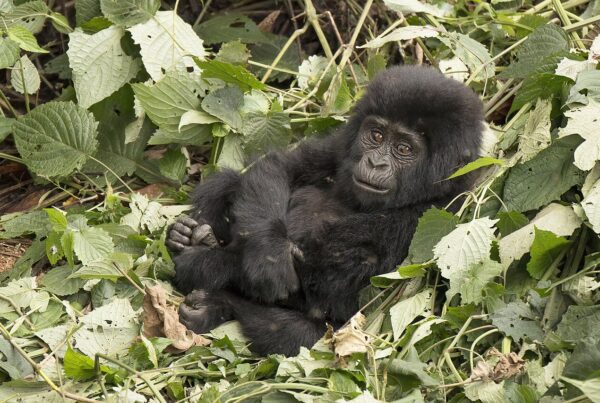
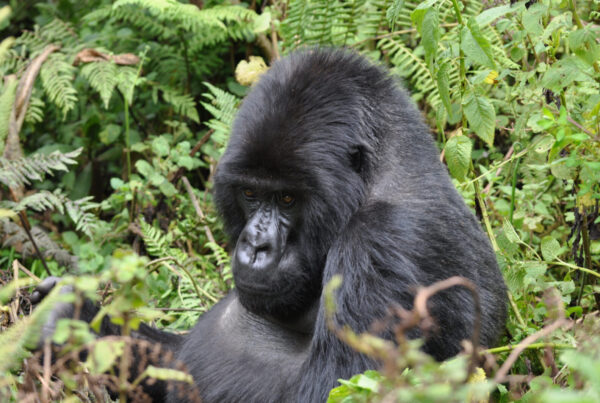
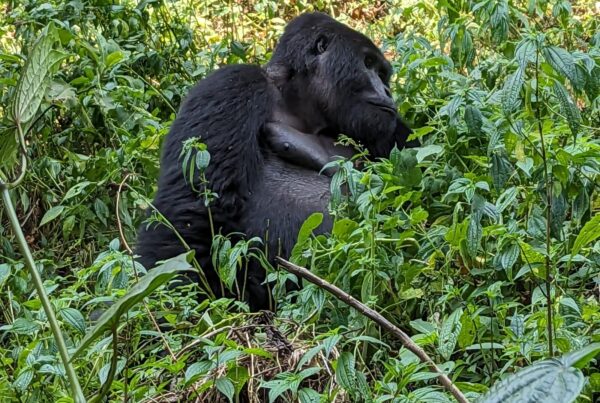
Mountain Gorilla Diet and Feeding Habits: What Gorillas Eat Mountain Gorilla Diet and Feeding Habits: What Gorillas Eat Mountain gorillas are primarily herbivores with a diet almost entirely composed of plant material. Mountain gorillas are primarily herbivores with a diet almost entirely composed of plant material. Unlike many other great apes that rely heavily on fruit, mountain gorillas have adapted to a largely folivorous (leaf-eating) diet, supplemented by stems, bark, roots, flowers, and occasionally small invertebrates. Understanding what mountain gorillas eat and how their feeding behaviour shapes their daily movements is fascinating context for any gorilla trekking visit — and during a trek, you will often encounter gorillas engaged in feeding, which reveals much about their relationship with the forest.
The Mountain Gorilla Diet: Core Foods
Studies of mountain gorillas in Bwindi Impenetrable National Park and the Virunga Massif have identified over 100 plant species in their diet. However, the bulk of their daily intake comes from a relatively small number of preferred plant families. The distinction between Bwindi and Virunga gorillas is notable — Bwindi’s more complex forest offers greater dietary diversity, while Virunga gorillas depend more heavily on specific vegetation types.
Leaves and Shoots
Leaves, shoots, and stems form the foundation of the mountain gorilla diet, making up approximately 60 to 80 percent of total food intake. Gorillas feed selectively on young, tender leaves that are higher in protein and lower in difficult-to-digest compounds than mature leaves. Wild celery (Peucedanum kerstenii and related species) is one of the most important food plants for Virunga gorillas. Galium vines, nettles (Laportea alatipes), and various species of Carex sedges are also consumed in large quantities. Gorillas use their lips and teeth to strip leaves from stems with remarkable precision, discarding any parts that are too fibrous or chemically defended.
Stems and Piths
The pithy interiors of bamboo and other plant stems provide a significant portion of the gorilla diet, particularly in the Virungas where bamboo (Arundinaria alpina) grows at elevations between 2,500 and 3,500 metres. During bamboo shoot season — typically a two to three month period each year — gorillas in the Virungas gorge on new bamboo shoots, which are exceptionally rich in nutrients. Researchers have observed gorillas travelling considerable distances to access bamboo zones during peak season, demonstrating the importance of this seasonal food resource to their annual nutritional cycle.
Roots and Bark
Roots and bark are consumed less frequently but provide important micronutrients and minerals. Gorillas use their powerful fingers to dig roots from the forest floor and may spend extended periods peeling bark from specific tree species. This bark-chewing behaviour is thought to supplement mineral intake, particularly sodium and calcium. The ability to digest tough fibrous material that most herbivores cannot process is an important adaptation that allows gorillas to exploit a wide range of plant resources.
Fruit
While mountain gorillas are less fruit-dependent than other great apes, fruit does feature in their diet when seasonally available. Bwindi gorillas consume fruit more regularly than their Virunga counterparts because Bwindi’s lower-altitude forest supports a greater diversity of fruiting trees. Studies have shown that Bwindi gorillas spend significantly more time in fruiting trees during peak fruit seasons and adjust their daily ranging patterns accordingly. In the Virungas, fruit is a minor dietary component but is consumed opportunistically when available. Figs are particularly valued when found.
Invertebrates and Other Animal Matter
Mountain gorillas occasionally consume ants, termites, and other small invertebrates. This behaviour is more common in some gorilla groups than others and is thought to provide important protein and mineral supplements to an otherwise plant-based diet. Gorillas have been observed ripping apart rotting logs and digging into termite mounds to access insects. The frequency of this behaviour varies seasonally and between individuals — some gorillas appear to actively seek out insects while others rarely engage in this behaviour.
Daily Feeding Time and Caloric Requirements
Mountain gorillas spend a substantial portion of each day feeding. Adults typically devote six to eight hours per day to finding and consuming food, interrupted by rest periods, social interactions, and travel. A large adult male silverback may consume 18 to 20 kilograms of vegetation per day to meet his caloric requirements. Adult females consume somewhat less, typically 12 to 15 kilograms daily. Infants and juveniles consume less but spend significant time learning food selection by observing and imitating adults. This high daily intake drives gorillas’ constant movement through their territory in search of productive feeding areas.
Home Range and Feeding Territory
Mountain gorilla groups move daily within home ranges that vary in size depending on food availability, group size, and habitat quality. Virunga gorilla groups typically have home ranges of four to 15 square kilometres. Bwindi groups in more complex forest tend to have larger, more variable ranges. Groups shift their ranging patterns seasonally following food availability — moving to higher elevations when lower zones become depleted, and returning to productive fruiting or bamboo areas at appropriate seasons. Understanding this movement ecology helps explain why some gorilla treks are long and strenuous while others require only a short walk — rangers track groups daily and know their approximate location, but the distance from the trailhead varies.
Feeding Behaviour You May Observe on a Trek
The hour spent with a gorilla group during a trek often provides excellent feeding observations. You may see a silverback methodically stripping leaves from a vine, pulling entire stems through his teeth to extract the softer inner portions. Female gorillas with infants may pause feeding to nurse or groom, while juveniles practice adult feeding behaviours on plants nearby. The sounds of feeding — rhythmic tearing, crunching, and the occasional satisfied vocalisations — are part of the sensory experience of a gorilla encounter. If the group is in a bamboo zone, you might witness the explosive energy with which gorillas attack bamboo shoots, often sitting down to methodically peel and consume a single shoot like a person eating corn on the cob.
Water Consumption
Mountain gorillas obtain most of their water from the vegetation they eat, which is particularly moist in the montane forest environment. Unlike many large mammals, gorillas are rarely observed drinking from streams or water sources directly. The high water content of their leafy diet provides sufficient hydration under normal conditions. During very dry periods or when consuming large quantities of dry fibrous material, gorillas may drink from hollows or other standing water sources. This dietary water sourcing is part of why gorillas are so closely tied to high-quality, moist forest habitat.
The Role of Diet in Gorilla Conservation
Mountain gorilla dietary requirements underpin much of their conservation challenge. Gorillas need large areas of intact, high-quality forest to sustain their feeding requirements throughout the year. Forest fragmentation reduces access to seasonal food resources and can force gorillas into agricultural land where they raid crops — creating dangerous human-wildlife conflict. Conservation strategies that protect and restore forest corridors, maintain habitat connectivity, and reduce human encroachment on forest edges are therefore directly linked to ensuring gorillas have adequate food resources year-round. When you trek to see mountain gorillas, the fees you pay directly fund habitat protection that keeps these extraordinary animals fed and secure.
Scientific Research on Gorilla Diet
Long-term research programs in both Bwindi and the Virungas have been essential for understanding mountain gorilla dietary ecology. The Dian Fossey Gorilla Fund and the Bwindi Gorilla Research Programme have conducted decades of behavioural and ecological research that has revealed the complexity of gorilla food selection, seasonal dietary shifts, and the relationship between diet, health, and population dynamics. This research informs conservation management decisions including which habitat areas require priority protection, how prescribed burns and invasive species management affect food plant availability, and how climate change may alter the seasonal timing of key food resources. Visiting trekkers are often unaware of the depth of scientific work that underpins the experiences they enjoy during their hour with a gorilla family.