Uganda Gorilla Trekking Bwindi Impenetrable Forest: The Complete Guide
Bwindi Impenetrable Forest is the heart of gorilla trekking in Uganda and one of the most important conservation areas in Africa. Dense, ancient, and biologically rich, it offers the most reliable and diverse opportunities to encounter mountain gorillas in the wild. For travelers researching gorilla trekking Bwindi Forest, this guide explains everything in detail—from how the park works to what you experience on the ground.
Bwindi is not just a destination. It is an ecosystem shaped over thousands of years, where steep ridges, thick vegetation, and mist-covered valleys create a setting that feels untouched. Trekking here is immersive, physical, and deeply rewarding.
Overview of Bwindi Impenetrable Forest
Bwindi Impenetrable National Park lies in southwestern Uganda, along the edge of the Albertine Rift. It is a UNESCO World Heritage Site known for its biodiversity and ecological importance.
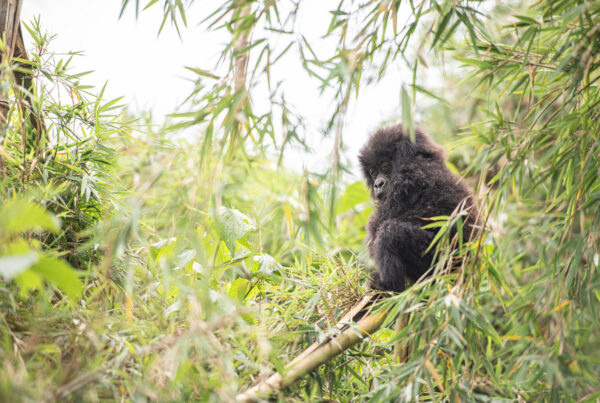
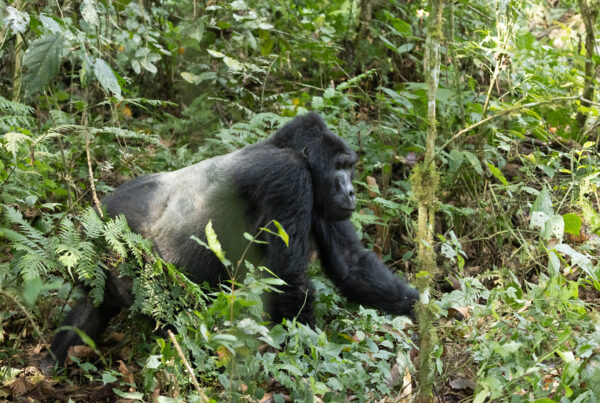
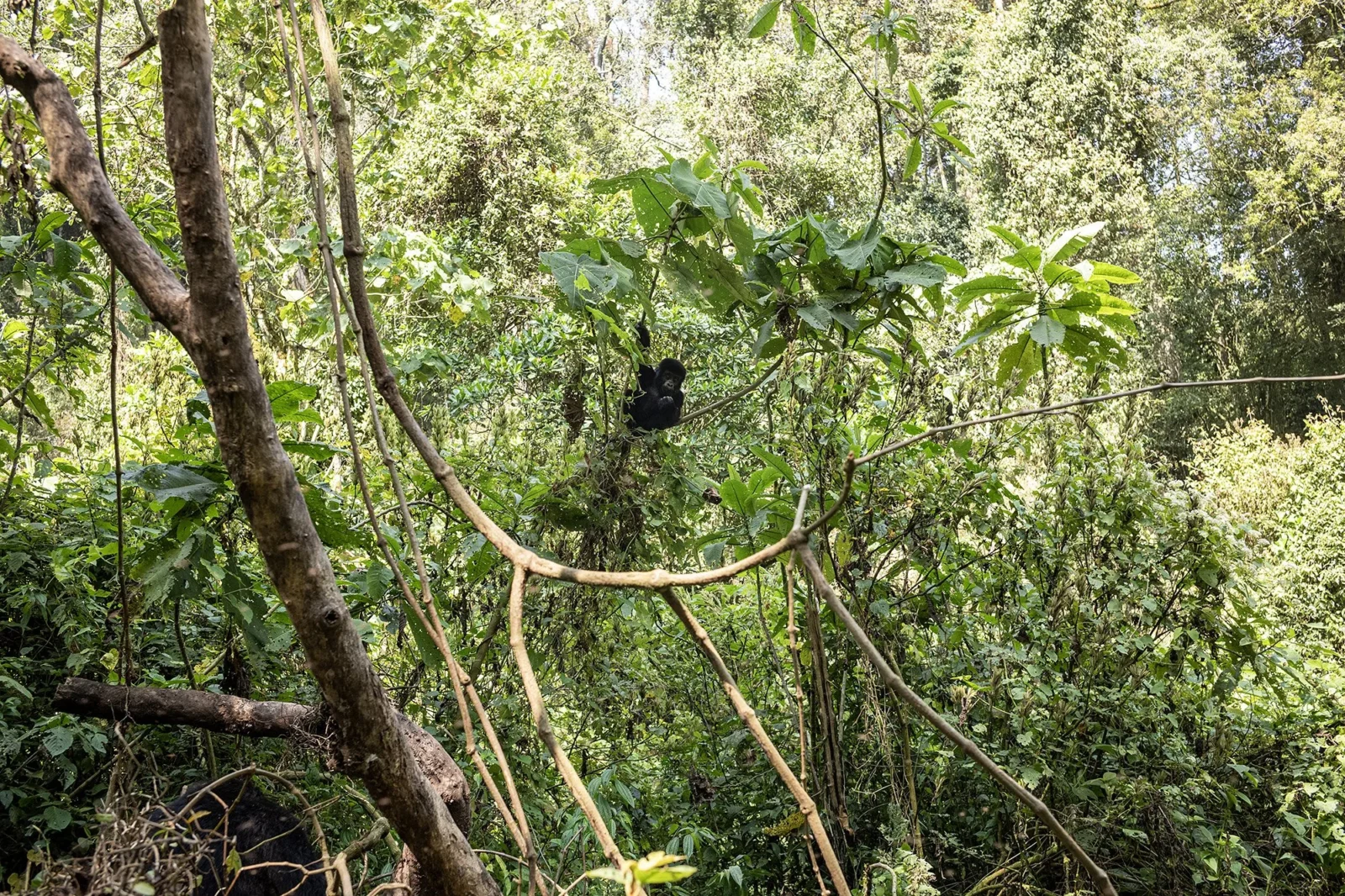
Understanding gorilla trekking Bwindi Forest begins with recognizing the nature of the forest itself. The terrain is rugged, with steep slopes and dense undergrowth. The forest is home to hundreds of bird species, primates, and plant life, but its most famous residents are the mountain gorillas.
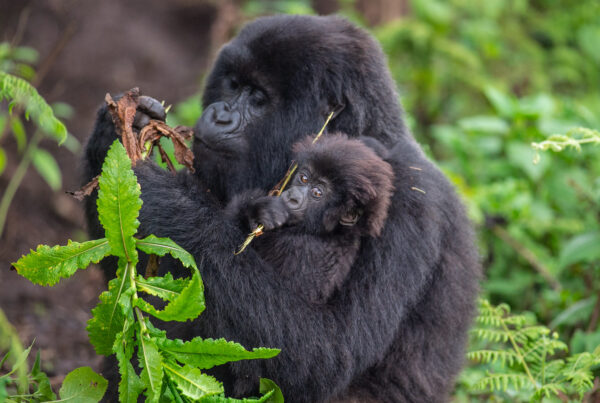
Bwindi hosts the largest number of habituated gorilla families in the world, making it the most popular and reliable location for trekking.
Why Bwindi Is the Best Place for Gorilla Trekking
There are several reasons why Bwindi stands out in discussions about gorilla trekking Bwindi Forest.
The park offers multiple trekking sectors, each with different terrain and access levels. This allows travelers to choose an experience that matches their comfort and fitness. The number of habituated gorilla families increases your chances of a successful trek, while the depth of the forest enhances the sense of immersion.
Bwindi also maintains a strong conservation system, ensuring that tourism supports both wildlife protection and local communities.
The Four Trekking Sectors of Bwindi
Bwindi is divided into four main sectors, each offering a distinct experience.
Buhoma Sector
Buhoma is the most established and accessible sector. It offers easier access and well-developed infrastructure, making it ideal for first-time trekkers. The terrain is moderate compared to other sectors, and accommodation options are plentiful.
Ruhija Sector
Ruhija sits at a higher altitude and offers a quieter experience. The environment is cooler, and the forest feels less crowded. It is also known for birdlife, adding another layer to the trekking experience.
Rushaga Sector
Rushaga hosts the highest number of gorilla families, which increases permit availability. It also offers the gorilla habituation experience, allowing extended time with gorillas. The terrain varies, making it suitable for different fitness levels.
Nkuringo Sector
Nkuringo is the most physically demanding sector. It features steep terrain and dramatic views, making it ideal for travelers seeking a more challenging and scenic trek.
Choosing the right sector is an important part of planning gorilla trekking Bwindi Forest.
Gorilla Trekking Permits for Bwindi
Permits are essential for trekking in Bwindi.
For 2026, the cost is:
USD 800 per person (Foreign Non-Residents)
Each permit includes park entry, ranger guidance, and one hour with a gorilla family. Availability is limited, and booking in advance is necessary.
When planning gorilla trekking Bwindi Forest, securing your permit is always the first step.
What Happens on Trekking Day
The trekking experience follows a structured process.
You begin early at the park headquarters with a briefing. Rangers explain safety rules, assign groups, and provide guidance on what to expect. Groups are small, ensuring a controlled and intimate experience.
Once the trek begins, you move through the forest with guides and trackers. The terrain varies, and the duration depends on the location of the gorillas.
When the gorillas are found, you spend one hour observing them in their natural habitat. This moment defines the entire experience.
How Difficult Is Trekking in Bwindi
The terrain in Bwindi is one of its defining features.
Understanding gorilla trekking Bwindi Forest includes preparing for uneven ground, steep slopes, and dense vegetation. The trek can be physically demanding, but it remains manageable for travelers with moderate fitness.
Guides adjust the pace, and porters are available to assist. Taking your time and moving steadily makes the experience achievable.
Best Time to Visit Bwindi
Bwindi can be visited throughout the year, but conditions vary.
Dry months offer easier trekking conditions, with firmer trails and better visibility. Wet months bring more challenging terrain but create a lush and vibrant forest environment.
Choosing when to visit depends on your comfort with weather and trail conditions. Each season offers a different perspective of gorilla trekking Bwindi Forest.
Accommodation Around Bwindi
Accommodation is spread across the four sectors, and choosing the right lodge depends on your permit location.
Options range from midrange lodges to luxury properties, many positioned on ridges overlooking the forest. Staying close to your trekking sector reduces travel time and simplifies logistics.
Comfort after the trek plays an important role in the overall experience.
Getting to Bwindi Impenetrable Forest
Access to Bwindi can be by road or air.
Driving from Kampala or Entebbe takes approximately 8–10 hours, offering scenic views of the countryside. Domestic flights provide a faster option, connecting to nearby airstrips.
Planning your transport carefully ensures a smooth arrival and allows you to focus on the experience.
Packing for Bwindi Gorilla Trekking
The forest environment requires specific preparation.
Strong hiking boots provide stability on uneven ground. Long clothing protects against vegetation, and rain gear prepares you for changing weather conditions. Carrying water and light snacks ensures comfort during the trek.
Packing correctly enhances your experience and reduces physical strain.
Conservation and Community Impact
Bwindi is a success story in conservation.
Revenue from permits supports anti-poaching efforts, habitat protection, and community development. Local communities benefit directly from tourism, creating a strong link between conservation and livelihoods.
Understanding gorilla trekking Bwindi Forest includes recognizing its role in protecting mountain gorillas for future generations.
Combining Bwindi with Other Experiences
Bwindi can be part of a broader safari.
Travelers often combine gorilla trekking with chimpanzee tracking, wildlife safaris, or cultural experiences. These additions create a more complete journey through Uganda’s diverse landscapes.
Planning Your Bwindi Gorilla Trekking Experience
Planning carefully ensures a smooth experience.
Start by securing your permit, then choose a trekking sector that matches your fitness level and preferences. Align your accommodation with your permit location and plan your transport in advance.
Preparation allows you to focus fully on the experience.
Book Your Bwindi Gorilla Trekking Safari
To experience gorilla trekking Bwindi Forest at its best, begin by selecting your travel dates and securing your permit early. Choose a trekking sector that aligns with your comfort and expectations, and select accommodation located close to your starting point.
Plan your transport carefully, allowing enough time to arrive without stress, and prepare for the physical nature of the trek with the right gear and mindset. With everything in place, you step into Bwindi not just as a visitor, but as part of an experience that defines wildlife travel at its deepest level.