

Where the soul of the forest whispers in the mist
The Middle East is a vast and diverse region, spanning parts of Western Asia and North Africa, renowned for its extraordinary combination of ancient civilizations, religious heritage, and rapidly developing modern cities. Its landscapes are equally varied, encompassing arid deserts like the Rub’ al Khali, rugged mountain ranges such as the Zagros and Taurus Mountains, fertile river valleys along the Tigris, Euphrates, and Nile, and scenic coastal plains along the Mediterranean, Red Sea, and Persian Gulf.
This region is steeped in history, hosting some of the world’s most iconic cultural and historical landmarks. Visitors can marvel at the Pyramids of Giza in Egypt, explore the ancient rock-cut city of Petra in Jordan, and experience the spiritual significance of Mecca and Medina in Saudi Arabia. At the same time, modern achievements like the Burj Khalifa in Dubai showcase the Middle East’s rapid urban development and architectural innovation.
The Middle East’s importance extends far beyond its geography and historical landmarks; for millennia, it has served as a hub of trade, innovation, science, religion, and culture. Ancient trade networks, including the Silk Road and the historic spice routes, connected Africa, Europe, and Asia, facilitating not only the exchange of goods like gold, spices, and textiles but also the flow of ideas, philosophies, and scientific knowledge. This rich legacy continues to shape the region today, which attracts millions of travelers eager to experience its vibrant cultural tapestry, adventurous landscapes, and modern luxuries. Visitors can wander through bustling souks and colorful bazaars, explore centuries-old mosques and palaces, or marvel at futuristic cityscapes and architectural marvels like the Burj Khalifa and innovative urban developments in Abu Dhabi and Doha. The Middle East thus offers a seamless blend of old-world charm, spiritual depth, and contemporary sophistication, making it a destination that appeals equally to history enthusiasts, adventure seekers, and luxury travelers.
So lace up your boots, grab your camera, and prepare to meet the wild — this is where your gorilla trekking dreams and unforgettable safari adventures truly begin.

Truly Iconic Highlights in Uganda

Trek through Bwindi’s mystical rainforest and meet the endangered mountain gorillas in their breathtaking natural home.
Encounter mountain gorillas and golden monkeys on Mgahinga’s misty volcanic trails, where culture and alpine wildlife thrive together.
Unwind after your trek with a peaceful canoe ride across Lake Bunyonyi, Uganda’s most tranquil and scenic highland lake.
Enhance your gorilla trekking safari with an optional chimpanzee encounter in Uganda’s lush forests, adding depth and diversity to your primate adventure
Gorilla Trekking Tours in Uganda – Our Most Popular Itineraries.
Explore our gorilla trekking safaris for every traveler—solo, family, budget, or luxury. All tours include permits, transport, accommodation, meals, and park fees. Whether for a quick trip or a deeper adventure, we’ve got you covered.
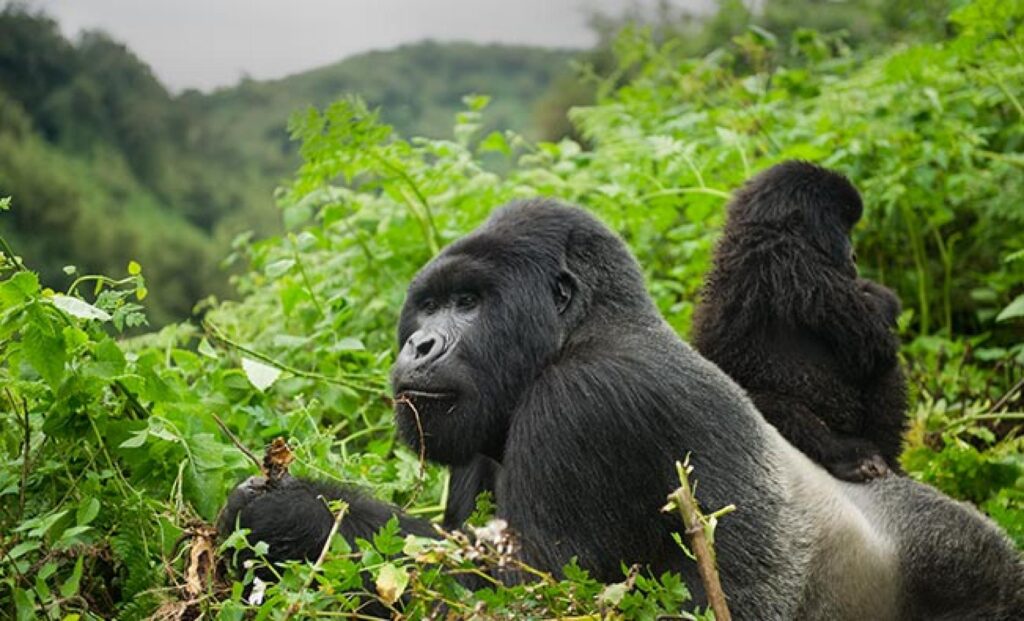
3-Day Bwindi Gorilla Trekking Safari
3-Day Bwindi Gorilla Trekking Safari
4-Day Uganda Gorilla Trekking Safari
4-Day Uganda Gorilla Trekking Safari
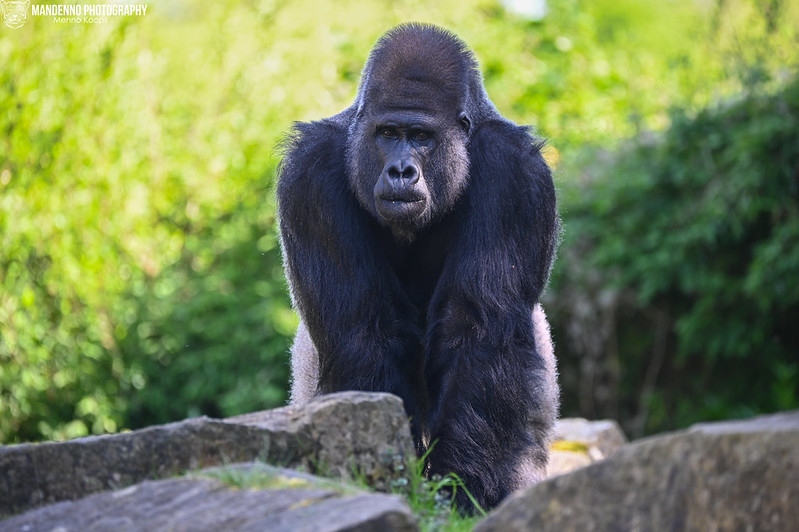
5-Day Gorilla Tracking and Wildlife Safari
5-Day Gorilla Tracking and Wildlife Safari

7-Day Uganda Primate Adventure & Wildlife Safari
7-Day Uganda Primate Adventure & Wildlife Safari
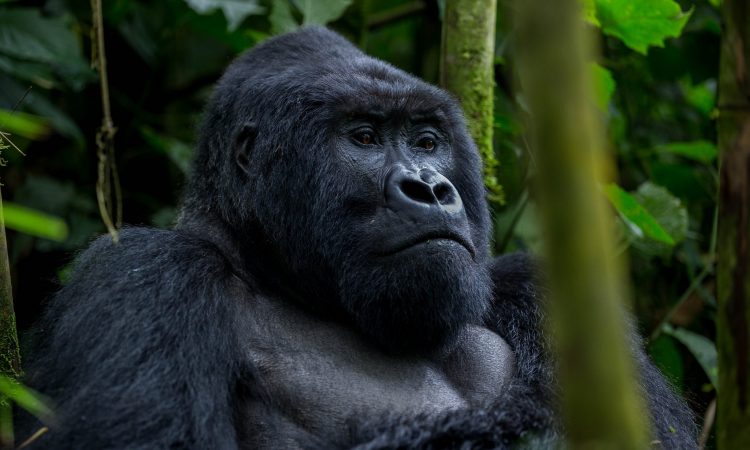
10-Day Gorilla Trekking & Big Five Safari in Uganda
10-Day Gorilla Trekking & Big Five Safari in Uganda
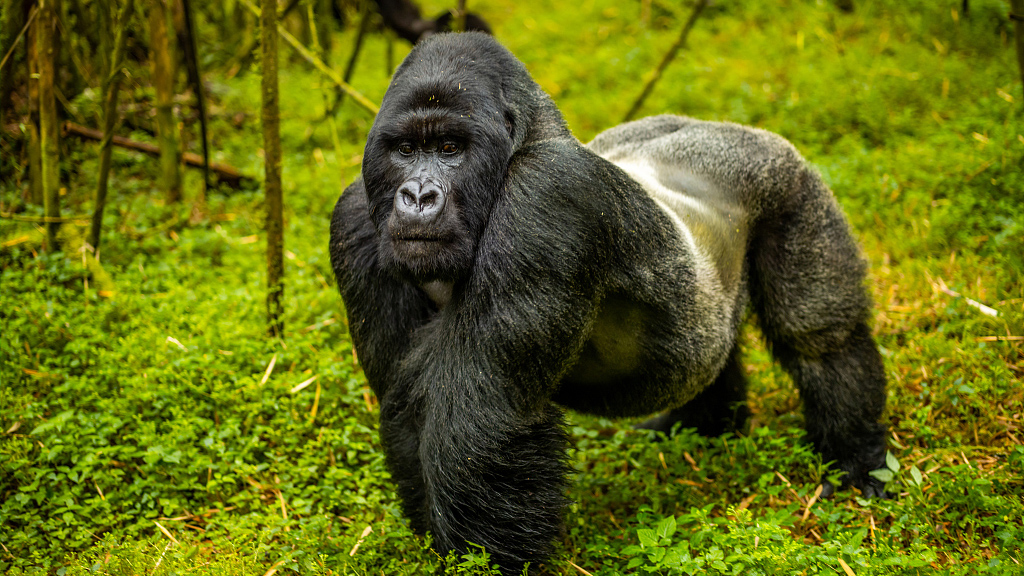
12-Day Uganda Gorilla Trekking, Chimp Tracking & Cultural Safari
12-Day Uganda Gorilla Trekking, Chimp Tracking & Cultural Safari
14-Day Best of Uganda Safari – Gorillas, Wildlife, Cultures
14-Day Best of Uganda Safari – Gorillas, Wildlife, Cultures
Exploring the Middle East – Culture, History, and Travel Destinations
Geography and Physical Landscape
The Middle East is a vast and diverse region that spans parts of western Asia and northeastern Africa, encompassing countries such as Saudi Arabia, the United Arab Emirates, Jordan, Israel, Egypt, Lebanon, Qatar, Oman, and Iraq, among others. Its geography is strikingly varied, from expansive deserts like the Rub’ al Khali, known as the Empty Quarter, which stretches across southern Saudi Arabia, to the rugged mountains of the Zagros in Iran and the Taurus ranges in Turkey. These natural features have long influenced patterns of settlement, trade routes, and the development of civilizations over millennia.
The region is also shaped by vital river systems, including the Nile, Tigris, and Euphrates, which have historically supported agricultural societies and enabled urban centers to flourish in otherwise arid landscapes. Fertile valleys along these rivers allowed the emergence of some of the world’s earliest civilizations, making the Middle East a cradle of human history. Additionally, the Middle East boasts extensive coastlines along the Mediterranean Sea, Red Sea, Persian Gulf, and Arabian Sea, providing strategic access for maritime trade and cultural exchange. These coastlines, coupled with the inland deserts and mountains, create a region of extreme contrasts where arid plains meet lush riverbanks, and bustling ports contrast with isolated oases.
Culture, Heritage, and Society
Cultural life in the Middle East is deeply rooted in history, religion, and tradition. The region is the birthplace of the world’s three major monotheistic religions—Judaism, Christianity, and Islam—making it a central hub for spiritual pilgrimage and religious scholarship. Cities such as Jerusalem, Mecca, and Medina are not only spiritual landmarks but also cultural melting pots where ancient traditions coexist with modern developments.
Art, architecture, music, and cuisine form essential expressions of Middle Eastern culture. Calligraphy and intricate geometric designs can be seen in mosques, palaces, and public spaces, while traditional music and dance continue to thrive alongside contemporary arts. Culinary traditions reflect centuries of trade and cultural exchange, blending spices, grains, and flavors unique to each country, yet sharing a common heritage across the region. Historical preservation efforts, archaeological sites, and living traditions ensure that visitors can experience a tangible connection to thousands of years of human history, whether through exploring ancient ruins in Petra, walking through Cairo’s historic quarters, or witnessing local festivals in Lebanon and Oman.
Tourism and Travel Experiences
Tourism in the Middle East offers a remarkable spectrum of experiences that merge natural beauty, adventure, and cultural richness. Desert landscapes provide opportunities for immersive excursions, such as camel treks across sand dunes, overnight camping under starlit skies, and off-road adventures through remote regions. Meanwhile, ancient cities and archaeological sites reveal the region’s deep historical roots, from the Nabatean city of Petra to the Egyptian pyramids and Mesopotamian ruins along the Tigris and Euphrates.
Modern urban centers like Dubai, Abu Dhabi, Doha, and Riyadh showcase the region’s rapid transformation into global hubs of commerce, luxury, and innovation. Travelers can enjoy towering skyscrapers, world-class hotels, luxury shopping, and cutting-edge cultural centers, all while staying connected to the region’s heritage. Religious tourism also draws millions of visitors annually, with pilgrimages to Mecca and Medina, spiritual tours in Jerusalem, and explorations of Mount Sinai, each providing profound historical and cultural insight. For adventure and eco-travel enthusiasts, the Middle East offers activities such as hiking in the mountains of Oman, scuba diving in the Red Sea, and birdwatching in the wetlands of Israel and the UAE.
Economy and Global Significance
The Middle East holds a pivotal position in global economics, energy, and geopolitics. Oil and natural gas reserves have long driven economic growth and international influence, positioning countries like Saudi Arabia, UAE, and Qatar as key players in global energy markets. Major ports, free trade zones, and financial hubs such as Dubai and Abu Dhabi have transformed the region into a center for global business, investment, and tourism.
Beyond energy, governments are increasingly focusing on economic diversification through tourism, technology, agriculture, and sustainable development initiatives. Investments in infrastructure, education, and international business have elevated the region’s global importance, making it a dynamic intersection of tradition, modernity, and innovation. Agriculture, though limited by arid conditions in many areas, thrives along fertile river valleys, while emerging tech hubs in the Gulf attract international talent and innovation, creating a multi-dimensional economic landscape that balances natural resources, human capital, and global connectivity.
More Gorilla Trekking Information to Know.
Gorilla trekking goes far beyond just the hike — it’s a deep, emotional journey into the heart of Africa’s last wild rainforests. Knowing the right timing, permits, fitness tips, and park details can turn your experience from good to unforgettable.
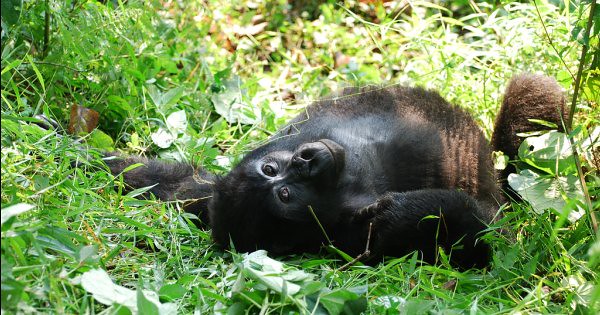
Gorilla Trekking in Bwindi Impenetrable Forest
Gorilla Trekking in Bwindi Impenetrable Forest
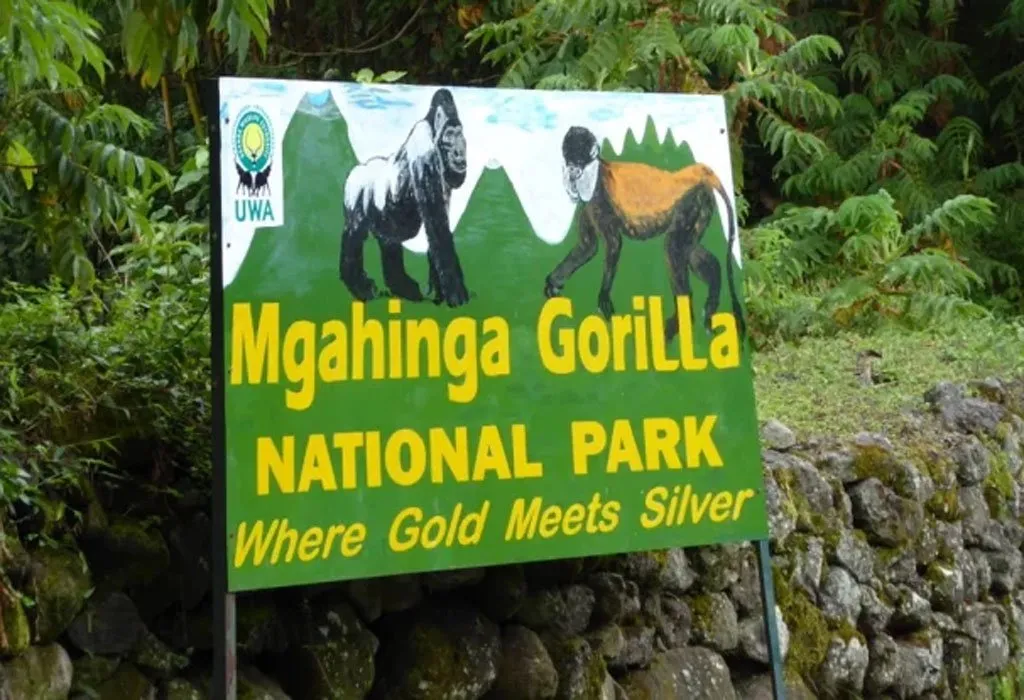
Trekking Gorillas in Mgahinga National Park
Trekking Gorillas in Mgahinga National Park
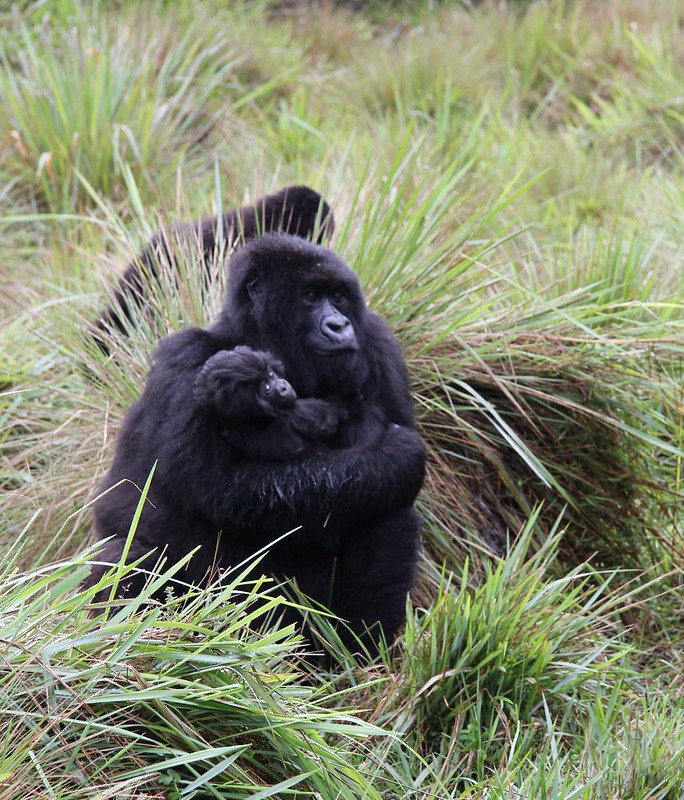
Uganda Gorilla Trekking Permits – Prices, Booking, & Travel Tips
Uganda Gorilla Trekking Permits – Prices, Booking, & Travel Tips

What to Pack for Gorilla Trekking in Uganda – Expert Checklist
What to Pack for Gorilla Trekking in Uganda – Expert Checklist
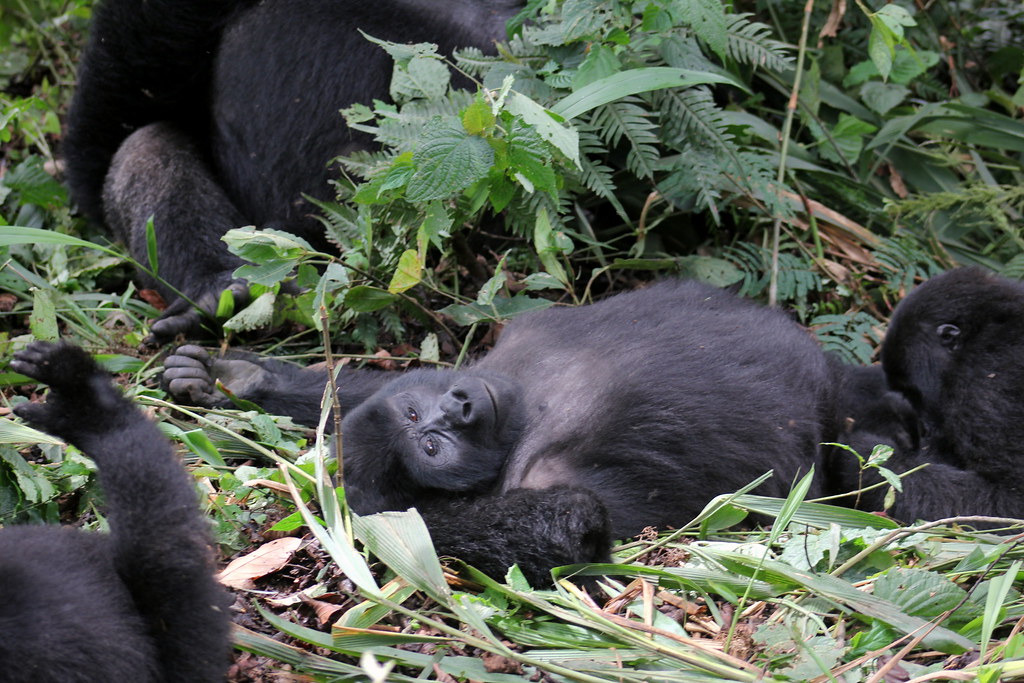
Best Time to Go Gorilla Trekking in Uganda – Weather & Seasons
Best Time to Go Gorilla Trekking in Uganda – Weather & Seasons
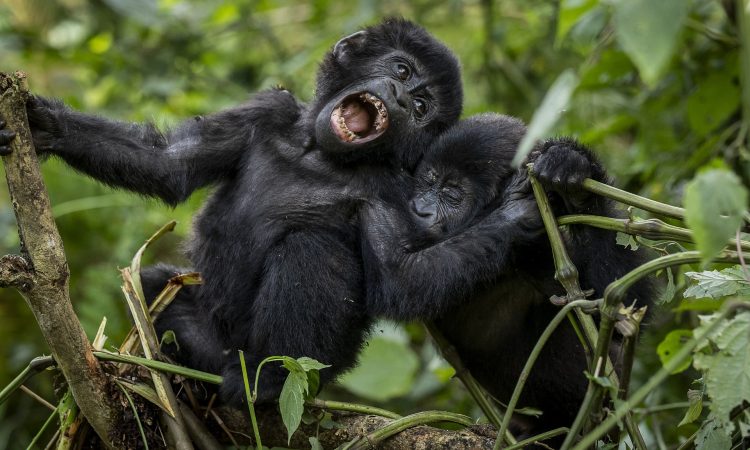
Gorilla Trekking Difficulty in Uganda – Fitness & Trail Guide
Gorilla Trekking Difficulty in Uganda – Fitness & Trail Guide
Gorilla Trekking Rules in Uganda – Safety, Respect & Ethics
Gorilla Trekking Rules in Uganda – Safety, Respect & Ethics
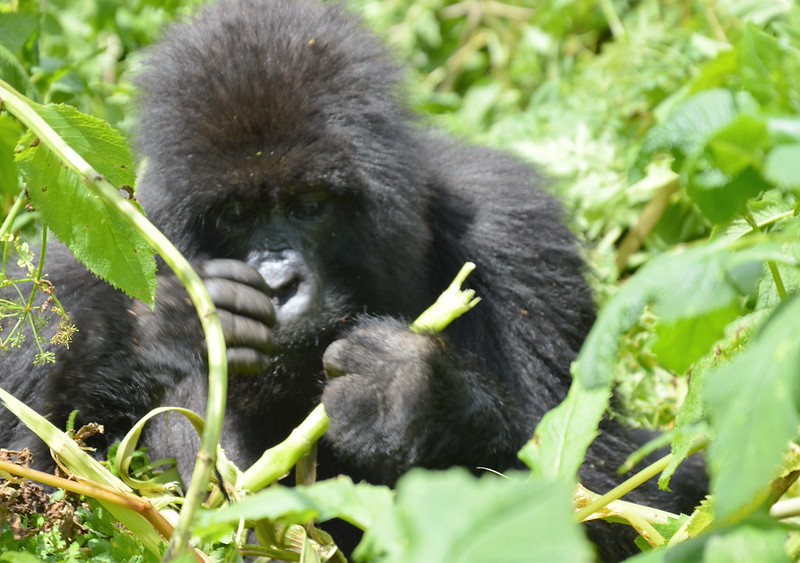
Gorilla Conservation in Uganda – Protecting the Mountain Giants
Gorilla Conservation in Uganda – Protecting the Mountain Giants
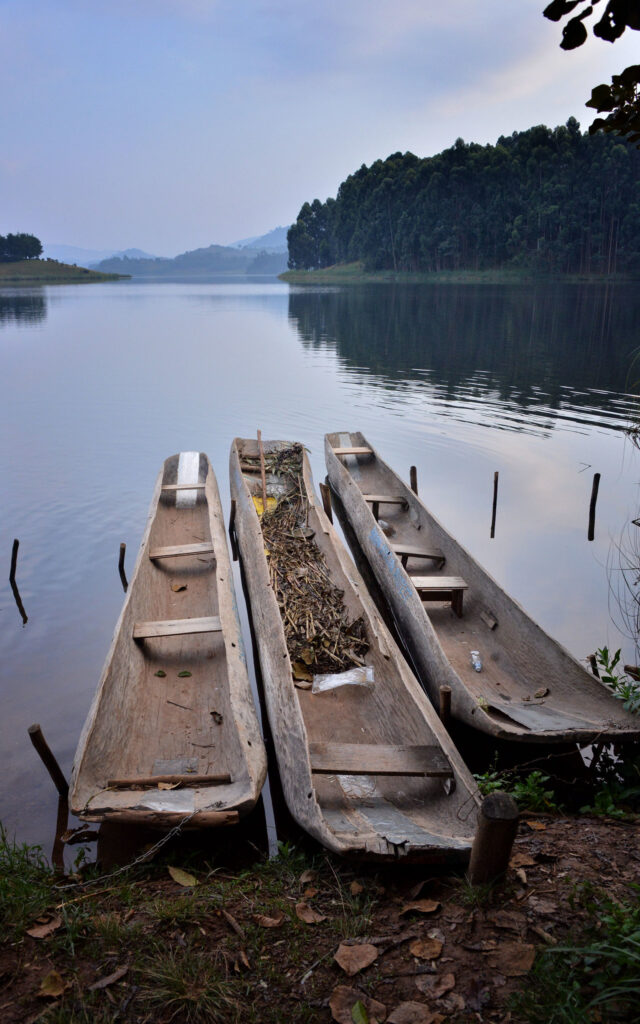
Bwindi vs. Mgahinga – Which One to Choose For Gorilla Trekking?
Bwindi vs. Mgahinga – Which One to Choose For Gorilla Trekking?
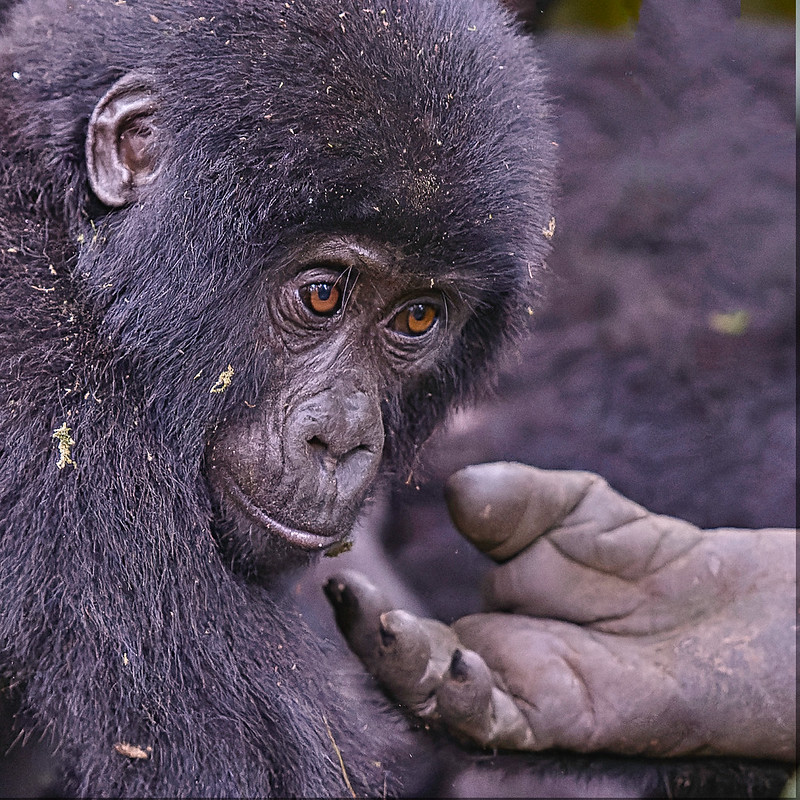
How to Stay Safe and Healthy While Traveling in Uganda
How to Stay Safe and Healthy While Traveling in Uganda
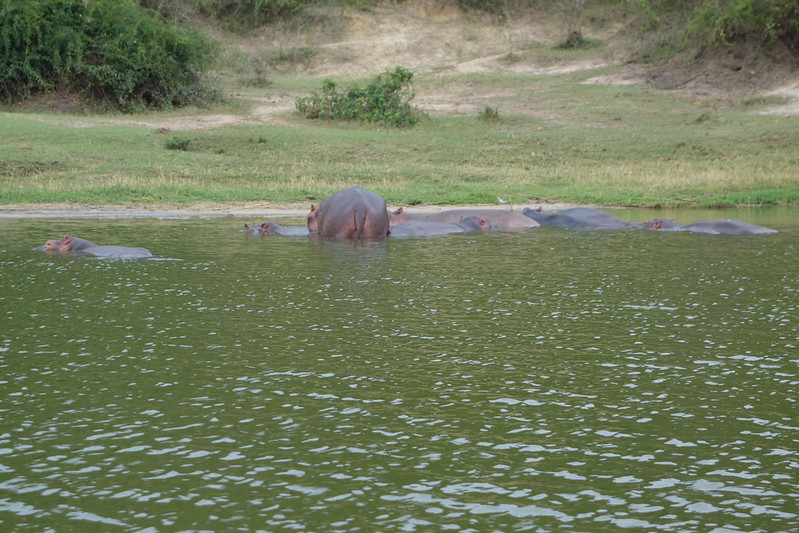
Routes, Tips & Travel Wisdom for Getting to Bwindi or Mgahinga
Routes, Tips & Travel Wisdom for Getting to Bwindi or Mgahinga
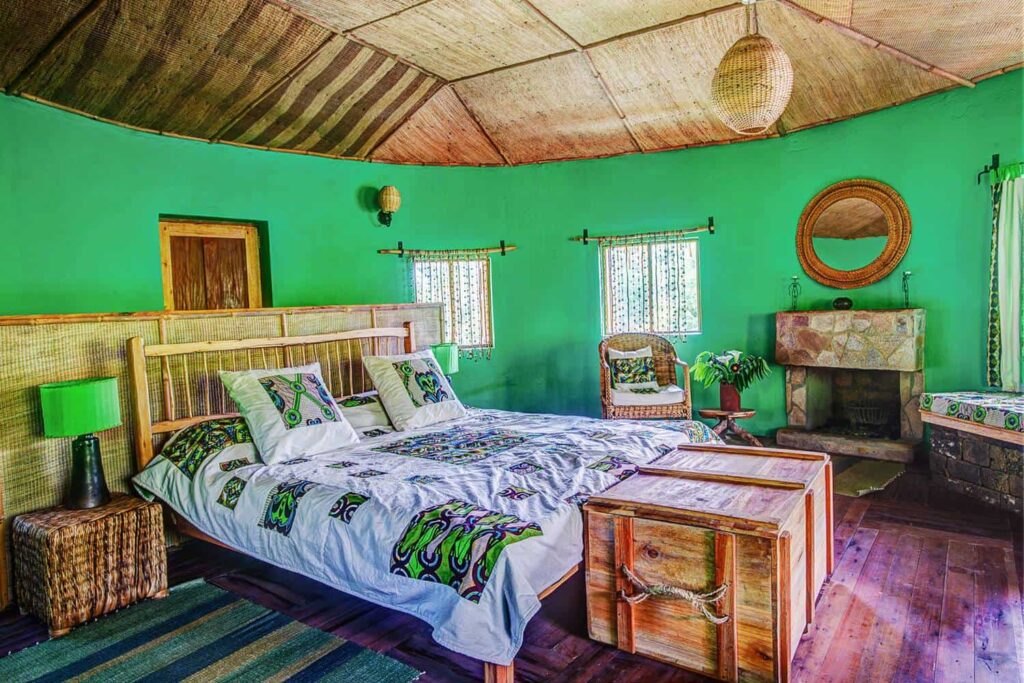
Accommodation Options: Lodges & Camps in Bwindi and Mgahinga
Accommodation Options: Lodges & Camps in Bwindi and Mgahinga
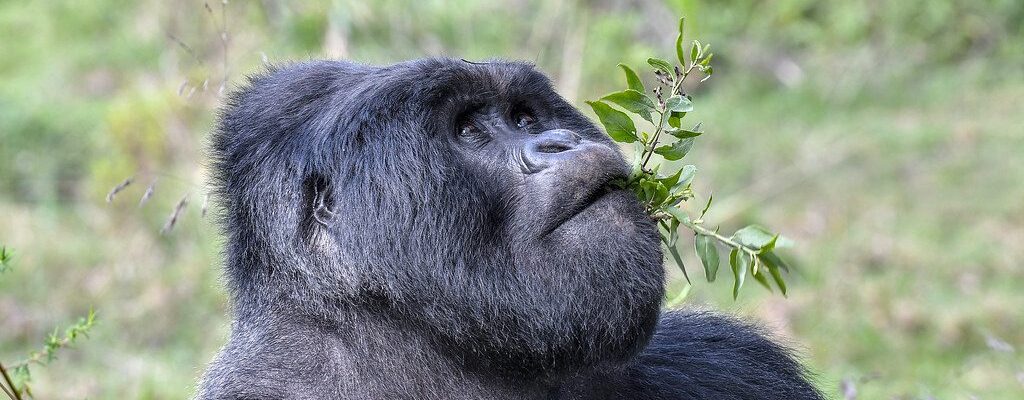
Protecting What You Came to See: Gorilla Conservation & Ethics
Protecting What You Came to See: Gorilla Conservation & Ethics
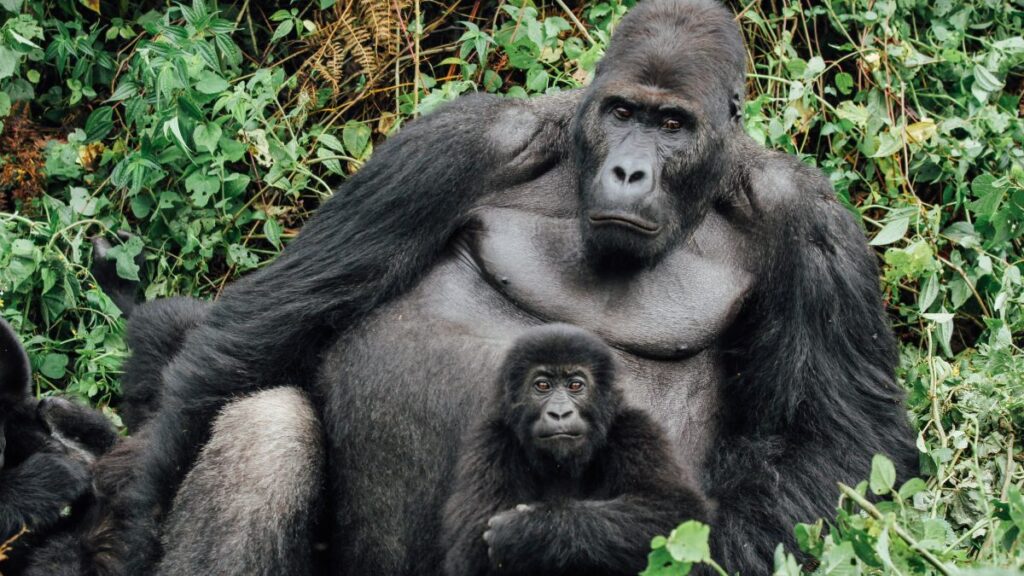
Travel Insurance for Gorilla Treks: Before You Go
Travel Insurance for Gorilla Treks: Before You Go
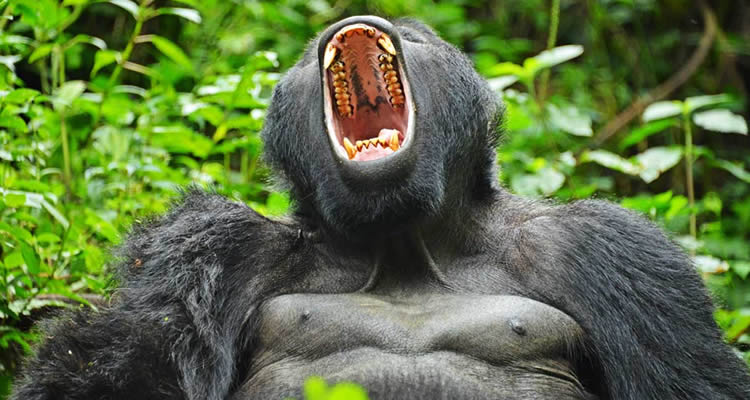
First Time Gorilla Trekking? Here’s Everything I Wish I Knew
First Time Gorilla Trekking? Here’s Everything I Wish I Knew
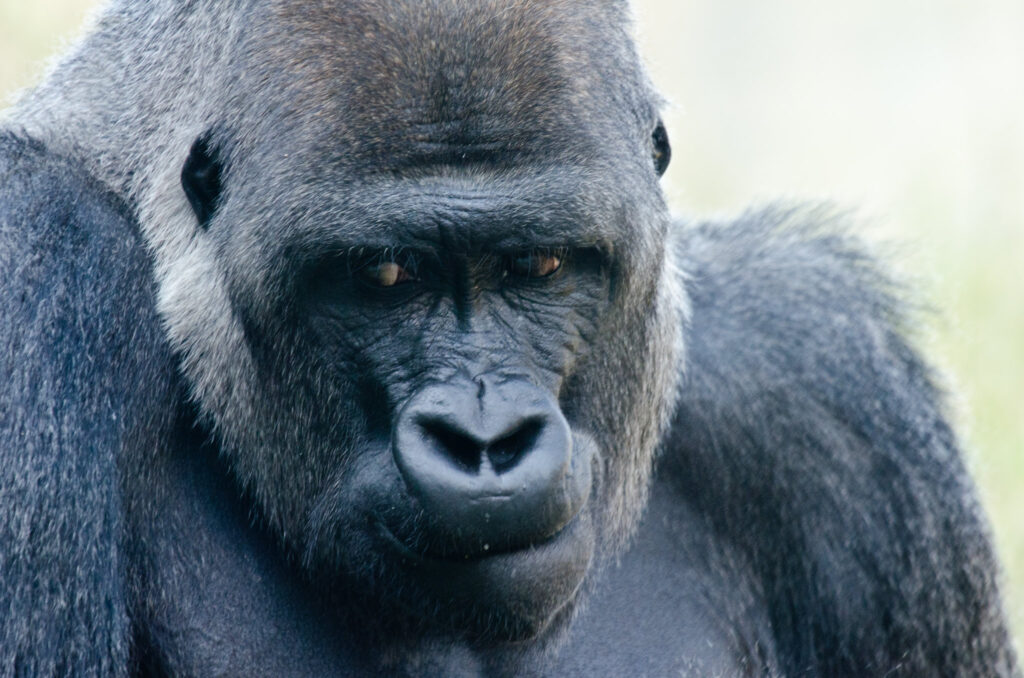
Step by Step: What Happens During a Gorilla Trekking Day
Step by Step: What Happens During a Gorilla Trekking Day
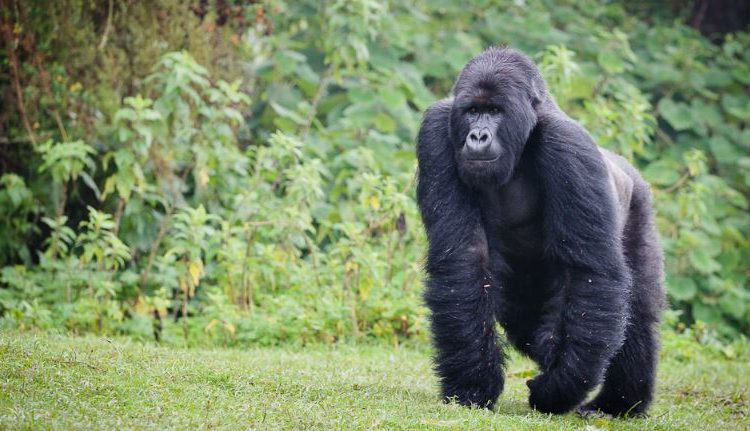
Gorilla Trekking vs. Gorilla Tracking – What’s the Real Difference?
Gorilla Trekking vs. Gorilla Tracking – What’s the Real Difference?
Beyond Gorillas: Other Wildlife You Can See During Your Trek
Beyond Gorillas: Other Wildlife You Can See During Your Trek
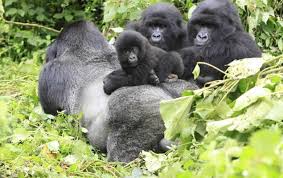
In the Realm of Giants – Bwindi & Mgahinga in Frames.
Wander through an elegant gallery capturing Uganda’s most exclusive gorilla sanctuaries, where ancient forests cradle the last mountain gorillas in a world of mist, mystery, and majesty.
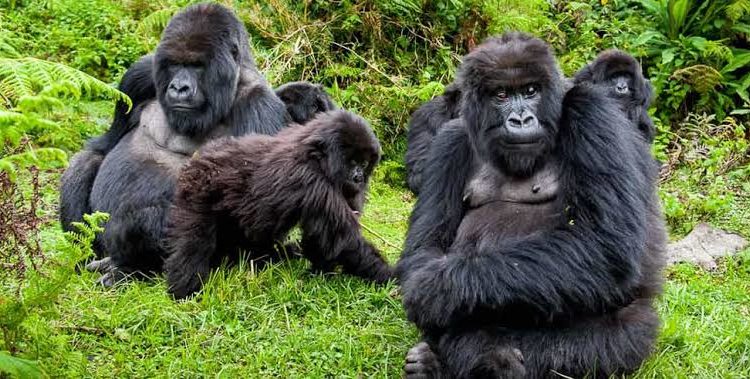

Essential Planning Tips for Visiting Uganda’s National Parks.
Get ready for the wild heart of Africa with expert travel tips on when to visit, what to pack, where to go, and how to make the most of your safari across Uganda’s breathtaking national parks.
Why Uganda for Gorilla Trekking?
Uganda is not just a destination — it's the very soul of gorilla trekking. With over half of the world’s remaining mountain gorillas calling its misty forests home, Uganda offers the rarest encounters in their most authentic setting. Here, your journey is not rushed or crowded. Instead, you’re guided by experienced rangers through pristine jungles where gorillas live as they always have — wild, free, and magnificent
From insider travel insights to unforgettable trekking guides, our blog is your trusted path into Uganda’s wild heart — connecting you with mountain gorillas, breathtaking landscapes, and the soul-stirring adventures that make this land unlike any other.