Updated
gorilla trekking cancer survivors is one of Africa’s most extraordinary wildlife experiences, connecting travellers with mountain gorillas in their natural forest habitat. Cancer survivors who are considering gorilla trekking face a specific set of questions that general travel health advice does not address: whether their treatment has left them with reduced immunity that increases infection risk, whether the physical demands of the trek are appropriate for their current fitness level, whether any ongoing medications interact with the antimalarials or other drugs appropriate for Uganda travel, and whether the emotional significance of a trip they may have deferred during treatment creates specific psychological dimensions worth acknowledging. The answers to these questions are consistently more optimistic than most cancer survivors initially expect.
Gorilla trekking after cancer treatment: what survivors need to know
Immunity and infection risk after chemotherapy
Chemotherapy-induced immunosuppression is most severe during and immediately after treatment, with white blood cell counts typically recovering toward normal levels within two to six months of completing chemotherapy. Oncologists generally recommend delaying non-essential travel to destinations with significant infection risk until blood counts have normalised — typically confirmed by a full blood count showing neutrophil levels above 1.5 x10⁹/L and absolute neutrophil counts within the normal reference range.
A cancer survivor who has completed chemotherapy more than six months ago and whose blood counts have normalised is not in an immunocompromised state that changes the infection risk calculus of Uganda travel significantly relative to an immunocompetent traveller of the same age and fitness level. The infections most relevant to Uganda travel — malaria, traveller’s diarrhoea, respiratory infections — are managed through the same prophylaxis and precaution strategies that apply to any visitor, and the risks are not elevated in recovered survivors with normal immune function.
Some survivors receive ongoing hormonal or targeted therapy that may have immunological effects — these should be assessed individually with the prescribing oncologist and a travel health physician together, since the specific drug and its dosing schedule determine whether any modification to standard travel precautions is needed. The gorilla-specific infection risk — respiratory virus transmission to habituated gorillas — does not create additional risk to the visitor; it is a risk to the gorillas, managed through the cough mask requirement that applies to all visitors regardless of health status.
Physical fitness after treatment
Cancer treatment frequently leaves survivors with reduced fitness: the combination of treatment-related fatigue, muscle loss, cardiovascular deconditioning, and the sedentary periods required during treatment can reduce functional capacity substantially below pre-illness baseline. Gorilla trekking is physically demanding, and the gap between current fitness and trek requirement may need to be bridged by deliberate preparation over months rather than weeks.
The good news is that cancer survivors typically respond well to structured exercise rehabilitation, and the fitness improvements achievable in 12–16 weeks of progressive aerobic and strength training are substantial. Survivors who start preparation early — ideally within the first months after completing treatment — have time to build toward the trek requirements even from a significantly reduced starting point. Exercise oncologists and physiotherapists specialising in cancer rehabilitation can provide structured programmes appropriate for post-treatment fitness building that are more specific and safer than generic training advice.
Peripheral neuropathy — a common treatment side effect involving reduced sensation and coordination in the feet and hands — deserves specific attention in the context of trekking on uneven terrain. Reduced foot sensation increases the risk of ankle injuries from unseen obstacles and reduces the proprioceptive feedback that normally contributes to balance on steep slopes. Well-fitted, ankle-supporting boots, trekking poles for balance, and honest assessment of neuropathy severity with a physiotherapist before committing to the trek are appropriate precautions.
The emotional and psychological dimensions
Many cancer survivors describe gorilla trekking as a trip they planned, deferred, or dreamed about during treatment — a deferred reward that represents a return to full living after the illness period. This emotional weight can make the experience particularly profound and can also create anxiety about its success: the fear that illness might intervene again, that fitness might not be adequate, that the once-deferred experience might again be taken away.
Acknowledging this emotional context rather than treating it as irrelevant to trip planning allows better preparation. Travel medical insurance that specifically covers pre-existing conditions (cancer history) and provides adequate cancellation coverage for illness-related trip interruption is more important for a survivor than for a healthy traveller. Building flexibility into the itinerary — not scheduling the gorilla trek as the first day of the trip, allowing acclimatisation time before the physical challenge — reduces the consequences of any adjustment needed on arrival.
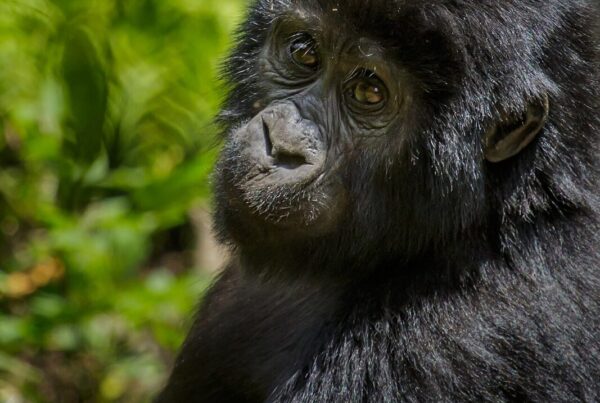
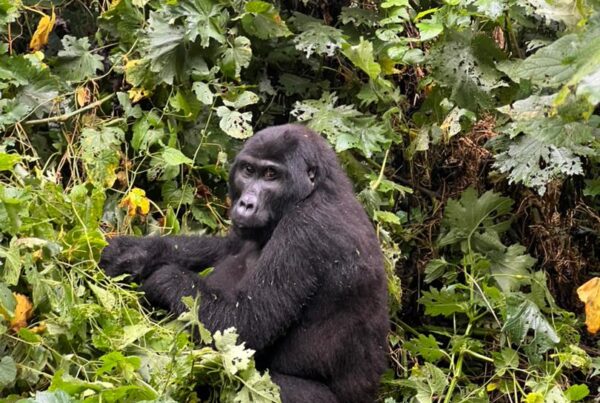
The encounter with mountain gorillas carries a specific resonance for many cancer survivors: the confrontation with an endangered species that has recovered against the odds, that persists by virtue of the committed care of people who refused to abandon it, that goes about its life with complete unselfconsciousness about its vulnerability — this combination of themes resonates with the psychological experience of cancer survivorship in ways that are difficult to predict in advance but are reported by survivors who have made the trip with remarkable consistency. The encounter means something particular to them that it may not mean to other visitors, and that specificity of meaning is worth holding lightly rather than forcing into analysis.
- Uganda Travel Tips for First-Time Visitors: What You Need to Know Before You Go
- Can You Visit Ngogo Chimps? What Travelers Need to Know
- Gorilla Trekking for Seniors: What You Really Need to Know
- Gorilla Trekking With Asthma or Breathing Conditions: What You Need to Know
- Gorilla Permit Price 2026: Official Uganda Cost and Everything You Need to Know
- Uganda Ebola 2026: What Every Safari Traveller Needs to Know Before Cancelling
- Everything You Need to Know About Gorilla Trekking Uganda in One Page
- Gorilla Trekking Uganda for Doctors and Nurses: What Medical Professionals Need to Know
- Gorilla Trekking Uganda for Charity Workers and NGO Staff: What You Need to Know
- Malaria prevention in Uganda: what every gorilla trekking traveller needs to know