

Where the soul of the forest whispers in the mist
The best time to visit Rwanda for gorilla trekking is determined less by a single ideal month and more by factors such as weather patterns, forest conditions, photography goals, and personal comfort. Mountain gorillas in Volcanoes National Park are active throughout the year, so trekking is possible at any time. Yet seasonal changes have a profound impact on the trekking experience, influencing trail conditions, visibility in the dense forest, and the overall atmosphere of the encounter.
During the dry seasons, trails tend to be firmer, mud is reduced, and access is easier, making for a smoother hike and clearer photography opportunities. In contrast, the wet seasons bring lush greenery and vibrant forest life, but also slippery paths, thicker undergrowth, and more physically demanding treks.
Rwanda’s climate is characterized by alternating dry and rainy seasons, each of which shapes the gorilla trekking experience in distinct ways. During the dry months, trails are firmer, muddy sections are limited, and hiking conditions are generally easier, which tends to attract larger numbers of visitors. These months are ideal for travelers seeking smoother treks, clearer visibility, and more predictable conditions.
The rainy seasons, on the other hand, transform the forests into a lush, vibrant world of greenery, mist, and cascading waterfalls. Trails become more challenging, but the reward is a quieter, more intimate encounter with the gorillas and the surrounding ecosystem, along with dramatic photographic opportunities that capture the forest at its most alive.
So lace up your boots, grab your camera, and prepare to meet the wild — this is where your gorilla trekking dreams and unforgettable safari adventures truly begin.
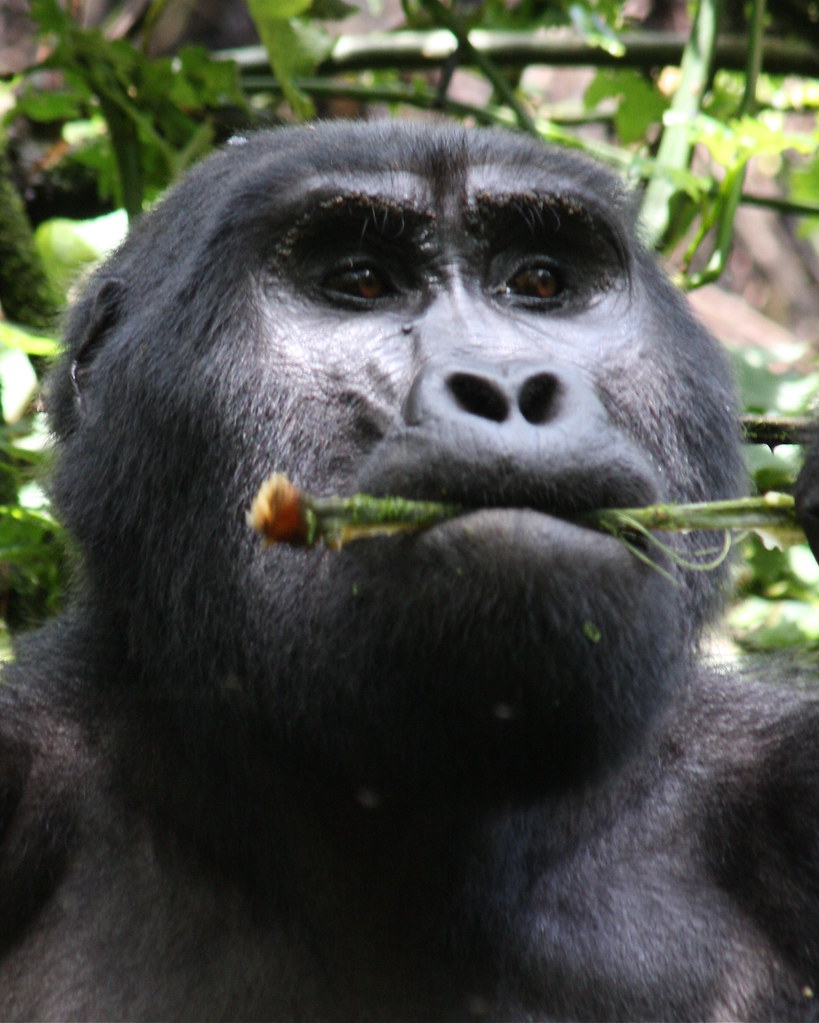
Truly Iconic Highlights in Uganda

Trek through Bwindi’s mystical rainforest and meet the endangered mountain gorillas in their breathtaking natural home.
Encounter mountain gorillas and golden monkeys on Mgahinga’s misty volcanic trails, where culture and alpine wildlife thrive together.
Unwind after your trek with a peaceful canoe ride across Lake Bunyonyi, Uganda’s most tranquil and scenic highland lake.
Enhance your gorilla trekking safari with an optional chimpanzee encounter in Uganda’s lush forests, adding depth and diversity to your primate adventure
Gorilla Trekking Tours in Uganda – Our Most Popular Itineraries.
Explore our gorilla trekking safaris for every traveler—solo, family, budget, or luxury. All tours include permits, transport, accommodation, meals, and park fees. Whether for a quick trip or a deeper adventure, we’ve got you covered.
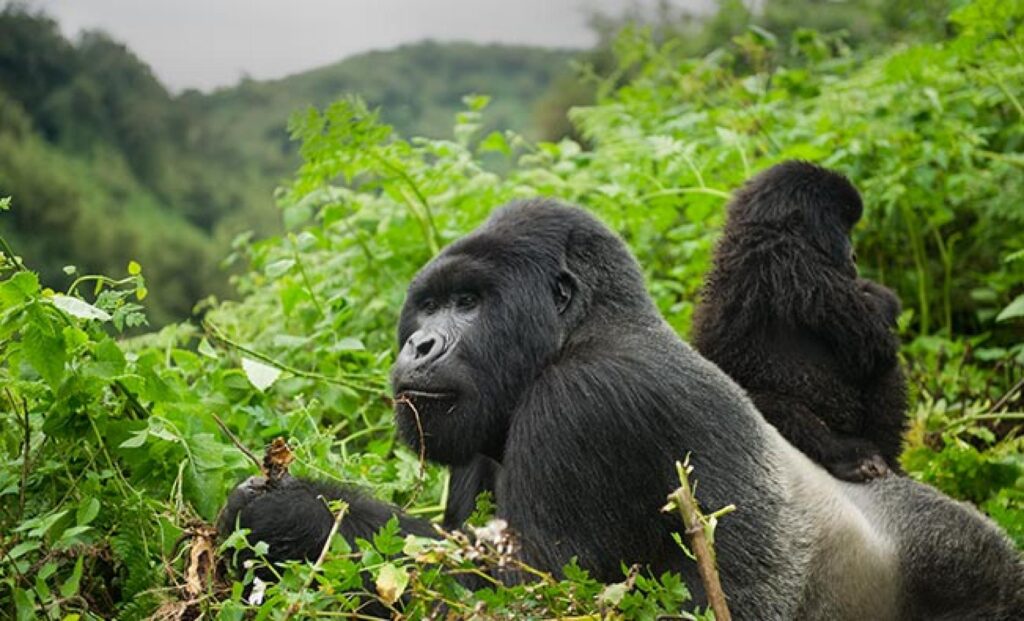
3-Day Bwindi Gorilla Trekking Safari
3-Day Bwindi Gorilla Trekking Safari
4-Day Uganda Gorilla Trekking Safari
4-Day Uganda Gorilla Trekking Safari
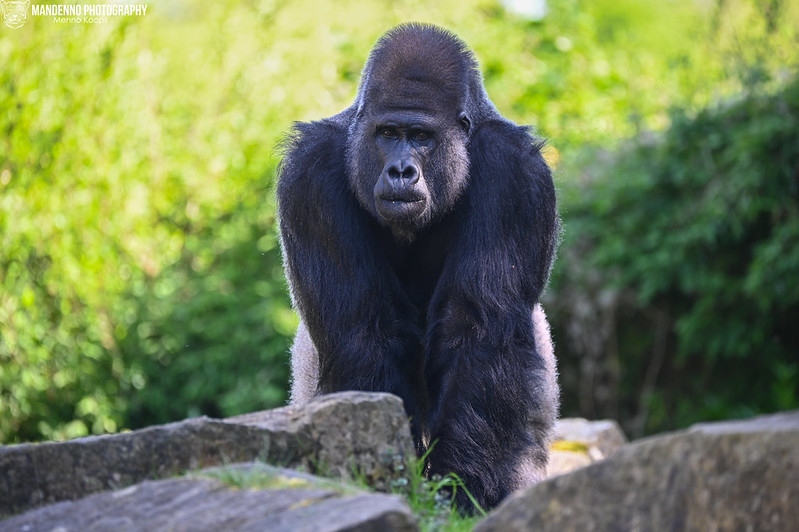
5-Day Gorilla Tracking and Wildlife Safari
5-Day Gorilla Tracking and Wildlife Safari
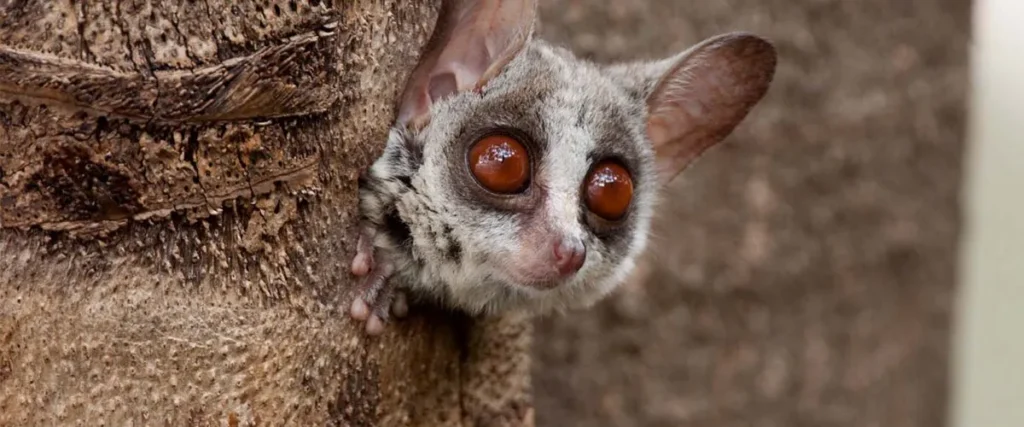
7-Day Uganda Primate Adventure & Wildlife Safari
7-Day Uganda Primate Adventure & Wildlife Safari
10-Day Gorilla Trekking & Big Five Safari in Uganda
10-Day Gorilla Trekking & Big Five Safari in Uganda
12-Day Uganda Gorilla Trekking, Chimp Tracking & Cultural Safari
12-Day Uganda Gorilla Trekking, Chimp Tracking & Cultural Safari
14-Day Best of Uganda Safari – Gorillas, Wildlife, Cultures
14-Day Best of Uganda Safari – Gorillas, Wildlife, Cultures
When Rwanda’s Rainforests Reveal Their Most Magical Gorilla Encounters
Dry Seasons and Easier Trekking Conditions
The dry seasons in Rwanda, typically from June to September and December to February, are widely regarded as the most comfortable and predictable periods for gorilla trekking. During these months, trails firm up, muddy sections are minimized, and steep slopes become significantly easier to navigate. Trackers can move efficiently through the forest, often reducing trekking times and allowing visitors to spend more relaxed moments observing gorilla behavior.
Visibility during the dry season is generally clearer. Sunlight filters through less dense canopy foliage, illuminating the gorillas and their surroundings. This creates ideal conditions for photography, making it easier to capture sharp images of feeding, grooming, or playful interactions among gorilla family members. The combination of firm trails, stable weather, and consistent light contributes to an overall trekking experience that is physically easier and more predictable.
However, the popularity of the dry season comes with higher visitor numbers. Accommodations, transport, and permits fill up quickly, requiring careful advance planning. Despite the crowds, the dry season strikes a balance between accessibility, comfort, and high-quality wildlife encounters, which explains its status as the peak trekking period.
Rainy Seasons and a Richer Forest Experience
In contrast, the rainy seasons—roughly March to May and October to November—offer a completely different, yet equally rewarding, trekking experience. The forest transforms during these months, becoming lush, vibrant, and almost otherworldly. Fresh vegetation grows rapidly, adding richness to the gorillas’ diet and sometimes bringing them closer to lower-altitude trails, potentially shortening trekking distances in certain areas.
The atmosphere in the forest feels dramatically immersive. Mist lingers between trees, streams swell, and rainfall intensifies forest sounds, amplifying the sense of being deep in a living ecosystem. While trails are muddier and more physically demanding, the reduced number of tourists during rainy periods results in quieter treks. Visitors often enjoy more intimate encounters with gorillas, and permits are generally easier to obtain, allowing for a sense of exclusivity and personal connection with the forest and its inhabitants.
The rainy season also offers unique photographic opportunities. Diffused light through mist and rain creates moodier, more atmospheric images. Water droplets on leaves, misty backdrops, and soft, filtered light provide a striking contrast to the sharp clarity of the dry season, appealing to travelers who prioritize the artistic and atmospheric aspects of wildlife photography.
Seasonal Considerations for Budget and Travel Planning
Seasonality affects not just trekking conditions but also costs and logistics. During peak dry months, permit fees remain the same, but the high demand for accommodation, transport, and guided tours often drives overall travel expenses upward. Advance booking is essential to secure both permits and preferred lodges.
Conversely, rainy seasons sometimes offer better value. Fewer tourists mean that lodges may provide discounted rates, transport schedules are more flexible, and trekking groups are smaller, enhancing the sense of adventure and connection with nature. Budget-conscious travelers may find the rainy months ideal for a high-quality experience without the premium costs associated with peak travel periods.
Regardless of the season, gorilla behavior remains consistent. Feeding, socializing, and resting patterns continue year-round, ensuring that sightings are reliable. Understanding seasonal variations allows travelers to make informed decisions based on physical comfort, photographic goals, solitude, and budget, tailoring their gorilla trekking adventure to their personal priorities.
More Gorilla Trekking Information to Know.
Gorilla trekking goes far beyond just the hike — it’s a deep, emotional journey into the heart of Africa’s last wild rainforests. Knowing the right timing, permits, fitness tips, and park details can turn your experience from good to unforgettable.
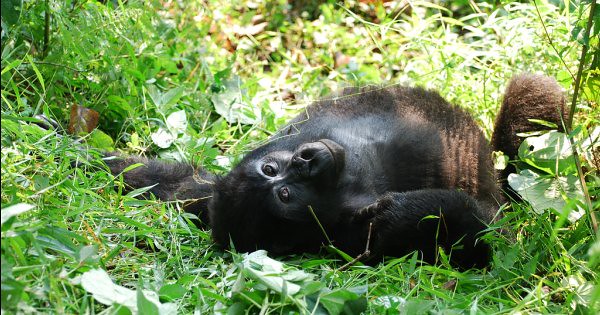
Gorilla Trekking in Bwindi Impenetrable Forest
Gorilla Trekking in Bwindi Impenetrable Forest
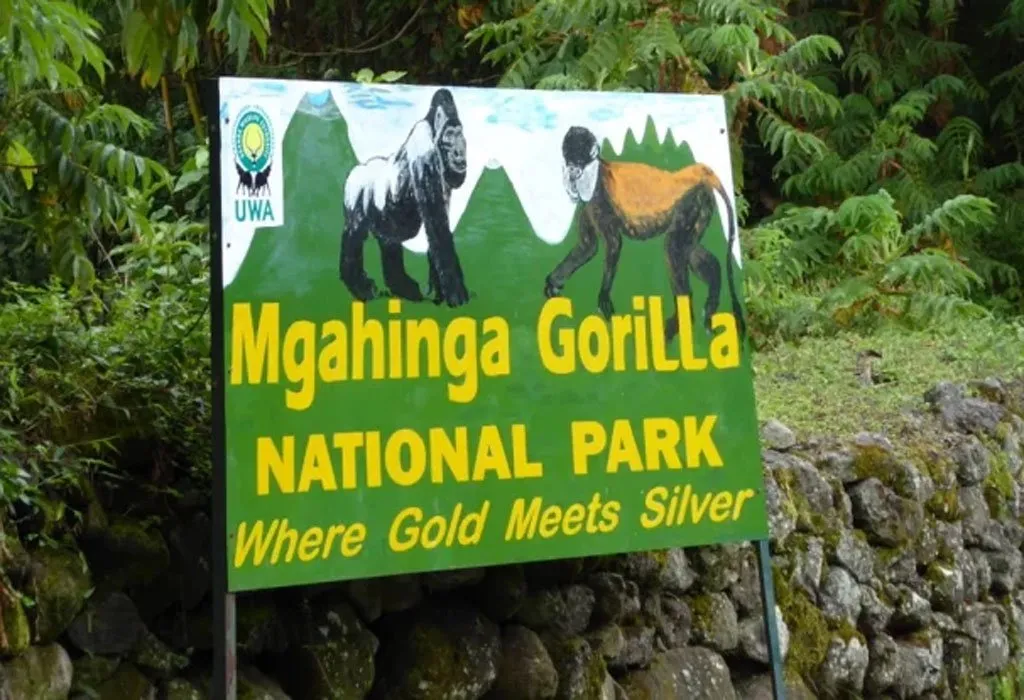
Trekking Gorillas in Mgahinga National Park
Trekking Gorillas in Mgahinga National Park
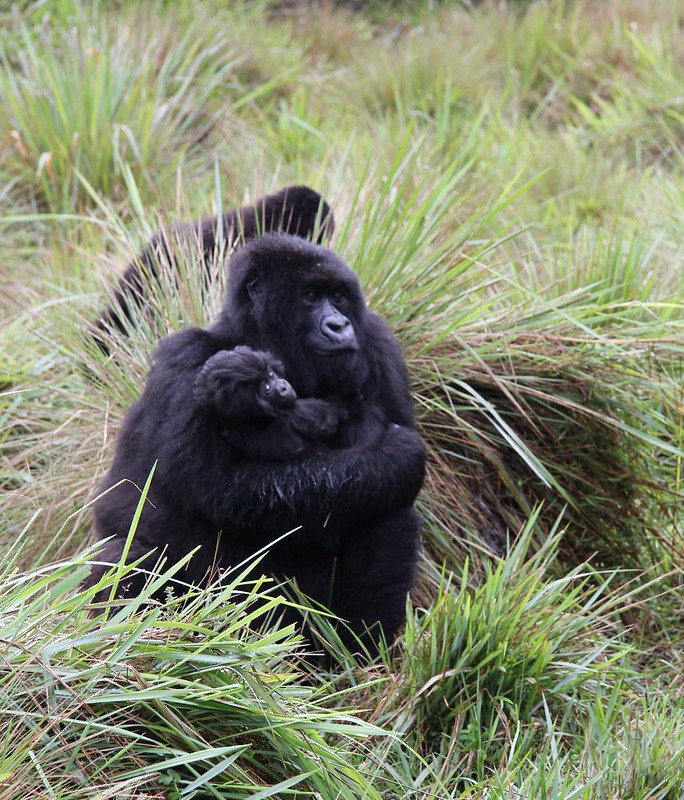
Uganda Gorilla Trekking Permits – Prices, Booking, & Travel Tips
Uganda Gorilla Trekking Permits – Prices, Booking, & Travel Tips
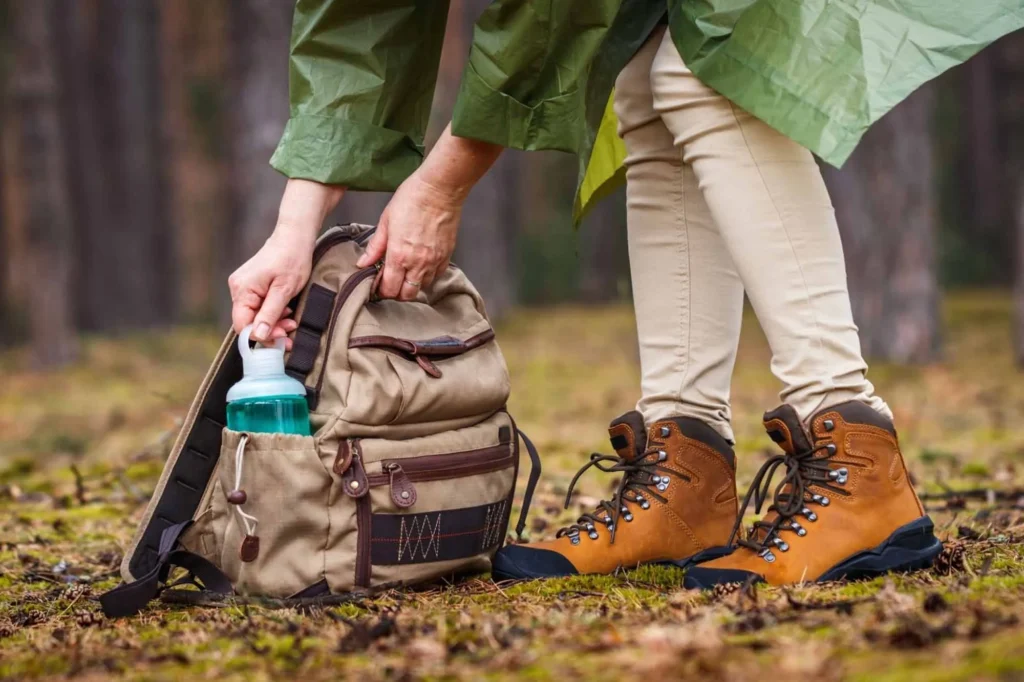
What to Pack for Gorilla Trekking in Uganda – Expert Checklist
What to Pack for Gorilla Trekking in Uganda – Expert Checklist
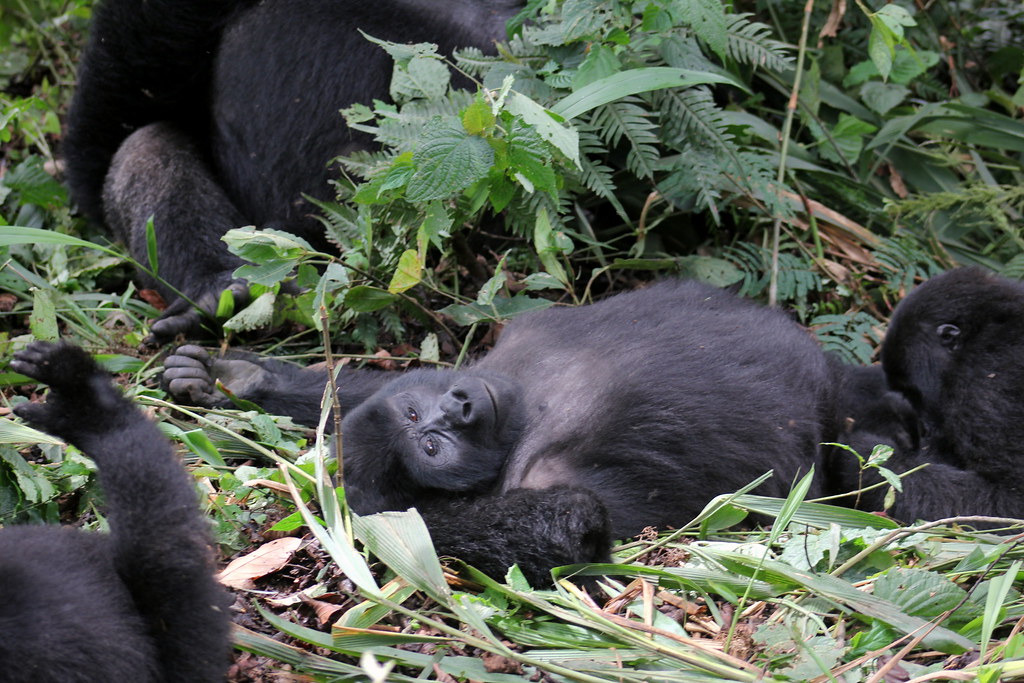
Best Time to Go Gorilla Trekking in Uganda – Weather & Seasons
Best Time to Go Gorilla Trekking in Uganda – Weather & Seasons
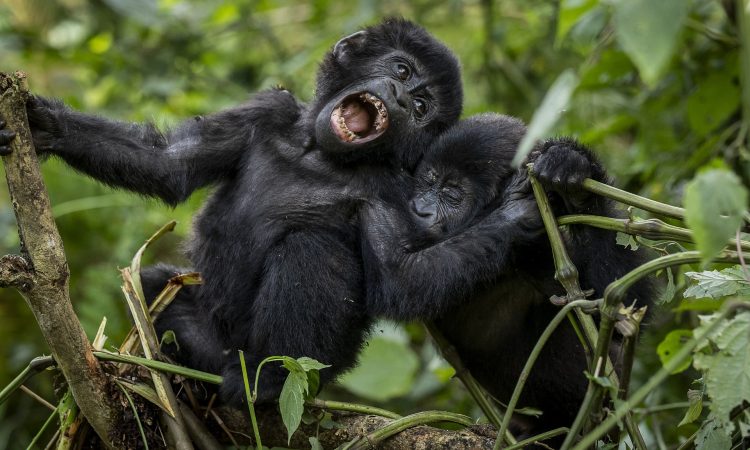
Gorilla Trekking Difficulty in Uganda – Fitness & Trail Guide
Gorilla Trekking Difficulty in Uganda – Fitness & Trail Guide
Gorilla Trekking Rules in Uganda – Safety, Respect & Ethics
Gorilla Trekking Rules in Uganda – Safety, Respect & Ethics
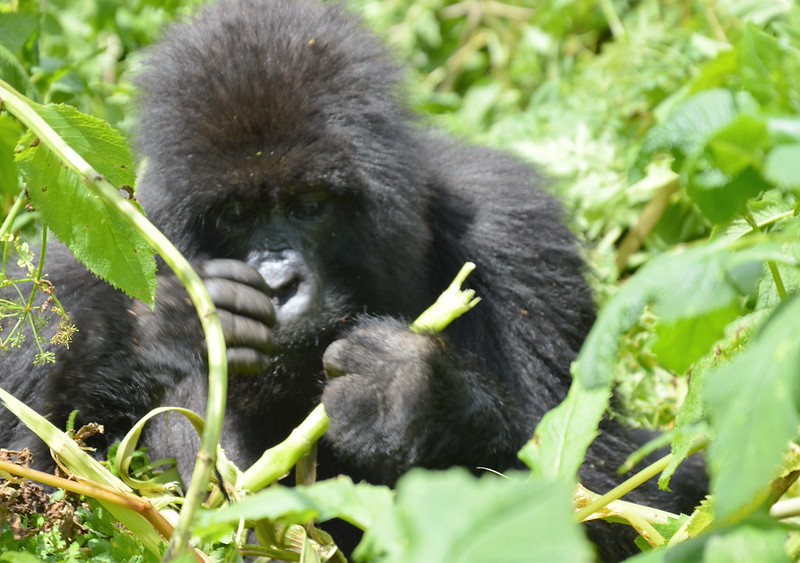
Gorilla Conservation in Uganda – Protecting the Mountain Giants
Gorilla Conservation in Uganda – Protecting the Mountain Giants
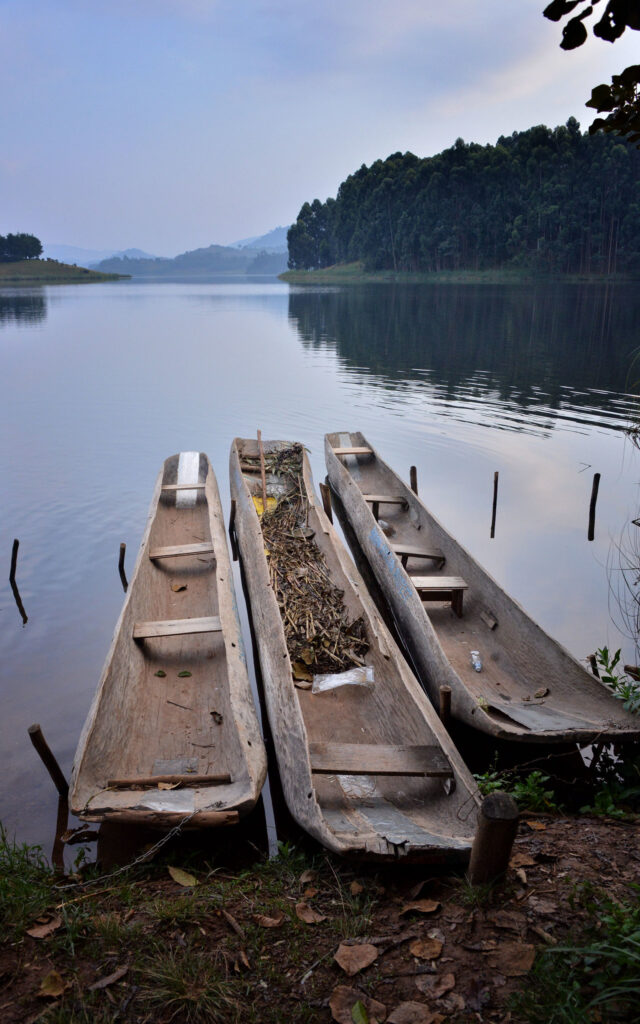
Bwindi vs. Mgahinga – Which One to Choose For Gorilla Trekking?
Bwindi vs. Mgahinga – Which One to Choose For Gorilla Trekking?
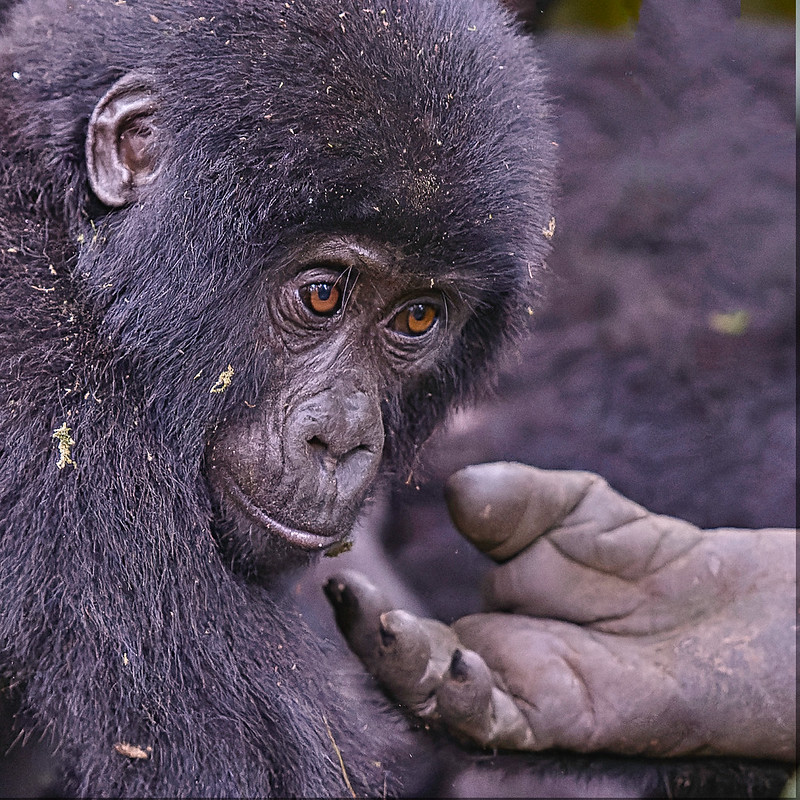
How to Stay Safe and Healthy While Traveling in Uganda
How to Stay Safe and Healthy While Traveling in Uganda
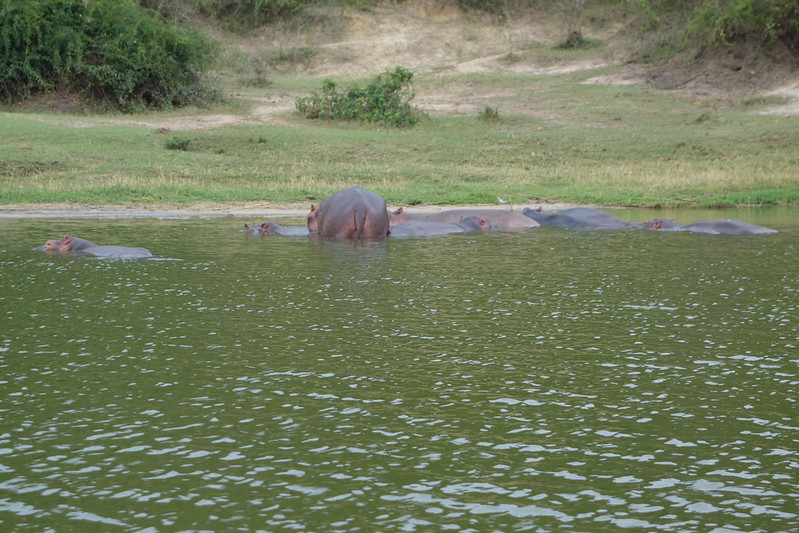
Routes, Tips & Travel Wisdom for Getting to Bwindi or Mgahinga
Routes, Tips & Travel Wisdom for Getting to Bwindi or Mgahinga
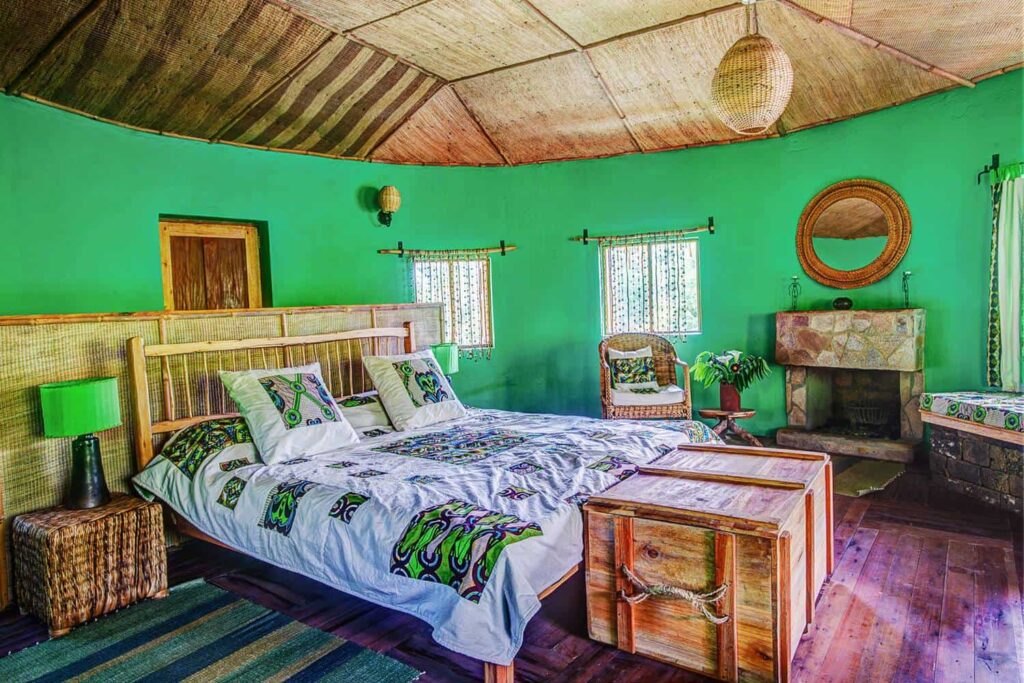
Accommodation Options: Lodges & Camps in Bwindi and Mgahinga
Accommodation Options: Lodges & Camps in Bwindi and Mgahinga
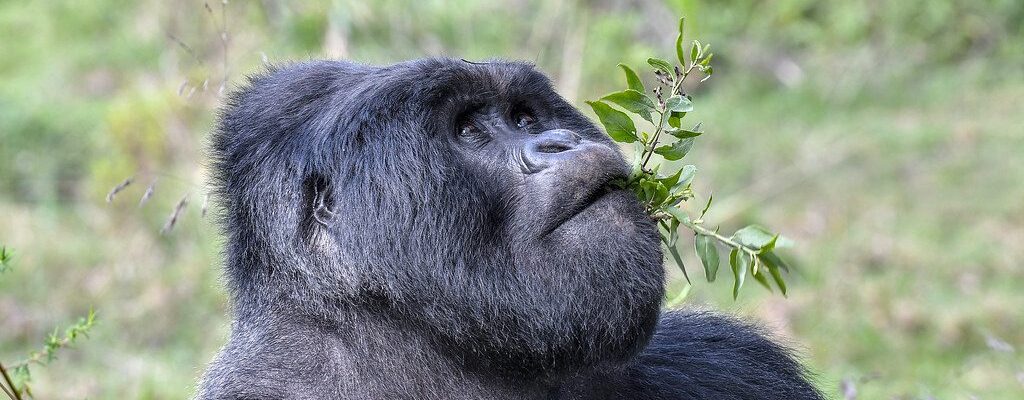
Protecting What You Came to See: Gorilla Conservation & Ethics
Protecting What You Came to See: Gorilla Conservation & Ethics
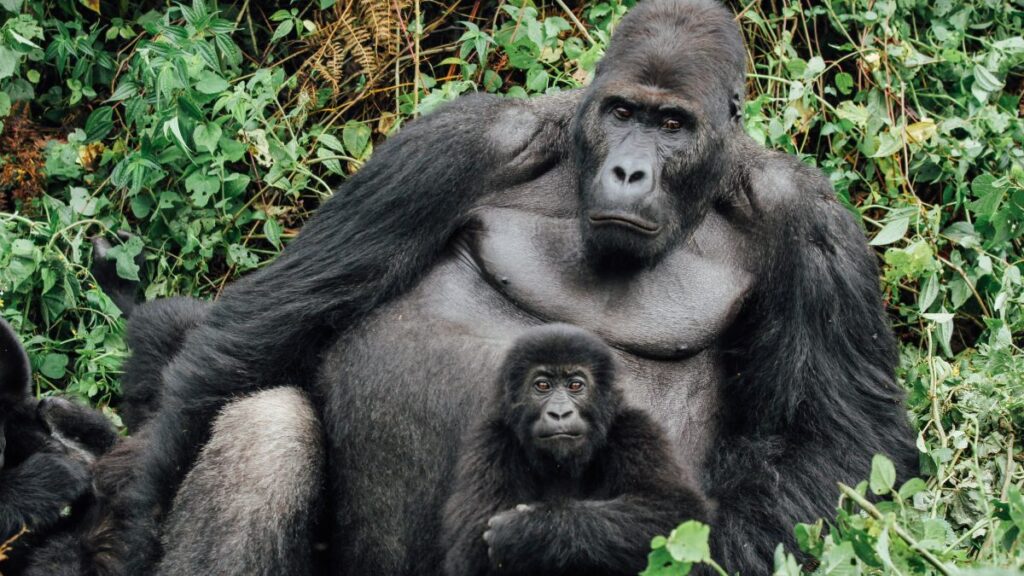
Travel Insurance for Gorilla Treks: Before You Go
Travel Insurance for Gorilla Treks: Before You Go
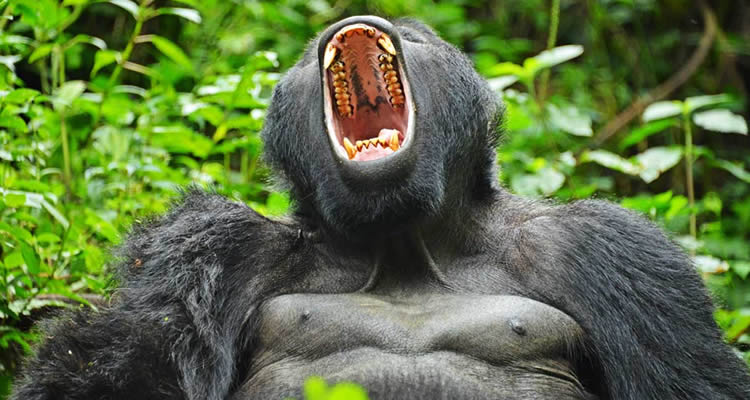
First Time Gorilla Trekking? Here’s Everything I Wish I Knew
First Time Gorilla Trekking? Here’s Everything I Wish I Knew
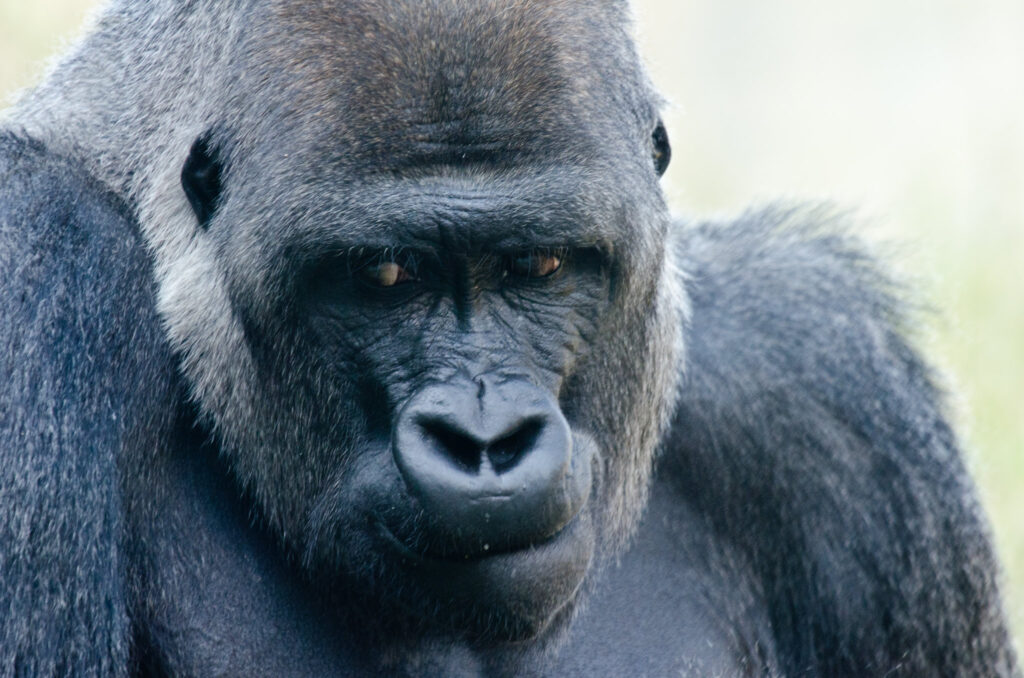
Step by Step: What Happens During a Gorilla Trekking Day
Step by Step: What Happens During a Gorilla Trekking Day
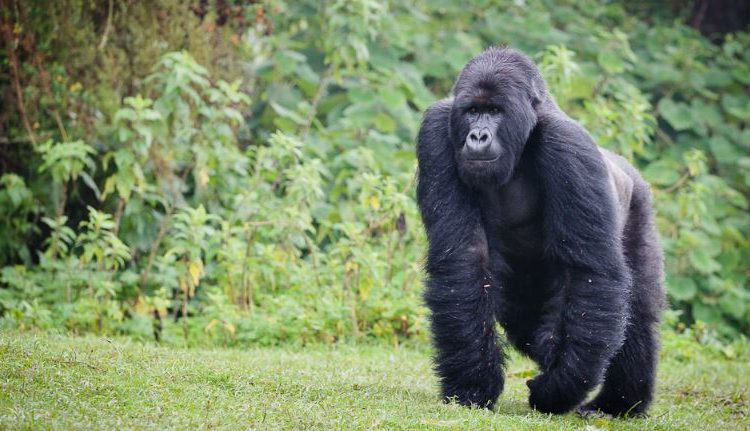
Gorilla Trekking vs. Gorilla Tracking – What’s the Real Difference?
Gorilla Trekking vs. Gorilla Tracking – What’s the Real Difference?
Beyond Gorillas: Other Wildlife You Can See During Your Trek
Beyond Gorillas: Other Wildlife You Can See During Your Trek
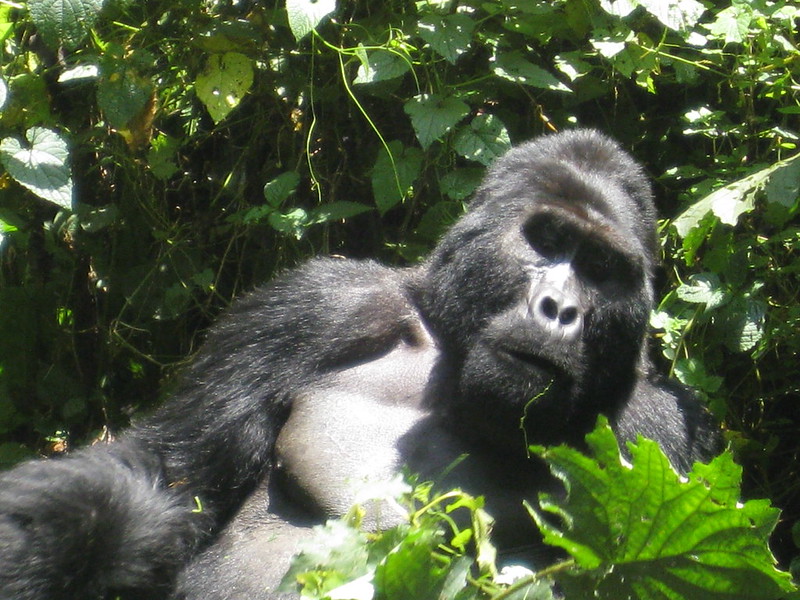
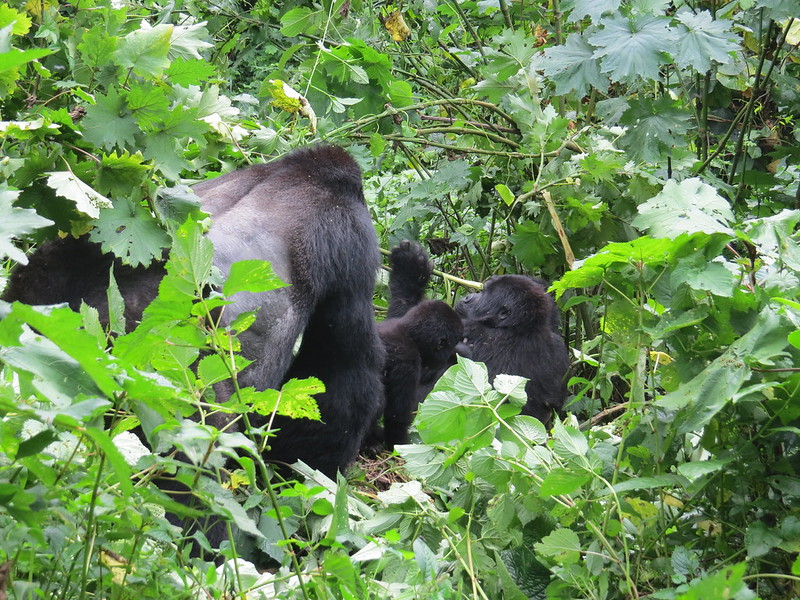
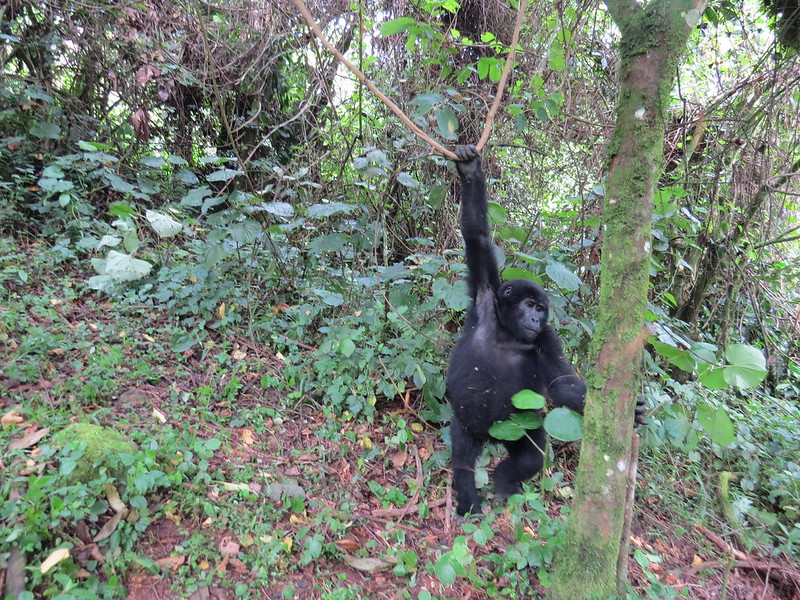
In the Realm of Giants – Bwindi & Mgahinga in Frames.
Wander through an elegant gallery capturing Uganda’s most exclusive gorilla sanctuaries, where ancient forests cradle the last mountain gorillas in a world of mist, mystery, and majesty.
Essential Planning Tips for Visiting Uganda’s National Parks.
Get ready for the wild heart of Africa with expert travel tips on when to visit, what to pack, where to go, and how to make the most of your safari across Uganda’s breathtaking national parks.
Why Uganda for Gorilla Trekking?
Uganda is not just a destination — it's the very soul of gorilla trekking. With over half of the world’s remaining mountain gorillas calling its misty forests home, Uganda offers the rarest encounters in their most authentic setting. Here, your journey is not rushed or crowded. Instead, you’re guided by experienced rangers through pristine jungles where gorillas live as they always have — wild, free, and magnificent
From insider travel insights to unforgettable trekking guides, our blog is your trusted path into Uganda’s wild heart — connecting you with mountain gorillas, breathtaking landscapes, and the soul-stirring adventures that make this land unlike any other.