

Where the soul of the forest whispers in the mist
Gorilla habituation is the delicate and patient process through which wild mountain gorillas become accustomed to the presence of humans. This careful approach allows conservationists and researchers to observe these magnificent creatures closely without causing them stress or altering their natural behaviors. By slowly gaining the gorillas’ trust, habituation enables unforgettable wildlife experiences, supports vital conservation efforts, and deepens our understanding of their social dynamics and habitats.
This process is essential for sustainable gorilla tourism, which provides much-needed funding for protecting these endangered animals and their forest homes. While habituation opens a rare window into the gorillas’ world, it demands strict protocols to safeguard their health and wellbeing, ensuring that the connection between humans and gorillas remains respectful and balanced for generations to come.
So lace up your boots, grab your camera, and prepare to meet the wild — this is where your gorilla trekking dreams and unforgettable safari adventures truly begin.
Truly Iconic Highlights in Uganda

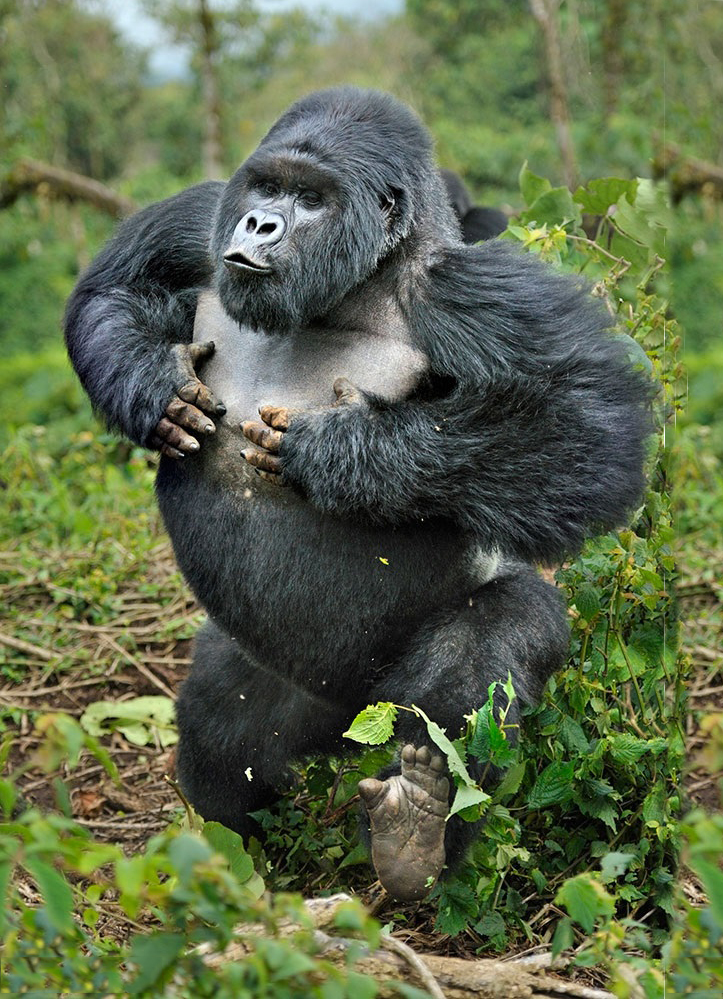
Trek through Bwindi’s mystical rainforest and meet the endangered mountain gorillas in their breathtaking natural home.
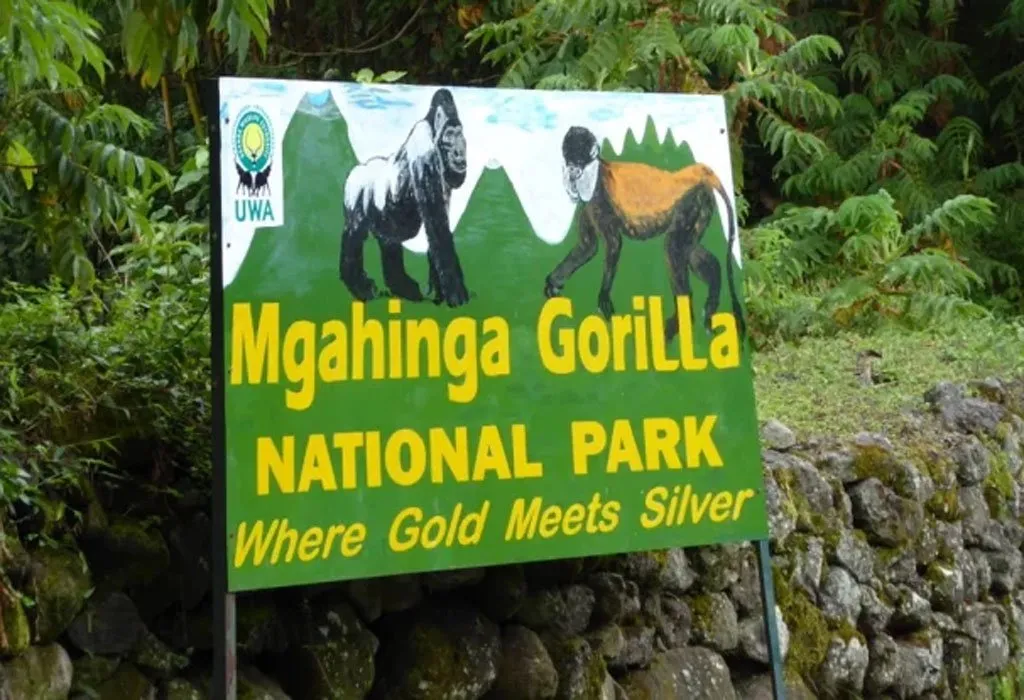
Encounter mountain gorillas and golden monkeys on Mgahinga’s misty volcanic trails, where culture and alpine wildlife thrive together.
Unwind after your trek with a peaceful canoe ride across Lake Bunyonyi, Uganda’s most tranquil and scenic highland lake.
Enhance your gorilla trekking safari with an optional chimpanzee encounter in Uganda’s lush forests, adding depth and diversity to your primate adventure
Gorilla Habituation: Unlocking the Secret World of Mountain Gorillas
What Is Gorilla Habituation and Why Does It Matter?
Imagine stepping quietly into the dense mist of Uganda’s Bwindi Impenetrable Forest or the volcanic slopes of Mgahinga National Park and finding yourself within arm’s reach of a majestic silverback gorilla. This rare and intimate encounter is possible because of a process called gorilla habituation—a careful, patient, and deeply respectful method used by conservationists to allow gorillas to grow accustomed to human presence without fear.
Gorilla habituation is more than just a tourism activity; it’s a crucial conservation tool that balances protecting these endangered animals with generating the funding and awareness needed to secure their future. By understanding this process, visitors gain a profound appreciation for the delicate relationship between humans and wildlife, the challenges gorillas face, and the commitment required to safeguard their survival.
The Science and Art of Habituation
At its core, habituation involves gradually exposing wild gorilla groups to humans over weeks or even months so that the animals no longer see humans as a threat. This is done through slow, controlled approaches by trained trackers and researchers who observe without disturbing natural behaviors.
The process begins when a gorilla group is located, often with the help of trackers who understand their movements. Initially, the gorillas may keep their distance or display signs of stress, such as chest beating or vocalizations. Over time, as human presence remains calm and non-threatening, the gorillas become more relaxed, eventually allowing close observation and even gentle interactions like eye contact.
This requires enormous patience and expertise. Each group has its own personality and dynamics, and trackers must be skilled at reading body language and knowing when to back off. The goal is to build trust without altering the gorillas’ natural behaviors or exposing them to harm.
Benefits of Gorilla Habituation
One of the greatest benefits of habituation is enabling gorilla trekking tourism, which provides essential funds for conservation efforts, park management, and local communities. The income generated supports anti-poaching patrols, research, and habitat preservation.
Habituation also facilitates scientific research, offering insights into gorilla behavior, social structures, health, and ecology that would otherwise be impossible to gather. This research helps shape effective conservation strategies and educates the global community about the importance of protecting these great apes.
Furthermore, habituated gorillas become ambassadors for their species, fostering empathy and awareness among visitors who witness their intelligence, social bonds, and vulnerability firsthand.
The Challenges and Risks
Despite its many advantages, gorilla habituation is not without risks. Bringing humans close to wild animals increases the possibility of disease transmission—especially respiratory illnesses that can be fatal to gorillas, whose immune systems differ from ours. This is why strict health protocols are enforced: visitors must keep a minimum distance of seven meters, wear masks, and avoid trekking if feeling ill.
Habituation can also alter gorilla behavior if not carefully managed. There is a risk that habituated gorillas may become less wary of humans, increasing vulnerability to poaching or human-wildlife conflicts. Ethical habituation programs prioritize animal welfare above all, ensuring that the gorillas’ safety and natural lifestyle remain paramount.
What to Expect During a Habituation Experience
Gorilla habituation experiences are intense and unforgettable but also physically and emotionally demanding. Unlike regular gorilla trekking—where visitors spend an hour observing already habituated groups—habituation allows you to participate in the gradual process, spending several hours following gorillas as they go about their day.
You may trek for longer distances and through denser forest, moving slowly with the trackers. The experience offers unparalleled insight into gorilla behavior and habitat, but requires patience and flexibility. It is often limited to a few visitors per day to minimize disturbance.
The Future of Gorilla Habituation
As mountain gorilla populations slowly increase thanks to conservation successes, the demand for habituation experiences grows. This creates a delicate balancing act between tourism, scientific research, and protecting gorilla welfare.
Emerging technologies like remote cameras, drone monitoring, and non-invasive health screening are helping reduce human impact while improving our understanding of gorillas. Meanwhile, community-led conservation programs ensure that the people living alongside gorilla habitats benefit from their protection.
Gorilla habituation stands as a beacon of hope—a testament to what careful, respectful coexistence between humans and wildlife can achieve.
More Gorilla Trekking Information to Know.
Gorilla trekking goes far beyond just the hike — it’s a deep, emotional journey into the heart of Africa’s last wild rainforests. Knowing the right timing, permits, fitness tips, and park details can turn your experience from good to unforgettable.
Gorilla Trekking in Bwindi Impenetrable Forest
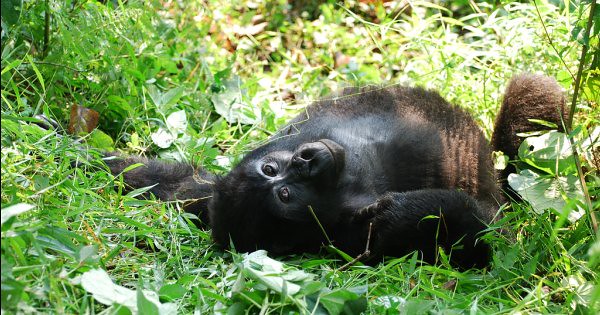
Gorilla Trekking in Bwindi Impenetrable Forest
Trekking Gorillas in Mgahinga National Park
Trekking Gorillas in Mgahinga National Park
Uganda Gorilla Trekking Permits – Prices, Booking, & Travel Tips
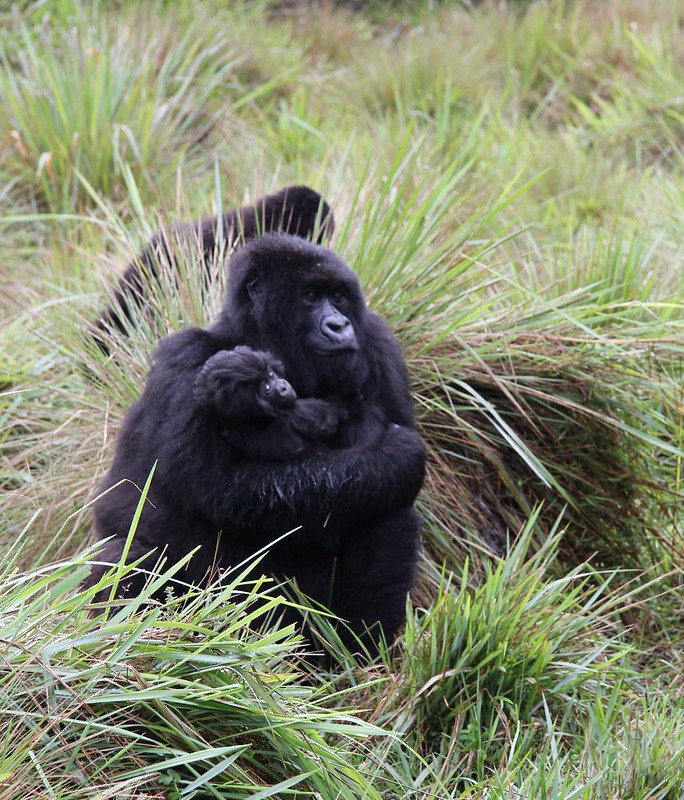
Uganda Gorilla Trekking Permits – Prices, Booking, & Travel Tips

What to Pack for Gorilla Trekking in Uganda – Expert Checklist
What to Pack for Gorilla Trekking in Uganda – Expert Checklist
Best Time to Go Gorilla Trekking in Uganda – Weather & Seasons
Best Time to Go Gorilla Trekking in Uganda – Weather & Seasons
Gorilla Trekking Difficulty in Uganda – Fitness & Trail Guide
Gorilla Trekking Difficulty in Uganda – Fitness & Trail Guide
Gorilla Trekking Rules in Uganda – Safety, Respect & Ethics
Gorilla Trekking Rules in Uganda – Safety, Respect & Ethics
Gorilla Conservation in Uganda – Protecting the Mountain Giants
Gorilla Conservation in Uganda – Protecting the Mountain Giants

Bwindi vs. Mgahinga – Which One to Choose For Gorilla Trekking?
Bwindi vs. Mgahinga – Which One to Choose For Gorilla Trekking?
How to Stay Safe and Healthy While Traveling in Uganda
How to Stay Safe and Healthy While Traveling in Uganda
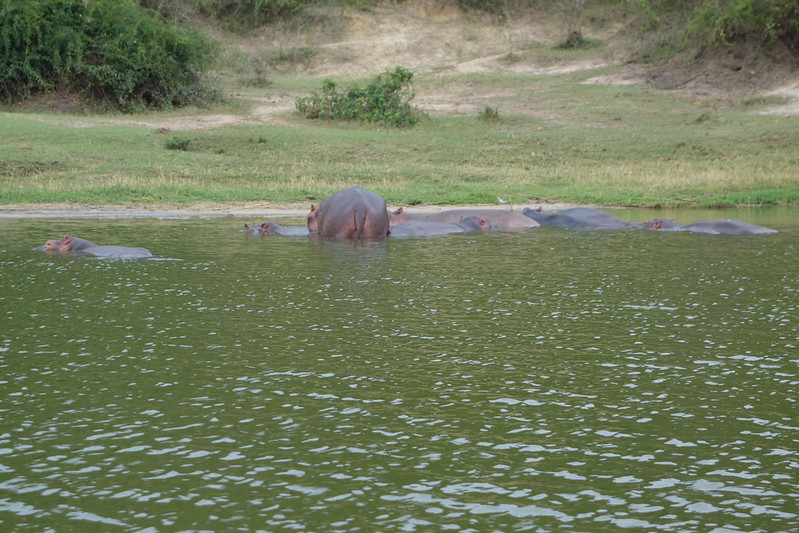
Routes, Tips & Travel Wisdom for Getting to Bwindi or Mgahinga
Routes, Tips & Travel Wisdom for Getting to Bwindi or Mgahinga

Accommodation Options: Lodges & Camps in Bwindi and Mgahinga
Accommodation Options: Lodges & Camps in Bwindi and Mgahinga
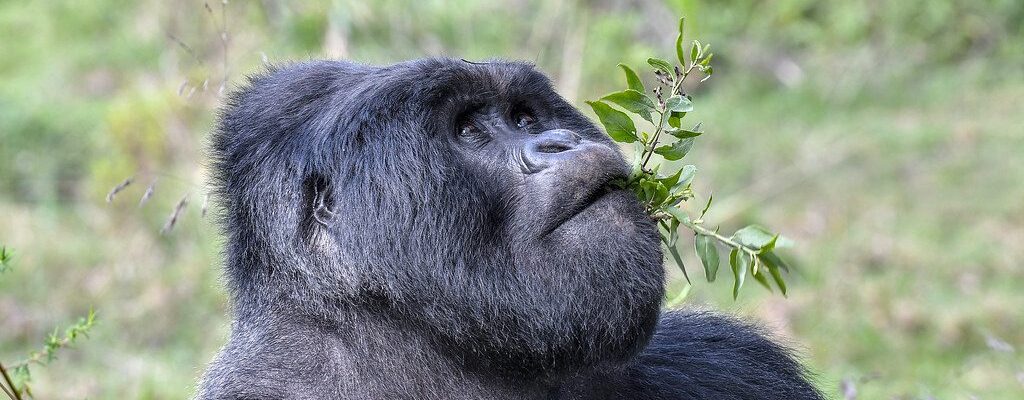
Protecting What You Came to See: Gorilla Conservation & Ethics
Protecting What You Came to See: Gorilla Conservation & Ethics
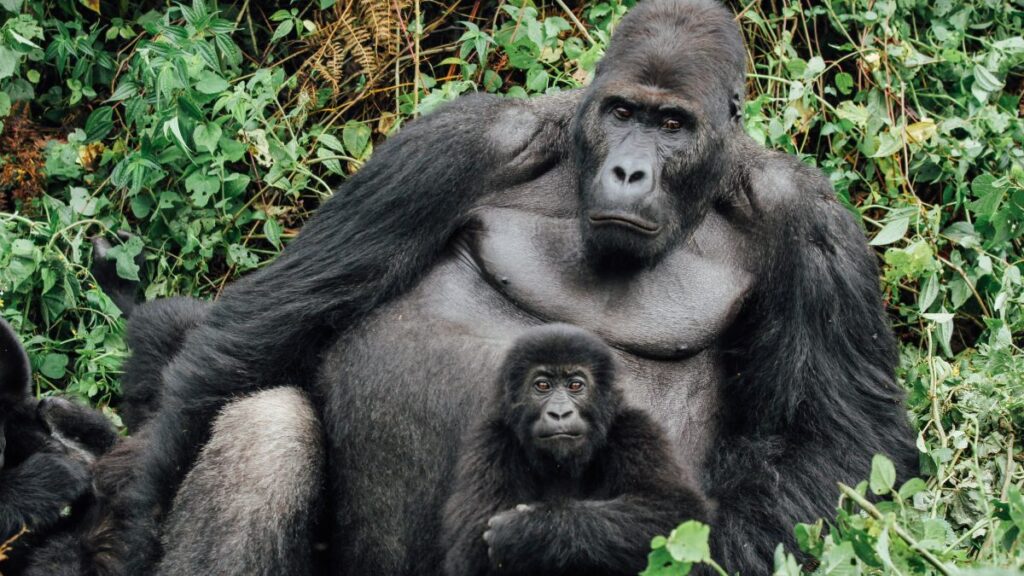
Travel Insurance for Gorilla Treks: Before You Go
Travel Insurance for Gorilla Treks: Before You Go
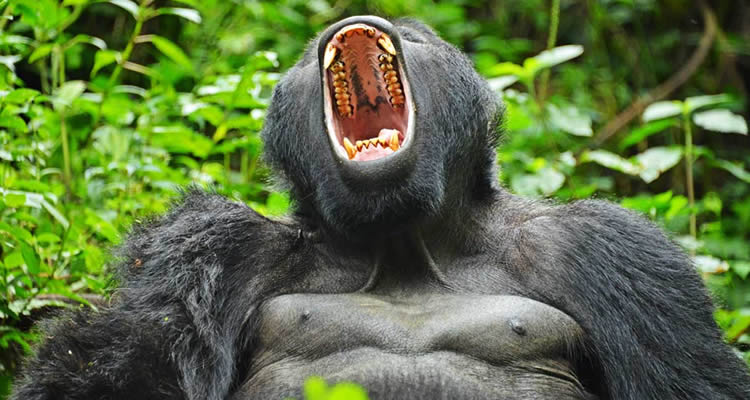
First Time Gorilla Trekking? Here’s Everything I Wish I Knew
First Time Gorilla Trekking? Here’s Everything I Wish I Knew
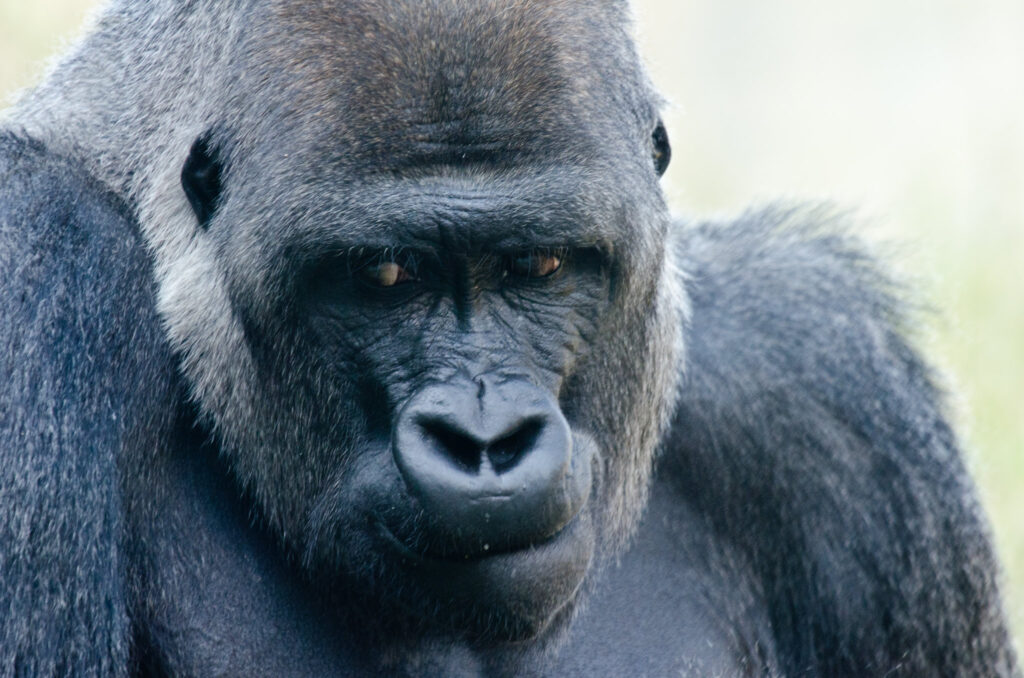
Step by Step: What Happens During a Gorilla Trekking Day
Step by Step: What Happens During a Gorilla Trekking Day
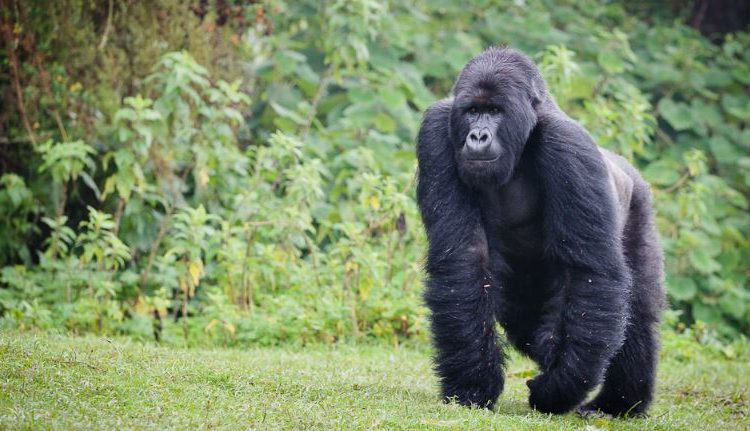
Gorilla Trekking vs. Gorilla Tracking – What’s the Real Difference?
Gorilla Trekking vs. Gorilla Tracking – What’s the Real Difference?
Beyond Gorillas: Other Wildlife You Can See During Your Trek
Beyond Gorillas: Other Wildlife You Can See During Your Trek
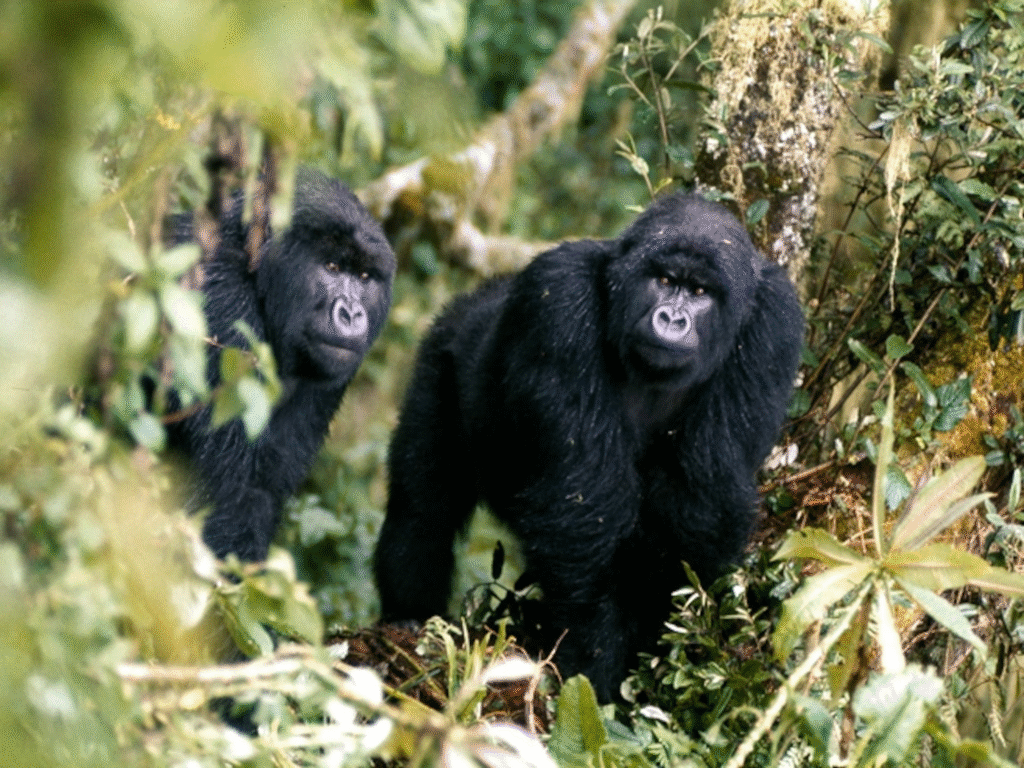
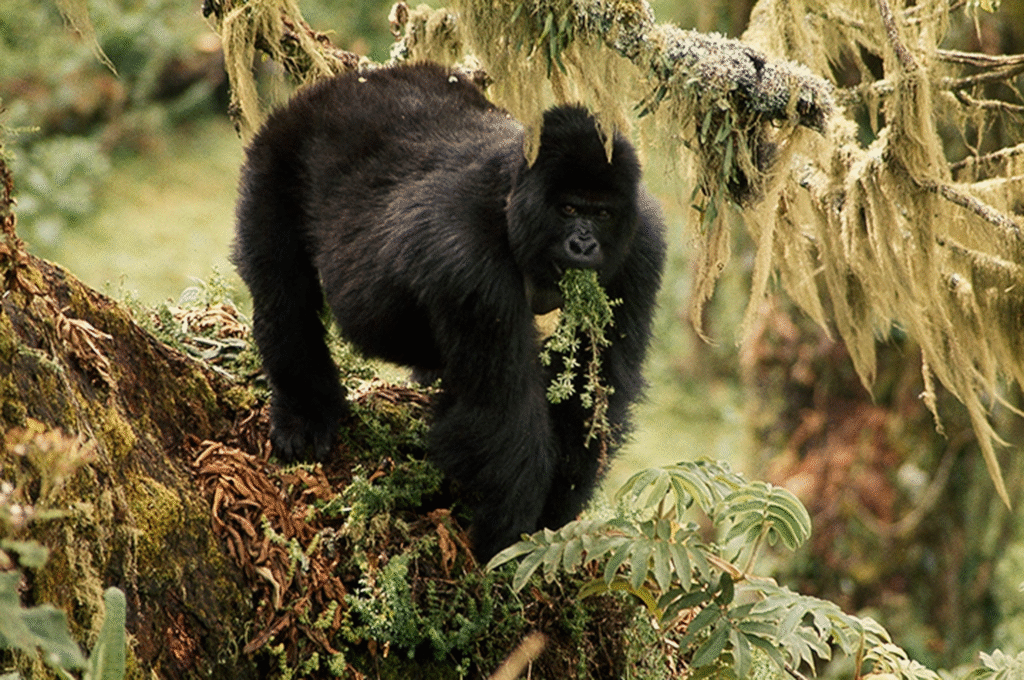
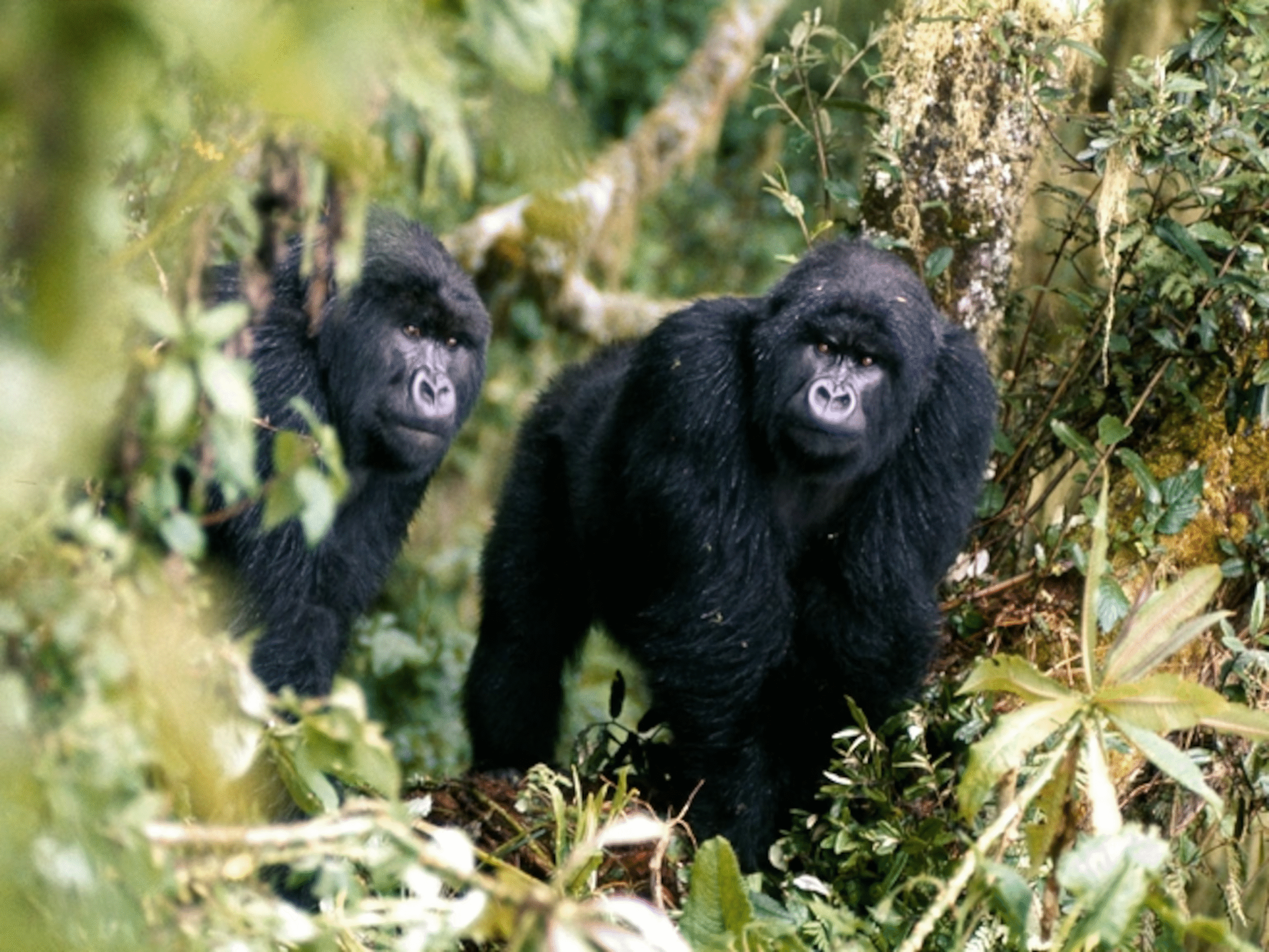
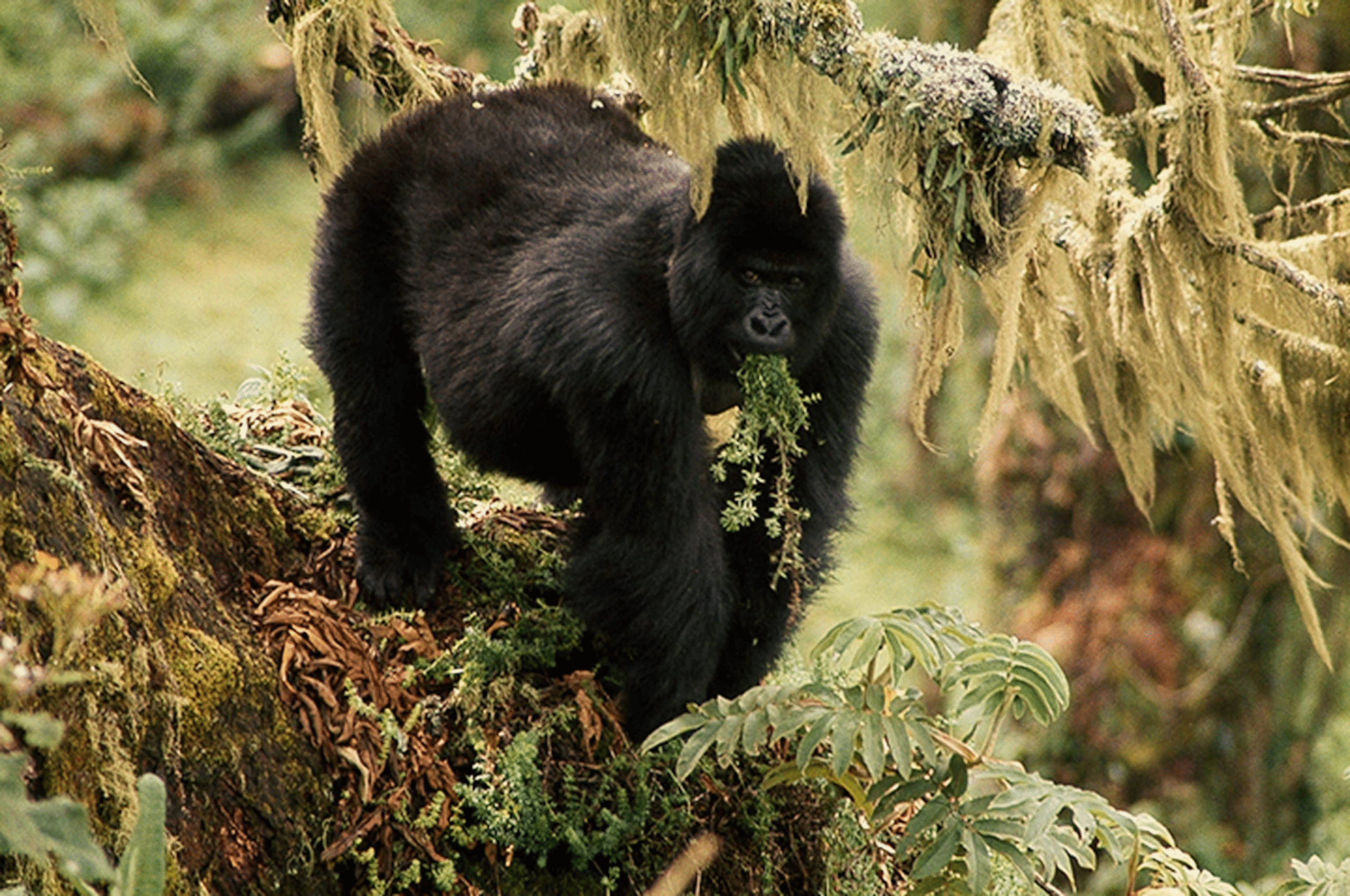
In the Realm of Giants – Bwindi & Mgahinga in Frames.
Wander through an elegant gallery capturing Uganda’s most exclusive gorilla sanctuaries, where ancient forests cradle the last mountain gorillas in a world of mist, mystery, and majesty.

Essential Planning Tips for Visiting Uganda’s National Parks.
Get ready for the wild heart of Africa with expert travel tips on when to visit, what to pack, where to go, and how to make the most of your safari across Uganda’s breathtaking national parks.
Why Uganda for Gorilla Trekking?
Uganda is not just a destination — it's the very soul of gorilla trekking. With over half of the world’s remaining mountain gorillas calling its misty forests home, Uganda offers the rarest encounters in their most authentic setting. Here, your journey is not rushed or crowded. Instead, you’re guided by experienced rangers through pristine jungles where gorillas live as they always have — wild, free, and magnificent
From insider travel insights to unforgettable trekking guides, our blog is your trusted path into Uganda’s wild heart — connecting you with mountain gorillas, breathtaking landscapes, and the soul-stirring adventures that make this land unlike any other.