

Where the soul of the forest whispers in the mist
Visiting nearby villages during a gorilla trekking trip or wildlife tour provides a unique opportunity to engage directly with local communities, offering insight into daily life, traditional practices, and cultural heritage. Such visits allow travelers to gain a deeper appreciation of the people who live alongside these protected forests and wildlife, creating a richer, more meaningful travel experience. Immersing oneself in village life—through storytelling, crafts, music, or guided tours—can reveal the resilience, ingenuity, and traditions that have shaped these communities over generations.
However, observing proper cultural etiquette is essential to ensure that interactions are respectful, positive, and mutually beneficial. Being aware of local customs, gestures, and communication norms helps visitors avoid unintended offense, while following appropriate dress codes and behavioral expectations demonstrates consideration and humility.
Cultural sensitivity brings significant benefits to both visitors and the host communities. For travelers, it opens the door to meaningful insight into local life, revealing traditional practices, social values, and the unique ways communities interact with their environment. By approaching village visits with respect and awareness, visitors can engage more deeply, asking thoughtful questions, observing customs, and participating in cultural activities in a way that enhances understanding rather than simply observing from a distance.
At the same time, practicing cultural sensitivity supports sustainable and responsible tourism by fostering mutual respect, cooperation, and trust between guests and hosts. When villagers feel respected and valued, they are more willing to share their knowledge, stories, and traditions, creating interactions that are safe, authentic, and enriching.
So lace up your boots, grab your camera, and prepare to meet the wild — this is where your gorilla trekking dreams and unforgettable safari adventures truly begin.

Truly Iconic Highlights in Uganda

Trek through Bwindi’s mystical rainforest and meet the endangered mountain gorillas in their breathtaking natural home.
Encounter mountain gorillas and golden monkeys on Mgahinga’s misty volcanic trails, where culture and alpine wildlife thrive together.
Unwind after your trek with a peaceful canoe ride across Lake Bunyonyi, Uganda’s most tranquil and scenic highland lake.
Enhance your gorilla trekking safari with an optional chimpanzee encounter in Uganda’s lush forests, adding depth and diversity to your primate adventure
Gorilla Trekking Tours in Uganda – Our Most Popular Itineraries.
Explore our gorilla trekking safaris for every traveler—solo, family, budget, or luxury. All tours include permits, transport, accommodation, meals, and park fees. Whether for a quick trip or a deeper adventure, we’ve got you covered.
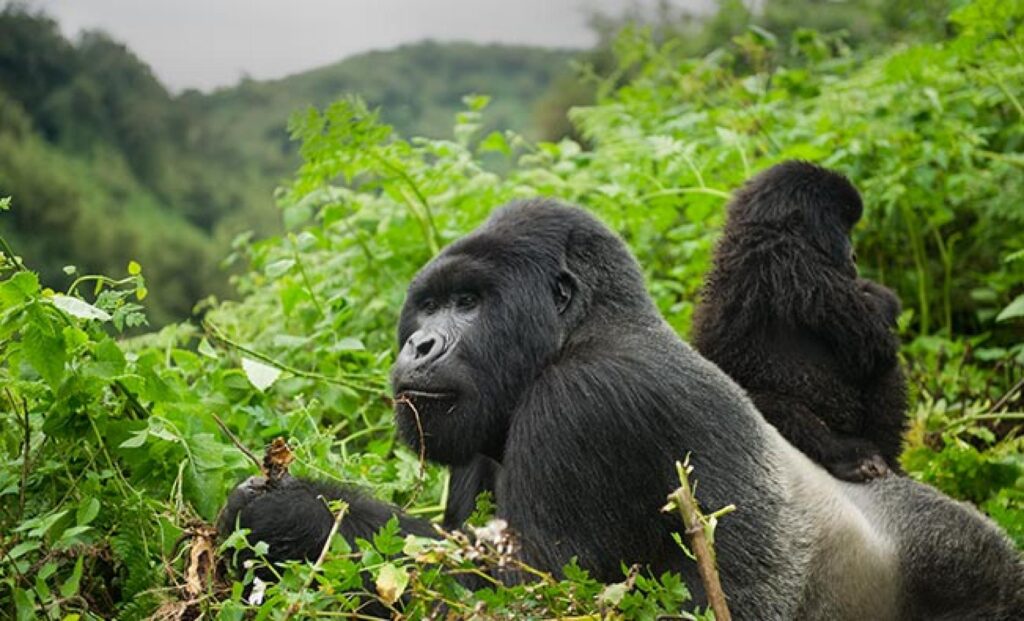
3-Day Bwindi Gorilla Trekking Safari
3-Day Bwindi Gorilla Trekking Safari
4-Day Uganda Gorilla Trekking Safari
4-Day Uganda Gorilla Trekking Safari
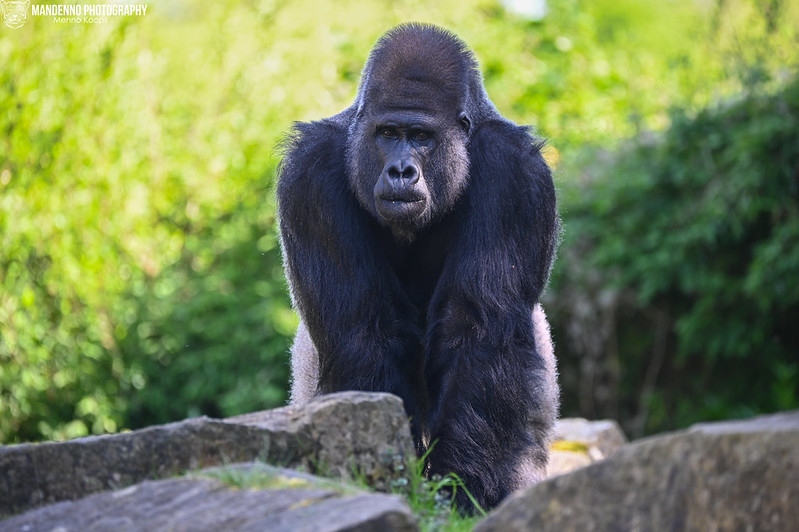
5-Day Gorilla Tracking and Wildlife Safari
5-Day Gorilla Tracking and Wildlife Safari
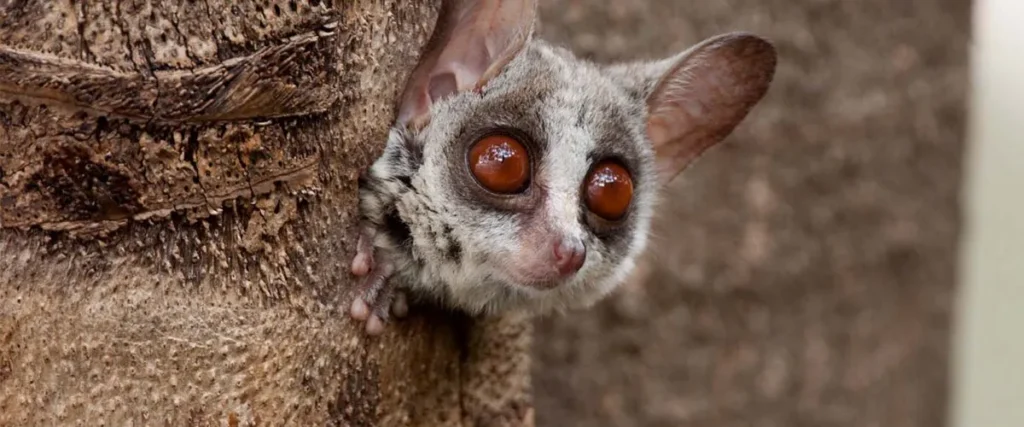
7-Day Uganda Primate Adventure & Wildlife Safari
7-Day Uganda Primate Adventure & Wildlife Safari

10-Day Gorilla Trekking & Big Five Safari in Uganda
10-Day Gorilla Trekking & Big Five Safari in Uganda

12-Day Uganda Gorilla Trekking, Chimp Tracking & Cultural Safari
12-Day Uganda Gorilla Trekking, Chimp Tracking & Cultural Safari
14-Day Best of Uganda Safari – Gorillas, Wildlife, Cultures
14-Day Best of Uganda Safari – Gorillas, Wildlife, Cultures
Understanding Local Customs When Visiting Rural Communities
Cultural Etiquette When Visiting Villages
Visiting rural villages provides a unique and immersive way to understand local life, traditions, and social structures. Practicing proper cultural etiquette is essential not only for a meaningful experience but also for showing respect to the communities that open their homes and daily lives to visitors. Respectful behavior helps preserve local customs, fosters goodwill, and ensures that tourism benefits rather than disrupts village life.
Respecting Local Customs and Traditions
In many villages, customs are deeply rooted in history and daily practice. Greetings are often formal, with handshakes, slight bows, or verbal salutations used to show respect. When addressing elders or community leaders, it is important to use polite forms of address and to observe traditional hierarchies. Casual familiarity without consent can be perceived as disrespectful.
Photography is an area where sensitivity is especially important. Visitors should always ask for permission before photographing individuals, homes, or ceremonial events. Some villagers may find photographing daily activities intrusive or even offensive. Respecting these boundaries preserves trust and helps maintain a positive relationship between visitors and hosts.
Dressing modestly is a key aspect of cultural respect. Clothing should cover shoulders and knees, avoid overly bright or flashy colors, and generally be unobtrusive. Wearing neutral and practical attire allows visitors to blend into the community setting while signaling cultural awareness and consideration.
Behavior and Interaction Guidelines
Visitors’ behavior in villages can greatly influence the quality of their interactions. Maintaining a calm, friendly, and patient demeanor is critical. Loud voices, hurried movements, or abrupt gestures may be interpreted as disrespectful or threatening. Taking time to observe local routines, sitting when appropriate, and allowing hosts to guide interactions demonstrates thoughtfulness.
Participation in cultural activities—such as traditional dances, storytelling, cooking demonstrations, or handicraft workshops—should be approached with humility and attentiveness. Visitors are encouraged to follow the guidance of local hosts, listen carefully, and avoid dominating or altering the activity. Quiet observation can be as meaningful as active participation, and it shows appreciation for the authenticity of the experience.
Small gestures of appreciation, such as donating school supplies, locally made crafts, or minor tokens, are often welcome, but these should never replace genuine engagement. Sincere curiosity, respectful questions, and attentiveness to local practices have a far greater impact than material contributions alone.
Community Engagement and Ethical Considerations
Ethical engagement in villages involves being mindful of the effects your presence has on daily life. Avoid leaving litter, touching sacred or personal items, or interrupting ceremonies. Responsible tourism emphasizes learning and observation rather than personal amusement or entertainment.
Many villages operate community-based tourism programs where visitor proceeds support local initiatives, including schools, health centers, or small businesses. Supporting these programs and following instructions on acceptable conduct ensures that tourism contributes positively to community development. Engaging in meaningful dialogue about local projects, asking questions respectfully, and observing protocols strengthens ethical tourism practices.
Benefits of Practicing Cultural Sensitivity
Observing proper cultural etiquette fosters trust, mutual respect, and lasting positive connections between visitors and communities. Respectful conduct allows travelers to gain genuine insights into traditional lifestyles, farming practices, spiritual beliefs, and local artistry. By honoring customs and demonstrating cultural awareness, visitors help safeguard indigenous practices and contribute to the preservation of community identity.
Cultural sensitivity ensures that village visits remain educational, rewarding, and ethically sound. Visitors leave with a deeper understanding of the social fabric, history, and daily realities of rural life, while host communities benefit from recognition, respect, and sustainable tourism support.
Ultimately, practicing cultural etiquette allows for immersive, memorable experiences that honor both the visitor and the host community, creating exchanges that are authentic, enriching, and responsible.
More Gorilla Trekking Information to Know.
Gorilla trekking goes far beyond just the hike — it’s a deep, emotional journey into the heart of Africa’s last wild rainforests. Knowing the right timing, permits, fitness tips, and park details can turn your experience from good to unforgettable.

Gorilla Trekking in Bwindi Impenetrable Forest
Gorilla Trekking in Bwindi Impenetrable Forest
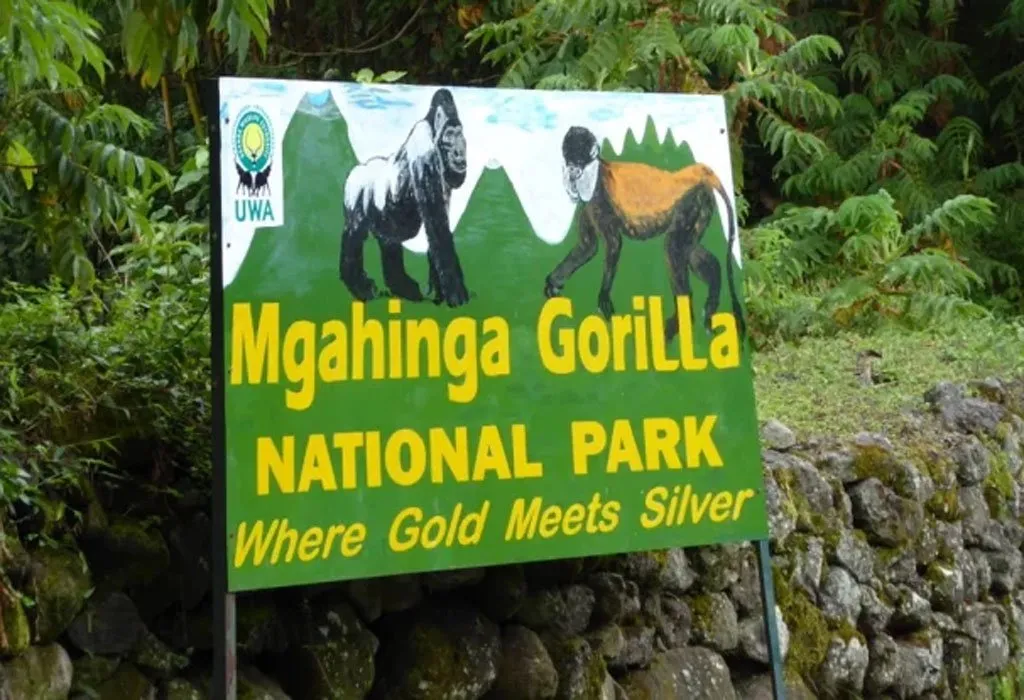
Trekking Gorillas in Mgahinga National Park
Trekking Gorillas in Mgahinga National Park
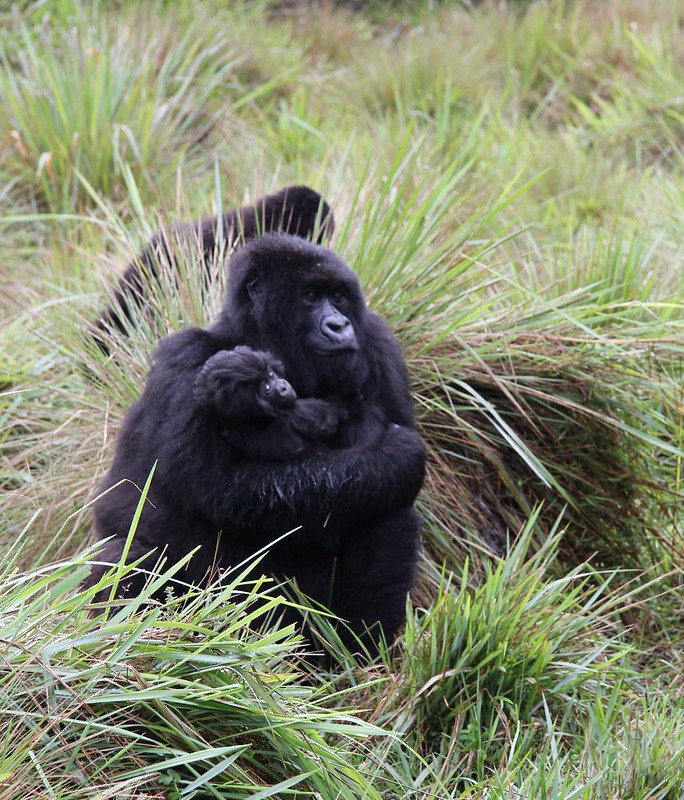
Uganda Gorilla Trekking Permits – Prices, Booking, & Travel Tips
Uganda Gorilla Trekking Permits – Prices, Booking, & Travel Tips
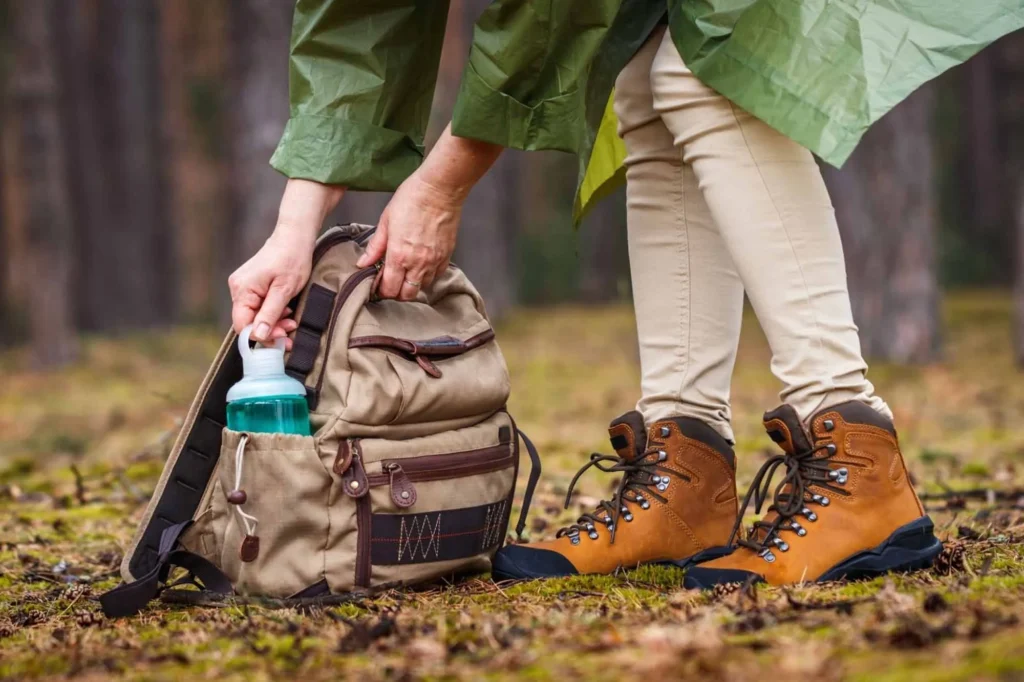
What to Pack for Gorilla Trekking in Uganda – Expert Checklist
What to Pack for Gorilla Trekking in Uganda – Expert Checklist
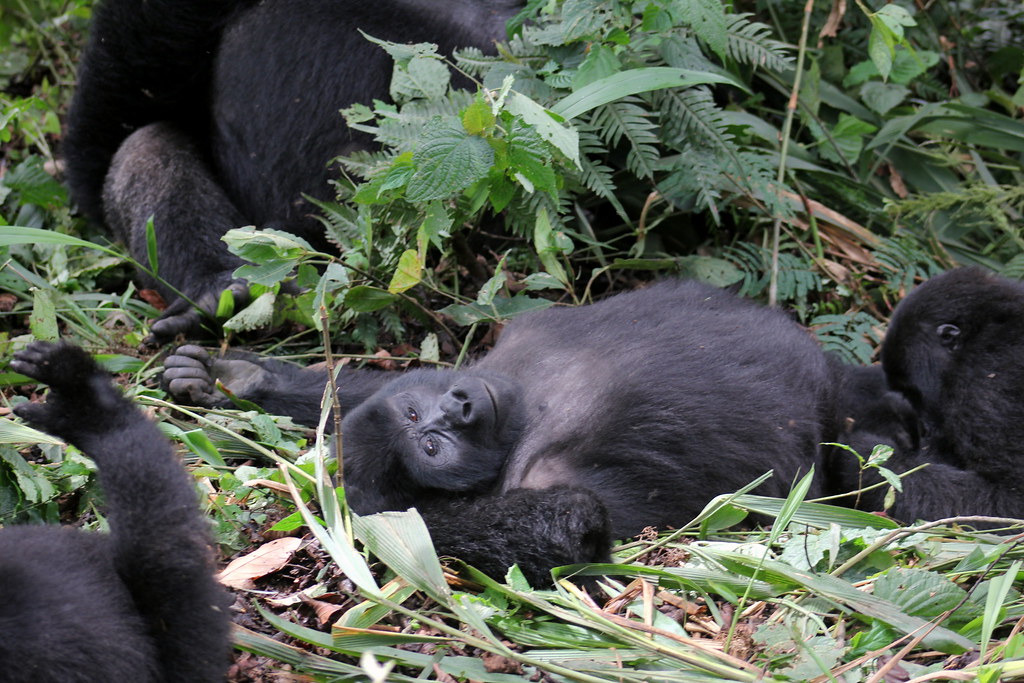
Best Time to Go Gorilla Trekking in Uganda – Weather & Seasons
Best Time to Go Gorilla Trekking in Uganda – Weather & Seasons
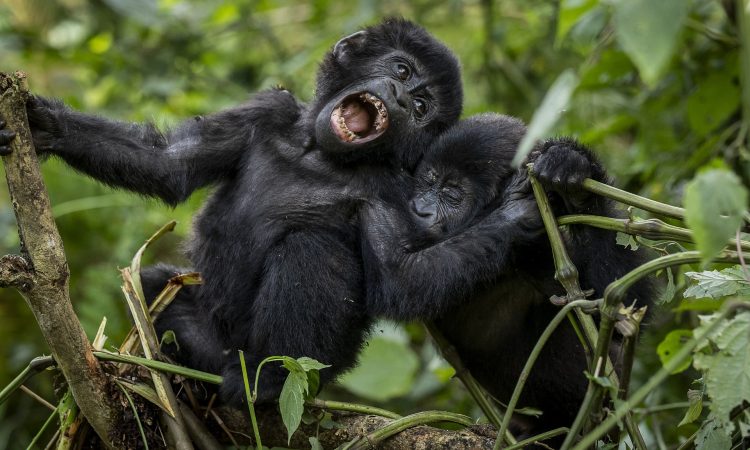
Gorilla Trekking Difficulty in Uganda – Fitness & Trail Guide
Gorilla Trekking Difficulty in Uganda – Fitness & Trail Guide
Gorilla Trekking Rules in Uganda – Safety, Respect & Ethics
Gorilla Trekking Rules in Uganda – Safety, Respect & Ethics
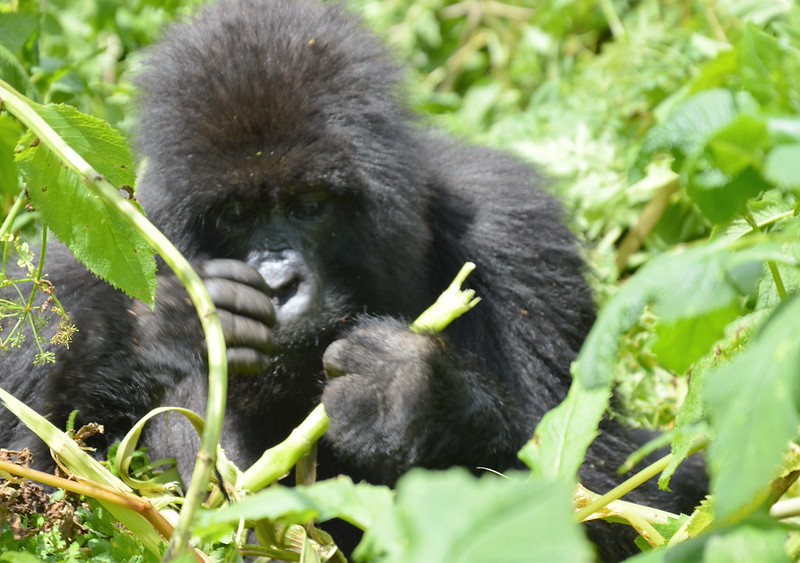
Gorilla Conservation in Uganda – Protecting the Mountain Giants
Gorilla Conservation in Uganda – Protecting the Mountain Giants
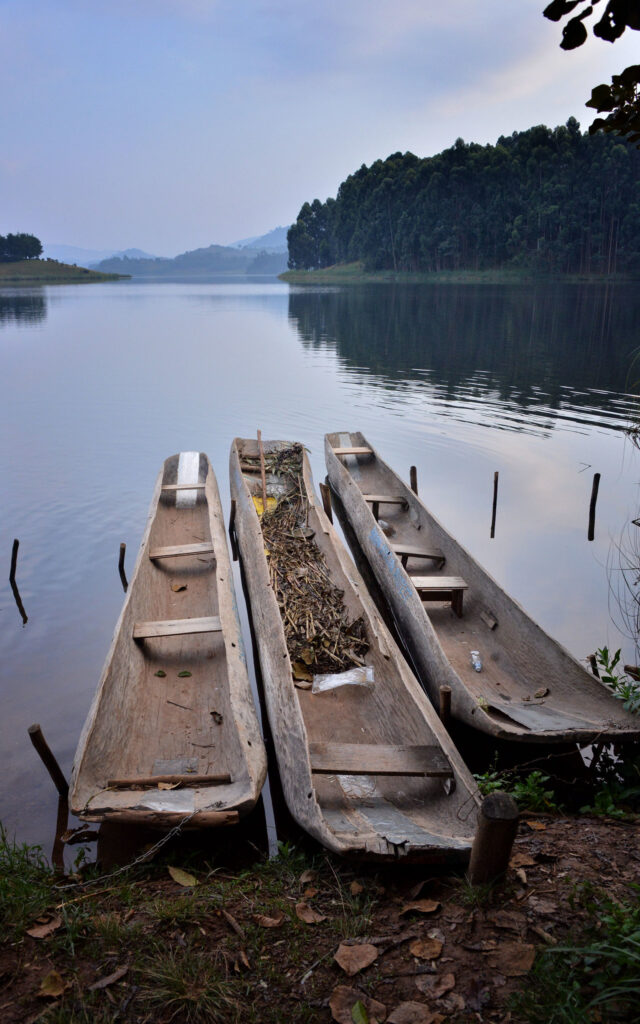
Bwindi vs. Mgahinga – Which One to Choose For Gorilla Trekking?
Bwindi vs. Mgahinga – Which One to Choose For Gorilla Trekking?
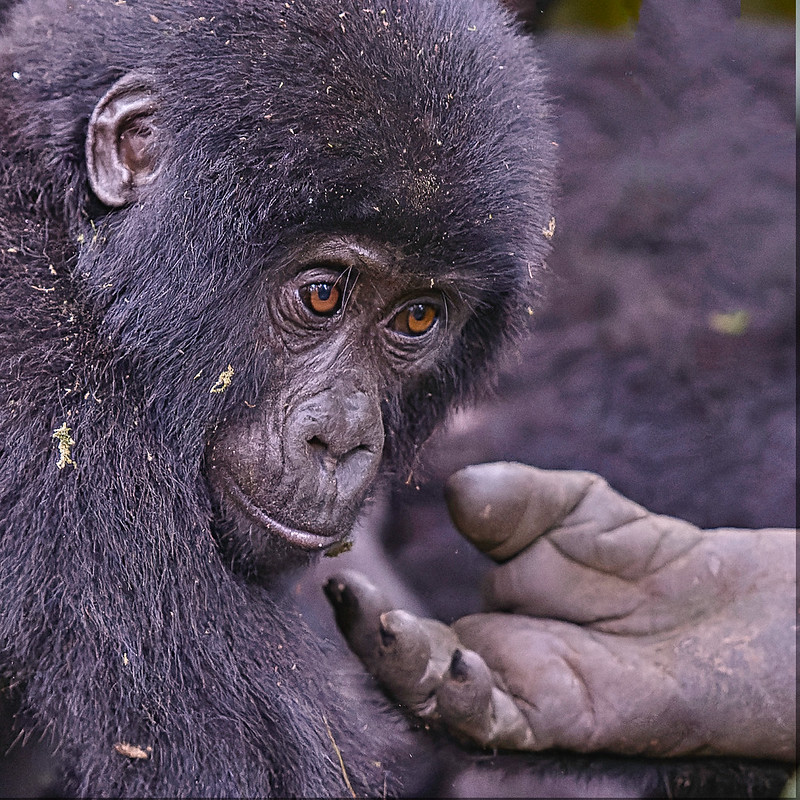
How to Stay Safe and Healthy While Traveling in Uganda
How to Stay Safe and Healthy While Traveling in Uganda
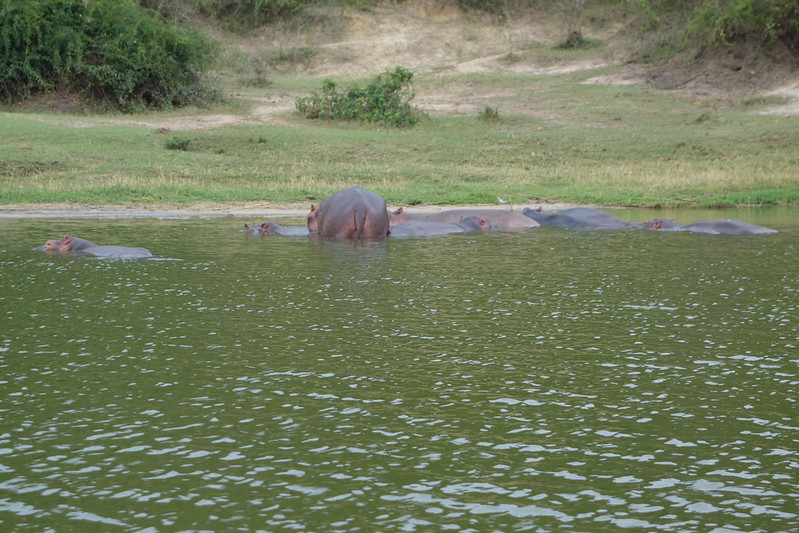
Routes, Tips & Travel Wisdom for Getting to Bwindi or Mgahinga
Routes, Tips & Travel Wisdom for Getting to Bwindi or Mgahinga
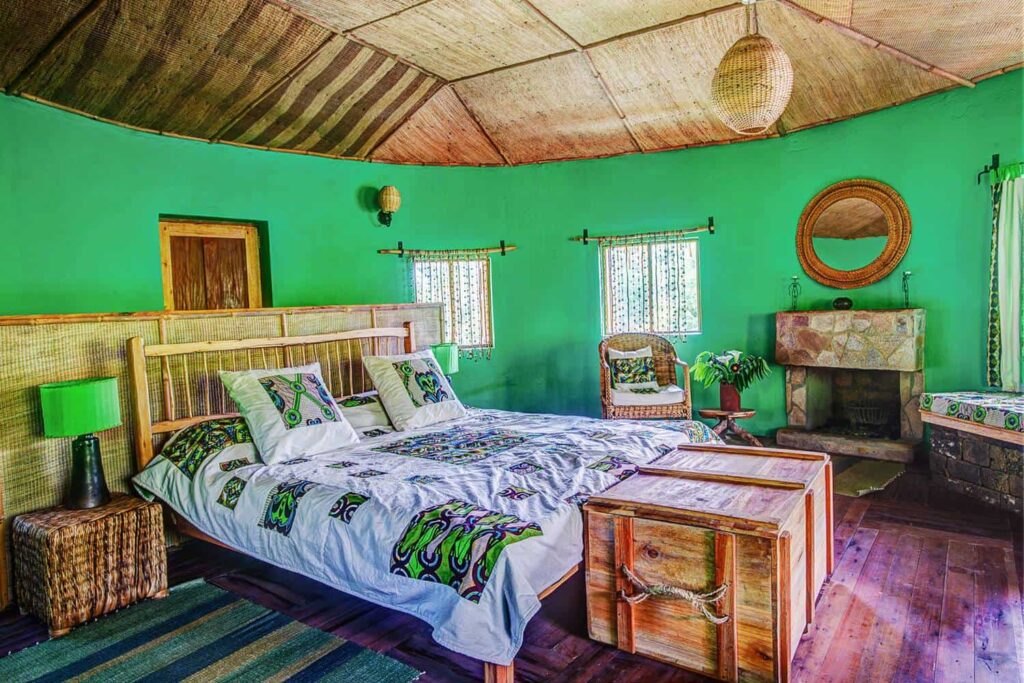
Accommodation Options: Lodges & Camps in Bwindi and Mgahinga
Accommodation Options: Lodges & Camps in Bwindi and Mgahinga

Protecting What You Came to See: Gorilla Conservation & Ethics
Protecting What You Came to See: Gorilla Conservation & Ethics
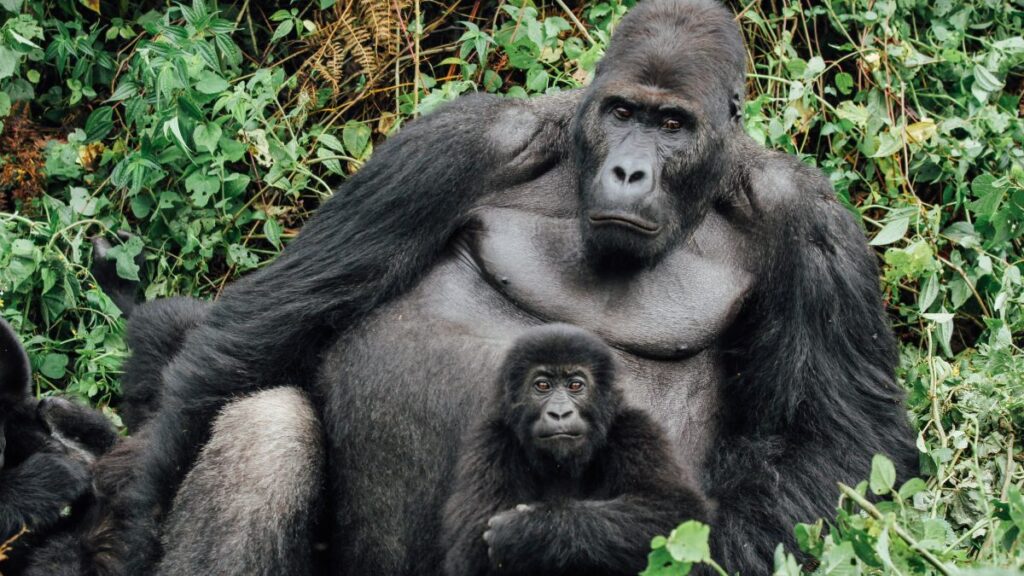
Travel Insurance for Gorilla Treks: Before You Go
Travel Insurance for Gorilla Treks: Before You Go

First Time Gorilla Trekking? Here’s Everything I Wish I Knew
First Time Gorilla Trekking? Here’s Everything I Wish I Knew
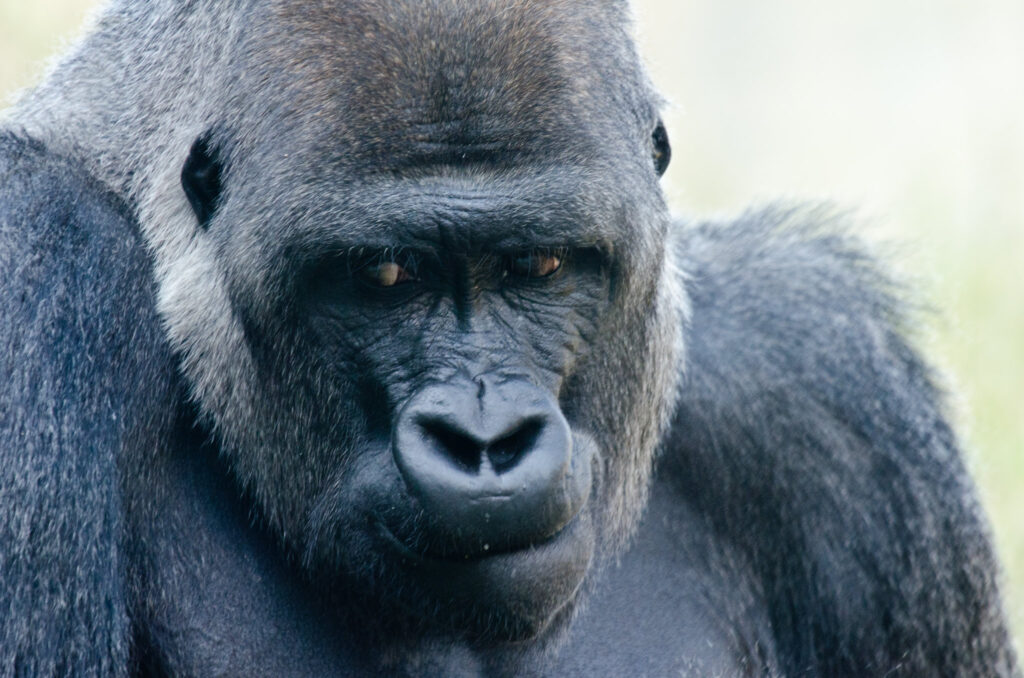
Step by Step: What Happens During a Gorilla Trekking Day
Step by Step: What Happens During a Gorilla Trekking Day
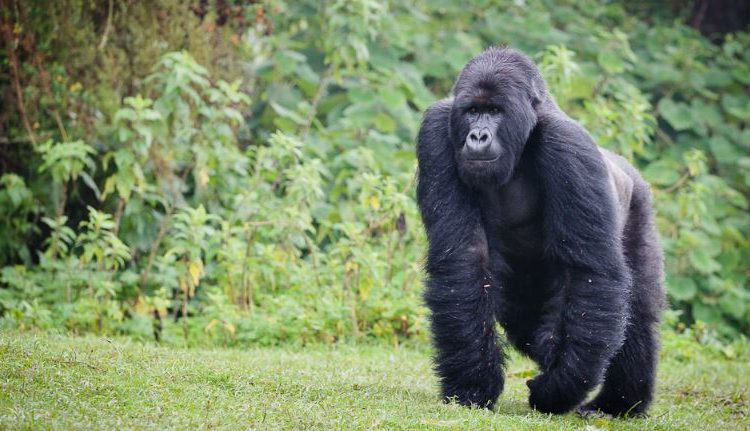
Gorilla Trekking vs. Gorilla Tracking – What’s the Real Difference?
Gorilla Trekking vs. Gorilla Tracking – What’s the Real Difference?
Beyond Gorillas: Other Wildlife You Can See During Your Trek
Beyond Gorillas: Other Wildlife You Can See During Your Trek
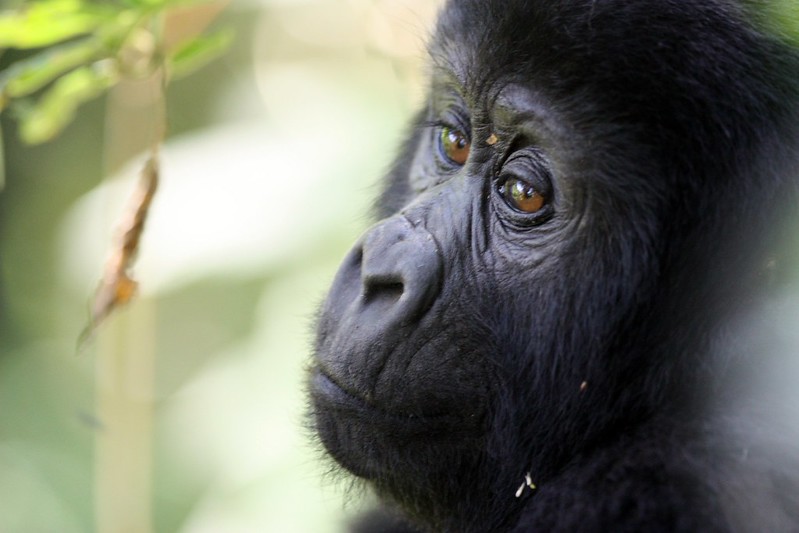
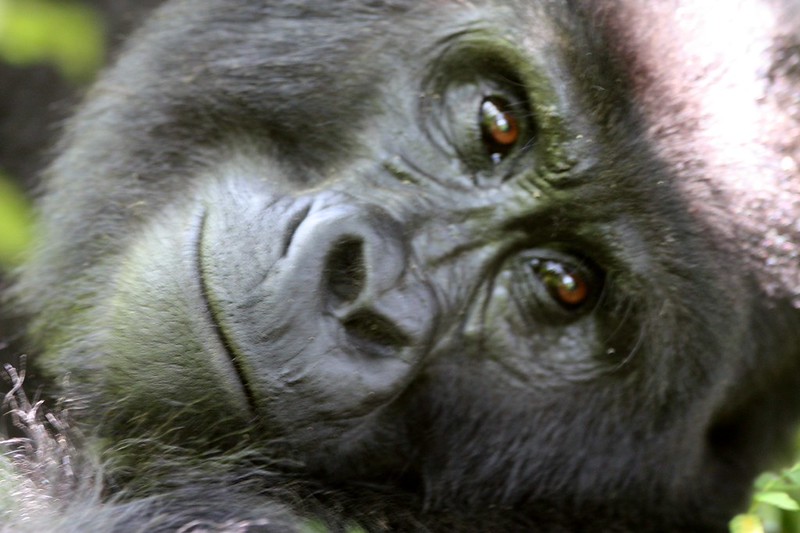
In the Realm of Giants – Bwindi & Mgahinga in Frames.
Wander through an elegant gallery capturing Uganda’s most exclusive gorilla sanctuaries, where ancient forests cradle the last mountain gorillas in a world of mist, mystery, and majesty.

Essential Planning Tips for Visiting Uganda’s National Parks.
Get ready for the wild heart of Africa with expert travel tips on when to visit, what to pack, where to go, and how to make the most of your safari across Uganda’s breathtaking national parks.
Why Uganda for Gorilla Trekking?
Uganda is not just a destination — it's the very soul of gorilla trekking. With over half of the world’s remaining mountain gorillas calling its misty forests home, Uganda offers the rarest encounters in their most authentic setting. Here, your journey is not rushed or crowded. Instead, you’re guided by experienced rangers through pristine jungles where gorillas live as they always have — wild, free, and magnificent
From insider travel insights to unforgettable trekking guides, our blog is your trusted path into Uganda’s wild heart — connecting you with mountain gorillas, breathtaking landscapes, and the soul-stirring adventures that make this land unlike any other.