

Where the soul of the forest whispers in the mist
Bwindi gorilla trekking is one of the most exclusive and conservation-driven wildlife experiences in the world. Set within Bwindi Impenetrable National Park in southwestern Uganda, the activity involves hiking through dense montane rainforest to locate and observe a habituated mountain gorilla family in their natural habitat. With only a limited number of permits issued per day and strict visitor regulations in place, the experience is carefully controlled to protect both the gorillas and their environment. The encounter is not staged — it is guided wilderness tracking led by professional ranger teams who monitor gorilla movements daily.
The terrain is steep, humid, and physically demanding, making preparation and proper planning essential. Trek duration can range from one hour to several hours depending on gorilla location, but the reward is a regulated one-hour face-to-face observation of one of the world’s most endangered primates. Beyond the emotional impact, gorilla trekking plays a critical role in funding conservation, anti-poaching patrols, veterinary programs, and community development initiatives around Bwindi. It is both a bucket-list wildlife experience and a direct contribution to long-term mountain gorilla protection.
So lace up your boots, grab your camera, and prepare to meet the wild — this is where your gorilla trekking dreams and unforgettable safari adventures truly begin.
Truly Iconic Highlights in Uganda

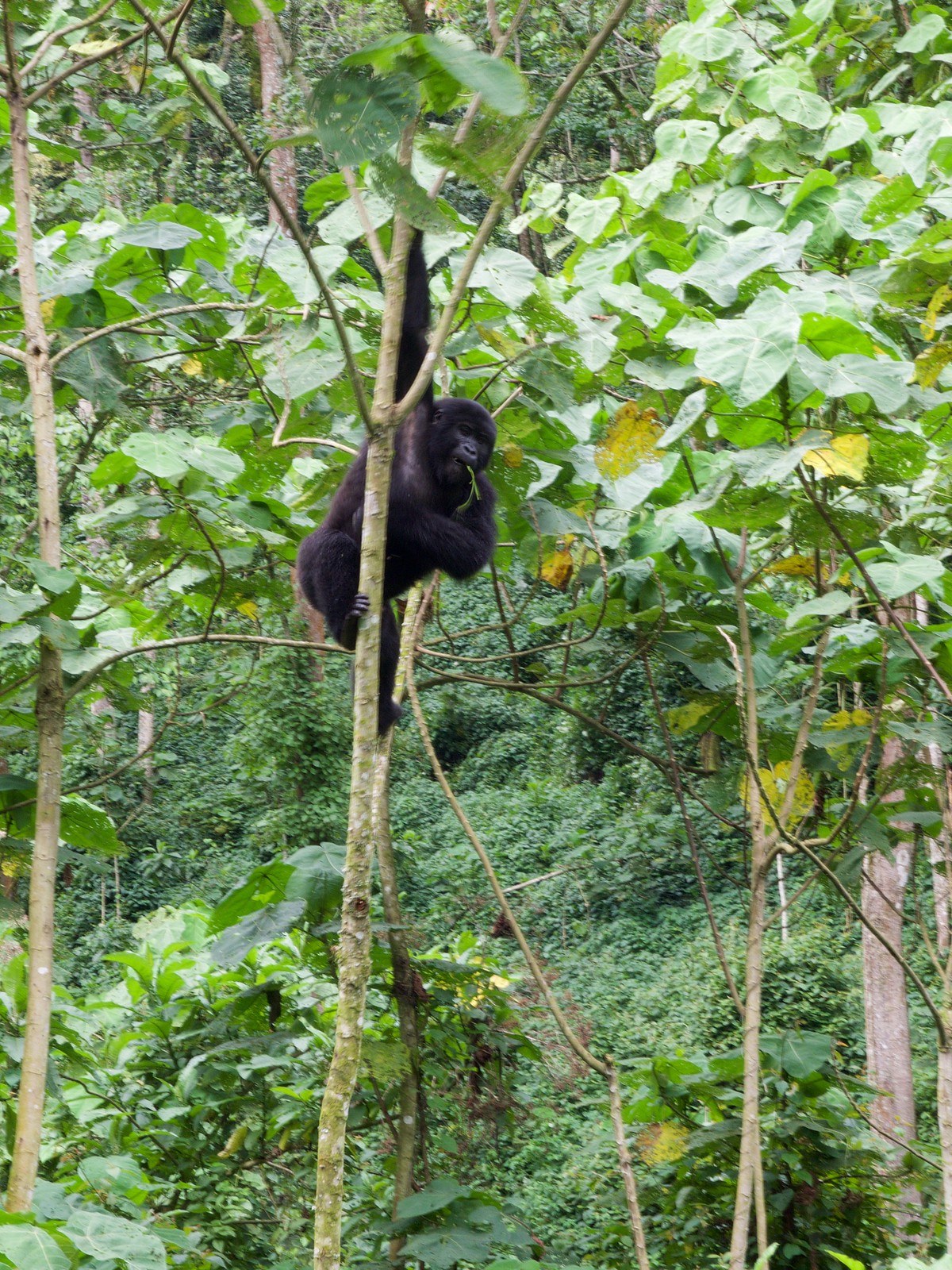
Trek through Bwindi’s mystical rainforest and meet the endangered mountain gorillas in their breathtaking natural home.
Encounter mountain gorillas and golden monkeys on Mgahinga’s misty volcanic trails, where culture and alpine wildlife thrive together.
Unwind after your trek with a peaceful canoe ride across Lake Bunyonyi, Uganda’s most tranquil and scenic highland lake.
Enhance your gorilla trekking safari with an optional chimpanzee encounter in Uganda’s lush forests, adding depth and diversity to your primate adventure
Bwindi Impenetrable Forest Gorilla Trekking Explained
1) What Bwindi Gorilla Trekking Really Is
Bwindi gorilla trekking is a strictly regulated wildlife activity where visitors hike through montane rainforest with professional ranger teams to locate a habituated mountain gorilla family and spend exactly one hour observing them at close range. It is not a zoo-style viewing and not a guaranteed “easy walk.” Trek time, terrain, and intensity vary daily because gorillas move naturally. The entire system is designed to protect gorillas first, then deliver a controlled visitor experience second.
1.1 Bwindi’s global importance
Bwindi Impenetrable National Park protects a major portion of the remaining mountain gorilla population and forms part of the broader Albertine Rift biodiversity zone. The park also supports chimpanzees (rarely tracked like in Kibale), forest elephants (rarely seen), and high bird diversity. Gorilla tourism is a primary funding channel for ranger patrols, veterinary interventions (where needed), community revenue-sharing, and park operations.
1.2 Habituated gorilla families
“Habituated” means the gorillas have undergone a long-term process (often 2–3 years) of gradually accepting the presence of people at a controlled distance. Habituation does not mean tame. You are entering their environment under ranger authority, with rules designed to reduce stress, disease risk, and behavioral disruption.
1.3 The one-hour rule
The one hour with gorillas is non-negotiable for standard trekking. Rangers manage time closely. This limit reduces stress on gorillas and lowers cumulative disease exposure. If you want longer time, you must book the separate Gorilla Habituation Experience (covered later).
2) Where Bwindi Is and How the Park Is Organized
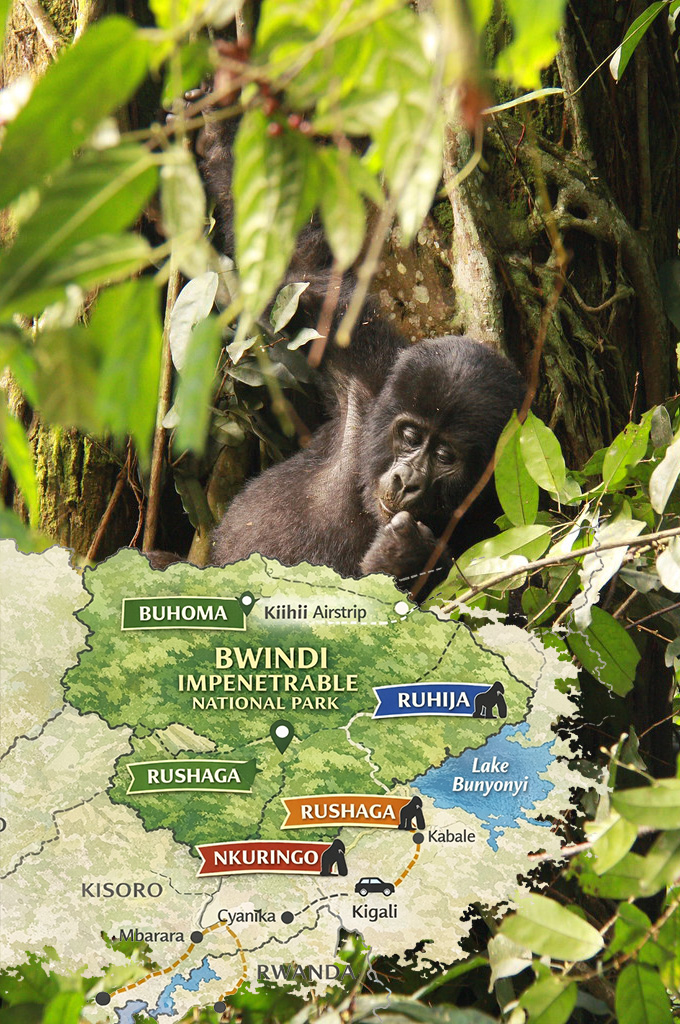
Bwindi is in southwestern Uganda, along the Albertine Rift. It’s mountainous, forested, and segmented into trekking regions called sectors. Your sector matters because it determines where you report for briefing, where your trek begins, and where you should sleep the night before.
2.1 The four main trekking sectors
Bwindi trekking is organized into four primary sectors:
Buhoma (North)
The most established sector with the widest spread of lodges and services. Often chosen for classic Bwindi logistics and easier add-ons like community walks.
Ruhija (East)
Higher altitude, cooler conditions, often quieter. Good for travelers who want fewer crowds and a more forest-focused experience.
Rushaga (South)
One of the strongest sectors for permit availability across peak periods and the key base for the Gorilla Habituation Experience (often operated from this broader southern zone). More lodge choice than Nkuringo.
Nkuringo (Southwest)
Dramatic ridge landscapes and steep terrain. Highly scenic. Often feels more exclusive due to smaller lodge clustering and location.
2.2 Why sector choice controls your entire trip
Sector is not a minor detail. It impacts:
- Drive time from Entebbe/Kampala or Kigali
- Road conditions on the final approach
- Where you must report at dawn
- Which lodges are practical (you do not want a 2–4 hour transfer at 5:00am)
- Trail difficulty tendencies (some areas trend steeper, though any trek can be hard)
2.3 Bwindi altitude and terrain reality
Bwindi is not flat. Expect steep ascents/descents, slippery roots, dense undergrowth, and quick weather shifts. Even in “dry season,” the forest can be wet underfoot.
3) Gorilla Permits: Cost, What You Actually Pay For, and How Booking Works
A gorilla permit is not just an entry ticket. It is a controlled access authorization that limits daily human contact with gorillas. Uganda Wildlife Authority (UWA) issues permits per day per sector per gorilla family, with strict caps. Because supply is limited and demand is high, permit planning is the backbone of your itinerary.
3.1 Current permit price and what it includes
Standard Uganda gorilla trekking permit: USD 800 per person (non-resident).
Typically included in the permit value:
- Park entry for the trekking day
- Ranger guides and tracker teams
- Security presence
- Conservation contribution
- One regulated hour with a habituated gorilla group
Not included:
- Transport to the briefing point
- Accommodation
- Meals
- Porter fees
- Tips
- Personal gear
3.2 Permit availability: why dates sell out
Permits are limited to small groups (maximum 8 visitors per gorilla family per day for standard treks). Peak travel windows (June–September and December–February) often sell out early. If your trip has fixed dates, permits should be booked first, then everything else built around them.
3.3 How allocation works in real life
You do not select a specific gorilla family at the time of purchase in most cases. Allocation typically happens on the trekking morning at the briefing point, based on:
- Group size
- Fitness level declarations
- Gorilla locations from tracker reports
- Operational needs and park management decisions
Some operators can request considerations (e.g., shorter treks for older guests), but nothing is guaranteed because gorillas move.
3.4 What happens if you arrive late or miss briefing
Late arrival risks missing your assigned group. Briefings are early and strict because ranger teams and trackers coordinate from dawn. Always sleep in the correct sector the night before and aim to be at the briefing location well before time.
3.5 Rescheduling and refunds
Policies can be strict. If you have a medical issue, talk to your operator early. In some cases, documentation may help for rescheduling, but it’s not something to assume. Treat the permit as a fixed, limited asset.
4) The Trekking Day: Step-by-Step, Exactly What Happens
Trekking day follows a structured system: arrival, briefing, grouping, drive (sometimes), hike, gorilla time, exit, and certification. The intensity is unpredictable because gorillas can move far overnight. Your experience improves dramatically when you understand the workflow and pace.
4.1 Early morning check-in
You arrive at the sector headquarters early (often around 7:00am). You’ll present your permit confirmation and be registered.
4.2 The ranger briefing
Rangers cover:
- Gorilla behavior and safety rules
- Distance rules (commonly 7 meters minimum)
- No flash photography
- What to do if a gorilla approaches
- Hygiene and disease prevention
- Group assignments and trek expectations
This is also where you should state:
- Any injuries (knee, ankle, back)
- Fitness limits
If you want to hire a porter (often arranged here)
4.3 Assignment to a gorilla family
Groups are formed and assigned to a habituated family. Rangers often try to match:
Faster hikers to longer routes
Slower hikers to closer groups
But real-time gorilla location matters most.
4.4 Driving to the trailhead (sometimes)
Some treks start from the HQ. Others involve a short drive to a trail access point, depending on where trackers found the gorillas that morning.
4.5 The hike: what it feels like
You hike with:
- Lead ranger guide
- Additional ranger(s)
- Trackers
Sometimes armed escort (standard practice)
Expect:
- Mud, vines, nettles
- Sudden steep climbs
- Narrow footpaths
Frequent short stops for regrouping
Trackers may move ahead and communicate via radio. When the gorillas are close, the group slows down and prepares.
4.6 Entering gorilla proximity
Before you see them clearly, you may hear:
- Branch cracking
- Low vocalizations
- Feeding sounds
Rangers manage spacing and reposition people to maintain safe distance and avoid blocking gorilla routes.
4.7 The one-hour encounter
The hour starts when the ranger confirms you are within the viewing zone. You will typically observe:
- Feeding patterns (leaves, stems, shoots)
- Grooming and social bonding
- Juvenile play
- Silverback presence and control behavior
- Movement through vegetation (sometimes very close)
Key rule: stay calm, move slowly, do not point aggressively, do not crowd.
4.8 Exiting the group
When time ends, rangers will instruct the group to step back and exit. This is important because gorillas may shift position after being observed.
4.9 Trek back and certificate
The exit hike can be as hard as the entry because downhill is slippery. At the end, you typically receive a trekking certificate.
5) Rules and Safety: What You Must Do and Why It Matters
Gorillas share a high percentage of DNA with humans, which increases disease vulnerability. Bwindi rules are designed primarily for gorilla welfare, then for visitor safety. Ignoring rules can disrupt gorilla behavior, increase disease risk, and cause dangerous interactions.
5.1 Health screening: do not trek when sick
If you have a flu, cough, fever, or any contagious condition, you should not trek. Respiratory illness can be fatal to gorillas. Rangers may deny participation if you appear ill.
5.2 Distance, posture, and movement
Keep the instructed distance (commonly 7m)
Crouch if needed to reduce your “size”
Avoid sudden movement
Never run
Don’t surround gorillas
If a gorilla approaches, you do not step forward. You remain still, look down or aside, and let the ranger manage the moment.
5.3 Photography rules
No flash
Slow movements
Manage camera settings before you get close
Bring a rain cover for camera and lens
If you’re serious about photos, a fast lens helps in low forest light, but even phones can capture strong results if you stay steady.
5.4 What if a gorilla charges?
Charges are usually bluff displays, especially from juveniles or protective adults. Rangers read body language and will direct you. Your job is to stay still and follow instructions.
5.5 Bathroom and waste protocol
Rangers provide guidance. In the forest, waste management matters to reduce contamination and keep gorilla habitat clean.
6) Difficulty Levels and How to Plan for Your Fitness
Bwindi difficulty is real. Even fit travelers can find it tough because it’s not a smooth hiking trail—it’s steep rainforest terrain at altitude. Preparation reduces fatigue, improves safety, and makes the experience more enjoyable.
6.1 What makes Bwindi hard
Steep gradients
Mud and roots
Humidity and heat pockets
Altitude effects (especially in higher areas)
Unpredictable trek duration
6.2 Fitness preparation that actually helps
Best preparation:
Stair climbing and hill walks
Leg strength (squats, step-ups)
Balance training (uneven ground)
Cardio endurance (long brisk walks)
6.3 Porters: why you should hire one
A porter carries your daypack and can physically assist on steep slopes. This is not only comfort—it improves stability and reduces injury risk. It also supports community income.
6.4 Trek style selection (best-effort, not guaranteed)
If you need a shorter trek, tell the ranger team honestly. They may attempt to allocate you to a closer group. However, gorilla movement means “easy trek” cannot be promised.
7) Best Time to Visit Bwindi: Seasons, Trail Conditions, and Crowd Strategy
Bwindi is a year-round destination because gorillas are present and tracked daily. The difference between months is mostly about trail conditions, visibility, comfort, and permit pressure.
7.1 Dry seasons (June–September, December–February)
What changes:
Trails are generally less muddy (not always dry)
Hiking is easier
More visitors and higher demand
Lodges fill faster
Best for:
First-time trekkers who want easier footing
Travelers with limited time who need reliable logistics
7.2 Rainy seasons (March–May, October–November)
What changes:
Trails become slippery and more physically demanding
Transfers can be slower
Forest looks lush and dramatic
Fewer crowds and sometimes better lodge deals
Best for:
Travelers prioritizing lower congestion
Strong hikers who don’t mind mud
Photographers who like misty forest atmosphere (with careful gear protection)
8) How to Get to Bwindi: Transfers From Entebbe, Kampala, and Kigali
Bwindi access is the main logistical challenge. Roads are long, and sector choice changes drive time significantly. Good planning reduces fatigue and ensures you arrive ready for trekking.
8.1 From Entebbe/Kampala (Uganda route)
Most overland itineraries take 8–10+ hours depending on route, sector, and stops. Many travelers break the journey with an overnight stop around Lake Mburo area or other southwestern Uganda points to reduce fatigue.
8.2 From Kigali (Rwanda route)
Kigali can be a practical gateway for the southern Bwindi sectors (Rushaga/Nkuringo) via border crossing, depending on road conditions and border time. This is popular for travelers combining Rwanda and Uganda or aiming for a shorter overall transfer from an international flight hub.
8.3 Domestic flights (when they make sense)
Uganda has flight options to nearby airstrips with onward road transfers. Fly-in reduces road fatigue but increases cost. It’s a strategic choice for:
Tight schedules
Luxury itineraries
Older travelers who want comfort
9) Where to Stay: Choosing Lodges the Right Way
Accommodation should never be chosen “because it looks nice” without considering sector. The correct approach is: permit sector first → lodge location second → comfort level third. This prevents early-morning transfer stress and avoids missing briefing.
9.1 Stay in the correct sector zone
If your permit is in Buhoma, sleep in Buhoma area. If your permit is in Rushaga, sleep in Rushaga area. Do not assume you can “drive across Bwindi” easily at dawn.
9.2 What to expect from Bwindi accommodation
Bwindi lodging ranges from community camps to high-end forest lodges. Even luxury properties operate in a remote zone, so:
Power may be generator or solar-supported
Wi-Fi may be limited
Roads to lodges can be rough
This is normal for rainforest destinations.
9.3 Comfort vs positioning
A midrange lodge in the correct sector beats a luxury lodge far away if it forces extreme morning transfers. Positioning improves your trek day dramatically.
10) Gorilla Habituation Experience: The 4-Hour Option
If you want deeper behavioral observation and longer time, habituation is the upgrade. It’s more immersive and less “tour-like,” but it’s also more demanding and more expensive.
10.1 What it is
You join researchers and ranger teams as they work with a semi-habituated group, observing behavior and supporting the final stages of the process.
10.2 Time with gorillas
Up to 4 hours (not 1 hour). You see more:
Feeding cycles
Movement patterns
Social dynamics over time
Repeated interaction management by the team
10.3 Cost and who it suits
Permit is typically USD 1,500 per person. Best for:
Photographers
Wildlife behavior enthusiasts
Travelers who value depth over comfort
11) Costs Beyond the Permit: What People Forget to Budget For
Bwindi cost planning fails when travelers only think “permit + hotel.” The realistic budget includes transfers, porter, tips, and contingency costs because rainforest travel can be unpredictable.
11.1 Typical extra costs
Common additions:
Porter hire
Ranger/staff tipping
Packed lunch (often arranged by lodge)
Drinks and extras at lodge
Transfer costs (vehicle + driver/guide if private)
Border fees/visa costs if crossing from Rwanda (case-dependent)
11.2 Tipping guidance (practical reality)
Tipping is part of tourism income structure. Amounts vary by group size and service level, but you should plan a tipping budget rather than improvising.
A practical approach:
Tip ranger guide(s)
Tip tracker team where appropriate
Tip porter directly
Tip lodge staff through lodge system if available
Carry small notes in local currency or USD where accepted.
12) Combining Bwindi With Other Destinations: Best Add-Ons That Make Sense
Bwindi is intense. The best itineraries balance it with either savannah safari or recovery time at a lake. Good combinations improve overall trip satisfaction and reduce exhaustion.
12.1 Queen Elizabeth National Park
Best pairing for classic wildlife, boat cruise, and a contrasting landscape after rainforest trekking.
12.2 Lake Bunyonyi
Ideal decompression stop after trekking. It’s scenic, calm, and helps recovery before long transfers.
12.3 Multi-country combos (Uganda + Rwanda)
Useful for travelers who want:
Gorilla trekking plus Rwanda’s Volcanoes region experience
Kigali city cultural layer
Cleaner transfer strategy depending on entry and exit flights
13) Mistakes to Avoid
Most Bwindi “bad experiences” come from planning errors, not from the gorillas. Avoid these and your trek quality improves immediately.
13.1 Booking the wrong lodge location
Sleeping far from your permit sector is the #1 mistake.
13.2 Underestimating the trek
People arrive with sneakers, no rain gear, no water, and no gloves. Bwindi is forest hiking, not a park walkway.
13.3 Skipping porter hire to “save money”
Porters are a safety tool in steep rainforest terrain. This is a false economy.
13.4 Not booking permits early
If you lock flights before permits, you may be forced into poor sector choices, inconvenient dates, or expensive last-minute moves.
Plan Your Safari to Bwindi
Bwindi planning works best when you build the trip around the permit and sector first, then lock accommodation and transfers in a logical flow. If you want, I can structure a complete itinerary (budget, midrange, or luxury) with the correct sector-based lodge options and transfer timing, including an add-on safari or lake recovery day.
More Bwindi Information to Know.
Bwindi Impenetrable Forest is a mountainous rainforest in southwestern Uganda, home to endangered mountain gorillas. Its unique climate, rich vegetation, community tourism, and conservation efforts make it a vital and unforgettable destination.
Bwindi History
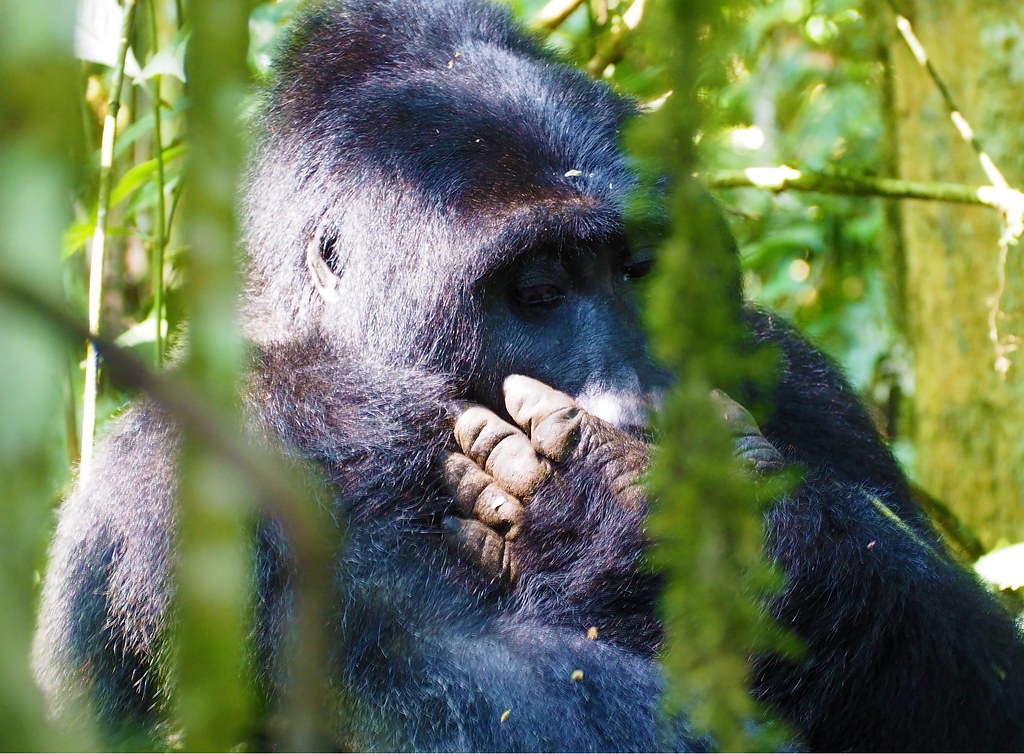
Bwindi History
Bwindi Altitude
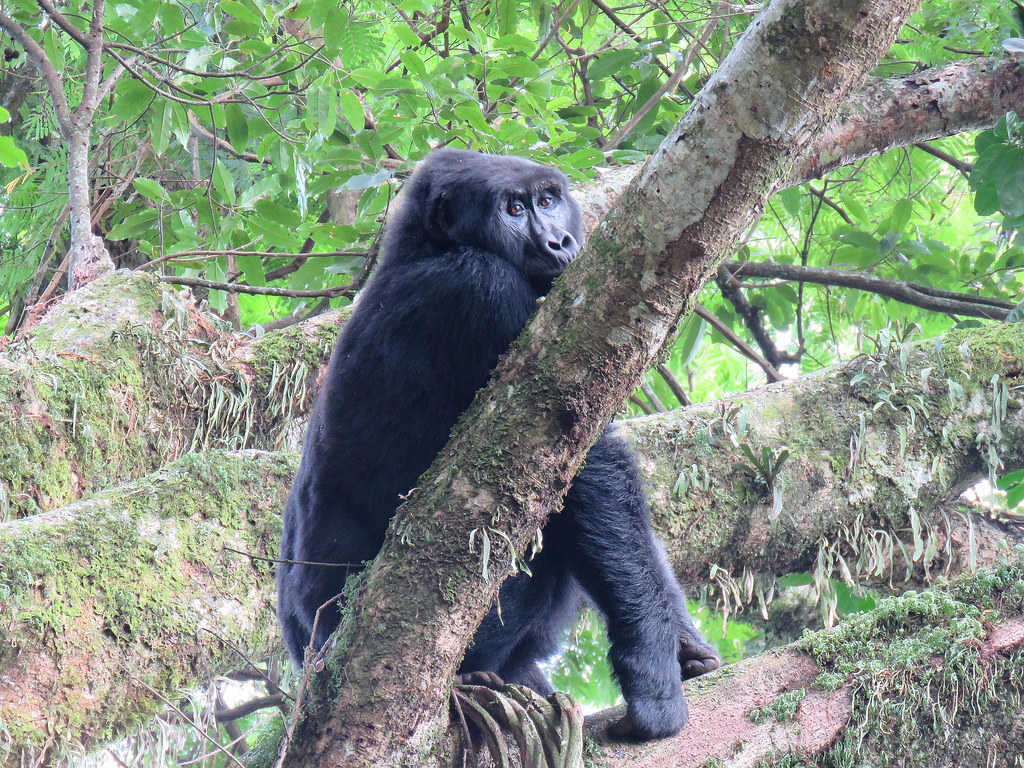
Bwindi Altitude
Bwindi Climate
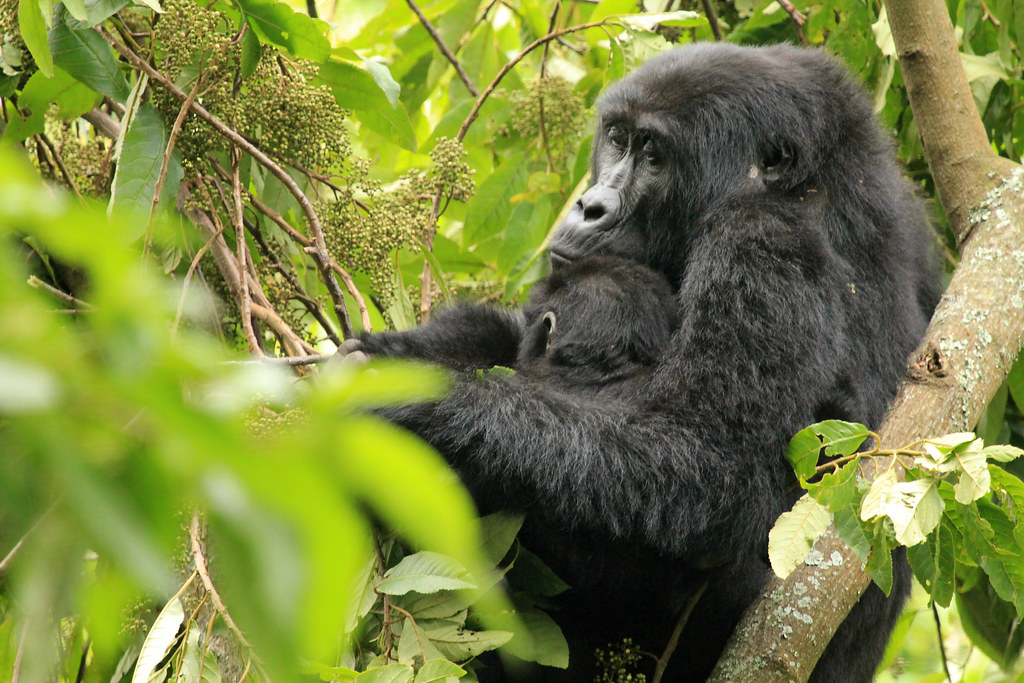
Bwindi Climate
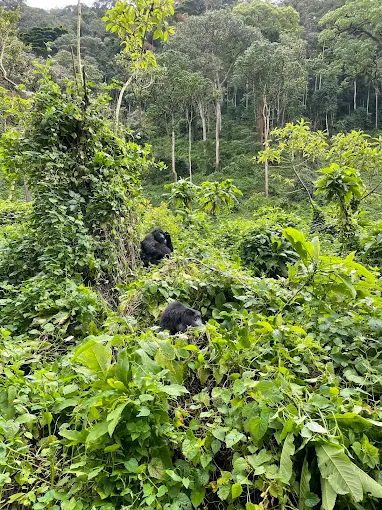
Bwindi Geography
Bwindi Geography
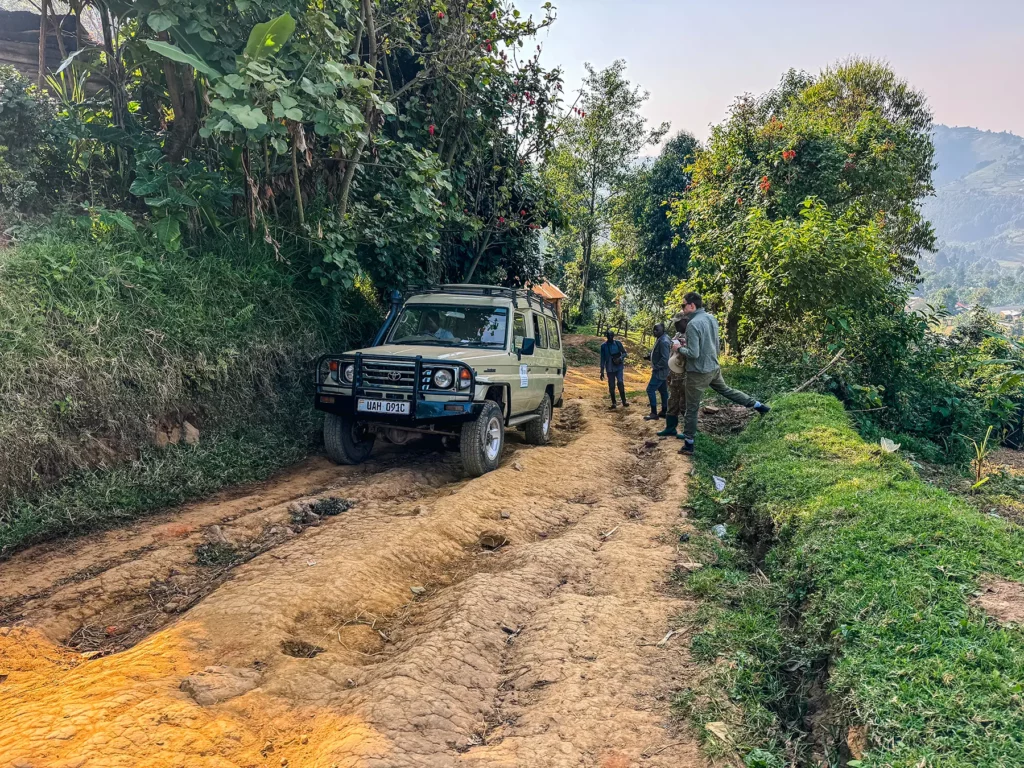
Getting There To Bwindi
Getting There To Bwindi
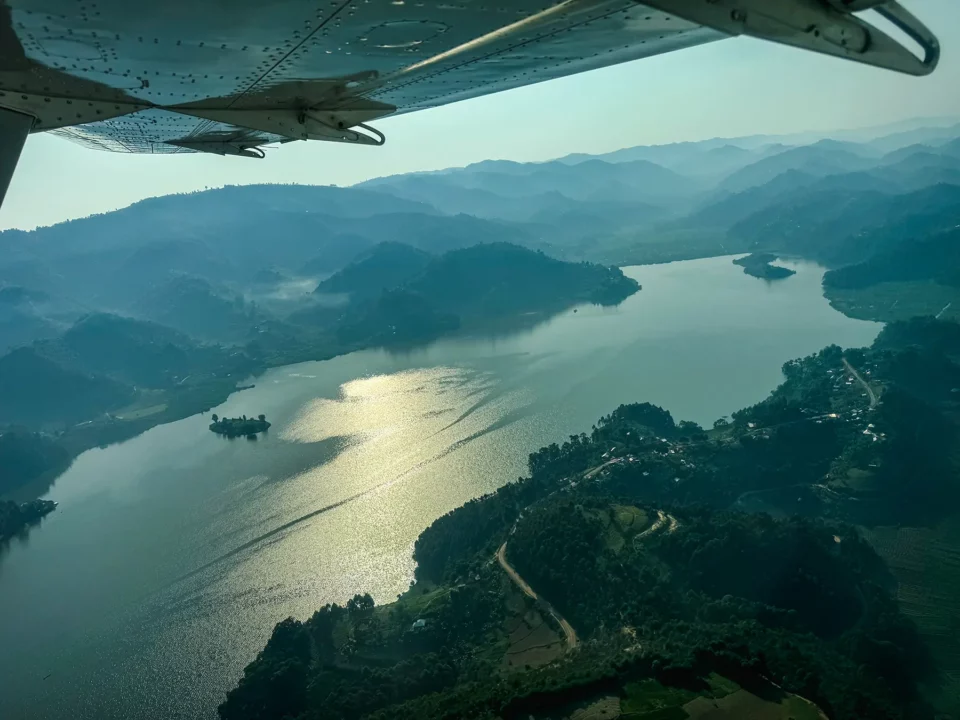
Bwindi Location
Bwindi Location
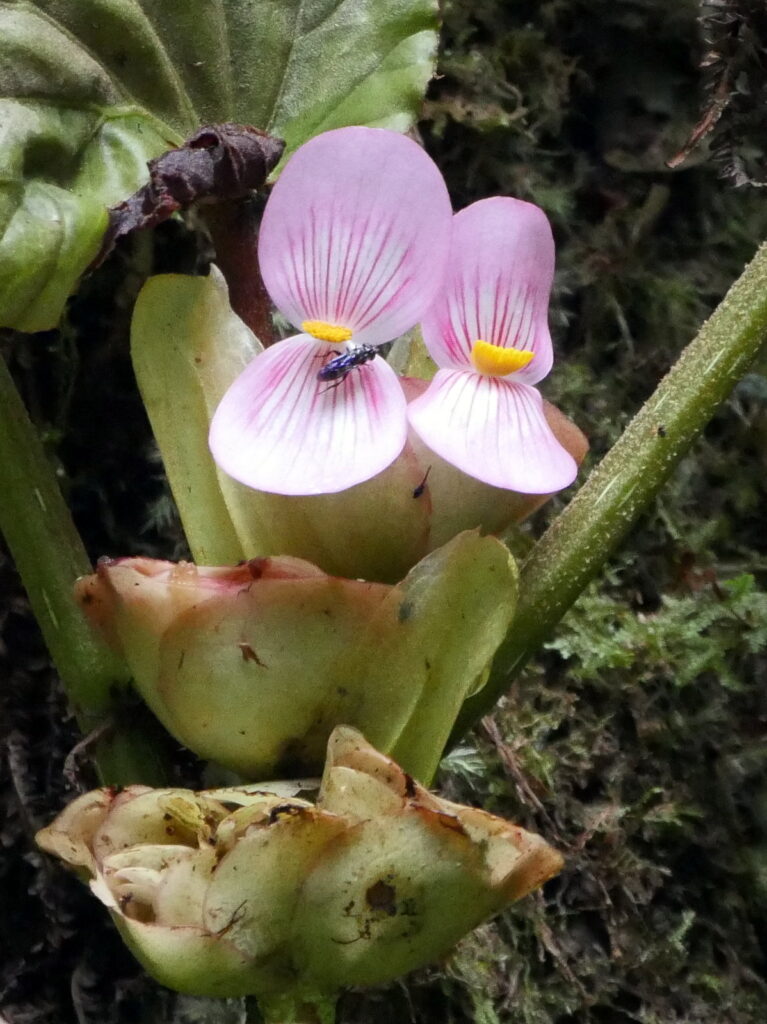
Bwindi Vegetation
Bwindi Vegetation
Bwindi Sectors
Bwindi Sectors
Bwindi Visitor Centres
Bwindi Visitor Centres
Bwindi Waterfalls
Bwindi Waterfalls
Bwindi Impenetrable Forest
Bwindi Impenetrable Forest
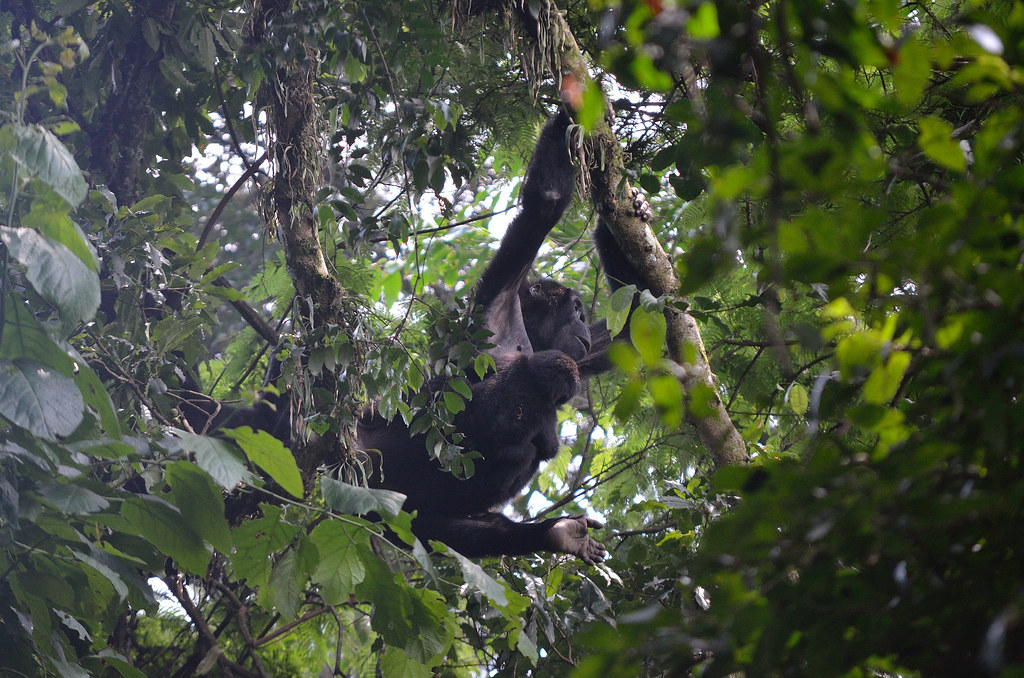
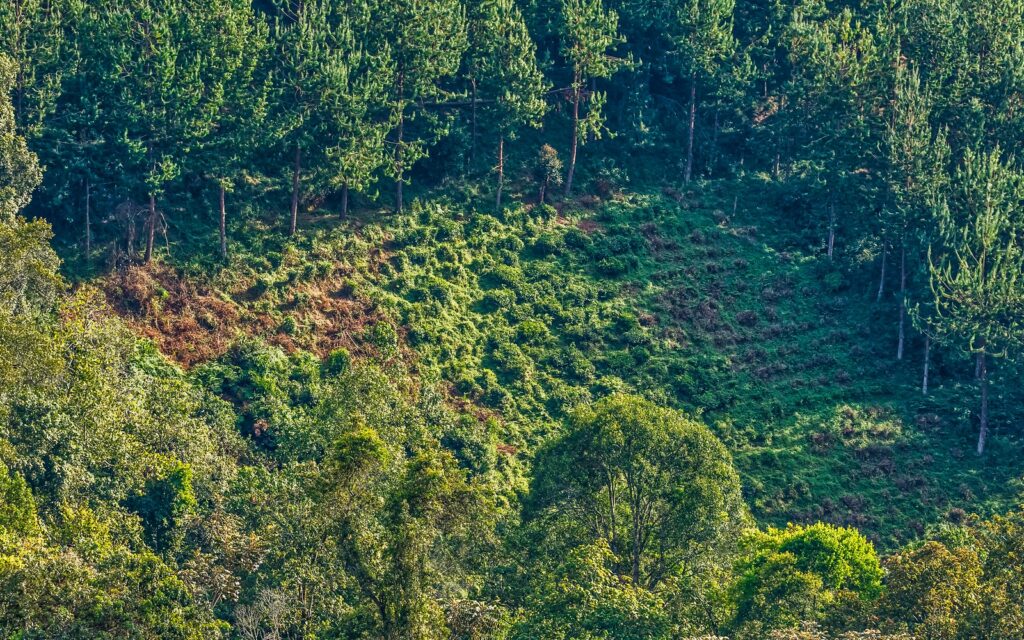
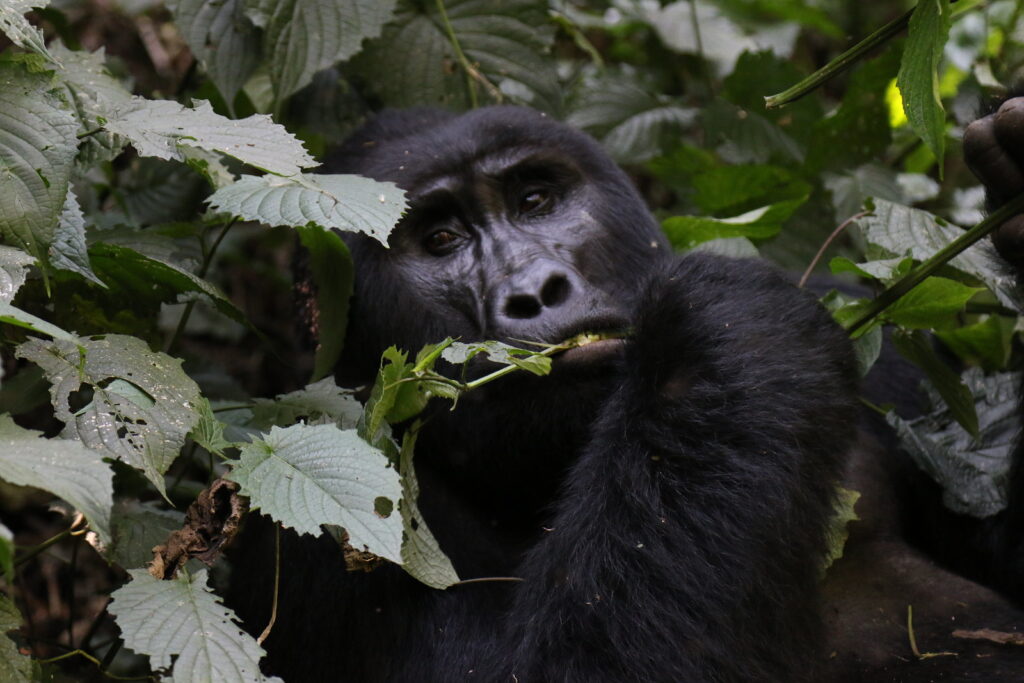
In the Realm of Giants – Bwindi & Mgahinga in Frames.
Wander through an elegant gallery capturing Uganda’s most exclusive gorilla sanctuaries, where ancient forests cradle the last mountain gorillas in a world of mist, mystery, and majesty.

Essential Planning Tips for Visiting Uganda’s National Parks.
Get ready for the wild heart of Africa with expert travel tips on when to visit, what to pack, where to go, and how to make the most of your safari across Uganda’s breathtaking national parks.
Why Uganda for Gorilla Trekking?
Uganda is not just a destination — it's the very soul of gorilla trekking. With over half of the world’s remaining mountain gorillas calling its misty forests home, Uganda offers the rarest encounters in their most authentic setting. Here, your journey is not rushed or crowded. Instead, you’re guided by experienced rangers through pristine jungles where gorillas live as they always have — wild, free, and magnificent
From insider travel insights to unforgettable trekking guides, our blog is your trusted path into Uganda’s wild heart — connecting you with mountain gorillas, breathtaking landscapes, and the soul-stirring adventures that make this land unlike any other.