

Where the soul of the forest whispers in the mist
Rwanda’s history is marked by ancient kingdoms, colonial transformation, independence, conflict, and one of the most significant national rebuilding efforts in modern Africa. The country’s past stretches back centuries through a centralized monarchy that shaped social organization, land systems, and cultural identity. Over time, colonial rule introduced administrative changes that altered traditional structures and intensified social divisions.
The late 20th century brought profound tragedy with the 1994 Genocide against the Tutsi, a defining moment in Rwanda’s modern history. Since then, the country has focused on reconciliation, institutional reform, economic development, and national unity. Understanding Rwanda’s history requires examining its pre-colonial foundations, colonial restructuring, post-independence politics, and post-genocide transformation.
So lace up your boots, grab your camera, and prepare to meet the wild — this is where your gorilla trekking dreams and unforgettable safari adventures truly begin.
Truly Iconic Highlights in Uganda

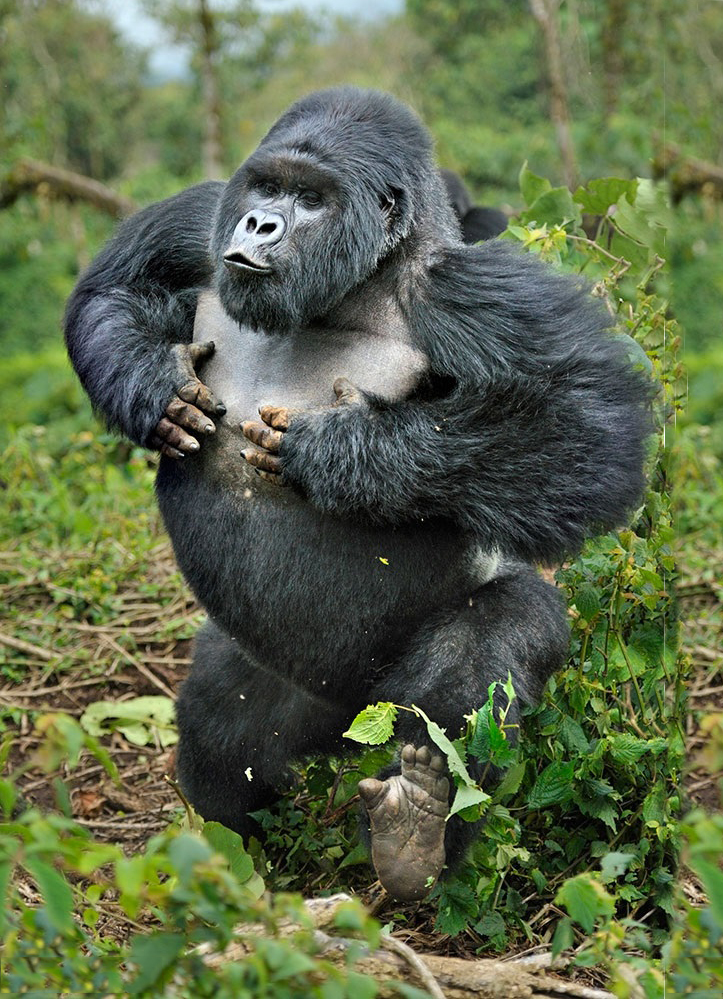
Trek through Bwindi’s mystical rainforest and meet the endangered mountain gorillas in their breathtaking natural home.
Encounter mountain gorillas and golden monkeys on Mgahinga’s misty volcanic trails, where culture and alpine wildlife thrive together.
Unwind after your trek with a peaceful canoe ride across Lake Bunyonyi, Uganda’s most tranquil and scenic highland lake.
Enhance your gorilla trekking safari with an optional chimpanzee encounter in Uganda’s lush forests, adding depth and diversity to your primate adventure
Rwanda’s Historical Journey: Past to Present
Pre-Colonial Kingdom of Rwanda
For centuries, Rwanda functioned as a centralized kingdom ruled by a Mwami (king). The monarchy maintained authority through a structured administrative system and cattle-based economy. Social organization was influenced by clan systems, land distribution, and cattle ownership.
The kingdom expanded territorially over time, consolidating power through military strength and political alliances. Cultural unity was reinforced through language (Kinyarwanda), shared traditions, and royal institutions.
German and Belgian Colonial Rule (1897–1962)
Rwanda became part of German East Africa in the late 19th century. German administration relied largely on indirect rule, maintaining existing monarchical structures.
After World War I, Belgium assumed control under a League of Nations mandate. Belgian rule introduced identity cards, formalized ethnic classifications, and reshaped governance systems. Colonial policies altered power dynamics and deepened divisions that would later influence political tensions.
Missionary education, infrastructure development, and agricultural reforms occurred during this period, but colonial administration also restructured traditional authority.
Independence and Early Republic (1962–1990)
Rwanda gained independence in 1962. The monarchy was abolished, and the country became a republic. Political transitions during this period were marked by ethnic tensions, periodic violence, and regional instability.
Government structures evolved, but political competition remained limited. Economic development was primarily agricultural, and the country remained largely rural.
The 1994 Genocide Against the Tutsi
In April 1994, following the assassination of President Juvénal Habyarimana, extremist elements initiated mass violence that resulted in the deaths of approximately 800,000 people within 100 days.
The genocide profoundly reshaped Rwanda’s social, political, and institutional landscape. It remains one of the most studied and documented atrocities of the late 20th century.
Memorial sites such as Kigali Genocide Memorial preserve the memory of victims and serve as educational centers for reconciliation and historical awareness.
Post-Genocide Reconstruction (1994–Present)
Following the end of the genocide, Rwanda embarked on a comprehensive national rebuilding process. The new government prioritized security, institutional reform, economic stabilization, and reconciliation.
Community-based justice systems known as Gacaca courts addressed genocide-related cases. National policies emphasized unity over ethnic classification, and identity documentation shifted away from ethnic labels.
Economic reforms, infrastructure development, and anti-corruption policies contributed to steady growth. Kigali transformed into a modern capital city, hosting international conferences and regional institutions.
Modern Rwanda and National Identity
Today, Rwanda promotes a unified national identity grounded in shared citizenship rather than ethnic distinction. Policies focus on governance reform, gender equality, technology adoption, and conservation-driven tourism.
Sites such as Volcanoes National Park represent both environmental conservation and economic development, illustrating how history, reconciliation, and future ambition intersect in contemporary Rwanda.
Historical Significance
Rwanda’s history reflects resilience and transformation. From centralized monarchy to colonial restructuring, from conflict to reconstruction, the country’s trajectory remains one of Africa’s most studied examples of national recovery and institutional rebuilding.
Understanding Rwanda today requires acknowledging both its historical depth and its commitment to long-term stability and development.
More Information About Uganda to Know.
Uganda is a culturally rich and naturally diverse country, home to vibrant traditions, stunning landscapes, and welcoming people. From its deep history to its thriving wildlife and modern identity, Uganda truly stands as the Pearl of Africa.
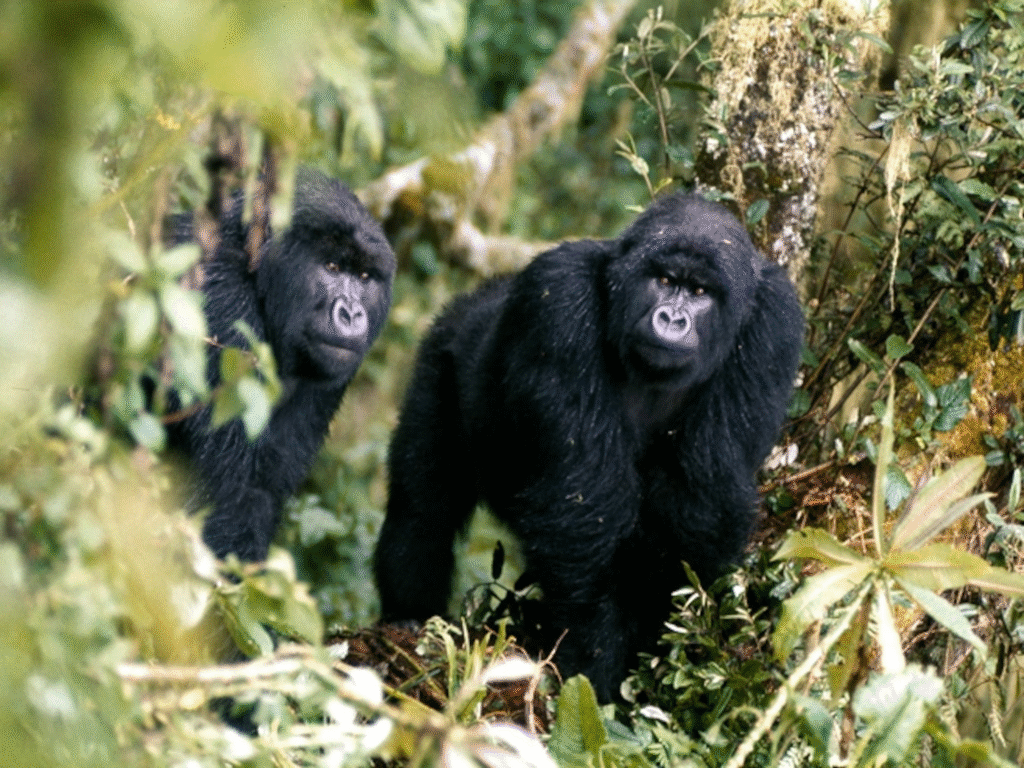
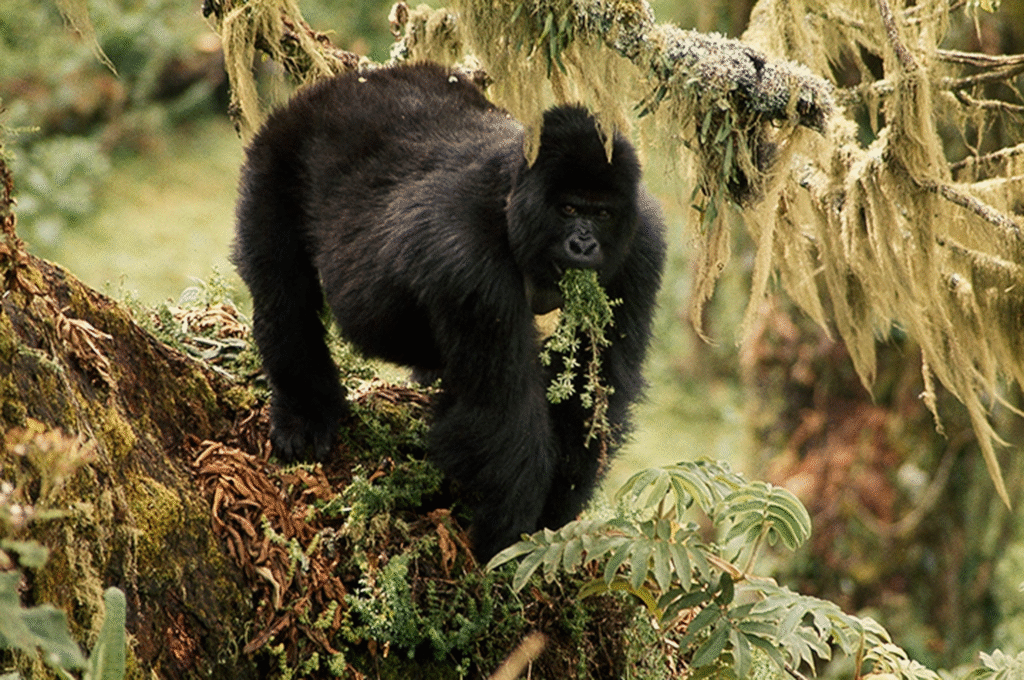
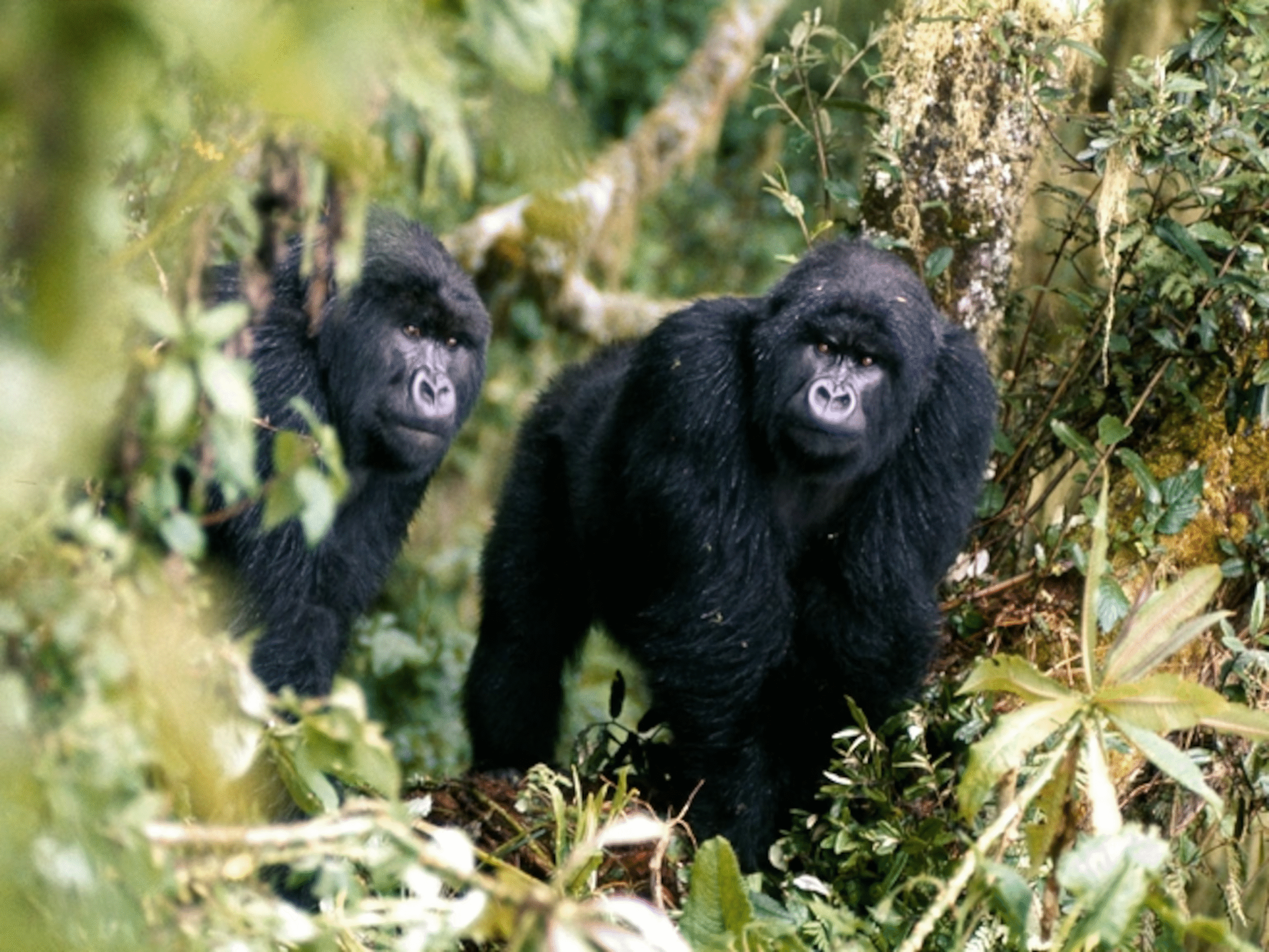
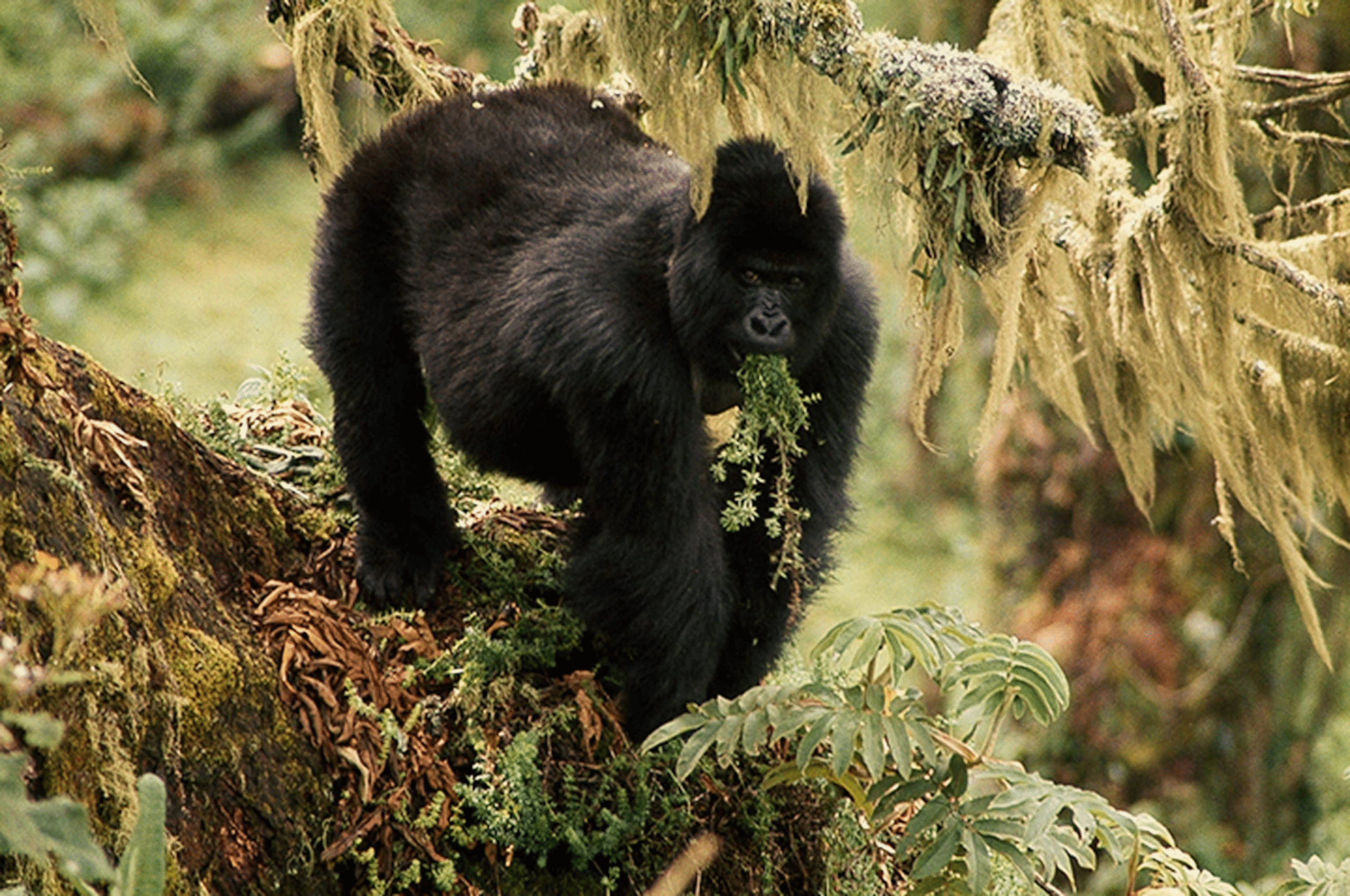
In the Realm of Giants – Bwindi & Mgahinga in Frames.
Wander through an elegant gallery capturing Uganda’s most exclusive gorilla sanctuaries, where ancient forests cradle the last mountain gorillas in a world of mist, mystery, and majesty.

Essential Planning Tips for Visiting Uganda’s National Parks.
Get ready for the wild heart of Africa with expert travel tips on when to visit, what to pack, where to go, and how to make the most of your safari across Uganda’s breathtaking national parks.
Why Uganda for Gorilla Trekking?
Uganda is not just a destination — it's the very soul of gorilla trekking. With over half of the world’s remaining mountain gorillas calling its misty forests home, Uganda offers the rarest encounters in their most authentic setting. Here, your journey is not rushed or crowded. Instead, you’re guided by experienced rangers through pristine jungles where gorillas live as they always have — wild, free, and magnificent
From insider travel insights to unforgettable trekking guides, our blog is your trusted path into Uganda’s wild heart — connecting you with mountain gorillas, breathtaking landscapes, and the soul-stirring adventures that make this land unlike any other.