

Where the soul of the forest whispers in the mist
Rwanda’s economy has transformed significantly over the past two decades, evolving from an agriculture-based structure into one of Africa’s fastest-growing and most reform-oriented economies. The country emphasizes stability, innovation, service-sector expansion, and strong governance as pillars of national development. Kigali has emerged as a regional business hub, while rural regions continue to depend heavily on agriculture and small-scale trade.
Livelihoods in Rwanda remain closely connected to land, community enterprise, tourism, and cross-border trade. Although agriculture still employs the majority of the population, diversification into services, technology, construction, and eco-tourism has reshaped income opportunities. The country’s development strategy focuses on reducing poverty, increasing private-sector participation, and positioning Rwanda as a knowledge-based economy in East Africa.
So lace up your boots, grab your camera, and prepare to meet the wild — this is where your gorilla trekking dreams and unforgettable safari adventures truly begin.
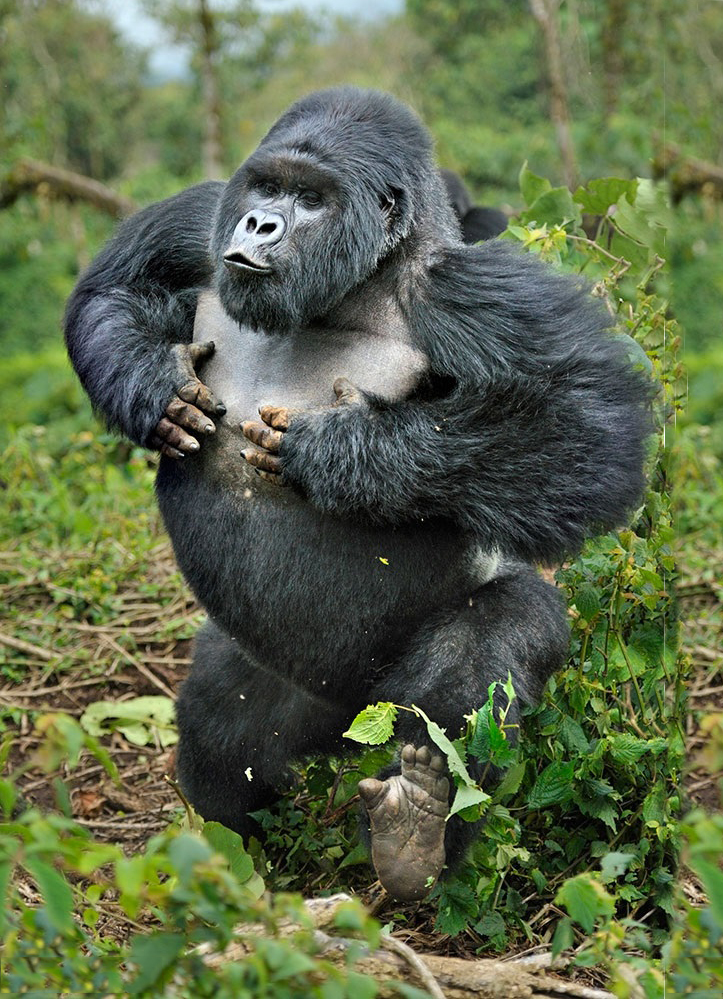
Truly Iconic Highlights in Uganda

Trek through Bwindi’s mystical rainforest and meet the endangered mountain gorillas in their breathtaking natural home.
Encounter mountain gorillas and golden monkeys on Mgahinga’s misty volcanic trails, where culture and alpine wildlife thrive together.
Unwind after your trek with a peaceful canoe ride across Lake Bunyonyi, Uganda’s most tranquil and scenic highland lake.
Enhance your gorilla trekking safari with an optional chimpanzee encounter in Uganda’s lush forests, adding depth and diversity to your primate adventure
Understanding Rwanda’s Economic Structure and Livelihoods
Agriculture: The Backbone of Rural Livelihoods
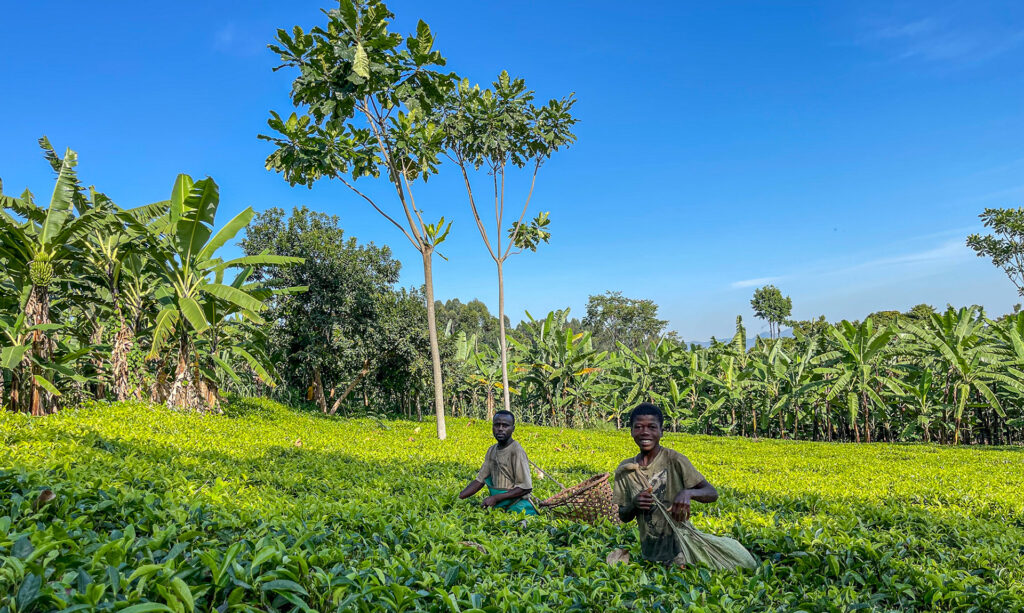
Agriculture remains the primary source of income for a large percentage of Rwanda’s population. Smallholder farmers cultivate crops such as coffee, tea, beans, maize, cassava, sweet potatoes, and bananas.
Coffee and tea are Rwanda’s most important export crops. High-altitude growing conditions produce premium-quality beans that are internationally competitive. Tea plantations, particularly in the western and northern highlands, contribute significantly to foreign exchange earnings.
Livestock farming also supports rural livelihoods, with cattle, goats, and poultry playing important economic and cultural roles.
Tourism and Conservation Economy
Tourism has become one of Rwanda’s leading foreign exchange earners. Gorilla trekking in Volcanoes National Park attracts high-value international visitors, generating substantial conservation revenue.
Wildlife safaris in Akagera National Park and primate tracking in Nyungwe National Park further strengthen the sector.
Tourism supports:
- Employment in lodges, guiding, and park management
- Community-based enterprises
- Handicraft cooperatives
- Transport and hospitality services
Revenue-sharing programs channel a percentage of tourism income into surrounding communities, funding schools, health centers, and infrastructure projects.
Urban Growth and Service Sector Expansion
Kigali is the center of Rwanda’s service-driven economy. Finance, telecommunications, construction, and conference tourism continue to expand. The city hosts international summits and regional business events, strengthening Rwanda’s image as a stable investment destination.
Small and medium enterprises (SMEs) dominate urban livelihoods, including retail shops, transport services, hospitality businesses, and digital startups.
Government initiatives promote entrepreneurship, youth employment, and innovation ecosystems.
Manufacturing and Trade
Rwanda’s manufacturing sector is growing, focusing on agro-processing, construction materials, textiles, and light industry. Regional trade within the East African Community supports cross-border commerce with neighboring countries.
Infrastructure improvements, including road networks and logistics hubs, enhance Rwanda’s role as a trade corridor despite being landlocked.
Technology and Innovation
Rwanda positions itself as a digital-forward economy. Investments in broadband connectivity, e-governance systems, and technology incubation hubs aim to build a knowledge-based workforce.
Initiatives in fintech, drone delivery services for medical supplies, and digital payment systems demonstrate Rwanda’s ambition to modernize its economy.
Challenges and Development Goals
Despite strong growth indicators, Rwanda continues to face challenges such as:
- High rural dependency on subsistence agriculture
- Climate vulnerability affecting crop production
- Limited industrial scale
- Youth employment pressures
National development strategies focus on economic diversification, export growth, education reform, and skills training.
Community Livelihoods and Cooperative Models
Cooperatives play a major role in Rwanda’s economic structure. Women-led artisan groups produce handwoven baskets and crafts sold locally and internationally. Agricultural cooperatives improve access to markets and financing.
Community-based tourism and conservation-linked enterprises connect livelihoods directly to environmental sustainability.
Economic Outlook
Rwanda continues to prioritize macroeconomic stability, private-sector growth, and regional integration. The long-term vision centers on transforming from a low-income, agriculture-based economy into a middle-income, service-oriented nation.
Economic growth remains closely tied to tourism, agricultural productivity, innovation, and governance stability.
More Information About Uganda to Know.
Uganda is a culturally rich and naturally diverse country, home to vibrant traditions, stunning landscapes, and welcoming people. From its deep history to its thriving wildlife and modern identity, Uganda truly stands as the Pearl of Africa.
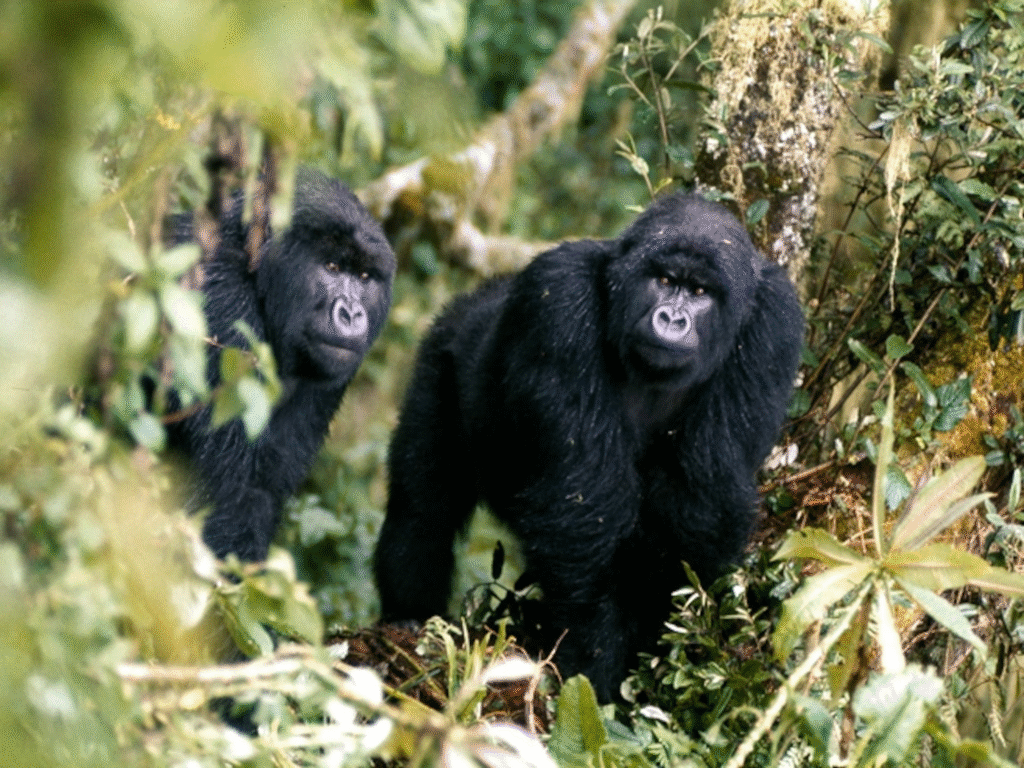
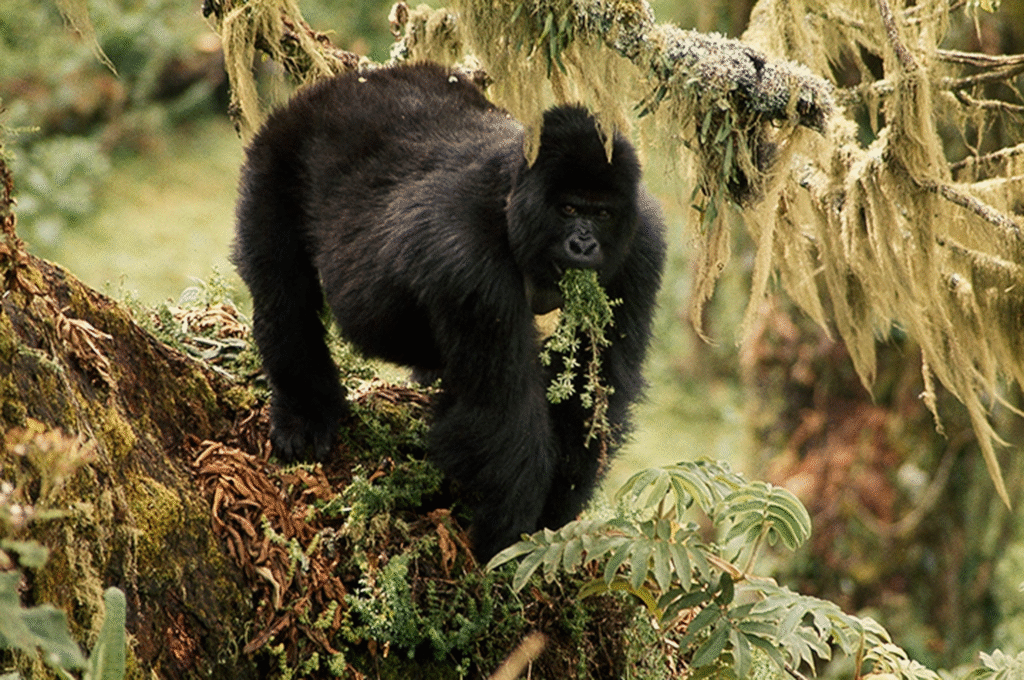
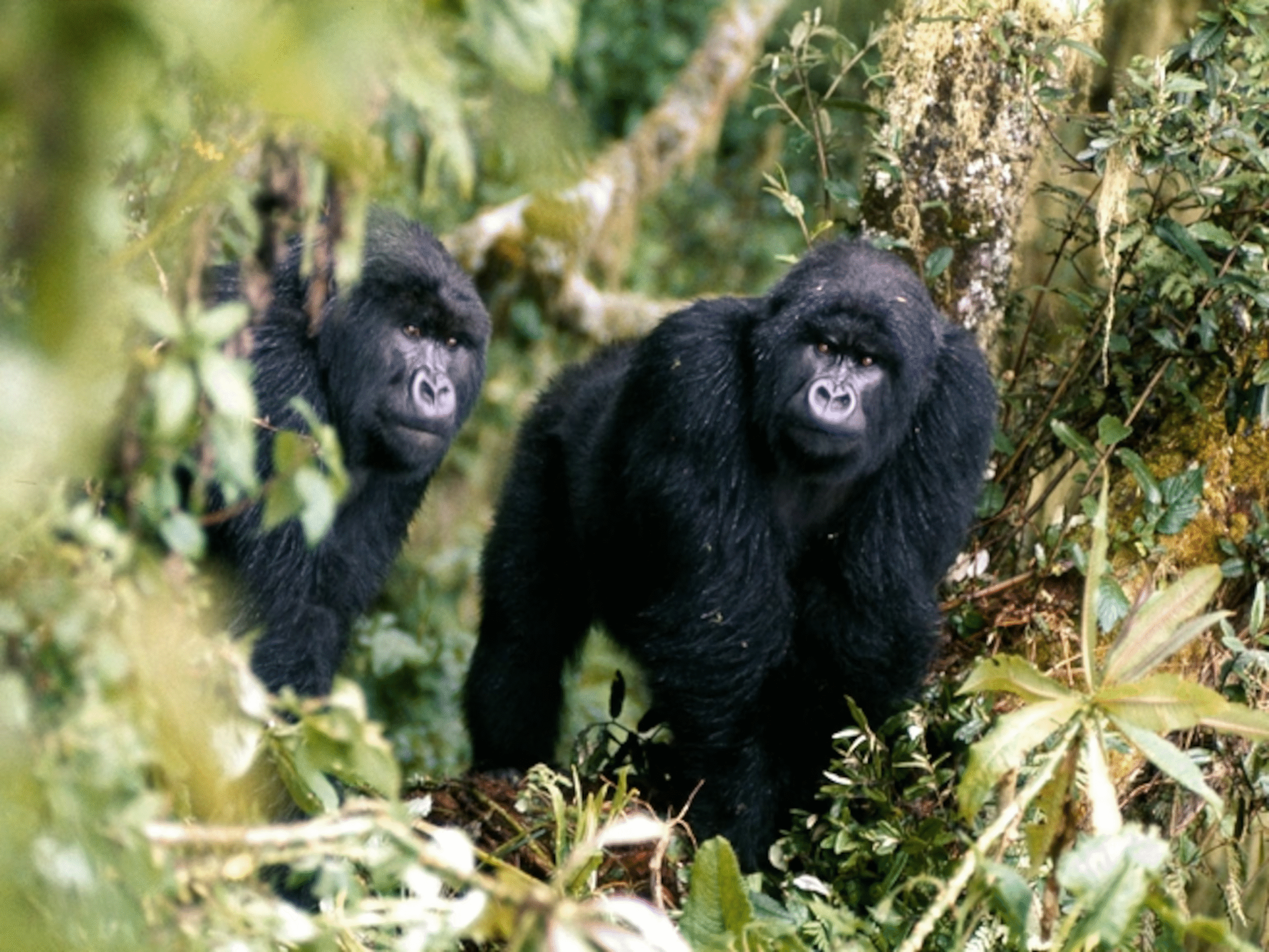
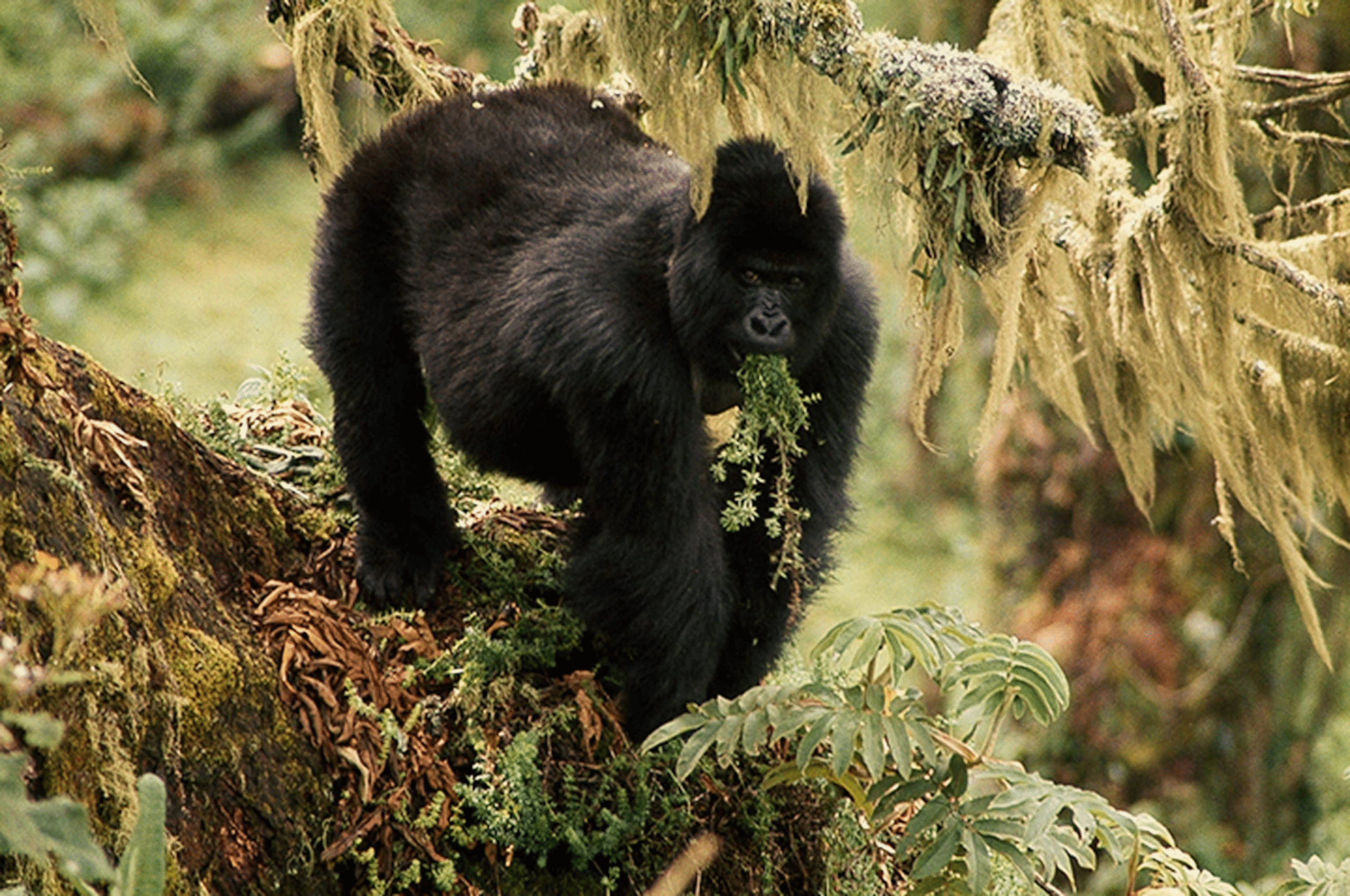
In the Realm of Giants – Bwindi & Mgahinga in Frames.
Wander through an elegant gallery capturing Uganda’s most exclusive gorilla sanctuaries, where ancient forests cradle the last mountain gorillas in a world of mist, mystery, and majesty.

Essential Planning Tips for Visiting Uganda’s National Parks.
Get ready for the wild heart of Africa with expert travel tips on when to visit, what to pack, where to go, and how to make the most of your safari across Uganda’s breathtaking national parks.
Why Uganda for Gorilla Trekking?
Uganda is not just a destination — it's the very soul of gorilla trekking. With over half of the world’s remaining mountain gorillas calling its misty forests home, Uganda offers the rarest encounters in their most authentic setting. Here, your journey is not rushed or crowded. Instead, you’re guided by experienced rangers through pristine jungles where gorillas live as they always have — wild, free, and magnificent
From insider travel insights to unforgettable trekking guides, our blog is your trusted path into Uganda’s wild heart — connecting you with mountain gorillas, breathtaking landscapes, and the soul-stirring adventures that make this land unlike any other.