

Where the soul of the forest whispers in the mist
Hidden deep within the high-altitude jungles of East Africa, among cloud-swept canopies and steep, untamed terrain, lives the silverback gorilla — a creature both majestic and mysterious. This iconic primate is more than the leader of a gorilla group; he is a symbol of raw, natural power balanced by extraordinary emotional depth. Towering in presence and responsibility, the silverback shapes the rhythm of daily life in the forest, guiding his family with a quiet authority that speaks louder than dominance.
To truly understand the silverback is to peel back the dense layers of the forest and step into a world that still thrives without walls.
From their physical might and massive frame to their complex social roles, long lifespans, and fiercely protective instincts, silverbacks stand as living testaments to nature’s brilliance. This article brings you closer to the essence of the silverback — not just as a subject of wildlife fascination, but as a guardian of legacy, wilderness, and survival in one of Africa’s last great strongholds.
So lace up your boots, grab your camera, and prepare to meet the wild — this is where your gorilla trekking dreams and unforgettable safari adventures truly begin.
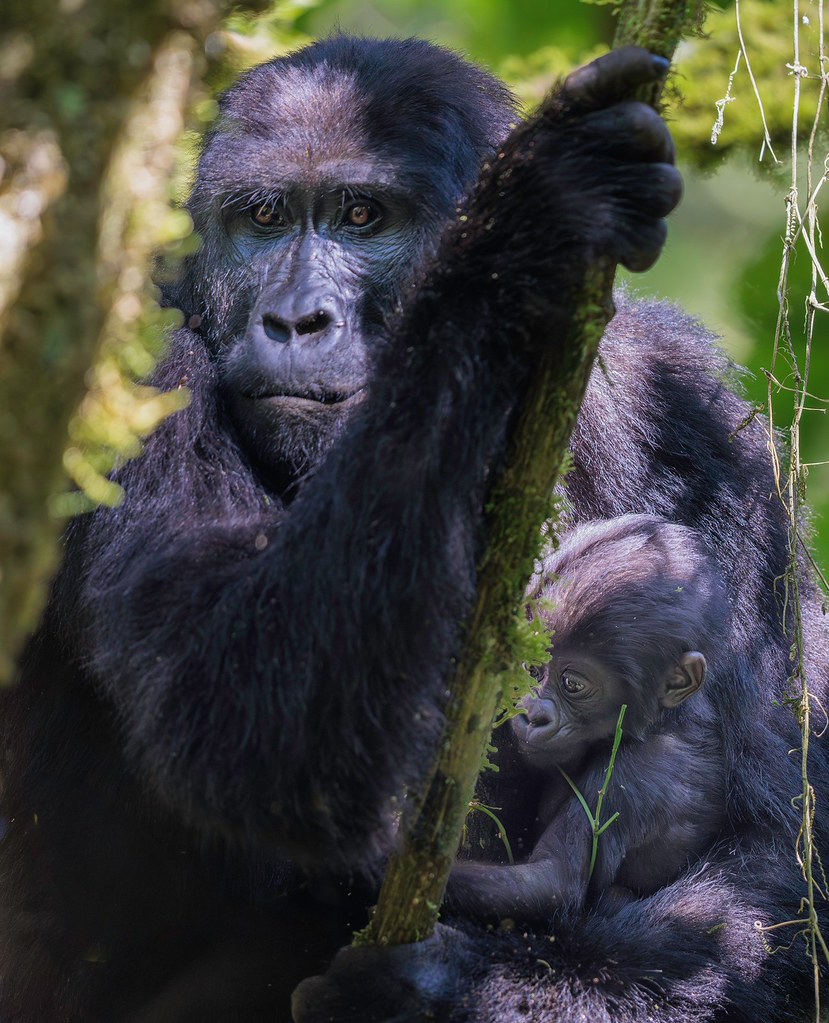
Truly Iconic Highlights in Uganda

Trek through Bwindi’s mystical rainforest and meet the endangered mountain gorillas in their breathtaking natural home.
Encounter mountain gorillas and golden monkeys on Mgahinga’s misty volcanic trails, where culture and alpine wildlife thrive together.
Unwind after your trek with a peaceful canoe ride across Lake Bunyonyi, Uganda’s most tranquil and scenic highland lake.
Enhance your gorilla trekking safari with an optional chimpanzee encounter in Uganda’s lush forests, adding depth and diversity to your primate adventure
Silverback Gorillas: Strength, Size, Lifespan, and the Power Behind the Legend
Power, Leadership, and the Heart of the Mountain Gorilla Family
Deep within the mist-covered forests of Central and East Africa lives one of the most iconic and commanding figures in the animal kingdom — the silverback gorilla. More than just a large primate, the silverback represents leadership, stability, protection, and genetic continuity within mountain gorilla society. For travelers who venture into Uganda, Rwanda, or the Democratic Republic of Congo to experience gorilla trekking, the encounter with a silverback is often the defining moment of their journey.
Understanding the silverback gorilla is essential not only for appreciating the safari experience but also for grasping the delicate conservation balance that sustains mountain gorilla populations today.
What Is a Silverback Gorilla?
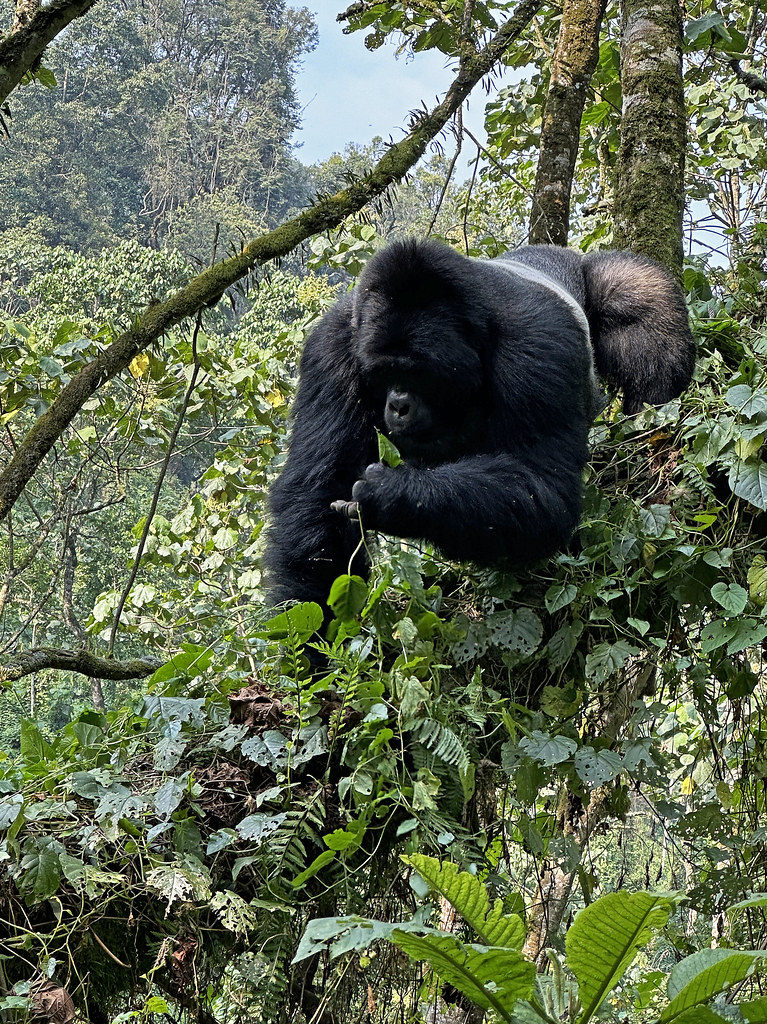
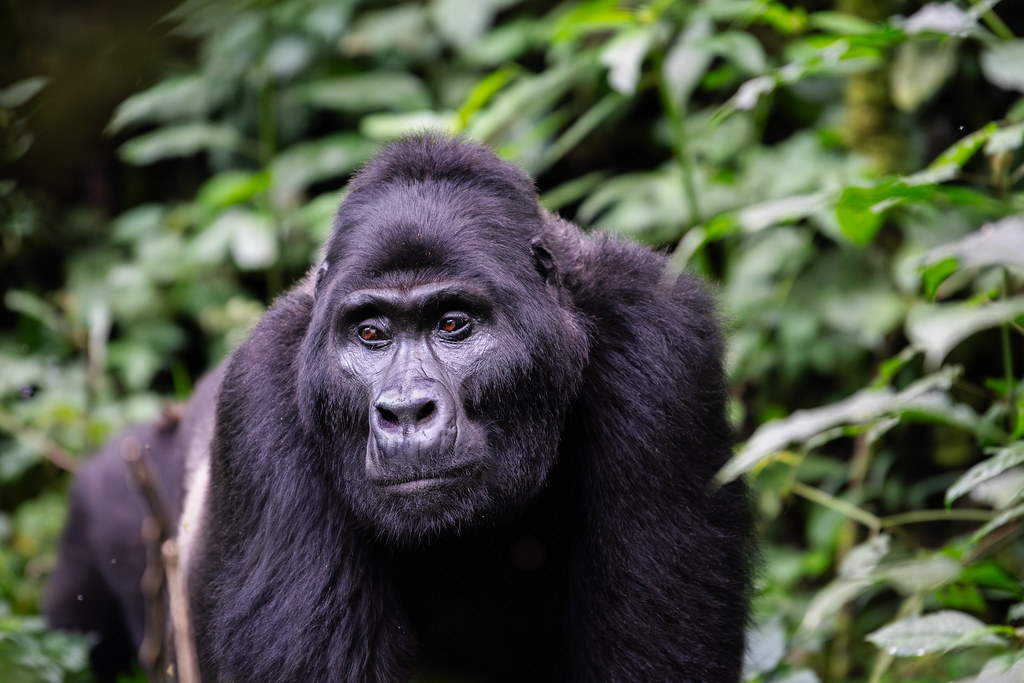
A silverback gorilla is a fully mature adult male mountain gorilla distinguished by a striking patch of silver-gray hair that runs across his back and hips. This “silver saddle” appears as the male reaches sexual and social maturity, usually around 12 to 15 years of age.
Physically, silverbacks are immense. Adult males can weigh between 140 and 200 kilograms in the wild, though exact weight varies based on habitat and diet. Standing upright, they can reach heights of approximately 1.7 meters. Their chest is broad, arms powerful, and jaw muscles exceptionally developed due to the large sagittal crest on their skull — a bony ridge that anchors strong chewing muscles.
Yet despite their size, silverbacks move with surprising quietness in the forest. Their strength is undeniable, but their behavior is often calm and measured. They do not dominate through constant aggression. They lead through presence.
The Journey to Becoming a Silverback
Male gorillas do not begin life as leaders. After infancy and juvenile stages, young males enter what is known as the “blackback” phase between approximately 8 and 12 years of age. During this stage, they begin developing muscle mass, increased confidence, and interest in group dynamics.
As hormones shift and maturity sets in, the distinctive silver hair begins to grow across the back. Physical mass increases. The voice deepens. Displays such as chest beating become more resonant and authoritative. At this point, the male is capable of challenging for dominance or leading his own group.
Becoming a silverback is not simply a biological transition. It is a social transformation. Leadership must be earned, defended, and maintained.
The Role of the Silverback Gorilla as Leader and Protector
The silverback gorilla is far more than the largest member of the group. He is the central authority, protector, and decision-maker whose presence determines the stability of the entire family. Every movement, feeding site, and nesting location is influenced by his judgment. When the group travels through dense forest, the silverback often positions himself at the rear, ensuring that no threat approaches unnoticed.
Protection is his most defining responsibility. If another male approaches or if danger is sensed, the silverback will place himself between the threat and the females and infants. He may beat his chest, roar, or charge forward in a powerful display designed to intimidate rather than injure. These displays are calculated signals of dominance and strength meant to prevent unnecessary fighting.
Within the group, the silverback also maintains order. Disputes between juveniles or tension among females may draw his intervention. He restores calm through presence rather than violence. His leadership reduces chaos and increases infant survival rates, making him the biological backbone of the family’s continuity.
Without a stable silverback, gorilla groups often fragment. Females may transfer to other groups, young males may challenge for dominance, and vulnerability increases. His role is therefore not symbolic — it is essential for the long-term survival of the family.
Understanding this leadership dynamic transforms how visitors perceive a silverback during gorilla trekking. He is not merely a large animal sitting in vegetation. He is the living pillar upon which the family rests.
Leadership Styles Among Silverbacks
Not all silverbacks lead the same way. Some are remarkably calm, rarely needing to display aggression. Their authority is unquestioned due to their size, maturity, and long-standing stability.
Others may be more reactive, particularly younger silverbacks who recently acquired dominance. These individuals may perform more frequent chest-beating displays or boundary patrols.
In rare cases, a blackback may challenge the dominant male. If he succeeds, the group structure can change dramatically. Females may transfer between groups depending on stability and protection.
Observing different silverbacks during gorilla trekking reveals distinct personalities. Rangers who work daily with habituated families often speak of individual leaders as if describing respected elders — each with a recognizable temperament.
Silverback Strength and Physical Power
The physical strength of a silverback gorilla is extraordinary. Their upper body musculature is built for climbing, pulling vegetation, and defending territory. Bite force is significant due to powerful jaw muscles developed for processing fibrous plant material.
However, silverbacks rarely use full strength against humans. Their dominance is expressed primarily through display behavior rather than direct violence. Chest beating, loud vocalizations, vegetation throwing, and short bluff charges are designed to intimidate without physical contact.
True attacks are exceedingly rare, particularly in habituated groups accustomed to controlled tourism.
Strength, in silverbacks, is restrained power.
Silverback Gorilla Habitat, Geographic Range & Species Differences
Silverback gorillas are not confined to one forest or one country. They exist across different ecological zones in Central Africa, and their physical characteristics are shaped by their environment.
There are four recognized gorilla subspecies worldwide: mountain gorillas, eastern lowland gorillas (also known as Grauer’s gorillas), western lowland gorillas, and Cross River gorillas. All mature male gorillas of these subspecies develop the distinctive silver hair across their backs, but their size, habitat, and behavior vary depending on species and geography.
Mountain gorillas, found in Uganda, Rwanda, and the Democratic Republic of Congo, live at elevations ranging from approximately 2,200 to over 4,300 meters above sea level. Their habitat consists of montane rainforest, bamboo forest, and afro-alpine vegetation. Due to colder temperatures at high altitude, mountain gorillas possess thicker fur compared to their lowland relatives.
Eastern lowland gorillas inhabit lower-elevation forests in eastern Congo. They are generally larger in body mass than mountain gorillas but live in denser lowland rainforest environments.
Western lowland gorillas, found in countries such as Gabon, Cameroon, and the Republic of Congo, live in swamp forests and lowland tropical forests. They are smaller in body size and have lighter-colored fur.
The environment directly influences behavior. Mountain silverbacks navigate steep volcanic slopes and cooler climates. Lowland silverbacks move through flatter, humid forest ecosystems where fruit availability differs significantly.
Understanding species differences clarifies that while all silverbacks share core leadership traits, their ecological contexts shape their daily survival strategies.
Diet, Lifespan & Territorial Dynamics of Silverback Gorillas
The strength of a silverback gorilla is fueled almost entirely by plant-based nutrition. Mountain gorillas consume an average of 25 to 30 kilograms of vegetation per day. Their diet includes leaves, stems, shoots, pith, bark, and seasonal bamboo. Fruit consumption is limited in high-altitude forests but more common among lowland gorilla species.
Their powerful jaws and large sagittal crest enable efficient chewing of fibrous plant matter. Unlike chimpanzees, gorillas do not hunt mammals and do not rely on meat as a dietary staple. Their energy intake comes from continuous foraging throughout daylight hours.
In terms of lifespan, wild silverbacks typically live between 35 and 40 years. Mortality factors include disease, injury from male competition, and in rare cases, poaching or habitat encroachment. Infant survival is strongly linked to the presence of a stable, experienced silverback.
Territorial range varies depending on habitat productivity. Mountain gorilla groups may occupy home ranges between 5 and 30 square kilometers. These ranges often overlap with neighboring groups, but violent encounters are relatively rare. Instead of constant territorial warfare, gorilla groups often avoid each other through vocal communication and strategic movement.
A silverback’s territorial decisions directly influence food availability and group stability. He must balance exploration with safety, ensuring sufficient vegetation without provoking unnecessary conflict.
This combination of diet efficiency, controlled territory, and protective leadership defines the long-term survival of his family.
Communication, Solitary Silverbacks & Evolutionary Context
Silverbacks communicate through a complex system of vocalizations, body posture, and physical display. Chest beating is one of the most recognized signals, producing a resonant drumming sound amplified by air sacs in the chest. Contrary to popular belief, chest beating is not solely aggressive. It serves as a distance signal, communicating size, strength, and confidence to both rivals and group members.
Other vocalizations include grunts to maintain group cohesion, hoots during movement, and roars when responding to threats. Facial expressions and eye positioning also play roles in communication. Each gorilla possesses a unique nose print pattern, allowing researchers to identify individuals accurately.
Not all silverbacks lead established families. Many adult males spend periods as solitary individuals after leaving their natal group or losing dominance challenges. These solitary silverbacks roam independently, sometimes for years, before attracting females and forming new groups. This phase is critical for genetic diversity and population expansion.
From an evolutionary perspective, gorillas share approximately 98 percent of their DNA with humans. The last common ancestor between humans and gorillas lived roughly 8 to 10 million years ago. This shared ancestry explains similarities in social structure, emotional expression, parenting behaviors, and conflict resolution patterns.
Silverback gorilla leadership reflects evolutionary strategies centered on protection and stability rather than constant aggression. Their dominance is not chaotic; it is structured and energy-efficient. Natural selection favors silverbacks who can maintain group cohesion, ensure infant survival, and avoid unnecessary injury.
In this way, the silverback gorilla represents an evolutionary balance between power and restraint.
Silverback Reproduction and Mating Dynamics
In a typical gorilla family, the dominant silverback gorilla has primary mating rights with adult females. However, female gorillas exercise choice. They may initiate mating by approaching the male subtly during estrus.
Reproduction ensures the continuation of the family line, but it also reinforces social stability. Infants belong not only to their mothers but to the entire group structure under the silverback’s protection.
When a new silverback gorilla takes over a group, there is risk of infanticide, as the new leader seeks to establish genetic dominance. This harsh evolutionary strategy underscores the importance of strong, stable leadership.
Famous Silverbacks in East Africa
Certain silverback gorillas have become known globally due to long-term research and tourism.
In Bwindi Impenetrable National Park, leaders such as Rukina and Rafiki shaped group dynamics for years. In Rwanda’s Volcanoes National Park, Titus became a legendary figure studied extensively by researchers following the work of Dian Fossey.
These individuals are not celebrities in a human sense. They are symbols of conservation resilience.
Behavior During Gorilla Trekking
During trekking encounters, the silverback gorilla typically remains central within the group. He may feed calmly, watch visitors closely, or rest while juveniles play nearby.
If he perceives disturbance, he may perform a short charge display. Rangers instruct visitors to remain calm, avoid direct eye contact, and lower themselves slightly. These responses communicate non-aggression.
The one-hour viewing limit protects gorilla health and minimizes stress.
Understanding silverback behavior transforms fear into informed respect.
Emotional Intelligence and Social Sensitivity
Research increasingly demonstrates that gorillas exhibit complex emotional behaviors. Silverback gorillas have been observed showing gentle interaction with infants, grooming females, and displaying signs of distress when group members die.
Leadership is not based solely on physical dominance. It requires social awareness and group cohesion.
The quiet way a silverback gorilla sits, watching over his family, reflects not brute force but guardianship.
What Happens When a Silverback Dies
The death of a dominant silverback gorilla destabilizes a group. Females may transfer to other groups. Young males may attempt to establish leadership. Vulnerability increases.
For conservationists, the loss of a silverback has implications beyond one individual. It affects genetic continuity and group stability.
This is why anti-poaching patrols and veterinary monitoring remain essential.
Silverback Gorilla vs Zoo Gorilla
In the wild, a silverback gorilla controls territory, makes movement decisions, and interacts within a dynamic ecosystem. In captivity, hierarchy is constrained by enclosure boundaries and human management.
Wild encounters allow visitors to observe natural leadership in authentic context — something no zoo can replicate.
Is It Safe to Stand Near a Silverback?
Yes, when under ranger supervision. Gorilla trekking follows strict protocols:
Maximum eight visitors per group
Minimum distance guidelines
Health screening
Mask policies when required
Silverbacks habituated to tourism understand the routine. They tolerate human presence as long as boundaries are respected.
Fear diminishes when knowledge increases.
Best Places to See Silverbacks in the Wild
The primary destinations include:
Bwindi Impenetrable National Park in Uganda
Mgahinga Gorilla National Park in Uganda
Volcanoes National Park in Rwanda
Virunga National Park in DRC
Each offers distinct terrain and access differences, but the emotional impact remains profound.
Conservation Importance of Silverbacks
Silverback gorillas ensure reproduction stability and family survival. Their leadership allows infant survival rates to increase.
Permit revenue directly funds ranger salaries, veterinary teams, and community conservation programs.
Every trekking visit contributes to preserving silverback gorilla lineages.
Photography Tips for Capturing a Silverback
Natural light dominates forest photography. Avoid flash. Use fast lenses. Capture moments of stillness rather than forcing action shots.
The most powerful images are often quiet — a silverback gorilla gazing through bamboo, his presence commanding without movement.
Why Meeting a silverback gorilla Changes People
The forest falls silent. The silverback looks up. For a moment, human and gorilla share space without barriers.
It is not fear that dominates that moment. It is recognition.
A silverback gorilla encounter reminds visitors that strength does not require constant aggression. That leadership can be quiet. That protection is powerful.
In that shared space beneath ancient trees, conservation stops being abstract. It becomes personal.
Who Would Win: 100 Men or a Silverback Gorilla?
This question circulates widely online, often framed as spectacle rather than biology. The comparison itself misunderstands how silverback gorillas function in the wild.
A single adult silverback gorilla possesses extraordinary upper-body strength, a powerful bite, and the ability to deliver rapid bursts of force. In a one-on-one scenario against an unarmed human, the silverback would have a clear physical advantage. Their muscle density, arm span, and jaw power far exceed that of a typical adult male.
However, when the hypothetical expands to 100 coordinated, unarmed adult men working together, the dynamic changes entirely. Humans possess strategic coordination, endurance, and collective problem-solving capacity. In such an extreme and unrealistic scenario, sheer numerical advantage and coordination would likely overwhelm a single animal.
That said, the framing of this debate ignores the most important truth: silverbacks are not fighters looking for combat. They are defensive animals. In the wild, their displays — chest beating, vocalizations, mock charges — are designed to prevent escalation, not seek destruction. A silverback’s primary objective is protection and deterrence, not engagement.
This comparison ultimately says more about human fascination with dominance than about gorilla behavior. In real-world contexts, such a confrontation would never occur. Gorilla trekking experiences are controlled, respectful, and governed by strict conservation protocols that prevent conflict entirely.
The more relevant question is not who would win, but why the silverback rarely needs to fight at all. His power is most effective when it remains unused.
Do Chimpanzees Have Silverbacks or Male Leaders?
Chimpanzees do not have silverbacks in the way gorillas do. The term “silverback” specifically refers to mature male gorillas who develop the distinctive silver hair across their backs and assume a dominant leadership role within a relatively stable family group.
Chimpanzee societies are structured differently. They live in what primatologists call “fission-fusion” communities. Rather than one central dominant male leading a cohesive family unit, chimpanzee groups break into smaller subgroups that change composition throughout the day.
Chimpanzees do have an alpha male — a dominant individual who holds the highest rank among adult males. However, leadership among chimpanzees is more political and coalition-based than in gorillas. Alpha males must constantly maintain alliances, negotiate social bonds, and defend status from rivals. Leadership is not always stable and can change more frequently than in gorilla groups.
Unlike silverback gorillas, alpha chimpanzees do not typically monopolize all mating opportunities. Female chimpanzees exercise more fluid mate selection, and multiple males may compete for reproductive access.
In summary, gorilla leadership is centralized and protective. Chimpanzee leadership is dynamic and competitive. Both are intelligent systems, but they function differently.
Silverbacks vs Alpha Chimpanzees: Key Differences
A silverback gorilla leads a stable family group consisting of females, infants, and sometimes subordinate males. His dominance is physical but also protective. He mediates conflict and ensures safety.
An alpha chimpanzee leads within a fluctuating community where alliances matter more than sheer size. Violence between chimpanzee males can be more strategic and coordinated, particularly during territorial disputes.
Gorillas rely on size and calm authority.
Chimpanzees rely on coalition strategy and social maneuvering.
What Most People Miss About Silverback Power
The fascination with strength often overshadows a deeper truth: silverback gorillas evolved not to dominate through constant violence but to maintain stability through restraint.
Chest beating, for example, is not random aggression. It communicates body size, strength, and confidence to avoid unnecessary fights. Most disputes between wild male gorillas resolve without lethal conflict.
Their evolutionary strategy favors group cohesion rather than chaos.
More Bwindi Information to Know.
Bwindi Impenetrable Forest is a mountainous rainforest in southwestern Uganda, home to endangered mountain gorillas. Its unique climate, rich vegetation, community tourism, and conservation efforts make it a vital and unforgettable destination.
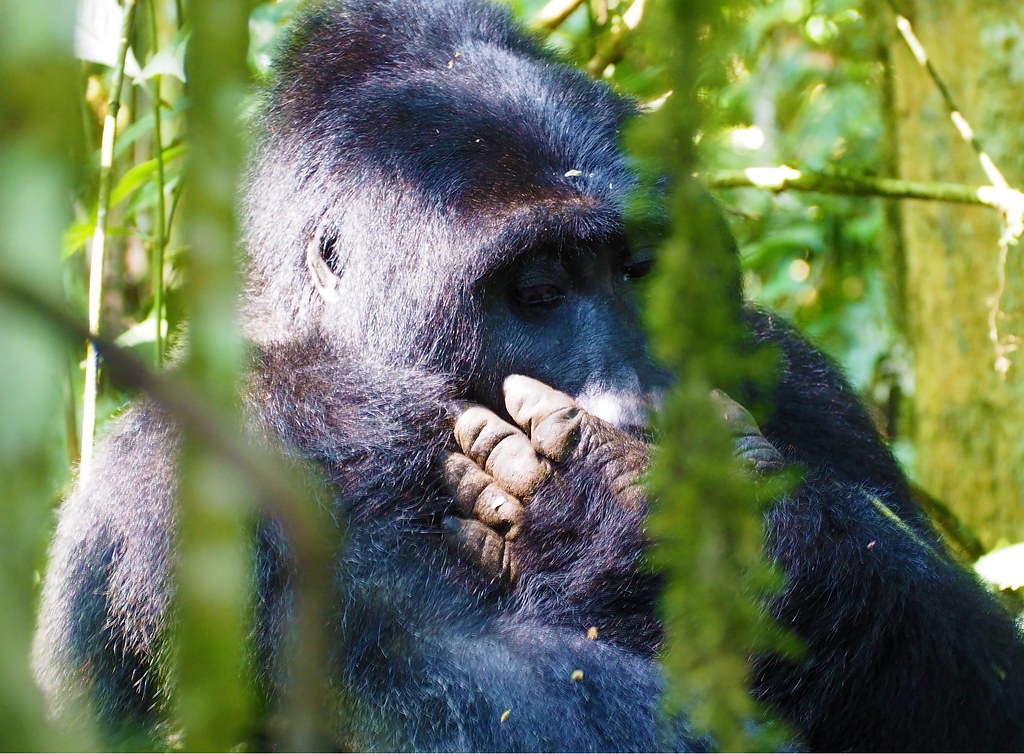
Bwindi History
Bwindi History
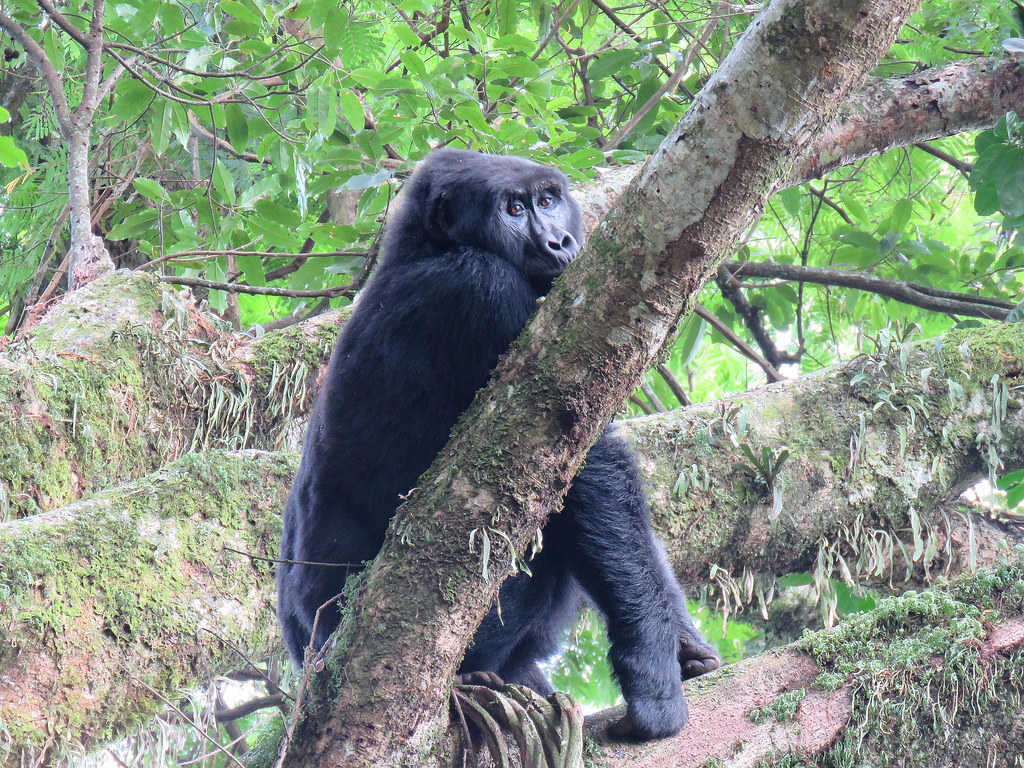
Bwindi Altitude
Bwindi Altitude
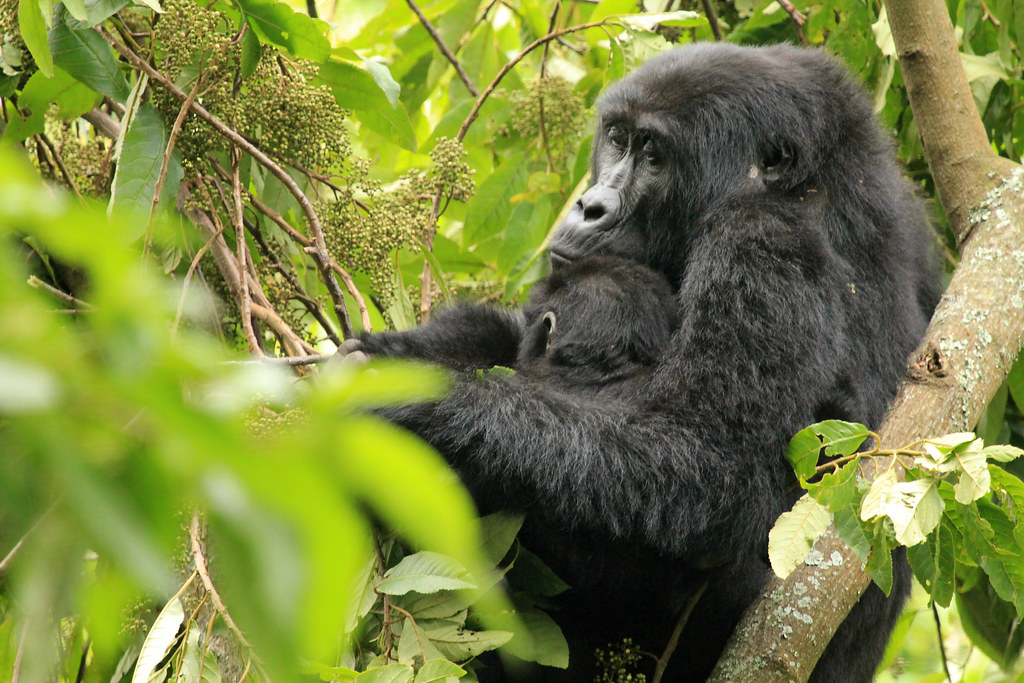
Bwindi Climate
Bwindi Climate
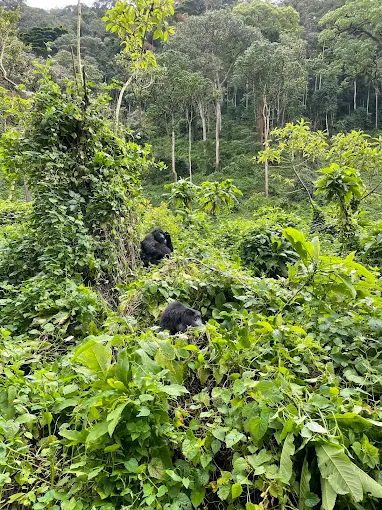
Bwindi Geography
Bwindi Geography
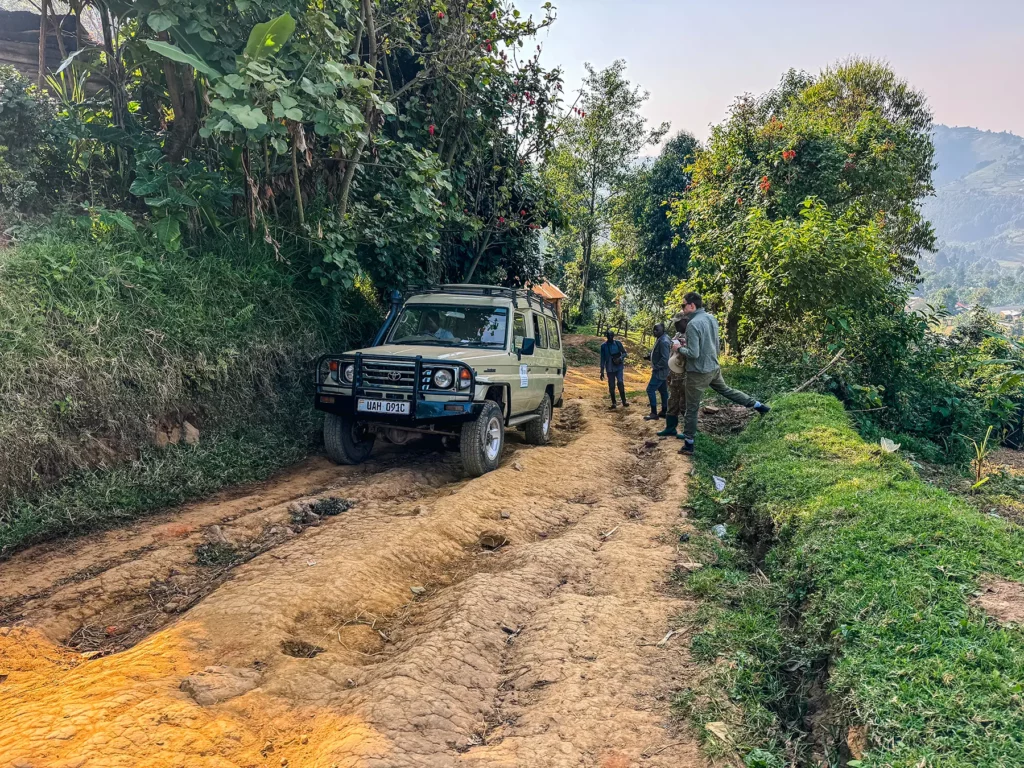
Getting There To Bwindi
Getting There To Bwindi

Bwindi Location
Bwindi Location

Bwindi Vegetation
Bwindi Vegetation
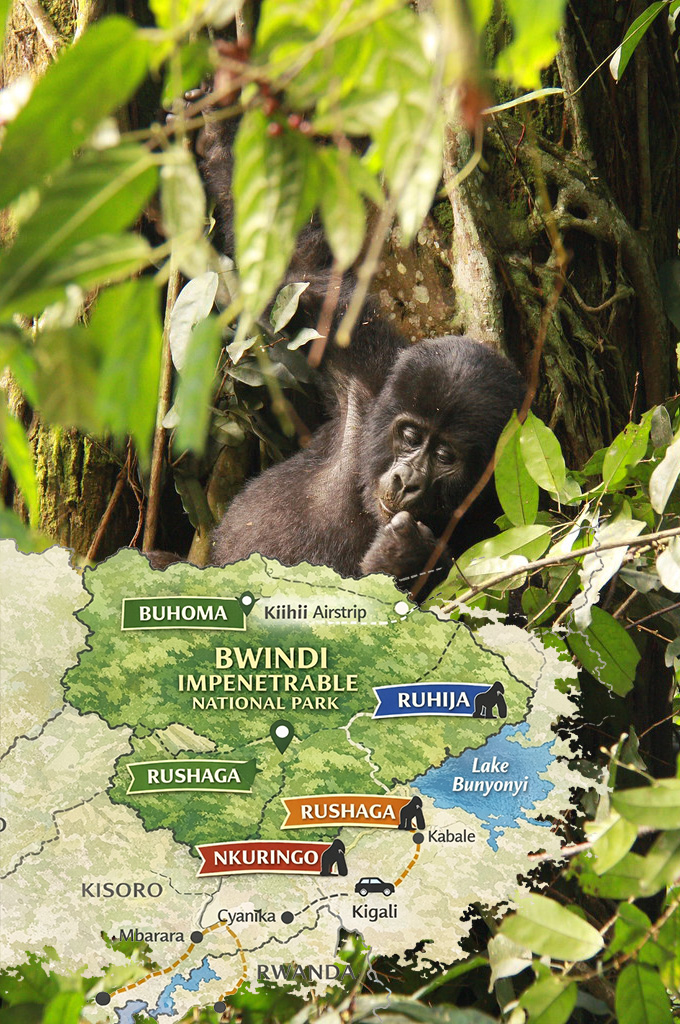
Bwindi Sectors
Bwindi Sectors
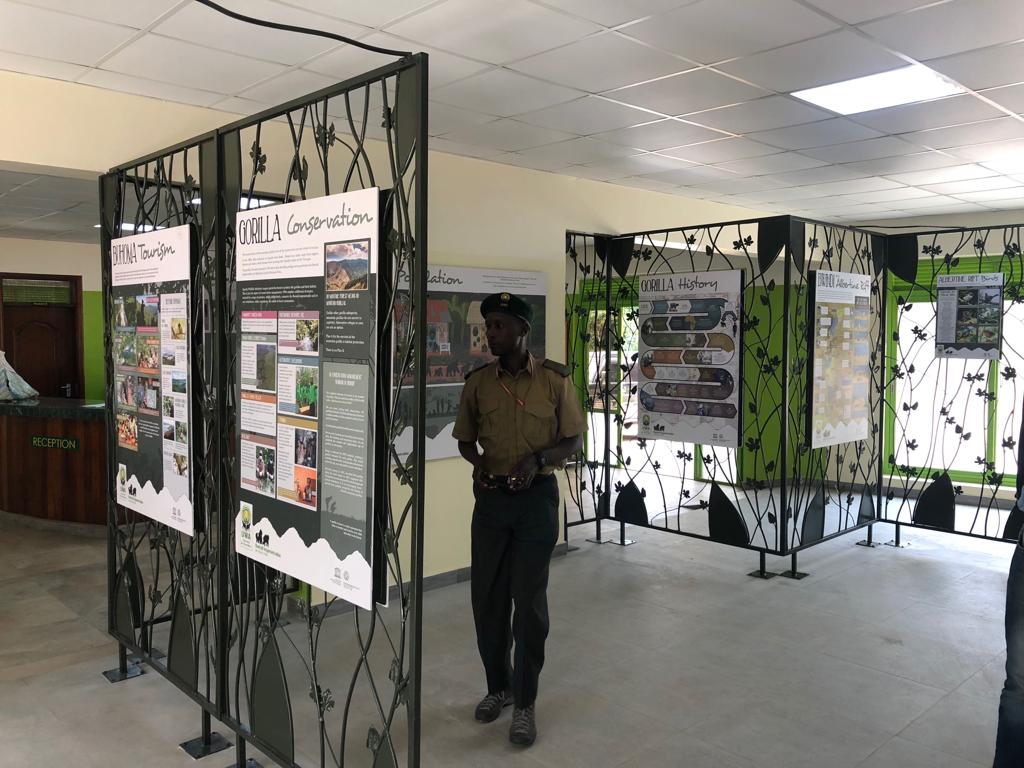
Bwindi Visitor Centres
Bwindi Visitor Centres
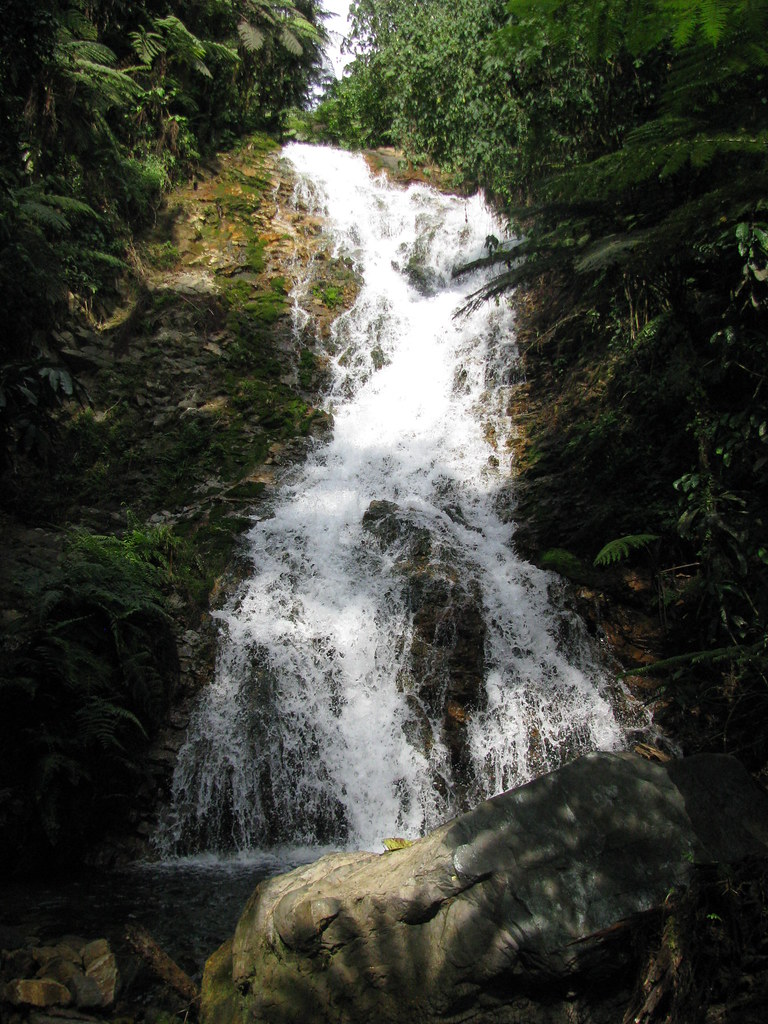
Bwindi Waterfalls
Bwindi Waterfalls
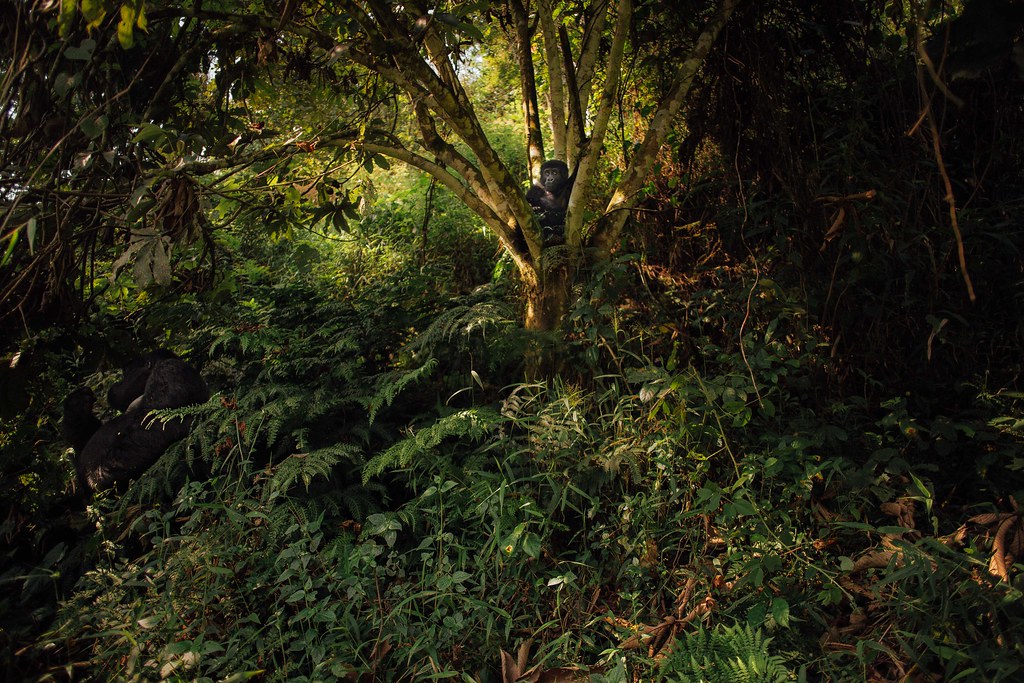
Bwindi Impenetrable Forest
Bwindi Impenetrable Forest
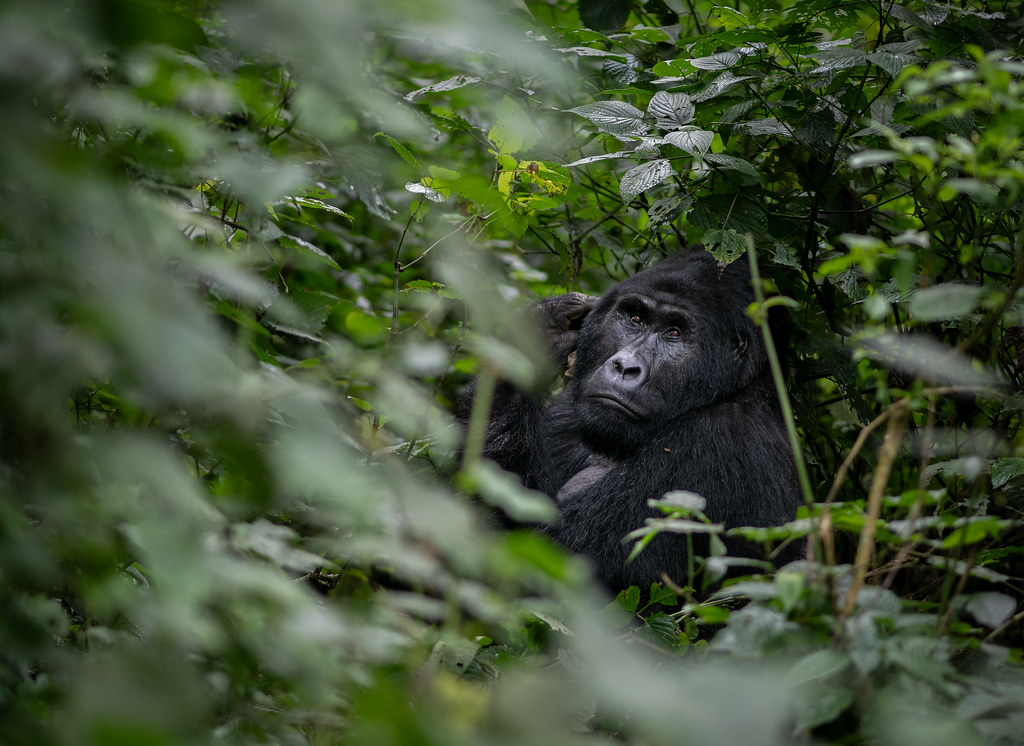
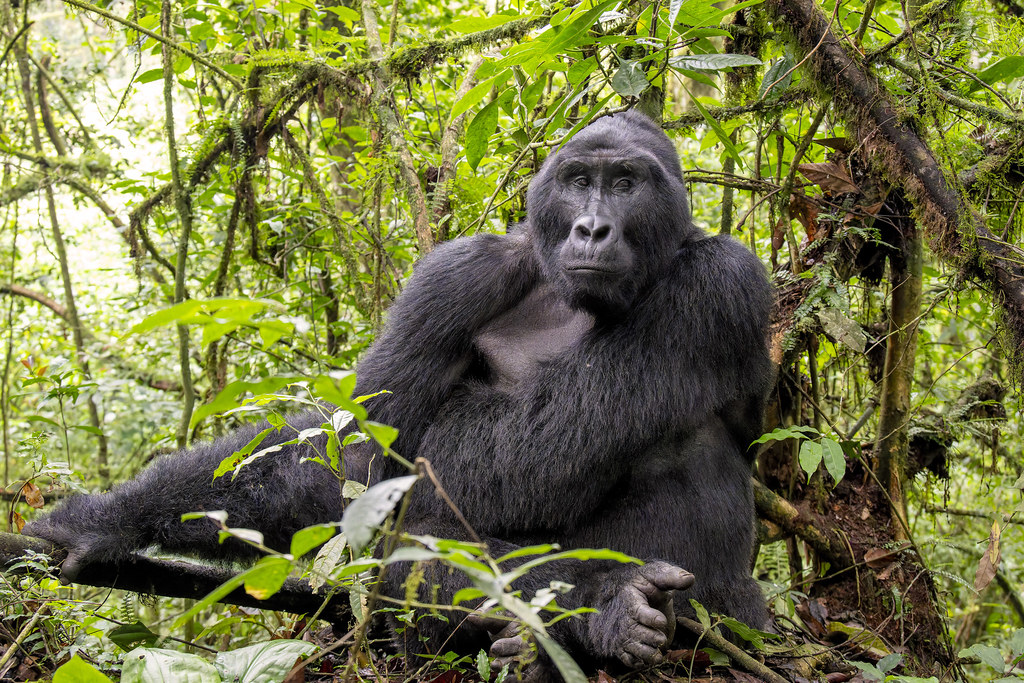
In the Realm of Giants – Bwindi & Mgahinga in Frames.
Wander through an elegant gallery capturing Uganda’s most exclusive gorilla sanctuaries, where ancient forests cradle the last mountain gorillas in a world of mist, mystery, and majesty.
Essential Planning Tips for Visiting Uganda’s National Parks.
Get ready for the wild heart of Africa with expert travel tips on when to visit, what to pack, where to go, and how to make the most of your safari across Uganda’s breathtaking national parks.
Why Uganda for Gorilla Trekking?
Uganda is not just a destination — it's the very soul of gorilla trekking. With over half of the world’s remaining mountain gorillas calling its misty forests home, Uganda offers the rarest encounters in their most authentic setting. Here, your journey is not rushed or crowded. Instead, you’re guided by experienced rangers through pristine jungles where gorillas live as they always have — wild, free, and magnificent
From insider travel insights to unforgettable trekking guides, our blog is your trusted path into Uganda’s wild heart — connecting you with mountain gorillas, breathtaking landscapes, and the soul-stirring adventures that make this land unlike any other.