2026 Travel News: Why Small Group Travel Is Uganda’s Favorite Way to Explore
Uganda’s tourism direction in 2026 is clear. Travelers are choosing smaller, more intimate safari experiences instead of large, crowded tour groups. Across gorilla trekking routes, wildlife parks, and cultural circuits, small group travel has become the preferred way to explore the country.
This shift reflects changing global travel behavior. Visitors now prioritize authenticity, conservation impact, and personal connection over mass-market sightseeing. Uganda naturally aligns with this demand.
Gorilla Trekking Favors Small Numbers
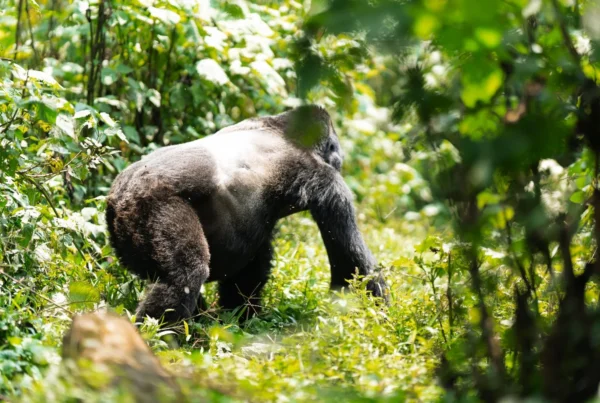
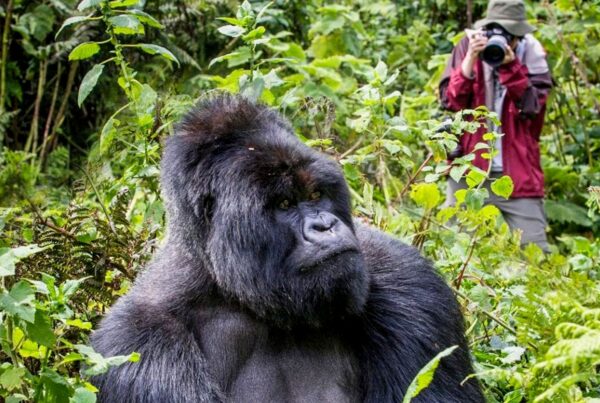
In Bwindi Impenetrable National Park and Mgahinga Gorilla National Park, gorilla trekking already operates under strict limits. Only eight visitors may visit a habituated gorilla family per day. This structure ensures minimal stress on the gorillas and creates a deeply personal wildlife encounter.
Smaller groups improve the overall experience. Visitors enjoy clearer viewing angles, quieter surroundings, and meaningful time observing gorilla behavior without crowding. Uganda’s conservation model has always favored controlled tourism, which naturally supports small group travel.
Wildlife Safaris Work Better in Smaller Groups
In parks such as Queen Elizabeth National Park and Murchison Falls National Park, small group safaris provide flexibility that large tours cannot match.
A smaller vehicle allows guides to adjust routes quickly, stay longer at wildlife sightings, and access remote tracks without coordinating multiple cars. Travelers receive more personal attention from guides, and the pace feels relaxed rather than rushed. The result is a safari that feels immersive instead of mechanical.
Stronger Cultural Engagement
Uganda’s tourism strategy increasingly emphasizes community interaction. In villages near Bwindi and along the western safari circuit, smaller groups create genuine conversations rather than staged performances.
Guides can share detailed stories. Visitors can ask questions freely. Cultural visits feel participatory rather than observational. This level of interaction strengthens Uganda’s growing reputation for responsible tourism.
Sustainability Drives the Trend
In 2026, Uganda is focusing on value rather than volume. Small group travel reduces environmental pressure on parks, limits congestion, and maintains ecosystem balance. Fewer vehicles on game tracks mean less disturbance to wildlife. Controlled visitor flow ensures long-term conservation success.
This approach protects Uganda’s core attractions while maintaining high-quality visitor experiences. It positions the country as a premium destination rather than a mass-tourism hotspot.
The 2026 Travel Outlook
Global travelers are increasingly seeking experiences that feel exclusive yet responsible. Small group travel offers that balance. It provides shared companionship without sacrificing comfort or authenticity.
Uganda’s landscapes, from gorilla forests to open savannahs, are best explored with space, silence, and expert guidance. The country’s tourism model already supports these principles.
Small group travel is not simply a trend in Uganda. It reflects the nation’s conservation values, operational structure, and commitment to meaningful travel. In 2026, it has become the preferred way to experience the Pearl of Africa.