

Where the soul of the forest whispers in the mist
Religion plays a significant role in Rwandan society, shaping moral values, community structures, and social life. The majority of Rwanda’s population identifies as Christian, with Roman Catholicism and Protestant denominations representing the largest faith groups. Religious institutions influence education, healthcare, and community development, particularly in rural areas.
Alongside Christianity, Islam and traditional belief systems contribute to Rwanda’s spiritual landscape. While modern Rwanda is officially secular, faith communities remain deeply integrated into daily life. Religious identity often intersects with cultural traditions, ceremonies, and family practices, reinforcing both spiritual continuity and national unity.
So lace up your boots, grab your camera, and prepare to meet the wild — this is where your gorilla trekking dreams and unforgettable safari adventures truly begin.
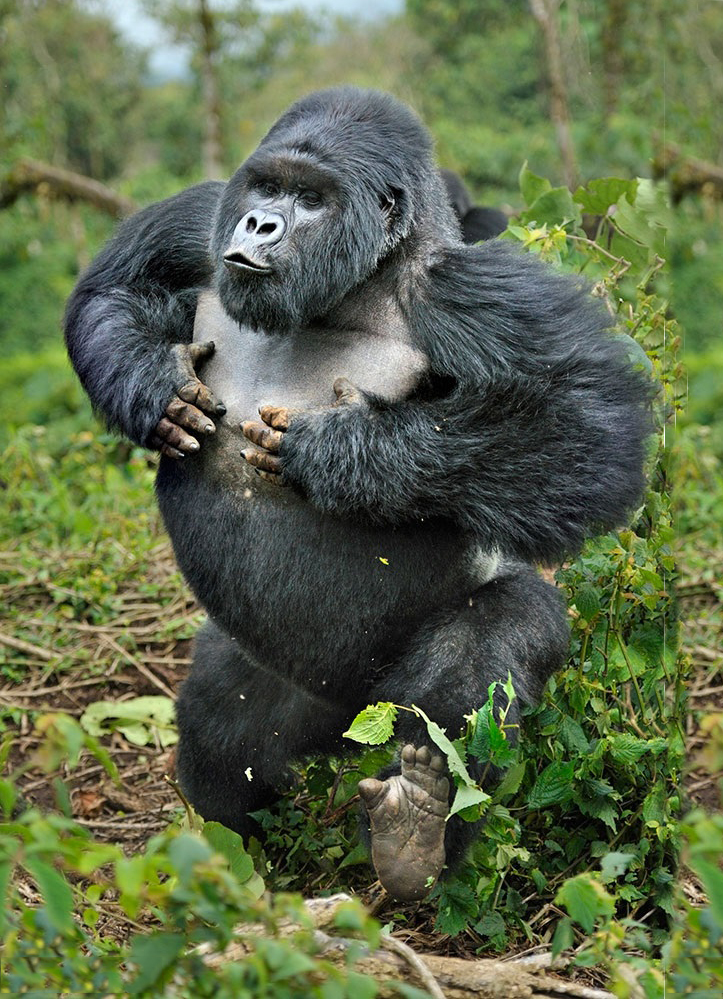
Truly Iconic Highlights in Uganda

Trek through Bwindi’s mystical rainforest and meet the endangered mountain gorillas in their breathtaking natural home.
Encounter mountain gorillas and golden monkeys on Mgahinga’s misty volcanic trails, where culture and alpine wildlife thrive together.
Unwind after your trek with a peaceful canoe ride across Lake Bunyonyi, Uganda’s most tranquil and scenic highland lake.
Enhance your gorilla trekking safari with an optional chimpanzee encounter in Uganda’s lush forests, adding depth and diversity to your primate adventure
Religion in Rwanda: Faith and Belief Systems Explained
Christianity in Rwanda
Christianity is the dominant religion in Rwanda. Roman Catholicism was introduced during German and Belgian colonial rule and remains widely practiced. Protestant denominations, including Anglican, Pentecostal, and Evangelical churches, have grown steadily in recent decades.
Churches are central to community life. Sunday services are widely attended, and religious institutions often support schools, hospitals, and social programs. Christian holidays such as Christmas and Easter are nationally observed.
In urban centers like Kigali, large congregations gather in modern churches, while rural parishes maintain strong local ties.
Islam in Rwanda
Islam has a long-standing presence in Rwanda, particularly through trade networks that connected East Africa. The Muslim community represents a minority but remains active and integrated within society.
Mosques operate in major towns and cities, and Islamic education centers contribute to religious instruction. The Muslim community plays an important role in commerce and regional trade.
Traditional Beliefs and Cultural Spirituality
Before the arrival of Christianity and Islam, Rwandans practiced indigenous belief systems centered on ancestral reverence, nature spirits, and ritual ceremonies. While many citizens now identify with organized religions, elements of traditional spirituality continue to influence cultural practices.
Respect for ancestors, communal rituals, and symbolic traditions remain part of Rwanda’s cultural memory. Certain rural communities still observe aspects of traditional spiritual customs, often blended with modern faith practices.
Religion and National Reconciliation
Following the 1994 Genocide against the Tutsi, religious institutions played a complex role in reconciliation and healing. Some faith communities have engaged in peacebuilding efforts, promoting unity and dialogue across society.
Memorial sites such as Kigali Genocide Memorial reflect the intersection of faith, remembrance, and collective responsibility.
Religious Freedom and Secular Governance
Rwanda’s constitution guarantees freedom of religion. The state maintains a secular framework while allowing religious institutions to operate freely under regulatory guidelines.
Faith-based organizations continue to partner with government agencies in development, healthcare, and education initiatives.
Religion in Daily Life
Religion influences:
- Family ceremonies and weddings
- Community gatherings
- Educational institutions
- Moral and social norms
Places of worship are visible across both rural landscapes and urban neighborhoods. Religious participation remains high compared to many global regions.
Spiritual Tourism and Cultural Experiences
Visitors may encounter religious architecture, community worship gatherings, and cultural ceremonies during their travels. In regions near Volcanoes National Park, cultural performances often blend spiritual symbolism with historical storytelling.
Religious observance in Rwanda is generally respectful, modest, and community-oriented.
More Information About Uganda to Know.
Uganda is a culturally rich and naturally diverse country, home to vibrant traditions, stunning landscapes, and welcoming people. From its deep history to its thriving wildlife and modern identity, Uganda truly stands as the Pearl of Africa.
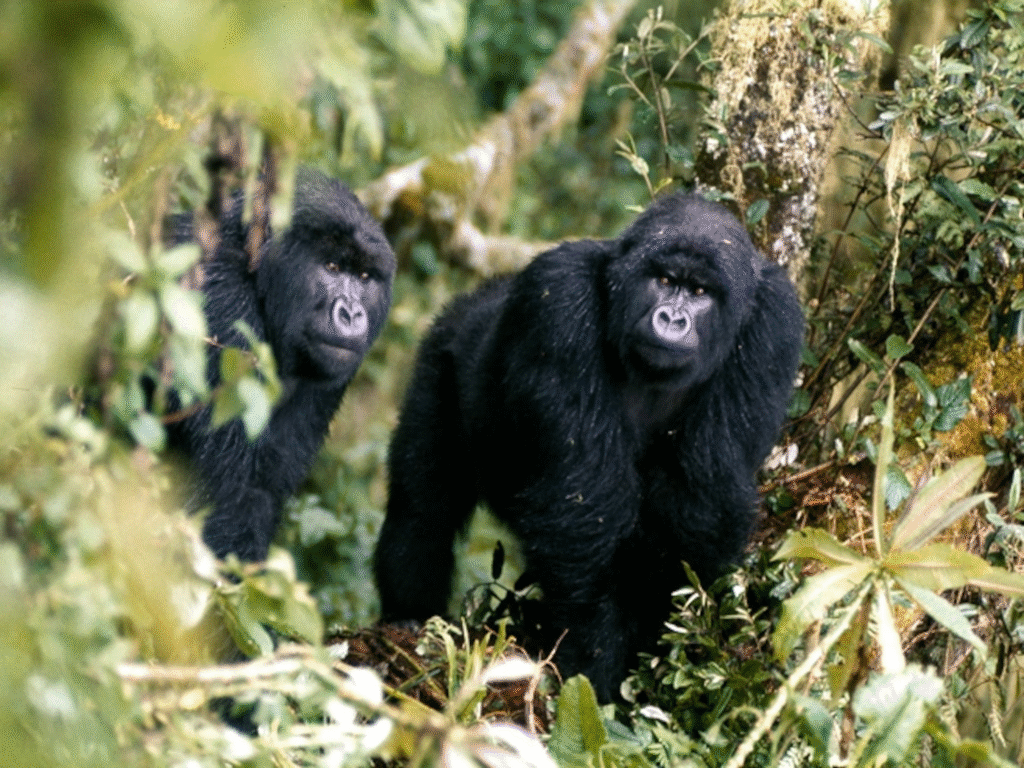
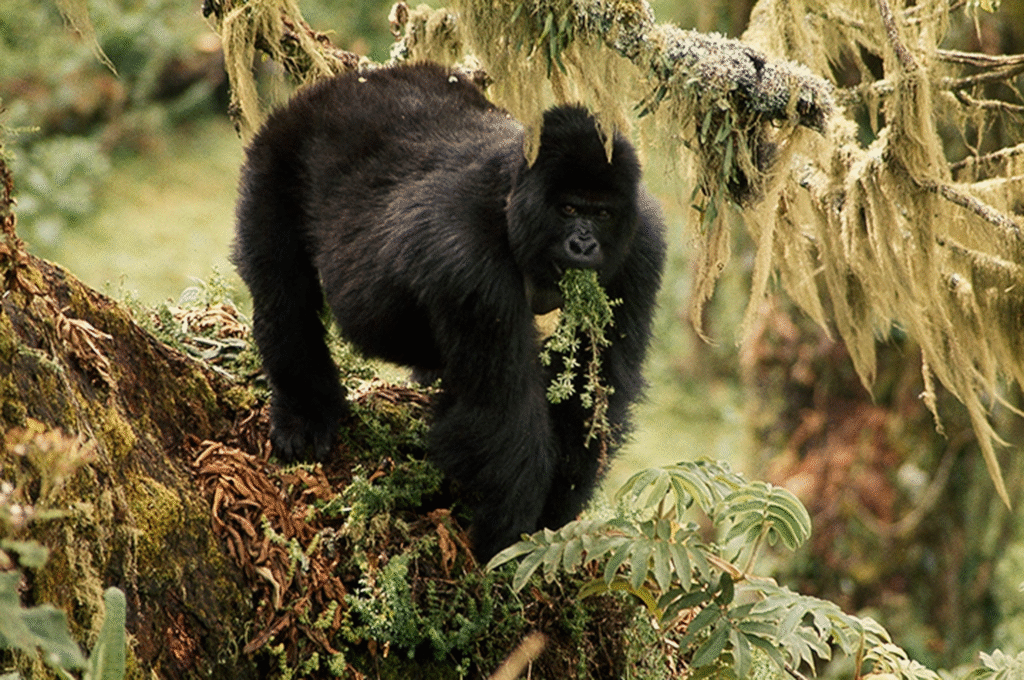
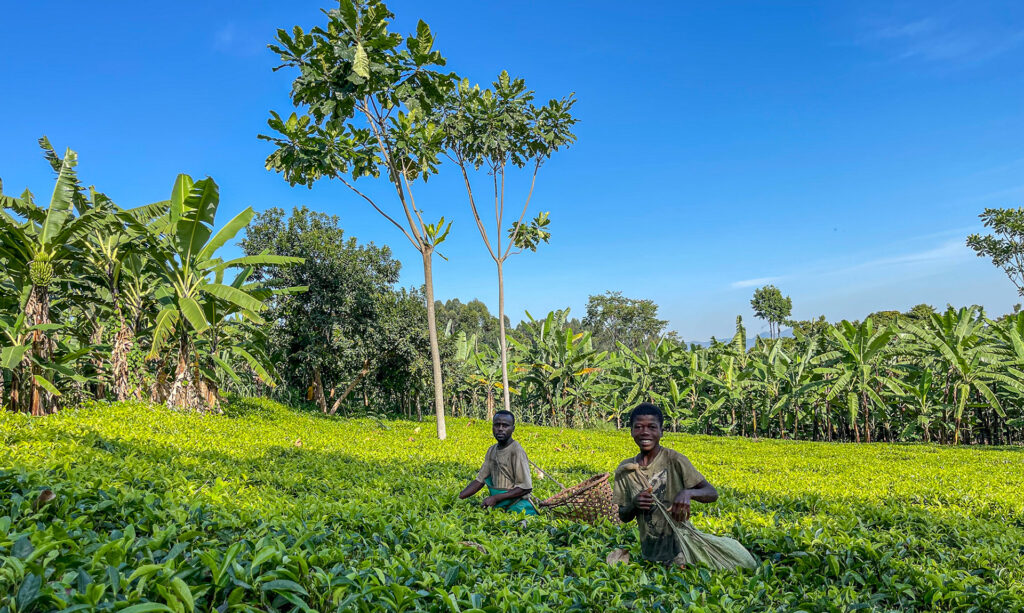
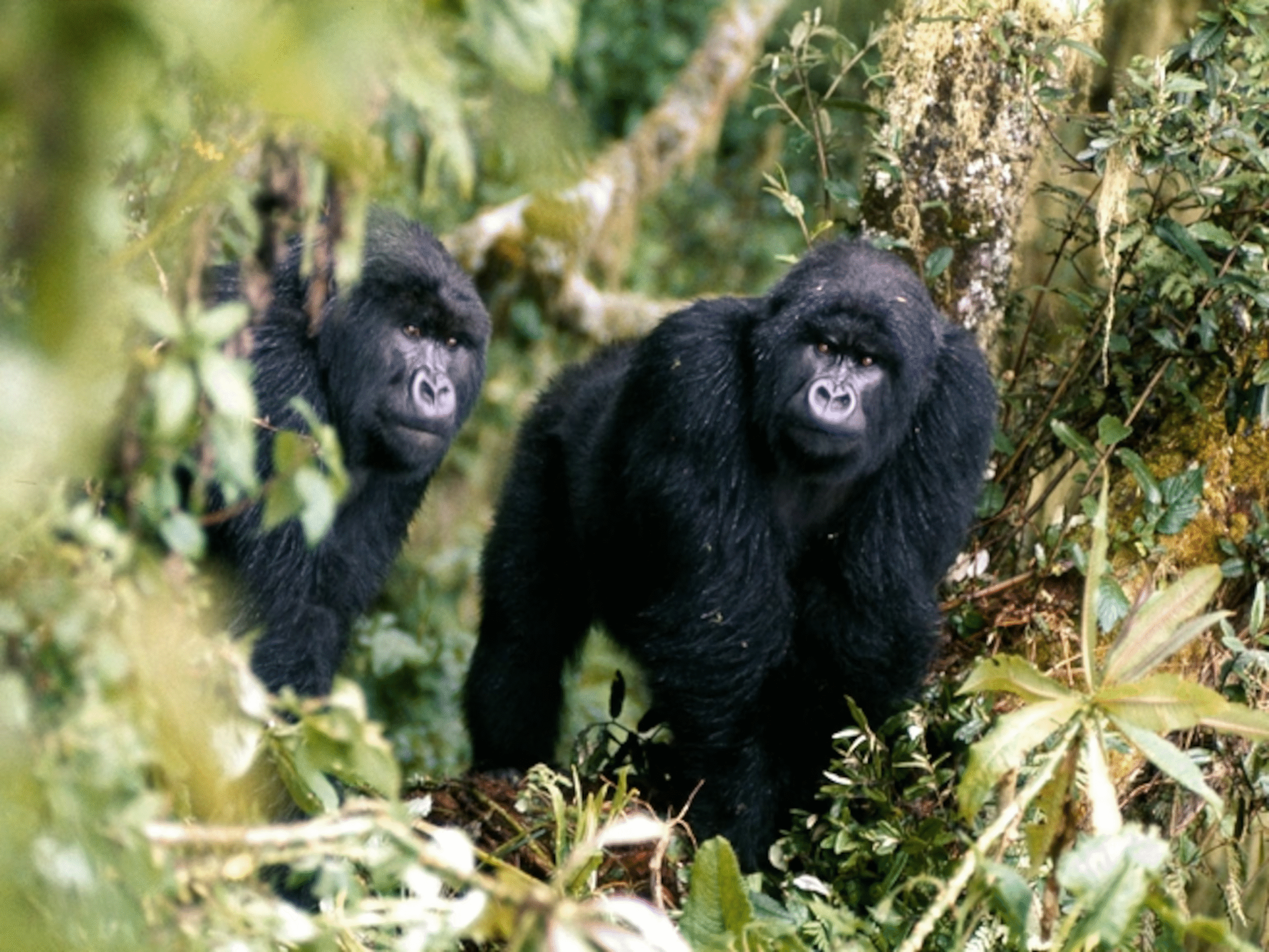
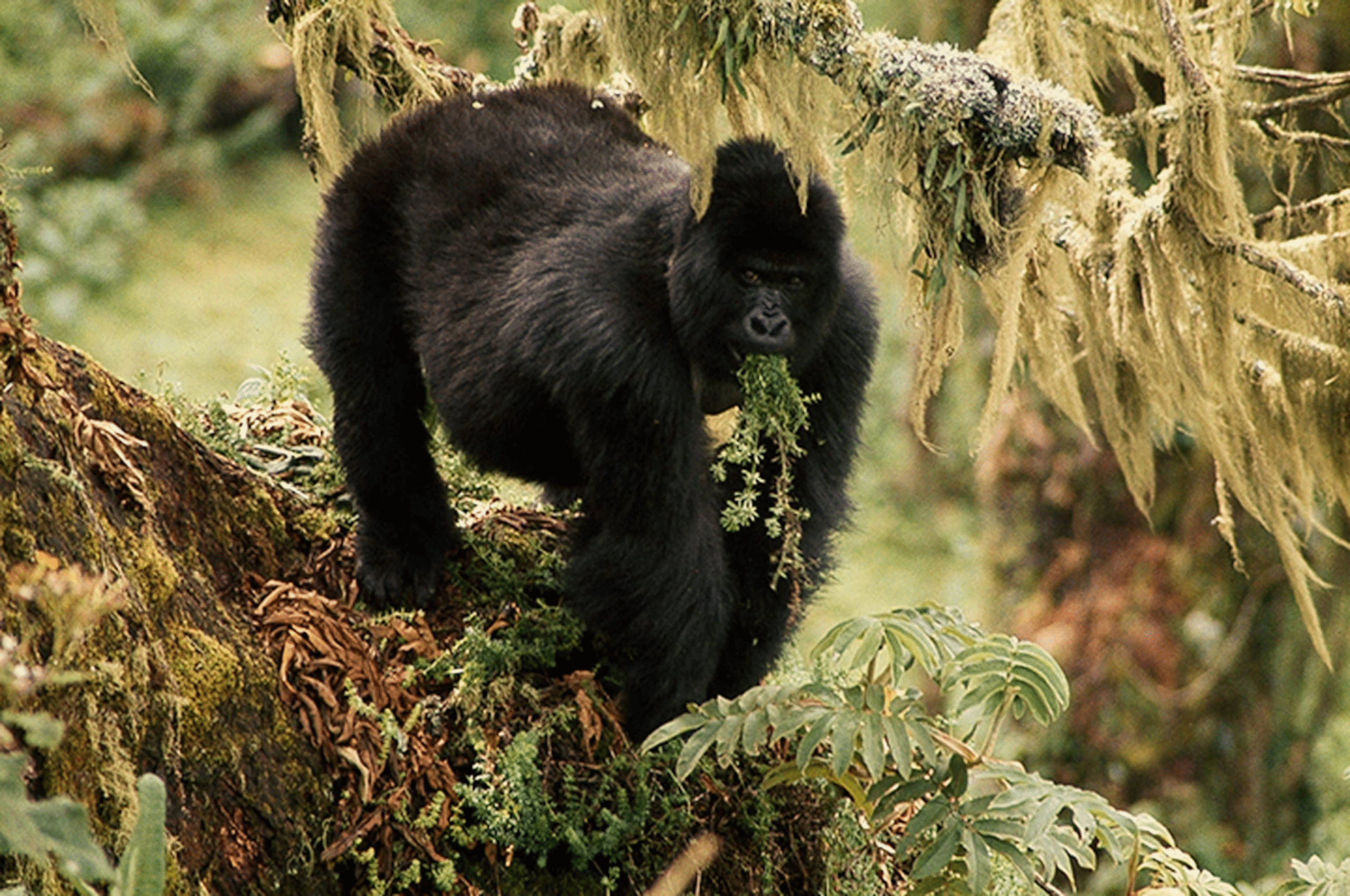
In the Realm of Giants – Bwindi & Mgahinga in Frames.
Wander through an elegant gallery capturing Uganda’s most exclusive gorilla sanctuaries, where ancient forests cradle the last mountain gorillas in a world of mist, mystery, and majesty.

Essential Planning Tips for Visiting Uganda’s National Parks.
Get ready for the wild heart of Africa with expert travel tips on when to visit, what to pack, where to go, and how to make the most of your safari across Uganda’s breathtaking national parks.
Why Uganda for Gorilla Trekking?
Uganda is not just a destination — it's the very soul of gorilla trekking. With over half of the world’s remaining mountain gorillas calling its misty forests home, Uganda offers the rarest encounters in their most authentic setting. Here, your journey is not rushed or crowded. Instead, you’re guided by experienced rangers through pristine jungles where gorillas live as they always have — wild, free, and magnificent
From insider travel insights to unforgettable trekking guides, our blog is your trusted path into Uganda’s wild heart — connecting you with mountain gorillas, breathtaking landscapes, and the soul-stirring adventures that make this land unlike any other.