

Where the soul of the forest whispers in the mist
Rwanda is one of the most linguistically unified countries in Africa. Nearly the entire population speaks Kinyarwanda, creating a strong national identity rooted in shared language and cultural expression. This linguistic cohesion simplifies communication across regions and social groups, reinforcing Rwanda’s sense of unity and community.
In addition to Kinyarwanda, Rwanda recognizes English and French as official languages. English has become increasingly dominant in business, education, and regional diplomacy, while French remains widely spoken, particularly among older generations. Swahili is also gaining importance due to regional trade and Rwanda’s membership in the East African Community.
So lace up your boots, grab your camera, and prepare to meet the wild — this is where your gorilla trekking dreams and unforgettable safari adventures truly begin.
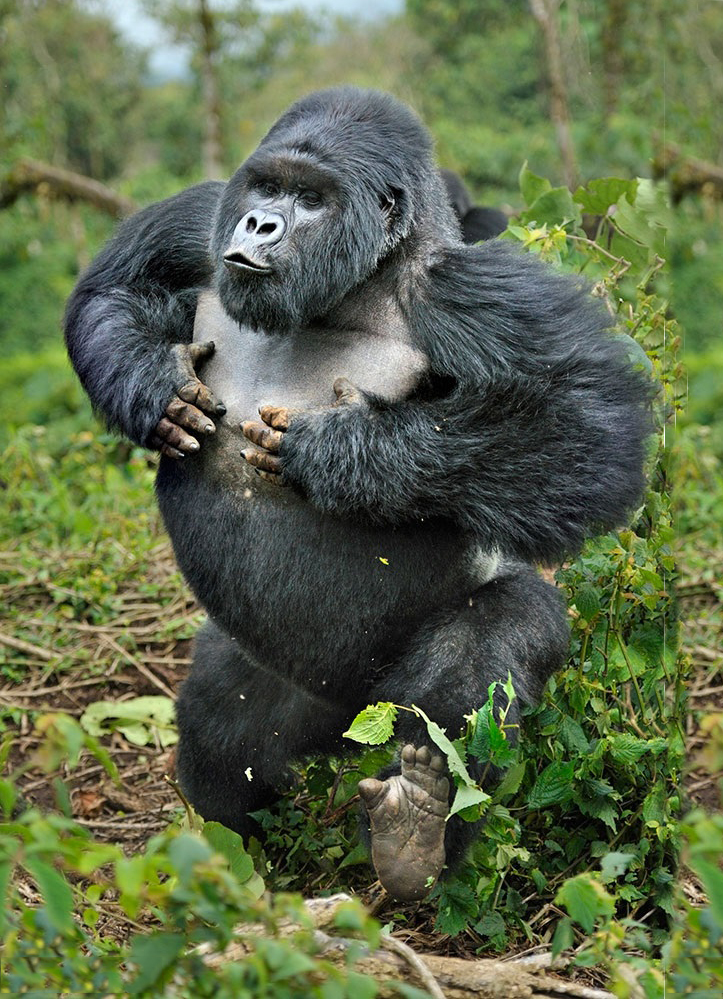
Truly Iconic Highlights in Uganda

Trek through Bwindi’s mystical rainforest and meet the endangered mountain gorillas in their breathtaking natural home.
Encounter mountain gorillas and golden monkeys on Mgahinga’s misty volcanic trails, where culture and alpine wildlife thrive together.
Unwind after your trek with a peaceful canoe ride across Lake Bunyonyi, Uganda’s most tranquil and scenic highland lake.
Enhance your gorilla trekking safari with an optional chimpanzee encounter in Uganda’s lush forests, adding depth and diversity to your primate adventure
Rwanda Language and Communication Guide
Kinyarwanda: The National Language
Kinyarwanda is spoken by the vast majority of the population and serves as the primary language of daily life, culture, and local governance. It is used in homes, markets, traditional ceremonies, and community gatherings.
The language plays a central role in preserving oral traditions, storytelling, poetry, and proverbs. Cultural performances near Volcanoes National Park and in rural communities are often conducted in Kinyarwanda.
Because it is universally understood, visitors traveling outside major cities will frequently hear and experience Kinyarwanda as the main language of interaction.
English in Modern Rwanda
English became an official language in 2008 and is widely used in education, government administration, and international business. Kigali’s corporate environment, hospitality industry, and tourism sector operate primarily in English.
Travelers visiting Kigali will find English commonly spoken in hotels, restaurants, and tour operations. Most safari guides and tourism professionals are fluent in English, making communication easy for international visitors.
French and Swahili
French remains present in legal systems, media, and older educational institutions due to Belgium’s colonial history. Many Rwandans are bilingual in French and Kinyarwanda.
Swahili has grown in importance through trade links with neighboring countries and Rwanda’s participation in the East African Community. It is especially useful in business and regional commerce.
Communication Style and Cultural Etiquette
Rwandan communication emphasizes respect, politeness, and formal greetings. Proper introductions and courteous language are valued in both personal and professional settings.
Indirect communication is sometimes preferred over confrontation. Tone and body language matter, particularly when interacting with elders or authority figures.
Visitors are encouraged to greet people respectfully and take time to engage in small talk before transitioning to business matters.
Language in Tourism and Hospitality
In tourism zones such as Nyungwe National Park and Akagera National Park, guides typically speak English and often French as well.
Cultural tours and community experiences may include translation where necessary, but language barriers are rarely a challenge for travelers.
Media and Digital Communication
Rwanda has invested heavily in digital infrastructure. Online media, social platforms, and government communication increasingly operate in English, alongside Kinyarwanda-language radio and television.
Mobile communication penetration is high, and digital payments and e-governance services reflect Rwanda’s push toward modernization.
More Information About Uganda to Know.
Uganda is a culturally rich and naturally diverse country, home to vibrant traditions, stunning landscapes, and welcoming people. From its deep history to its thriving wildlife and modern identity, Uganda truly stands as the Pearl of Africa.
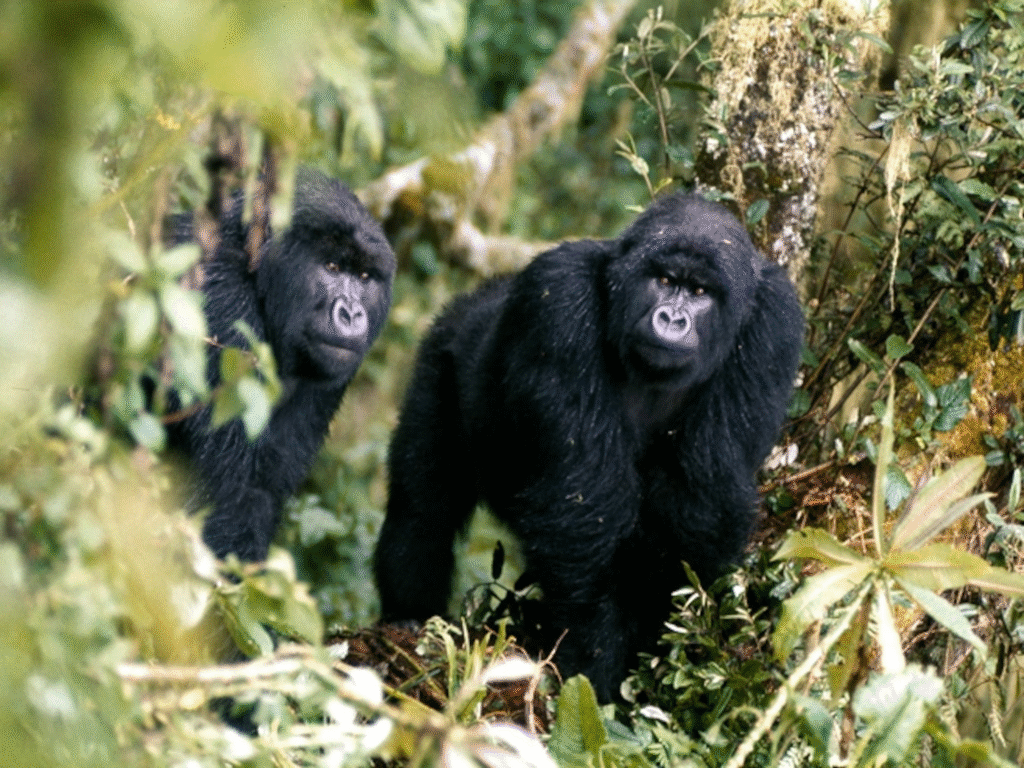
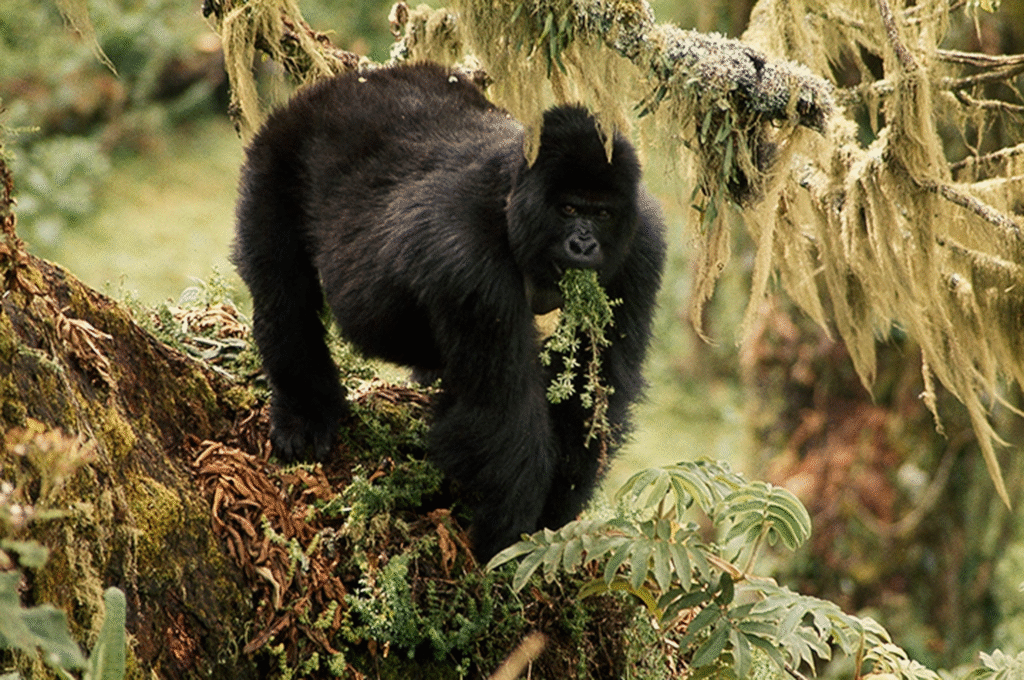
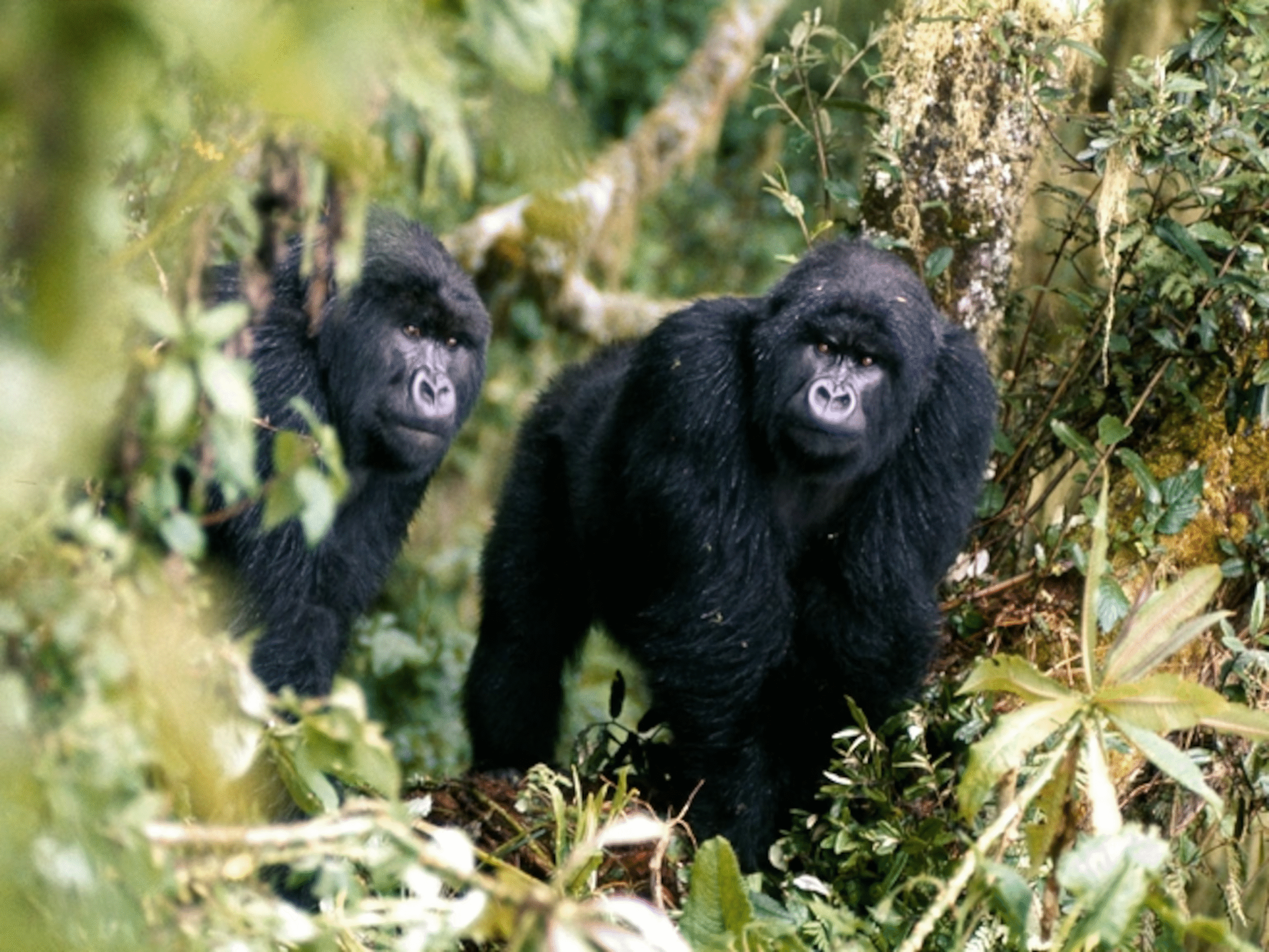
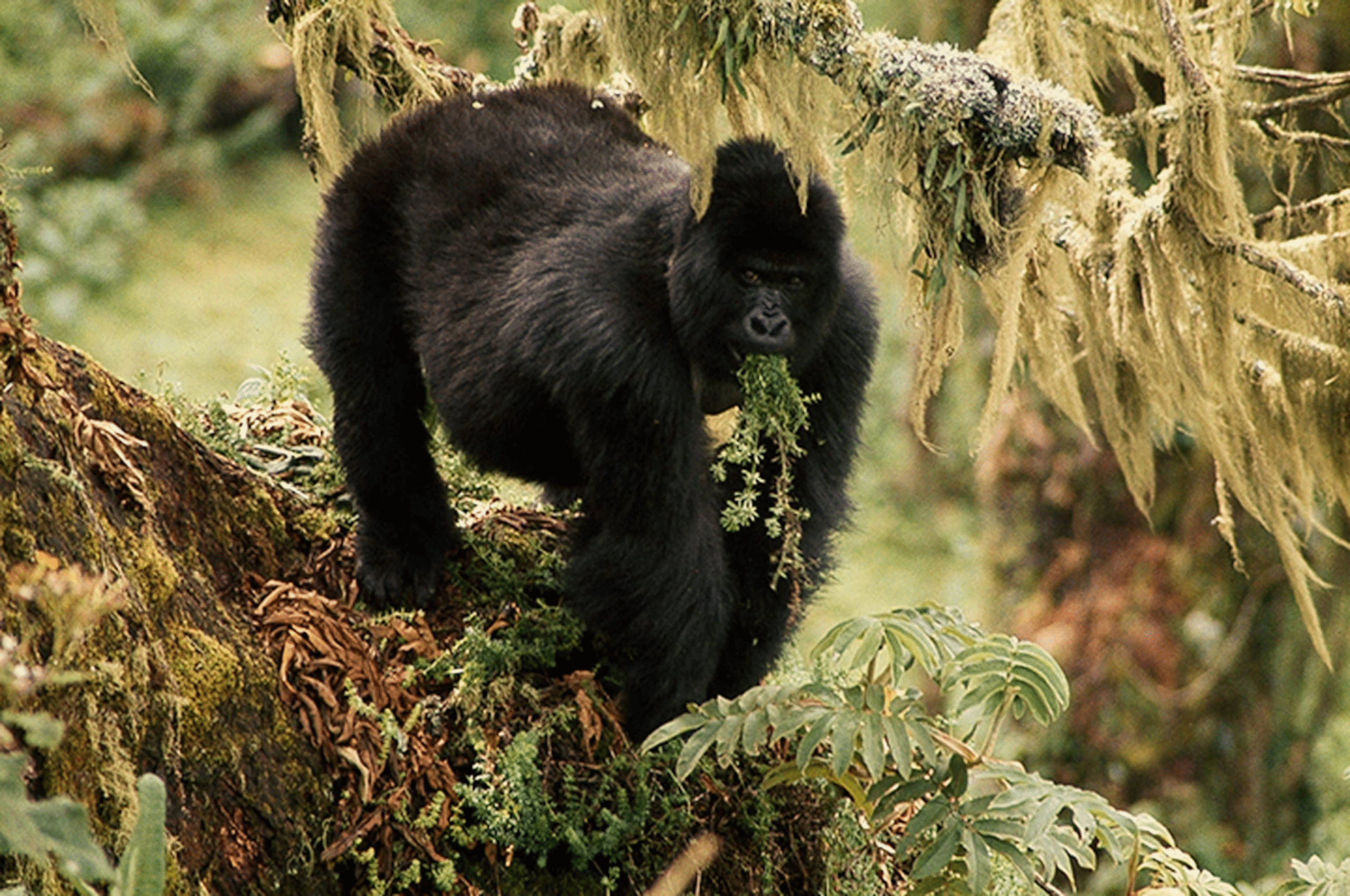
In the Realm of Giants – Bwindi & Mgahinga in Frames.
Wander through an elegant gallery capturing Uganda’s most exclusive gorilla sanctuaries, where ancient forests cradle the last mountain gorillas in a world of mist, mystery, and majesty.

Essential Planning Tips for Visiting Uganda’s National Parks.
Get ready for the wild heart of Africa with expert travel tips on when to visit, what to pack, where to go, and how to make the most of your safari across Uganda’s breathtaking national parks.
Why Uganda for Gorilla Trekking?
Uganda is not just a destination — it's the very soul of gorilla trekking. With over half of the world’s remaining mountain gorillas calling its misty forests home, Uganda offers the rarest encounters in their most authentic setting. Here, your journey is not rushed or crowded. Instead, you’re guided by experienced rangers through pristine jungles where gorillas live as they always have — wild, free, and magnificent
From insider travel insights to unforgettable trekking guides, our blog is your trusted path into Uganda’s wild heart — connecting you with mountain gorillas, breathtaking landscapes, and the soul-stirring adventures that make this land unlike any other.