

Where the soul of the forest whispers in the mist
Deep in the emerald folds of southwestern Uganda lies Bwindi National Park — a primordial sanctuary where the pulse of nature beats loud and unfiltered. This UNESCO World Heritage Site is a living, breathing testament to evolution and endurance. Cloaked in ancient montane rainforest, Bwindi National Park is one of Africa’s most biologically diverse ecosystems, and the last refuge of over half the world’s remaining mountain gorillas.
Here, the air is thick with mystery. As sunbeams cut through the mist, they reveal hidden trails and age-old trees that cradle life in every form — from rare orchids and towering ferns to colorful birds and elusive forest elephants. Yet, the true heartbeat of Bwindi National Park lies in its gentle giants.
Gorilla trekking in this jungle is not just an adventure; it is an emotional pilgrimage into the lives of a species so close to our own, yet profoundly wild.
Each footstep into Bwindi National Park is a journey through time, culture, and conservation. Local communities, deeply rooted in the forest’s rhythms, now stand at the forefront of eco-tourism and protection. The encounter with a gorilla family lasts just an hour — but the memory lingers for a lifetime, echoing the silent strength of the forest and the fragile hope of preservation.
Bwindi National Park is not a destination. It is a revelation.
So lace up your boots, grab your camera, and prepare to meet the wild — this is where your gorilla trekking dreams and unforgettable safari adventures truly begin.
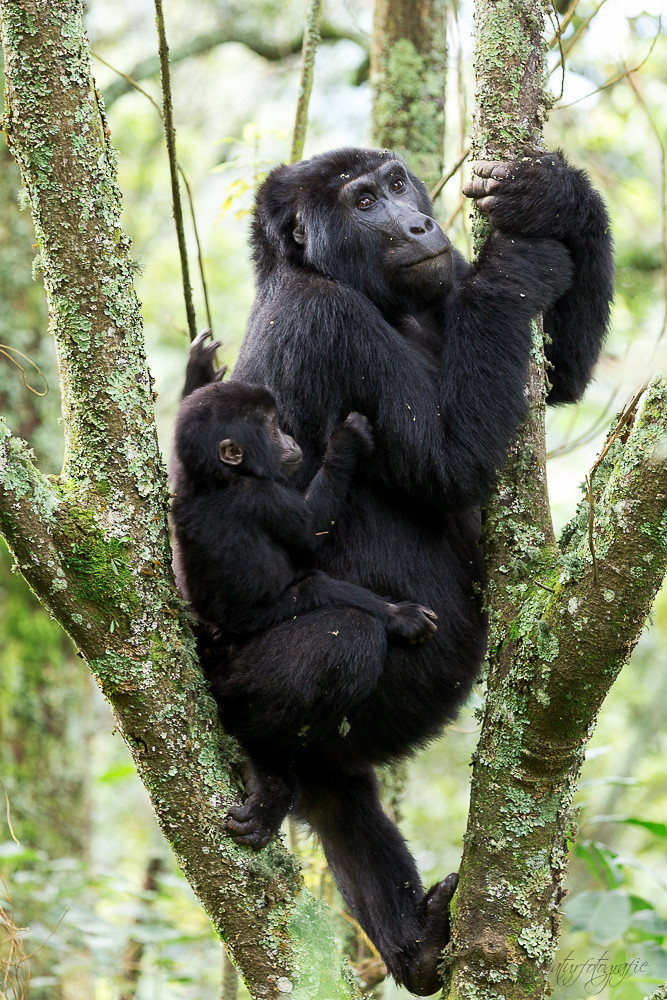
Truly Iconic Highlights in Uganda

Trek through Bwindi’s mystical rainforest and meet the endangered mountain gorillas in their breathtaking natural home.
Encounter mountain gorillas and golden monkeys on Mgahinga’s misty volcanic trails, where culture and alpine wildlife thrive together.
Unwind after your trek with a peaceful canoe ride across Lake Bunyonyi, Uganda’s most tranquil and scenic highland lake.
Enhance your gorilla trekking safari with an optional chimpanzee encounter in Uganda’s lush forests, adding depth and diversity to your primate adventure
Gorilla Trekking Tours in Uganda – Our Most Popular Itineraries.
Explore our gorilla trekking safaris for every traveler—solo, family, budget, or luxury. All tours include permits, transport, accommodation, meals, and park fees. Whether for a quick trip or a deeper adventure, we’ve got you covered.
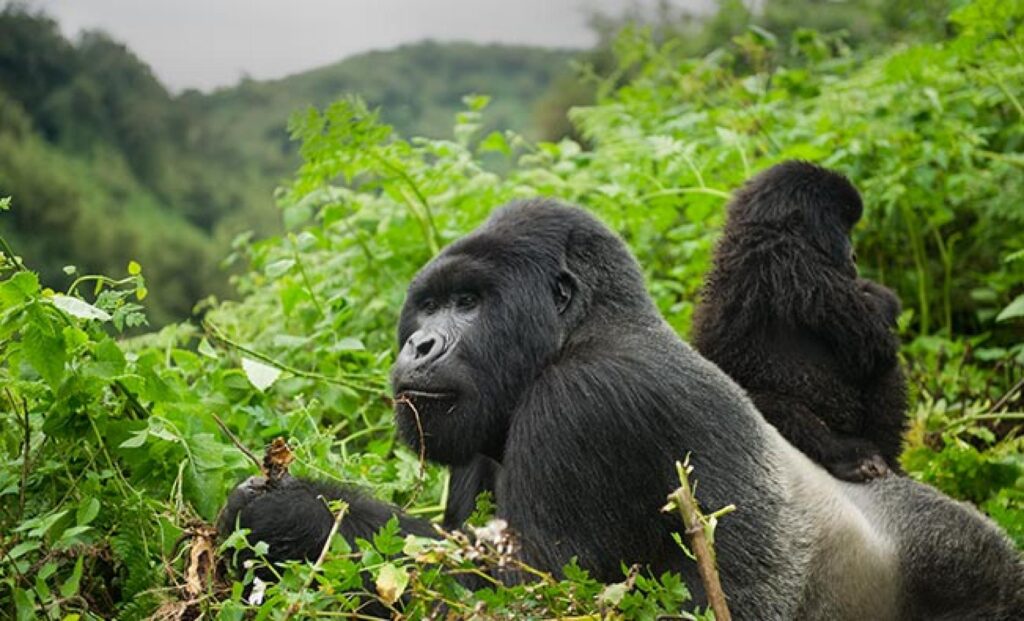
3-Day Bwindi Gorilla Trekking Safari
3-Day Bwindi Gorilla Trekking Safari
4-Day Uganda Gorilla Trekking Safari
4-Day Uganda Gorilla Trekking Safari
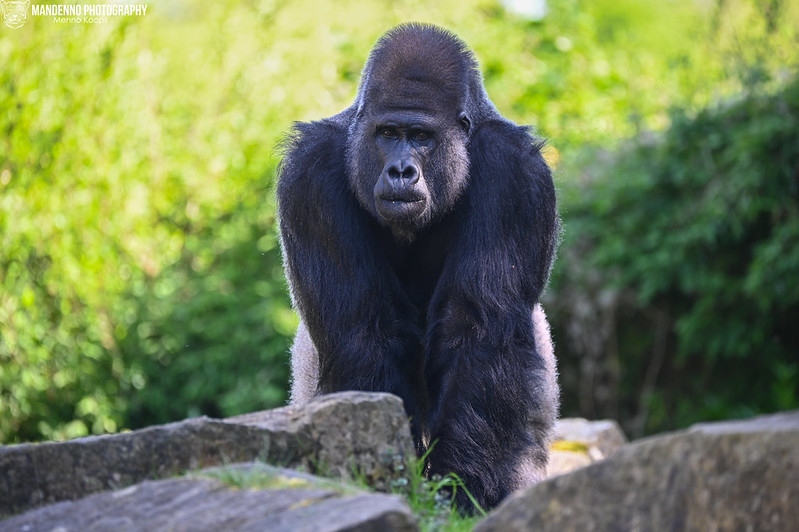
5-Day Gorilla Tracking and Wildlife Safari
5-Day Gorilla Tracking and Wildlife Safari
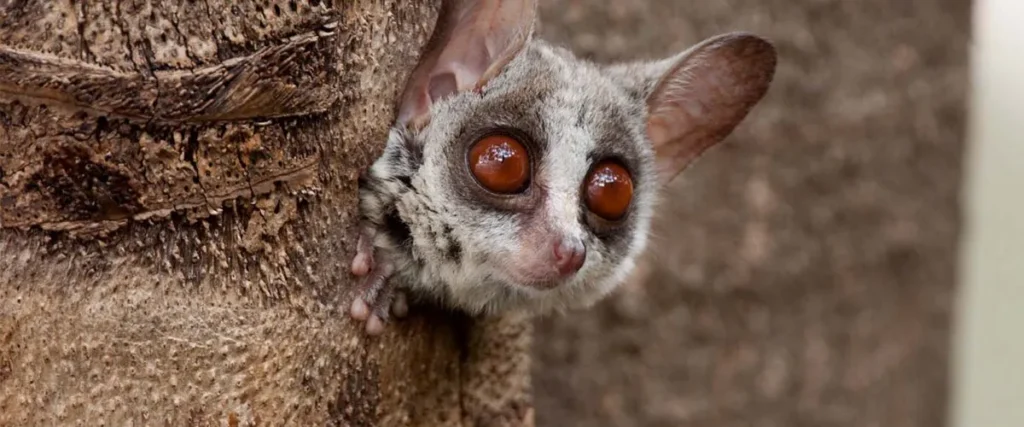
7-Day Uganda Primate Adventure & Wildlife Safari
7-Day Uganda Primate Adventure & Wildlife Safari
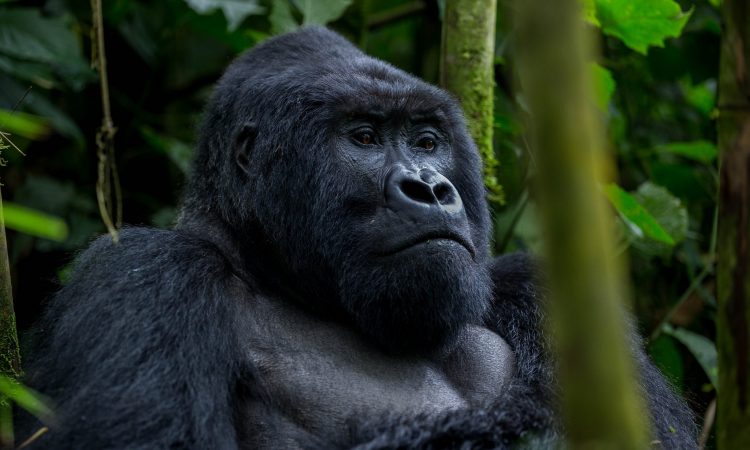
10-Day Gorilla Trekking & Big Five Safari in Uganda
10-Day Gorilla Trekking & Big Five Safari in Uganda
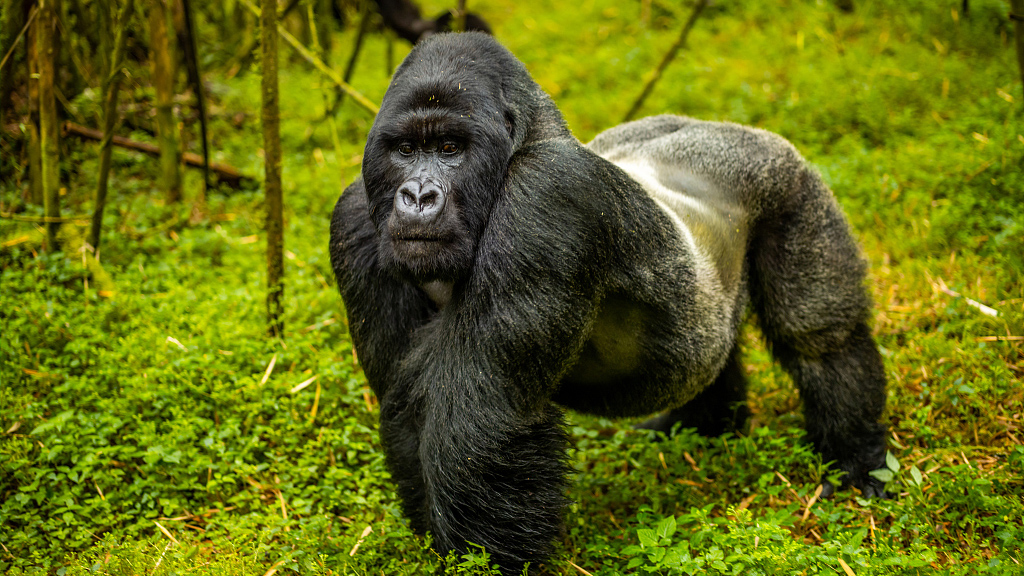
12-Day Uganda Gorilla Trekking, Chimp Tracking & Cultural Safari
12-Day Uganda Gorilla Trekking, Chimp Tracking & Cultural Safari
14-Day Best of Uganda Safari – Gorillas, Wildlife, Cultures
14-Day Best of Uganda Safari – Gorillas, Wildlife, Cultures
Bwindi National Park – The Crown Jewel of Protecting Mountain Gorillas
The Ultimate Expert Guide to Bwindi Forest Gorilla Trekking.
Bwindi National Park is the epicenter of mountain gorilla trekking in Africa. Located in southwestern Uganda along the Albertine Rift Valley, this UNESCO World Heritage Site protects nearly half of the world’s remaining mountain gorillas. It is one of the oldest rainforests on the continent, estimated to have survived the last Ice Age, and today it stands as one of Africa’s most biologically diverse ecosystems.
For international travelers seeking gorilla trekking in Uganda, Bwindi National Park is not just an option. It is the flagship destination. The park combines high gorilla population density, structured conservation management, multiple trekking sectors, and accommodation ranging from eco-lodges to high-end forest retreats.
To understand Bwindi National Park properly, you must see it not simply as a trekking location, but as a living, breathing rainforest ecosystem where conservation, community, and controlled tourism intersect.
Location and Geography
Bwindi Impenetrable National Park lies in southwestern Uganda, bordering the Democratic Republic of Congo and situated near the edge of the Rift Valley escarpment. The park spans approximately 321 square kilometers of mountainous rainforest, with elevations ranging between 1,160 and 2,607 meters above sea level.
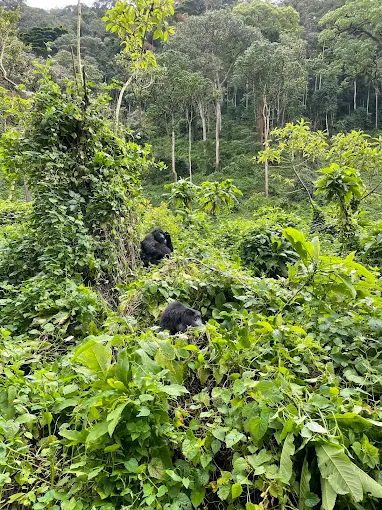
The landscape is dramatic. Deep valleys cut between steep ridges. Thick forest canopy blocks sunlight in certain areas, while other sections open into mist-covered clearings. The terrain is not flat or predictable. It is layered and undulating, requiring physical engagement.
This geography directly shapes the trekking experience. Trails may involve ascents and descents, muddy pathways, and dense vegetation. The forest is not manicured. It remains largely intact and ecologically complex.
Bwindi National Park’s altitude also moderates temperatures. Days are generally mild rather than tropical-hot, while evenings can feel cool, especially at higher elevations.
Why Bwindi National Park Is the Strongest Gorilla Destination in Africa
Bwindi National Park is not simply one of several gorilla trekking parks in East Africa. It is the most strategically powerful destination for serious travelers because it combines gorilla density, sector diversity, conservation credibility, permit flexibility, and safari integration within one ecosystem.
Unlike destinations that rely on a smaller number of habituated families, Bwindi National Park distributes tourism across four separate trekking sectors. This reduces pressure on individual gorilla groups and increases the chance of permit availability. It also allows travelers to choose terrain style, lodge category, and access route based on personal preference.
Bwindi National Park is also more than gorillas. Within one broader itinerary, travelers can combine chimpanzee tracking in Kibale Forest, wildlife viewing in Queen Elizabeth National Park, tree-climbing lions in Ishasha, crater lakes, and Lake Bunyonyi relaxation. Rwanda offers convenience. Bwindi offers depth.
If the goal is a complete Uganda safari anchored by gorilla trekking, Bwindi remains unmatched.
The Gorilla Families of Bwindi National Park
Bwindi National Park’s habituated gorilla families are the result of years of careful conservation work. Habituation involves gradual, respectful exposure of gorilla families to ranger presence until they tolerate human observers without altering natural behaviors.
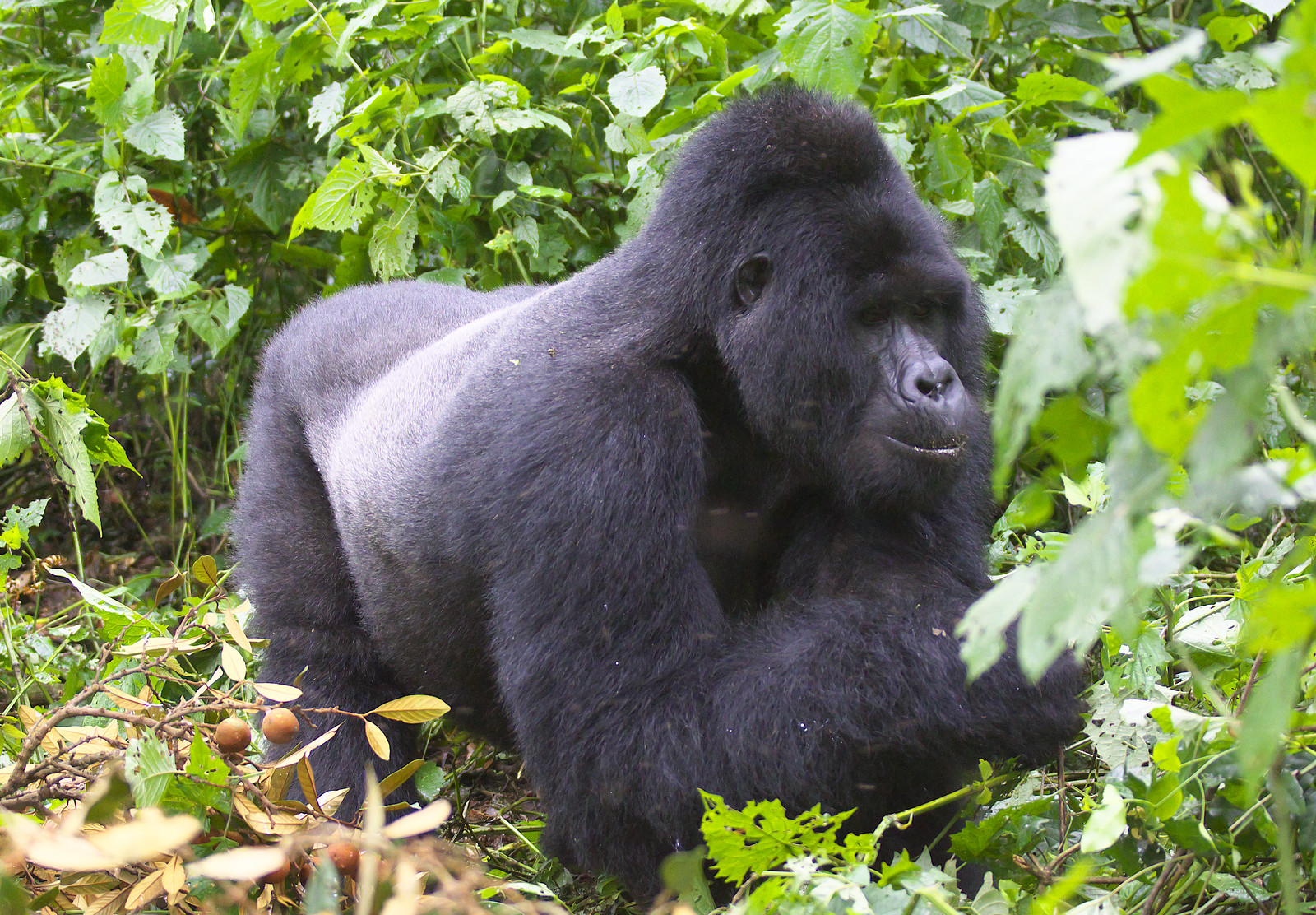
Each family is led by a dominant silverback. He is responsible for group protection, movement decisions, and maintaining social order. Within the family are adult females, juveniles, infants, and sometimes subordinate males.
Families such as Mubare, Habinyanja, Rushegura, Nshongi, Mishaya, Busingye, Nkuringo, and others are known for their distinct social histories and group sizes. Some families are larger and more dynamic. Others are smaller and quieter.
A maximum of eight visitors per family per day are allowed to trek. This strict limitation preserves intimacy and minimizes stress on the animals.
The one-hour viewing period begins only once the group is settled, ensuring minimal disturbance.
Choosing the Right Sector in Bwindi National Park
Not all Bwindi trekking sectors feel the same, and choosing correctly affects the entire experience.
Buhoma, in the north, is the oldest and most established sector. It offers relatively accessible terrain, historical gorilla families such as Mubare and Habinyanja, and strong lodge infrastructure including Sanctuary Gorilla Forest Camp and Mahogany Springs. Travelers who prefer established systems and smoother terrain often choose Buhoma.
Rushaga, in the south, has the highest concentration of habituated families. This increases permit flexibility and is also where the Gorilla Habituation Experience operates. Travelers seeking greater availability or extended research-style encounters often select Rushaga. Lodges such as Four Gorillas Lodge and Ichumbi Gorilla Lodge serve this sector.
Nkuringo offers dramatic elevation and sweeping ridge views toward the Virunga volcanoes. The trekking can be physically demanding but visually spectacular. Nkuringo Bwindi Gorilla Lodge is a leading property here, attracting travelers who prioritize scenery and exclusivity.
Ruhija is quieter and cooler in climate, often favored by birdwatchers and travelers seeking a less crowded atmosphere. It provides strong biodiversity beyond gorillas and an elevated forest feel.
Choosing the right sector is not random. It is strategic.
The Gorilla Trekking Experience in Bwindi National Park
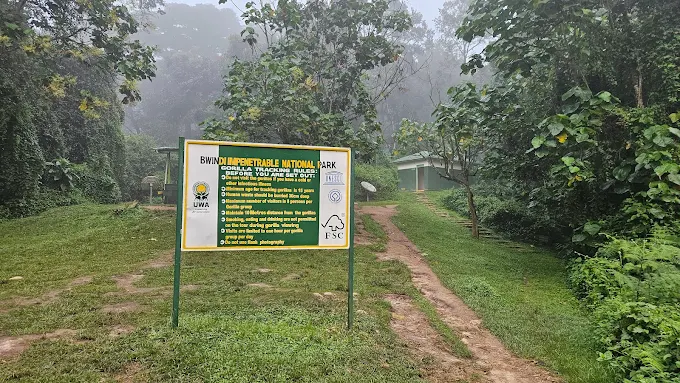
Gorilla trekking in Bwindi National Park begins early in the morning at the designated sector headquarters. Visitors gather for registration and a ranger-led briefing. During this briefing, safety guidelines are explained, behavioral rules are emphasized, and trekking expectations are clarified.
Trackers enter the forest before dawn to locate gorilla families. They communicate with ranger guides to determine the most efficient route for visitors.
The trek itself can last anywhere from one to five hours, depending on the gorillas’ movements that day. The forest terrain may involve steep slopes, muddy sections, and dense vegetation requiring occasional assistance from porters.
Porters are available for hire and are strongly recommended. Beyond helping carry backpacks, they assist with balance on slippery sections and support local livelihoods.
When the gorilla family is located, visitors approach slowly and leave bags at a safe distance. Cameras are prepared without flash.
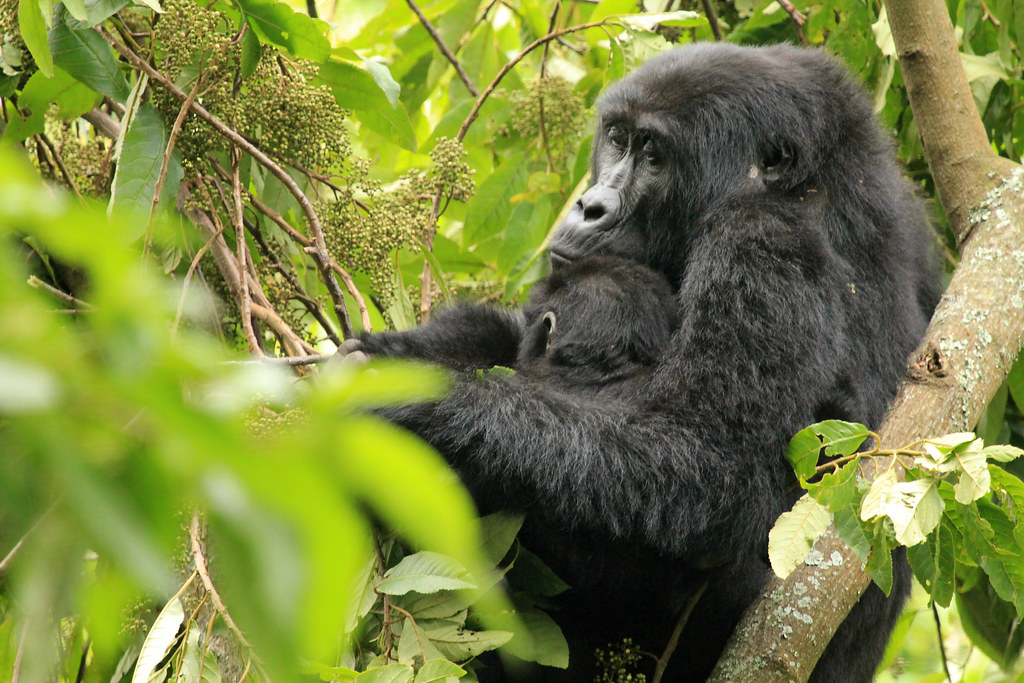
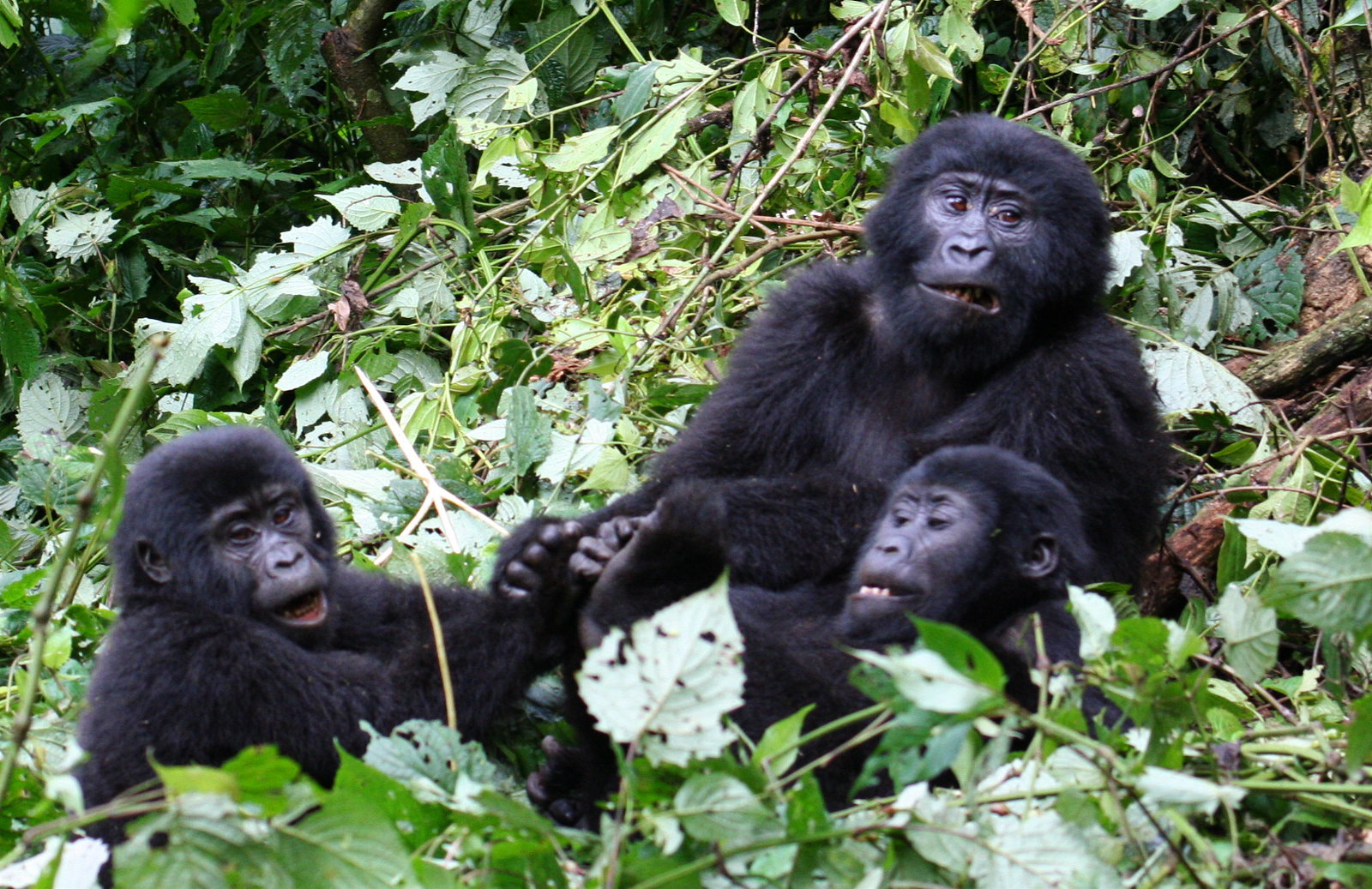
The hour with the gorillas unfolds quietly. Gorillas may feed on leaves and stems, groom one another, rest in shaded clearings, or move slowly through the undergrowth. Juveniles may climb and play. Mothers nurse infants. The silverback observes calmly.
There is no performance. No staging. The gorillas continue their natural routines.
After one hour, visitors withdraw respectfully, leaving the family undisturbed.
Gorilla Trekking from Kigali to Bwindi National Park
One of the most misunderstood planning advantages is that southern Bwindi National Park sectors such as Rushaga and Nkuringo are often closer to Kigali, Rwanda, than to Entebbe in Uganda.
Many international travelers land in Kigali International Airport and cross into Uganda by road. The transfer from Kigali to southern Bwindi can take approximately four to five hours, significantly shorter than the full-day drive from Entebbe.
This routing strategy can reduce overall travel fatigue and improve itinerary efficiency, especially for travelers combining Rwanda and Uganda experiences.
Access flexibility is one of Bwindi National Park’s strengths.
Gorilla Permit System in Bwindi
A gorilla trekking permit is mandatory for all visitors. The permit includes park entry, ranger escort, tracking coordination, and one regulated hour with a habituated gorilla family.
Permit revenue directly funds anti-poaching patrols, ranger salaries, veterinary intervention units, and community development projects surrounding the park.
Because only eight permits are issued per gorilla family per day, advance booking is strongly recommended. During peak international travel seasons, permits can sell out several months in advance.
Low-season travel may provide more availability and sometimes greater flexibility for short-notice bookings.
Booking Strategy for Bwindi Gorilla Permits
The most common mistake travelers make is securing flights before confirming permits. Gorilla permits should always be secured first, particularly for peak months.
Each sector has limited daily allocation tied to the number of habituated families. Once a sector sells out, switching sectors may require lodge adjustments.
Last-minute permits are sometimes available during shoulder or low seasons but they may become scarce due to the newly introduced low season discounted gorilla permits costing 600 USD, particularly in Rushaga due to higher family numbers. However, peak months rarely allow spontaneous bookings.
Who is responsible for bwindi gorilla permits? — Uganda Wildlife Authority manages and protects the mountain gorillas by limiting the number of people to 8 and hence seeing gorillas is kind of every ones responsibility in an indirect way where it requires every traveler to obey by the UWA’s rules, UWA also recommends you book from a registered tour operator for some reason to avoid scam and more so check your operator’s license before booking.
Chimpanzees in Bwindi Impenetrable National Park
While Bwindi National Park is globally recognized for its mountain gorillas, it also supports a resident population of wild eastern chimpanzees (Pan troglodytes schweinfurthii). Scientific surveys estimate that Bwindi hosts approximately 400 to 450 chimpanzees living within its 321 square kilometers of montane rainforest. This makes Bwindi one of the lesser-known but ecologically important chimpanzee habitats in Uganda.
Unlike Kibale National Park, which is considered the country’s primary chimpanzee trekking destination due to higher densities and long-established habituation programs, Bwindi’s chimpanzees inhabit deeper and more rugged forest terrain. They range widely across valleys and ridges, often occupying higher canopy levels and moving quickly between feeding trees. Their presence is usually detected first through sound rather than sight. Early in the morning, their pant-hoots and long-distance calls can echo across forested slopes, signaling territorial communication between communities.
Chimpanzee tracking in Bwindi National Park is less predictable than gorilla trekking. Mountain gorillas are tracked daily and remain relatively grounded, while chimpanzees are semi-arboreal, highly mobile, and capable of covering large distances in short periods. This makes sightings more dynamic and sometimes brief. However, for travelers interested in understanding primate diversity within one ecosystem, the presence of chimpanzees in Bwindi adds scientific and ecological depth to the safari experience.
Bwindi National Park’s chimpanzee population exists within a broader primate-rich landscape that includes black-and-white colobus monkeys, L’Hoest’s monkeys, red-tailed monkeys, and olive baboons. The forest itself forms part of the Albertine Rift biodiversity hotspot, one of Africa’s most species-rich regions.
Although Bwindi National Park does not offer the same level of structured chimpanzee trekking as Kibale, its chimpanzee population reinforces the park’s ecological importance beyond mountain gorillas. For primate-focused travelers, Bwindi is not a single-species destination. It is a multi-layered rainforest system where gorillas, chimpanzees, and other primates coexist within one of Africa’s oldest surviving forests.
Understanding that chimpanzees share this habitat with gorillas deepens the appreciation of Bwindi as a complete primate ecosystem rather than simply a gorilla trekking location.
Gorilla Trekking in Uganda vs Rwanda
Bwindi National Park often enters comparison with Rwanda’s Volcanoes National Park. The difference is not about quality — it is about structure, cost positioning, terrain style, and travel logistics.
Uganda, specifically Bwindi National Park, offers more habituated gorilla families and therefore more daily permits. This increases flexibility, particularly for travelers planning within tight timeframes. The forest in Bwindi National Park is denser and more varied in altitude, often resulting in longer or more physically immersive treks. Uganda also integrates gorilla trekking seamlessly with chimpanzees, savannah safaris, and scenic lakes within a single country.
Rwanda offers shorter transfer time from Kigali International Airport and a more compact trekking region. It positions itself as a premium destination with higher permit pricing and a strong luxury-lodge ecosystem close to the park boundary.
For travelers prioritizing diversity and cost balance, Bwindi often provides stronger overall safari value. For travelers prioritizing logistical simplicity and ultra-short itineraries, Rwanda may appeal.
The gorillas themselves do not differ biologically. The difference lies in travel structure and ecosystem immersion.
How to Access Bwindi by Air and Road
Bwindi National Park is accessible both by road and air, and the choice significantly affects overall safari pacing.
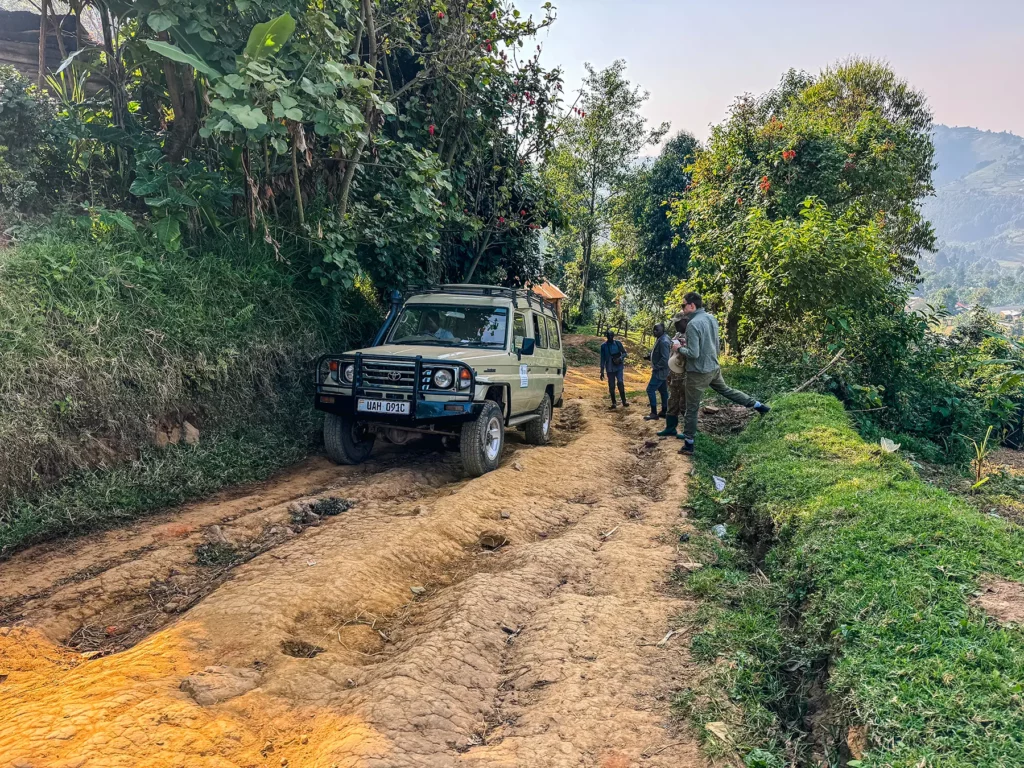
By road, travelers typically depart from Entebbe or Kampala early in the morning and drive southwest toward the park. The journey may take eight to ten hours depending on sector destination and road conditions. The drive passes through equatorial countryside, tea plantations, and rolling hills, offering scenic value but requiring patience.
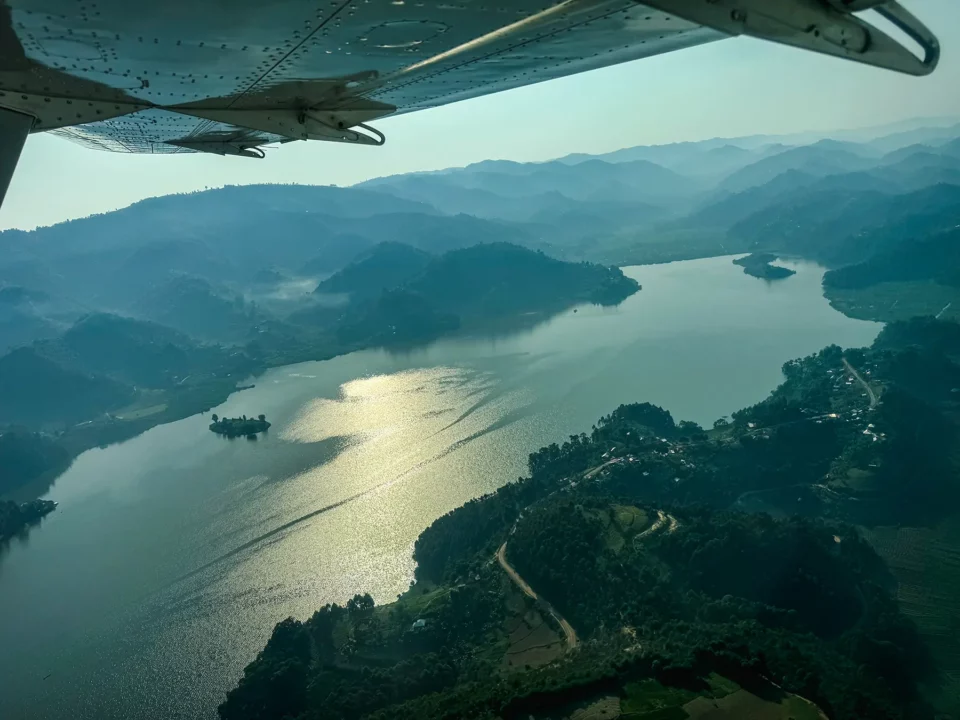
Fly-in access dramatically shortens travel time. Scheduled domestic flights operate from Entebbe International Airport to airstrips near Bwindi, including Kihihi and Kisoro. From the airstrip, travelers transfer by vehicle to their lodge. Total travel time reduces to approximately one to two hours in the air plus a short ground transfer.
For luxury clients, senior travelers, or those on limited schedules, flying enhances comfort and energy conservation before trekking day.
The Different Silverbacks of Bwindi – Leadership in the Forest
When you step into Bwindi National Park with a ranger, we do not speak about “gorillas” in general terms. We speak about individuals. We know their histories, their temperaments, their past conflicts, and the way they command respect inside their families. Every trekking group you visit is shaped by the silverback at its center.
In the Buhoma sector, the Mubare family was historically led by silverbacks like Ruhondeza, one of the earliest habituated leaders in Bwindi. Ruhondeza was known for his imposing physical presence and dignified calm. Even in his later years, he rarely charged without reason. His strength came from posture and presence rather than aggression. When he passed, the transition within the group reshaped its structure entirely — proof that silverback leadership defines stability.
In the same northern region, the Rushegura family, once associated with the Habinyanja lineage, has been known for relatively calm leadership under silverbacks such as Mwirima. Rangers often describe Mwirima as measured and observant. He does not waste energy. When visitors approach, he watches carefully, occasionally shifting position to ensure females and infants remain within his protective field of vision. His authority is quiet but absolute.
In the Rushaga sector, silverbacks like Bweza and Busingye have defined entirely different leadership styles. Busingye, whose name means “peace,” is ironically known among rangers for his assertive temperament. He once split from the Kahungye family, taking several females with him and establishing his own group. That split was not chaotic; it was strategic. He demonstrated calculated dominance rather than random aggression. Watching him interact with his family, you see a silverback constantly assessing his environment, especially when other males vocalize in the distance.
In Nkuringo, the Nkuringo silverback Rafiki, whose name means “friend,” became internationally known after a tragic poaching incident. Before his death, Rafiki was a confident and commanding leader. Rangers who trekked his family regularly described him as protective but predictable. He maintained tight group cohesion and was attentive to human proximity without showing unnecessary aggression. His loss reminded the conservation community how central one silverback is to an entire family’s psychological and social stability.
In Ruhija, families like Bitukura have experienced leadership transitions where aging silverbacks gradually yield to younger, stronger males. These transitions are rarely theatrical. They unfold over months, sometimes years, with subtle shifts in female allegiance and male positioning. A blackback begins asserting himself, testing boundaries. The aging silverback conserves energy. Eventually, the balance tips.
As a ranger walking you through Bwindi National Park, I can tell you this: the silverback does not need to roar constantly to command authority. Often he sits in complete silence, massive arms folded, watching the forest. When a juvenile misbehaves, he intervenes with a simple glance or low grunt. When a female strays too far, he positions himself strategically rather than charging.
The strength of a silverback is not just physical. It is social intelligence. He knows when to move his family, when to rest, when to feed, and when to confront potential threats. If another male vocalizes nearby, you will see the silverback’s posture change immediately — chest slightly elevated, head lifted, nostrils flaring. He calculates before reacting.
When you stand only meters away and watch this dynamic unfold, you begin to understand that you are not simply observing wildlife. You are witnessing leadership, protection, negotiation, and strategy within a primate society that mirrors elements of our own.
Every silverback in Bwindi National Park carries scars, stories, and history written into his body. When you look into his eyes, you are not looking at a symbol of strength. You are looking at the center of an entire family’s survival.
Understanding these silverbacks transforms your trek from photography into comprehension.
Gorilla Habituation Experience in Bwindi
Beyond standard trekking, Bwindi National Park offers a Gorilla Habituation Experience in select sectors. Unlike the standard one-hour viewing rule, habituation allows visitors to spend extended time — often up to four hours — with a semi-habituated gorilla family under researcher supervision.
This experience is more immersive and physically demanding. The gorillas involved are still in the process of gradual exposure to human presence. Therefore, behavior may be less predictable, and ranger guidance is even more critical.
Habituation experiences are limited and require advance booking. They appeal to photographers, conservation enthusiasts, and travelers seeking deeper educational exposure rather than a shorter standard visit.
It is not superior to standard trekking. It is simply more extended and more research-oriented.
What Time Does Gorilla Trekking Begin?
Gorilla trekking in Bwindi begins early in the morning. Visitors are required to report to the sector headquarters around 7:00 AM for briefing and group allocation. Trackers have already entered the forest before dawn to locate gorilla families.
Trekking typically begins between 8:00 AM and 9:00 AM. The return time varies depending on trek length. Some groups may return by midday, while others may conclude in the afternoon.
Starting early reduces heat exposure and aligns with peak gorilla activity periods. Planning lodge proximity to the trekking headquarters minimizes pre-trek stress.
Costs for a First-Time Traveler to Bwindi National Park
A first-time traveler to Bwindi National Park should account for several core cost components. The gorilla permit represents the largest fixed cost of 800 USD for non foreigners. In addition to the permit, visitors must consider accommodation, transport (road or air), meals, guiding services, porter fees, and optional activities which catered for by your tour operator to allow seamless gorilla experience.
International flights to Uganda vary depending on departure region. Domestic flights to Bwindi add convenience but increase total budget. Midrange lodges offer comfortable forest accommodation, while luxury properties elevate pricing significantly.
A realistic first-time budget includes permit cost, at least two to three nights of accommodation, transfers, and guided services. Additional optional expenses include porter hiring and gratuities.
Transparent budgeting removes stress and ensures that the permit — the heart of the experience — remains the central investment.
Best Time to Visit Bwindi
The drier months generally provide firmer trekking conditions and more stable trail footing. The rainy seasons bring vibrant green forest landscapes and often fewer international visitors.
Mountain gorillas are tracked daily regardless of weather. Sightings remain highly reliable throughout the year.
Travel timing often depends on personal scheduling and international holiday patterns rather than wildlife availability.
Those seeking quieter trekking experiences may prefer shoulder months when permit demand is lower.
Month-by-Month Considerations for Bwindi
Bwindi National Park operates year-round, but the experience shifts subtly by month.
June to September generally offers firmer trails and more predictable trekking conditions. This period aligns with peak international demand, meaning permits must be secured early.
October and November bring increased rainfall but also quieter forests and often greater permit availability. The landscape becomes intensely green and atmospheric.
December through February offers another dry window and coincides with holiday travel peaks.
March to May is traditionally wetter, but gorilla sightings remain reliable because tracking occurs daily. Travelers who are flexible and prepared for rain may benefit from lower visitor density.
The forest does not close. It transforms.
Photography in Bwindi
Bwindi National Park’s forest environment creates low-light conditions under dense canopy. Photography requires preparation.
Flash photography is strictly prohibited. Natural light dominates, meaning higher ISO settings and fast lenses improve results. A zoom lens allows respectful distance while maintaining composition.
The forest backdrop creates dramatic contrast between dark foliage and silver fur. Patience matters more than speed. The best photographs often occur when gorillas pause naturally rather than when they move.
Professional photographers often favor early morning treks due to softer light angles filtering through the canopy.
Fitness Required for Bwindi Gorilla Trekking
Bwindi trekking requires moderate physical fitness. Trails may involve steep inclines, uneven footing, and humid conditions. Visitors should be comfortable walking for several hours on variable terrain.
Physical preparation improves enjoyment significantly. Simple endurance training before travel enhances confidence and reduces fatigue.
Age alone is not a limitation. With porter assistance and honest self-assessment, many senior travelers complete treks successfully.
Mental preparation matters as much as physical readiness.
Physical Preparation and What Most Travelers Underestimate
Many travelers underestimate the humidity and vertical nature of Bwindi National Park. This is not flat savannah terrain. It is steep rainforest with variable footing.
Moderate physical conditioning improves enjoyment significantly. Hiking preparation prior to travel reduces fatigue and enhances confidence.
Hiring a porter is not a sign of weakness. It stabilizes footing on muddy slopes and supports local income systems around the park.
Mental preparation also matters. Gorilla trekking is not rushed. It requires patience and calm presence once the family is located.
Fly-In Gorilla Trekking to Bwindi National Park
Bwindi can be accessed by road from Entebbe, which may require a full-day journey, or by domestic flights to nearby airstrips such as Kihihi or Kisoro.
Fly-in access significantly reduces travel fatigue and is ideal for travelers with limited time, senior visitors, or luxury safari clients seeking efficiency.
Charter flights connect Entebbe International Airport directly to Bwindi’s regional airstrips, followed by short transfers to lodges.
Fly-in trekking does not alter the forest experience but improves overall comfort and pacing.
Luxury and Midrange Lodges in Bwindi National Park
Accommodation in Bwindi National Park is not generic. Your lodge choice directly affects trekking logistics, comfort, recovery time, and even the atmosphere of your safari. Because Bwindi is divided into four trekking sectors — Buhoma, Ruhija, Rushaga, and Nkuringo — selecting the correct lodge based on your permit location is critical.
In the Buhoma sector, which is the most established and historically the first gorilla trekking area in Bwindi, luxury travelers often stay at Sanctuary Gorilla Forest Camp. This lodge sits inside the park boundary itself, meaning you wake up within the rainforest. The tents are spacious with wooden decks overlooking thick forest canopy, and gorillas have occasionally passed through the grounds. The experience here is immersive, intimate, and well suited for high-end safari clients who want exclusivity and proximity to headquarters.
Also in Buhoma, Mahogany Springs Lodge offers refined comfort with large suites, private terraces, and panoramic valley views. The service is polished, the dining is elevated, and the lodge maintains strong international standards while remaining close to the trekking briefing point. For travelers wanting luxury without being inside the park boundary, this is a strong option.
In the Rushaga sector, particularly attractive for those seeking permit flexibility due to the high number of gorilla families, Four Gorillas Lodge has emerged as a high-end choice. It offers modern cottages, expansive views of rolling hills, and high-quality finishes. Rushaga is also the sector where the Gorilla Habituation Experience operates, so staying here allows easier access for those booking extended time with semi-habituated families.
In Nkuringo, one of the most scenic and physically dramatic sectors, Nkuringo Bwindi Gorilla Lodge stands out. Perched high on a ridge, this lodge delivers some of the best views in the entire region, overlooking the forest canopy stretching toward the Virunga volcanoes. The altitude here means cool evenings and breathtaking sunrises. The property blends stone cottages with premium service, appealing to travelers who value scenery and exclusivity.
For midrange travelers, Bwindi offers strong, well-managed options that do not compromise on comfort. In Buhoma, Engagi Lodge provides forest-facing cottages with private balconies and solid service standards at a more accessible price point than ultra-luxury camps. It balances comfort and value effectively.
In Rushaga, Ichumbi Gorilla Lodge offers practical comfort close to the trekking start points, making it logistically efficient while maintaining clean, comfortable rooms and reliable hospitality. It is a preferred option for travelers focused primarily on trekking rather than lodge indulgence.
In Ruhija, which is quieter and often chosen for birding and less crowded trekking experiences, Bakiga Lodge offers spectacular views across forest valleys. While positioned as midrange, its location provides an atmosphere that feels elevated and remote.
Choosing between luxury and midrange in Bwindi National Park is not simply about price. It is about how you want to recover after trekking. Gorilla trekking can be physically demanding. Returning to a lodge with spa services, heated showers, premium wine selections, and private decks overlooking the forest can significantly enhance the overall safari experience.
Midrange lodges provide comfort, hot showers, good meals, and proper beds — everything needed for a successful trek-focused itinerary. Luxury lodges add privacy, space, refined service, and a deeper sense of retreat.
Both categories maintain proximity to the forest. Both allow immersion. The difference lies in pacing, privacy, and the level of post-trek comfort you expect.
For international travelers planning once-in-a-lifetime gorilla safaris, lodge selection should align with your overall journey design — whether that design prioritizes efficiency and value or exclusivity and indulgence.
Tipping Gorilla Guides and Rangers
Tipping is customary but not mandatory. Rangers, guides, and porters play essential roles in making the trekking experience safe and successful. Gratuities acknowledge their effort, especially given the physical demands of forest navigation.
Porters in particular rely heavily on trekking-related income. Hiring a porter supports local employment and strengthens community integration around the park.
Tipping practices vary by traveler preference, but thoughtful gratuities demonstrate appreciation for expertise and conservation work.
Safety and Stability in Bwindi National Park
Bwindi National Park operates under strict conservation and security protocols. Rangers are professionally trained and accompany every trekking group.
Armed escorts provide environmental security. The park maintains coordinated communication systems and long-standing tourism infrastructure.
Mountain gorillas are calm and habituated. Following ranger instructions ensures a safe and controlled encounter.
Uganda’s gorilla trekking regions have operated successfully for decades with structured visitor management.
Conservation and Community Impact
Bwindi National Park is not simply a tourism product. It is a conservation success story. Permit revenue supports habitat protection, veterinary care for injured gorillas, and local employment.
Community revenue-sharing programs allocate a portion of tourism income to surrounding villages for schools, clinics, and infrastructure.
Local communities benefit directly from tourism employment as porters, guides, lodge staff, and conservation workers.
This economic integration reduces poaching pressure and strengthens habitat preservation.
Bwindi National Park’s mountain gorilla population growth over recent decades reflects this conservation-tourism balance.
Beyond Gorillas: Biodiversity of Bwindi National Park
Bwindi National Park protects over 350 bird species, numerous primates, and plant species unique to the Albertine Rift region. The forest’s biodiversity extends beyond gorillas.
Birdwatchers often identify rare Albertine Rift endemics. Forest elephants and other mammals inhabit deeper sections of the park.
The ecosystem is complex and layered, making Bwindi National Park valuable beyond a single-species focus.
Who Should Choose Bwindi National Park
Bwindi National Park is ideal for travelers seeking depth, biodiversity, and flexibility. It suits those prepared for moderate physical activity and interested in immersive forest environments.
Families with teenagers aged fifteen and above can participate. Senior travelers can trek successfully with preparation and porter assistance.
Luxury travelers benefit from high-end lodges and fly-in access. Conservation-focused travelers appreciate the structured impact of permit revenue.
Bwindi National Park is not a quick photo stop. It is an experience that rewards patience and presence.
More Bwindi Information to Know.
Bwindi Impenetrable Forest is a mountainous rainforest in southwestern Uganda, home to endangered mountain gorillas. Its unique climate, rich vegetation, community tourism, and conservation efforts make it a vital and unforgettable destination.
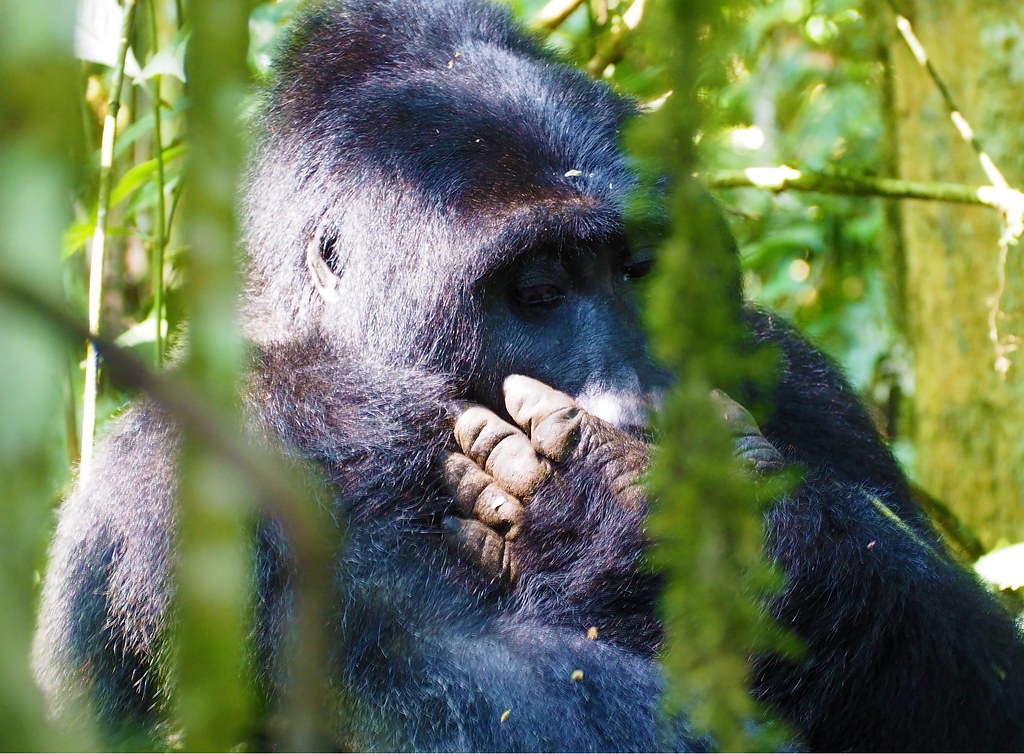
Bwindi History
Bwindi History
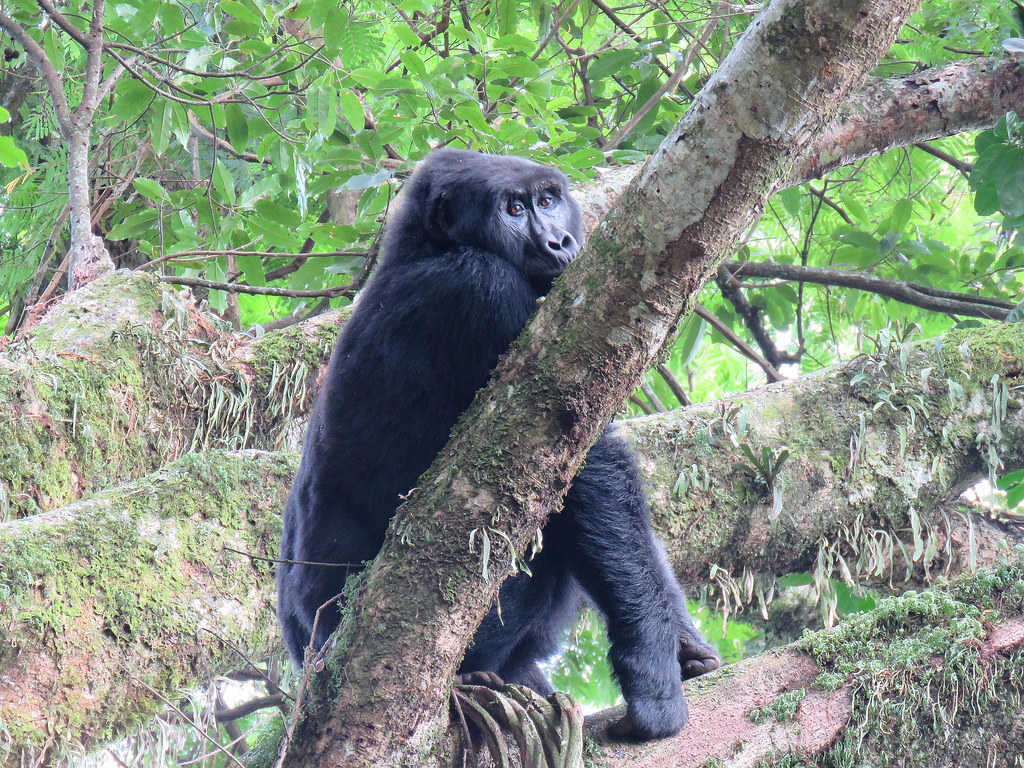
Bwindi Altitude
Bwindi Altitude
Bwindi Climate
Bwindi Climate
Bwindi Geography
Bwindi Geography
Getting There To Bwindi
Getting There To Bwindi
Bwindi Location
Bwindi Location
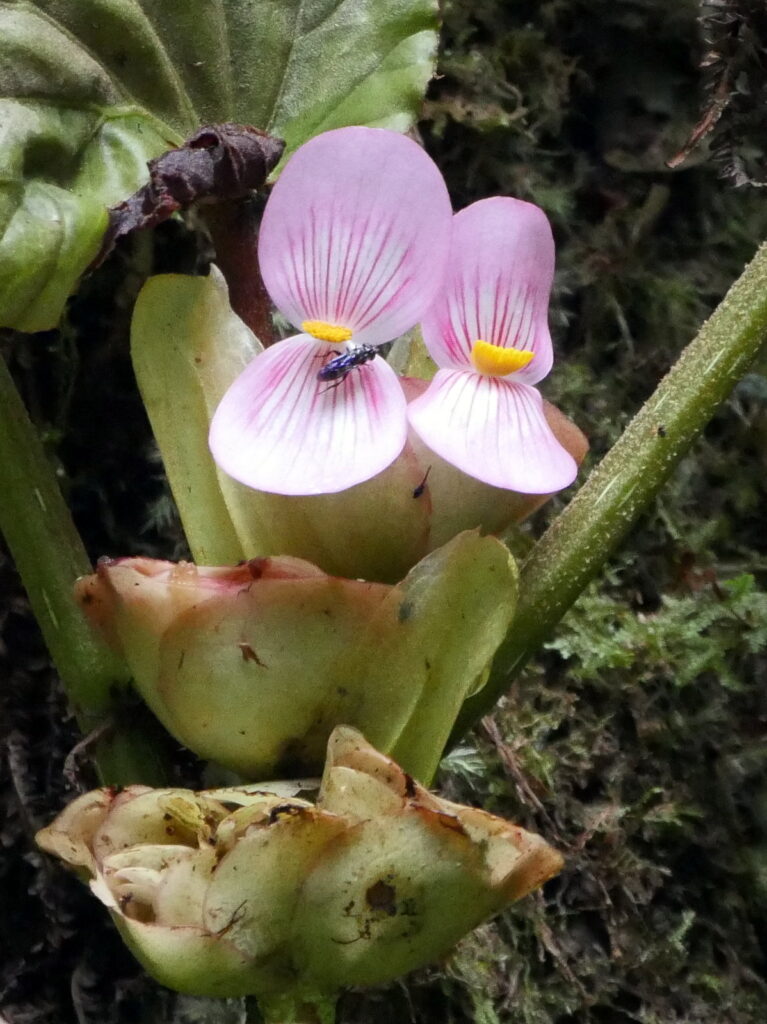
Bwindi Vegetation
Bwindi Vegetation
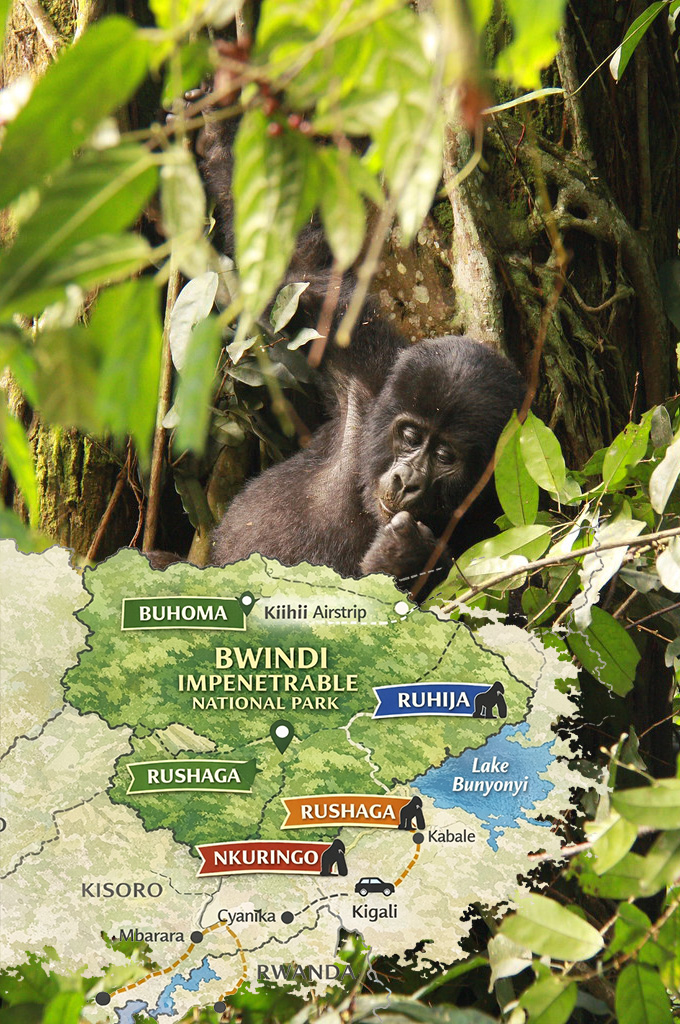
Bwindi Sectors
Bwindi Sectors
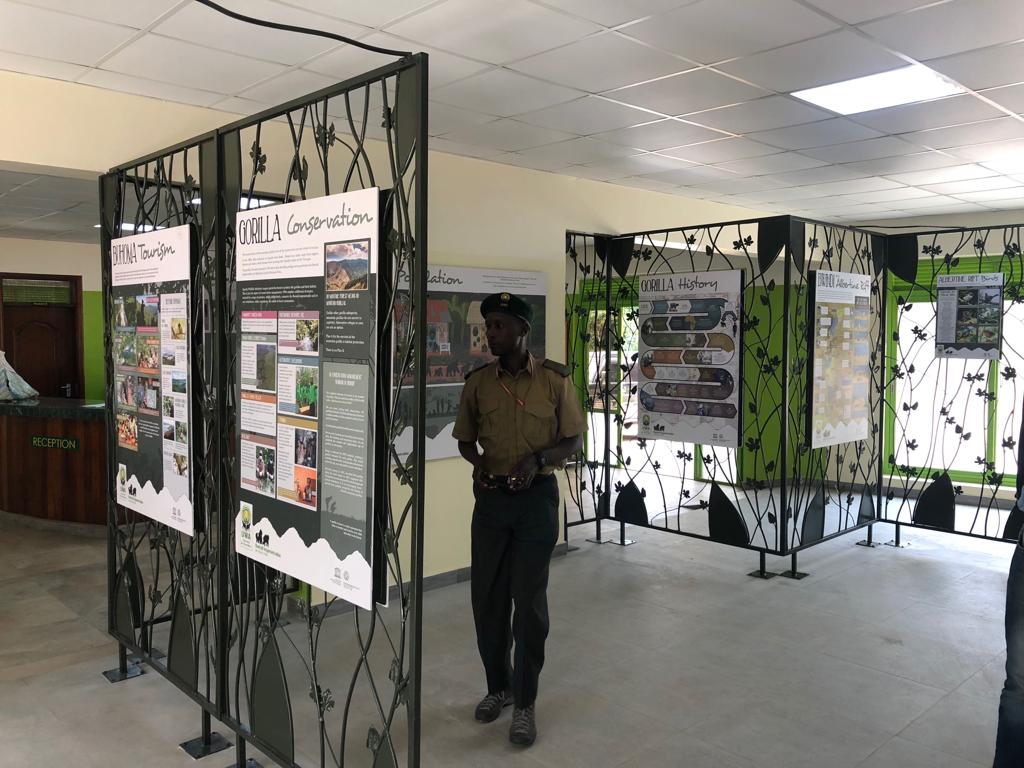
Bwindi Visitor Centres
Bwindi Visitor Centres
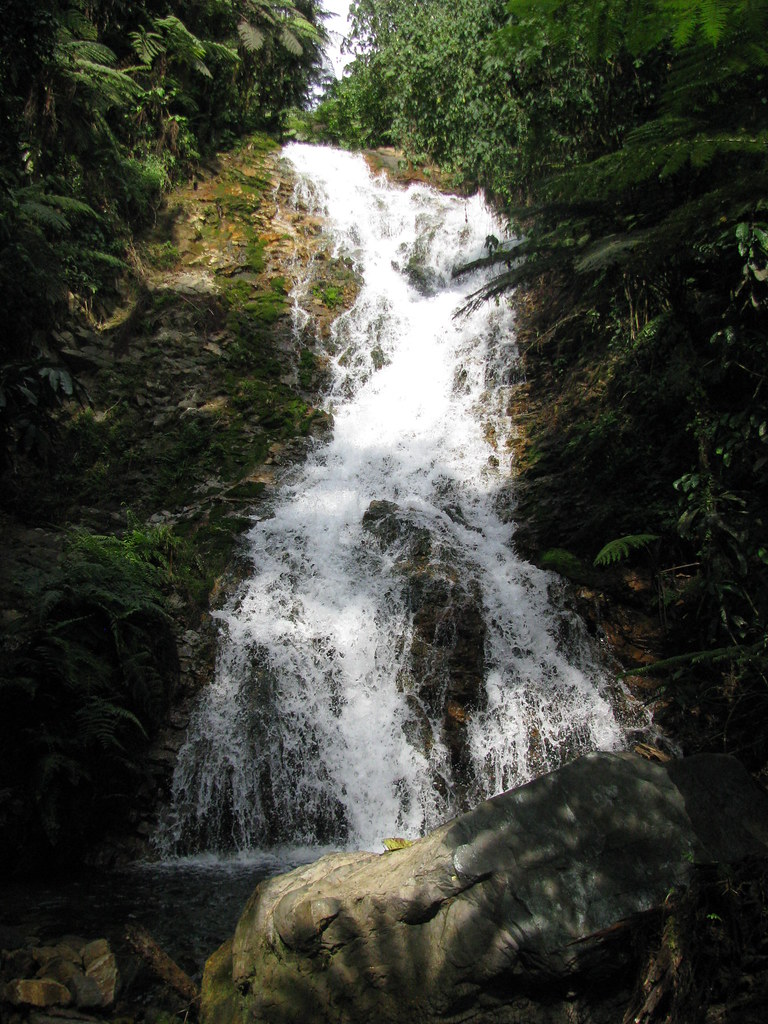
Bwindi Waterfalls
Bwindi Waterfalls
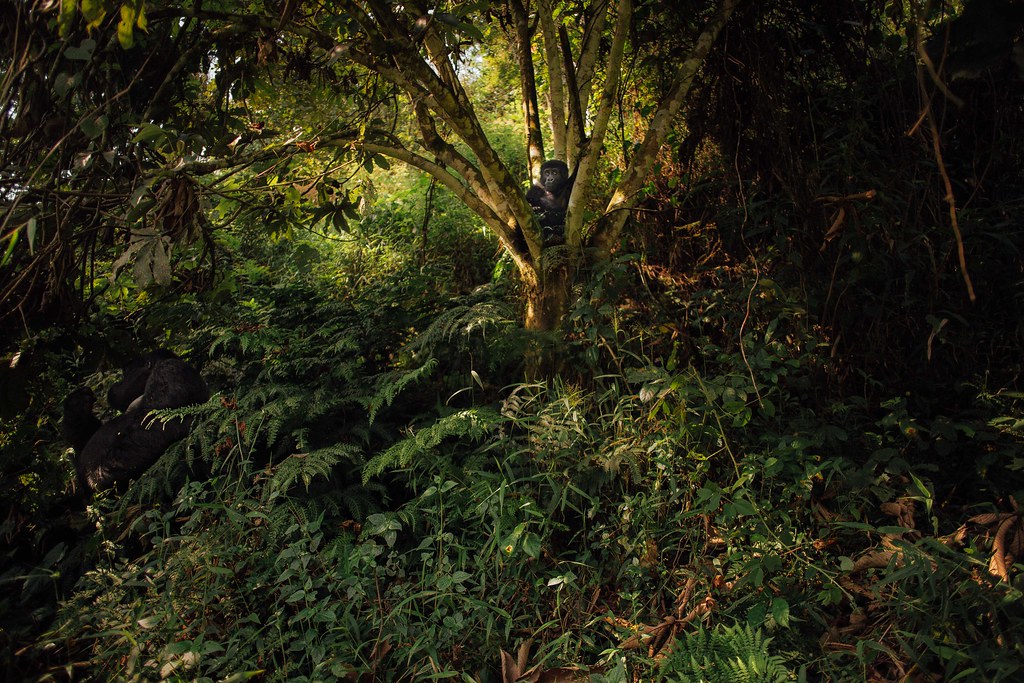
Bwindi Impenetrable Forest
Bwindi Impenetrable Forest
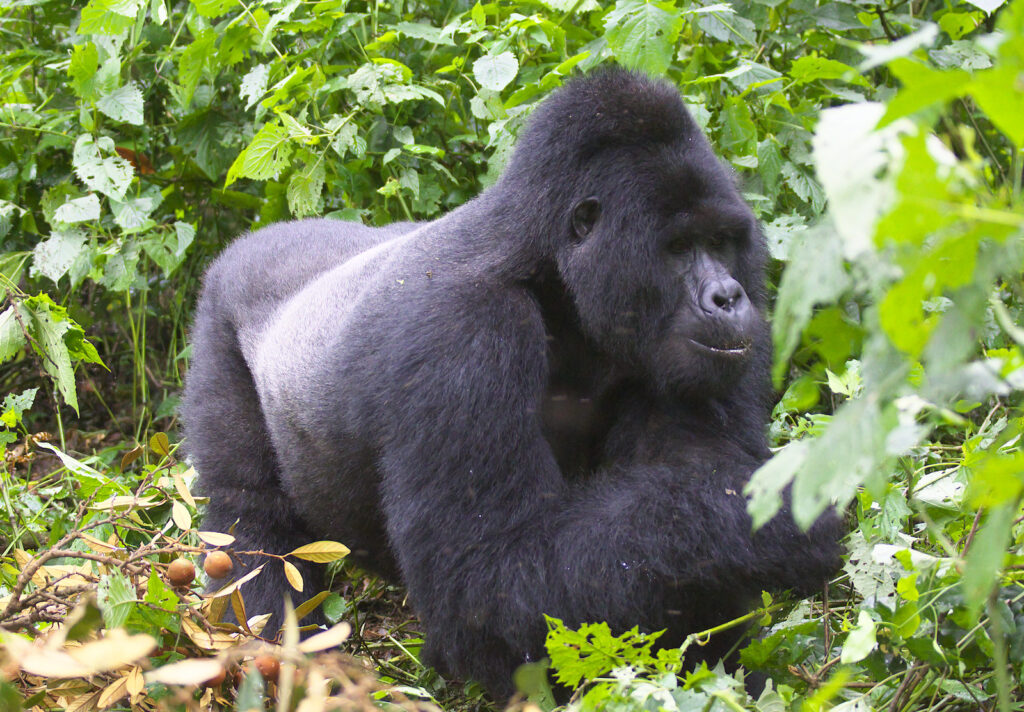
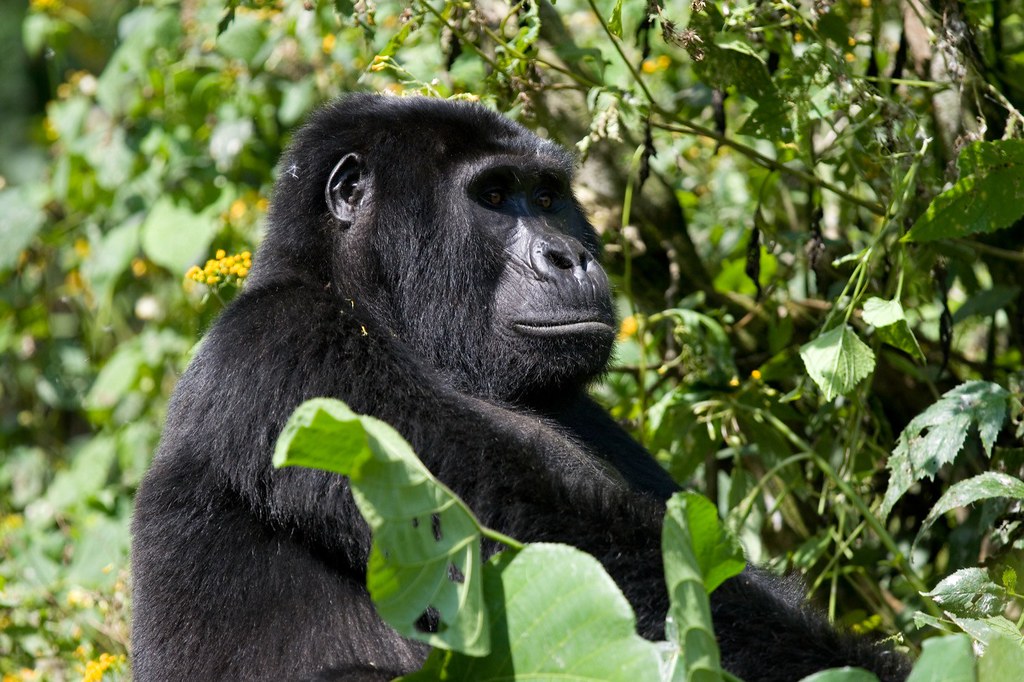
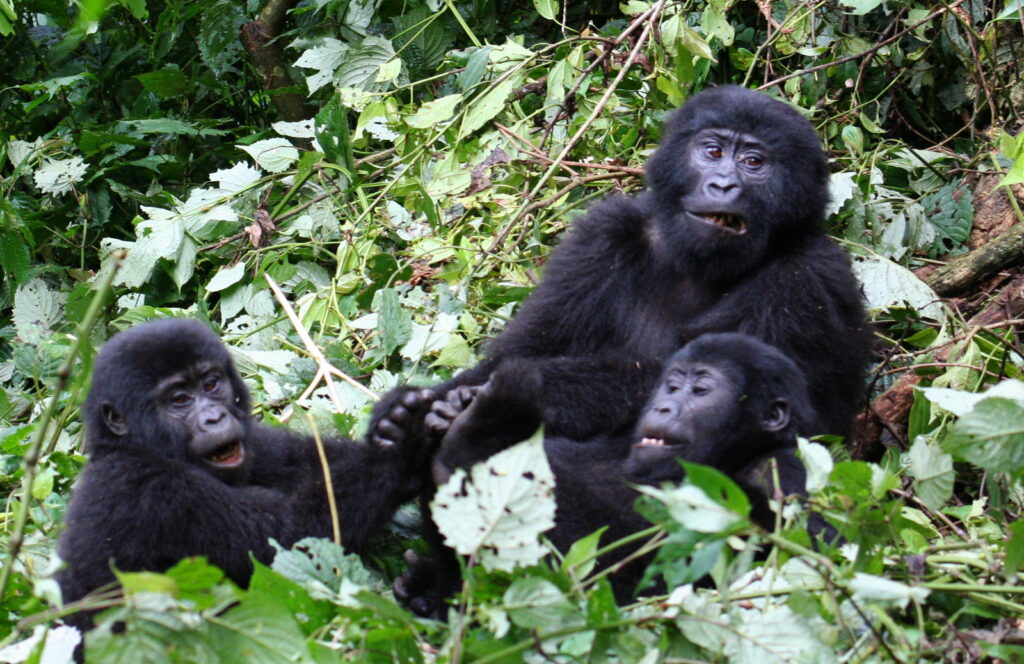
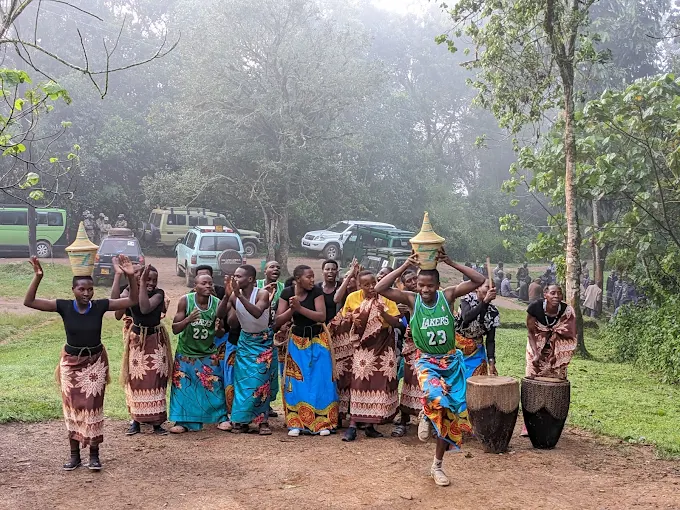
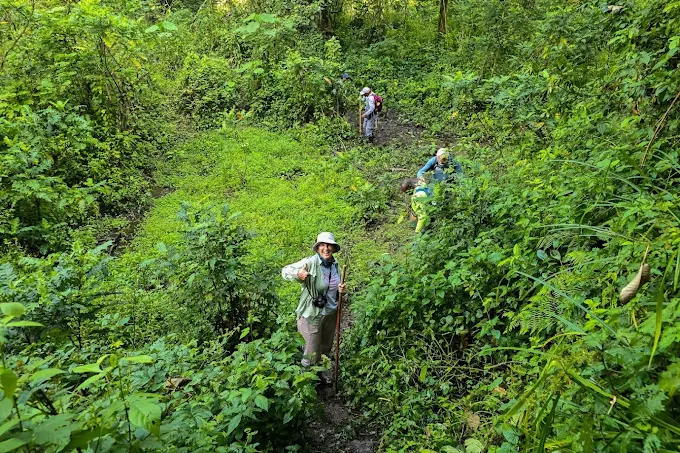
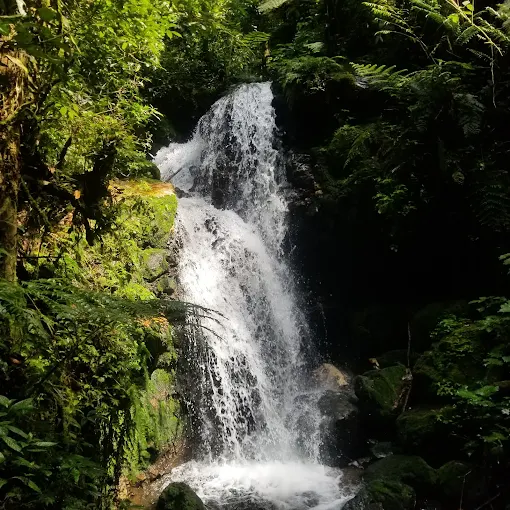
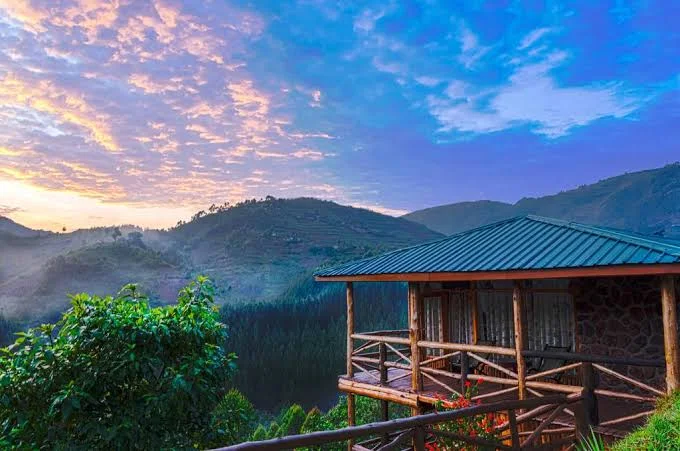
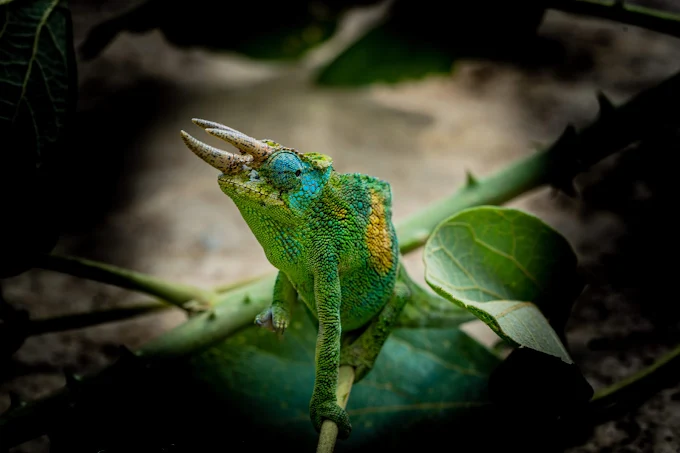
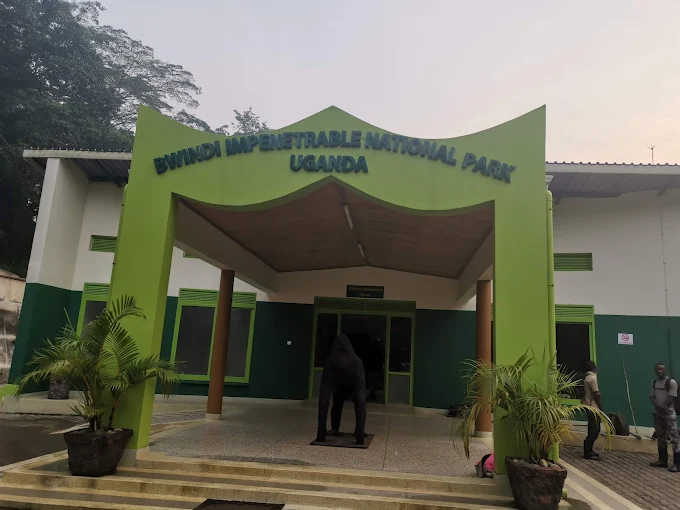
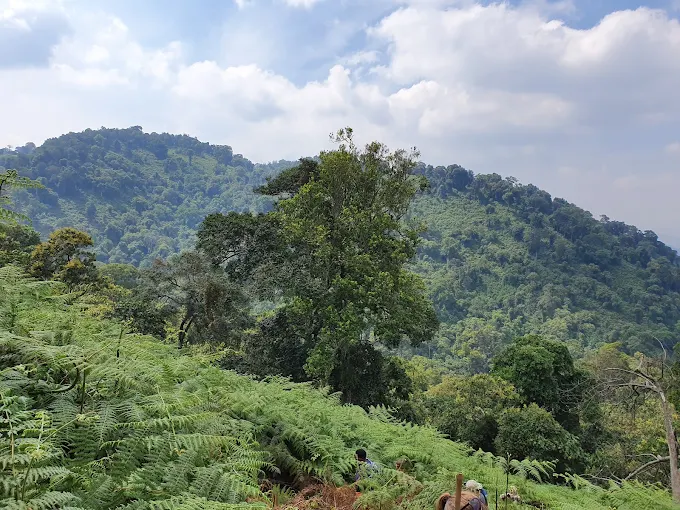
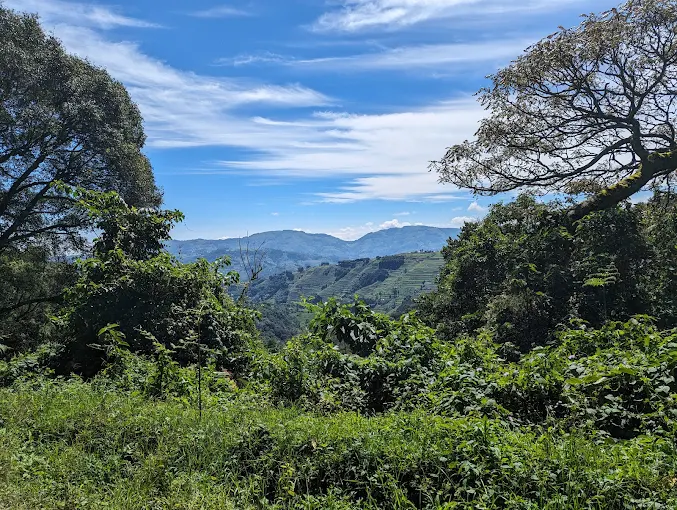
In the Realm of Giants – Bwindi & Mgahinga in Frames.
Wander through an elegant gallery capturing Uganda’s most exclusive gorilla sanctuaries, where ancient forests cradle the last mountain gorillas in a world of mist, mystery, and majesty.
Essential Planning Tips for Visiting Uganda’s National Parks.
Get ready for the wild heart of Africa with expert travel tips on when to visit, what to pack, where to go, and how to make the most of your safari across Uganda’s breathtaking national parks.
Why Uganda for Gorilla Trekking?
Uganda is not just a destination — it's the very soul of gorilla trekking. With over half of the world’s remaining mountain gorillas calling its misty forests home, Uganda offers the rarest encounters in their most authentic setting. Here, your journey is not rushed or crowded. Instead, you’re guided by experienced rangers through pristine jungles where gorillas live as they always have — wild, free, and magnificent
From insider travel insights to unforgettable trekking guides, our blog is your trusted path into Uganda’s wild heart — connecting you with mountain gorillas, breathtaking landscapes, and the soul-stirring adventures that make this land unlike any other.