

Where the soul of the forest whispers in the mist
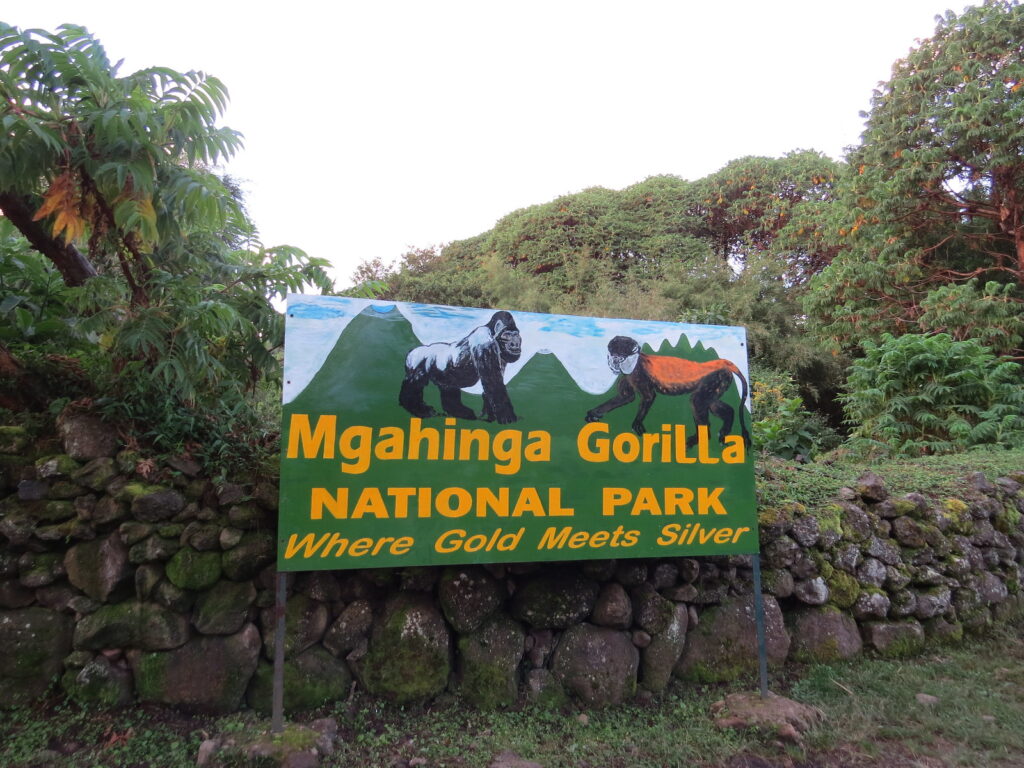
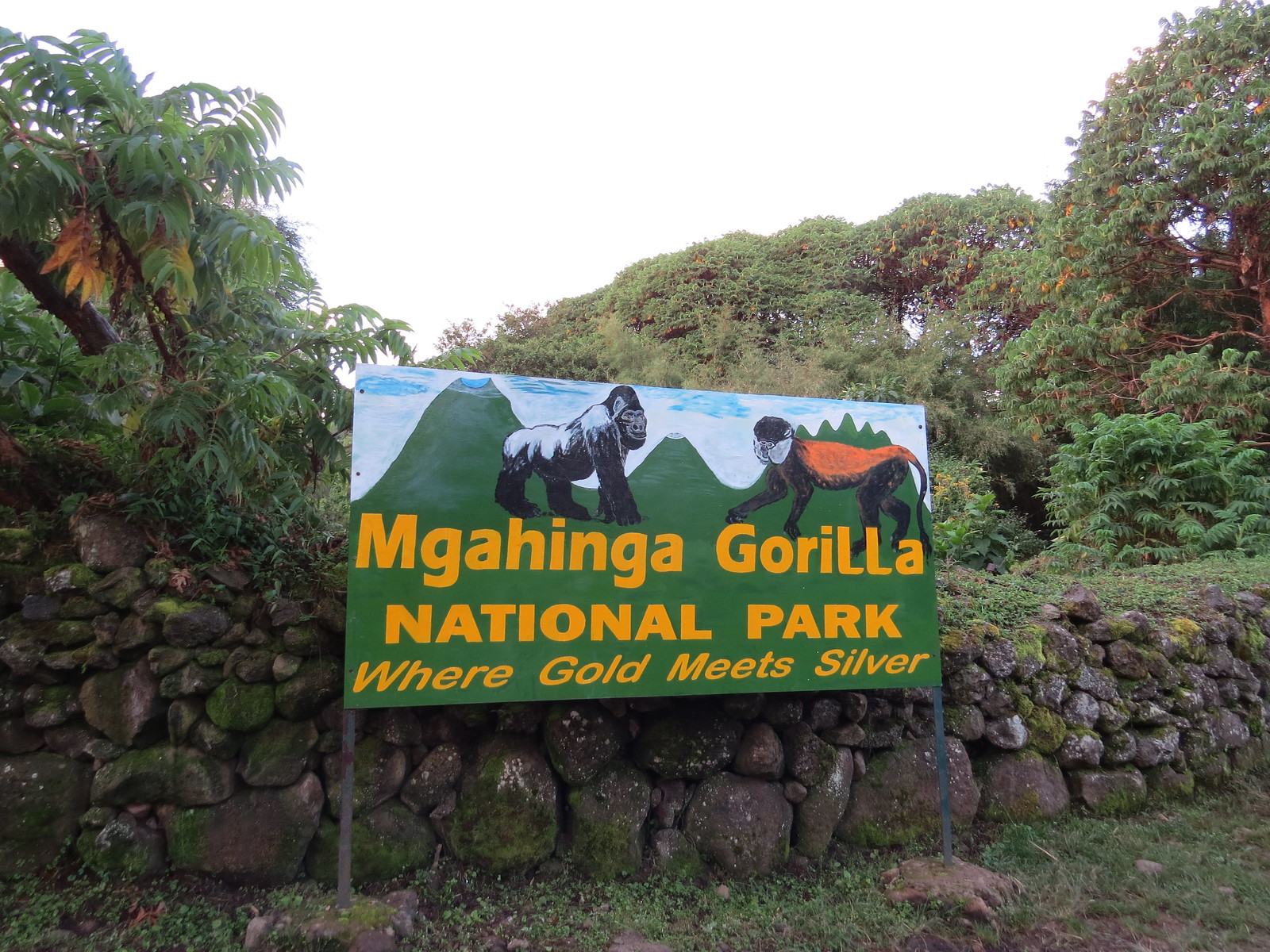
Ntebeko Visitor Centre serves as the primary gateway for visitors entering Mgahinga Gorilla National Park. It is strategically located at the park’s main entrance, providing tourists with comprehensive information about the park’s wildlife, trails, and conservation efforts. The centre offers interpretive displays on the park’s geology, vegetation, and the ecology of the mountain gorillas, golden monkeys, and other endemic species. For first-time visitors, Ntebeko provides orientation briefings and essential guidance for safe and responsible trekking experiences.
The visitor centre also plays a vital role in conservation awareness, hosting educational programs and workshops for tourists, students, and local communities. By understanding the ecological significance of Mgahinga and its fragile habitats, visitors gain a deeper appreciation for wildlife protection and sustainable tourism. Ntebeko is not just a starting point for adventures but also an educational hub that reinforces the park’s conservation mission.
So lace up your boots, grab your camera, and prepare to meet the wild — this is where your gorilla trekking dreams and unforgettable safari adventures truly begin.
Truly Iconic Highlights in Uganda

Trek through Bwindi’s mystical rainforest and meet the endangered mountain gorillas in their breathtaking natural home.
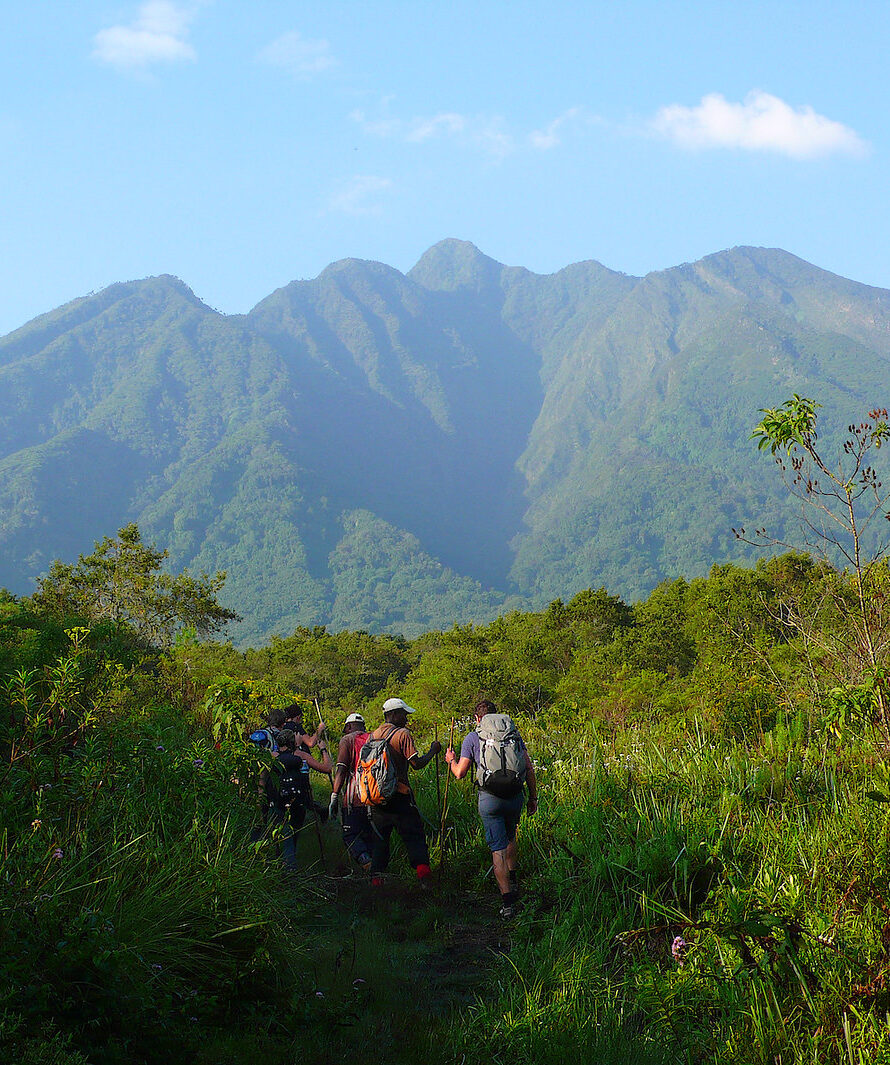
Encounter mountain gorillas and golden monkeys on Mgahinga’s misty volcanic trails, where culture and alpine wildlife thrive together.
Unwind after your trek with a peaceful canoe ride across Lake Bunyonyi, Uganda’s most tranquil and scenic highland lake.
Enhance your gorilla trekking safari with an optional chimpanzee encounter in Uganda’s lush forests, adding depth and diversity to your primate adventure
FEATURES AND AMENITIES AT NTEBEKO VISITOR CENTRE
Visitor information and orientation
At the heart of Ntebeko’s services is its comprehensive visitor information and orientation program. Every day, park rangers conduct detailed briefings for tourists, explaining the rules and regulations of the park, safety procedures for gorilla trekking, and the ecological importance of different habitats. Visitors are provided with detailed maps, brochures, and itineraries to help plan their excursions effectively.Orientation is particularly critical for mountain gorilla trekking, as understanding gorilla behavior, social structures, and the park’s code of conduct ensures both visitor safety and minimal disturbance to the animals. Rangers also guide visitors on what to expect during hikes, including terrain conditions, altitudinal changes, and the types of wildlife likely to be encountered. This preparation significantly enhances the trekking experience and fosters responsible tourism practices.
Educational displays
Ntebeko features state-of-the-art educational displays that present the park’s geology, vegetation, wildlife, and conservation initiatives. Interactive boards, photographs, and models illustrate the volcanic origins of the park, the rich biodiversity across altitudinal zones, and the ecological role of various plant and animal species.These displays are designed to engage a broad audience, from first-time visitors to researchers and students. They provide context for the park’s conservation strategies, explaining the critical relationship between the flora, fauna, and local communities. By learning about these dynamics before entering the forest, visitors gain a richer understanding of the ecosystems they are about to explore, promoting respectful and informed interaction with wildlife.
Visitor amenities
The centre is equipped with modern amenities that enhance visitor comfort, including rest areas, restroom facilities, picnic spaces, and souvenir shops. Local crafts and eco-friendly products are available for purchase, supporting community livelihoods and encouraging sustainable tourism practices.Amenities at Ntebeko are designed with both comfort and ecological responsibility in mind. Waste management practices are enforced, and facilities are constructed to minimize environmental impact. These thoughtful measures ensure that visitors can enjoy a convenient, safe, and environmentally conscious experience before embarking on their treks.
Conservation and research hub
Beyond tourism, Ntebeko Visitor Centre functions as a critical hub for conservation and ecological research. Park rangers, wildlife researchers, and conservationists use the centre to monitor gorilla populations, track the health of vegetation zones, and study the interactions between species. Data collected from these programs inform park management strategies, ensuring that both wildlife and habitats are protected for future generations.Research at Ntebeko directly influences the park’s conservation policies, including anti-poaching initiatives, habitat restoration projects, and ecological monitoring. The centre also facilitates collaborations with international conservation organizations, universities, and NGOs, allowing Mgahinga to remain at the forefront of biodiversity preservation and sustainable tourism.
Visitor education and community engagement
Ntebeko actively involves local communities in its programs, promoting community-based conservation and environmental education. Schools and local groups frequently visit the centre for workshops on wildlife protection, sustainable land use, and the cultural significance of the park. These efforts help foster a sense of ownership and stewardship among local populations, ensuring that conservation extends beyond park boundaries.Tourists benefit from these educational initiatives by gaining insight into the lives of communities that live in proximity to Mgahinga, understanding how traditional knowledge complements modern conservation efforts. This holistic approach strengthens the connection between people, wildlife, and the natural environment.
Trekking preparation and briefing
Before entering the forest, all visitors undergo a mandatory trekking briefing at Ntebeko, where rangers explain the park rules, wildlife etiquette, and what to expect on the trails. Visitors are advised on proper clothing, hydration, and physical preparation, ensuring that treks are both safe and enjoyable.The briefing includes detailed instructions for gorilla encounters, emphasizing calm behavior, minimum distances, and photographic guidelines. These preparatory sessions are crucial for minimizing stress on wildlife, enhancing visitor safety, and maintaining the integrity of the park’s ecosystems.
Cultural interpretation
Ntebeko also offers interpretive displays on local Batwa culture, highlighting their traditional relationship with the forests and wildlife of Mgahinga. Visitors can learn about indigenous practices, historical land use, and the community’s ongoing participation in park conservation.By integrating cultural education with ecological awareness, Ntebeko provides a complete picture of the park’s natural and human heritage. This dual focus ensures that tourism supports both conservation and cultural preservation, allowing visitors to leave with a richer understanding of the region’s significance.
Accessibility and visitor services
The centre is easily accessible by road, with parking spaces for cars and minibuses. Guides are available to assist visitors with trekking permits, accommodation arrangements, and itinerary planning. Services are designed to cater to solo travelers, families, and international tourists, ensuring a smooth and organized experience.Ntebeko’s accessibility and well-organized services enhance the overall visitor experience, providing a professional and welcoming starting point for exploring the park. The combination of education, amenities, and conservation outreach makes Ntebeko a model for visitor centres in protected areas.
Importance for conservation tourism
Ntebeko Visitor Centre is more than just an entry point — it is a cornerstone of Mgahinga’s conservation tourism model. By educating visitors, supporting research, and fostering community engagement, it ensures that tourism contributes positively to the park’s ecological and socio-economic goals.The centre embodies sustainable tourism practices, balancing visitor satisfaction with ecological responsibility. Its role in orienting, educating, and supporting tourists makes it indispensable for ensuring that the park’s natural and cultural treasures are preserved for future generations.
More Mgahinga Information to Know.
Mgahinga Gorilla National Park is a compact, high-altitude park in southwestern Uganda, defined by dramatic volcanic mountains and afro-montane forest. Its cool climate, rare vegetation, golden monkey habitat, rich cultural heritage, and strong conservation focus make it a unique and rewarding destination for primate and nature experiences.
Mgahinga Climate
Mgahinga Climate
Mgahinga Geography & Geology
Mgahinga Geography & Geology
Mgahinga History
Mgahinga History
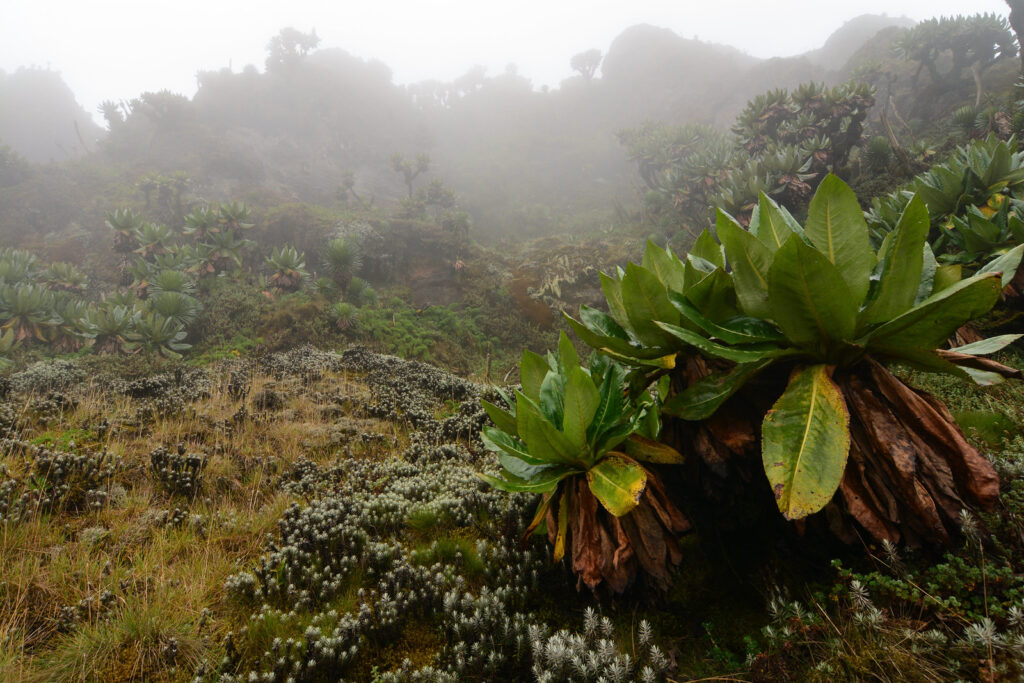
Mgahinga Vegetation
Mgahinga Vegetation
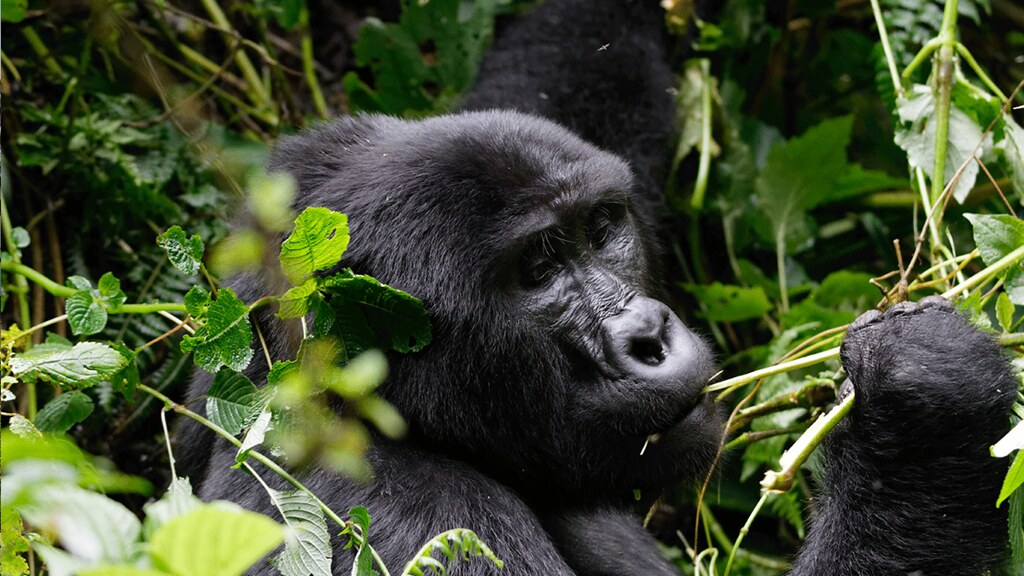
Mgahinga Biodiversity
Mgahinga Biodiversity
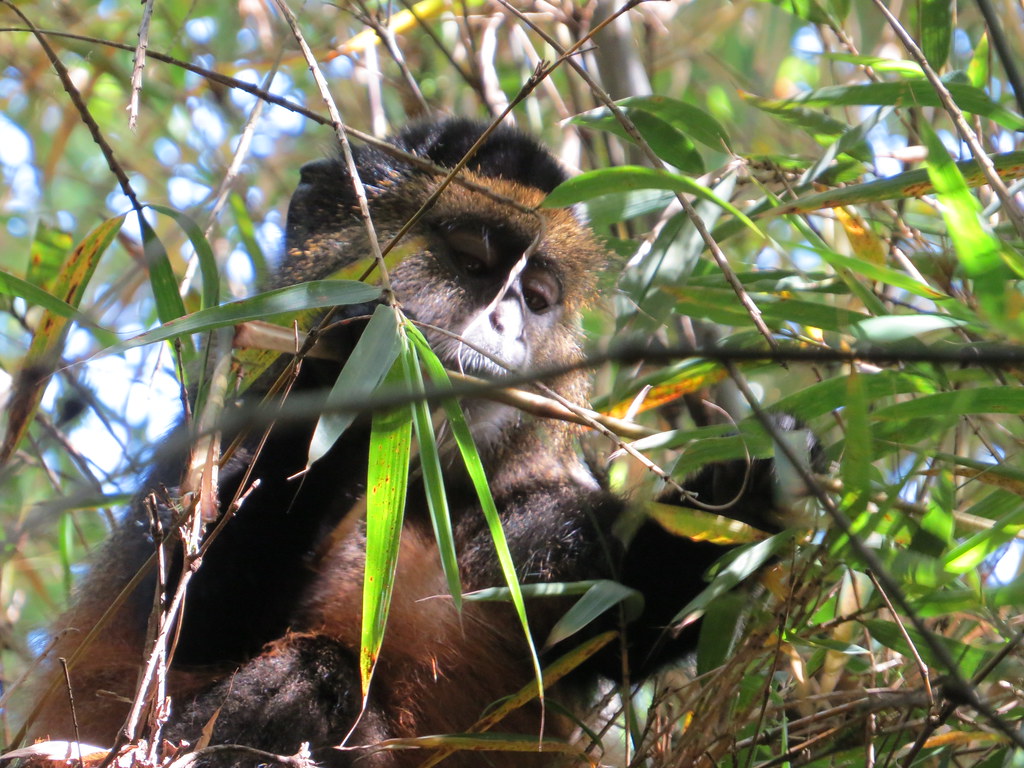
Mgahinga FAQs Information
Mgahinga FAQs Information
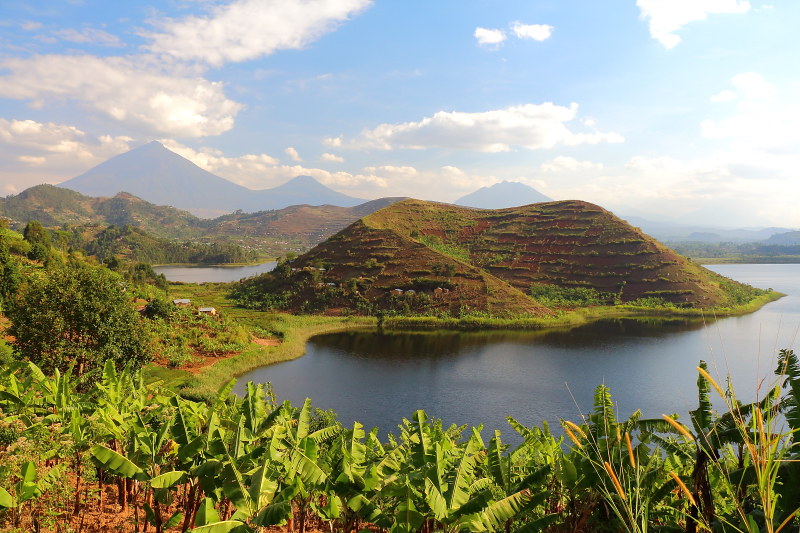
Getting There To Mgahinga
Getting There To Mgahinga
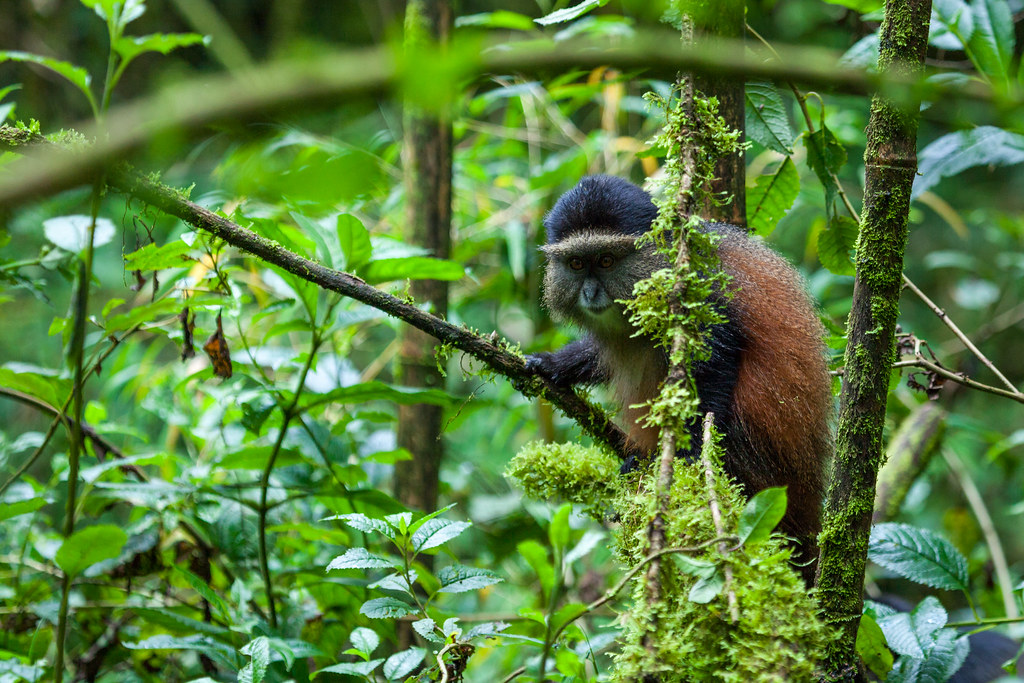
Mgahinga Location
Mgahinga Location
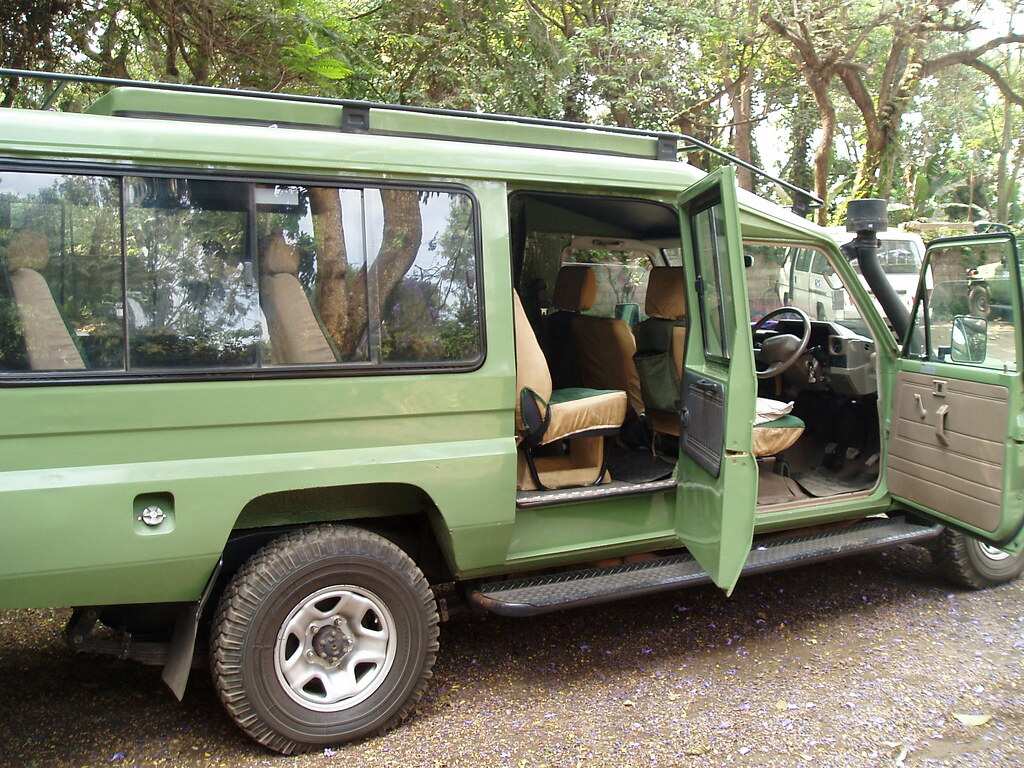
Self Drive
Self Drive
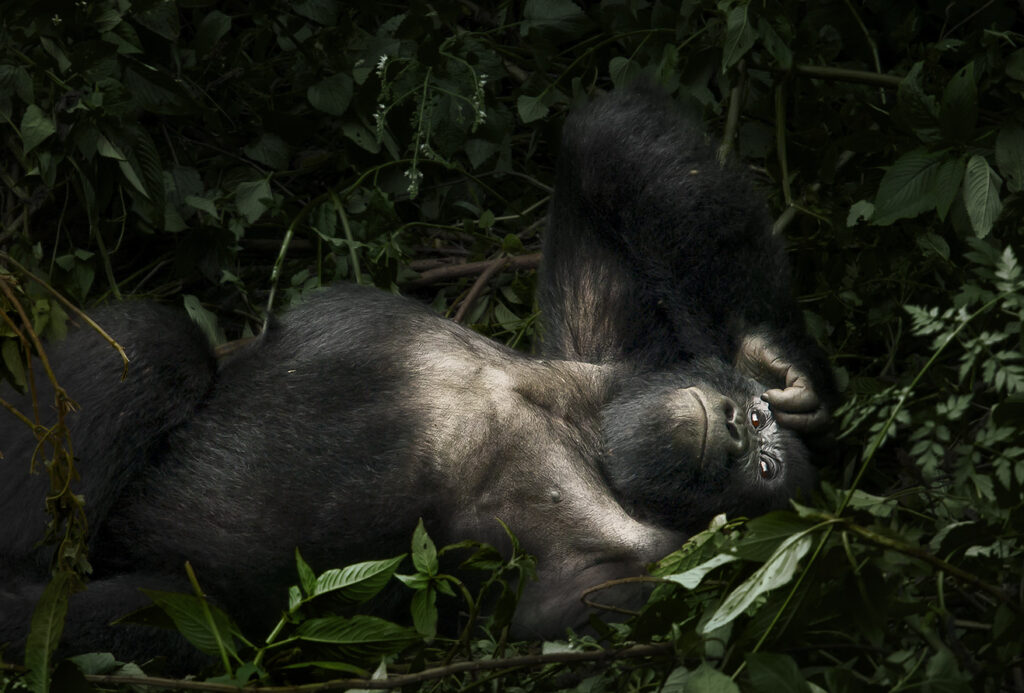
Mgahinga Altitude
Mgahinga Altitude
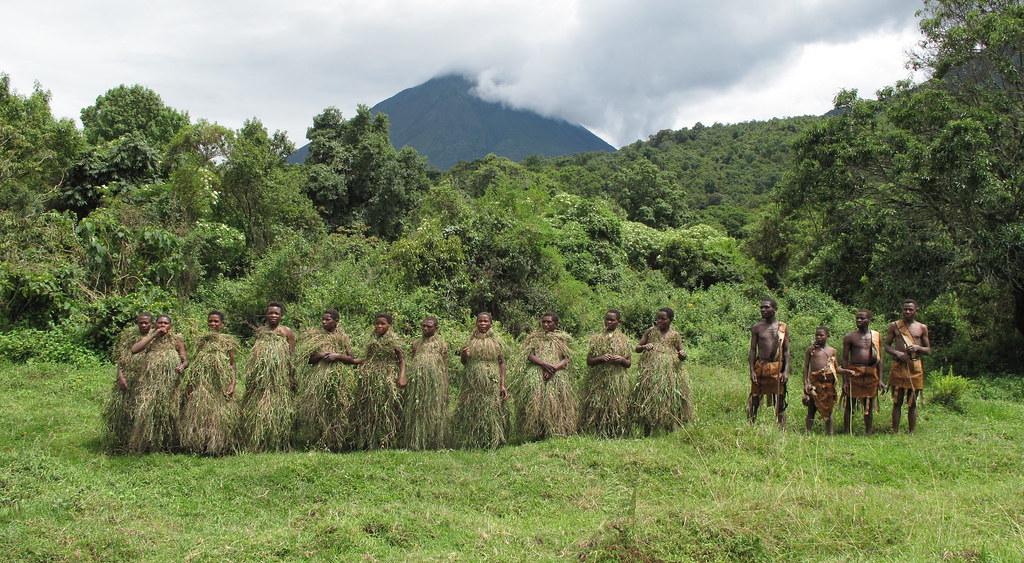
Batwa Trail
Batwa Trail
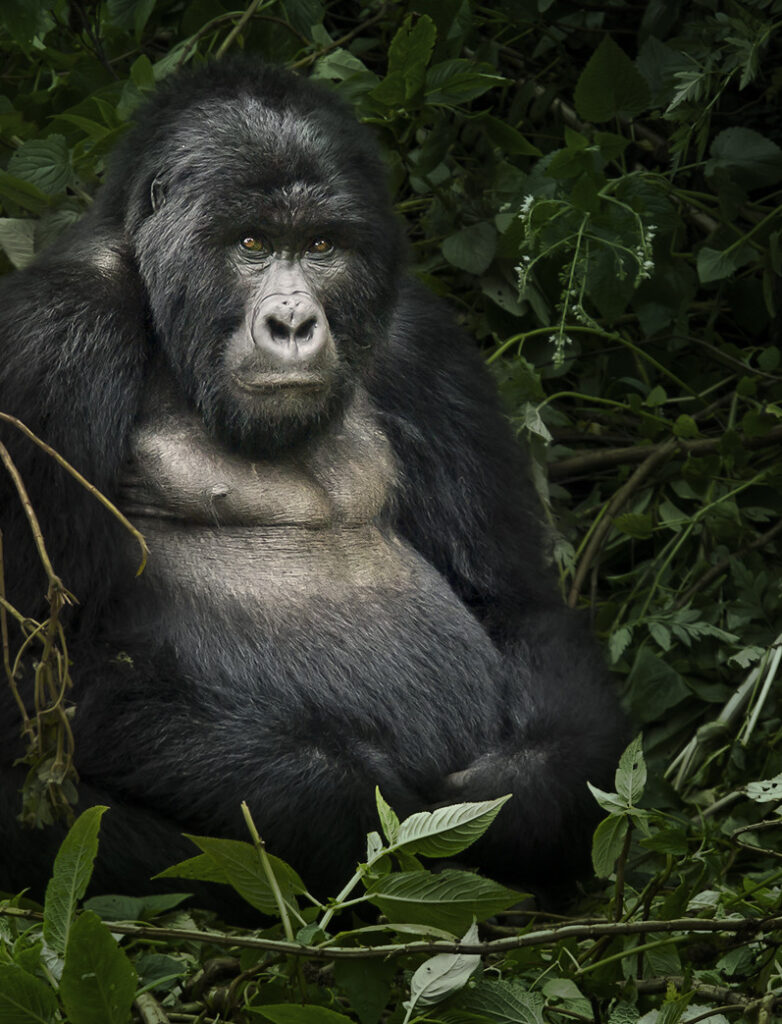
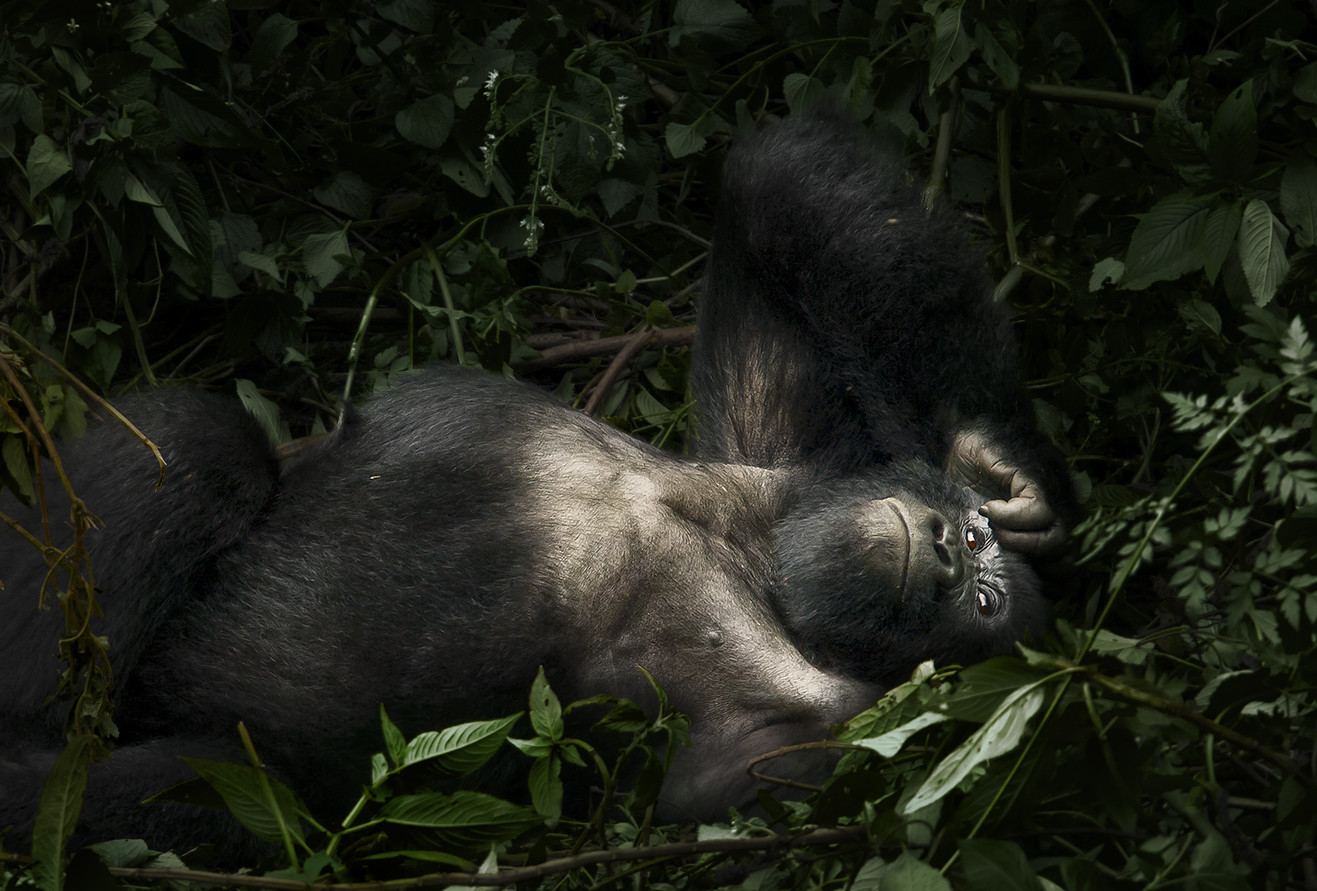
In the Realm of Giants – Bwindi & Mgahinga in Frames.
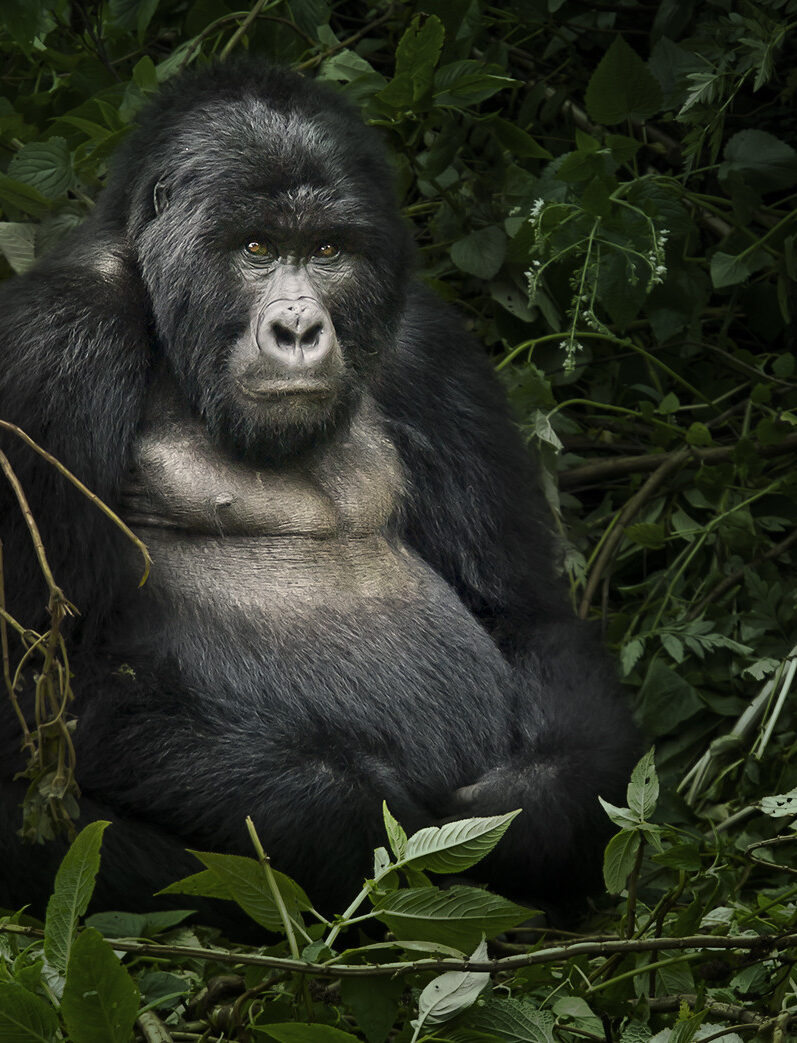
Wander through an elegant gallery capturing Uganda’s most exclusive gorilla sanctuaries, where ancient forests cradle the last mountain gorillas in a world of mist, mystery, and majesty.
Essential Planning Tips for Visiting Uganda’s National Parks.
Get ready for the wild heart of Africa with expert travel tips on when to visit, what to pack, where to go, and how to make the most of your safari across Uganda’s breathtaking national parks.
Why Uganda for Gorilla Trekking?
Uganda is not just a destination — it's the very soul of gorilla trekking. With over half of the world’s remaining mountain gorillas calling its misty forests home, Uganda offers the rarest encounters in their most authentic setting. Here, your journey is not rushed or crowded. Instead, you’re guided by experienced rangers through pristine jungles where gorillas live as they always have — wild, free, and magnificent
From insider travel insights to unforgettable trekking guides, our blog is your trusted path into Uganda’s wild heart — connecting you with mountain gorillas, breathtaking landscapes, and the soul-stirring adventures that make this land unlike any other.