When a Gorilla Dies, the World Pays Attention – Why Conservation in Uganda Matters More Than Ever
A Global Reaction to a Powerful Animal
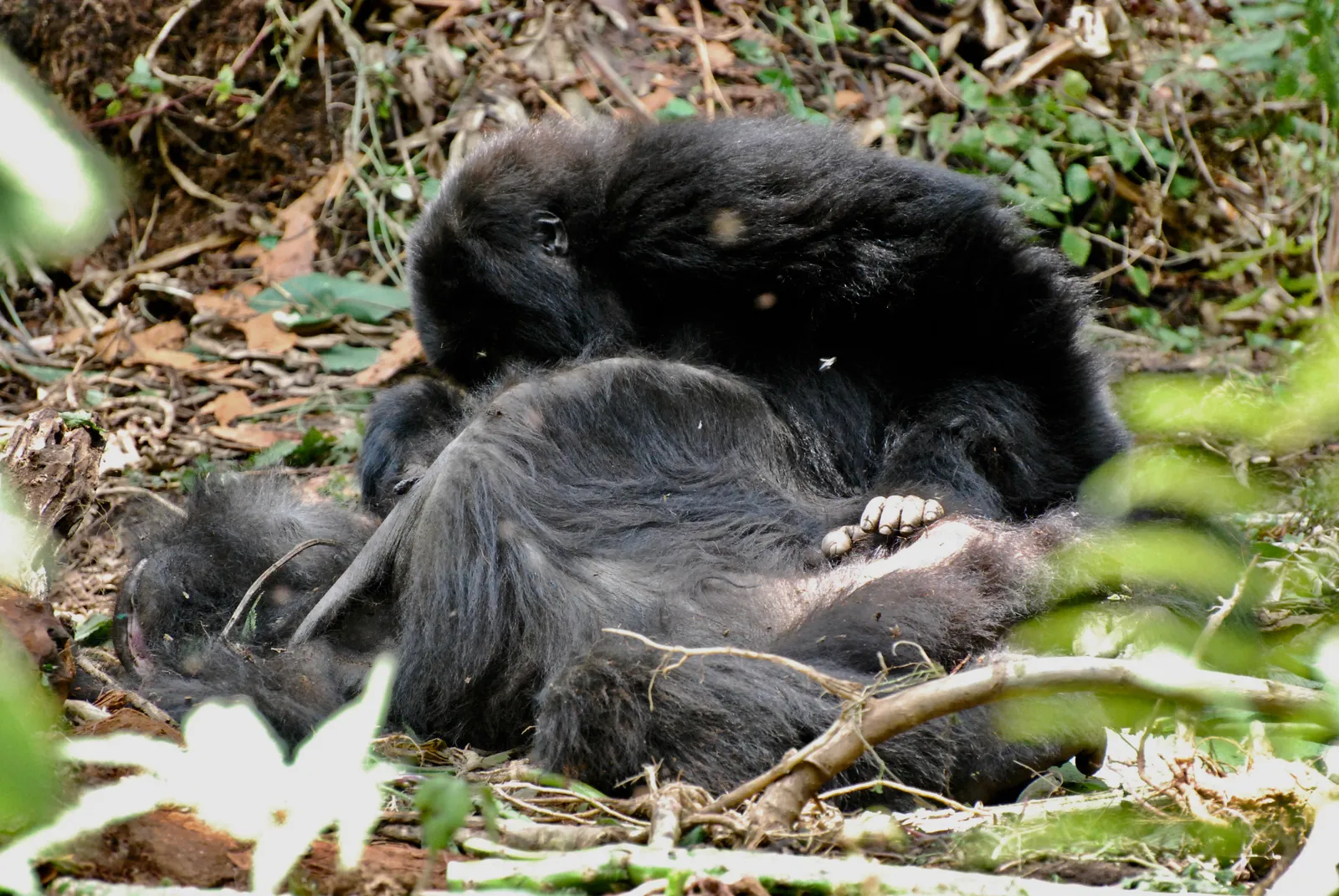
When news breaks that a gorilla has died, the reaction is immediate and emotional. Headlines spread quickly across international media, photographs circulate across social platforms, and conversations begin almost instantly. Gorillas are not ordinary wildlife. They are intelligent, socially complex primates whose expressions, family structures, and behaviors mirror elements of our own humanity. Because of that connection, their loss resonates far beyond the forest or facility where it occurred.
For many readers around the world, especially those who have followed conservation efforts in Africa, such news raises questions about safety, relocation programs, habitat protection, and long-term survival. It also triggers a deeper awareness that mountain gorillas remain one of the rarest large mammals on Earth. When even one individual is lost, the event feels significant.
Yet in moments like these, context is essential. Not every gorilla story reflects the same conservation environment. And not every headline reflects the reality of wild mountain gorilla protection in Uganda.

Understanding Context – Wild Gorillas vs Captive Environments
Many international news stories about gorillas involve captive animals in zoos, wildlife parks, or relocation programs. These situations operate under entirely different conditions than wild mountain gorilla conservation in East Africa. Captive gorillas face unique stress factors, dietary adjustments, climate differences, and relocation challenges that do not apply to their wild counterparts in Uganda’s protected national parks.
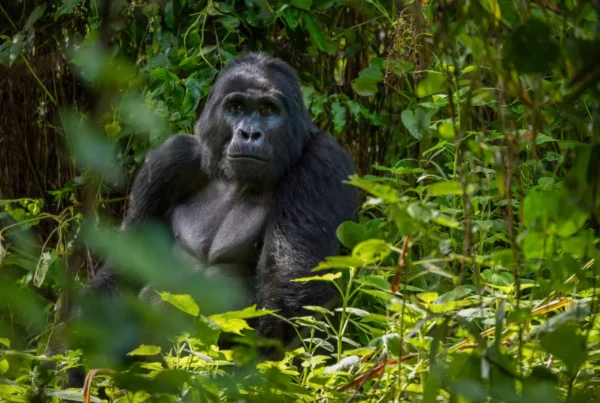
Wild mountain gorillas in Uganda live in their natural habitat, within strictly monitored and carefully regulated ecosystems. Their daily movements are tracked by trained rangers. Their health is observed continuously. Veterinary intervention units exist specifically to respond to injury, illness, or unusual behavior. Tourism in these areas operates under rigid guidelines designed to minimize disturbance and prevent disease transmission.
When a gorilla dies in captivity or during relocation elsewhere in the world, it should not automatically create fear about Uganda’s trekking regions. The systems, environments, and conservation frameworks are fundamentally different.
Uganda’s Conservation Model – A Rare Success Story
Uganda is home to nearly half of the world’s remaining mountain gorillas, primarily found in Bwindi Impenetrable National Park and Mgahinga Gorilla National Park. Unlike many endangered species whose populations continue to decline, mountain gorillas have experienced gradual growth over the past two decades. This growth is not accidental. It is the result of one of the most disciplined conservation models in Africa.
The system is built on controlled tourism, daily monitoring, anti-poaching patrols, veterinary care, and community revenue sharing. Gorilla families that are habituated for trekking are visited by no more than eight tourists per day, and viewing time is strictly limited to one hour. Rangers enforce distance rules, hygiene measures, and behavioral guidelines to protect the animals from stress and disease.
Tourism revenue is reinvested directly into conservation operations. Local communities receive financial benefits from park activities, creating shared interest in protecting gorilla habitat rather than exploiting it. This integrated approach has proven effective and is widely regarded as a global conservation example.
When global news highlights a tragic gorilla death, it also underscores how rare and valuable these animals are. Uganda’s system exists precisely to prevent such losses where possible and to manage risk responsibly.
Why Responsible Tourism Is Part of the Solution
Some readers may instinctively question whether wildlife tourism contributes to stress or vulnerability. In the case of Uganda’s mountain gorillas, the opposite has proven true. Before structured tourism programs were introduced, gorilla populations faced intense poaching pressure, habitat encroachment, and limited funding for protection. Today, tourism provides the financial backbone that sustains ranger salaries, monitoring systems, and community partnerships.
Gorilla trekking is not an open-access activity. It is one of the most tightly regulated wildlife experiences in the world. Visitors must follow strict protocols, including maintaining physical distance, wearing masks when required, and avoiding contact. Groups are intentionally small to reduce impact. Rangers assess the health of visitors before allowing participation in certain cases to protect gorillas from human-transmitted illness.
Without this regulated tourism model, conservation funding would weaken significantly. The presence of responsible travelers creates economic incentive for long-term habitat preservation. In many ways, every permit purchased strengthens the survival network around these primates.
The Emotional Weight of Loss and the Power of Awareness
When a gorilla dies anywhere in the world, it reminds us that their survival is not guaranteed. Mountain gorillas once faced the threat of extinction due to poaching and civil conflict. Today, they remain classified as endangered, and their total global population is still measured in the low thousands.
Public attention during moments of loss often renews interest in conservation. People who may never have considered gorilla trekking begin researching their habitat. Others seek to understand how wildlife protection works in different regions. Awareness grows, and awareness is a critical element of long-term preservation.
For international travelers considering gorilla trekking in Uganda, these moments can serve as a reminder of why ethical travel matters. Choosing regulated trekking in protected parks directly contributes to safeguarding future generations of gorillas.
Safety and Stability in Uganda’s Trekking Regions
It is important to address concerns directly. Uganda’s gorilla trekking regions are among the most secure and monitored conservation areas in East Africa. Rangers operate daily patrols. Gorilla families are located each morning before visitor groups depart. Veterinary response teams remain on standby when needed. Government oversight ensures compliance with conservation standards.
International visitors from the United Kingdom, United States, Germany, Canada, Australia, and across Europe participate in gorilla trekking every year under these protocols. The system has functioned successfully for decades, balancing visitor access with wildlife protection.
Isolated incidents in other parts of the world do not reflect systemic instability within Uganda’s parks. On the contrary, Uganda’s conservation framework is designed precisely to reduce risk and manage unforeseen challenges with professionalism.
Turning Concern into Constructive Action
Grief over a gorilla’s death is natural. But constructive response matters more than emotional reaction alone. Supporting ethical conservation programs, traveling responsibly, and contributing to structured wildlife initiatives provide tangible impact.
For travelers who have felt moved by recent headlines, participating in regulated gorilla trekking in Uganda is not contradictory. It is supportive. It channels concern into direct conservation funding. It reinforces the economic model that protects habitat and deters poaching.
Responsible travel ensures that fewer tragic headlines will appear in the future.
A Broader Perspective on Conservation
Mountain gorillas survive today because global attention, disciplined management, and tourism revenue intersect effectively. The forests of Bwindi and Mgahinga are not untouched wilderness in isolation. They are living ecosystems protected by human commitment and international support.
When a gorilla dies elsewhere, the world is reminded of fragility. But it should also be reminded of resilience. Uganda’s mountain gorilla population growth over recent decades proves that well-structured conservation works.
The focus should not be fear. It should be responsibility.
Final Reflection
A gorilla’s life carries weight far beyond the forest it inhabits. When one is lost, the reaction is global because these animals represent something deeply connected to us. Their survival depends on systems that balance protection with sustainable access.
Uganda’s gorilla trekking program stands as one of the strongest examples of how tourism and conservation can coexist responsibly. Moments of sadness should not discourage engagement. They should encourage informed participation in the very systems designed to protect these extraordinary primates.
In the end, conservation is not built on headlines alone. It is built on consistent action, responsible travel, and global commitment to protecting what remains rare and irreplaceable.