Updated
The three antimalarial tablets most often prescribed for Uganda are atovaquone-proguanil (Malarone and generics), doxycycline and mefloquine. All work well against the falciparum malaria found throughout the country; the best choice depends on your health, trip length, budget and how you tolerate side effects. Atovaquone-proguanil is the usual pick for a short safari, doxycycline is the cheapest, and mefloquine is taken weekly. No tablet is 100% effective, so avoiding mosquito bites matters just as much. This guide compares the options and gives practical prevention tips for a gorilla trip.
Why malaria prevention matters in Uganda
Uganda has one of the highest malaria burdens in the world, and almost all cases are caused by Plasmodium falciparum, the type most likely to become severe. Risk is high around Lake Victoria, including Entebbe and Kampala, and in the savanna parks. It is lower but still present in the cooler highlands around Bwindi. Health authorities advise antimalarials for all travellers to Uganda, whatever the itinerary. Our guide to malaria and altitude on a gorilla trek explains the risk around the gorilla parks.
The main tablets compared
| Tablet | How it is taken | Main advantages | Main drawbacks |
|---|---|---|---|
| Atovaquone-proguanil | Daily, from 1–2 days before until 7 days after | Short course after the trip; usually well tolerated | More expensive, especially for long trips |
| Doxycycline | Daily, from 1–2 days before until 4 weeks after | Cheap; also protects against some other infections | Sun sensitivity, stomach upset; must be taken upright with food and water; not for children under 8 or in pregnancy |
| Mefloquine | Weekly, from 2–3 weeks before until 4 weeks after | Once a week; can be used in pregnancy on medical advice | Possible vivid dreams, anxiety or mood changes; unsuitable for people with some mental-health conditions or epilepsy |
In some countries tafenoquine is also available for prevention, taken weekly after a short loading dose, but it requires a blood test for G6PD deficiency first. Chloroquine and proguanil on its own do not protect against malaria in Uganda and should not be used.
Choosing the right one
For a typical one- to two-week gorilla safari, many travellers choose atovaquone-proguanil, because it starts shortly before the trip, rarely causes side effects and only needs to be taken for a week after leaving. For long trips, budget travel or anyone who also needs protection against some bacterial infections, doxycycline is a common choice. Mefloquine suits people who prefer a weekly tablet and have taken it before without problems.
Pregnant women, children, people with kidney or liver disease, and anyone on other regular medicines need individual advice. Malaria in pregnancy is especially dangerous, and many doctors advise pregnant women to avoid travel to high-risk areas. A travel clinic will weigh up your history and other medicines, so book a visit six to eight weeks before departure.
Taking tablets correctly
Most failures of prevention happen because tablets are missed or stopped early. Take them at the same time each day or week, with food, and set a reminder on your phone. Pack them in your hand luggage in the original packaging with the prescription, and keep the course going after you get home for the full time stated. If you vomit within an hour of a dose, take another. Buy your tablets before you travel from a reliable pharmacy; fake and poor-quality antimalarials are sold in some markets in the region.
Avoiding mosquito bites
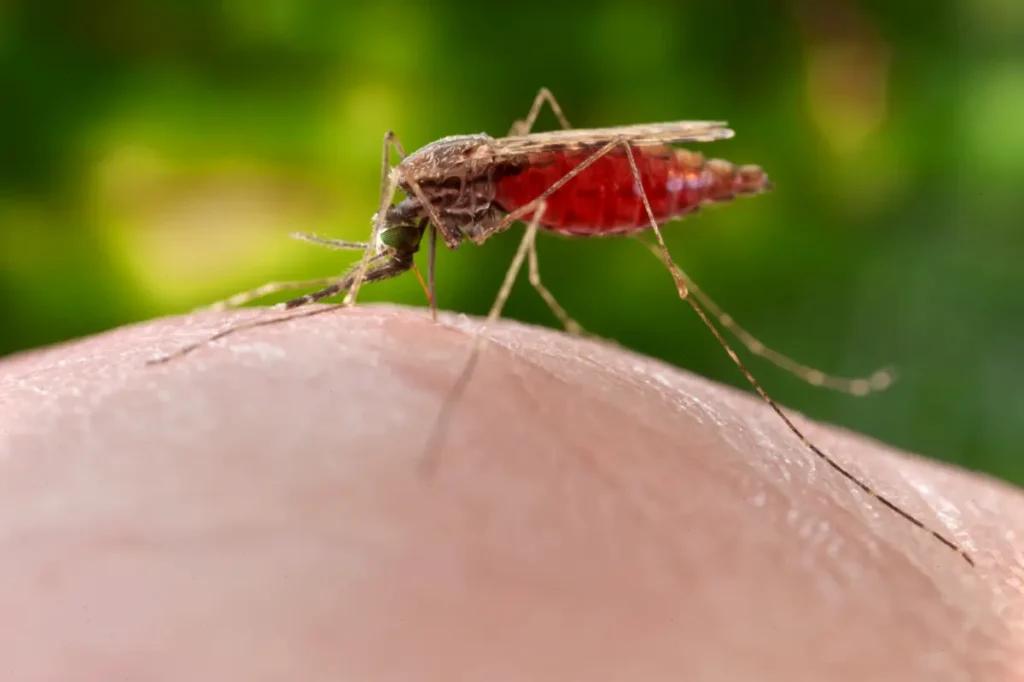
The Anopheles mosquitoes that carry malaria bite mainly between dusk and dawn. Apply a repellent with 20–50% DEET, or one with picaridin, to exposed skin in the evening, after any sunscreen. Wear long sleeves and trousers from sunset, ideally treated with permethrin. Sleep under an intact net if your room is not fully screened; most safari lodges supply them. Air conditioning and fans also keep mosquitoes away. Natural remedies, vitamin B and wristbands do not work.
What about a malaria vaccine?
Uganda began giving malaria vaccines to young children in 2025 as part of its national programme. These vaccines are designed for children in high-risk areas and are not recommended for adult travellers, so tablets and bite prevention remain the way to protect yourself. See our guide to vaccinations for Uganda for the vaccines that are relevant to visitors.
If you develop a fever
Any fever, chills, headache or flu-like illness during your trip, or within a year after it, must be tested for malaria the same day, even if you took tablets correctly. Clinics and hospitals in Uganda can do a rapid test in minutes, and effective treatment is widely available. At home, tell your doctor you have been to Uganda. Read what to do if you get malaria in Uganda.
A fever on trek day also matters for the gorillas: rangers may turn away sick visitors, and a gorilla permit, at US$800 (US$600 in April, May and November), is not easily refunded. Our health preparation timeline covers the rest of your planning.
Frequently asked questions
Atovaquone-proguanil, doxycycline and mefloquine all work. Atovaquone-proguanil is often chosen for short safaris; a travel clinic will advise on the best for you.
Yes. Malaria is present around Bwindi and much higher in Entebbe, Kampala and the savanna parks on most itineraries.
One to two days before for atovaquone-proguanil and doxycycline, and two to three weeks before for mefloquine.
Yes, from good pharmacies in Kampala and Entebbe, but it is safer to buy them before you travel, as fake medicines circulate in some markets.