Uganda Gorilla Trekking Myths: 12 Things People Get Completely Wrong
Gorilla trekking often sits at the top of African travel lists, yet it is surrounded by assumptions that can mislead first-time travelers. Many people form expectations based on safari stereotypes, social media clips, or outdated information. The reality is far more nuanced and, in many ways, far more rewarding.
This guide on Uganda gorilla trekking myths debunked breaks down the most common misunderstandings and replaces them with clear, factual insights. Understanding what is true—and what is not—allows you to plan with confidence and approach the experience with the right expectations.
Myth 1: Gorilla Trekking Is Only for Extremely Fit People
A common belief is that gorilla trekking requires high-level fitness. While the terrain can be challenging, it does not demand extreme athletic ability.
In reality, trekking difficulty varies depending on the location of the gorilla family. Some treks are relatively short and manageable, while others require more effort. Rangers assign groups based on fitness levels, which helps balance the experience.
For most travelers, moderate fitness and a willingness to walk are enough. With the support of guides and porters, many first-time trekkers complete the experience successfully.
Myth 2: You Are Guaranteed an Easy Trek
The opposite assumption can also be misleading. Some travelers expect a short and effortless walk to the gorillas.
This is not always the case.
Understanding Uganda gorilla trekking myths debunked means recognizing that gorillas move freely in the forest. The trek depends on their location, and it can take time to find them. Some days are easier, while others require more persistence.
The unpredictability is part of the experience, not a flaw in it.
Myth 3: You Will See Gorillas Immediately
Many assume that sightings happen quickly, similar to a game drive. In reality, trekking is a process.
Trackers locate the gorillas ahead of time, but reaching them requires navigating the forest. This can take hours depending on terrain and distance.
The delay builds anticipation and makes the encounter more meaningful when it happens.
Myth 4: Gorilla Trekking Is Dangerous
Safety concerns often discourage travelers. The idea of walking close to wild gorillas may seem risky.
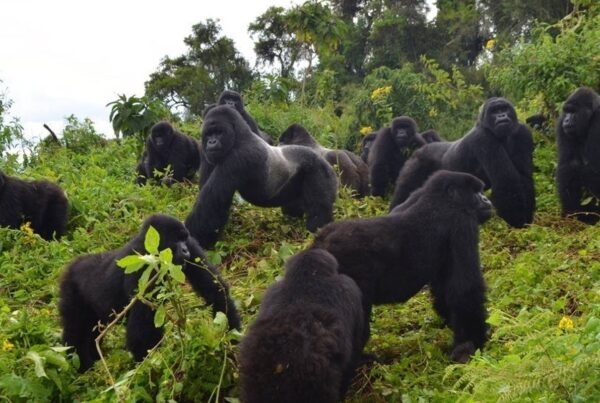
In truth, gorilla trekking is highly controlled. The gorilla families visited are habituated, meaning they are accustomed to human presence. Rangers are trained to manage interactions and ensure safety at all times.
When guidelines are followed, the experience is considered safe and well-managed.
Myth 5: You Can Get Very Close Without Restrictions
Some travelers believe they can approach gorillas freely. This is not accurate.
There are strict rules in place, including maintaining a minimum distance. These rules protect both the gorillas and visitors, particularly from disease transmission.
While the encounter feels close, it is always guided and controlled.
Myth 6: Gorilla Trekking Is Just Another Safari
One of the biggest misconceptions is treating gorilla trekking as a standard safari activity.
In reality, it is entirely different.
When exploring Uganda gorilla trekking myths debunked, this distinction is essential. Traditional safaris focus on observing multiple animals from a distance. Gorilla trekking focuses on one species, offering depth instead of variety.
It is more immersive, more physical, and more personal.
Myth 7: The One Hour with Gorillas Is Too Short
At first glance, one hour may seem limited. Some travelers question whether it is enough time.
In practice, the hour feels intense and complete. The level of engagement, proximity, and focus makes the experience rich and meaningful. Many travelers find that one hour is sufficient to fully absorb the moment.
The limit also plays an important role in conservation, ensuring minimal disturbance to the gorillas.
Myth 8: Gorilla Trekking Is Overcrowded
Crowds are a concern for many travelers. Some assume that popular destinations attract large groups.
Gorilla trekking is strictly regulated. Only a limited number of permits are issued each day, and group sizes remain small.
This controlled approach ensures that the experience remains intimate and avoids overcrowding.
Myth 9: It Is Only Worth It for Wildlife Experts
Some people believe gorilla trekking is only for experienced travelers or wildlife enthusiasts.
This is not true.
First-time visitors often find the experience even more impactful because it is new and unexpected. You do not need prior knowledge to appreciate it. The emotional and visual impact speaks for itself.
Myth 10: You Will Not Enjoy It If It Rains
Rain is common in rainforest environments, and some travelers worry it will ruin the experience.
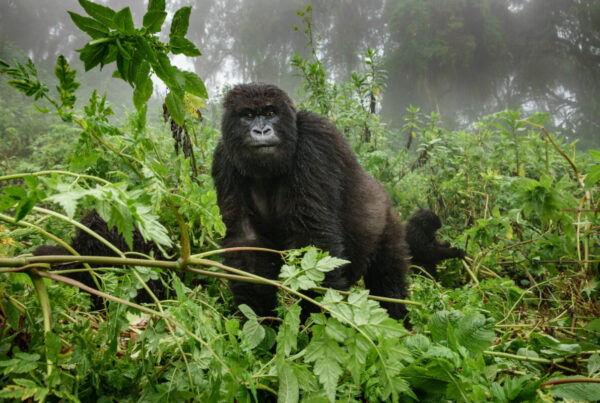
In reality, the forest remains active and beautiful in all conditions. Rain adds to the atmosphere, creating mist and enhancing the sense of immersion.
While it may make the trek more challenging, it does not reduce the value of the experience.
Myth 11: It Is Too Expensive for What You Get
The cost of gorilla trekking permits often raises questions.
However, understanding Uganda gorilla trekking myths debunked means looking beyond the duration of the encounter. The permit supports conservation, protects endangered species, and funds community development.
Most travelers consider the experience valuable because of its uniqueness and impact, not just the time spent with the gorillas.
Myth 12: All Gorilla Trekking Experiences Are the Same
Some assume that all gorilla trekking destinations offer identical experiences.
Uganda stands out for several reasons. It offers multiple trekking sectors, diverse terrain, and a balance between accessibility and authenticity. Each trek is different, shaped by the movement of the gorillas and the environment.
No two experiences are exactly the same, which adds to the uniqueness of the journey.
Understanding the Reality Behind the Myths
When looking at Uganda gorilla trekking myths debunked, a clear pattern emerges. Most misconceptions come from comparing gorilla trekking to other forms of travel.
This experience does not follow the structure of a typical safari. It requires effort, patience, and openness to unpredictability. In return, it offers depth, connection, and a sense of presence that is difficult to replicate elsewhere.
Understanding these realities allows you to approach the experience with clarity and realistic expectations.
How Correct Expectations Improve Your Experience
Accurate expectations shape how you experience gorilla trekking.
When you understand the physical nature of the trek, the structure of the encounter, and the role of conservation, you are better prepared to appreciate every aspect of the journey.
This preparation turns potential challenges into meaningful parts of the experience.
Booking Your Gorilla Trekking Experience
To fully benefit from what Uganda gorilla trekking myths debunked reveals, start by planning early and securing your permit well in advance. Choose a trekking sector that matches your comfort level, and ensure your accommodation is located close to your starting point.
Prepare for the physical aspects of the trek, pack appropriately, and approach the experience with an open mindset. Allow enough time in your itinerary to fully engage with the environment without feeling rushed.
When you move beyond common misconceptions and understand the reality, you position yourself to experience gorilla trekking in its true form—authentic, immersive, and unforgettable.