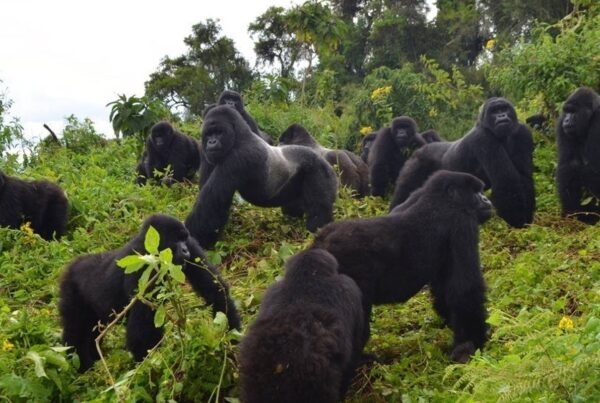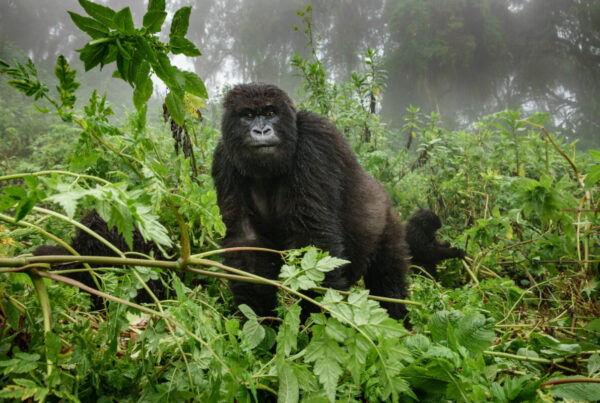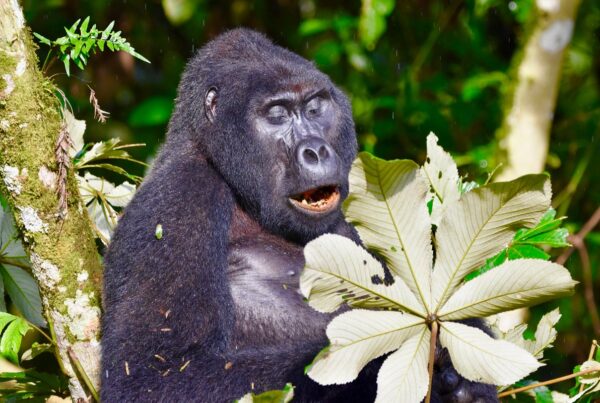
Uganda Gorilla Trekking for Solo Travellers: The No-Group Option
Solo travel continues to grow, and many independent explorers now look beyond traditional routes toward deeper, more meaningful experiences. One question comes up often—can you do gorilla trekking alone, and what does that really look like? This guide explores gorilla trekking Uganda solo travellers options, focusing on how to experience the forest without feeling tied to a group itinerary.
Gorilla trekking itself follows strict conservation rules, which means the encounter with gorillas is always shared in small, ranger-led groups. However, everything around that moment—your travel style, accommodation, transfers, and pace—can be designed entirely around you. This creates a true “no-group” experience where you travel independently but still participate in the protected trekking system.
Understanding What “Solo” Means in Gorilla Trekking
The idea of complete solitude during the trek is often misunderstood. When looking at gorilla trekking Uganda solo travellers, it is important to separate the trek itself from the overall journey.
The trek is always conducted in small groups for safety and conservation reasons. Each group is assigned to a specific gorilla family, and numbers are limited to protect the animals. This structure cannot be bypassed.
However, the rest of your experience can be fully independent. You can travel alone, stay in private accommodation, move on your own schedule, and avoid shared itineraries. In practice, this means you enjoy a solo journey with a shared but controlled wildlife encounter.
Why Uganda Works Well for Solo Travellers
Uganda offers a strong environment for independent travel, making gorilla trekking Uganda solo travellers a practical and rewarding choice.
The country’s trekking system is well organized, with clear processes for permits, transport, and guiding. Rangers manage the trekking experience professionally, which provides reassurance for solo visitors.
The availability of lodges close to trekking sectors reduces the need for complicated logistics. Once you arrive in the area, everything becomes easier to manage.
This combination of structure and flexibility allows solo travelers to feel both independent and supported.
Creating a True No-Group Travel Experience
A “no-group option” does not mean trekking alone, but it does mean avoiding group travel arrangements.
For gorilla trekking Uganda solo travellers, this involves planning your journey in a way that prioritizes independence. You can choose private transfers instead of shared vehicles, select accommodation that offers privacy, and design your itinerary without fixed group schedules.
Your days become flexible. You decide when to travel, how long to stay, and what additional experiences to include. The only fixed element is the trekking permit date.
This approach allows you to maintain full control over your travel experience.
Booking Permits as a Solo Traveller
Securing a permit is the same process whether you travel solo or in a group.
For gorilla trekking Uganda solo travellers, the key difference is timing and flexibility. Traveling alone can make it easier to find availability, especially if you are open to different dates or trekking sectors.
Once your permit is confirmed, your trekking date becomes fixed. Everything else can be arranged around it.
Solo travelers often benefit from planning early, but they also have the advantage of adjusting plans more easily than larger groups.
Accommodation Choices for Solo Travel
Accommodation plays an important role in shaping the solo experience.
For gorilla trekking Uganda solo travellers, lodges near the trekking sector provide both convenience and comfort. Many properties offer private rooms, quiet environments, and personalized service that suits independent travelers.
Choosing a lodge that aligns with your travel style enhances the experience. Some travelers prefer a more social environment where they can interact with others, while others seek complete privacy.
The flexibility to choose is part of what makes solo travel appealing.
Transport and Getting Around Independently
Transport is one of the main considerations for solo travelers.
Private transfers offer the most flexibility, allowing you to move at your own pace without relying on group schedules. Domestic flights provide a faster and more comfortable option, especially if you want to avoid long road journeys.
For gorilla trekking Uganda solo travellers, the goal is to minimize complexity. Once you reach your trekking sector, movement becomes simpler, and your focus shifts to the experience itself.
The Trekking Experience as a Solo Traveller
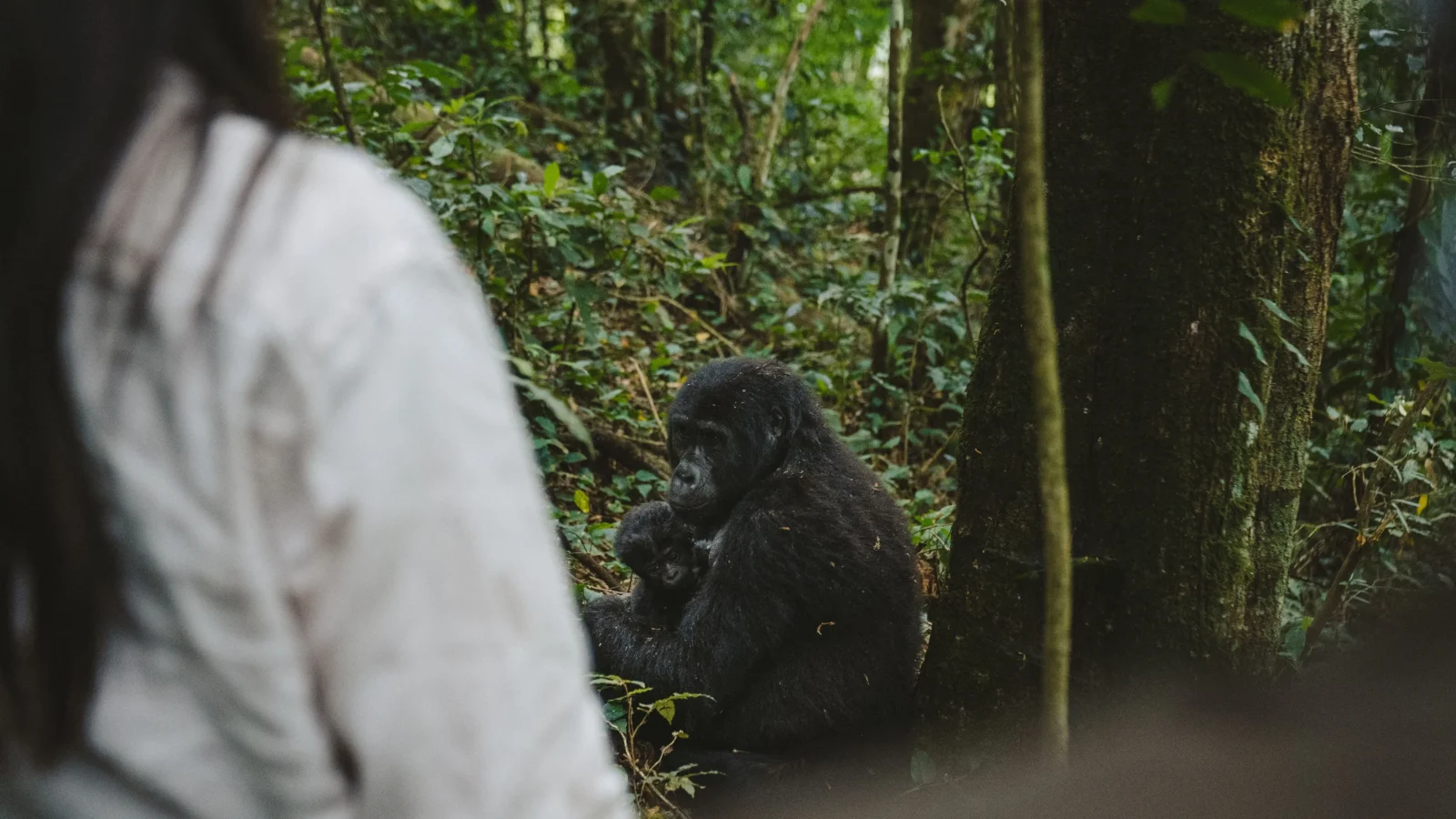
Even though the trek is conducted in a group, the experience can still feel personal.
Groups are small, and interactions remain quiet and focused. As a solo traveler, you may find it easier to fully engage with the moment, without distractions or conversations that often come with traveling in a group.
In the context of gorilla trekking Uganda solo travellers, many visitors describe the experience as more immersive when done alone. You move at your own pace mentally, absorb the environment more deeply, and connect with the moment without interruption.
Safety and Comfort for Solo Travellers
Safety is often a concern for independent travelers, but gorilla trekking is well managed.
Rangers guide every trek, and the process is structured from start to finish. You are never alone in the forest, and support is always available.
For gorilla trekking Uganda solo travellers, this balance between independence and guidance creates a comfortable environment. You travel alone, but you are never unsupported.
The Social Side of Solo Travel
While many solo travelers seek independence, there is also an unexpected social element.
During the trek, you may meet other travelers from different parts of the world. These interactions are brief but often meaningful, centered around a shared experience.
For those exploring gorilla trekking Uganda solo travellers, this balance between solitude and occasional connection adds depth to the journey without overwhelming it.
Cost Considerations for Solo Travellers
Traveling alone can sometimes increase costs, especially for transport and accommodation.
However, for gorilla trekking Uganda solo travellers, there are ways to manage expenses. Choosing simpler accommodation, traveling during off-peak periods, and planning efficiently can help balance costs.
The permit remains the same regardless of group size, so the focus is on managing other expenses effectively.
Why Solo Gorilla Trekking Feels Different
The emotional impact of gorilla trekking often becomes stronger when experienced alone.
Without the dynamics of group travel, you engage more directly with the environment. The forest feels quieter, the trek more personal, and the encounter more intense.
For many travelers, gorilla trekking Uganda solo travellers experiences feel more reflective and immersive, allowing space for deeper connection.
Planning Your Solo Gorilla Trekking Journey
Planning for a solo trip requires clarity and structure.
Start by securing your permit, then build your itinerary around it. Choose accommodation close to your trekking sector and arrange transport that matches your comfort level.
Keep your plans simple. Avoid unnecessary complexity, and focus on creating a smooth flow from arrival to trekking day.
Preparation ensures that your independence does not become a challenge.
Booking Your Solo Gorilla Trekking Experience
To experience gorilla trekking Uganda solo travellers at its best, begin by securing your permit early and selecting a trekking sector that suits your preferences. Arrange private or well-coordinated transport to maintain flexibility, and choose accommodation that offers both comfort and proximity to the forest.
Allow enough time in your itinerary to settle into the environment, and approach the experience with an open mindset. Traveling solo gives you the freedom to engage with the journey on your own terms, without distraction.
With the right planning, gorilla trekking becomes more than a solo trip. It becomes a deeply personal experience shaped entirely by your pace, your perspective, and your connection to the moment.