

Where the soul of the forest whispers in the mist
Mgahinga Gorilla National Park, located in the far southwestern corner of Uganda, is the smallest of the country’s national parks but one of its most remarkable. Covering just 33.7 square kilometers, it is part of the larger Virunga Conservation Area shared with Rwanda and the Democratic Republic of Congo. The park is dominated by the three striking volcanic peaks of Muhabura, Sabyinyo, and Gahinga, which create a dramatic backdrop for the lush forests and diverse ecosystems within. Though compact in size, Mgahinga is a sanctuary for endangered mountain gorillas and golden monkeys, making it one of the rare places in the world where visitors can trek to see both species in their natural habitat.
Beyond its wildlife, the park holds cultural and historical significance as the ancestral home of the Batwa people, who once lived as forest hunters and gatherers in this region. Visitors can explore Batwa heritage through guided cultural experiences, gaining insights into their traditional way of life and deep spiritual connection to the forest. The park also offers breathtaking hiking opportunities, from climbing its volcanoes to traversing bamboo forests and alpine vegetation zones, each offering panoramic views across Uganda, Rwanda, and Congo. Mgahinga’s blend of wildlife encounters, rich cultural heritage, and dramatic volcanic scenery makes it a unique and intimate destination for travelers seeking an off-the-beaten-path adventure.
So lace up your boots, grab your camera, and prepare to meet the wild — this is where your gorilla trekking dreams and unforgettable safari adventures truly begin.
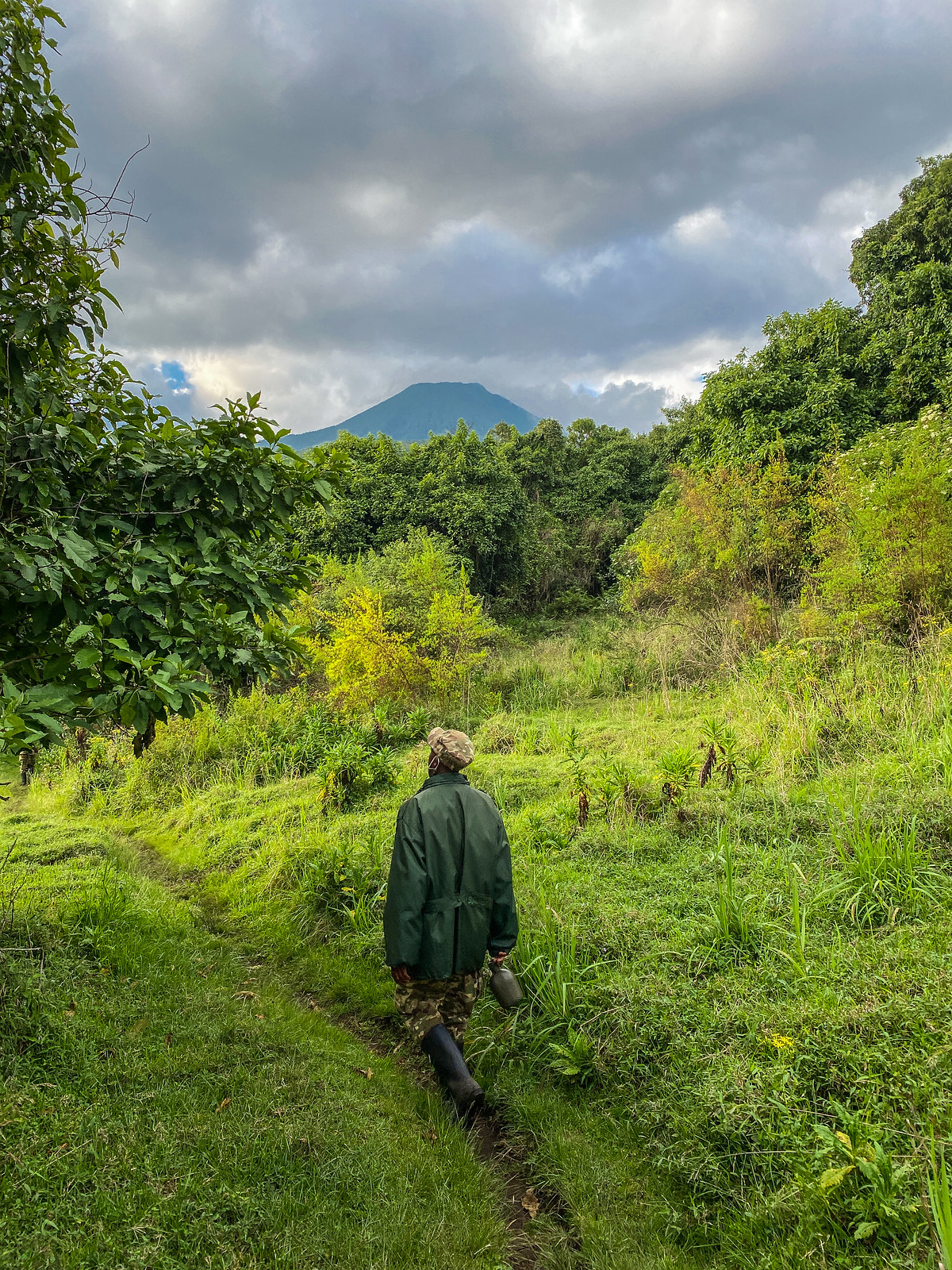
Truly Iconic Highlights in Uganda

Trek through Bwindi’s mystical rainforest and meet the endangered mountain gorillas in their breathtaking natural home.
Encounter mountain gorillas and golden monkeys on Mgahinga’s misty volcanic trails, where culture and alpine wildlife thrive together.
Unwind after your trek with a peaceful canoe ride across Lake Bunyonyi, Uganda’s most tranquil and scenic highland lake.
Enhance your gorilla trekking safari with an optional chimpanzee encounter in Uganda’s lush forests, adding depth and diversity to your primate adventure
Gorilla Trekking Tours in Uganda – Our Most Popular Itineraries.
Explore our gorilla trekking safaris for every traveler—solo, family, budget, or luxury. All tours include permits, transport, accommodation, meals, and park fees. Whether for a quick trip or a deeper adventure, we’ve got you covered.
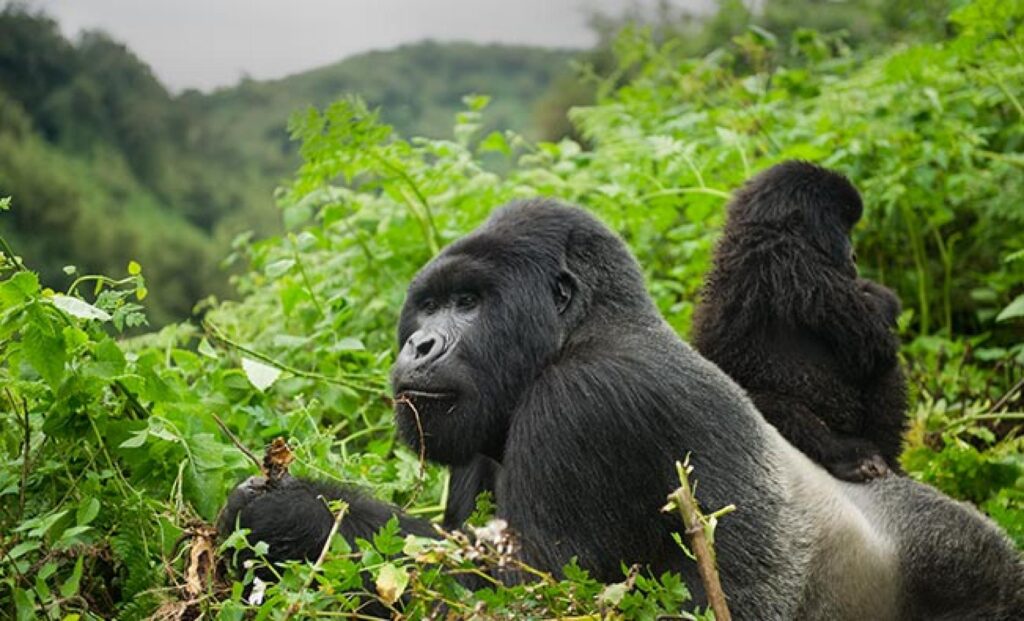
3-Day Bwindi Gorilla Trekking Safari
3-Day Bwindi Gorilla Trekking Safari
4-Day Uganda Gorilla Trekking Safari
4-Day Uganda Gorilla Trekking Safari
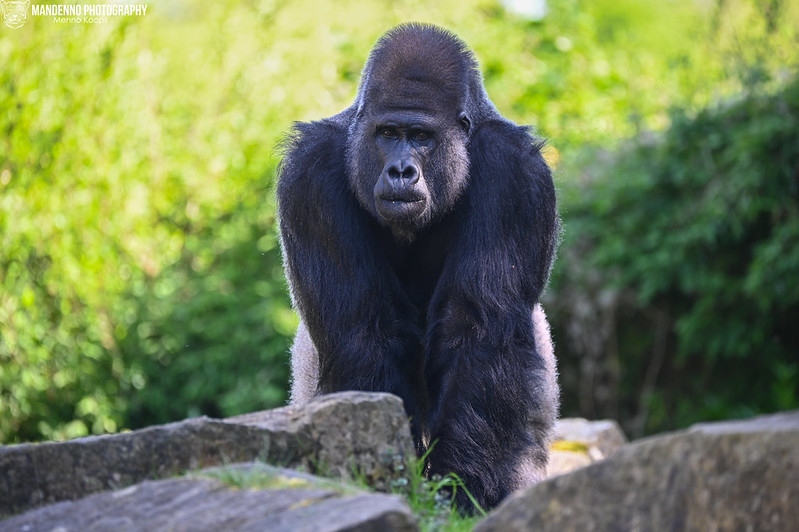
5-Day Gorilla Tracking and Wildlife Safari
5-Day Gorilla Tracking and Wildlife Safari
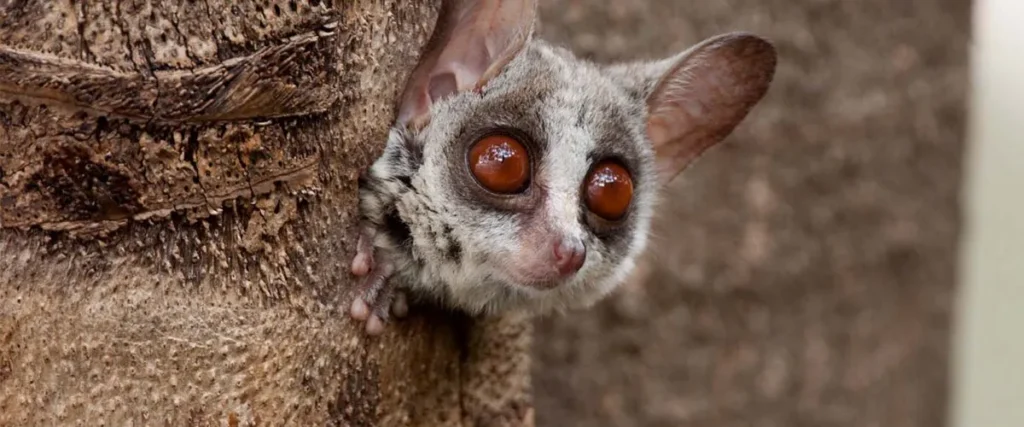
7-Day Uganda Primate Adventure & Wildlife Safari
7-Day Uganda Primate Adventure & Wildlife Safari
10-Day Gorilla Trekking & Big Five Safari in Uganda
10-Day Gorilla Trekking & Big Five Safari in Uganda
12-Day Uganda Gorilla Trekking, Chimp Tracking & Cultural Safari
12-Day Uganda Gorilla Trekking, Chimp Tracking & Cultural Safari
14-Day Best of Uganda Safari – Gorillas, Wildlife, Cultures
14-Day Best of Uganda Safari – Gorillas, Wildlife, Cultures
Mgahinga Gorilla National Park – Uganda’s Volcanic Wilderness Frontier
The Complete Guide to Mgahinga Gorilla Trekking, Golden Monkeys & the Virunga Volcanoes in Uganda
Mgahinga Gorilla National Park is Uganda’s smallest national park, yet it delivers one of the most dramatic and exclusive gorilla trekking experiences in Africa. Located in the far southwestern corner of Uganda, where the country meets Rwanda and the Democratic Republic of Congo, Mgahinga forms part of the greater Virunga Conservation Area — one of the most important mountain ecosystems on the continent.
Unlike Bwindi Impenetrable National Park, which spreads across rolling rainforest ridges, Mgahinga Gorilla National Park is defined by volcanic peaks, open bamboo forest, and sweeping high-altitude landscapes. It protects one habituated mountain gorilla family, offers Uganda’s only golden monkey tracking experience, and provides access to three extinct volcanoes that can be climbed in a single safari.
For travelers seeking exclusivity, dramatic scenery, and cross-border access via Kigali, Mgahinga Gorilla National Park presents a powerful alternative to more crowded trekking sectors.
Where Is Mgahinga Gorilla National Park?
Mgahinga Gorilla National Park lies in Kisoro District in southwestern Uganda. It borders Volcanoes National Park in Rwanda and Virunga National Park in the Democratic Republic of Congo. Together, these parks form the Virunga ecosystem, home to mountain gorillas that move freely across borders.
The park covers just 33.7 square kilometers, making it Uganda’s smallest national park. However, its compact size enhances accessibility and creates a feeling of controlled wilderness rather than overwhelming density.
The nearest town is Kisoro, approximately 14 kilometers away. Lake Mutanda lies nearby, offering scenic extensions after trekking.
Gorilla Trekking in Mgahinga
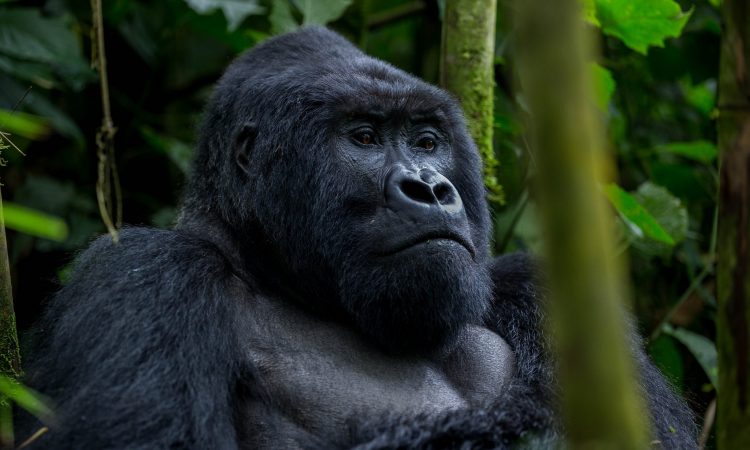
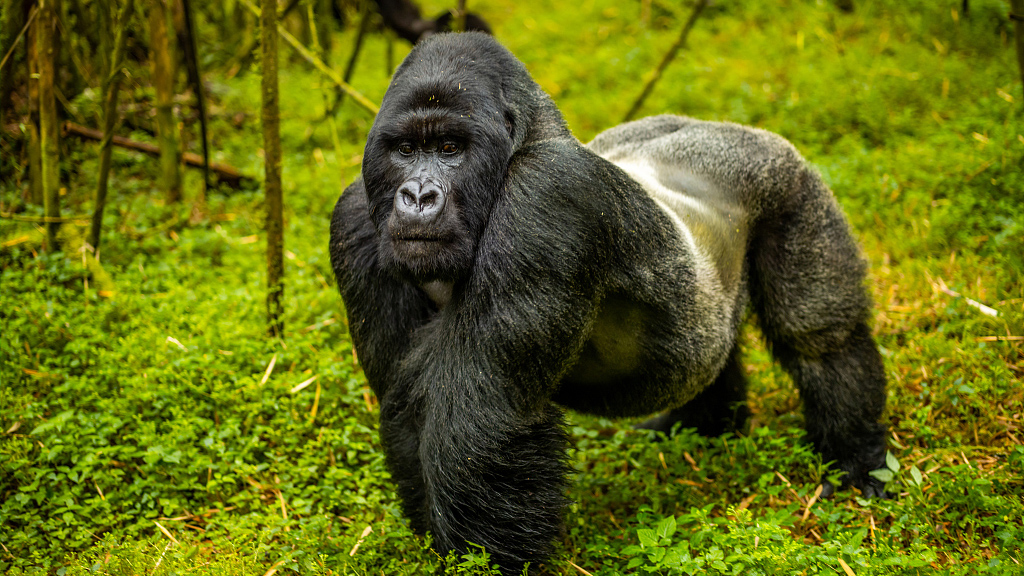
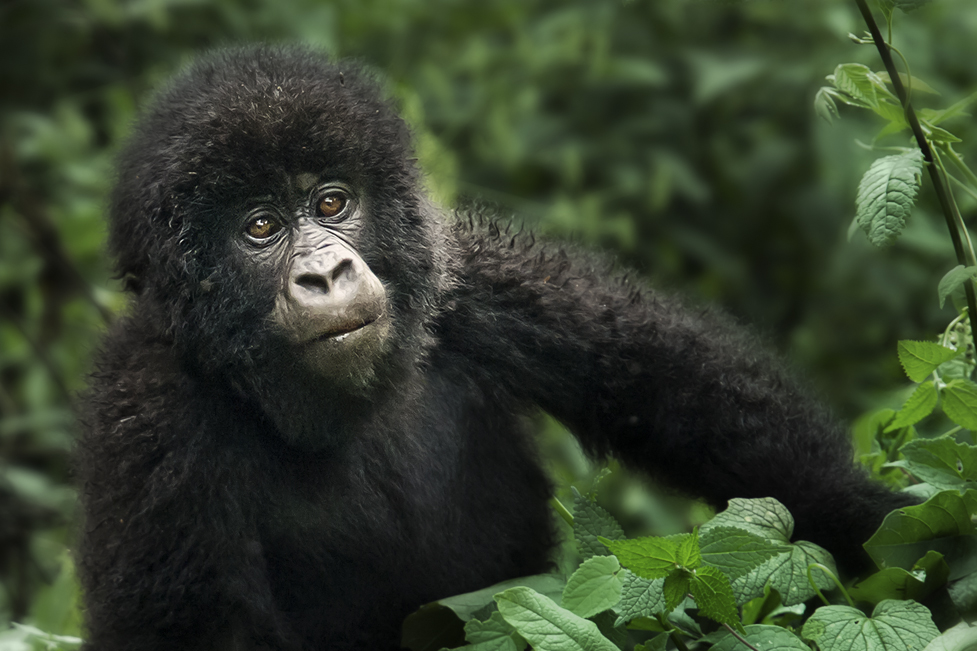
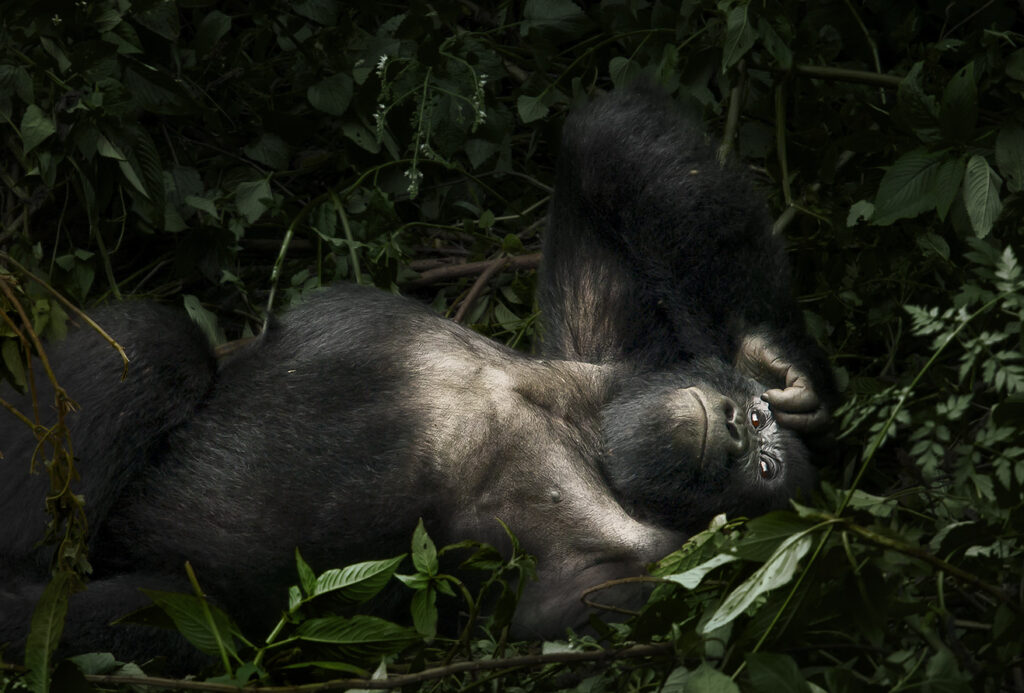
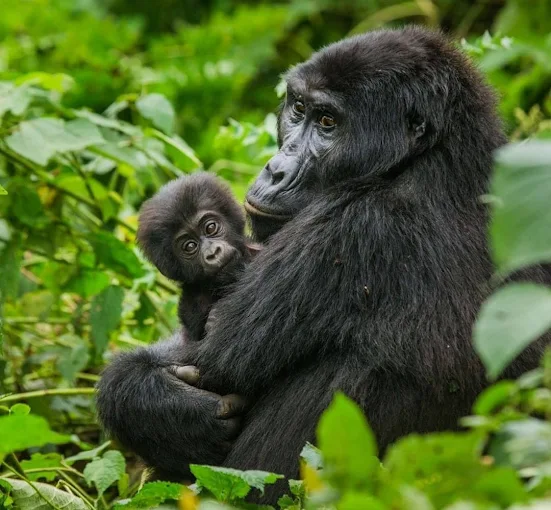
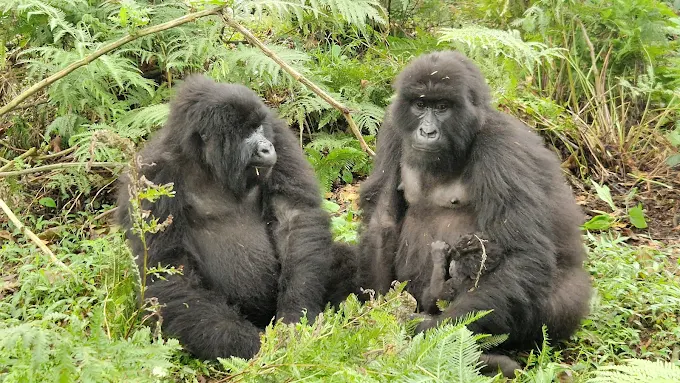
Mgahinga Gorilla National Park is home to one habituated mountain gorilla family: the Nyakagezi group. This family is well known for its stable leadership and relatively predictable movements compared to gorilla groups that migrate frequently across borders.
The Nyakagezi family is led by a dominant silverback and includes several adult females, juveniles, and infants. Historically, this group once crossed into Rwanda and Congo more frequently, but in recent years it has remained largely within Uganda’s side of the Virunga range.
Because only one family is habituated, the number of daily permits is limited. A maximum of eight visitors per day may trek this group. This creates an intimate, low-crowd experience that many travelers prefer.
The terrain in Mgahinga Gorilla National Park differs from Bwindi. Bamboo forest sections allow clearer visibility compared to dense rainforest. The volcanic slopes create steeper but often more open trekking paths. Photography can be slightly easier due to reduced canopy density in certain areas.
Permit cost for Mgahinga gorilla trekking is the same as Bwindi, as it falls under Uganda Wildlife Authority regulations.
Golden Monkey Tracking – Mgahinga’s Unique Advantage
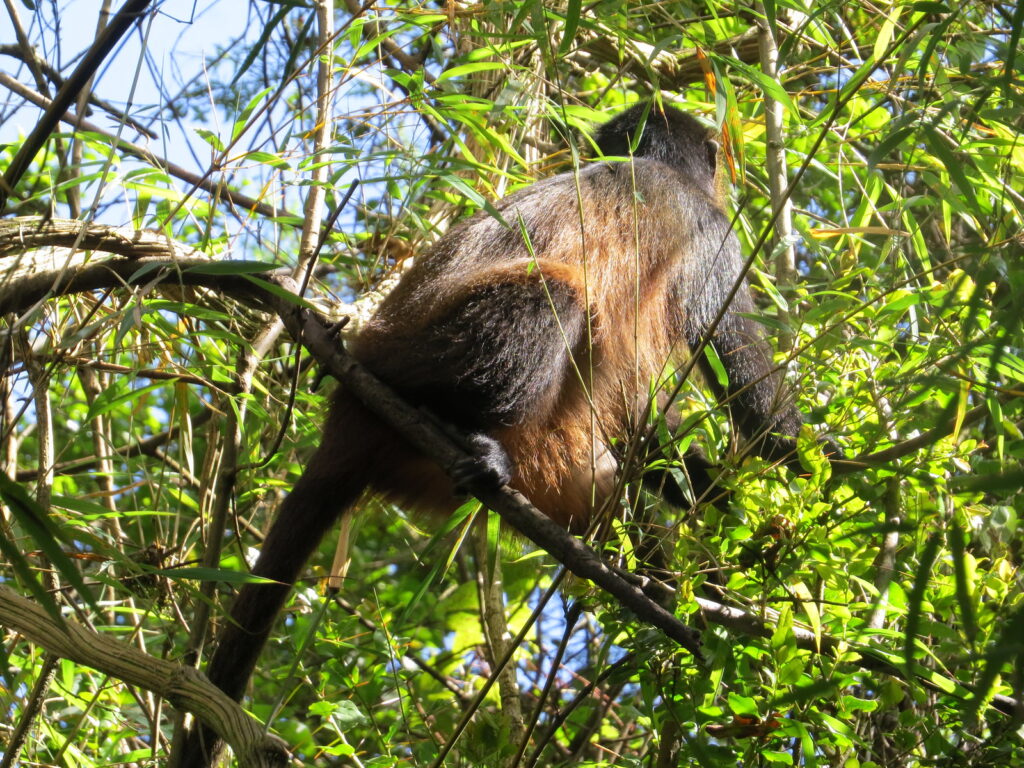
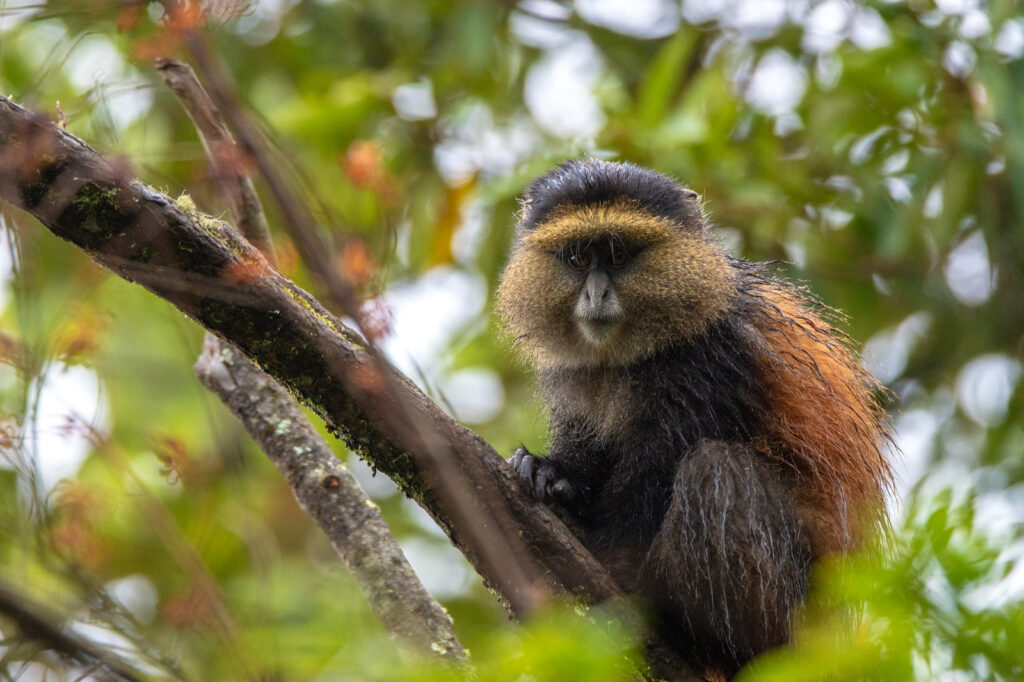
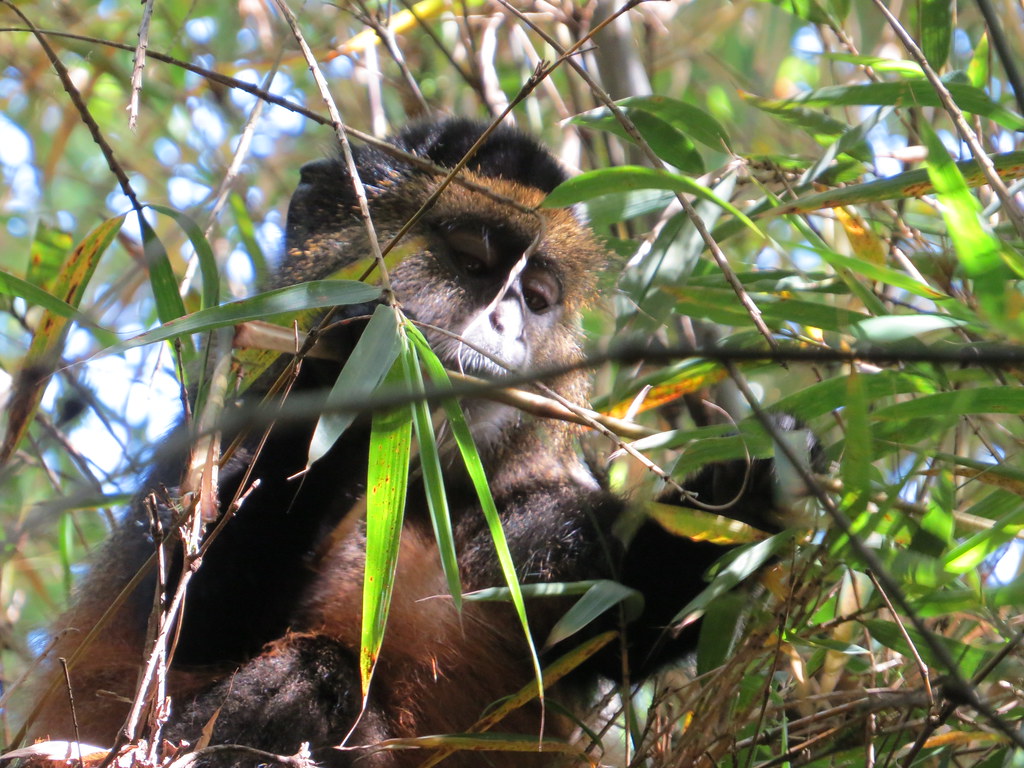
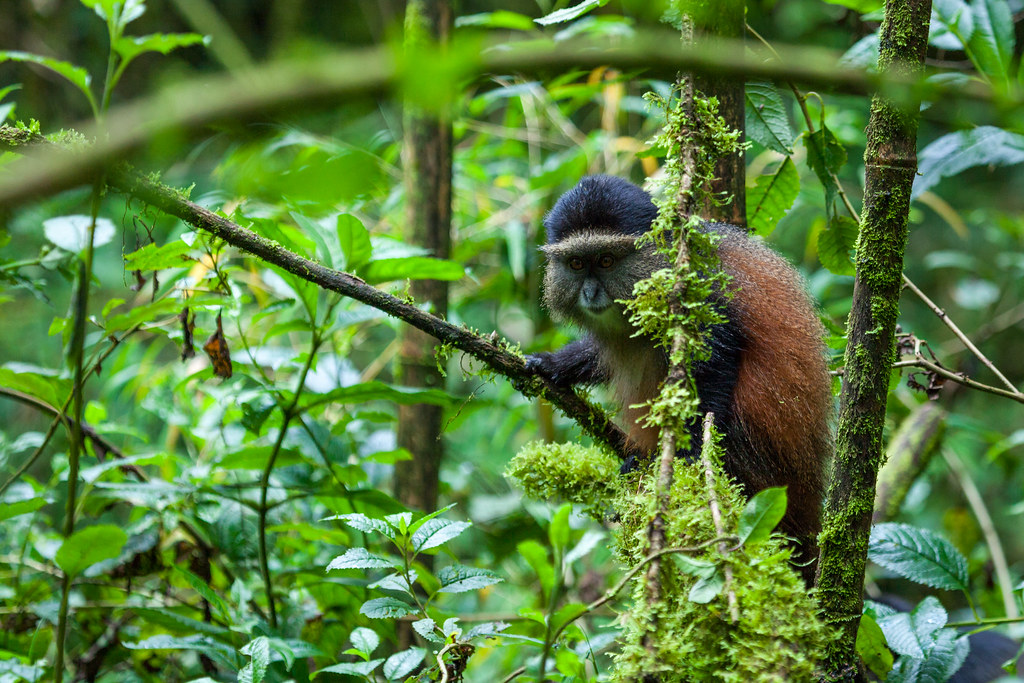
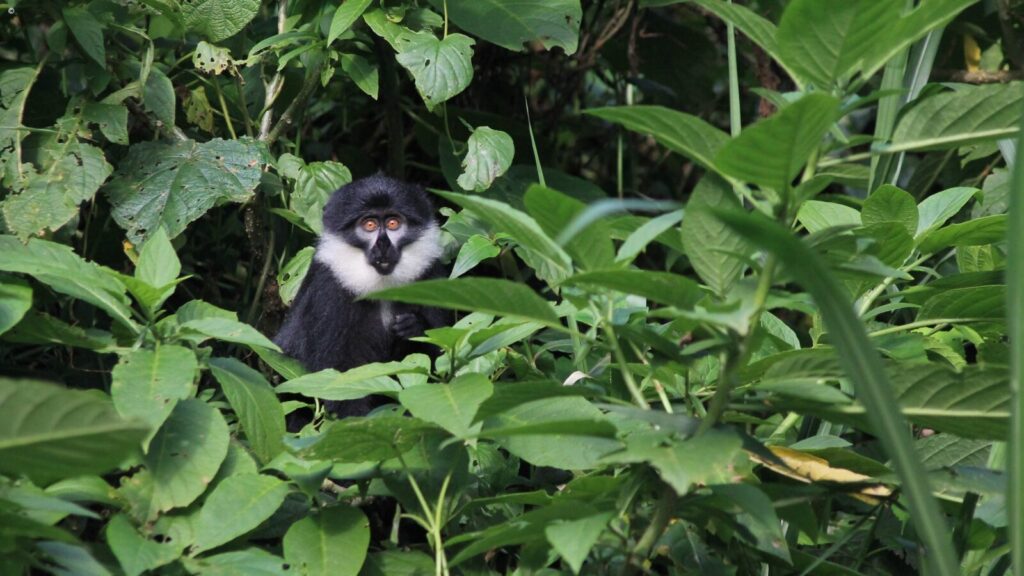
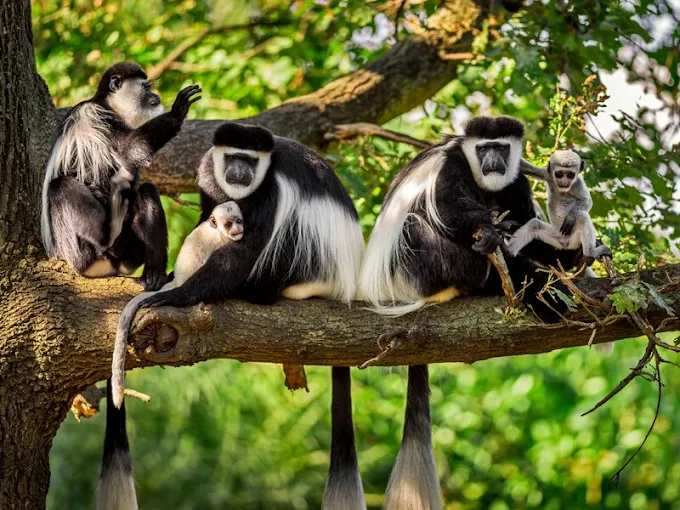
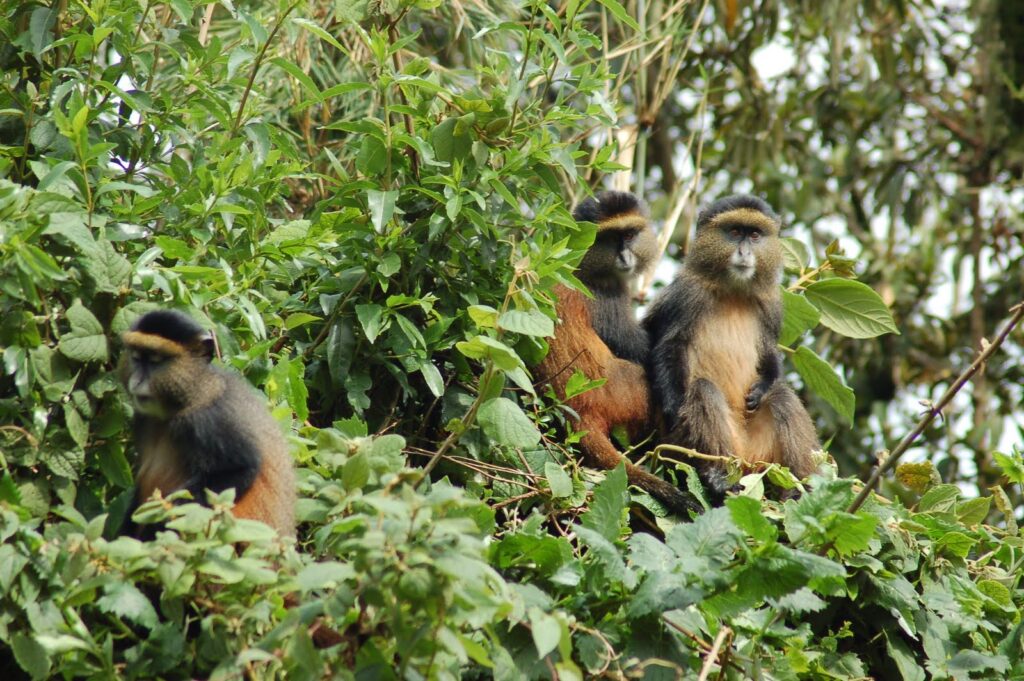
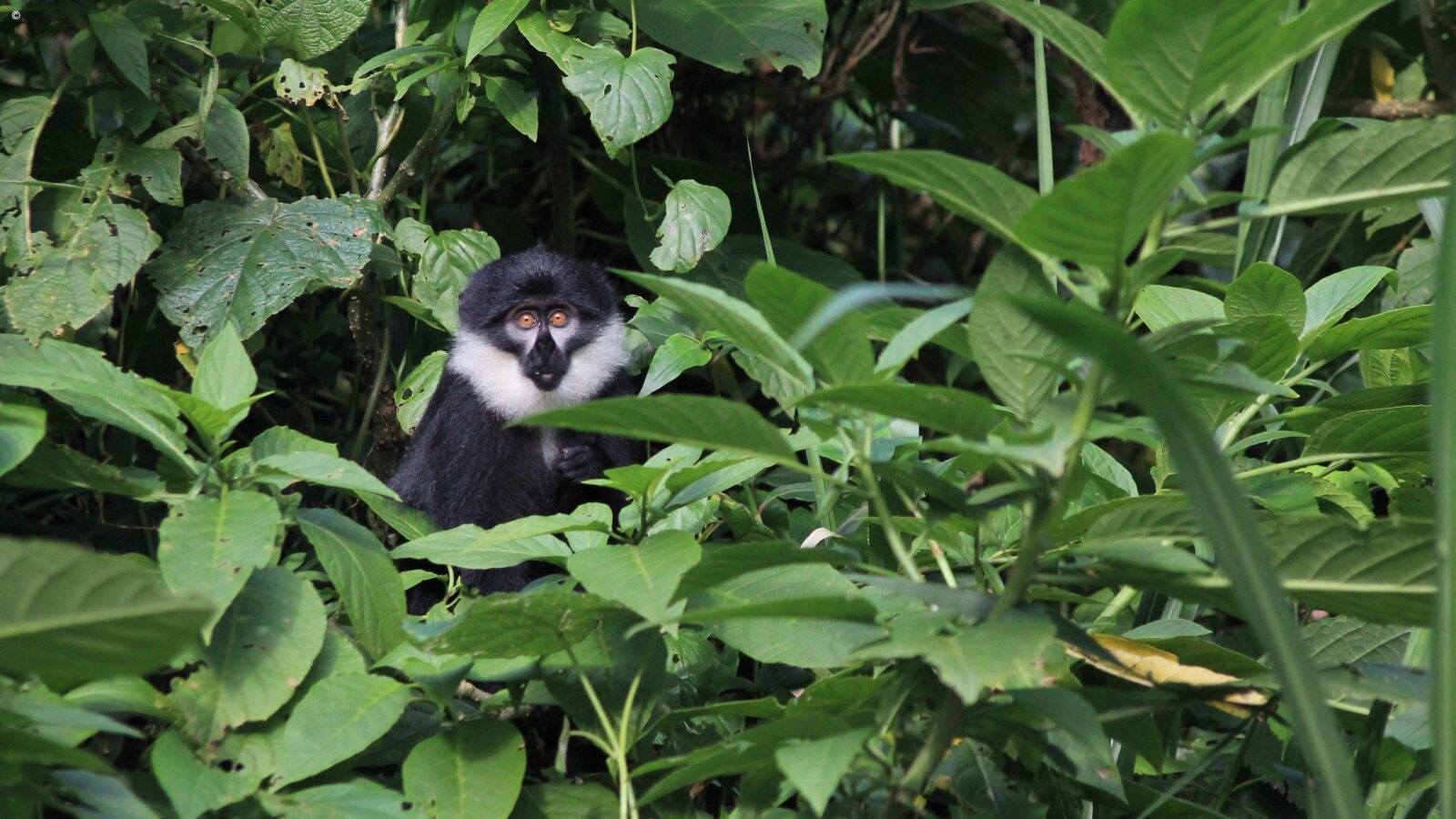
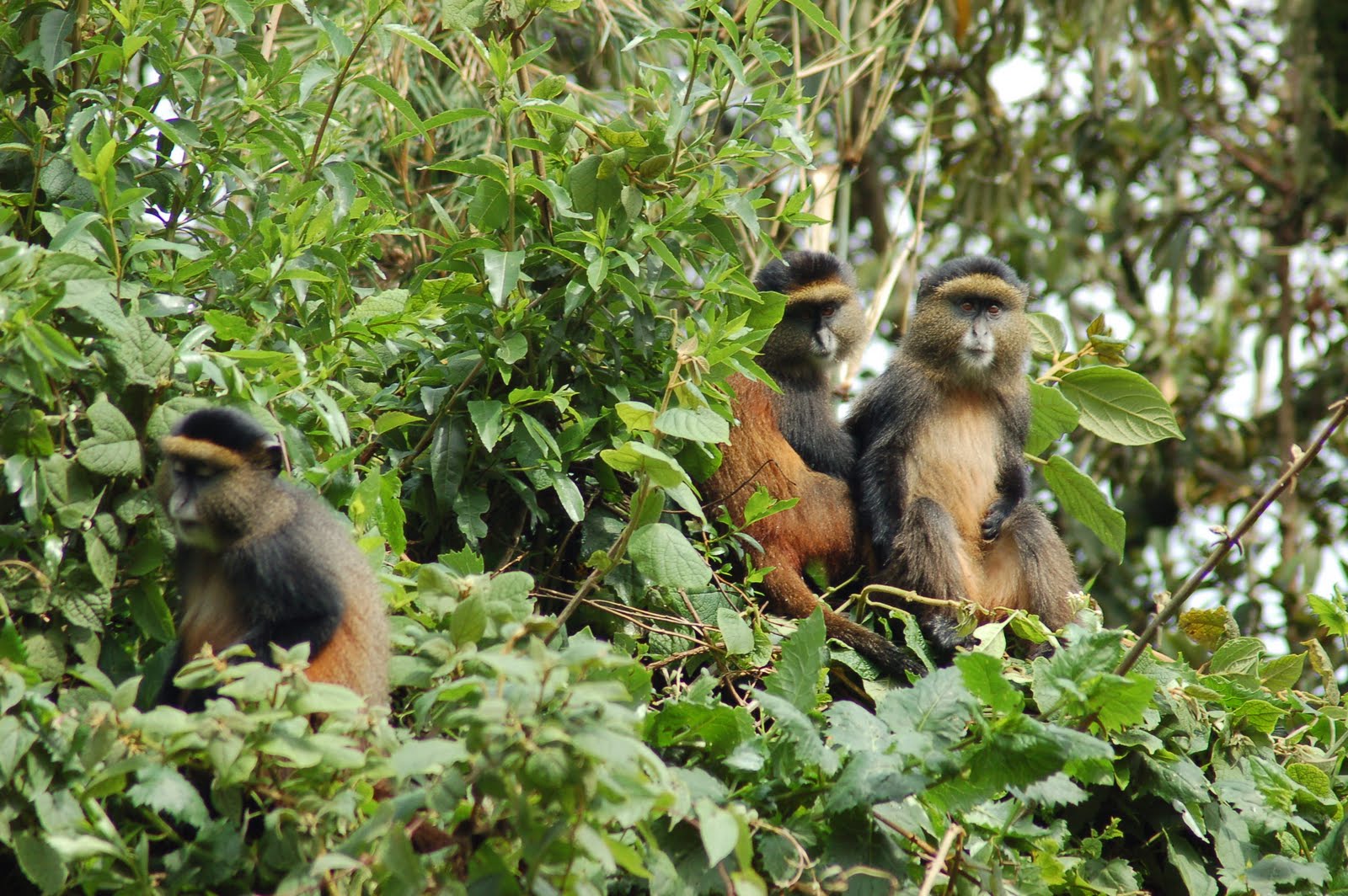
Mgahinga Gorilla National Park is the only park in Uganda where golden monkey tracking is available. Golden monkeys are an endangered primate species found only in the Virunga region. They inhabit bamboo forest zones at higher altitudes and are highly active and social.
Tracking golden monkeys differs significantly from gorilla trekking. These monkeys are fast-moving, playful, and often seen leaping between bamboo stems. Their golden-orange fur contrasts beautifully against green vegetation, making them particularly attractive for photographers.
Golden monkey tracking permits are separate from gorilla permits and are more affordable. There is also a golden monkey habituation experience, allowing extended time with researchers similar to the gorilla habituation program in Bwindi.
This dual-primates opportunity gives Mgahinga Gorilla National Park an advantage over many other gorilla destinations.
The Virunga Volcanoes in Mgahinga
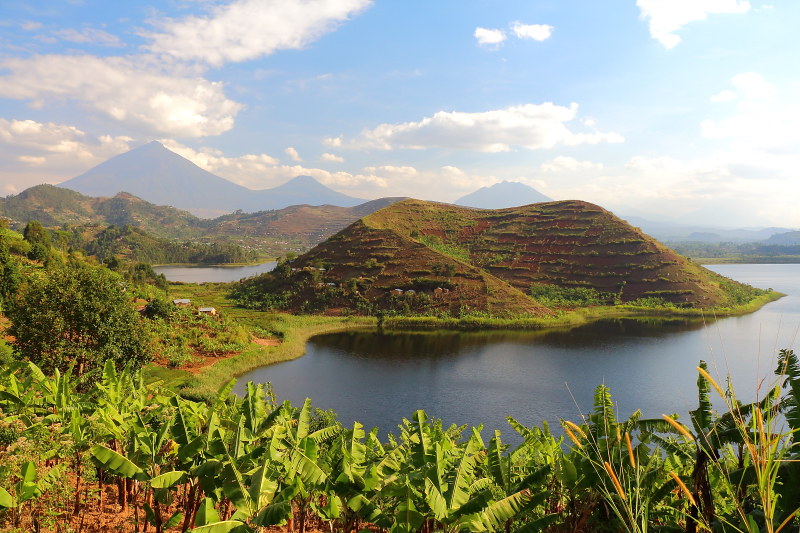
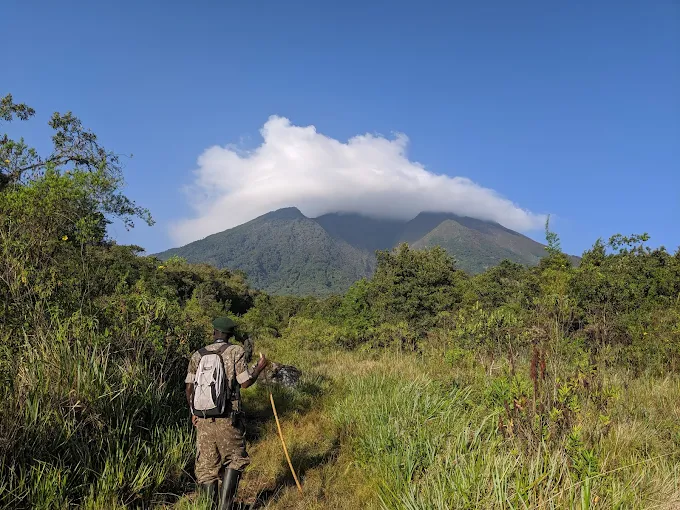
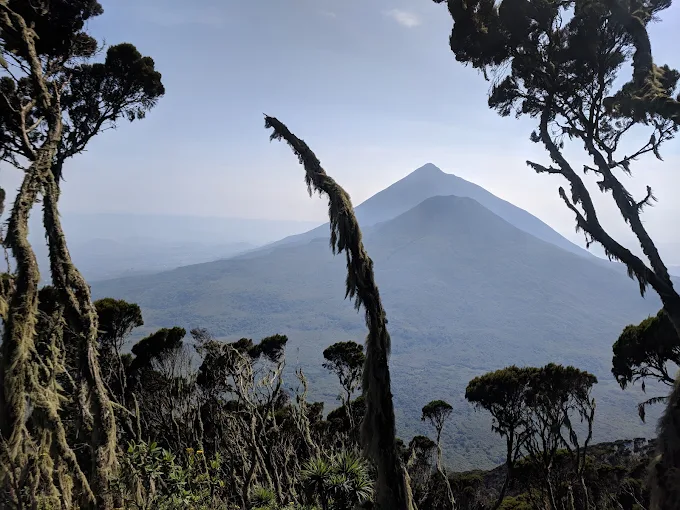
Mgahinga Gorilla National Park protects three extinct volcanoes within Uganda’s borders: Mount Sabinyo, Mount Gahinga, and Mount Muhabura.
Mount Sabinyo offers one of the most unique hiking experiences in East Africa. Its summit sits at the intersection of Uganda, Rwanda, and Congo. Standing at the top allows you to place a foot in three countries at once. The hike involves ladders, ridgelines, and steep climbs, making it physically demanding but rewarding.
Mount Gahinga offers a gentler climb with bamboo forest transitions and crater views at the summit.
Mount Muhabura is the most challenging of the three, rising sharply with steep slopes and dramatic summit views stretching across Rwanda and Uganda.
These volcano hikes transform Mgahinga Gorilla National Park into more than a gorilla destination. It becomes a high-altitude adventure park.
Mgahinga Gorilla National Park Facts
Mgahinga Gorilla National Park is Uganda’s smallest national park, covering just 33.7 square kilometers. Despite its size, it forms part of the larger Virunga Conservation Area, which spans Uganda, Rwanda, and the Democratic Republic of Congo. This transboundary ecosystem protects one of the most important remaining populations of mountain gorillas in the world.
The park sits at elevations ranging from approximately 2,200 meters to over 4,100 meters above sea level, making it one of the highest-altitude protected areas in Uganda. Its landscape is dominated by three extinct volcanoes — Mount Sabinyo, Mount Gahinga, and Mount Muhabura — all part of the Virunga Mountain chain.
Mgahinga Gorilla National Park is home to the Nyakagezi gorilla family, the only habituated gorilla group in the park. This family once moved frequently across international borders but has largely stabilized within Uganda’s side of the ecosystem in recent years. Only eight visitors per day are permitted to trek this group, ensuring a highly exclusive experience.
The park is also the only place in Uganda where golden monkey tracking is officially conducted. These endangered primates inhabit the bamboo forests on the slopes of the volcanoes and are unique to the Virunga region.
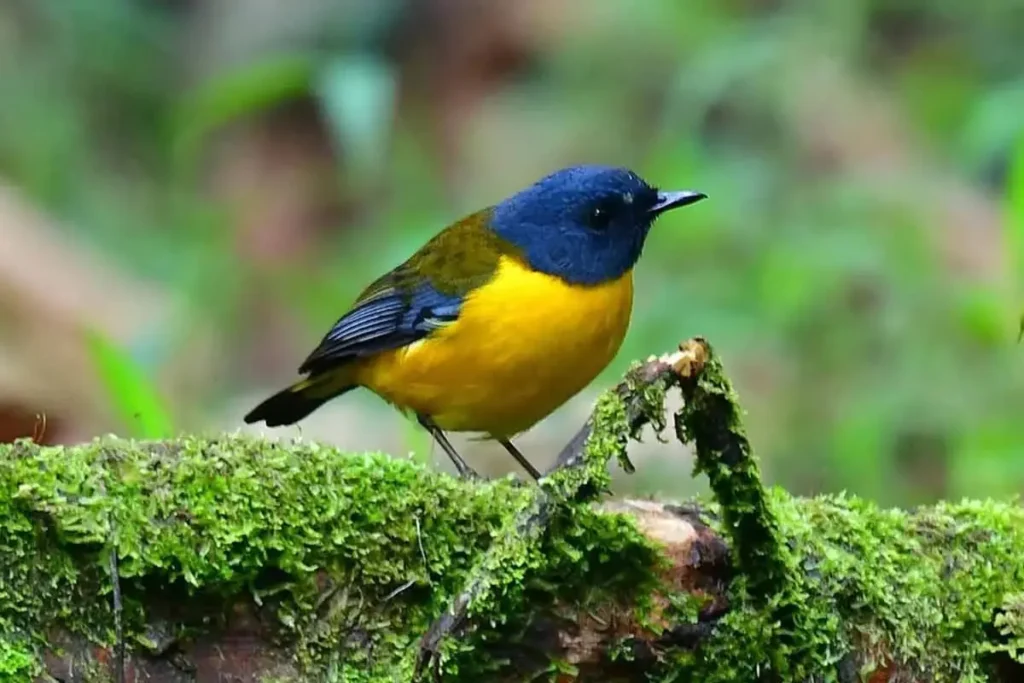
Mgahinga lies within the Albertine Rift biodiversity hotspot, one of Africa’s most ecologically rich regions. The park supports over 180 bird species, including several Albertine Rift endemics, along with forest buffalo, bushbuck, and various smaller mammals.
Gazetted as a national park in 1991, Mgahinga plays a critical role in Uganda’s conservation strategy and in cross-border cooperation with Rwanda and Congo to protect mountain gorillas.
Though small in size, Mgahinga is strategically enormous in conservation importance.
Weather and Climate in Mgahinga
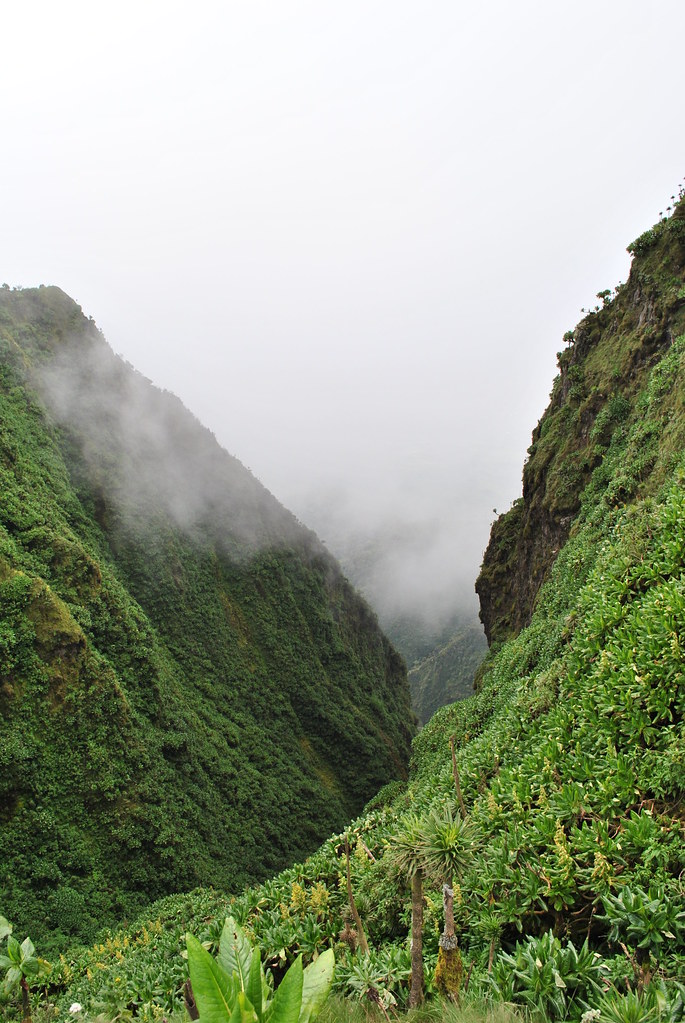
Because of its high altitude, Mgahinga Gorilla National Park experiences cooler temperatures than most Ugandan parks. Morning temperatures can feel crisp, especially during dry months. Daytime conditions are generally mild rather than hot.
Rainfall occurs throughout the year, with heavier rains typically between March and May and again in October and November. During wetter months, bamboo forests appear intensely green and dramatic, though trails may become slippery.
Dry periods generally occur between January and February and again from June to September. These months offer clearer volcano visibility and more stable hiking conditions.
Altitude means weather can shift quickly. Visitors should prepare for cool mornings, possible mist, and occasional sudden showers regardless of season.
Photography in Mgahinga Gorilla National Park
Photography in Mgahinga Gorilla National Park can differ from Bwindi due to the bamboo forest environment. In certain trekking zones, visibility is slightly more open compared to dense rainforest canopy. This allows for clearer sight lines when the gorilla family is positioned within bamboo clusters.
However, volcanic terrain creates shifting light conditions. Early morning mist can produce dramatic photographic backdrops, especially when sunlight filters through the bamboo stems.
Golden monkey photography requires faster shutter speeds due to their constant movement. Gorillas, while calmer, still require natural light settings as flash photography is strictly prohibited.
Mgahinga Gorilla National Park offers some of the most scenic backdrops of any gorilla trekking destination due to the visible volcanic peaks rising above forest zones.
Mgahinga Gorilla National Park for Senior Travelers
Mgahinga Gorilla National Park can be suitable for senior travelers when planned properly. The park’s smaller size reduces logistical complexity, and fly-in access to Kisoro significantly reduces travel fatigue.
Porter services are available and highly recommended. Rangers attempt to match trekking pace with group ability. However, volcano hiking requires stronger physical conditioning and may not be suitable for all guests.
For seniors primarily focused on gorilla trekking and golden monkey tracking, Mgahinga offers a manageable and quieter environment compared to larger parks.
Proper pacing and realistic expectations are essential.
Mgahinga Gorilla National Park and Cross-Border Conservation
Mgahinga Gorilla National Park is part of the Greater Virunga Transboundary Collaboration, a conservation framework that coordinates Uganda, Rwanda, and Congo in protecting mountain gorillas.
Gorillas move freely across political borders, and ranger teams communicate regularly regarding family movements. This cooperation strengthens security, research efforts, and veterinary response capacity.
The Virunga ecosystem demonstrates how wildlife conservation can function beyond national boundaries, making Mgahinga strategically important beyond its physical size.
Combining Mgahinga Gorilla National Park with Other Destinations
Mgahinga Gorilla National Park pairs effectively with:
- Lake Mutanda for relaxation and canoe excursions
- Southern Bwindi sectors for additional gorilla trekking
- Rwanda’s Volcanoes National Park for cross-border itineraries
- Queen Elizabeth National Park for savannah wildlife
Its location near the Rwanda border makes it highly flexible in multi-country safari planning.
For travelers with 5–7 days, combining Mgahinga gorilla trekking with golden monkey tracking and Lake Mutanda relaxation creates a balanced itinerary without long overland drives.
What Many Travelers Overlook About Mgahinga Gorilla National Park
Because Mgahinga Gorilla National Park has only one habituated gorilla family, travelers sometimes assume it is less desirable than Bwindi. In reality, that limitation creates exclusivity. Fewer permits mean fewer trekking groups and a quieter forest experience.
The volcanic scenery adds visual drama that Bwindi’s dense canopy does not always provide. The ability to track golden monkeys in the same park enhances primate diversity.
Mgahinga Gorilla National Park is not smaller in experience — it is concentrated.
Accessing Mgahinga Gorilla National Park
Mgahinga Gorilla National Park can be accessed by both road and air.
From Entebbe or Kampala, the road journey takes approximately eight to ten hours depending on traffic and stops. The drive passes through Uganda’s western highlands and offers scenic countryside views.
A faster option is flying from Entebbe International Airport to Kisoro Airstrip. Domestic flights significantly reduce travel time, followed by a short transfer to your lodge.
Another strategic access route is via Kigali, Rwanda. Kigali International Airport is often closer to Mgahinga than Entebbe. The road transfer from Kigali to Kisoro typically takes four to five hours, including border crossing formalities. This route is popular for international travelers seeking efficiency.
Mgahinga vs Bwindi – Which Should You Choose?
Bwindi offers multiple gorilla families, sector flexibility, and broader biodiversity across a large rainforest landscape. Mgahinga Gorilla National Park offers exclusivity, open volcanic scenery, golden monkeys, and fewer visitors.
Travelers who want permit flexibility and forest immersion often choose Bwindi. Travelers who want quieter trekking, dramatic volcanic backdrops, and dual primate experiences may prefer Mgahinga.
Both parks operate under the same permit pricing structure. The difference lies in terrain style and experience atmosphere.
Best Time to Visit Mgahinga Gorilla National Park – Month by Month
January and February are generally dry months with clearer volcanic visibility and stable trekking conditions. These months align with international winter travel demand.
March and April bring heavier rainfall. Trails can be muddy, but landscapes become intensely green. Fewer visitors mean quieter trekking days.
May remains wet but begins transitioning toward drier conditions late in the month.
June through September marks the primary dry season. Trails are firmer, volcano hiking is more comfortable, and permit demand increases. This is peak travel season, especially July and August.
October and November bring another rainfall period. These months see reduced visitor numbers and softer landscapes.
December begins another drier window and coincides with festive holiday demand. Early permit booking is recommended for late December travel.
Gorilla sightings remain highly reliable year-round because ranger teams track the Nyakagezi family daily.
Fitness Requirements
Mgahinga trekking involves altitude and volcanic slopes. Moderate physical fitness is recommended. The bamboo forest sections may feel less claustrophobic than Bwindi’s dense canopy, but elevation changes can be significant.
Hiring a porter is encouraged. For older travelers, proper pacing and fly-in access improve comfort significantly.
Volcano hikes require stronger fitness levels than gorilla trekking alone.
Lodges Near Mgahinga
The most established luxury lodge near Mgahinga Gorilla National Park is Mount Gahinga Lodge. Positioned at the base of the volcanoes, it offers stone cottages, fireplaces, and refined hospitality with strong conservation integration.
Travelers Rest Hotel in Kisoro provides historical character and comfortable midrange accommodation. It was once frequented by Dian Fossey.
Lake Mutanda lodges, including Mutanda Lake Resort and Chameleon Hill Lodge, offer scenic alternatives overlooking the lake while providing access to Mgahinga and southern Bwindi.
Accommodation selection depends on whether travelers prioritize volcano proximity or scenic lake views.
Batwa Cultural Experience
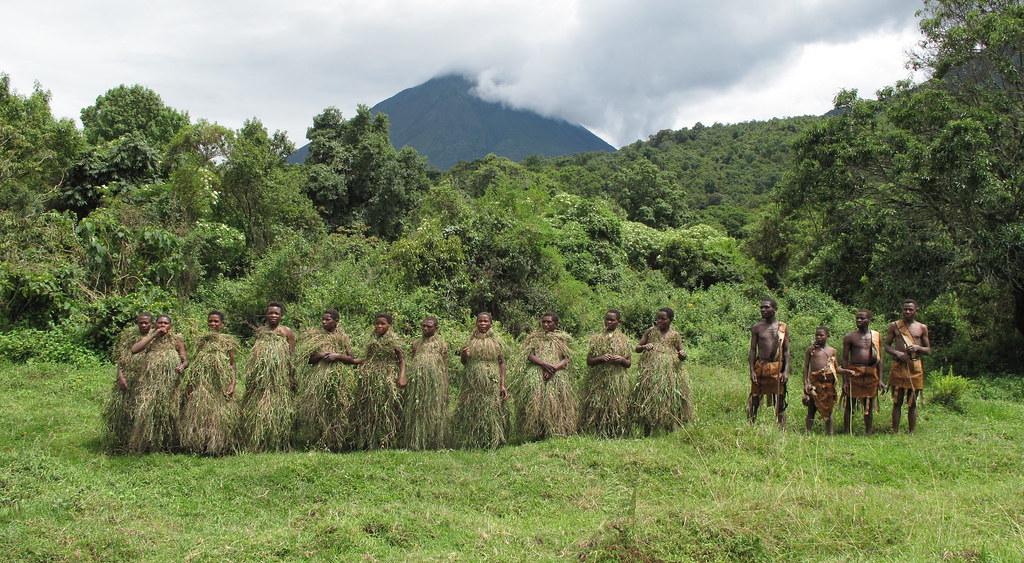
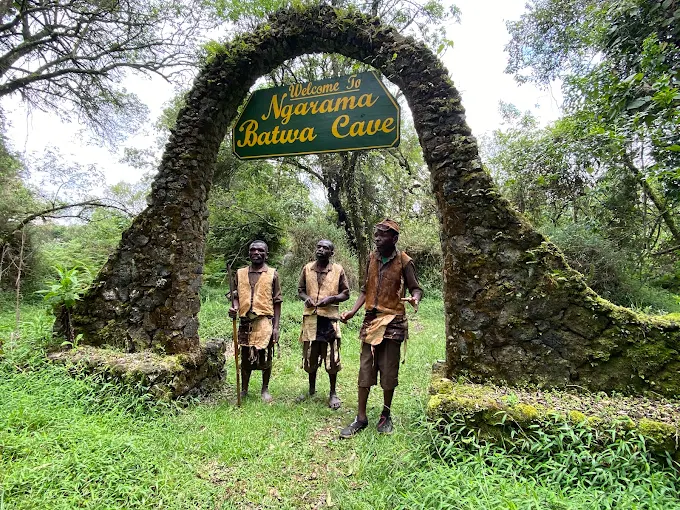
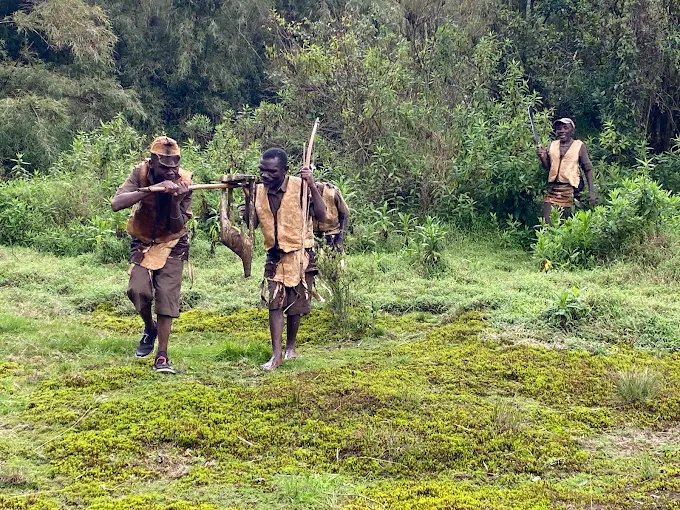
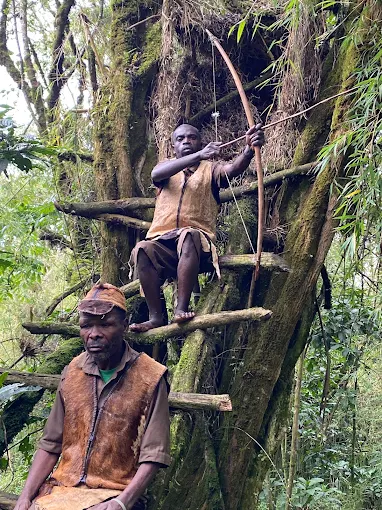
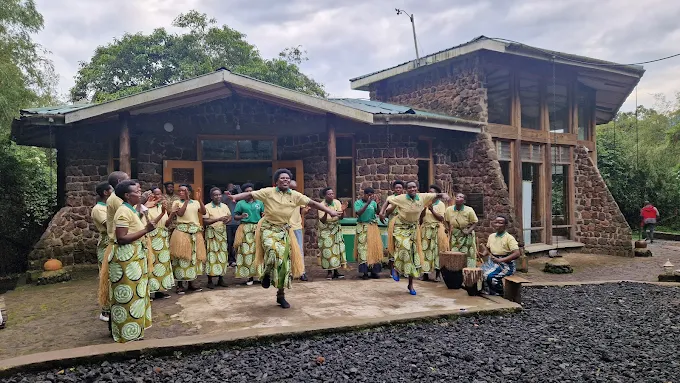
Mgahinga Gorilla National Park is closely associated with the Batwa people, indigenous forest dwellers who historically lived within the Virunga forests before park gazettement. Guided Batwa cultural trails provide insight into traditional forest survival skills, medicinal plants, and cultural heritage.
Responsible participation in these experiences supports local communities and adds context to conservation history.
Safety and Conservation
Mgahinga Gorilla National Park operates under Uganda Wildlife Authority management with ranger patrols and structured visitor systems. Despite its border location, the park maintains consistent tourism stability.
Permit revenue funds conservation programs, cross-border coordination, and anti-poaching patrols within the Virunga ecosystem.
Sample Mgahinga Gorilla National Park Itinerary
A three-day Mgahinga safari includes arrival, gorilla trekking, golden monkey tracking, and departure.
A five-day itinerary may combine Mgahinga Gorilla National Park with Lake Mutanda relaxation or a cross-border extension to Rwanda’s Volcanoes National Park.
Longer itineraries can combine Mgahinga Gorilla National Park with Bwindi for multi-gorilla experiences.
More Mgahinga Information to Know.
Mgahinga Gorilla National Park is a compact, high-altitude park in southwestern Uganda, defined by dramatic volcanic mountains and afro-montane forest. Its cool climate, rare vegetation, golden monkey habitat, rich cultural heritage, and strong conservation focus make it a unique and rewarding destination for primate and nature experiences.
Mgahinga Climate
Mgahinga Climate
Mgahinga Geography & Geology
Mgahinga Geography & Geology
Mgahinga History
Mgahinga History
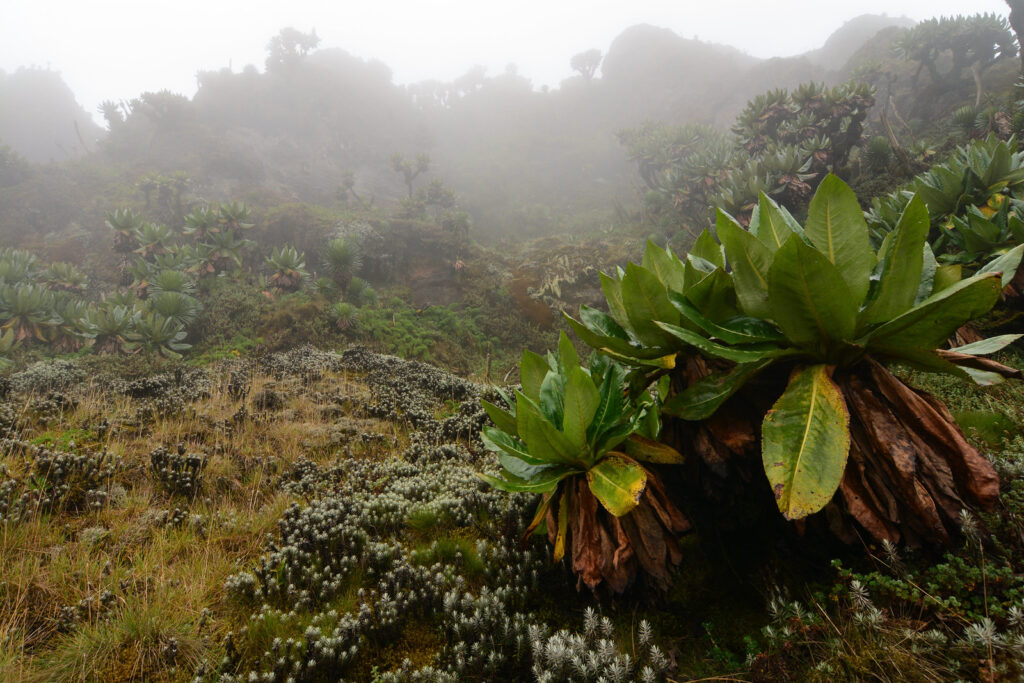
Mgahinga Vegetation
Mgahinga Vegetation
Ntebeko Visitor Centre
Ntebeko Visitor Centre
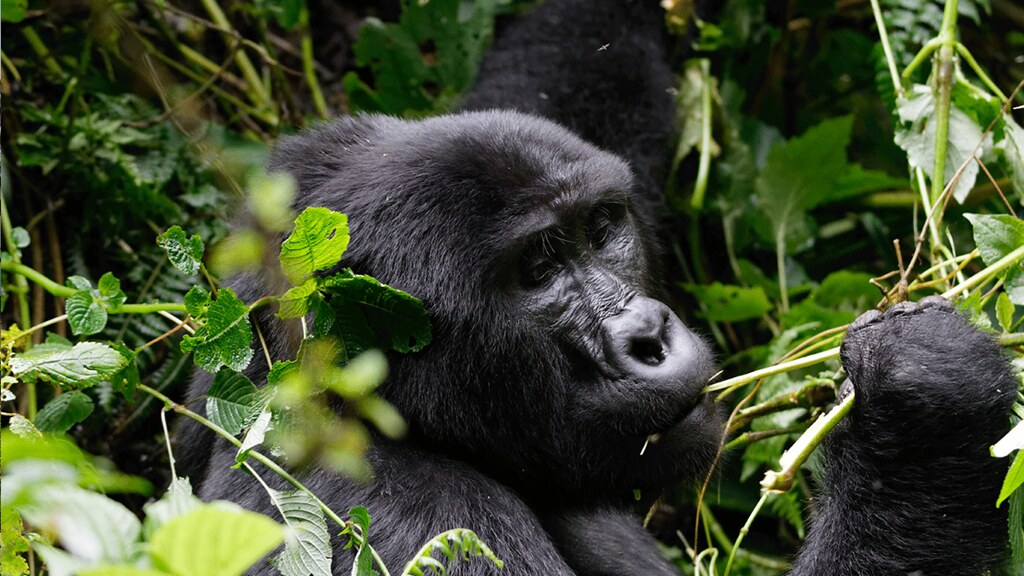
Mgahinga Biodiversity
Mgahinga Biodiversity
Mgahinga FAQs Information
Mgahinga FAQs Information
Getting There To Mgahinga
Getting There To Mgahinga
Mgahinga Location
Mgahinga Location
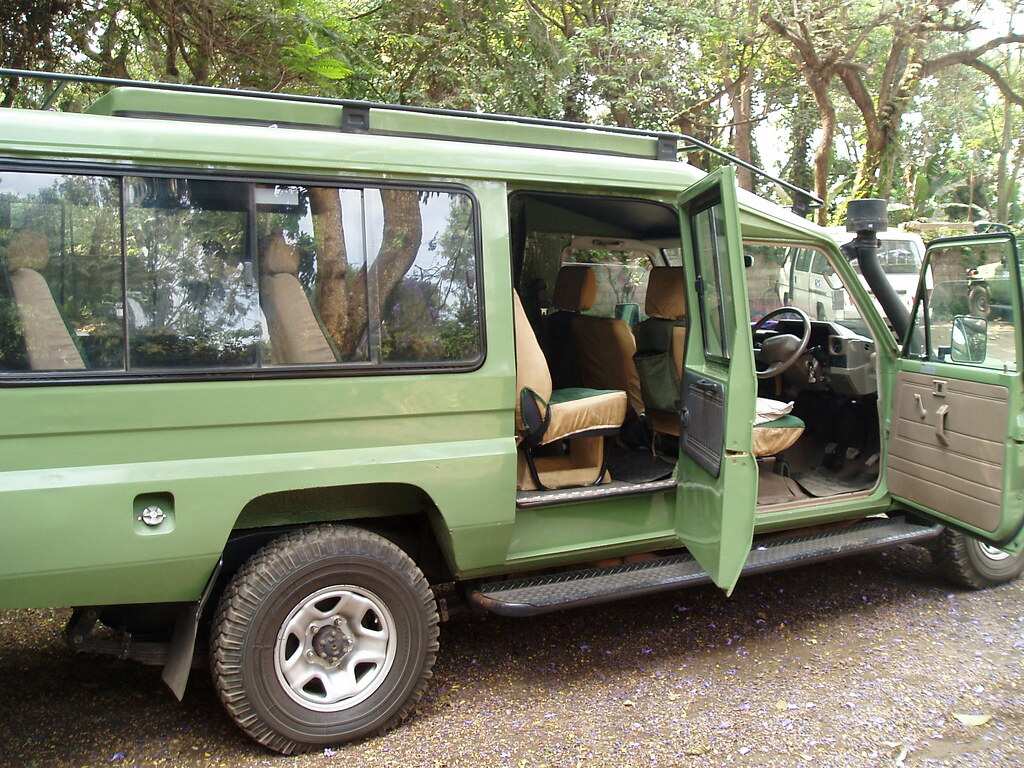
Self Drive
Self Drive
Mgahinga Altitude
Mgahinga Altitude
Batwa Trail
Batwa Trail
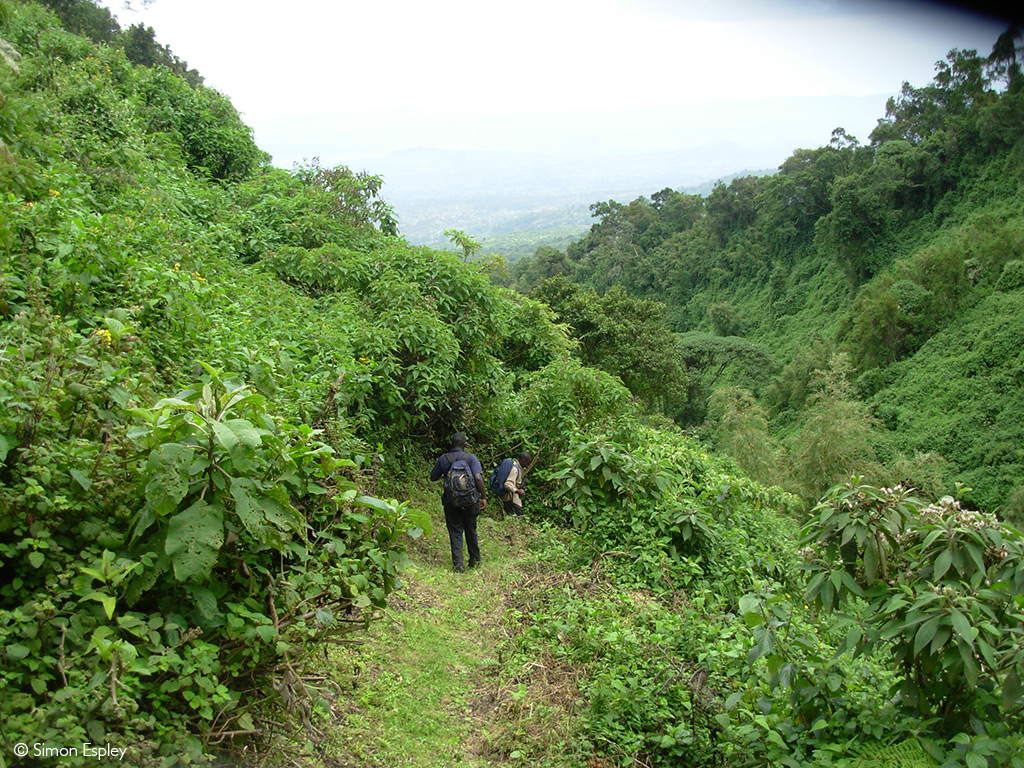
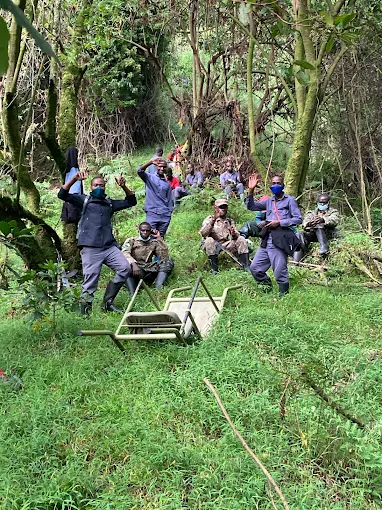
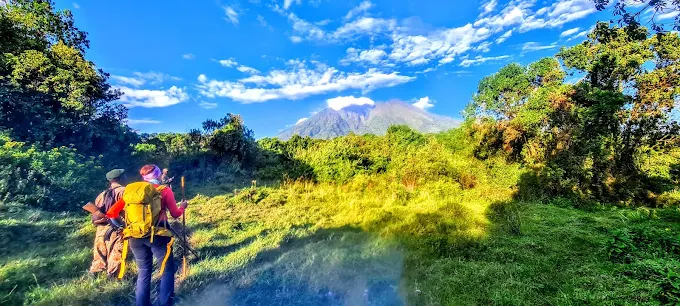
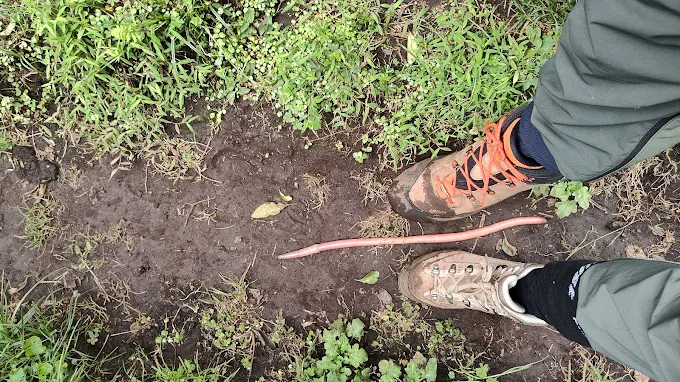
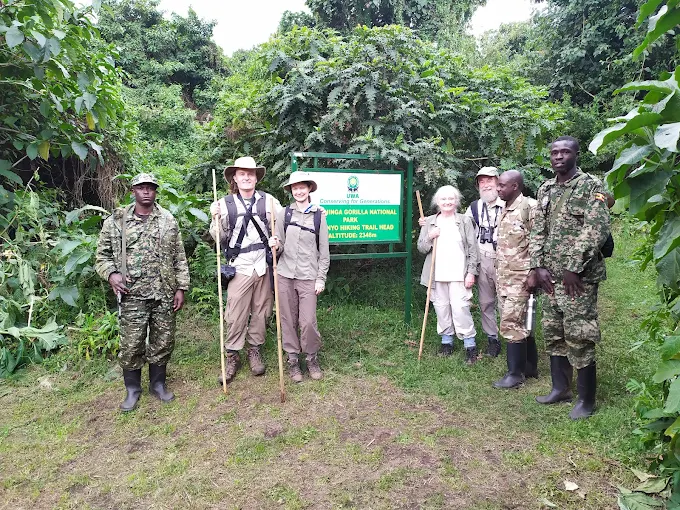
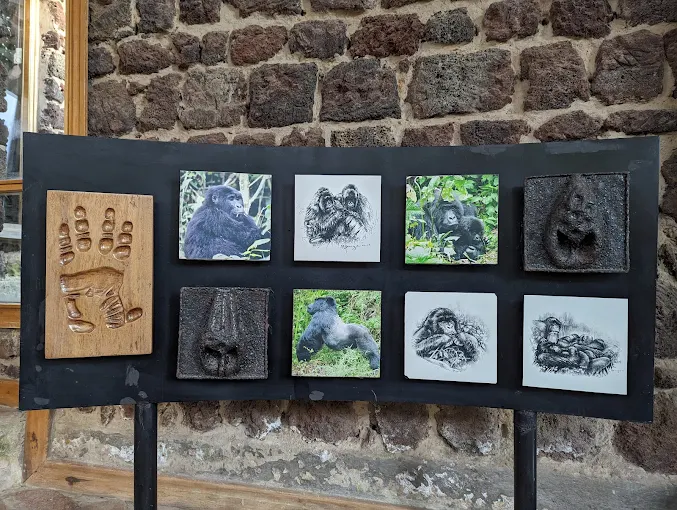
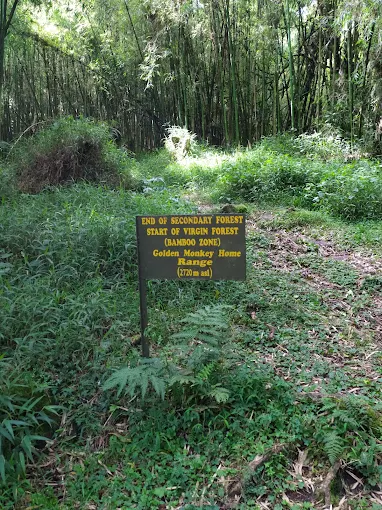
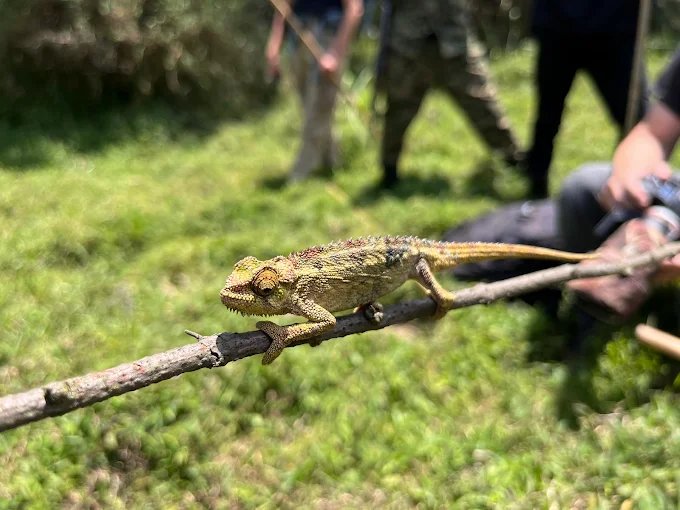
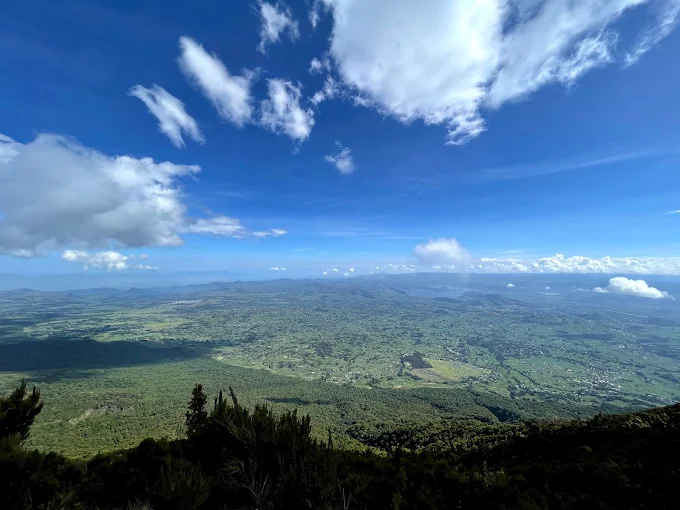
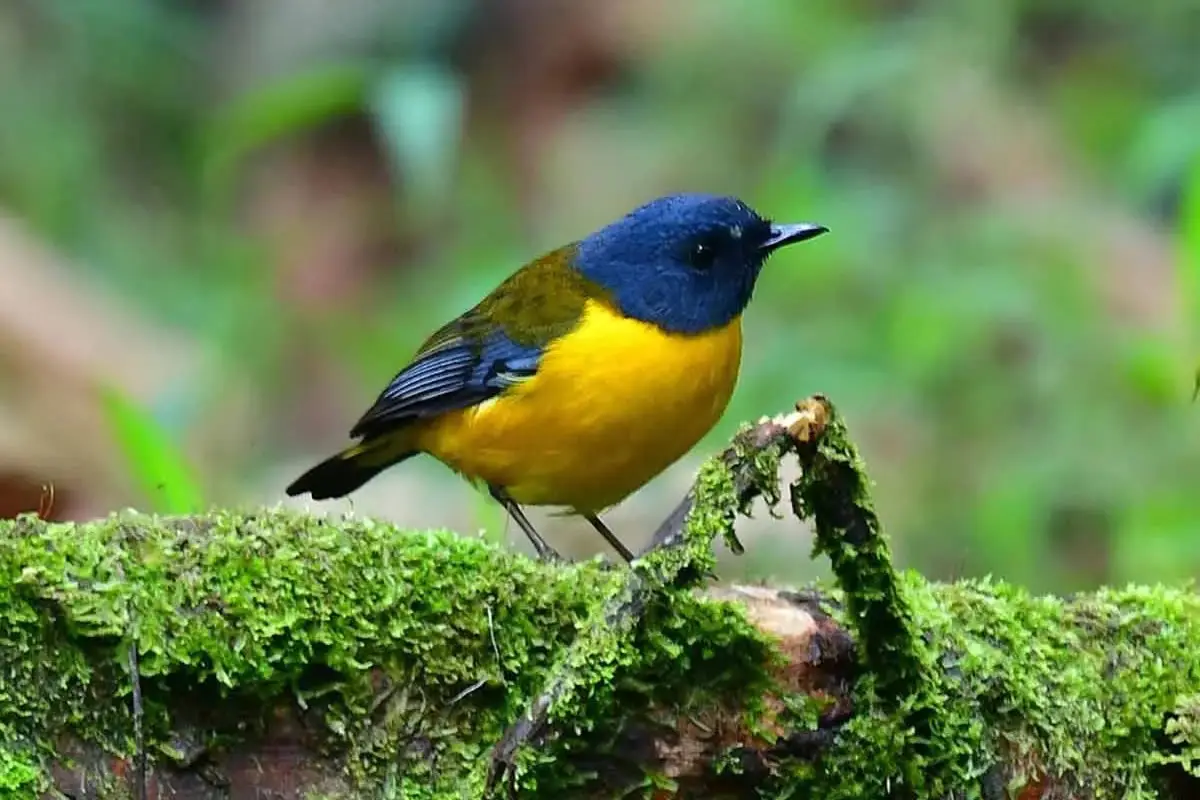
In the Realm of Giants – Bwindi & Mgahinga in Frames.
Wander through an elegant gallery capturing Uganda’s most exclusive gorilla sanctuaries, where ancient forests cradle the last mountain gorillas in a world of mist, mystery, and majesty.
Essential Planning Tips for Visiting Uganda’s National Parks.
Get ready for the wild heart of Africa with expert travel tips on when to visit, what to pack, where to go, and how to make the most of your safari across Uganda’s breathtaking national parks.
Why Uganda for Gorilla Trekking?
Uganda is not just a destination — it's the very soul of gorilla trekking. With over half of the world’s remaining mountain gorillas calling its misty forests home, Uganda offers the rarest encounters in their most authentic setting. Here, your journey is not rushed or crowded. Instead, you’re guided by experienced rangers through pristine jungles where gorillas live as they always have — wild, free, and magnificent
From insider travel insights to unforgettable trekking guides, our blog is your trusted path into Uganda’s wild heart — connecting you with mountain gorillas, breathtaking landscapes, and the soul-stirring adventures that make this land unlike any other.