

Where the soul of the forest whispers in the mist
Bigodi Wetland Sanctuary, located in Bigodi Village on the eastern edge of Kibale National Park, is a vibrant community-based ecological reserve covering approximately 4 square kilometers. Established to protect the wetland ecosystem while supporting local livelihoods, the sanctuary features a mix of seasonal swamps, papyrus marshes, and tropical forest patches. It plays a critical ecological role by filtering water, regulating floods, providing breeding grounds for wetland species, and sustaining biodiversity. Visitors can explore the sanctuary via well-maintained trails and wooden boardwalks, observing a variety of wildlife including black and white colobus monkeys, red-tailed monkeys, vervet monkeys, L’Hoest’s monkeys, and over 200 species of birds such as the great blue turaco, papyrus gonolek, and white-spotted flufftail. The sanctuary also hosts small mammals, reptiles, amphibians, and diverse butterflies, reflecting the ecological richness of Uganda’s wetlands.
Bigodi is managed and supported by the local community through the Bigodi Wetland Sanctuary Association, making it a prime example of sustainable eco-tourism. Tourism revenues fund education programs, clean water initiatives, healthcare, and conservation projects, ensuring both environmental protection and community development. Visitors can enjoy guided nature walks led by knowledgeable local guides who provide insights into plant species, primate behavior, and wetland conservation. Beyond wildlife, tourists can engage in cultural experiences such as traditional dances, coffee processing demonstrations, banana brewing, and storytelling, providing a deeper connection to local life. Easily accessible from Fort Portal and often combined with Kibale National Park chimpanzee trekking, Bigodi Wetland Sanctuary offers an unforgettable mix of biodiversity, culture, and conservation impact.
So lace up your boots, grab your camera, and prepare to meet the wild — this is where your gorilla trekking dreams and unforgettable safari adventures truly begin.
Truly Iconic Highlights in Uganda

Trek through Bwindi’s mystical rainforest and meet the endangered mountain gorillas in their breathtaking natural home.
Encounter mountain gorillas and golden monkeys on Mgahinga’s misty volcanic trails, where culture and alpine wildlife thrive together.
Unwind after your trek with a peaceful canoe ride across Lake Bunyonyi, Uganda’s most tranquil and scenic highland lake.
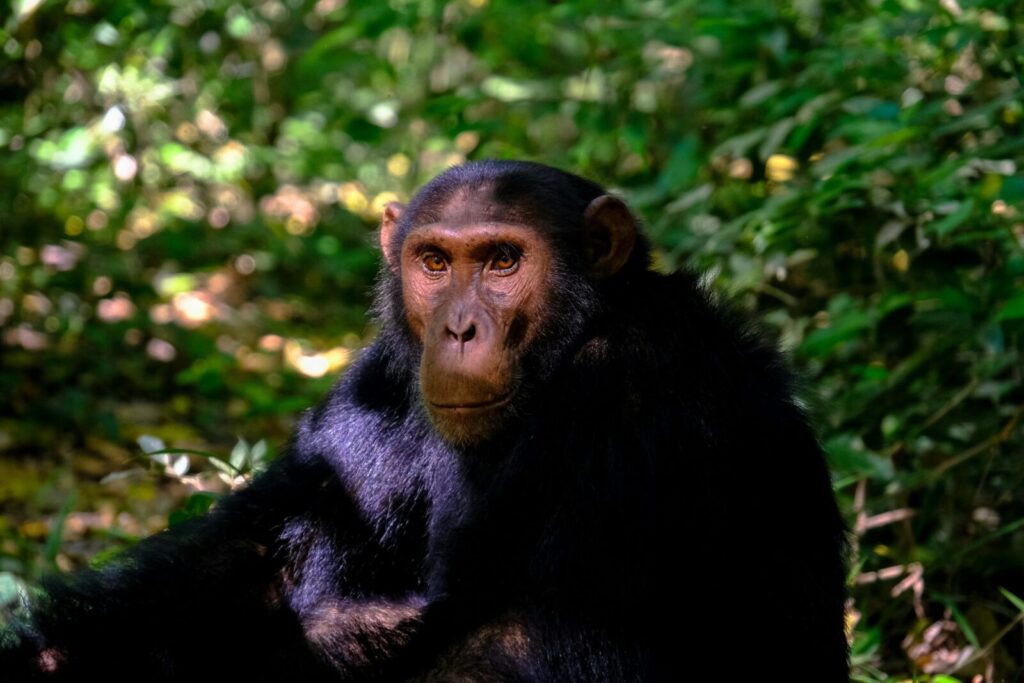
Enhance your gorilla trekking safari with an optional chimpanzee encounter in Uganda’s lush forests, adding depth and diversity to your primate adventure
Exploring Bigodi Wetland Sanctuary: Uganda’s Hub for Wildlife, Birding, and Community Tourism
Location and Accessibility
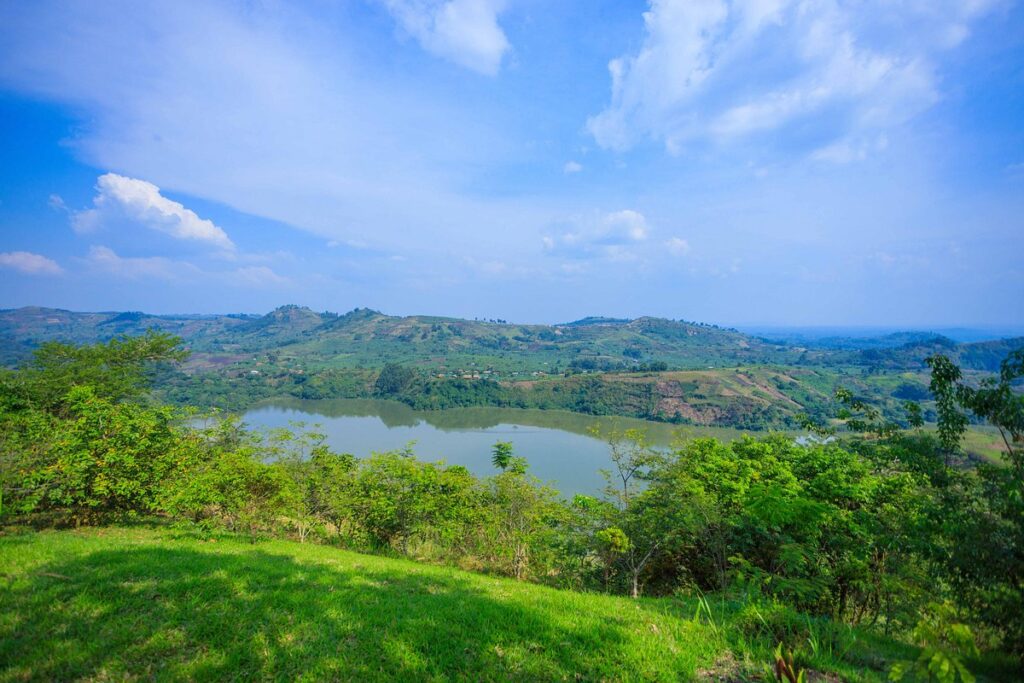
Bigodi Wetland Sanctuary is nestled within Bigodi Village, a vibrant rural community located approximately six kilometers from the Kanyanchu Visitor Centre in Kibale National Park and about thirty kilometers from Fort Portal City in western Uganda. Its strategic position near one of Uganda’s most famous national parks makes it both convenient and highly attractive for travelers seeking a more diverse nature experience. The journey to the sanctuary is smooth and scenic, passing through rolling hills, tea plantations, crater lakes, and small homesteads that reflect the charm and authenticity of rural western Uganda.
Because of its close proximity to Kibale National Park, many visitors choose to explore Bigodi immediately after completing chimpanzee trekking. This combination allows travelers to experience two distinct ecosystems within a single day, the dense tropical rainforest of Kibale and the open, water rich wetland landscape of Bigodi. The sanctuary’s accessibility ensures that it can be included in both short and extended safari itineraries, making it an ideal destination for nature lovers, birdwatchers, researchers, and eco tourists.
Landscape and Ecosystem
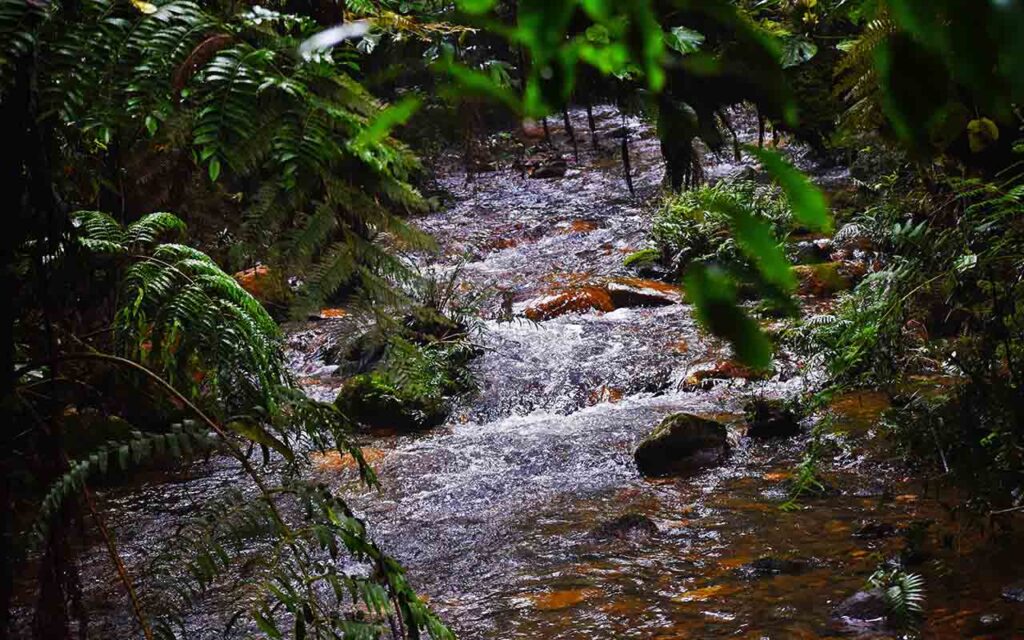
Bigodi Wetland Sanctuary encompasses an extensive stretch of seasonal swamp, papyrus marshland, and open grassland that is carefully bordered by lush tropical forest. This mosaic of habitats creates a visually captivating and ecologically dynamic environment. The wetland is not merely a scenic attraction, it is a living system that performs essential ecological functions for the surrounding region. Acting as a natural water purification system, the swamp filters sediments and pollutants, regulates water flow, and reduces the risk of flooding during heavy rains. It also contributes to climate moderation by maintaining humidity levels and supporting vegetation growth in nearby agricultural areas.
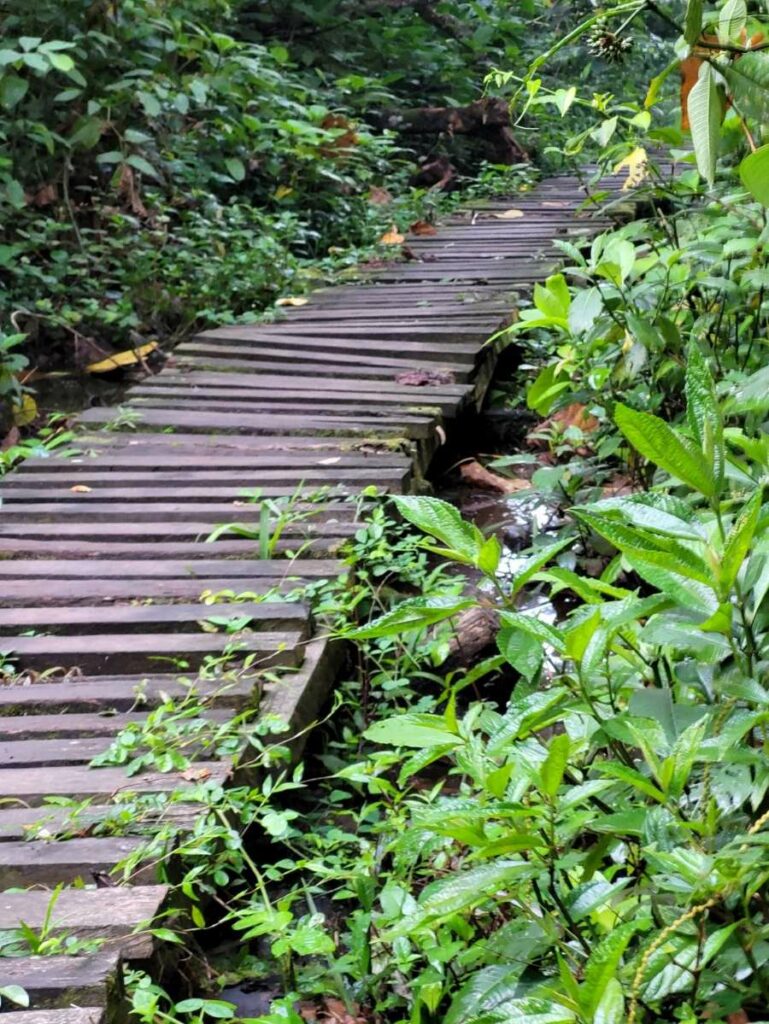
As visitors walk through the sanctuary, they are immersed in a landscape defined by towering papyrus reeds, shimmering pools of water, dense forest edges, and a chorus of natural sounds. Carefully constructed wooden boardwalks stretch across the wetter sections of the swamp, allowing exploration without disturbing the fragile ground beneath. Well maintained trails wind through grassland and forest patches, offering varied perspectives of the ecosystem. The peaceful atmosphere, punctuated by bird calls and rustling leaves, creates a deeply immersive and restorative natural experience.
Rich Biodiversity
Despite its relatively compact size, Bigodi Wetland Sanctuary is internationally recognized for its remarkable concentration of wildlife. The diversity found within this small protected area demonstrates the immense ecological value of wetlands when they are conserved and managed responsibly. Each visit offers a sense of discovery, as the sanctuary supports a wide range of species that coexist within its layered habitats.
Primates are among the most visible and engaging residents of the sanctuary. Several species inhabit the forest fringes and surrounding vegetation, frequently observed during guided walks. Black and white colobus monkeys move gracefully through the canopy, their long flowing tails creating striking silhouettes against the sky. Red tailed monkeys add bursts of color and energy as they leap between branches. L’Hoest’s monkeys, often more reserved, navigate the undergrowth with cautious movements, while vervet monkeys are commonly seen foraging and interacting socially near the trails. Observing these primates in a wetland environment provides a unique complement to chimpanzee encounters in Kibale National Park, broadening visitors’ understanding of Uganda’s rich primate heritage.
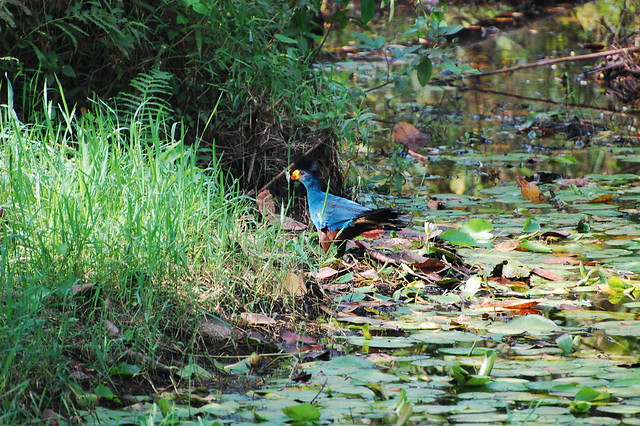
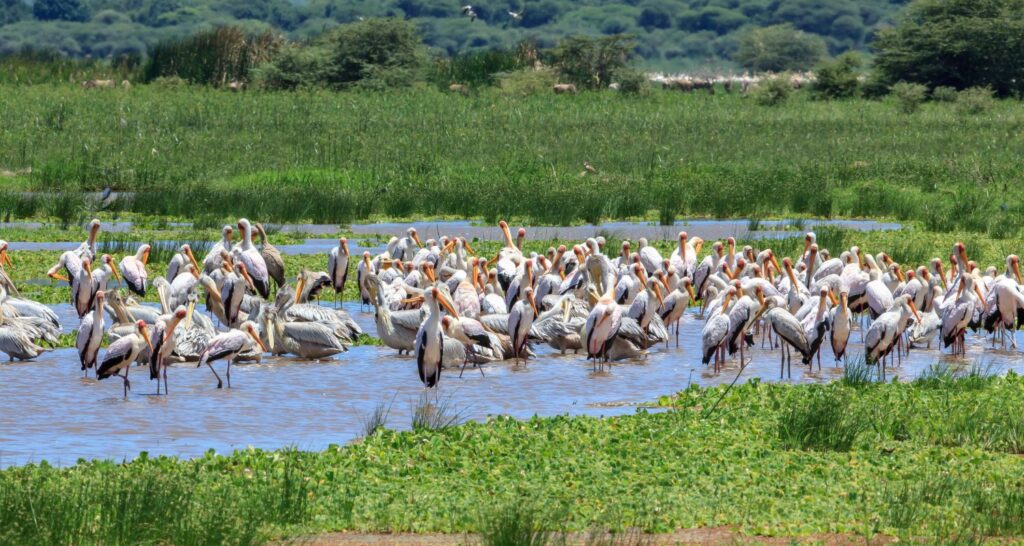
Birdlife is perhaps the sanctuary’s most celebrated feature. With over two hundred recorded bird species, Bigodi stands out as one of the premier birdwatching destinations in western Uganda. The striking great blue turaco, with its vivid plumage and distinctive call, often captures immediate attention. Bird enthusiasts are particularly excited by sightings of the rare papyrus gonolek and the secretive white spotted flufftail, both closely associated with wetland habitats. Yellow billed barbets, various hornbill species, and brilliantly colored kingfishers further enrich the avian diversity. The sanctuary’s wetlands provide critical breeding and feeding grounds, while seasonal migrations introduce additional species during certain times of the year. This abundance of birdlife transforms each walk into a dynamic and rewarding experience for both amateur and experienced birdwatchers.
Beyond primates and birds, the sanctuary supports a variety of reptiles basking near water edges, amphibians thriving in the moist undergrowth, countless butterfly species fluttering among flowering plants, and small mammals quietly navigating the vegetation. Together, these species form a balanced ecological network that highlights the importance of wetland conservation in Uganda.
Guided Nature Walk Experience
All visits to Bigodi Wetland Sanctuary are conducted under the guidance of trained local experts whose knowledge significantly enriches the experience. The guided nature walk typically lasts between two and three hours, providing ample time to explore the sanctuary at a relaxed pace. During the walk, guides share detailed explanations about plant species, traditional medicinal herbs, ecological interactions, and bird behaviors. They often demonstrate how certain plants are used in local healing practices or explain how specific bird calls signal territorial behavior or mating rituals.
Their deep understanding of the landscape extends beyond scientific facts, incorporating cultural narratives and personal experiences that create a meaningful connection between visitors and the community. Each guided walk is slightly different, shaped by seasonal changes, wildlife movements, and the interests of the group. This personalized and educational approach transforms the sanctuary into both a classroom and a living laboratory of wetland ecology.
Community Based Conservation
One of the most inspiring aspects of Bigodi Wetland Sanctuary is its strong foundation in community ownership and participatory conservation. The sanctuary is managed by the Bigodi Wetland Sanctuary Association, a local initiative that ensures tourism directly benefits the people who live around the wetland. Rather than external management, the project empowers residents to protect and sustainably utilize their natural resources.
Revenue generated from visitor fees is reinvested into community development initiatives that improve quality of life while reinforcing conservation goals. These initiatives support local schools, enhance access to clean water, strengthen health services, and promote environmental education programs. This integrated approach ensures that conservation is not viewed as a restriction, but as a pathway to social and economic development. By visiting the sanctuary, travelers actively contribute to sustainable livelihoods and help secure the long term protection of this vital ecosystem.
Cultural Experiences
In addition to its ecological attractions, Bigodi Village offers rich cultural experiences that deepen the overall journey. Visitors have opportunities to participate in traditional dance performances that celebrate local heritage and storytelling traditions. Coffee processing demonstrations allow guests to follow the journey of coffee from raw beans to a freshly brewed cup, gaining appreciation for one of Uganda’s important agricultural products. Demonstrations of banana brewing techniques reveal the cultural significance of locally produced beverages, while storytelling sessions provide insight into customs, beliefs, and daily life in the community.
These cultural engagements foster mutual understanding and respect, while generating supplementary income for families involved in tourism activities. The combination of environmental exploration and authentic cultural interaction makes Bigodi Wetland Sanctuary a holistic destination that reflects both natural and human heritage.
Best Time to Visit
Bigodi Wetland Sanctuary can be explored throughout the year, as each season offers its own distinctive character. The dry periods from December to February and from June to September generally provide firmer trails and more comfortable walking conditions. Clearer skies during these months often enhance photography and wildlife viewing opportunities. However, the wet seasons bring lush vegetation, fuller water channels, and an influx of migratory bird species that add further richness to the sanctuary’s biodiversity.
Regardless of the season, Bigodi maintains its tranquil charm and ecological vibrancy. Whether visited under bright sunshine or gentle rainfall, the sanctuary consistently offers a serene and educational encounter with Uganda’s remarkable wetland landscapes.
More Kibale Information to Know.
Kibale National Park is a lush, lowland rainforest in western Uganda, defined by dense tropical forest and rolling hills. Its warm, humid climate, rich vegetation, diverse primate population, chimpanzee habitat, and strong conservation focus make it a unique and rewarding destination for primate and nature experiences.
How To Get To Kibale Forest
How To Get To Kibale Forest
Amebere Ga Nyinamwiru Caves
Amebere Ga Nyinamwiru Caves
Kibale Climate
Kibale Climate
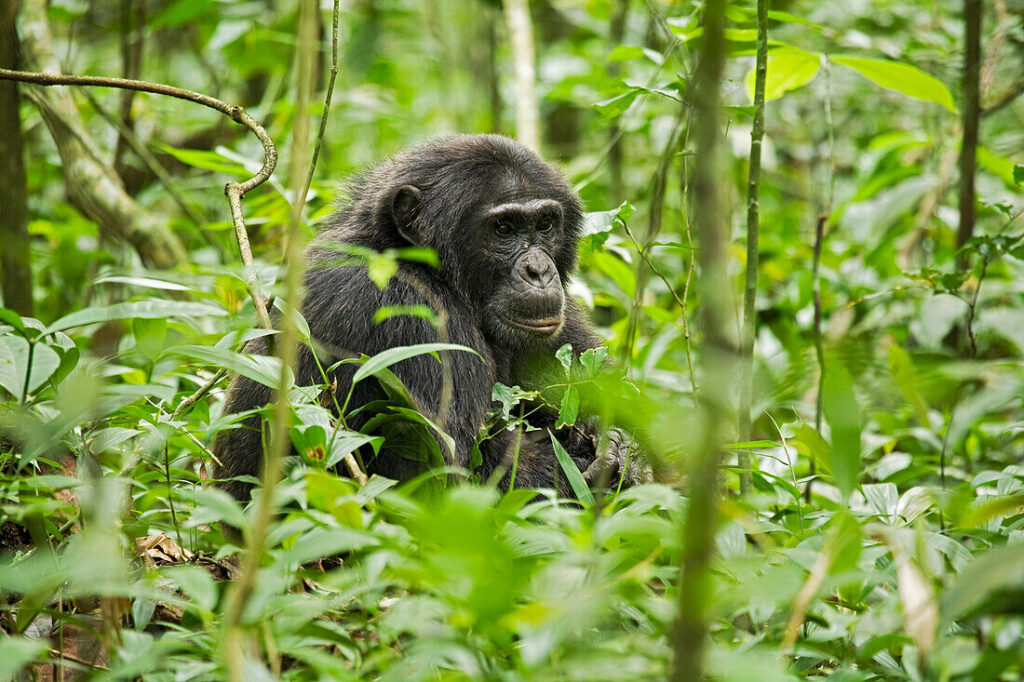
The Ngogo Chimpanzee Project
The Ngogo Chimpanzee Project
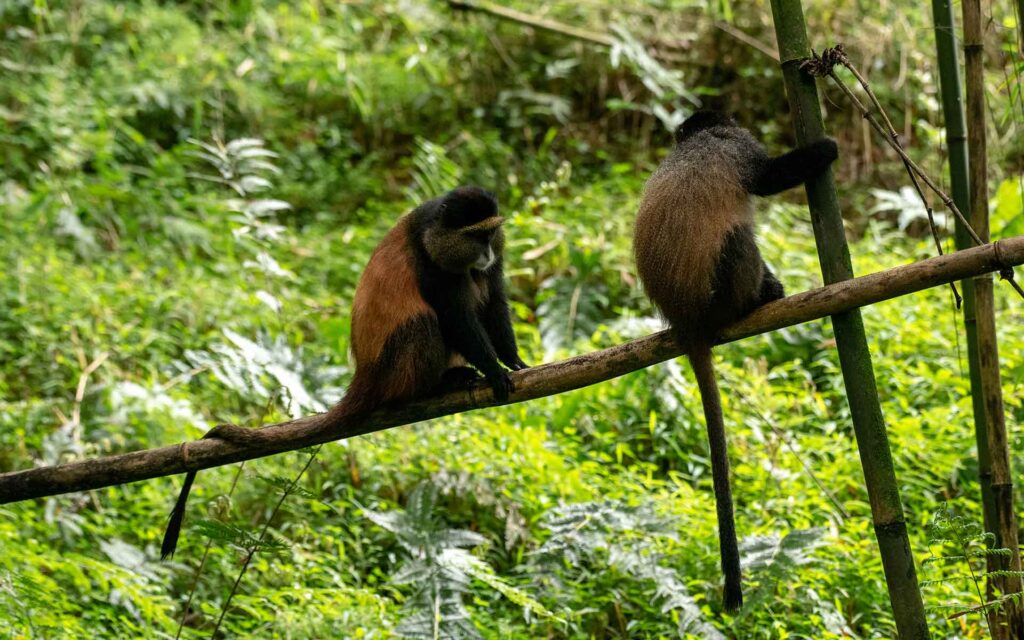
Kibale History
Kibale History
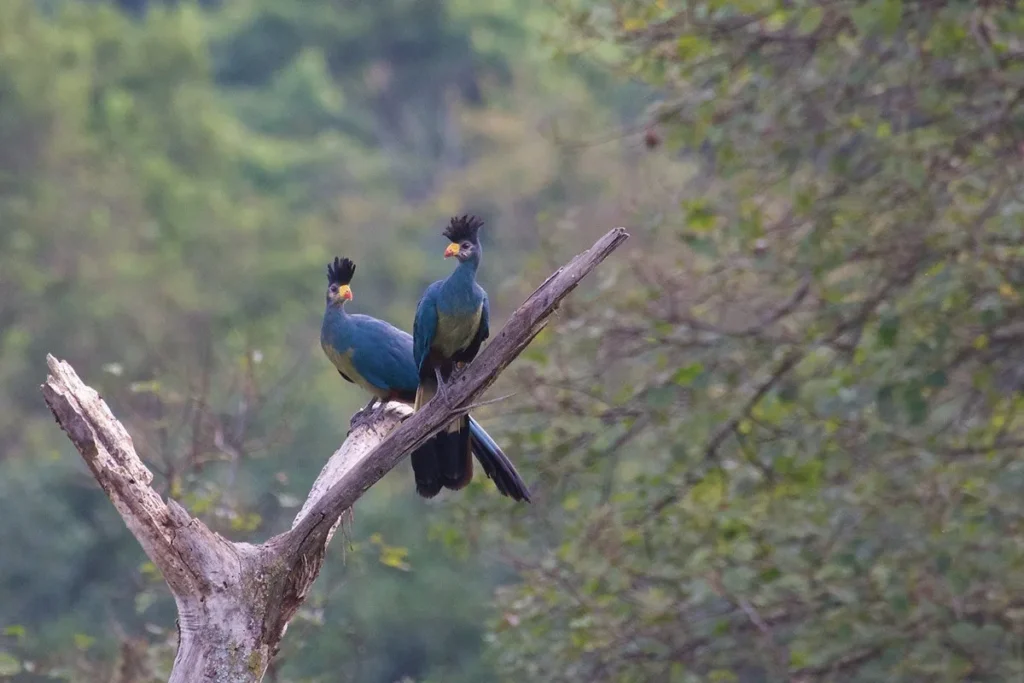
Kibale Vegetation
Kibale Vegetation
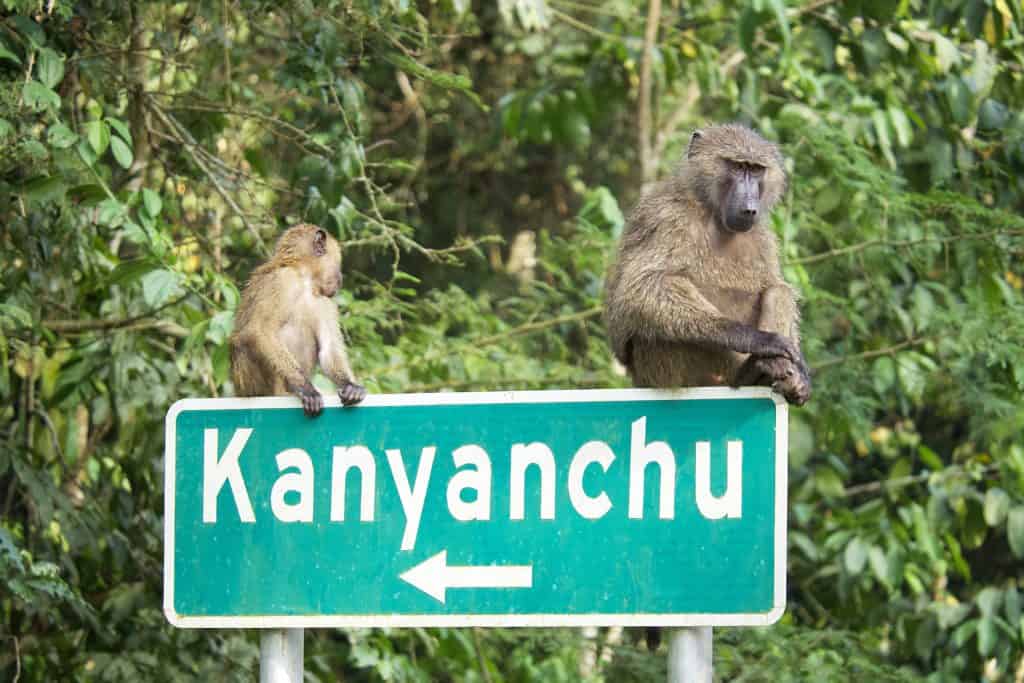
Kanyanchu Visitors’ Center
Kanyanchu Visitors’ Center
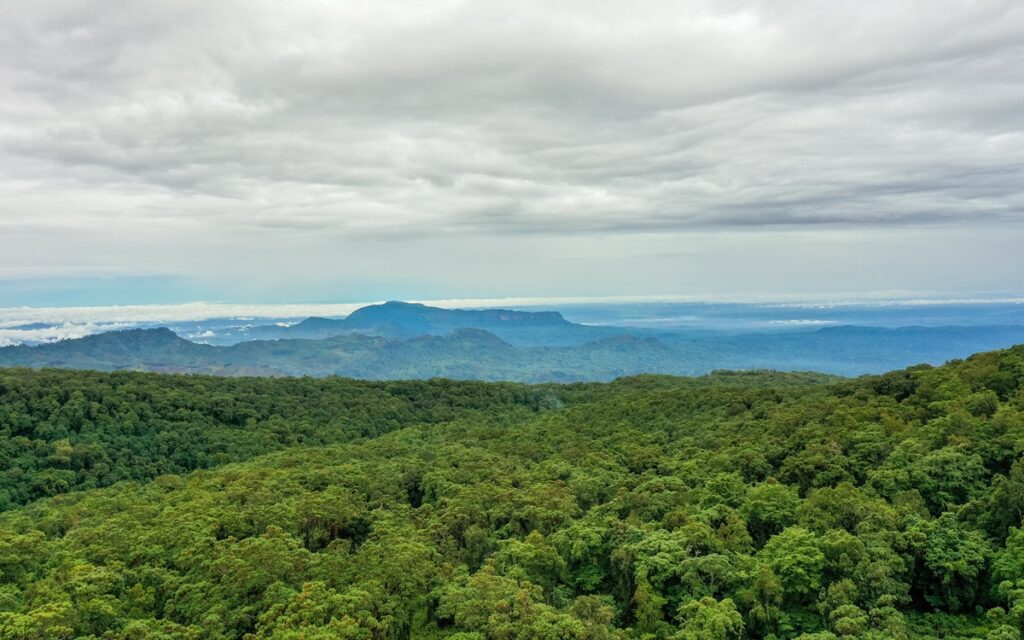
Kibale Geography
Kibale Geography
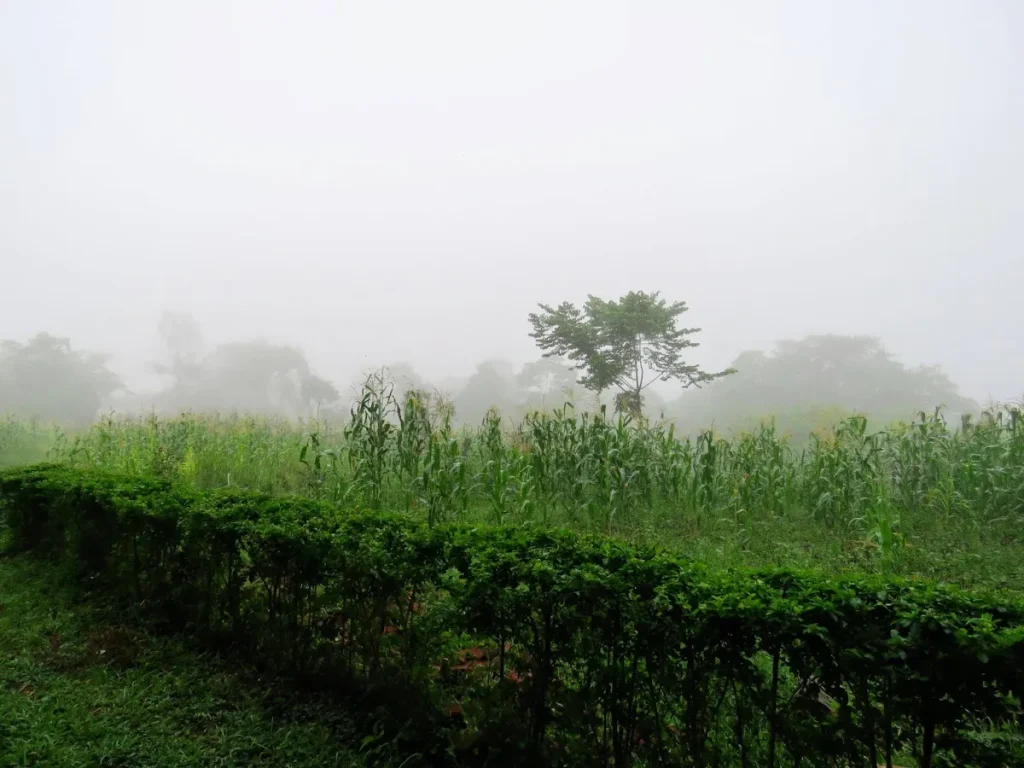
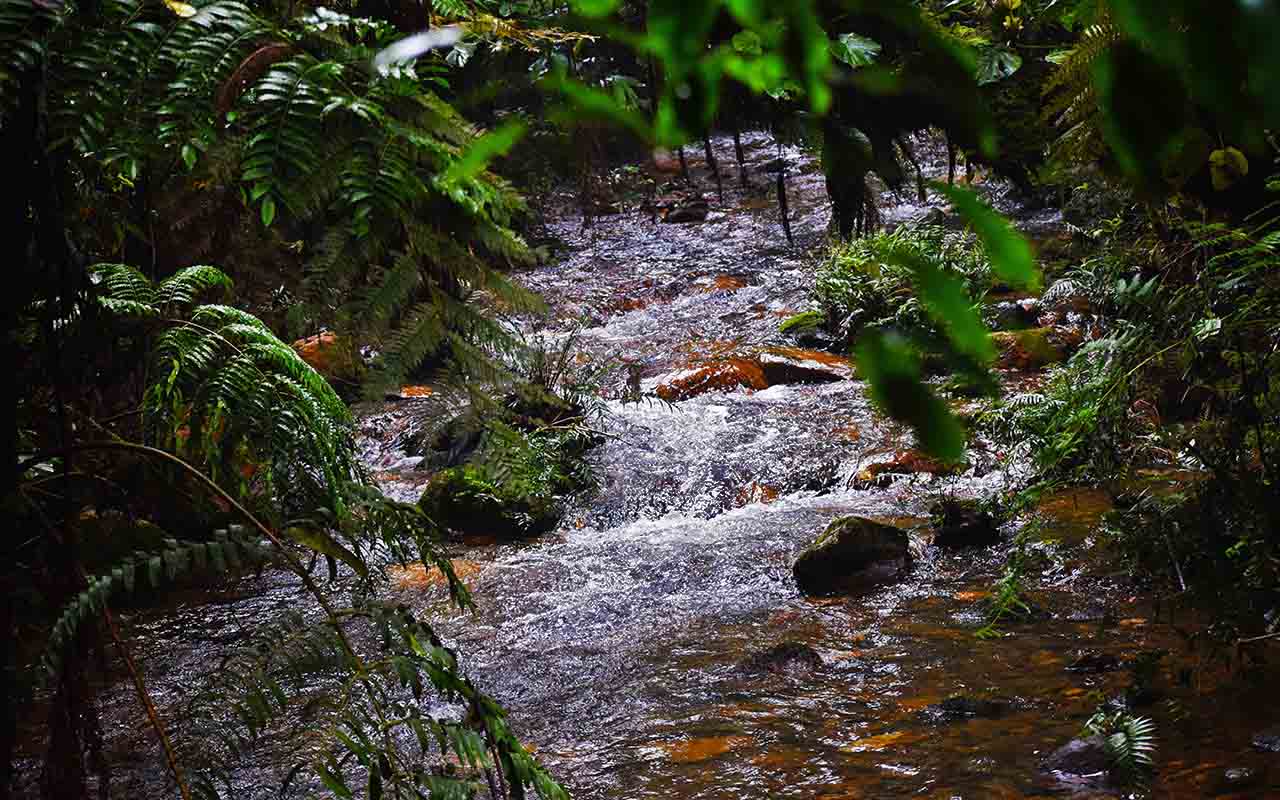
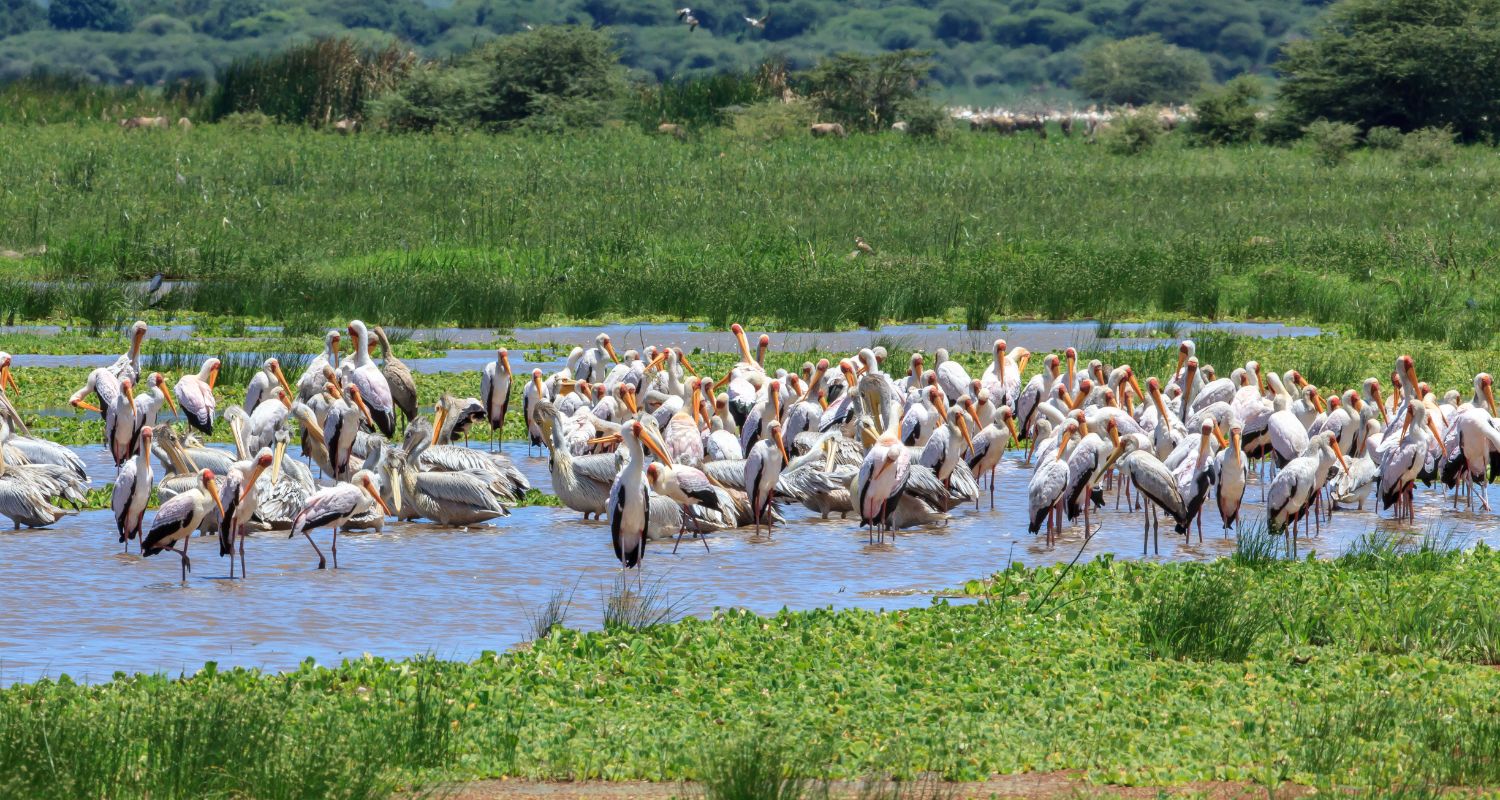
In the Realm of Giants – Kibale in Frames.
Essential Planning Tips for Visiting Uganda’s National Parks.
Get ready for the wild heart of Africa with expert travel tips on when to visit, what to pack, where to go, and how to make the most of your safari across Uganda’s breathtaking national parks.
Why Uganda for Gorilla Trekking?
Uganda is not just a destination — it's the very soul of gorilla trekking. With over half of the world’s remaining mountain gorillas calling its misty forests home, Uganda offers the rarest encounters in their most authentic setting. Here, your journey is not rushed or crowded. Instead, you’re guided by experienced rangers through pristine jungles where gorillas live as they always have — wild, free, and magnificent
From insider travel insights to unforgettable trekking guides, our blog is your trusted path into Uganda’s wild heart — connecting you with mountain gorillas, breathtaking landscapes, and the soul-stirring adventures that make this land unlike any other.