

Where the soul of the forest whispers in the mist
Rwanda’s climate is defined by its high elevation, equatorial location, and rolling mountainous landscape. Despite being close to the equator, the country does not experience extreme heat due to its altitude, which averages between 1,200 and 2,500 meters above sea level. Temperatures remain relatively stable throughout the year, typically ranging between 15°C and 27°C depending on the region. Cooler conditions are found in higher-altitude areas, especially in the northwest near the Virunga Mountains.
Rather than four traditional seasons, Rwanda experiences two rainy seasons and two dry seasons. These rainfall patterns shape travel planning, agriculture, and wildlife experiences. While Rwanda is considered a year-round destination, understanding how each season affects gorilla trekking, safari visibility, and road conditions is essential for strategic trip planning.
So lace up your boots, grab your camera, and prepare to meet the wild — this is where your gorilla trekking dreams and unforgettable safari adventures truly begin.
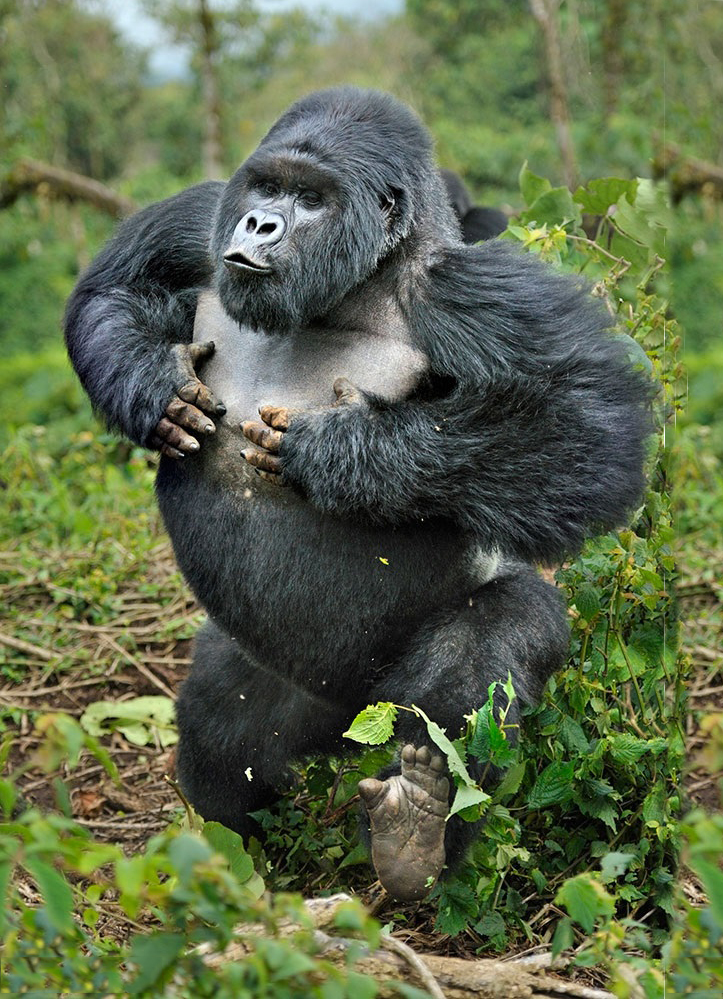
Truly Iconic Highlights in Uganda

Trek through Bwindi’s mystical rainforest and meet the endangered mountain gorillas in their breathtaking natural home.
Encounter mountain gorillas and golden monkeys on Mgahinga’s misty volcanic trails, where culture and alpine wildlife thrive together.
Unwind after your trek with a peaceful canoe ride across Lake Bunyonyi, Uganda’s most tranquil and scenic highland lake.
Enhance your gorilla trekking safari with an optional chimpanzee encounter in Uganda’s lush forests, adding depth and diversity to your primate adventure
Understanding Rwanda’s Climate and Travel Seasons
Rwanda’s Dry Seasons
Long Dry Season (June to September)
The long dry season is widely regarded as the best time to visit Rwanda. Rainfall is minimal, skies are clearer, and hiking trails remain firm underfoot. Conditions are ideal for gorilla trekking in Volcanoes National Park, as forest paths are less muddy and visibility improves.
This period also enhances wildlife viewing in Akagera National Park, where animals gather around water sources. Temperatures during this season are comfortable, with cool mornings and evenings, particularly in highland regions.
Tourism demand peaks between July and September, so early booking is recommended.
Short Dry Season (December to February)
The short dry season offers another favorable travel window. Conditions remain relatively dry, although occasional showers may occur. Gorilla trekking and chimpanzee tracking in Nyungwe National Park are manageable, and landscapes remain lush from previous rains.
January and February are particularly popular for travelers seeking fewer crowds than mid-year peak season.
Rwanda’s Rainy Seasons
Long Rainy Season (March to May)
This is Rwanda’s wettest period. Heavy afternoon rains are common, and forest trails can become slippery, especially in mountainous regions. Travel remains possible, but trekking requires good preparation.
However, this season offers advantages:
- Lush, vibrant landscapes
- Fewer tourists
- Better lodge availability
- Potential promotional rates
Photographers often appreciate the dramatic green scenery and mist-covered hills.
Short Rainy Season (October to November)
Rainfall returns in shorter bursts, often in the late afternoon. Trekking is still feasible, but muddy conditions can slow movement. Wildlife viewing in savannah areas becomes slightly more dispersed as water sources increase.
This season suits travelers prioritizing lower costs and quieter parks.
Temperature Variations by Region
Kigali and central plateau: Moderate temperatures year-round, averaging 20–27°C during the day.
Volcanoes region (northwest): Cooler due to altitude, especially in early mornings.
Nyungwe Forest (southwest): High rainfall levels with misty, humid conditions.
Akagera (east): Warmer and slightly drier than the rest of the country.
Best Time to Visit Rwanda
For gorilla trekking and hiking: June–September and December–February offer the most stable conditions.
For lower travel costs and fewer crowds: March–May and October–November may provide better value.
Rwanda remains a year-round destination. Climate shifts influence comfort and trail conditions more than overall feasibility.
More Information About Uganda to Know.
Uganda is a culturally rich and naturally diverse country, home to vibrant traditions, stunning landscapes, and welcoming people. From its deep history to its thriving wildlife and modern identity, Uganda truly stands as the Pearl of Africa.
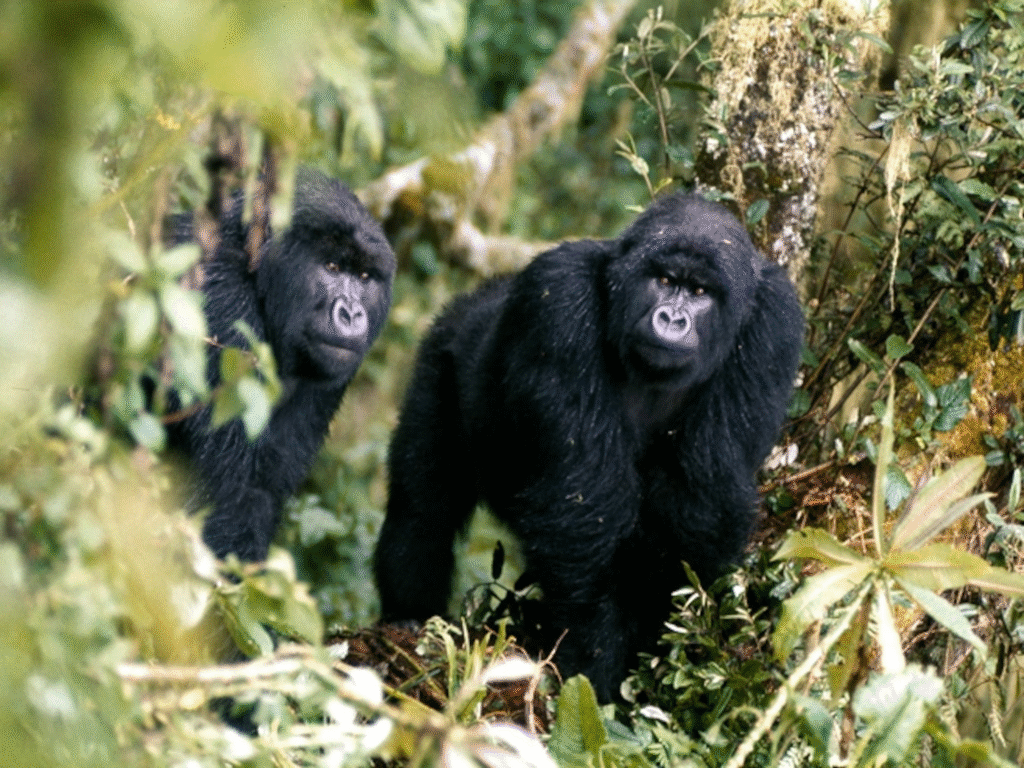
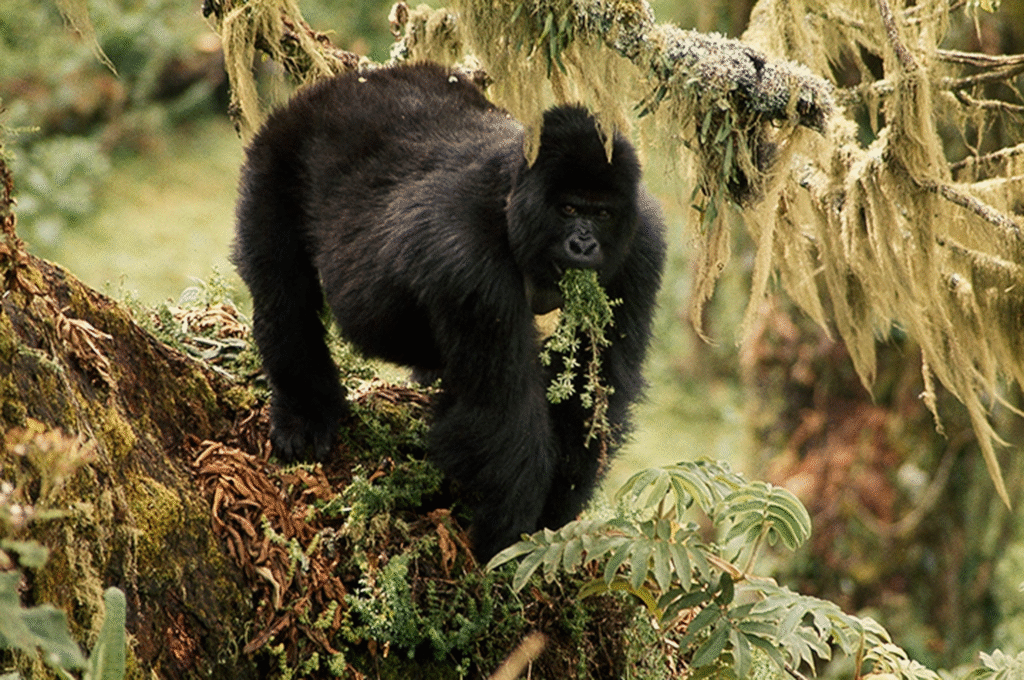
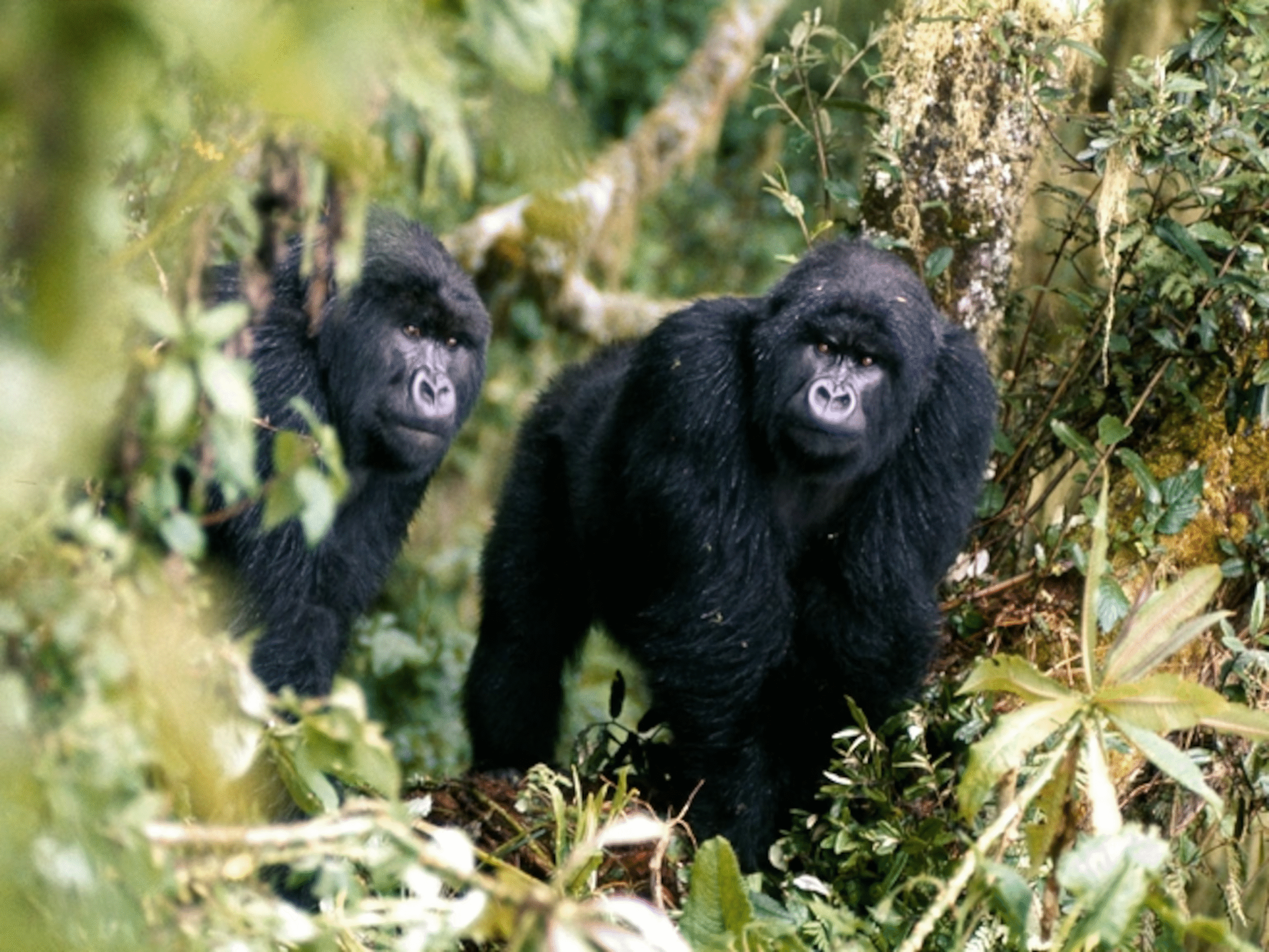
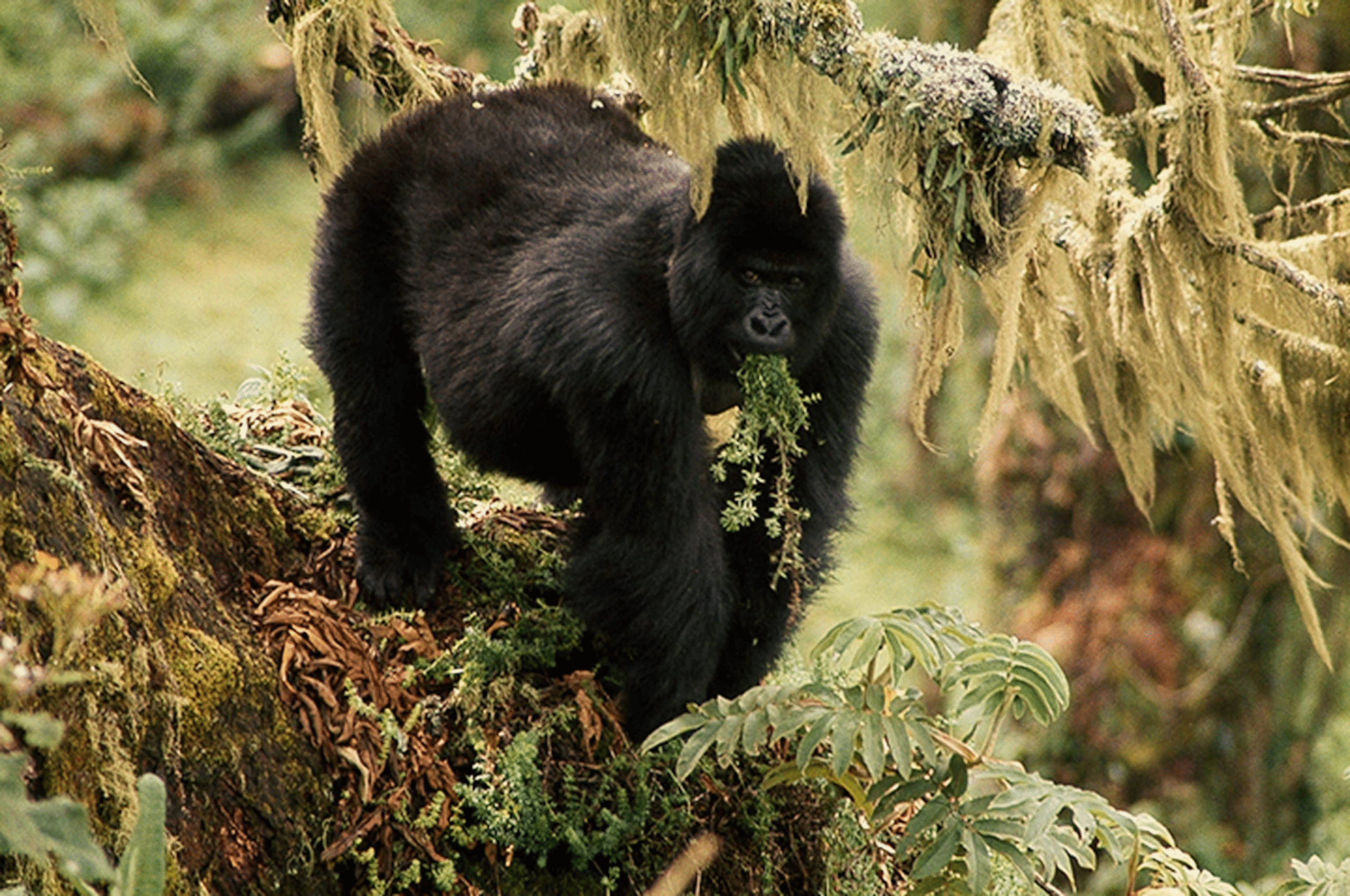
In the Realm of Giants – Bwindi & Mgahinga in Frames.
Wander through an elegant gallery capturing Uganda’s most exclusive gorilla sanctuaries, where ancient forests cradle the last mountain gorillas in a world of mist, mystery, and majesty.

Essential Planning Tips for Visiting Uganda’s National Parks.
Get ready for the wild heart of Africa with expert travel tips on when to visit, what to pack, where to go, and how to make the most of your safari across Uganda’s breathtaking national parks.
Why Uganda for Gorilla Trekking?
Uganda is not just a destination — it's the very soul of gorilla trekking. With over half of the world’s remaining mountain gorillas calling its misty forests home, Uganda offers the rarest encounters in their most authentic setting. Here, your journey is not rushed or crowded. Instead, you’re guided by experienced rangers through pristine jungles where gorillas live as they always have — wild, free, and magnificent
From insider travel insights to unforgettable trekking guides, our blog is your trusted path into Uganda’s wild heart — connecting you with mountain gorillas, breathtaking landscapes, and the soul-stirring adventures that make this land unlike any other.