

Where the soul of the forest whispers in the mist
Kibale National Park history reflects Uganda’s rich conservation heritage and the transformation of tropical forests into protected wildlife reserves. Located in western Uganda near Fort Portal, the area that is now Kibale was originally a mix of forest, wetlands, and human settlements used for small-scale farming and hunting. In the 1930s, the region gained attention for its remarkable biodiversity, particularly its chimpanzee populations and primate diversity. The park was officially gazetted in 1993, covering 766 square kilometers to protect its unique rainforest ecosystem, wildlife species, and wetlands. Over time, Kibale has become one of East Africa’s premier research and tourism destinations, renowned for its chimpanzee trekking, birdwatching, and conservation projects.
The history of Kibale is not only ecological but also cultural. The surrounding communities have lived alongside the forest for generations, depending on it for food, medicinal plants, and water. Community engagement has always been central to Kibale’s conservation approach, ensuring that local populations benefit from tourism and protection efforts. Over the years, Kibale has hosted several long-term research projects, including the Ngogo Chimpanzee Project and Bigodi Wetland Sanctuary studies, helping to document primate behavior, forest ecology, and the impact of human activity on tropical ecosystems. This rich history of research, conservation, and sustainable tourism continues to shape Kibale National Park as a model for wildlife protection in Uganda.
So lace up your boots, grab your camera, and prepare to meet the wild — this is where your gorilla trekking dreams and unforgettable safari adventures truly begin.
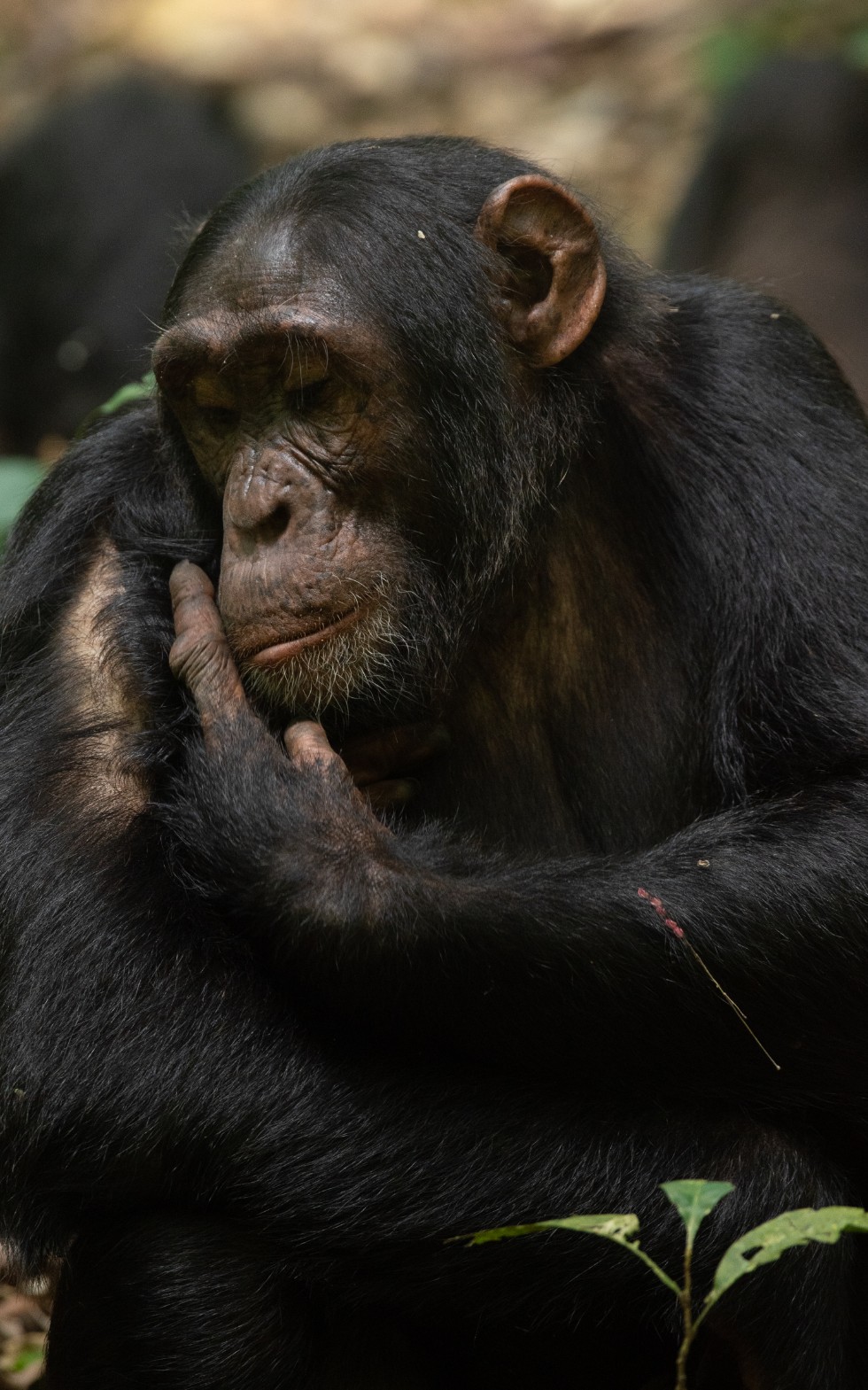
Truly Iconic Highlights in Uganda

Trek through Bwindi’s mystical rainforest and meet the endangered mountain gorillas in their breathtaking natural home.
Encounter mountain gorillas and golden monkeys on Mgahinga’s misty volcanic trails, where culture and alpine wildlife thrive together.
Unwind after your trek with a peaceful canoe ride across Lake Bunyonyi, Uganda’s most tranquil and scenic highland lake.
Enhance your gorilla trekking safari with an optional chimpanzee encounter in Uganda’s lush forests, adding depth and diversity to your primate adventure
Kibale Forest Uganda: Chimpanzee Trekking and Nature Safaris
Early History and Forest Significance
Long before Kibale was granted official protection, its vast tropical forest stood as a lifeline for surrounding communities. For generations, indigenous groups depended on the forest’s abundance for survival and cultural continuity. It provided wild fruits, edible plants, bush meat, medicinal herbs, and timber for constructing homes and tools. The forest was not simply a resource base, it was woven into daily life, spiritual beliefs, and traditional knowledge systems. Small scale agriculture developed along its edges, while careful harvesting practices helped maintain a delicate balance between human needs and ecological sustainability.
In the early twentieth century, colonial administrators began to recognize the ecological value of Kibale’s dense rainforest. Beyond its economic potential, the forest drew attention for its remarkable concentration of wildlife, particularly primates. Early wildlife surveys carried out in the 1930s and 1940s identified Kibale as one of East Africa’s most important strongholds for chimpanzees, red tailed monkeys, and black and white colobus monkeys. These findings elevated the forest’s status within conservation discussions and laid the foundation for its eventual protection. Even at this early stage, Kibale was emerging as a landscape of scientific and ecological significance.
Transition Toward Protection and Formal Recognition
As population growth and agricultural expansion increased pressure on forest resources during the mid twentieth century, concerns about deforestation and wildlife loss became more urgent. Portions of the forest were subjected to logging and encroachment, threatening fragile habitats and species diversity. Conservation advocates and researchers emphasized the need for structured management to prevent irreversible degradation.
These growing concerns ultimately led to formal conservation action. In 1993, Kibale was officially gazetted as a national park under Uganda’s National Parks Act. This legal recognition marked a transformative moment in the forest’s history. The gazettement aimed to safeguard the rainforest ecosystem from unchecked deforestation, illegal hunting, and expanding agricultural settlements. The establishment of the park was not an isolated decision, it involved coordinated efforts between the Uganda Wildlife Authority, conservation organizations, researchers, and local communities. The goal was to create a sustainable framework that balanced biodiversity protection with the realities of human livelihoods in surrounding areas.
Growth of Eco Tourism and Sustainable Development
Following its official designation as a national park, Kibale rapidly developed into one of Uganda’s leading eco tourism destinations. The protection of the forest opened opportunities for regulated activities such as chimpanzee trekking, guided primate walks, birdwatching excursions, and nature photography. These experiences attracted both international and domestic travelers, transforming Kibale into a vital contributor to Uganda’s tourism economy.
Revenue generated from tourism has played a critical role in supporting park management, infrastructure development, and community outreach programs. By channeling financial benefits toward surrounding villages, the park’s management has strengthened relationships between conservation authorities and local residents. This model of eco tourism demonstrates how environmental preservation can coexist with economic growth, ensuring that the forest remains both protected and productive for future generations.
Scientific Research and Conservation Milestones
Kibale’s global reputation is deeply connected to its long history of scientific research. The forest has served as a living laboratory for primatologists, ecologists, and conservation scientists from around the world. Research initiatives such as the Ngogo Chimpanzee Project and the Kibale Primate Project have provided decades of continuous observation and data collection. These studies have generated valuable insights into chimpanzee social structures, territorial behavior, communication patterns, and population dynamics.
Beyond primates, research in Kibale has explored forest regeneration, climate interactions, plant biodiversity, and the complex relationships between species within the ecosystem. Findings from these projects have influenced conservation strategies not only in Uganda but across Africa. The knowledge gained has strengthened global understanding of tropical rainforest ecosystems and reinforced the importance of long term habitat protection.
Community based conservation efforts have also emerged alongside scientific initiatives. Projects such as the Bigodi Wetland Sanctuary were developed to ensure that conservation benefits extend beyond park boundaries. By linking tourism revenue with community development, these initiatives promote sustainable resource management and encourage local stewardship of natural environments.
Cultural Heritage and Community Connections
Kibale National Park is surrounded by diverse ethnic communities whose histories are closely tied to the forest landscape. The Bakiga, Batooro, and other local groups have long interacted with the forest in ways that reflect deep ecological knowledge and cultural tradition. Their understanding of medicinal plants, wildlife behavior, and seasonal cycles has contributed significantly to the region’s heritage.
Today, conservation efforts increasingly recognize the importance of integrating cultural identity into environmental protection. Educational programs, cultural tourism experiences, and community partnerships ensure that local voices remain central to the park’s future. Rather than separating people from nature, Kibale’s conservation model seeks to harmonize human heritage with biodiversity preservation. The forest continues to serve as a source of livelihood, knowledge, and pride, reinforcing its role not only as a biological treasure but also as a living symbol of cultural continuity.
More Kibale Information to Know.
Kibale National Park is a lush, lowland rainforest in western Uganda, defined by dense tropical forest and rolling hills. Its warm, humid climate, rich vegetation, diverse primate population, chimpanzee habitat, and strong conservation focus make it a unique and rewarding destination for primate and nature experiences.
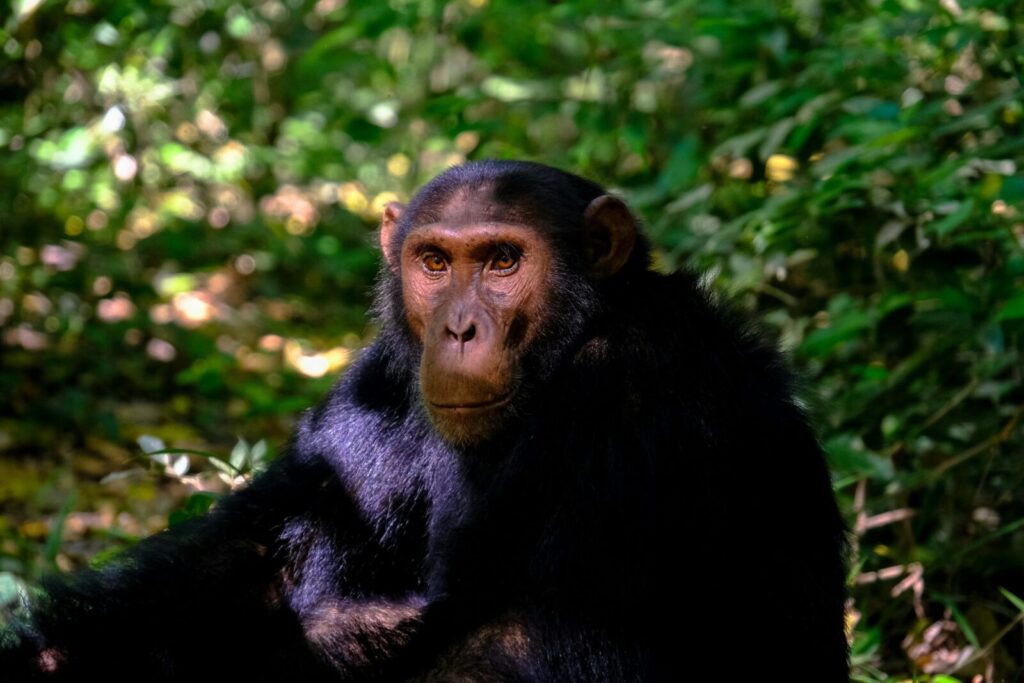
How To Get To Kibale Forest
How To Get To Kibale Forest

Amebere Ga Nyinamwiru Caves
Amebere Ga Nyinamwiru Caves
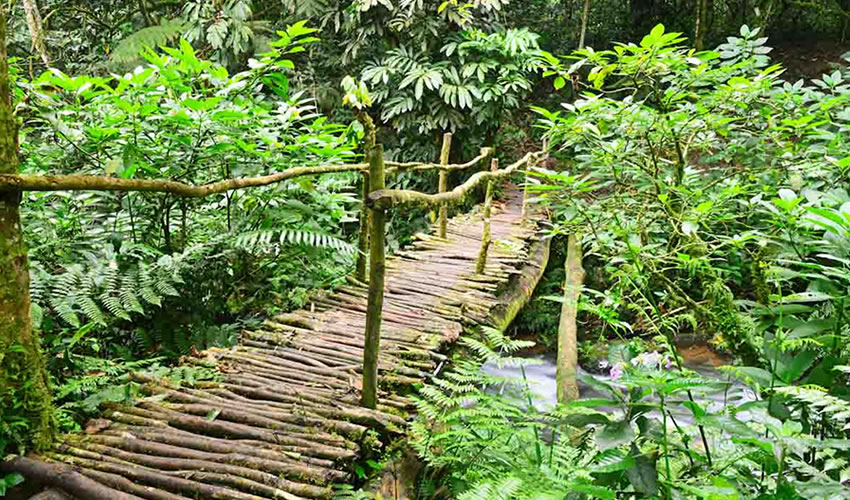
Bigodi Wetland Sanctuary
Bigodi Wetland Sanctuary
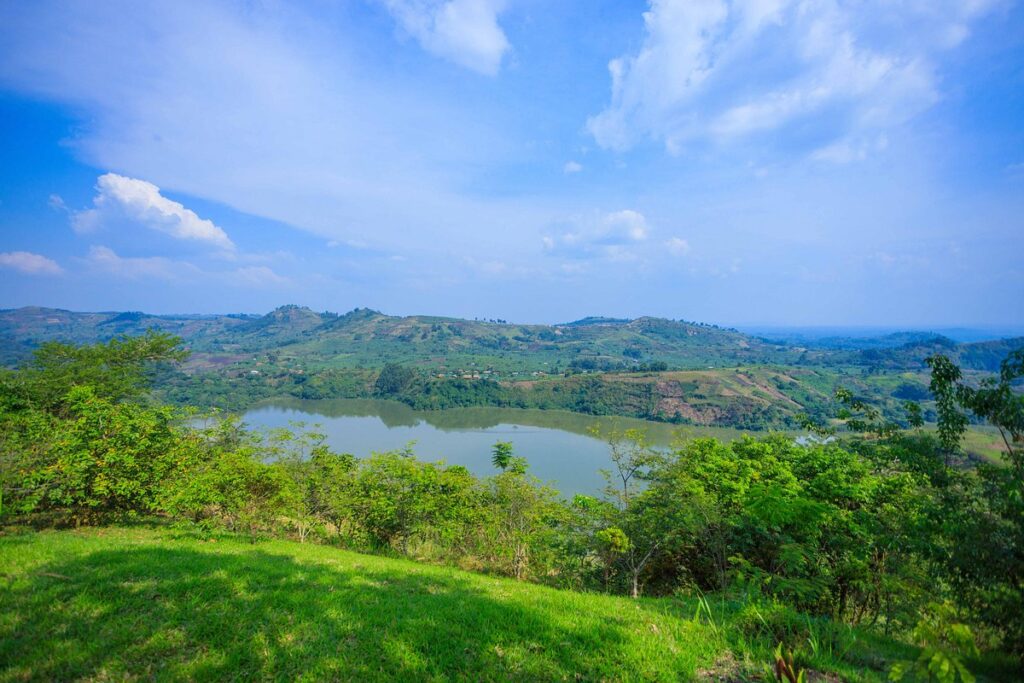
Kibale Climate
Kibale Climate
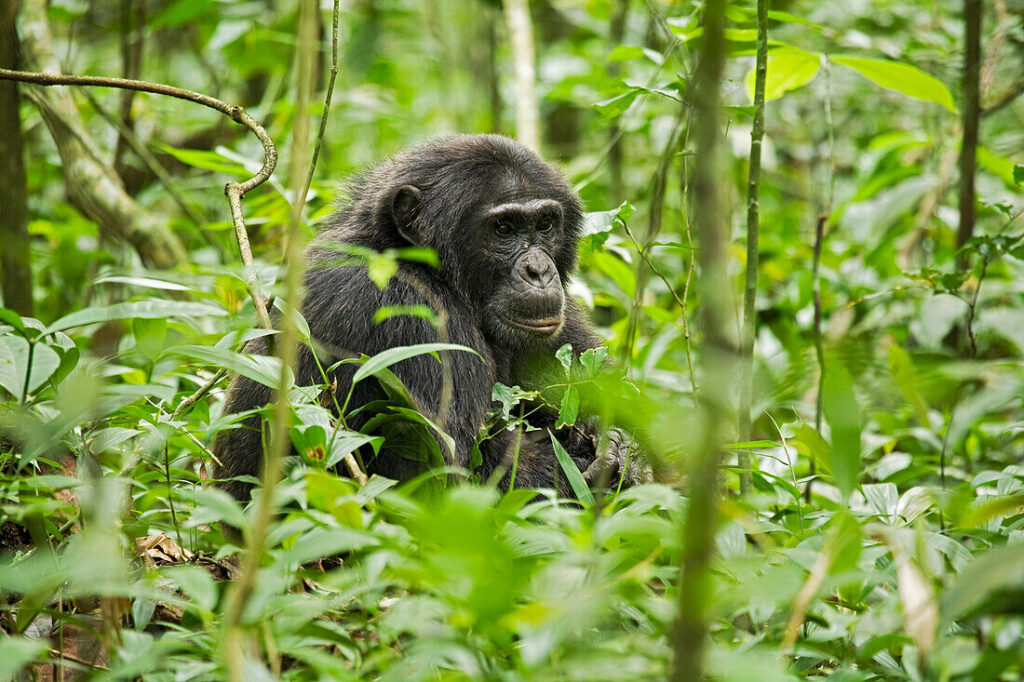
The Ngogo Chimpanzee Project
The Ngogo Chimpanzee Project
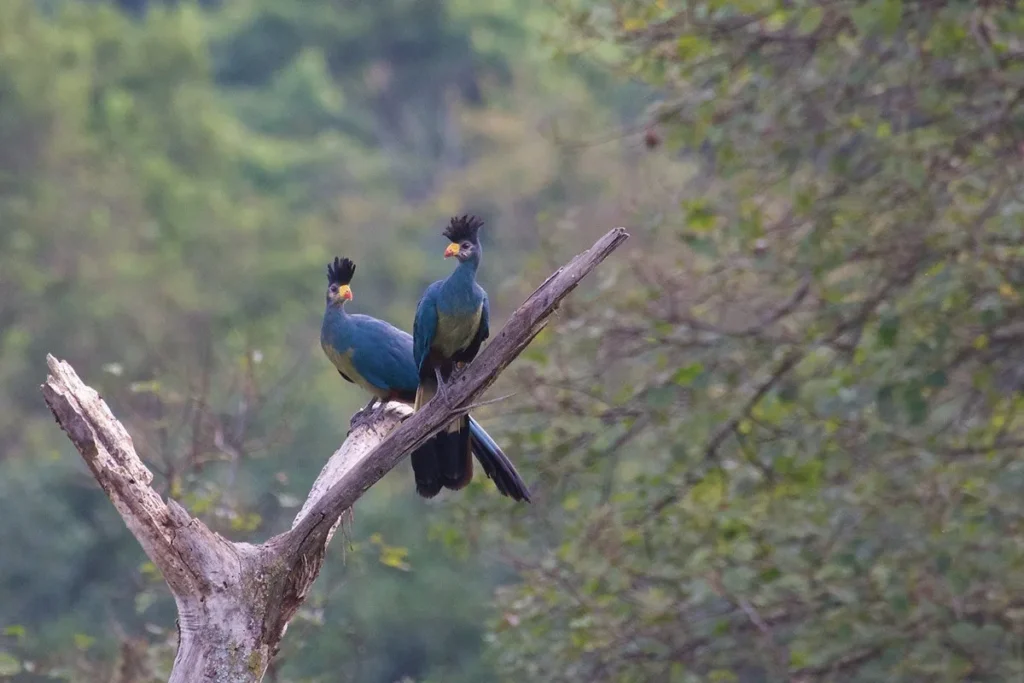
Kibale Vegetation
Kibale Vegetation
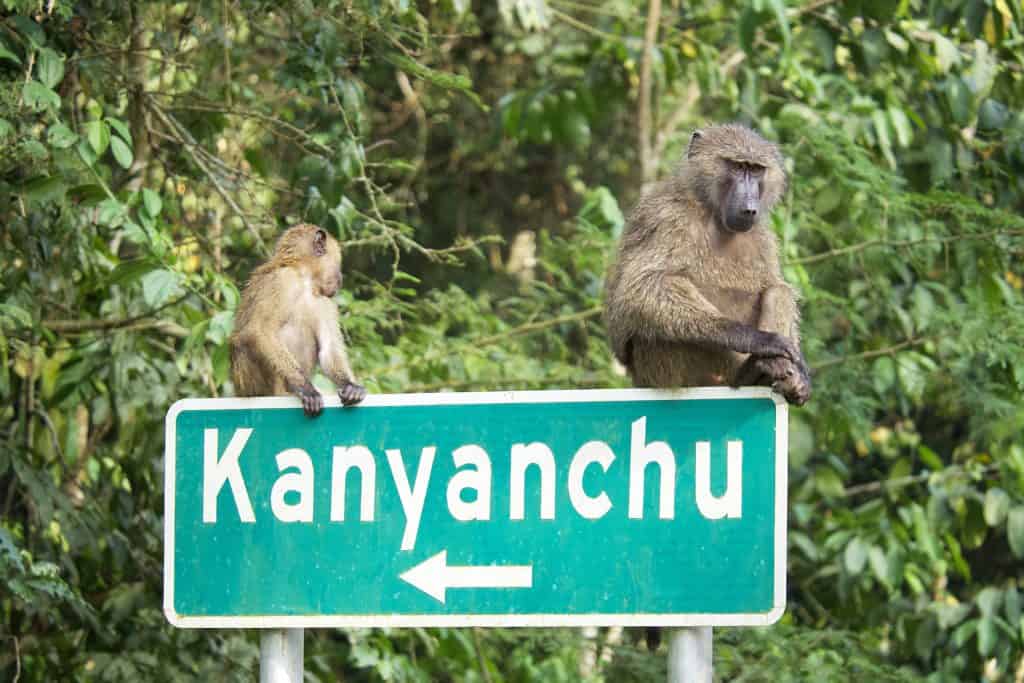
Kanyanchu Visitors’ Center
Kanyanchu Visitors’ Center
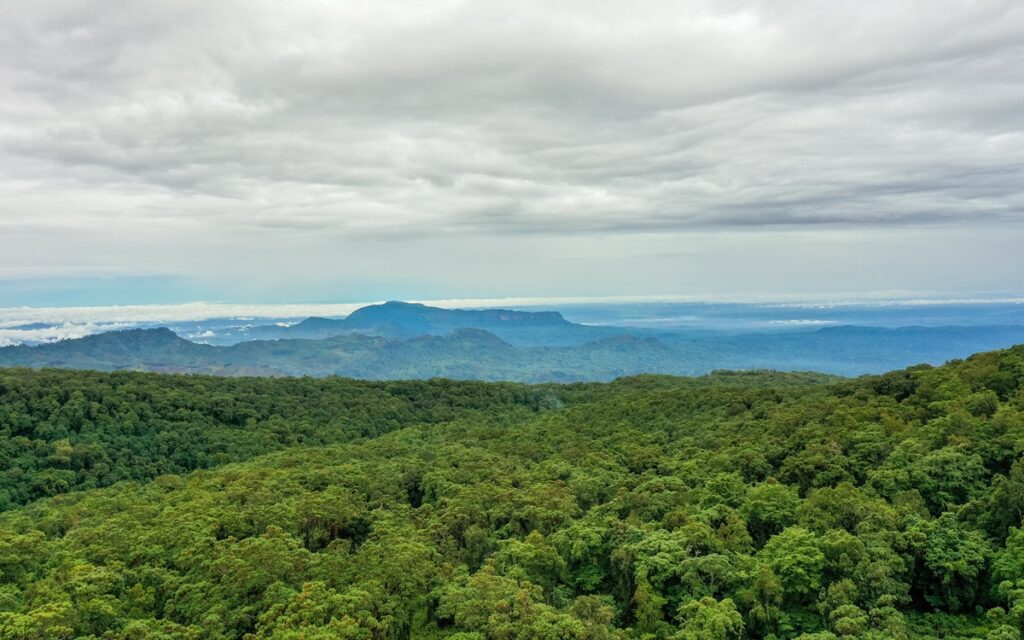
Kibale Geography
Kibale Geography
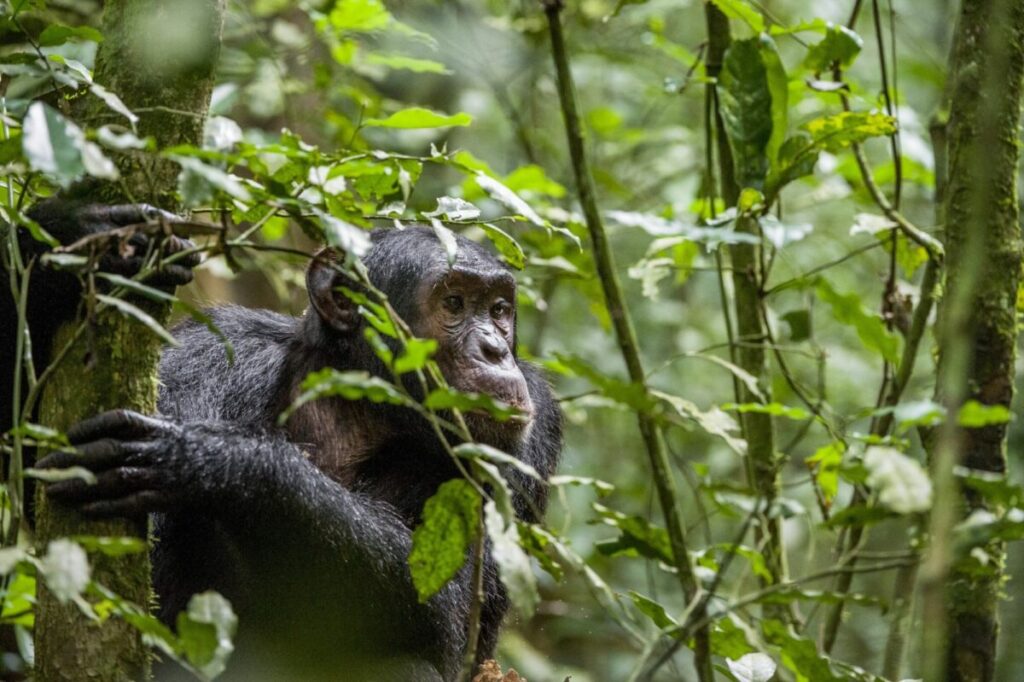
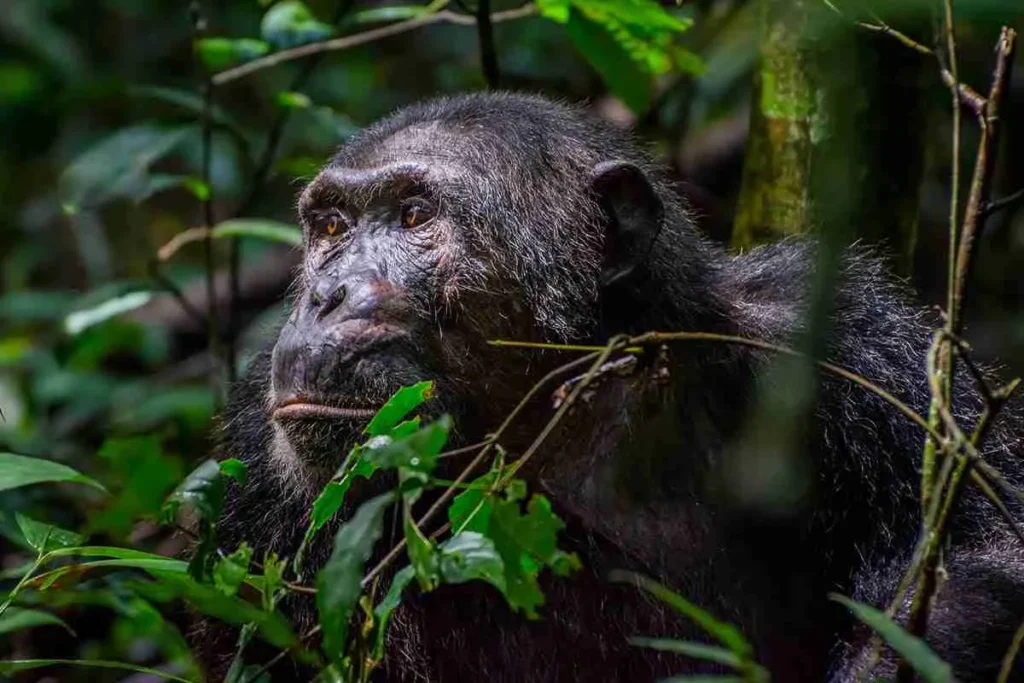
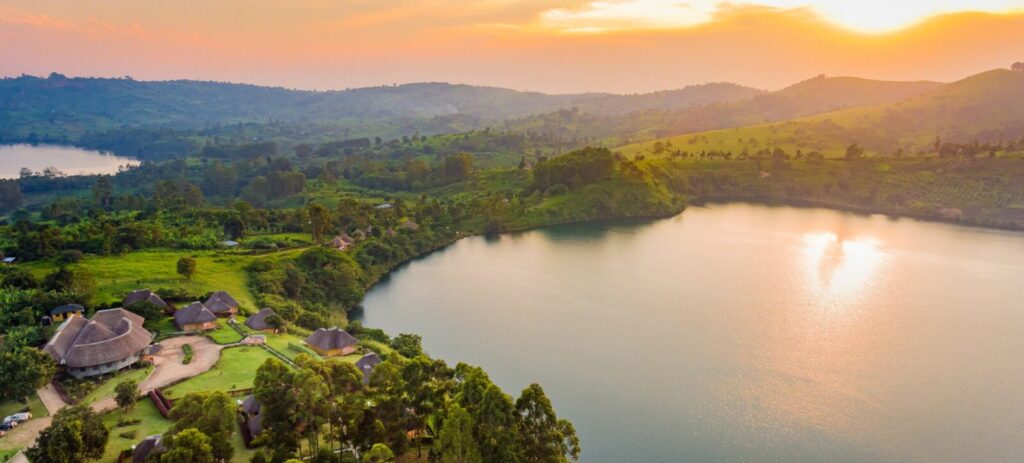
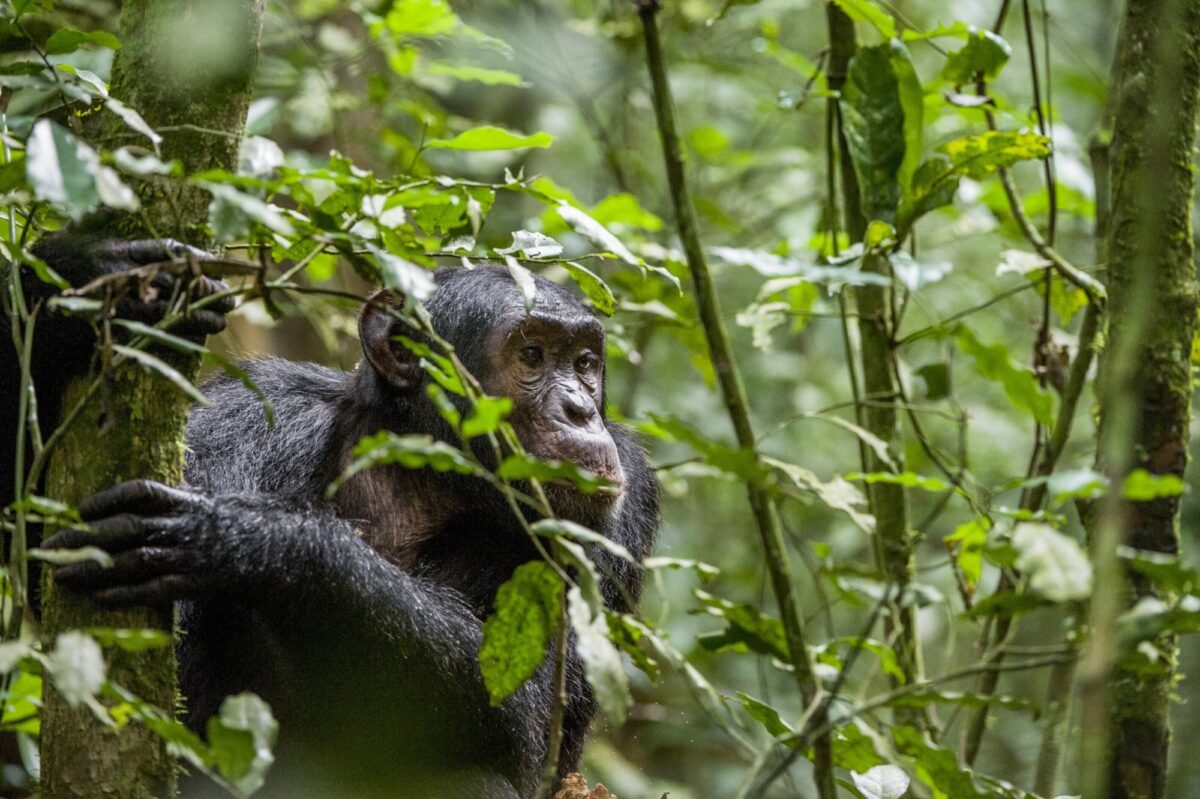
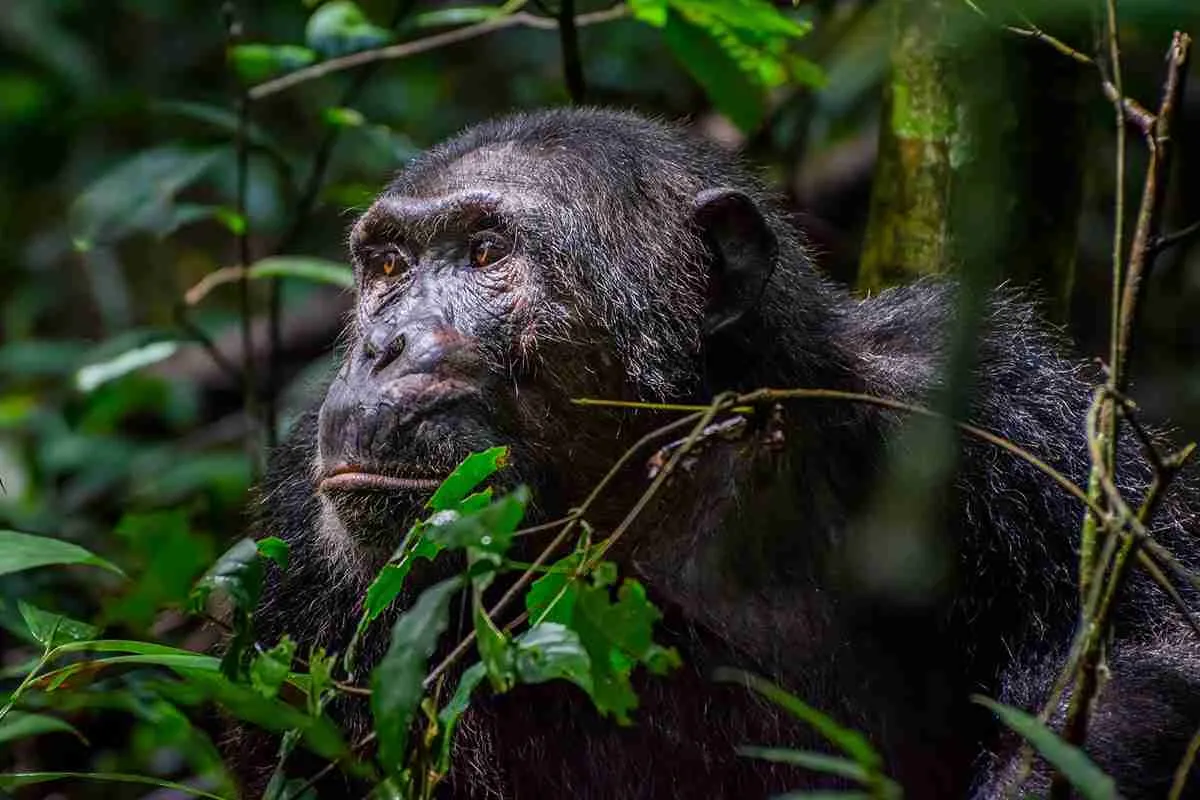
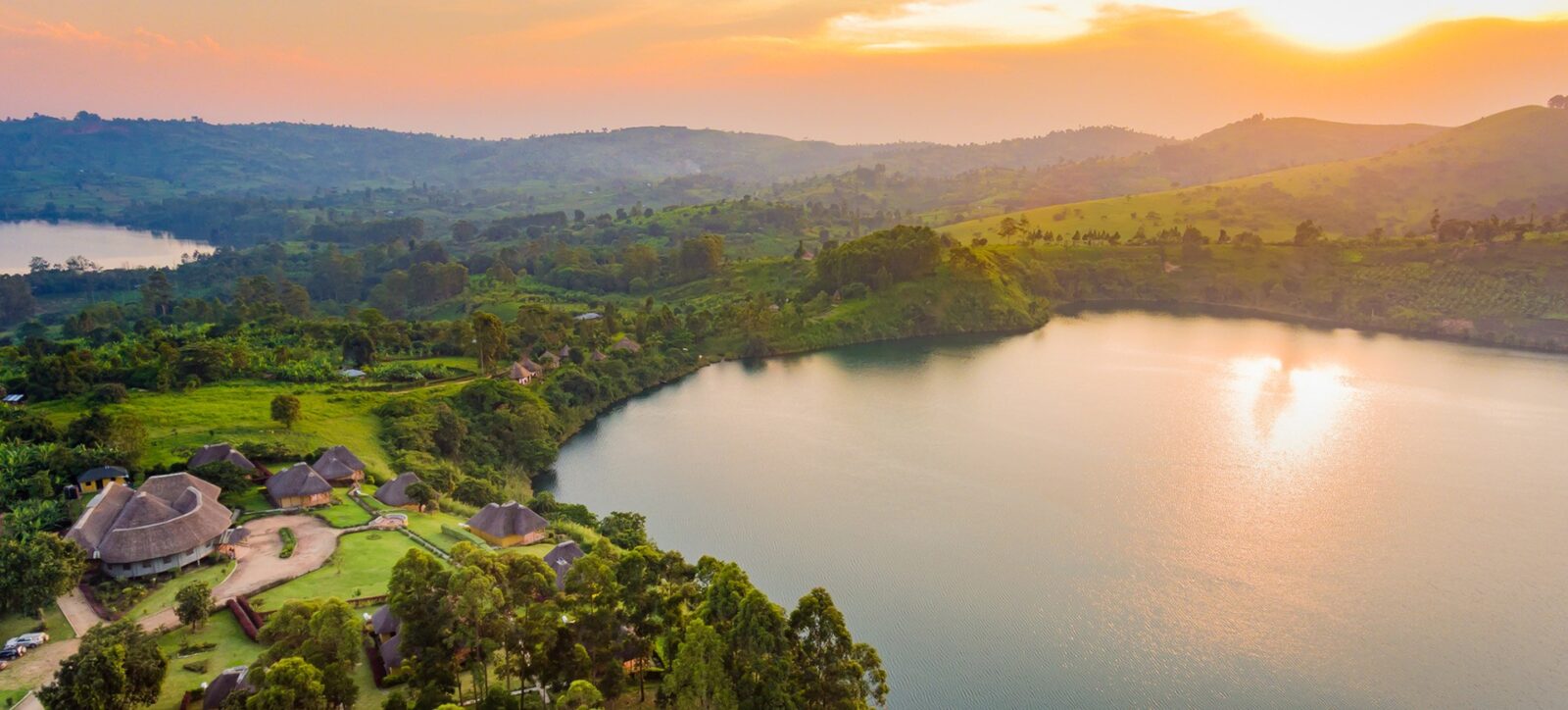
In the Realm of Giants – Kibale in Frames.
Essential Planning Tips for Visiting Uganda’s National Parks.
Get ready for the wild heart of Africa with expert travel tips on when to visit, what to pack, where to go, and how to make the most of your safari across Uganda’s breathtaking national parks.
Why Uganda for Gorilla Trekking?
Uganda is not just a destination — it's the very soul of gorilla trekking. With over half of the world’s remaining mountain gorillas calling its misty forests home, Uganda offers the rarest encounters in their most authentic setting. Here, your journey is not rushed or crowded. Instead, you’re guided by experienced rangers through pristine jungles where gorillas live as they always have — wild, free, and magnificent
From insider travel insights to unforgettable trekking guides, our blog is your trusted path into Uganda’s wild heart — connecting you with mountain gorillas, breathtaking landscapes, and the soul-stirring adventures that make this land unlike any other.