

Where the soul of the forest whispers in the mist
Mgahinga Gorilla National Park is one of Uganda’s most ecologically rich protected areas, harboring a remarkable diversity of species across its compact volcanic landscape. The park’s biodiversity is shaped by its altitudinal range, volcanic soils, abundant rainfall, and varied habitats, including montane forests, bamboo zones, afro-alpine vegetation, wetlands, and crater lakes. Despite its small size, Mgahinga is home to endangered mountain gorillas, golden monkeys, forest elephants, numerous bird species, and an array of reptiles, amphibians, and insects.
The park’s biodiversity reflects a unique intersection of African and Albertine Rift ecosystems, making it a hotspot for endemic species and ecological research. Its flora and fauna interact across altitudinal zones, creating complex food webs, pollination networks, and habitat interdependencies. Mgahinga’s biological richness provides not only ecological stability but also opportunities for scientific study, eco-tourism, and community engagement in conservation efforts. Conservation in Mgahinga emphasizes both species protection and ecosystem preservation, ensuring that human activities, tourism, and local livelihoods coexist sustainably with the park’s natural heritage. communities.
So lace up your boots, grab your camera, and prepare to meet the wild — this is where your gorilla trekking dreams and unforgettable safari adventures truly begin.
Truly Iconic Highlights in Uganda

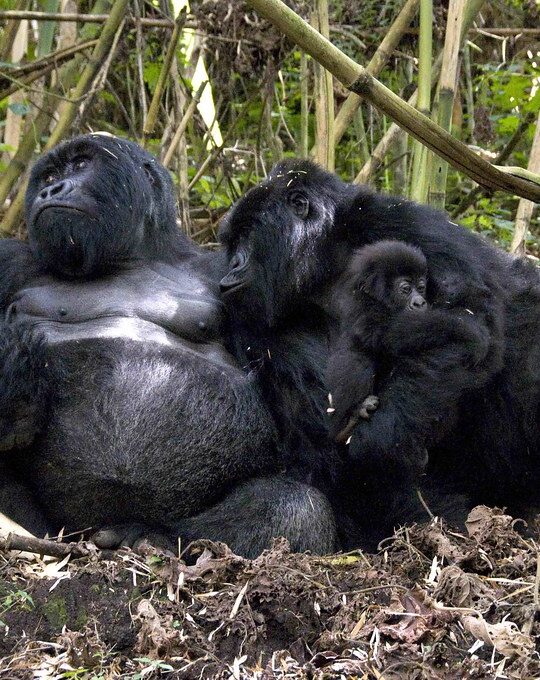
Trek through Bwindi’s mystical rainforest and meet the endangered mountain gorillas in their breathtaking natural home.
Encounter mountain gorillas and golden monkeys on Mgahinga’s misty volcanic trails, where culture and alpine wildlife thrive together.
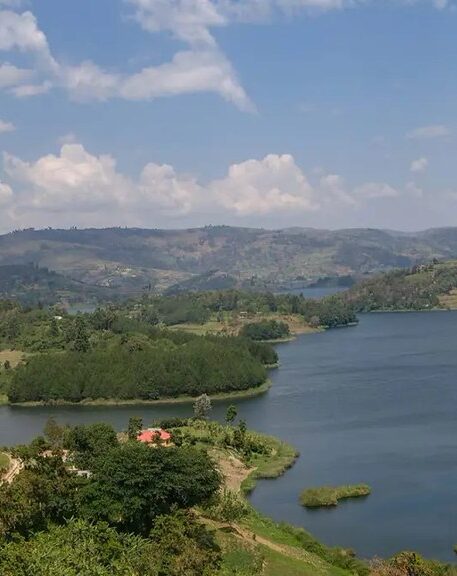
Unwind after your trek with a peaceful canoe ride across Lake Bunyonyi, Uganda’s most tranquil and scenic highland lake.
Enhance your gorilla trekking safari with an optional chimpanzee encounter in Uganda’s lush forests, adding depth and diversity to your primate adventure
A DETAILED STUDY OF MGAHINGA’S BIODIVERSITY
Mammals
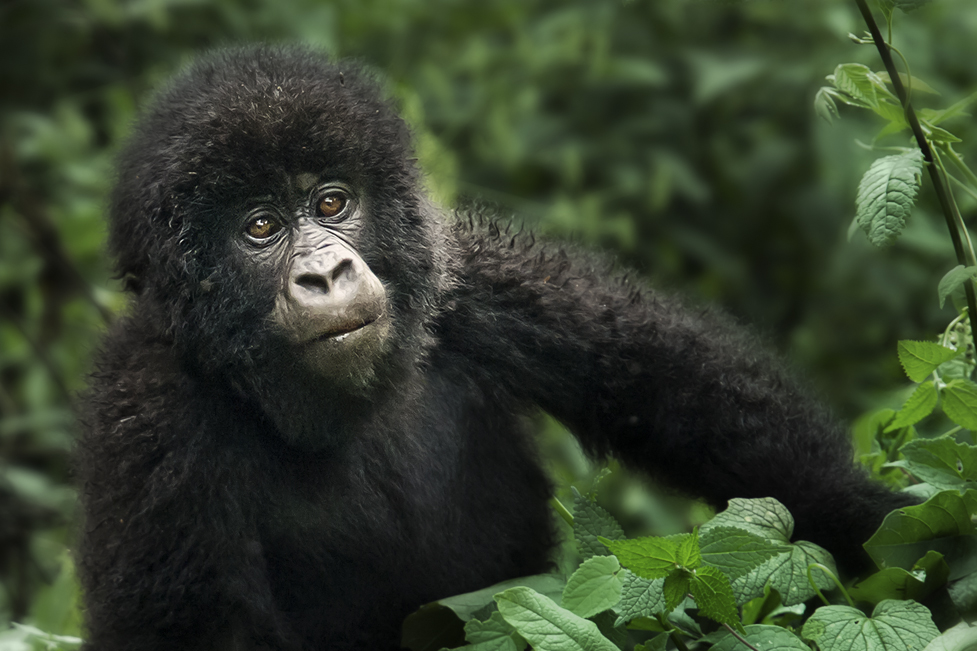
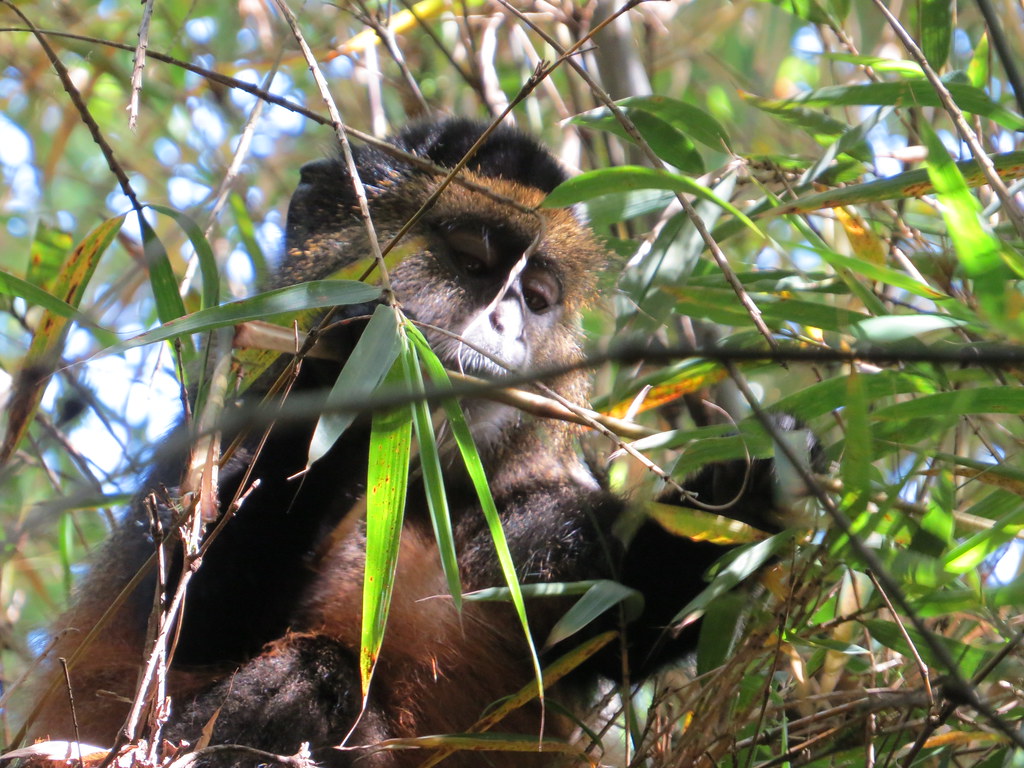
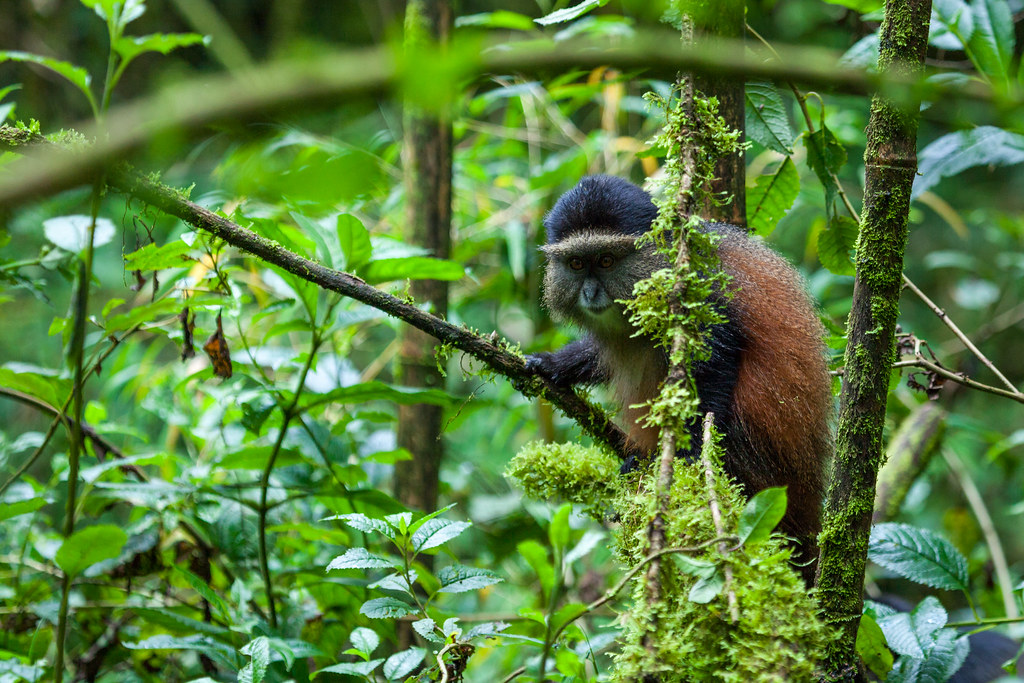
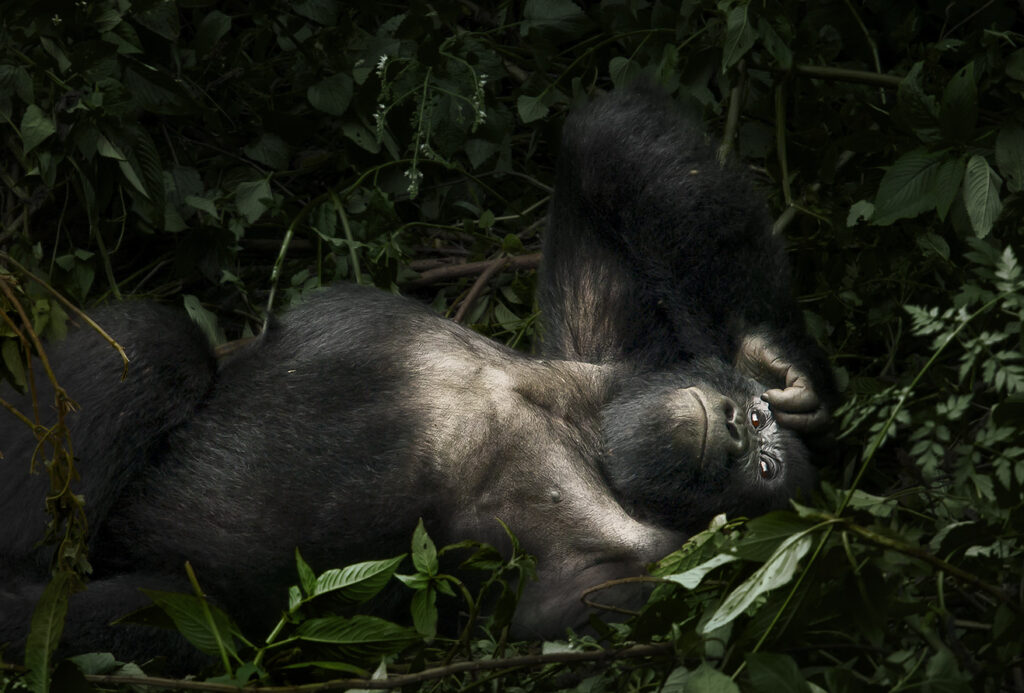
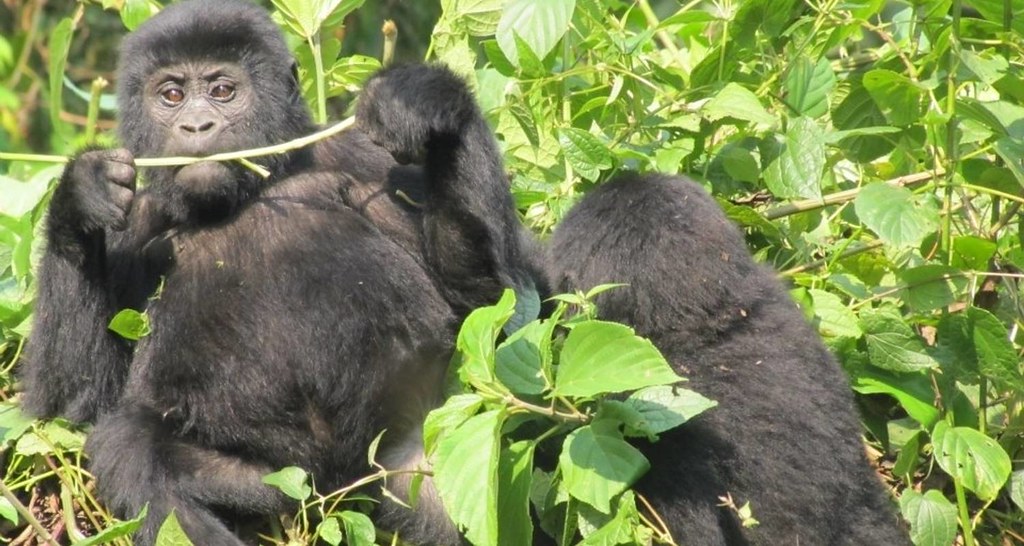
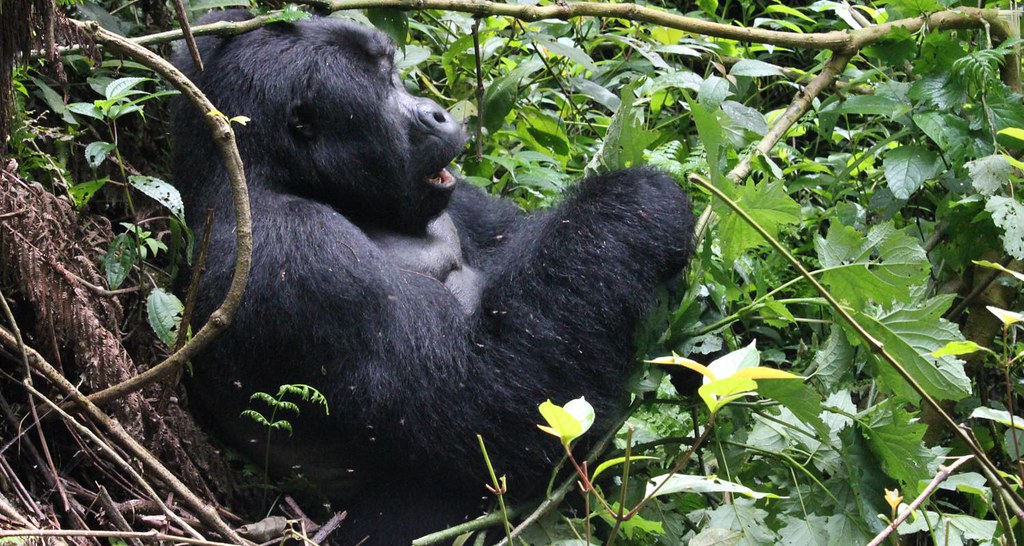
Mgahinga hosts a variety of mammal species, with mountain gorillas being the most iconic. These primates are critically endangered and rely heavily on the park’s bamboo forests and montane vegetation for sustenance. Golden monkeys, another endemic primate species, are also found within the bamboo zones and are important indicators of ecosystem health. Other mammals include forest elephants, bushbucks, duikers, and numerous small mammals, each contributing to seed dispersal, predation control, and ecosystem balance. The park’s mammalian diversity plays a key role in maintaining ecological interactions and supporting the park’s overall biodiversity.
Birds
Mgahinga is a paradise for bird enthusiasts, with over 180 recorded bird species. The park features a mix of Albertine Rift endemics, montane forest species, and migratory birds. Notable species include the African green broadbill, mountain illadopsis, and Rwenzori turaco, all of which rely on specific altitudinal vegetation zones. Birds serve as pollinators, seed dispersers, and indicators of ecological health, making them vital for the park’s ecosystem. Birding trails and observation points within the park allow visitors to study species diversity and behavior, enhancing the understanding of Mgahinga’s intricate ecosystems.
Reptiles and amphibians
The park supports a variety of reptiles and amphibians, adapted to different habitats from wetland margins to montane forests. Species such as chameleons, geckos, and various frogs thrive in the moist, shaded environments of the park. These species are crucial for controlling insect populations, maintaining soil health, and contributing to the food chain. Their presence reflects the overall health of Mgahinga’s ecosystems and serves as an indicator of habitat integrity.
Insects and butterflies
Mgahinga’s insect diversity is remarkable, including pollinators like bees and butterflies, which are essential for the reproduction of many plant species. The park’s varied vegetation supports a wide array of butterfly species, moths, and other insects, each playing roles in pollination, decomposition, and as a food source for birds and small mammals. Insects are critical to maintaining ecological balance, and their diversity contributes directly to the reproductive success of plants and the survival of dependent wildlife, including primates and birds.
Flora and vegetation
The park’s flora mirrors its ecological complexity, with distinct vegetation zones ranging from lower montane forests to afro-alpine grasslands. Montane forests are rich in hardwood species like Podocarpus and Olea, while bamboo belts support golden monkeys and gorillas. Afro-alpine zones feature giant lobelias and heathers, adapted to cold, windy conditions at higher altitudes. Vegetation diversity supports habitat heterogeneity, providing food, shelter, and breeding sites for countless species. Each plant community contributes to soil stabilization, water regulation, and carbon sequestration, highlighting the ecological significance of Mgahinga’s flora.
Wetlands and crater lakes
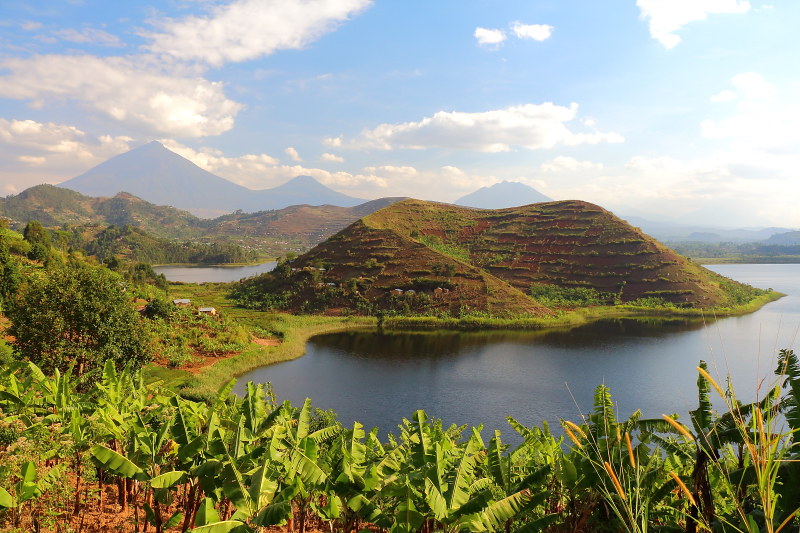
Crater lakes and wetland areas within Mgahinga host aquatic biodiversity, including amphibians, aquatic insects, and waterfowl. These habitats act as natural reservoirs and play a crucial role in maintaining water cycles and providing resources for wildlife across the park. Wetlands enhance ecological connectivity, linking different vegetation zones and offering breeding grounds for birds and amphibians. They also serve as important research sites for hydrology and conservation studies.
Conservation and human interaction
Conservation efforts in Mgahinga focus on protecting endangered species, preserving habitats, and promoting sustainable tourism. Community engagement programs educate locals on the importance of biodiversity and involve them in anti-poaching patrols and habitat restoration initiatives. Tourism, particularly gorilla trekking and birding, supports conservation financially, ensuring that local communities benefit while minimizing environmental impact. Ongoing research at Mgahinga helps monitor species populations, track ecosystem health, and develop strategies for adaptive management in response to climate change and human pressures.
Ecological significance
The biodiversity of Mgahinga is critical for regional ecological stability, influencing climate regulation, soil fertility, and water catchments. Endemic species contribute to global biodiversity, while ecological interactions maintain ecosystem resilience. Protecting Mgahinga’s biodiversity ensures that mountain gorillas, golden monkeys, and other species continue to thrive, while preserving the ecological services that local communities and neighboring regions depend on. The park stands as a model for integrated conservation, combining species protection, habitat management, and community engagement to sustain both wildlife and human well-being.
Visitor experience
For tourists, Mgahinga’s biodiversity is experienced through gorilla trekking, golden monkey tracking, birding, nature walks, and photography safaris. Interpretive guides explain the ecological importance of each species and their role within the ecosystem, enhancing visitor appreciation and understanding. Experiencing biodiversity firsthand fosters conservation awareness, encouraging responsible tourism that respects wildlife habitats. By observing the complex interactions between flora and fauna, visitors gain insights into the value of preserving these fragile ecosystems.
More Mgahinga Information to Know.
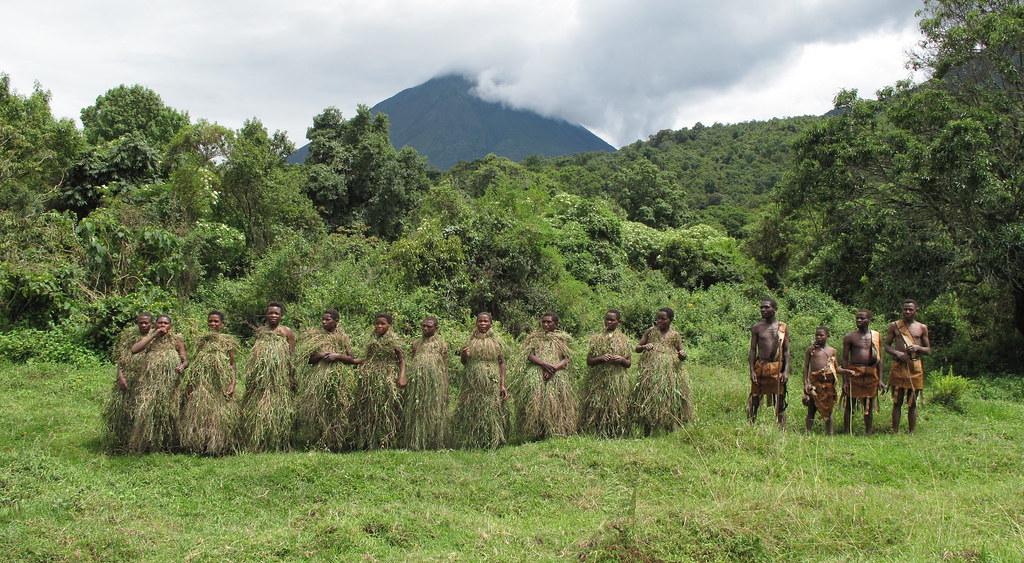
Mgahinga Gorilla National Park is a compact, high-altitude park in southwestern Uganda, defined by dramatic volcanic mountains and afro-montane forest. Its cool climate, rare vegetation, golden monkey habitat, rich cultural heritage, and strong conservation focus make it a unique and rewarding destination for primate and nature experiences.
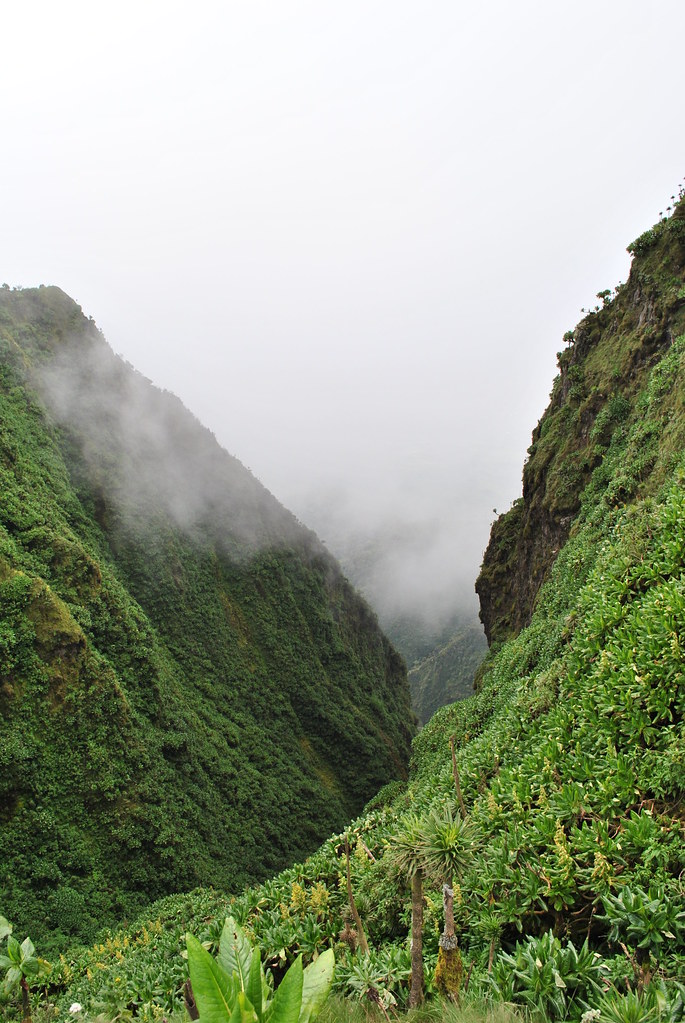
Mgahinga Climate
Mgahinga Climate
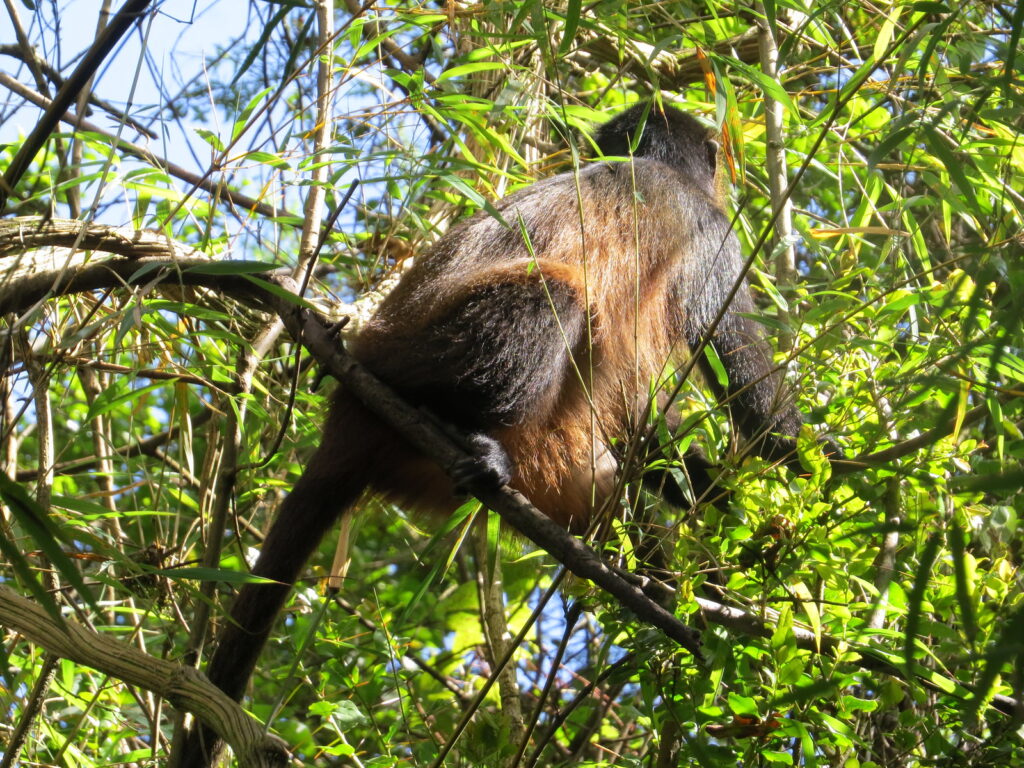
Mgahinga Geography & Geology
Mgahinga Geography & Geology
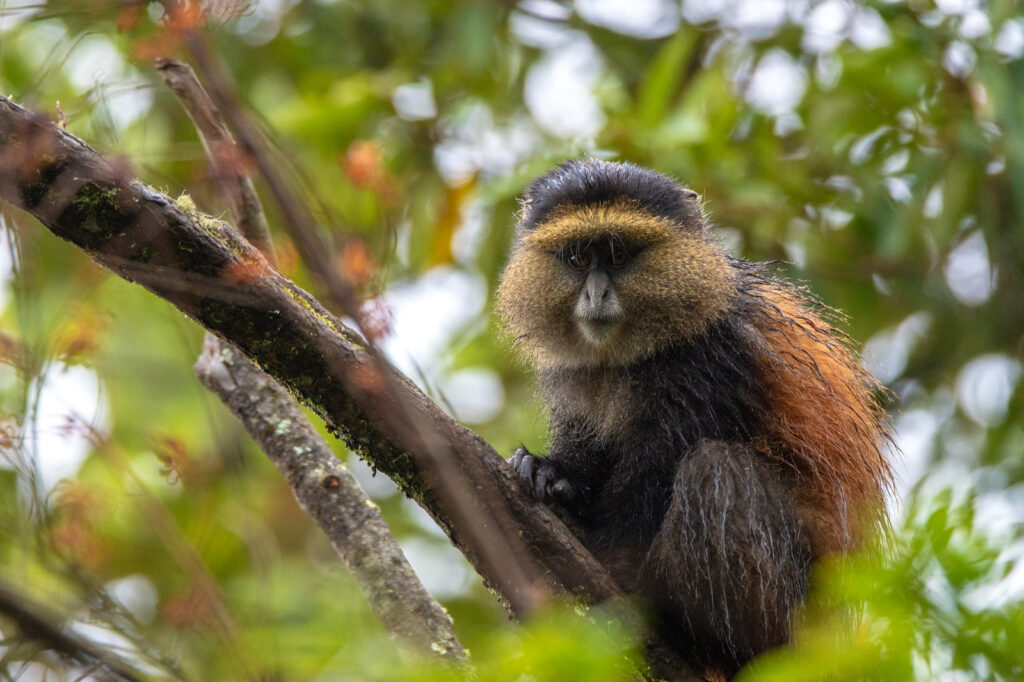
Mgahinga History
Mgahinga History
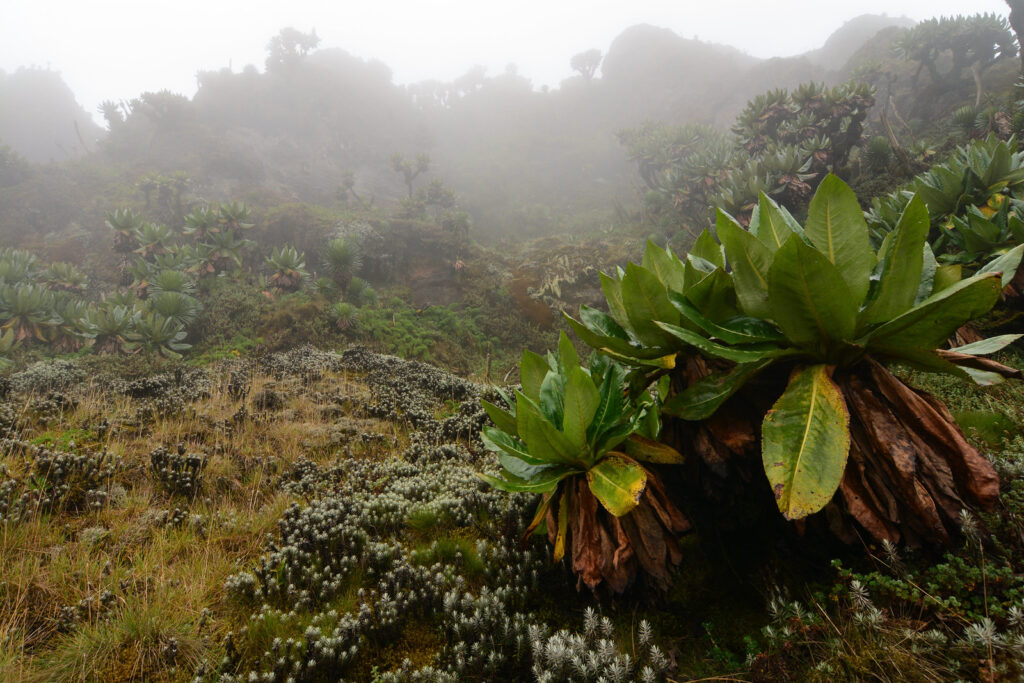
Mgahinga Vegetation
Mgahinga Vegetation
Ntebeko Visitor Centre
Ntebeko Visitor Centre
Mgahinga FAQs Information
Mgahinga FAQs Information
Getting There To Mgahinga
Getting There To Mgahinga
Mgahinga Location
Mgahinga Location

Self Drive
Self Drive
Mgahinga Altitude
Mgahinga Altitude
Batwa Trail
Batwa Trail
In the Realm of Giants – Bwindi & Mgahinga in Frames.
Wander through an elegant gallery capturing Uganda’s most exclusive gorilla sanctuaries, where ancient forests cradle the last mountain gorillas in a world of mist, mystery, and majesty.
Essential Planning Tips for Visiting Uganda’s National Parks.
Get ready for the wild heart of Africa with expert travel tips on when to visit, what to pack, where to go, and how to make the most of your safari across Uganda’s breathtaking national parks.
Why Uganda for Gorilla Trekking?
Uganda is not just a destination — it's the very soul of gorilla trekking. With over half of the world’s remaining mountain gorillas calling its misty forests home, Uganda offers the rarest encounters in their most authentic setting. Here, your journey is not rushed or crowded. Instead, you’re guided by experienced rangers through pristine jungles where gorillas live as they always have — wild, free, and magnificent
From insider travel insights to unforgettable trekking guides, our blog is your trusted path into Uganda’s wild heart — connecting you with mountain gorillas, breathtaking landscapes, and the soul-stirring adventures that make this land unlike any other.