

Where the soul of the forest whispers in the mist
Driving yourself to Bwindi Impenetrable National Park is one of the most immersive ways to experience Uganda. It is not just a transfer from point A to B, but a journey that gradually pulls you away from busy towns and into rolling countryside, highland farms, misty hills, and finally one of Africa’s oldest rainforests. For travelers who enjoy independence, flexibility, and a sense of adventure, a self-drive to Bwindi can be deeply rewarding—provided you understand what the journey demands.
Bwindi is remote, mountainous, and rugged. The final approach roads are slow and physically demanding to drive, especially during rainy months. This means a self-drive option suits confident drivers who are comfortable navigating steep gradients, narrow mountain roads, and unpredictable weather conditions.
So lace up your boots, grab your camera, and prepare to meet the wild — this is where your gorilla trekking dreams and unforgettable safari adventures truly begin.
Truly Iconic Highlights in Uganda

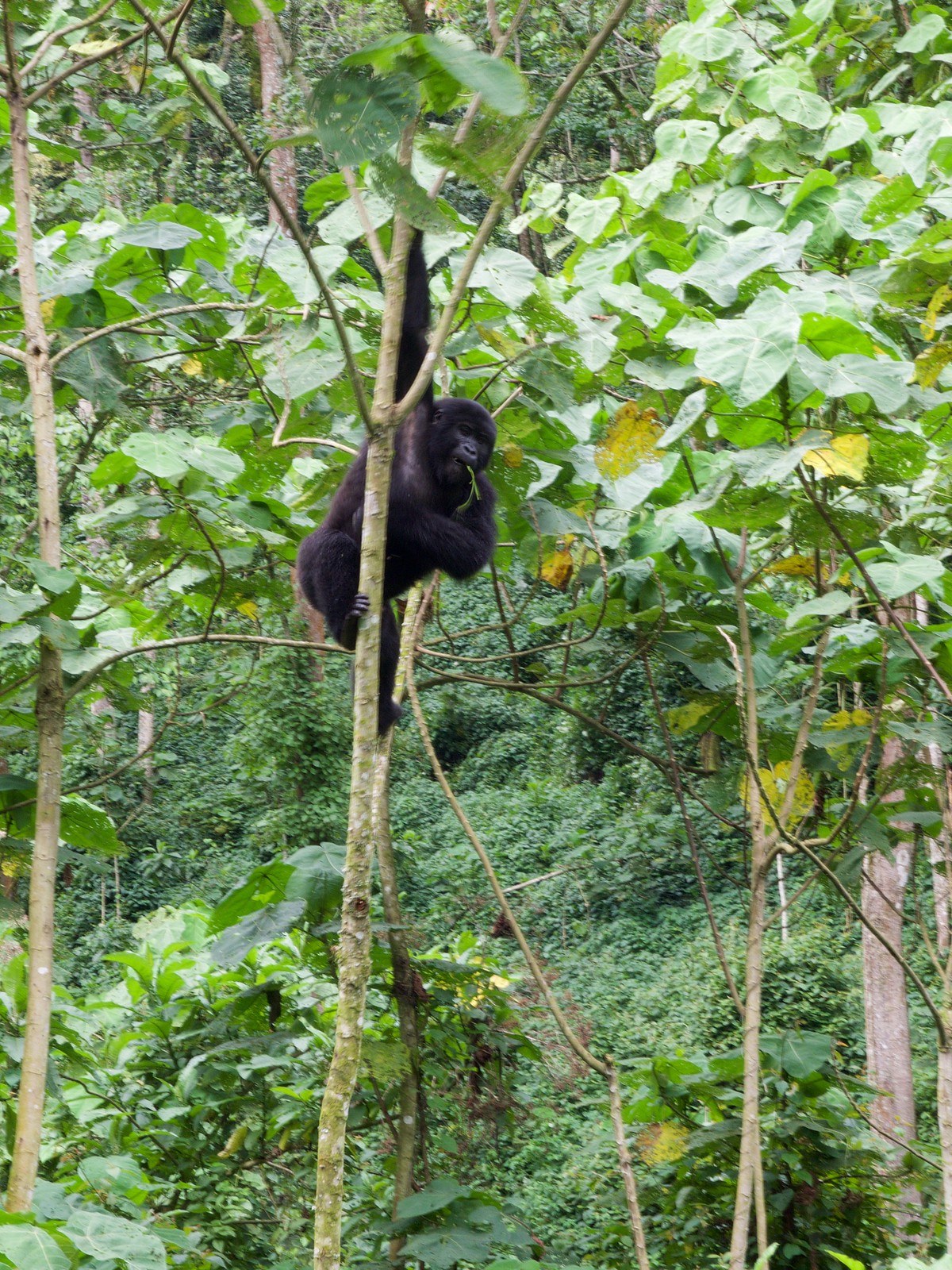
Trek through Bwindi’s mystical rainforest and meet the endangered mountain gorillas in their breathtaking natural home.
Encounter mountain gorillas and golden monkeys on Mgahinga’s misty volcanic trails, where culture and alpine wildlife thrive together.
Unwind after your trek with a peaceful canoe ride across Lake Bunyonyi, Uganda’s most tranquil and scenic highland lake.
Enhance your gorilla trekking safari with an optional chimpanzee encounter in Uganda’s lush forests, adding depth and diversity to your primate adventure
Driving Yourself to Bwindi Impenetrable National Park: What to Know Before You Go
Where Bwindi Is and Why Route Planning Matters
Bwindi lies in southwestern Uganda, close to the borders of Rwanda and the Democratic Republic of Congo. The park is divided into four trekking sectors—Buhoma in the north, Ruhija in the east, Rushaga in the south, and Nkuringo in the southwest. Your gorilla trekking permit is tied to a specific sector, and this determines exactly where you must drive. Planning the correct route is therefore essential, as driving to the wrong sector can mean hours of backtracking on difficult terrain.
Most self-drivers approach Bwindi from Entebbe or Kampala via Masaka, Mbarara, and Kabale. This route is the most reliable and scenic, with good tarmac roads up to Kabale. From Kabale onward, the landscape becomes steeper and greener, and the road surface gradually changes to rough murram tracks leading into the forested hills surrounding Bwindi.
What the Drive Is Really Like
The drive to Bwindi typically takes between eight and ten hours without long stops, but many travelers prefer to break it up with an overnight stay in Mbarara, Kabale, or Kisoro. The final one to three hours are the most challenging. Roads become narrow, winding, and steep, often with sharp bends, loose gravel, and muddy sections. During the rainy seasons, these roads can be slippery and slow, requiring careful low-gear driving.
Fog is common in the highlands, especially early in the morning and late in the evening, reducing visibility. Livestock, pedestrians, and cyclists also share these roads, so patience and slow speeds are essential. Driving after dark is strongly discouraged, as visibility drops sharply and road hazards increase.
Vehicle Choice and Driving Preparation
A proper four-wheel-drive vehicle is not optional for Bwindi—it is essential. The terrain, steep climbs, and wet conditions demand high ground clearance and reliable traction. A well-maintained 4×4 such as a Land Cruiser or Prado is ideal. Tires must be in good condition, and the vehicle should have a functional low-range gearbox, spare tire, and basic recovery equipment.
Fuel planning is critical. Once you leave major towns like Mbarara, Kabale, or Kisoro, fuel stations become scarce or nonexistent. Always refuel before heading into the highlands and avoid pushing your fuel range too tightly.
Navigation, Communication, and Local Support
Navigation in Bwindi’s region should never rely solely on road signs, as signage can be inconsistent. Offline navigation apps and GPS coordinates provided by your lodge are far more reliable. Mobile network coverage weakens significantly near the park, so download maps in advance and inform someone of your route before departure.
One of the advantages of driving through rural Uganda is the friendliness of local communities. If unsure about directions, asking locals is often more effective than following a map alone, especially near the park boundaries.
Arriving at Bwindi and Trekking Day Logistics
Most lodges around Bwindi offer secure parking. On the morning of your gorilla trek, you will drive early to the Uganda Wildlife Authority briefing point in your designated sector. Roads inside and around the park are managed, and self-drivers are expected to follow ranger instructions carefully. Arrival times are strict, so punctuality is essential.
Is Self-Driving to Bwindi Worth It?
Self-driving to Bwindi is absolutely worth it for travelers who value freedom and adventure and are comfortable with demanding road conditions. The journey deepens your connection to the landscape and gives you a genuine sense of arrival when you finally reach the forest. However, it requires preparation, patience, and respect for the terrain. For those who prefer a relaxed journey, a professional driver-guide may be a better option.
If you choose to self-drive, you are not just traveling to see gorillas—you are earning the experience through one of Uganda’s most dramatic and beautiful journeys.
More Bwindi Information to Know.
Bwindi Impenetrable Forest is a mountainous rainforest in southwestern Uganda, home to endangered mountain gorillas. Its unique climate, rich vegetation, community tourism, and conservation efforts make it a vital and unforgettable destination.
Bwindi History
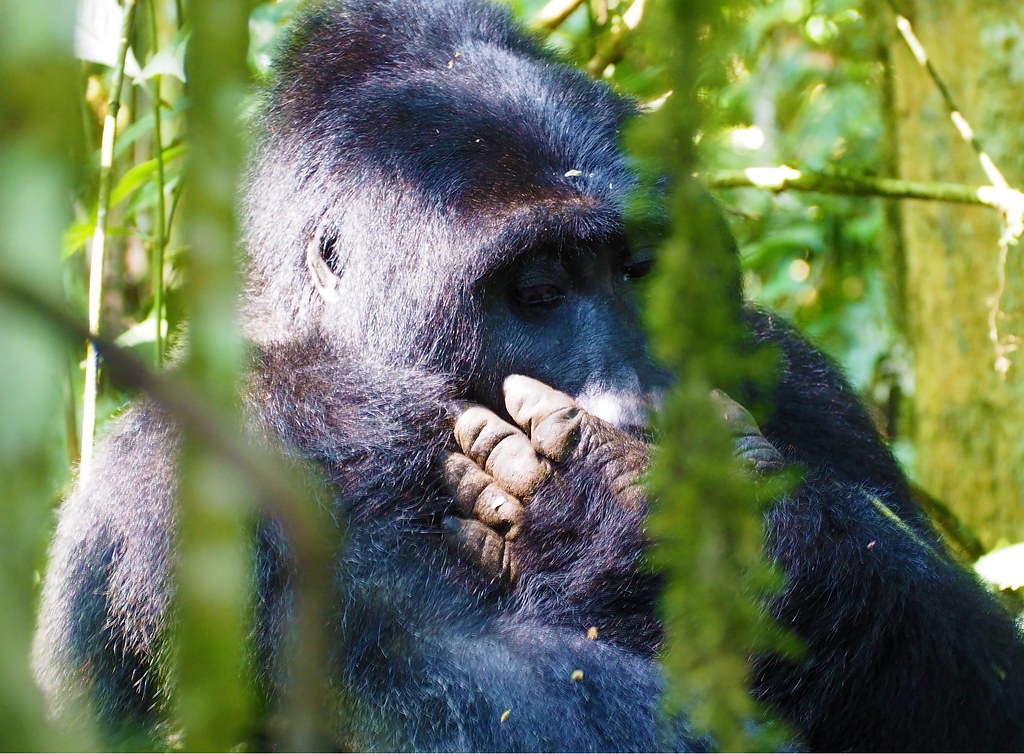
Bwindi History
Bwindi Altitude
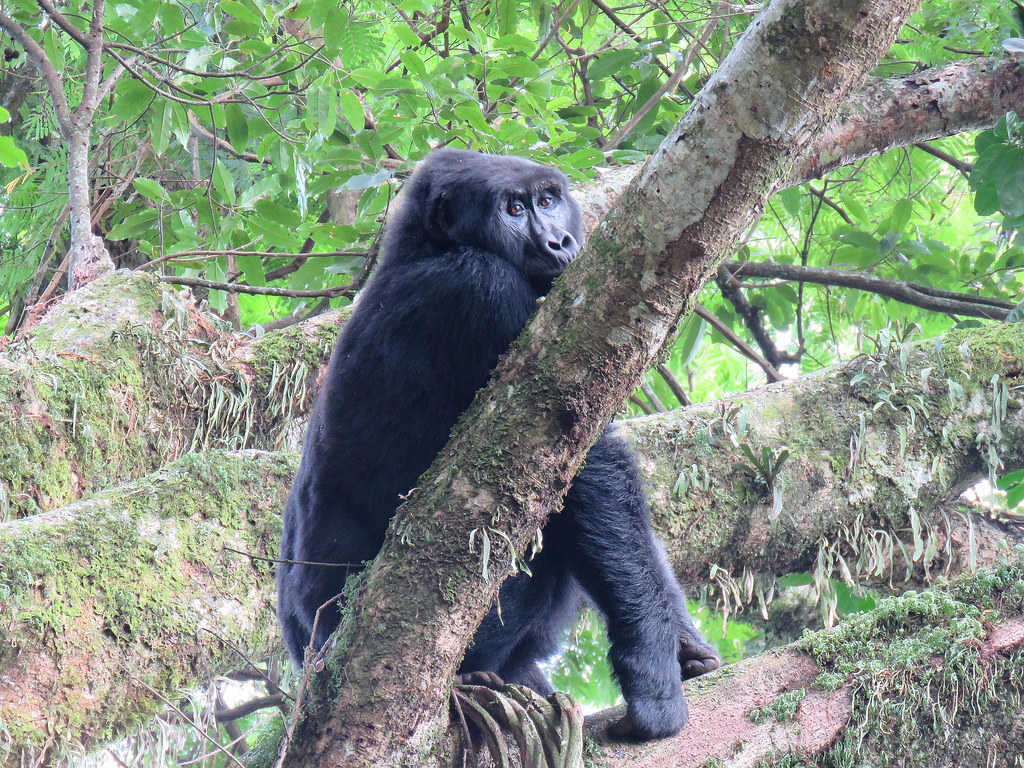
Bwindi Altitude
Bwindi Climate
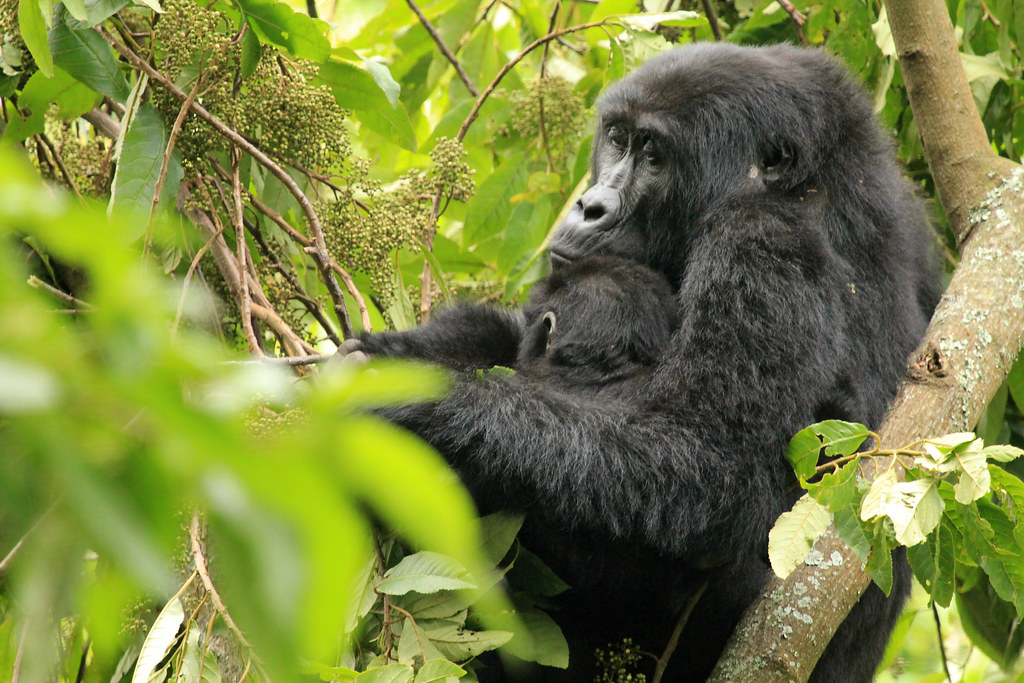
Bwindi Climate
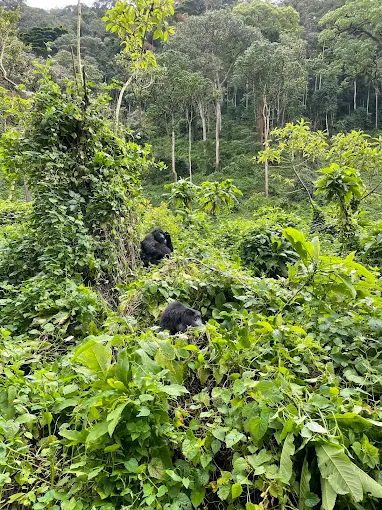
Bwindi Geography
Bwindi Geography
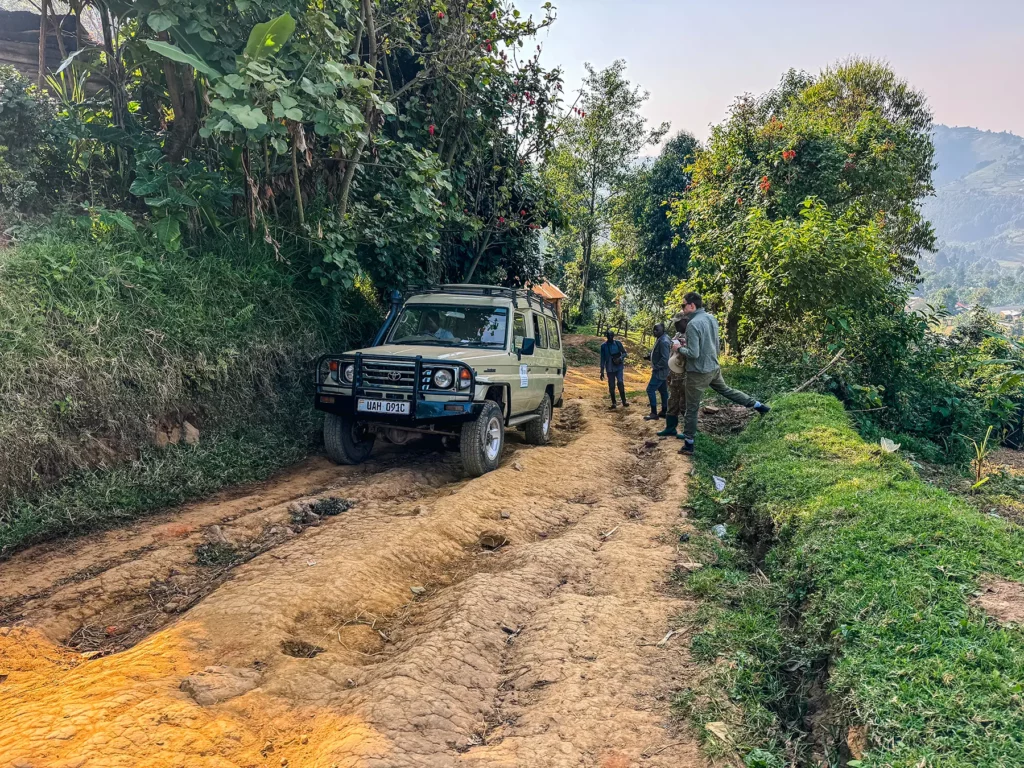
Getting There To Bwindi
Getting There To Bwindi
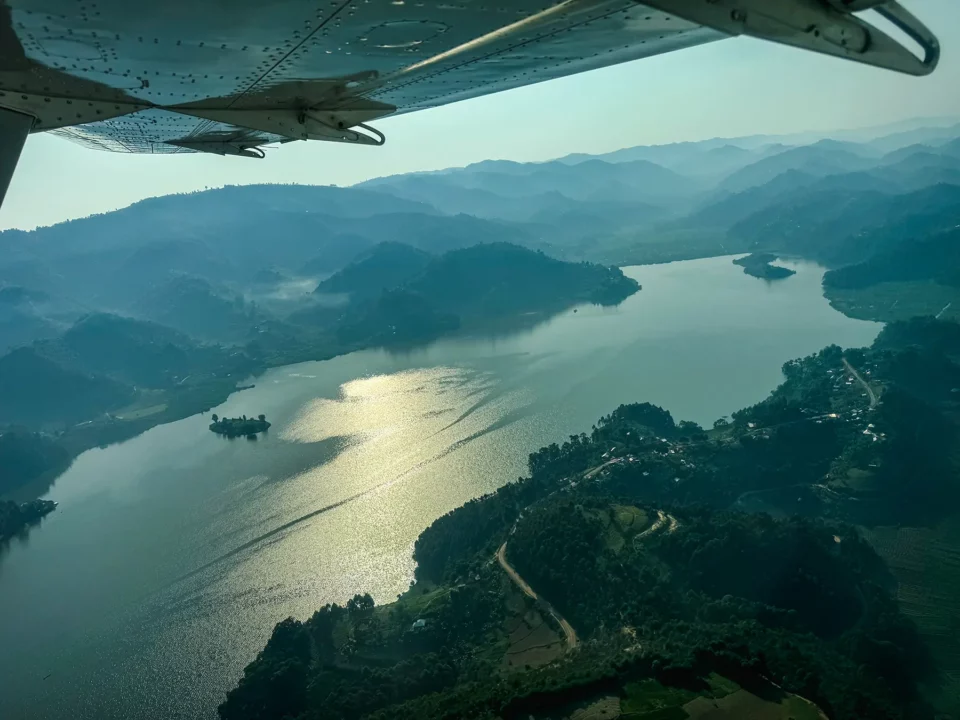
Bwindi Location
Bwindi Location
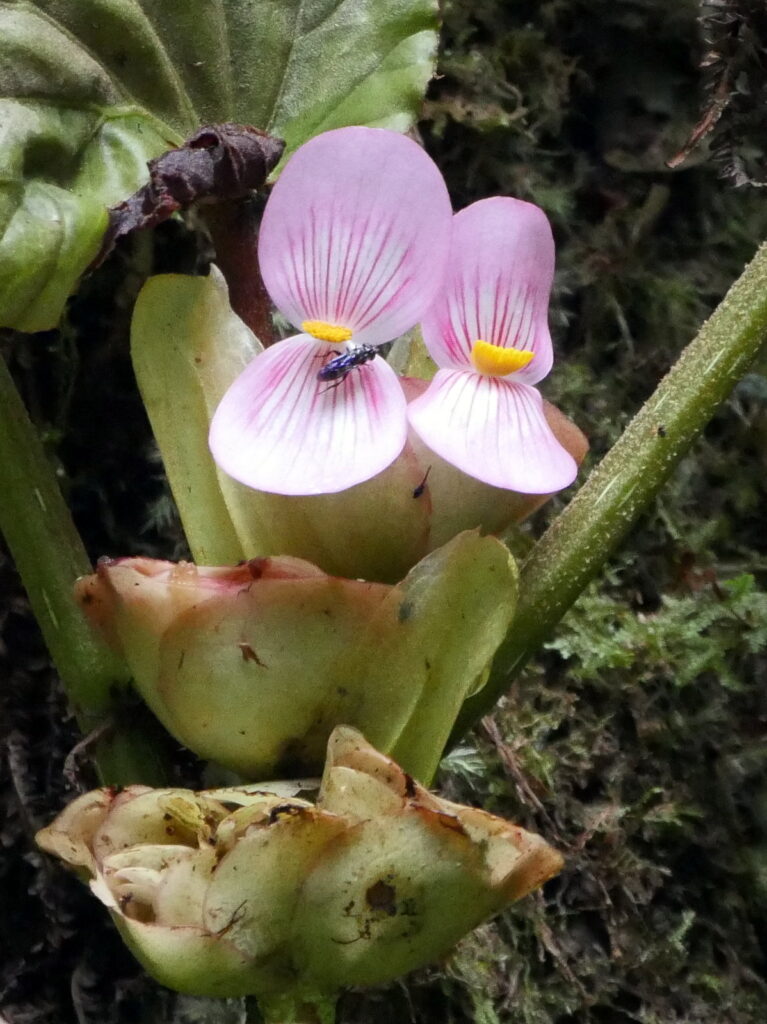
Bwindi Vegetation
Bwindi Vegetation
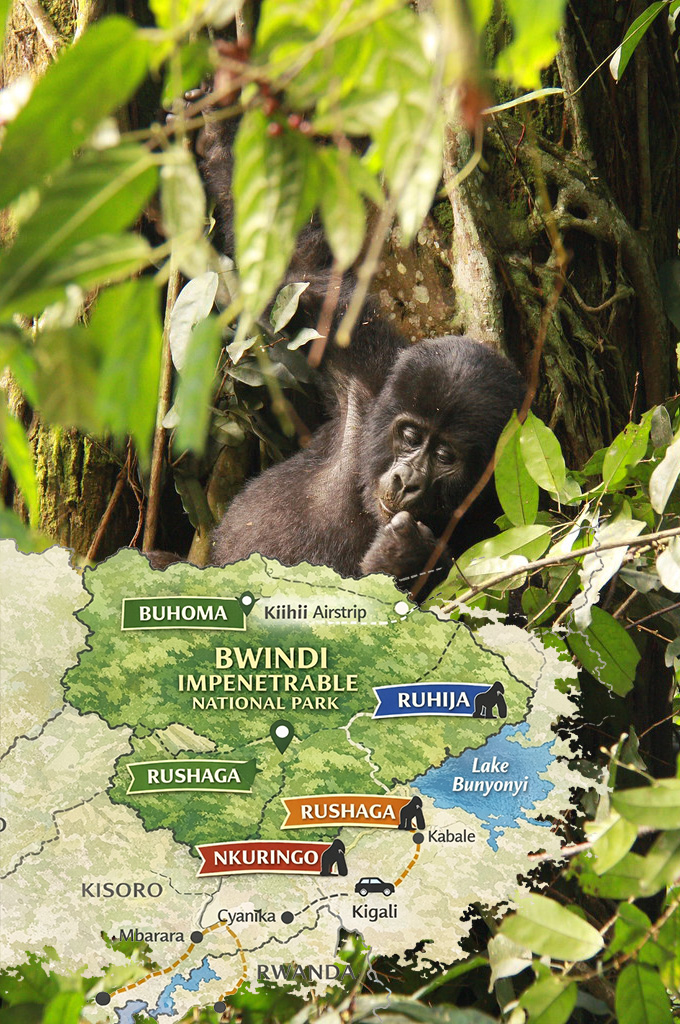
Bwindi Sectors
Bwindi Sectors
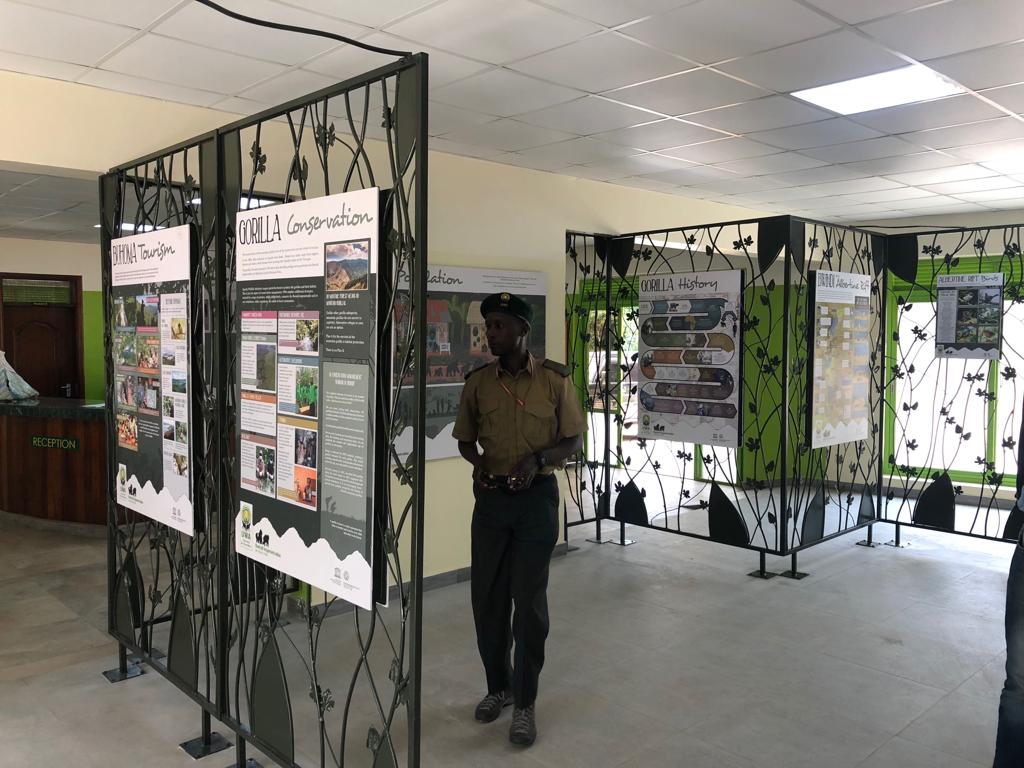
Bwindi Visitor Centres
Bwindi Visitor Centres
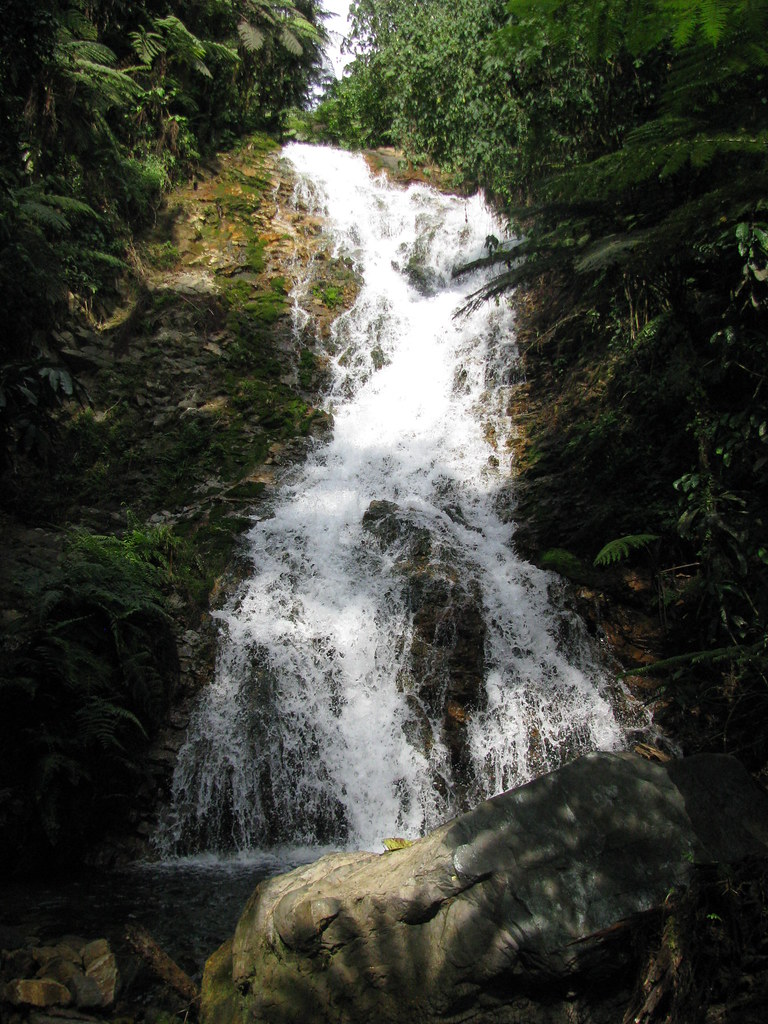
Bwindi Waterfalls
Bwindi Waterfalls
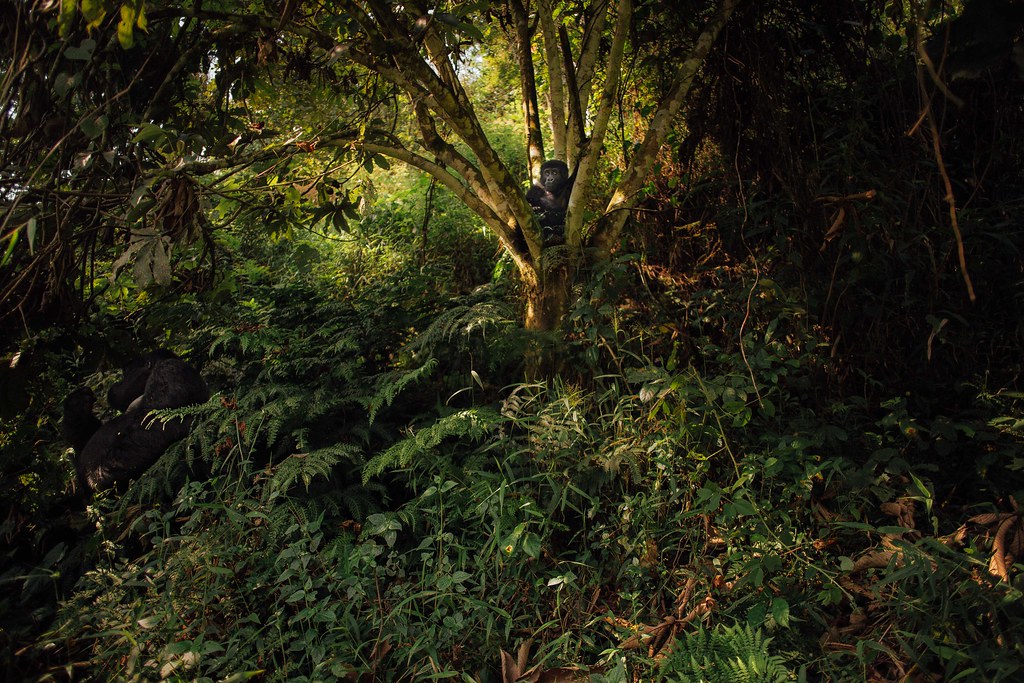
Bwindi Impenetrable Forest
Bwindi Impenetrable Forest
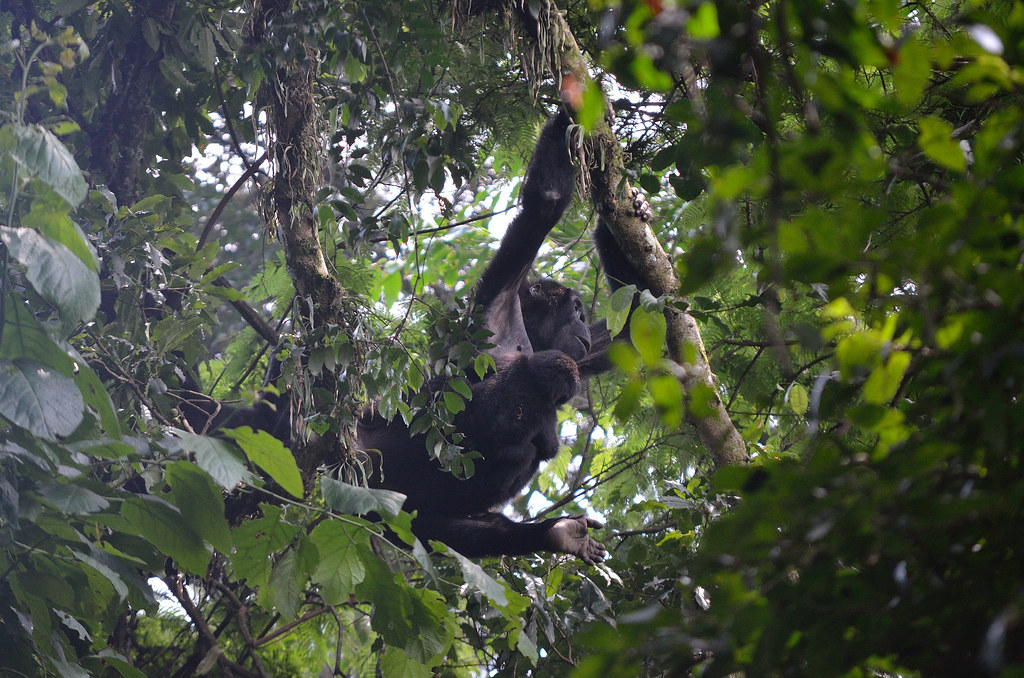
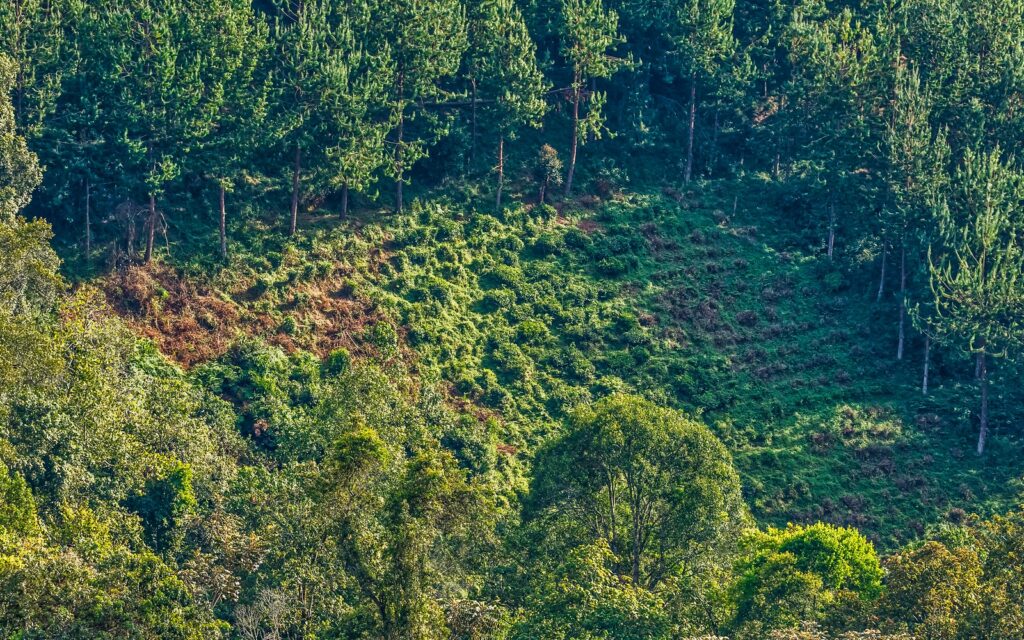
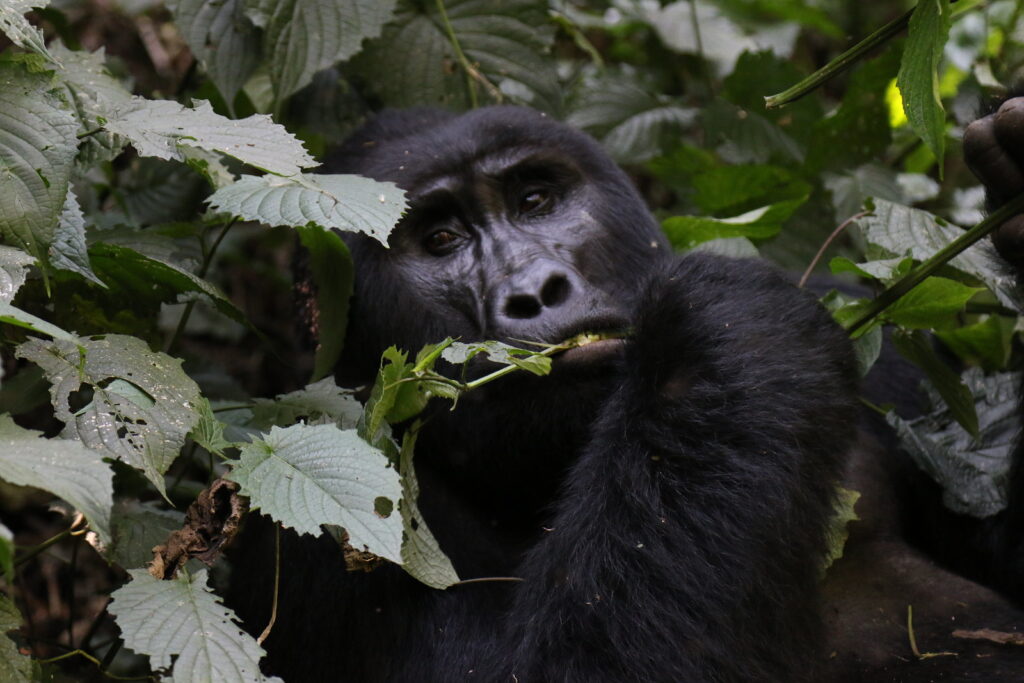
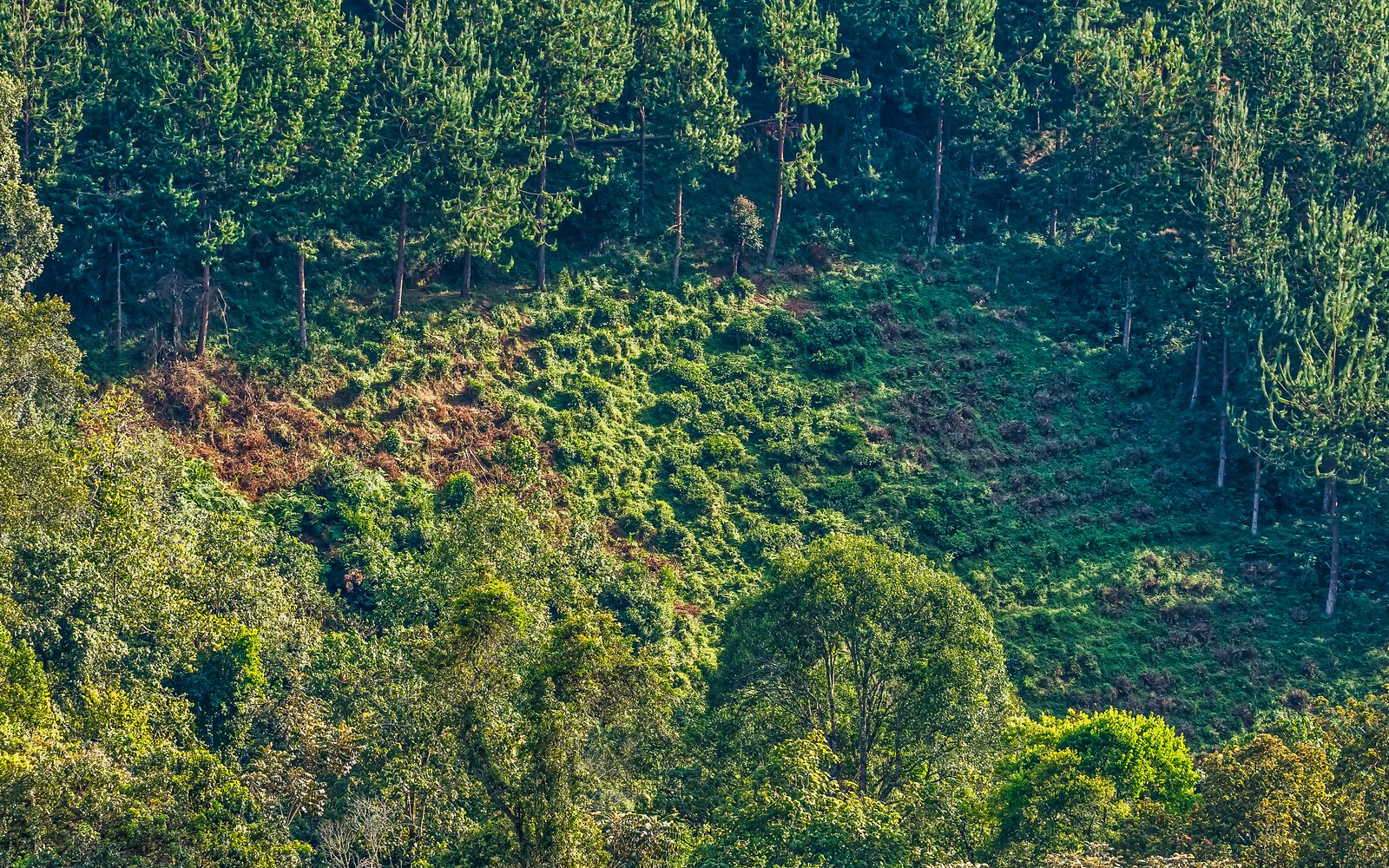
In the Realm of Giants – Bwindi & Mgahinga in Frames.
Wander through an elegant gallery capturing Uganda’s most exclusive gorilla sanctuaries, where ancient forests cradle the last mountain gorillas in a world of mist, mystery, and majesty.

Essential Planning Tips for Visiting Uganda’s National Parks.
Get ready for the wild heart of Africa with expert travel tips on when to visit, what to pack, where to go, and how to make the most of your safari across Uganda’s breathtaking national parks.
Why Uganda for Gorilla Trekking?
Uganda is not just a destination — it's the very soul of gorilla trekking. With over half of the world’s remaining mountain gorillas calling its misty forests home, Uganda offers the rarest encounters in their most authentic setting. Here, your journey is not rushed or crowded. Instead, you’re guided by experienced rangers through pristine jungles where gorillas live as they always have — wild, free, and magnificent
From insider travel insights to unforgettable trekking guides, our blog is your trusted path into Uganda’s wild heart — connecting you with mountain gorillas, breathtaking landscapes, and the soul-stirring adventures that make this land unlike any other.