Travel Insurance for Africa: What You Must Know Before You Go
Travel insurance is not optional when visiting Africa — especially if your trip includes safari, gorilla trekking, hiking, remote parks, or island destinations. Medical evacuation, trip interruption, and emergency support can be extremely expensive without coverage.
Here’s what matters most when choosing the right policy.
Why Travel Insurance Is Essential for Africa
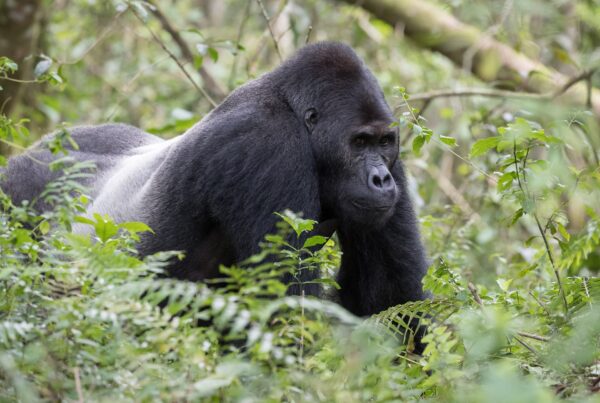
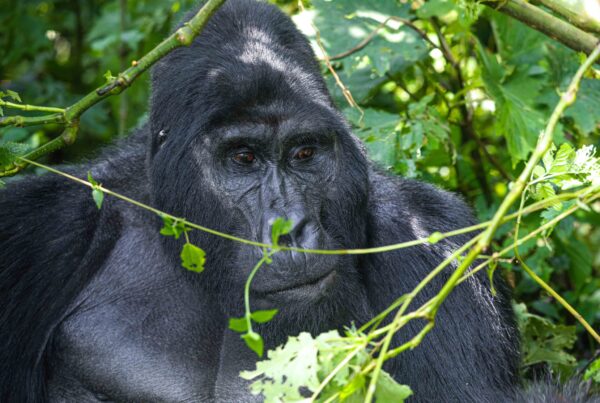
Many safari regions are remote. If you’re trekking gorillas in Bwindi Impenetrable National Park, exploring Serengeti National Park, or visiting Victoria Falls, the nearest advanced medical facility may be hours away.
Air evacuation to Nairobi, Johannesburg, or even Europe can cost tens of thousands of dollars. Travel insurance protects you against:
- Emergency medical treatment
- Medical evacuation and repatriation
- Trip cancellation or interruption
- Lost baggage
- Travel delays
What Your Policy Must Cover
Not all insurance plans are equal. For African travel, ensure your policy includes:
1. Emergency Medical Coverage
Minimum USD 100,000 recommended.
2. Medical Evacuation (Very Important)
Minimum USD 250,000–500,000 for evacuation from remote parks.
3. Adventure Activity Coverage
If you’re doing gorilla trekking, scuba diving, Kilimanjaro hiking, or safari activities, confirm they are covered.
4. Trip Cancellation & Interruption
Useful if flights change, illness occurs, or government travel restrictions arise.
5. COVID/Communicable Disease Clause
Still relevant for international travel protection.
Special Considerations for Safari & Gorilla Trekking
If you are trekking in Uganda, Rwanda, or Congo:
- Confirm gorilla trekking is not classified as “extreme sport”
- Make sure high-altitude hiking (e.g., Kilimanjaro) is covered
- Verify coverage for evacuation from national parks
Some countries, including Rwanda, may require proof of travel insurance upon entry.
When to Buy Travel Insurance
Purchase travel insurance immediately after paying your trip deposit. This protects you in case you must cancel before departure.
Waiting until the last minute can reduce cancellation coverage benefits.
What Travel Insurance Does NOT Cover
Common exclusions include:
- Pre-existing medical conditions (unless declared)
- Traveling against government advisories
- Reckless behavior
- Unlicensed tour operators
- Always read the fine print.
- Estimated Cost
Travel insurance typically costs:
- 4%–8% of total trip value
- More if over age 65
- Higher for extreme adventure coverage
For a USD 3,000 safari, expect roughly USD 120–240 for comprehensive coverage.