

Where the soul of the forest whispers in the mist
Mgahinga Gorilla National Park, located in the southwestern corner of Uganda, is a destination that draws interest from travelers, researchers, and conservation enthusiasts alike. Despite being Uganda’s smallest national park, Mgahinga holds immense ecological, cultural, and tourism significance. Many visitors often have questions regarding its wildlife, accessibility, visitor activities, and conservation value. This FAQs guide is intended to provide comprehensive and practical answers, ensuring that all visitors are well-prepared and informed before exploring the park.
The park is internationally recognized for its mountain gorillas and golden monkeys, both of which are central to Mgahinga’s tourism appeal. However, questions often extend beyond wildlife encounters to include the park’s vegetation, climate, altitude, and cultural heritage. Understanding these aspects before visiting enhances not only the visitor experience but also promotes responsible and informed tourism. The park’s location within the Virunga volcanic range, its ecological diversity, and its cultural significance all contribute to a unique blend of adventure, learning, and conservation awareness for those who enter its boundaries.
So lace up your boots, grab your camera, and prepare to meet the wild — this is where your gorilla trekking dreams and unforgettable safari adventures truly begin.
Truly Iconic Highlights in Uganda

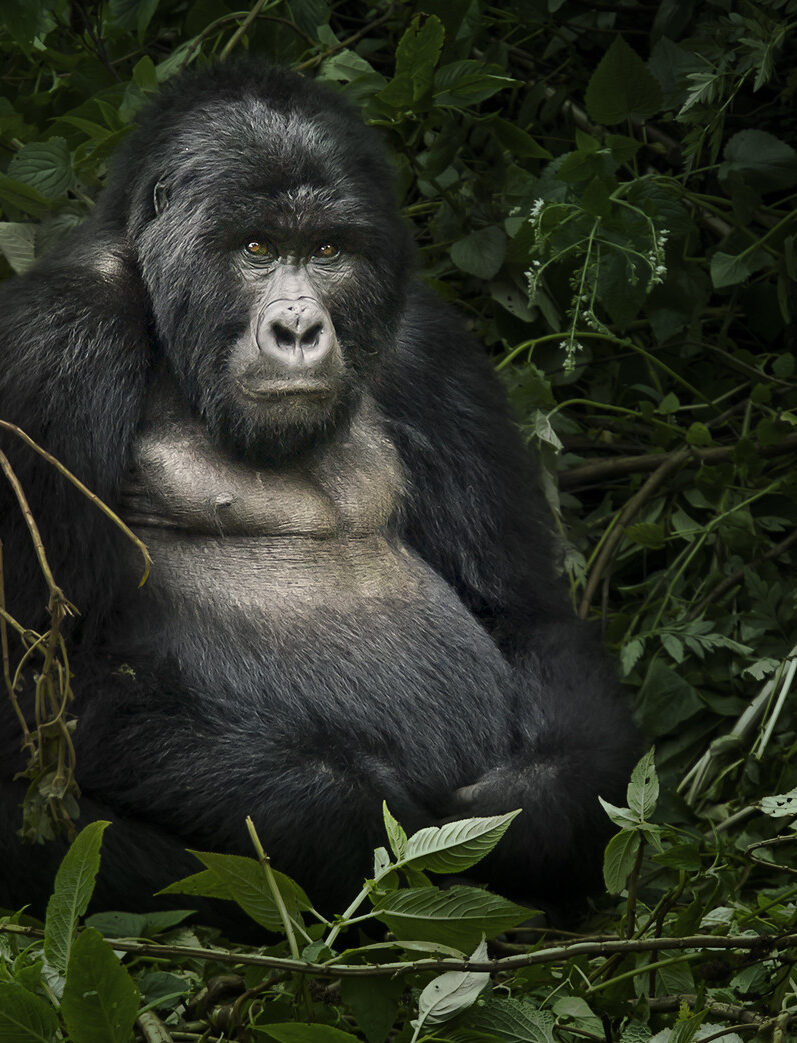
Trek through Bwindi’s mystical rainforest and meet the endangered mountain gorillas in their breathtaking natural home.
Encounter mountain gorillas and golden monkeys on Mgahinga’s misty volcanic trails, where culture and alpine wildlife thrive together.
Unwind after your trek with a peaceful canoe ride across Lake Bunyonyi, Uganda’s most tranquil and scenic highland lake.
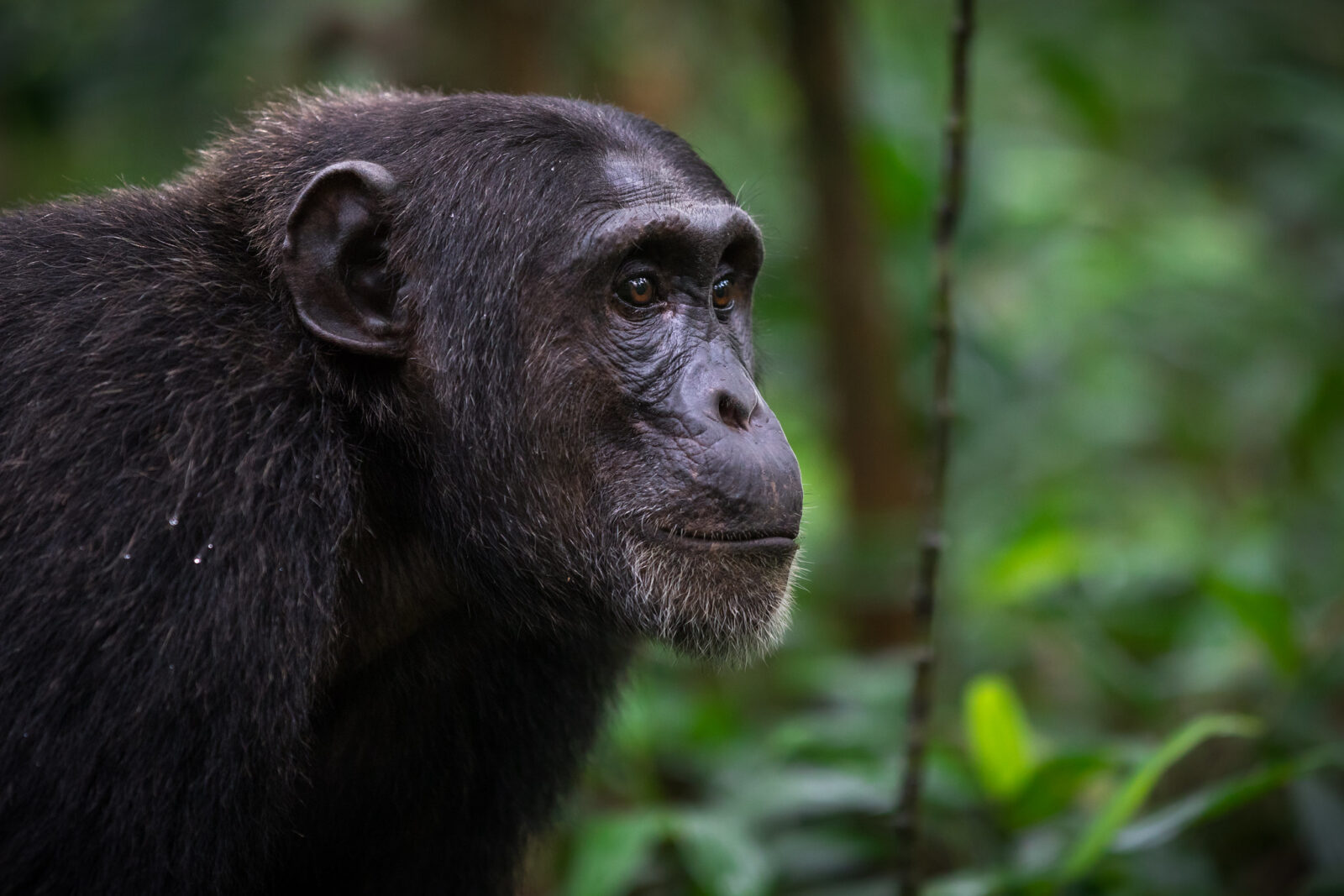
Enhance your gorilla trekking safari with an optional chimpanzee encounter in Uganda’s lush forests, adding depth and diversity to your primate adventure
A DETAILED STUDY OF MGAHINGA FREQUENTLY ASKED QUESTIONS
What is Mgahinga Gorilla National Park best known for?
Mgahinga Gorilla National Park is best known for mountain gorilla trekking and golden monkey tracking. The mountain gorillas of Mgahinga are critically endangered and provide one of the most sought-after wildlife experiences in the world. The park’s relatively small size compared to other Ugandan protected areas allows for a more intimate encounter with these primates, as visitor numbers are limited and strictly regulated. Golden monkeys, on the other hand, are endemic to the Virunga volcanic region and are a colorful and active species, often spotted in the bamboo forests that cover the park’s mid-altitude slopes. The park is also noted for its dramatic volcanic scenery, including Mount Muhabura, Mount Gahinga, and Mount Sabyinyo. These extinct volcanoes shape the park’s ecosystems and contribute to its fertile soils, which support dense vegetation zones and high biodiversity. Together, the wildlife and volcanic landscapes define Mgahinga as a destination that combines ecological significance with breathtaking natural beauty.
Where is Mgahinga Gorilla National Park located?
Mgahinga is situated in Uganda’s southwestern Kisoro District, at the borders of Rwanda and the Democratic Republic of Congo. The park lies on the northern slopes of the Virunga Volcanoes and forms part of the Albertine Rift, a region known for high levels of biodiversity and endemic species. This transboundary location makes Mgahinga strategically important for conservation, as it allows wildlife to move freely across borders and contributes to regional ecological connectivity. Its proximity to other protected areas, including Bwindi Impenetrable National Park and Rwanda’s Volcanoes National Park, offers opportunities for cross-border tourism packages and extended conservation initiatives. The surrounding highland terrain, with its rolling hills and terraced farmlands, further adds to the scenic and cultural appeal of the region.
How do visitors get to Mgahinga?
Visitors can reach Mgahinga by both road and air. Road travel from Kampala passes through Kabale and Kisoro, offering scenic views of volcanic peaks, terraced agriculture, and highland forests. From Kisoro town, the final approach to the park headquarters at Ntebeko Visitor Centre is typically a short drive through rural landscapes. Road access allows travelers to experience the region’s local culture and geography in a way that air travel does not, although weather conditions may affect travel time. Air travel to Kisoro Airstrip is available from Entebbe or other domestic airports, followed by a brief road transfer to the park. While flying reduces travel time, many travelers prefer the road route for its scenic value and flexibility. Regardless of the mode of transport, visitors are advised to plan for altitudinal changes and variable weather conditions when preparing for the journey.
What is the altitude of Mgahinga?
The park’s altitude ranges from approximately 2,227 meters at its lower slopes to over 4,127 meters at the peaks of Mount Muhabura and Mount Sabyinyo. This altitudinal variation creates distinct climatic and vegetation zones, ranging from dense lower montane forests to bamboo belts and afro-alpine ecosystems at higher elevations. The cooler temperatures at altitude and steep terrain require visitors to be physically prepared, especially for gorilla trekking and volcano hiking. The variation in elevation also contributes to the park’s rich biodiversity. Each altitude supports different plant and animal communities, offering visitors opportunities to observe a wide range of species within a compact area. Altitude influences not only wildlife distribution but also weather patterns, making preparation essential for comfort and safety during visits.
What wildlife can be seen in Mgahinga?
Mgahinga is home to a remarkable array of wildlife. The mountain gorilla remains the park’s most iconic resident, attracting visitors from around the world. Golden monkeys inhabit the bamboo forests and are an important species for both ecological monitoring and tourism. Other mammals, including forest elephants, bushbucks, duikers, and smaller primates, contribute to the park’s intricate ecosystem. Birdlife is abundant, with over 180 species recorded, including Albertine Rift endemics such as the African green broadbill and the Rwenzori turaco. Reptiles, amphibians, and insects also play vital ecological roles, controlling insect populations, aiding in pollination, and supporting food chains. The diversity of species and their interactions illustrate Mgahinga’s ecological complexity and make wildlife observation an essential aspect of visiting the park.
What activities are available in Mgahinga?
The park offers a variety of activities suited for different types of visitors. Mountain gorilla trekking and golden monkey tracking are the primary attractions, providing unparalleled wildlife encounters. Volcano hiking allows visitors to explore the peaks of Mount Muhabura, Mount Gahinga, and Mount Sabyinyo, with panoramic views of Uganda and neighboring countries. Nature walks, bird watching, and the Batwa Trail provide insights into the park’s cultural and ecological heritage, highlighting the role of local communities and traditional knowledge in conservation. All activities are conducted under the supervision of trained park rangers and guides, ensuring visitor safety and compliance with conservation regulations. These structured programs support sustainable tourism while educating visitors about the importance of protecting endangered species and fragile habitats.
What is the Batwa Trail experience?
The Batwa Trail is a cultural experience led by the Batwa, the indigenous people of the region. Visitors learn about traditional forest practices, medicinal plant use, music, dance, and storytelling. The trail preserves knowledge of forest ecology and cultural heritage while providing alternative livelihoods for the Batwa community. Engaging with the Batwa emphasizes the connection between culture and conservation and demonstrates how sustainable tourism can benefit local populations.
What is the role of Ntebeko Visitor Centre?
Ntebeko Visitor Centre is the park’s main administrative and orientation hub. All visitors begin their excursions here, receiving trekking briefings, safety guidelines, and educational materials about Mgahinga’s wildlife, habitats, and conservation initiatives. The centre also functions as a research hub, supporting ecological monitoring, wildlife studies, and community outreach programs. Its services ensure that visitors are informed, prepared, and engaged, enhancing the overall experience while safeguarding ecological integrity.
When is the best time to visit Mgahinga?
Mgahinga can be visited year-round, though drier months are preferred for trekking and hiking due to safer trail conditions and better visibility. The wetter months bring lush vegetation and a quieter park experience but may increase trail difficulty. Wildlife viewing remains possible in all seasons, though altitude, rainfall, and weather patterns influence accessibility and trekking comfort.
Why is Mgahinga important for conservation?
Mgahinga plays a critical role in conserving mountain gorillas, golden monkeys, and afro-montane ecosystems. Its location within the Virunga Conservation Area allows for cross-border wildlife connectivity, while the park’s ecosystems contribute to soil stability, water regulation, and climate resilience. Conservation programs integrate scientific research, tourism revenue, and community engagement, ensuring that both biodiversity and local livelihoods are supported. Protecting Mgahinga safeguards not only iconic species but also the ecological services that benefit surrounding regions and communities.
More Mgahinga Information to Know.
Mgahinga Gorilla National Park is a compact, high-altitude park in southwestern Uganda, defined by dramatic volcanic mountains and afro-montane forest. Its cool climate, rare vegetation, golden monkey habitat, rich cultural heritage, and strong conservation focus make it a unique and rewarding destination for primate and nature experiences.
Mgahinga Climate
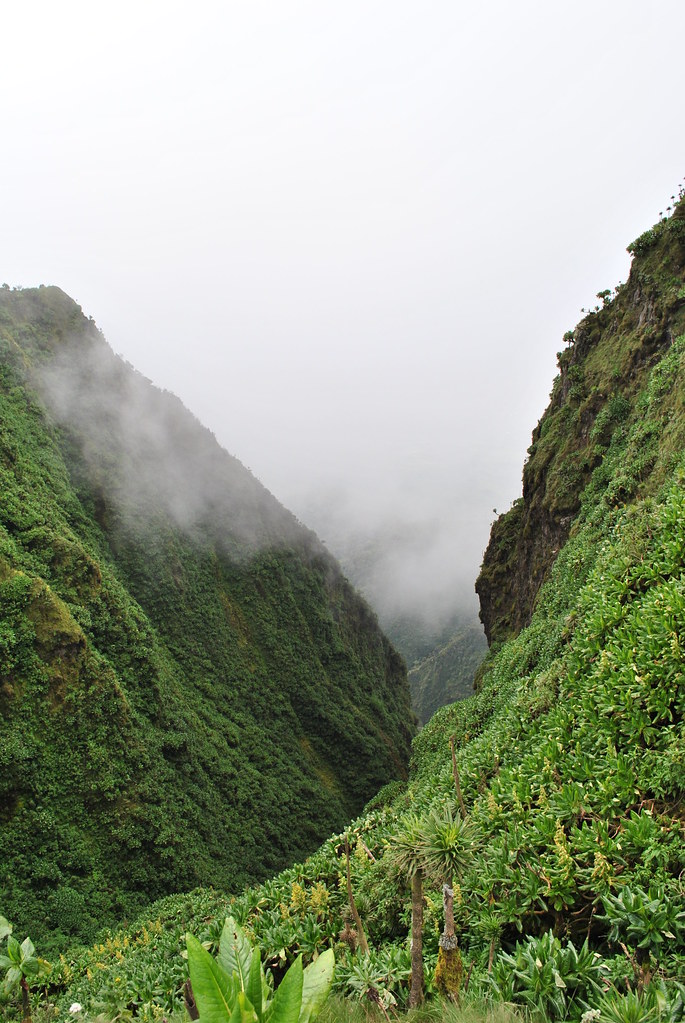
Mgahinga Climate
Mgahinga Geography & Geology
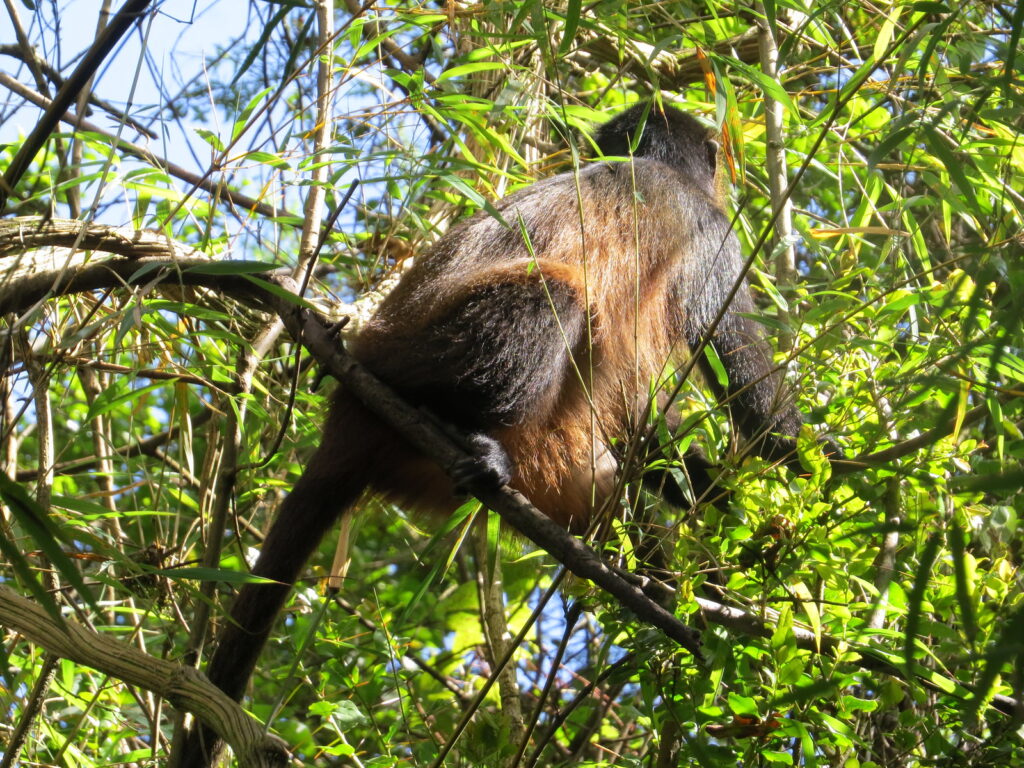
Mgahinga Geography & Geology
Mgahinga History
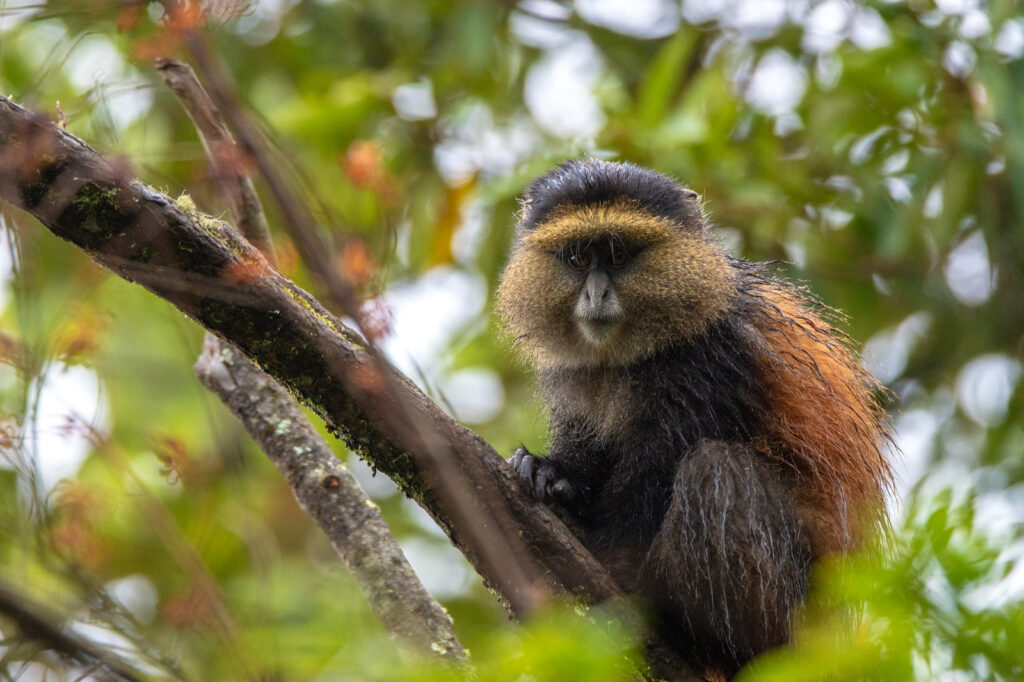
Mgahinga History
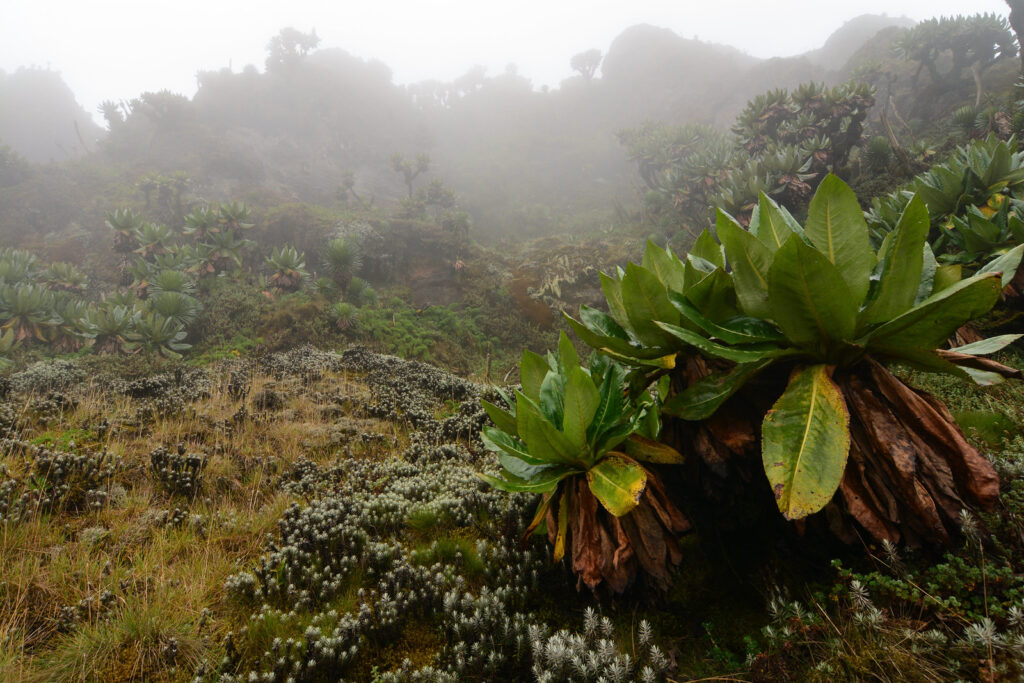
Mgahinga Vegetation
Mgahinga Vegetation
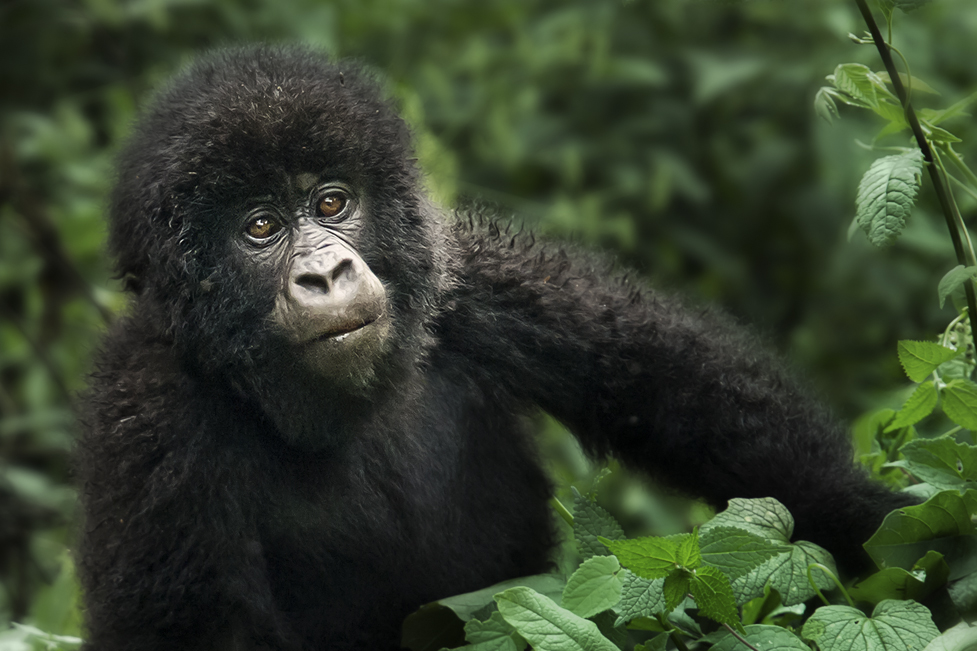
Ntebeko Visitor Centre
Ntebeko Visitor Centre
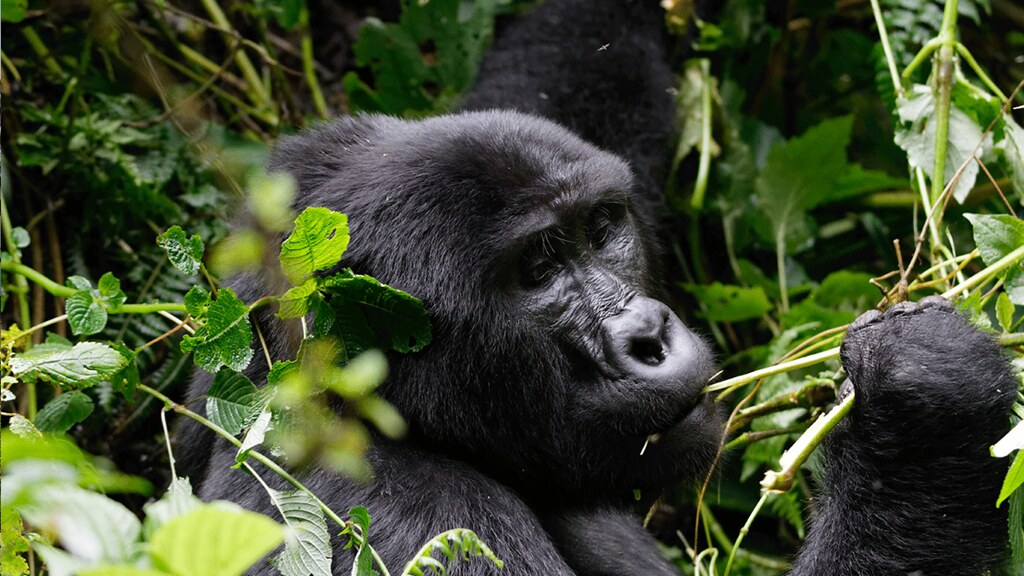
Mgahinga Biodiversity
Mgahinga Biodiversity
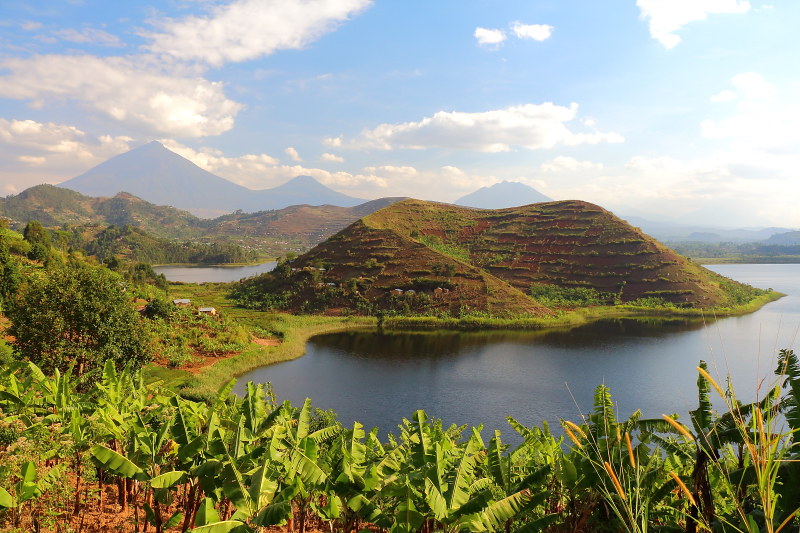
Getting There To Mgahinga
Getting There To Mgahinga
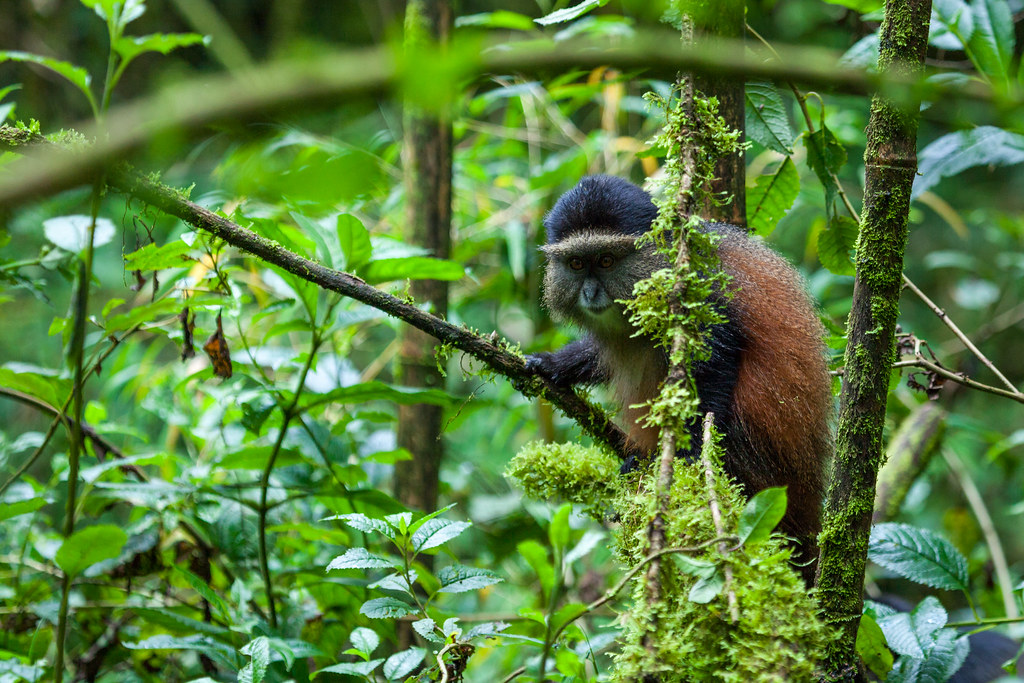
Mgahinga Location
Mgahinga Location
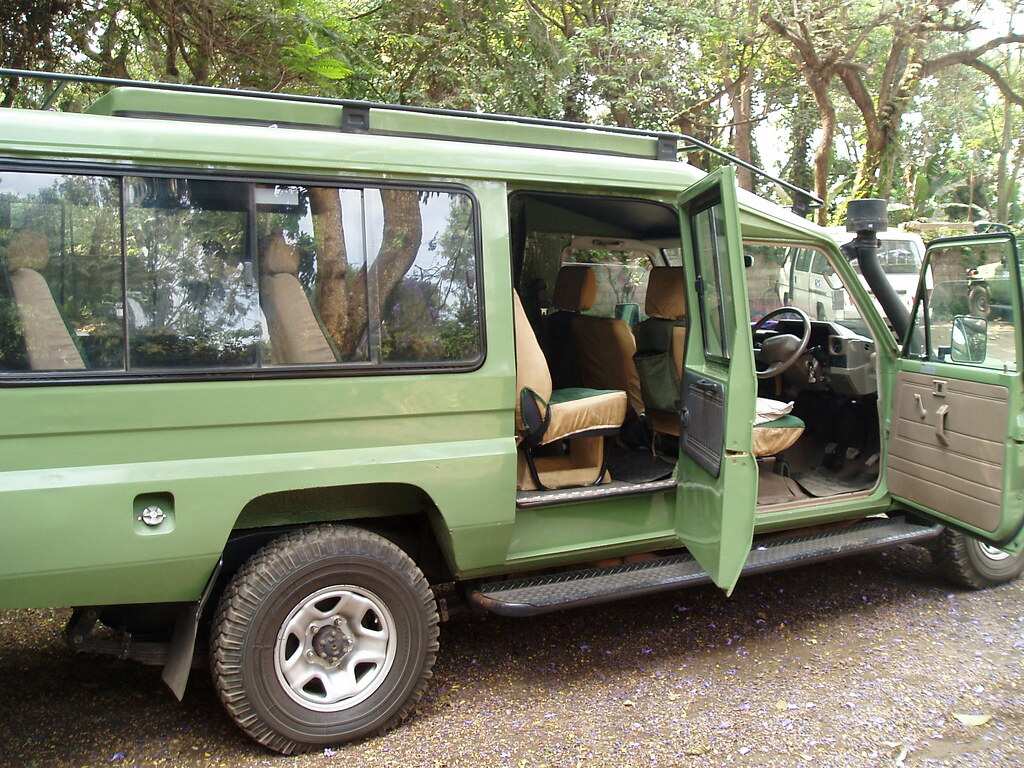
Self Drive
Self Drive
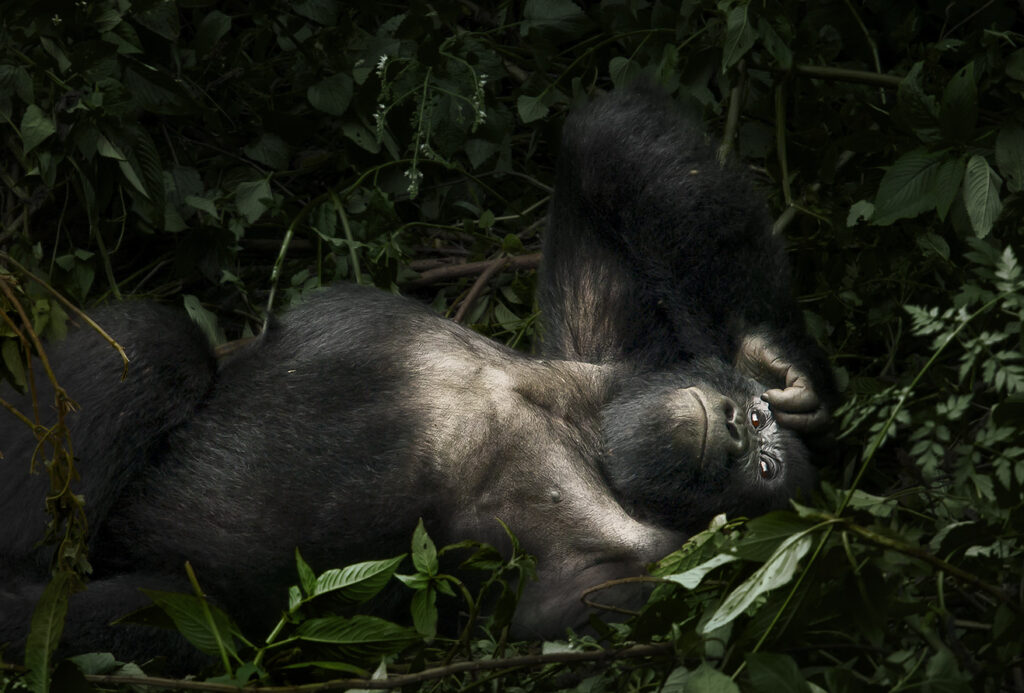
Mgahinga Altitude
Mgahinga Altitude
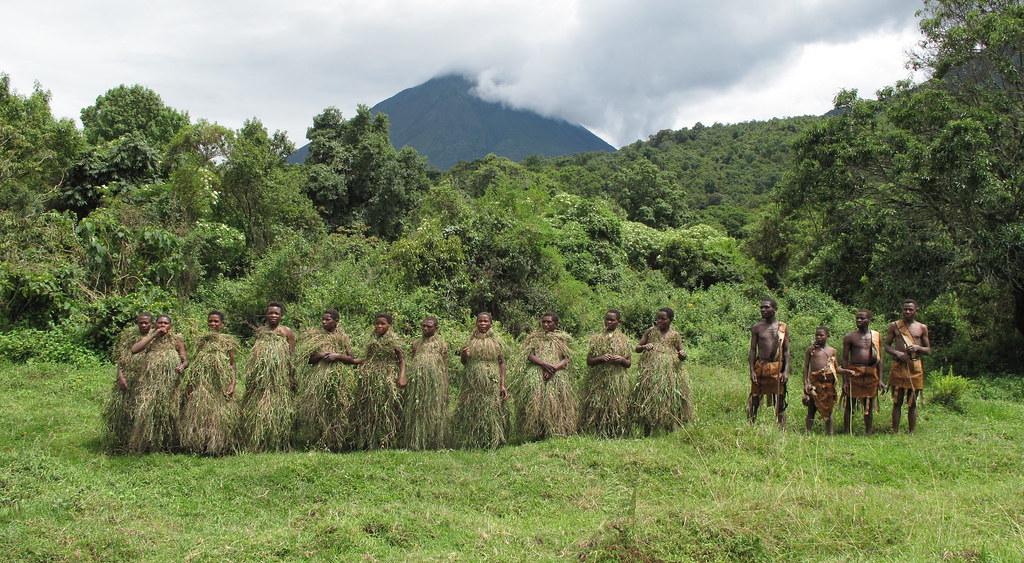
Batwa Trail
Batwa Trail
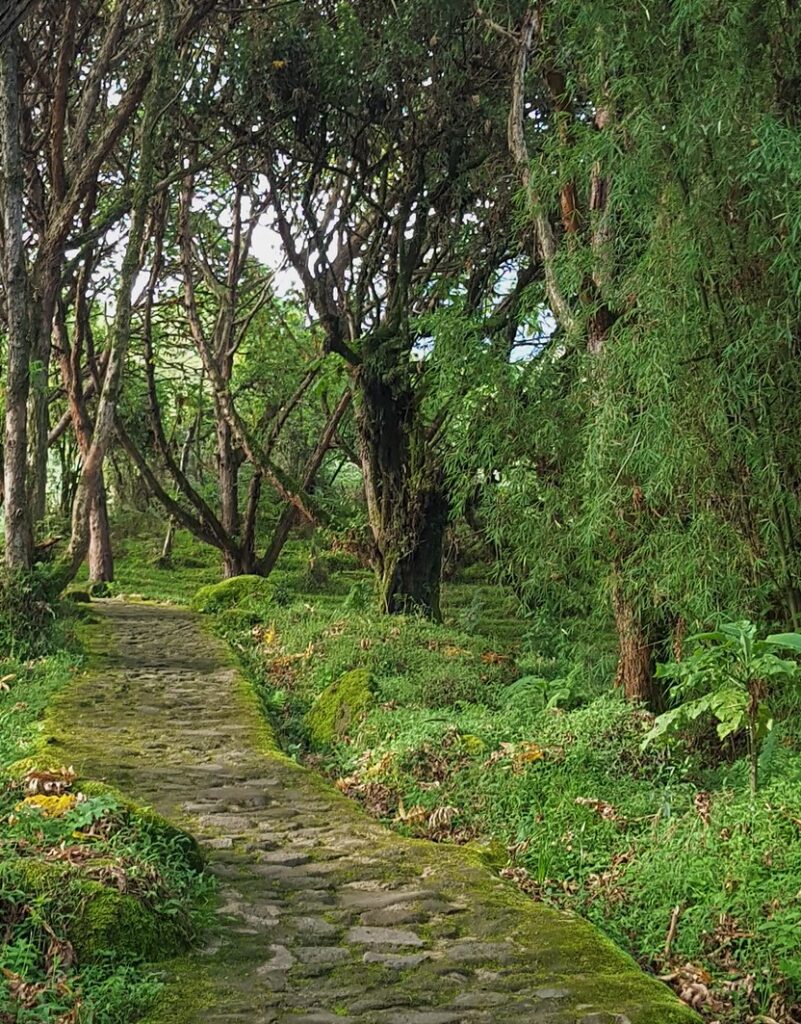
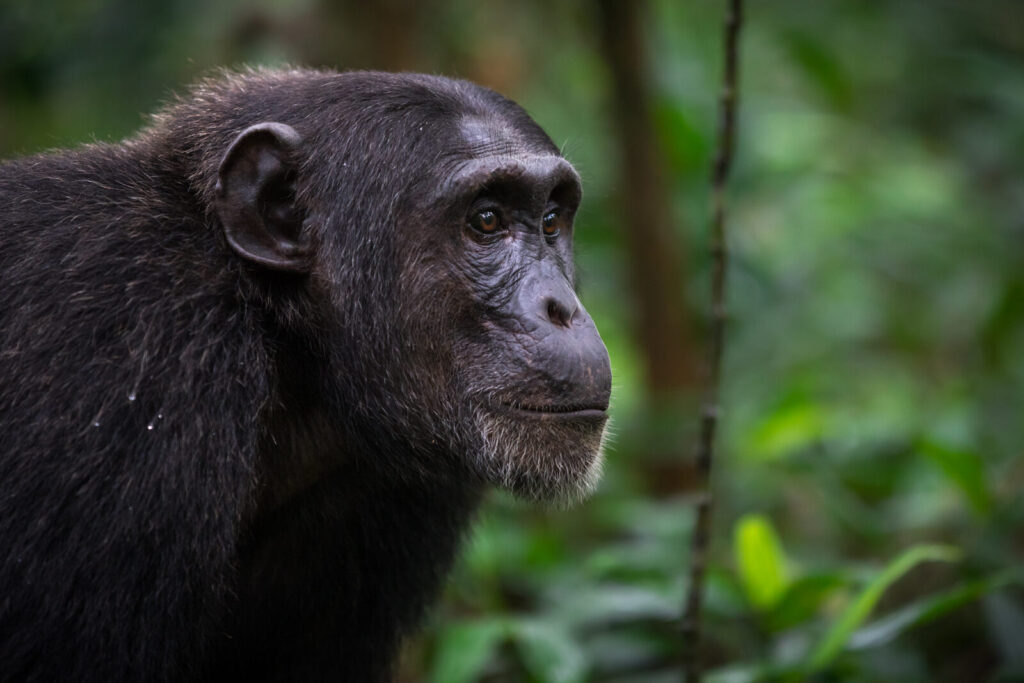
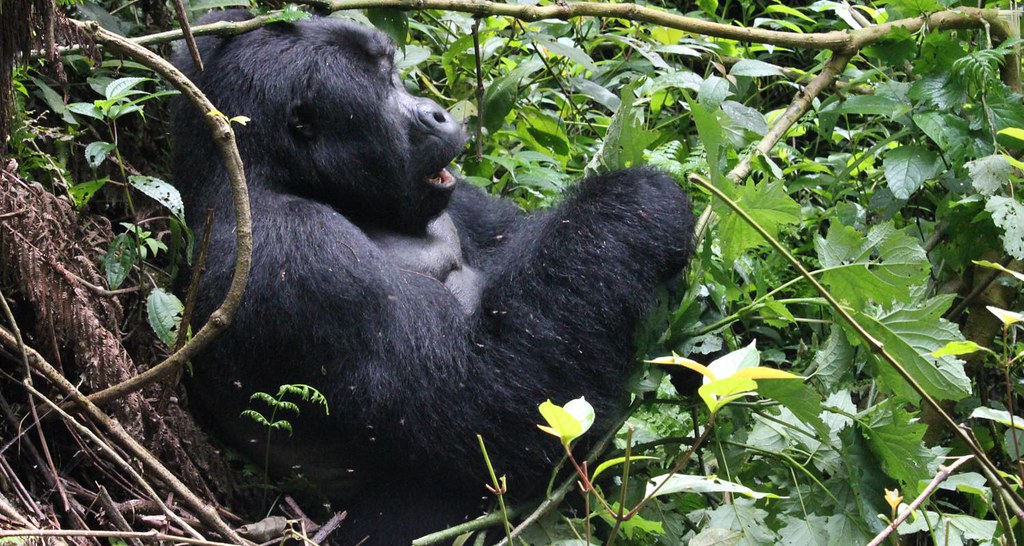
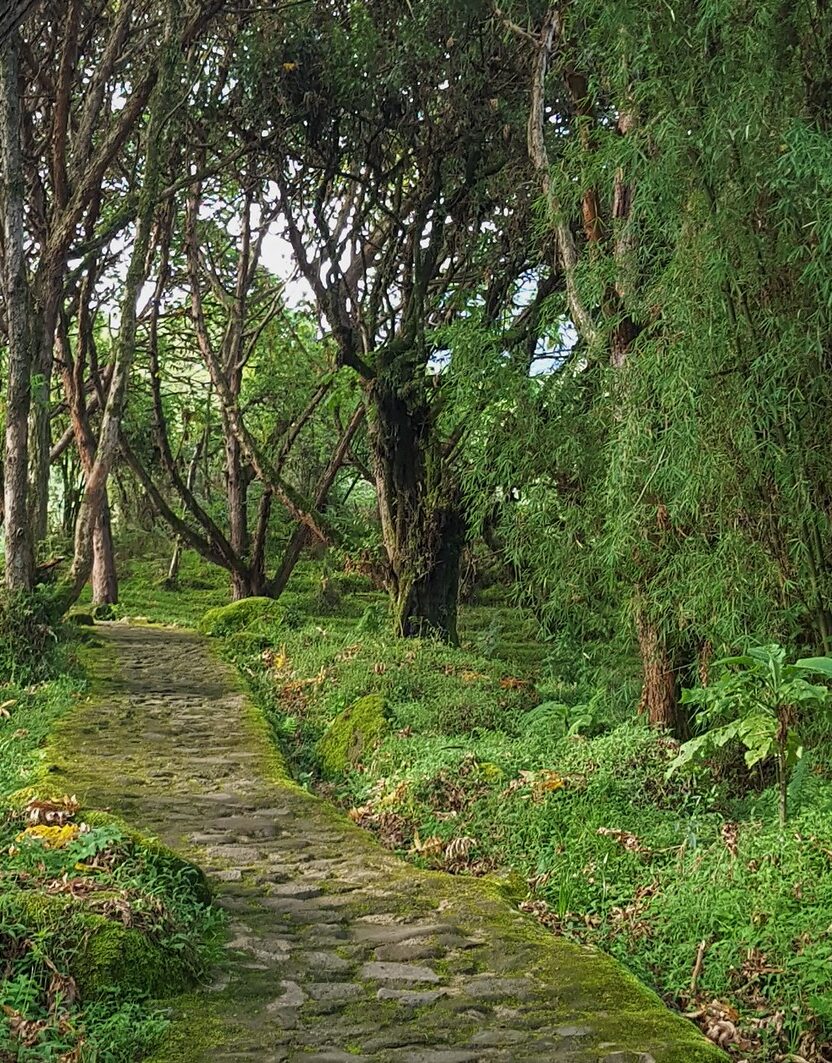
In the Realm of Giants – Bwindi & Mgahinga in Frames.
Wander through an elegant gallery capturing Uganda’s most exclusive gorilla sanctuaries, where ancient forests cradle the last mountain gorillas in a world of mist, mystery, and majesty.
Essential Planning Tips for Visiting Uganda’s National Parks.
Get ready for the wild heart of Africa with expert travel tips on when to visit, what to pack, where to go, and how to make the most of your safari across Uganda’s breathtaking national parks.
Why Uganda for Gorilla Trekking?
Uganda is not just a destination — it's the very soul of gorilla trekking. With over half of the world’s remaining mountain gorillas calling its misty forests home, Uganda offers the rarest encounters in their most authentic setting. Here, your journey is not rushed or crowded. Instead, you’re guided by experienced rangers through pristine jungles where gorillas live as they always have — wild, free, and magnificent
From insider travel insights to unforgettable trekking guides, our blog is your trusted path into Uganda’s wild heart — connecting you with mountain gorillas, breathtaking landscapes, and the soul-stirring adventures that make this land unlike any other.