

Where the soul of the forest whispers in the mist
Mgahinga Gorilla National Park has a rich and complex history shaped by both natural and human influences. The area has been inhabited for centuries by indigenous communities, including the Batwa people, who depended on the forested volcanic slopes for hunting, gathering, and cultural practices. Before the establishment of the park, the land was a mix of dense forests, bamboo groves, and fertile volcanic soil used for small-scale farming and traditional livelihoods. The cultural and historical significance of Mgahinga is intertwined with its unique geography and biodiversity, which have long provided resources and shelter for local populations.
The formal protection of Mgahinga began in the early 1990s, when the Ugandan government, recognizing the ecological and conservation importance of the Virunga volcanic region, established the park to safeguard its endangered mountain gorillas, golden monkeys, and montane forests. The creation of Mgahinga Gorilla National Park marked a significant shift in land use, from community subsistence and limited agriculture to focused conservation and eco-tourism, balancing wildlife protection with the livelihoods of surrounding communities.
So lace up your boots, grab your camera, and prepare to meet the wild — this is where your gorilla trekking dreams and unforgettable safari adventures truly begin.
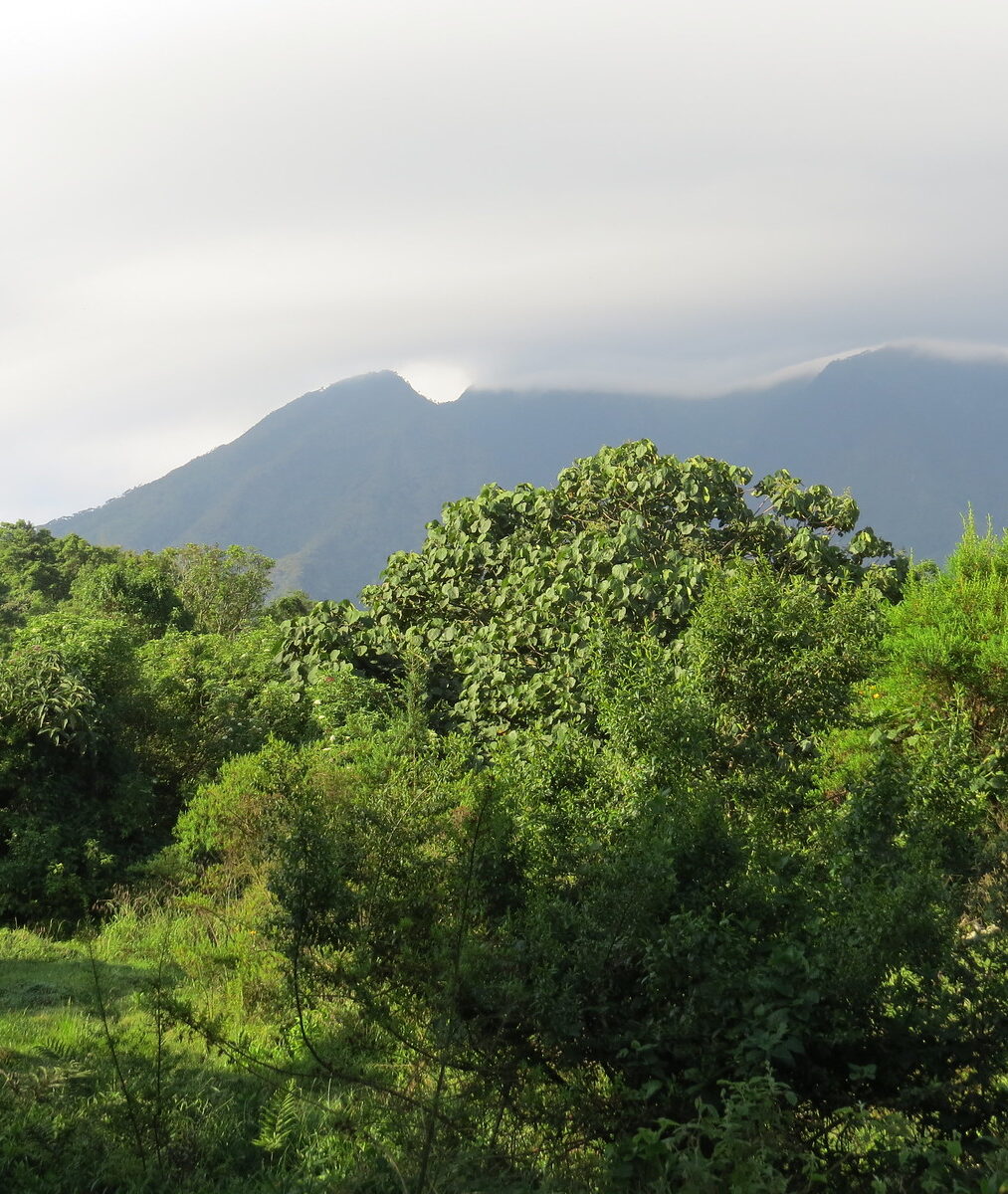
Truly Iconic Highlights in Uganda

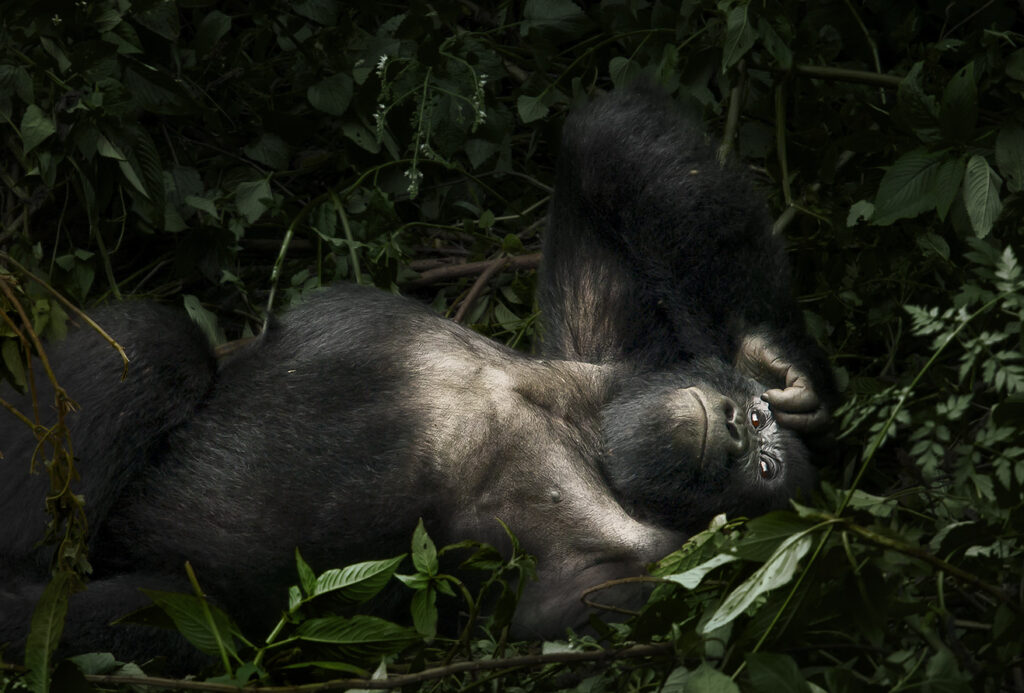
Trek through Bwindi’s mystical rainforest and meet the endangered mountain gorillas in their breathtaking natural home.
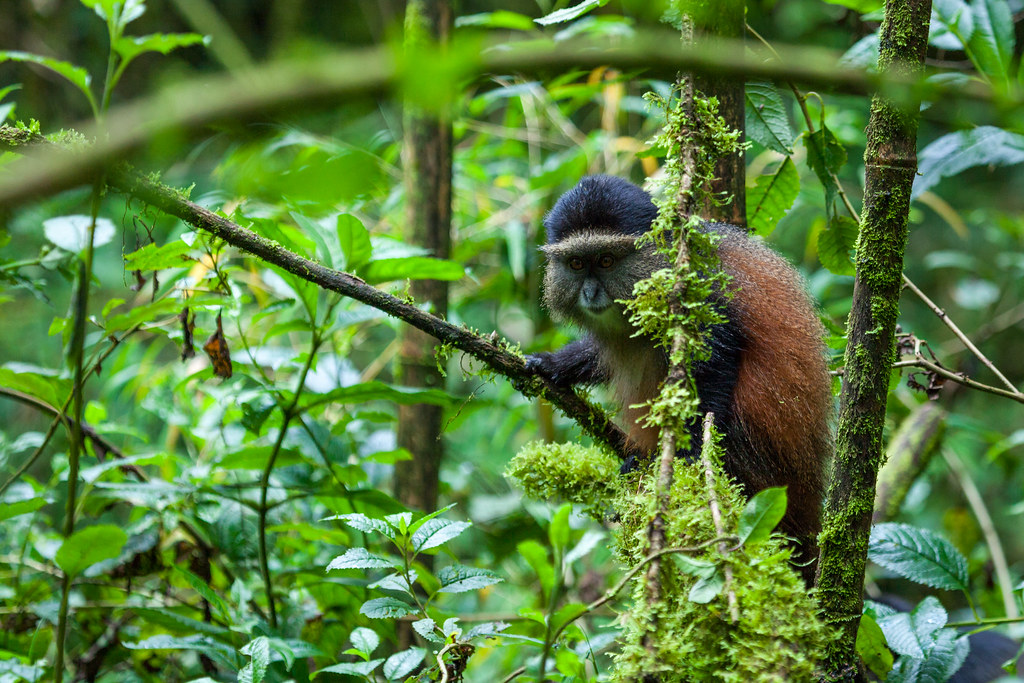
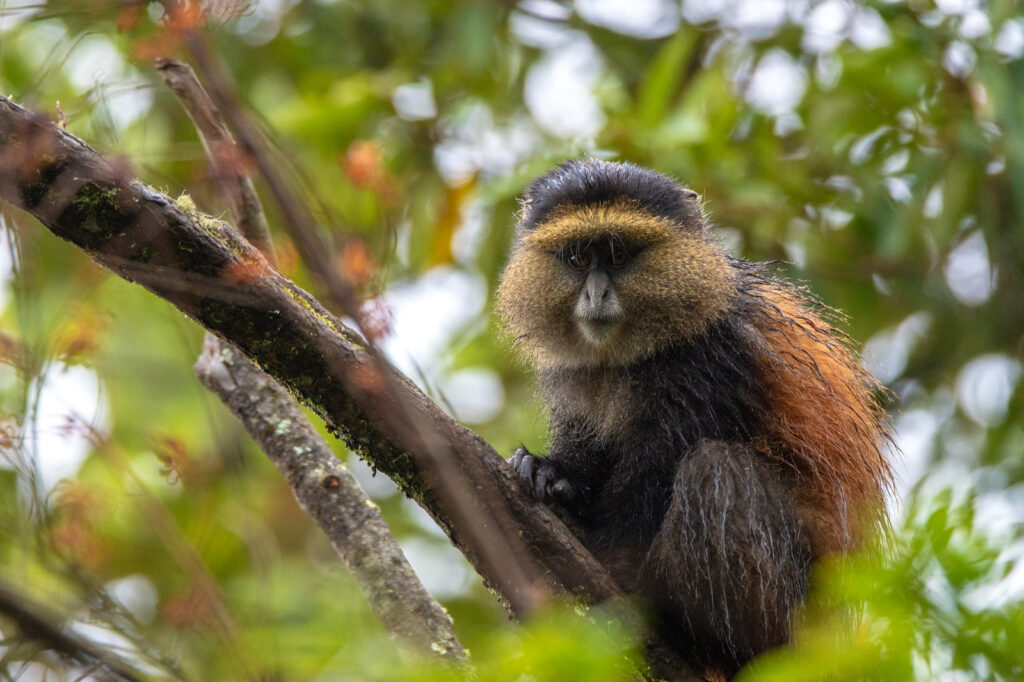
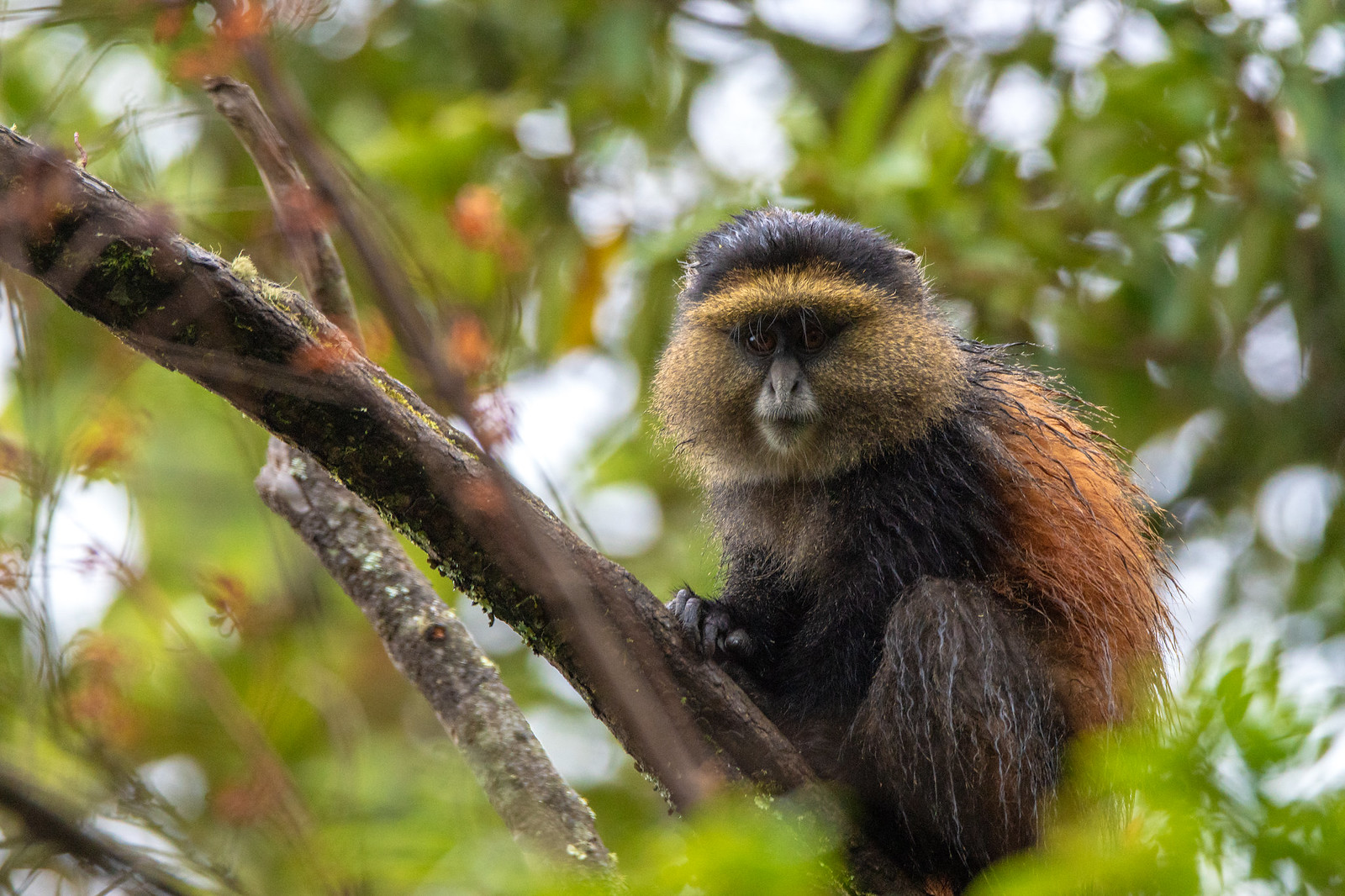
Encounter mountain gorillas and golden monkeys on Mgahinga’s misty volcanic trails, where culture and alpine wildlife thrive together.
Unwind after your trek with a peaceful canoe ride across Lake Bunyonyi, Uganda’s most tranquil and scenic highland lake.
Enhance your gorilla trekking safari with an optional chimpanzee encounter in Uganda’s lush forests, adding depth and diversity to your primate adventure
A DETAILED HISTORICAL STUDY OF MGAHINGA NATIONAL PARK
Indigenous Communities and Early Human Interaction
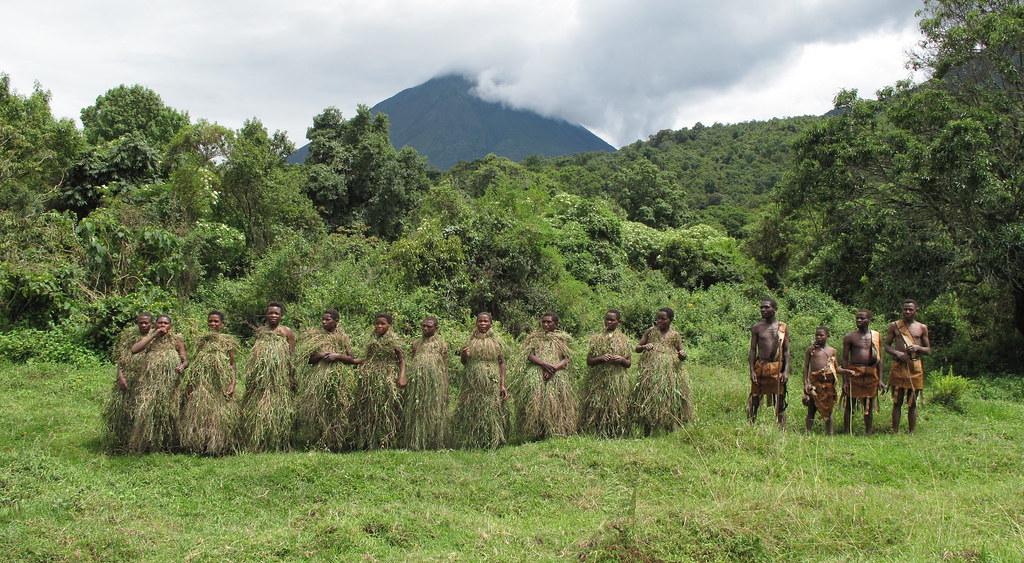
Long before the park’s establishment, the Batwa people were the region’s original inhabitants, relying entirely on forest resources. Their knowledge of forest ecology, animal behavior, and medicinal plants was extensive, passed down through generations. The Batwa used the forests not only for survival but also for cultural practices, including rituals, storytelling, and community ceremonies that reinforced social cohesion and respect for nature.Other local ethnic groups also shaped the landscape, practicing small-scale farming and livestock grazing in areas surrounding the forest. These activities were generally sustainable, as traditional farming techniques and land management practices minimized soil degradation and allowed wildlife corridors to persist. Communities respected certain parts of the forest, considering them sacred, which inadvertently created zones of conservation. Human interaction with the wildlife of Mgahinga was historically guided by cultural norms. Hunting was selective, avoiding endangered species, and some animals were considered spiritually significant, further protecting them. These early interactions highlight how indigenous knowledge contributed to ecological preservation long before formal conservation policies were introduced.
Conservation Initiatives and Park Establishment
During the late 20th century, mountain gorilla populations faced increasing threats from poaching, habitat loss, and human encroachment, prompting regional and international conservation attention. The Virunga Mountains, spanning Uganda, Rwanda, and the Democratic Republic of Congo, were recognized as critical for the survival of these endangered primates. In response, the Ugandan government gazetted Mgahinga Gorilla National Park in 1991, designating it as a protected area to conserve its unique biodiversity and fragile ecosystems. The creation of the park involved both ecological and social measures. Core conservation zones were established to protect gorilla habitats, while buffer zones allowed some sustainable human activity. Certain communities were resettled to reduce human-wildlife conflicts, and new programs introduced alternative livelihoods through eco-tourism. Mountain gorilla trekking became a key tourism activity, creating revenue streams that supported conservation and community development. International organizations, such as the Wildlife Conservation Society and World Wide Fund for Nature, played pivotal roles in planning, funding, and implementing conservation strategies, ensuring a science-based approach to park management.
Historical Challenges and Developments
Mgahinga’s history has also been shaped by challenges that tested its conservation framework. Political instability in neighboring Rwanda and the Democratic Republic of Congo, particularly during the 1990s, sometimes spilled over into the park, affecting management and security. Additionally, pressures from increasing local populations led to agricultural encroachment and resource extraction, threatening fragile ecosystems. Poaching, though limited compared to larger parks, posed a significant threat to wildlife. The modern significance of Mgahinga lies in its integration of ecology, tourism, and community development. It serves as a hub for research on mountain gorillas, biodiversity, and montane ecosystems while providing sustainable economic opportunities for surrounding communities. The park’s history demonstrates how historical land use, indigenous knowledge, and modern conservation efforts can coexist to create a landscape that honors both natural and human heritage. Mgahinga remains a critical example of how ecological, cultural, and socio-economic considerations can be harmonized in the management of protected areas.
Cultural Heritage and Modern Significance
Today, Mgahinga National Park is celebrated not only for its biodiversity but also for its cultural heritage, particularly the traditions of the Batwa people. Cultural tourism programs allow visitors to experience Batwa music, dance, and storytelling, fostering awareness and appreciation of indigenous practices. These initiatives preserve knowledge of traditional forest use and reinforce the connection between conservation and cultural identity. The modern significance of Mgahinga lies in its integration of ecology, tourism, and community development. It serves as a hub for research on mountain gorillas, biodiversity, and montane ecosystems while providing sustainable economic opportunities for surrounding communities. The park’s history demonstrates how historical land use, indigenous knowledge, and modern conservation efforts can coexist to create a landscape that honors both natural and human heritage. Mgahinga remains a critical example of how ecological, cultural, and socio-economic considerations can be harmonized in the management of protected areas.
More Mgahinga Information to Know.
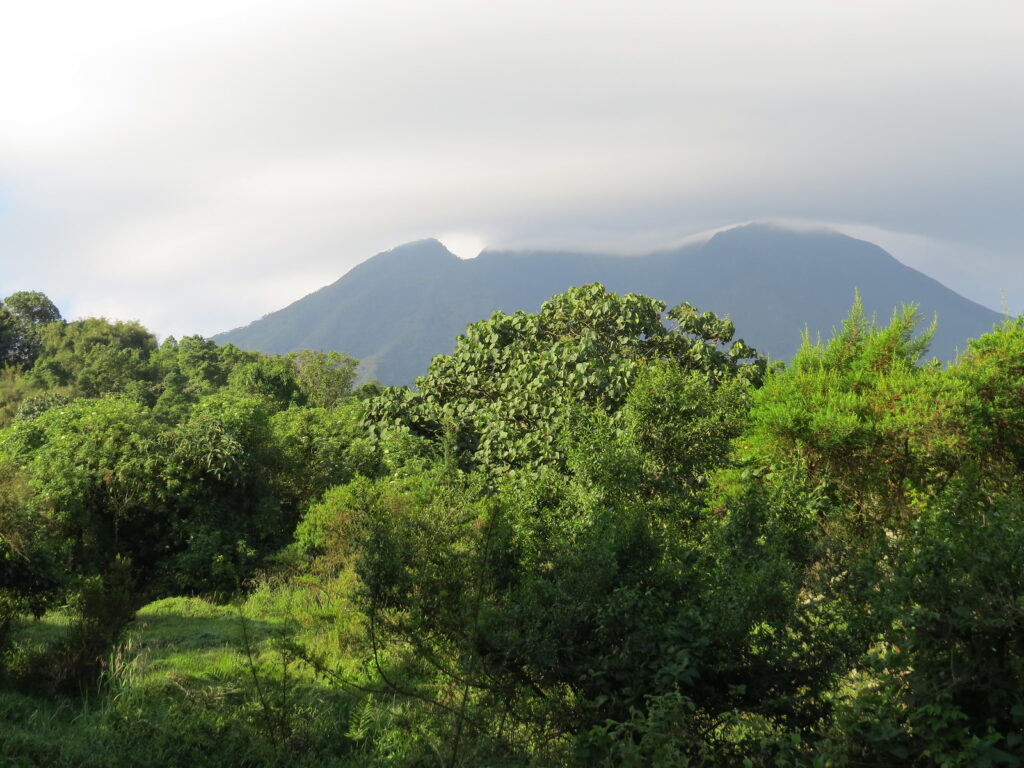
Mgahinga Gorilla National Park is a compact, high-altitude park in southwestern Uganda, defined by dramatic volcanic mountains and afro-montane forest. Its cool climate, rare vegetation, golden monkey habitat, rich cultural heritage, and strong conservation focus make it a unique and rewarding destination for primate and nature experiences.
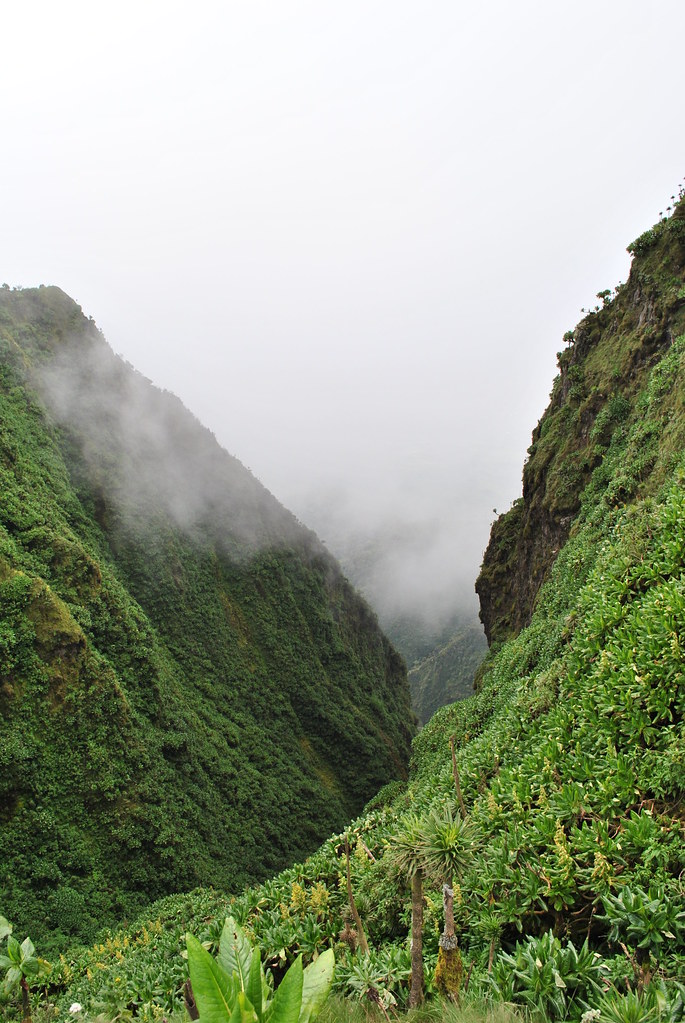
Mgahinga Climate
Mgahinga Climate
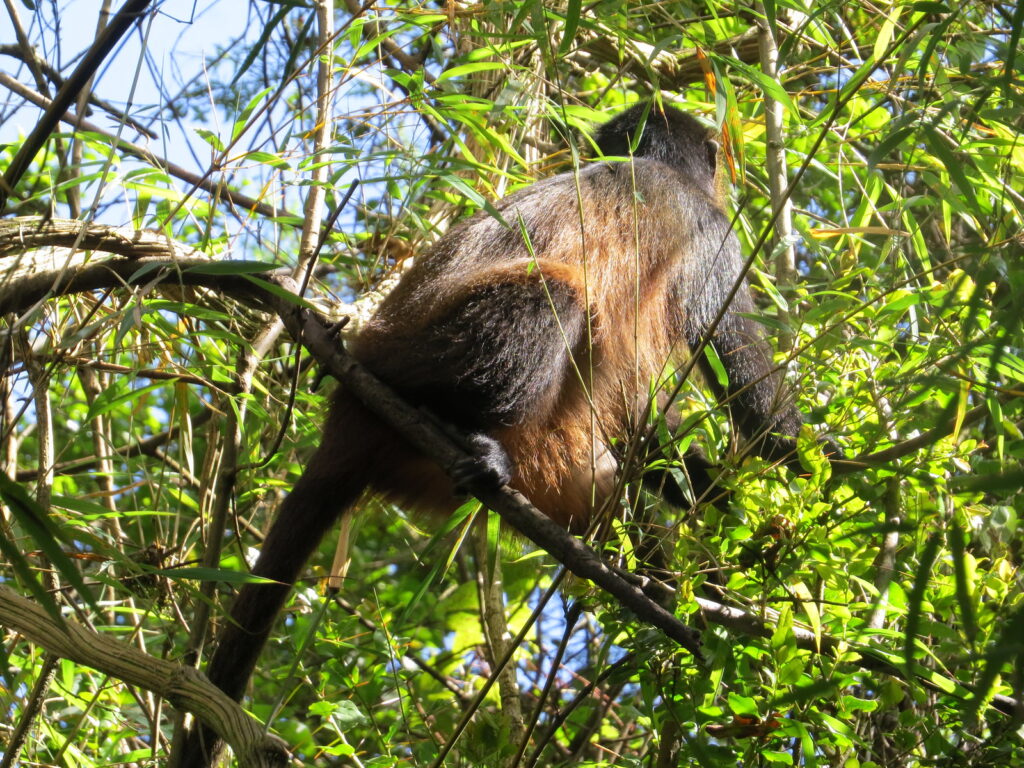
Mgahinga Geography & Geology
Mgahinga Geography & Geology
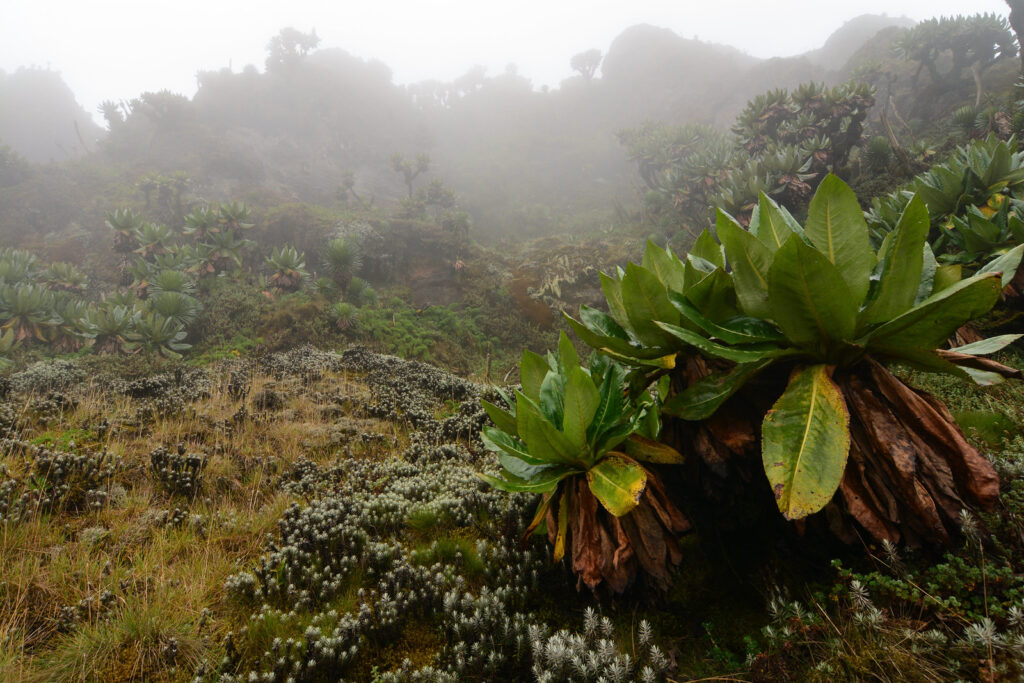
Mgahinga Vegetation
Mgahinga Vegetation
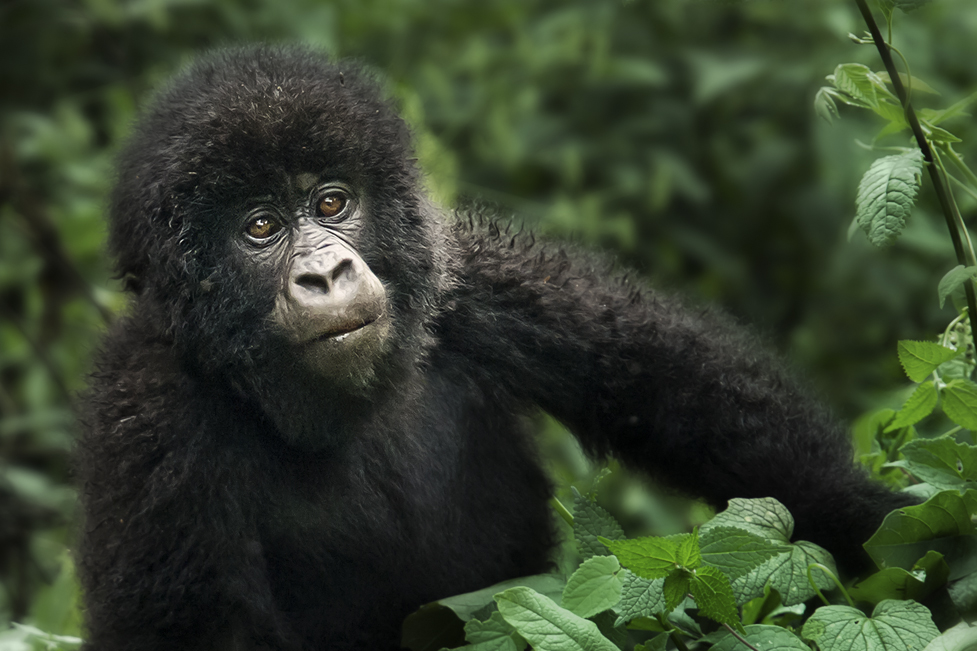
Ntebeko Visitor Centre
Ntebeko Visitor Centre
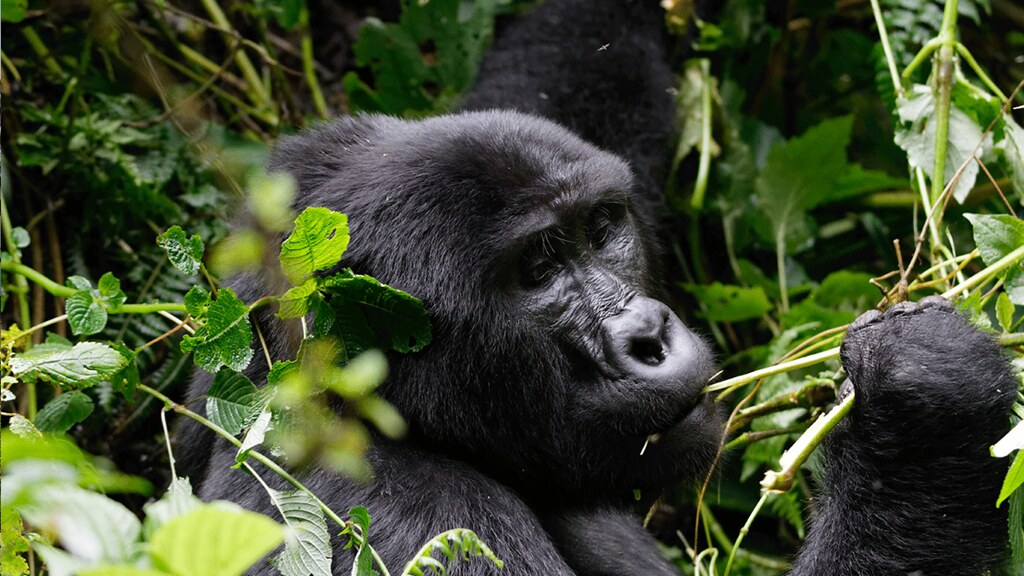
Mgahinga Biodiversity
Mgahinga Biodiversity
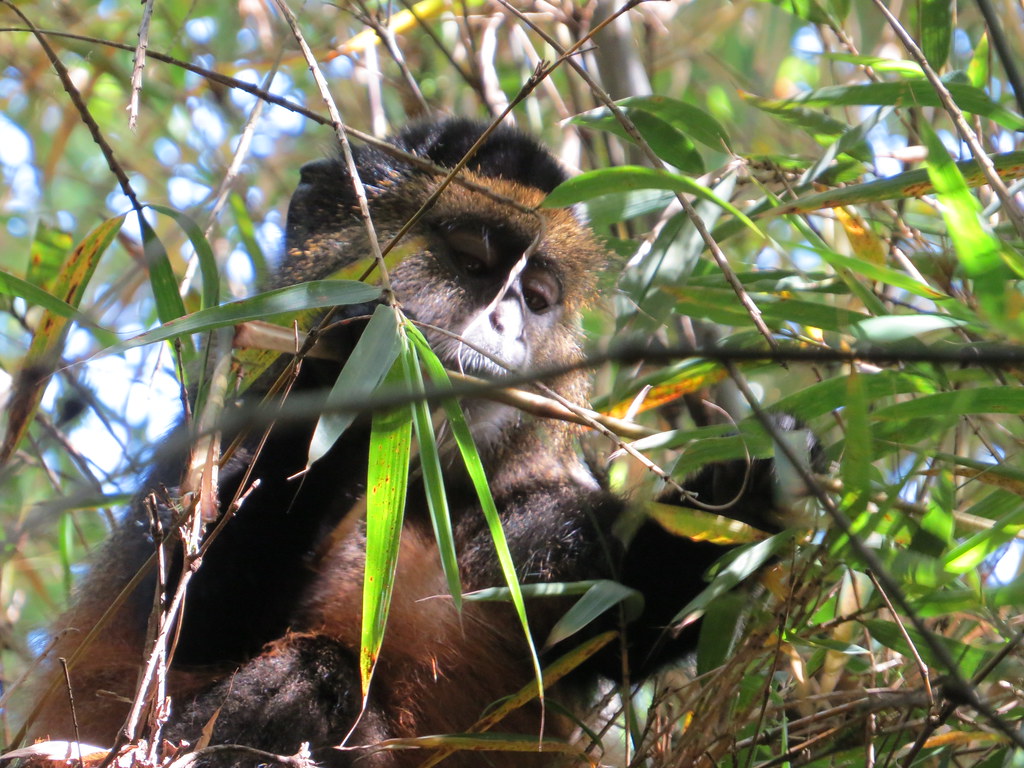
Mgahinga FAQs Information
Mgahinga FAQs Information
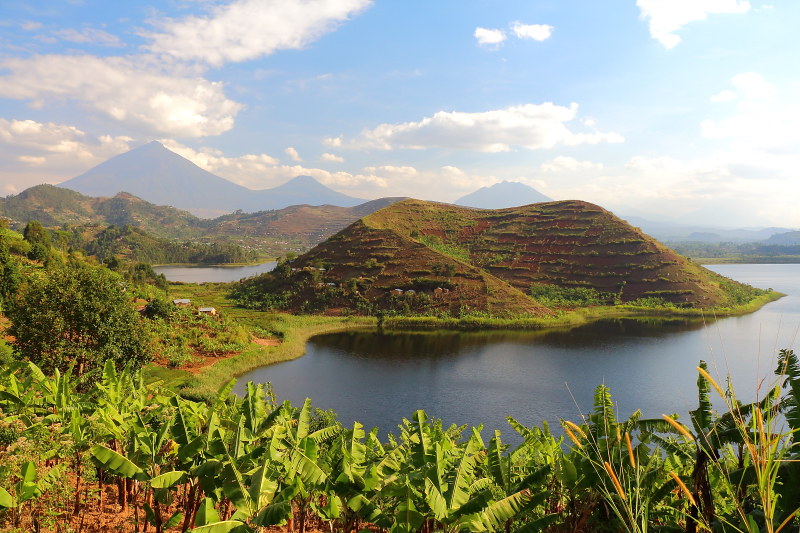
Getting There To Mgahinga
Getting There To Mgahinga
Mgahinga Location
Mgahinga Location

Self Drive
Self Drive
Mgahinga Altitude
Mgahinga Altitude
Batwa Trail
Batwa Trail
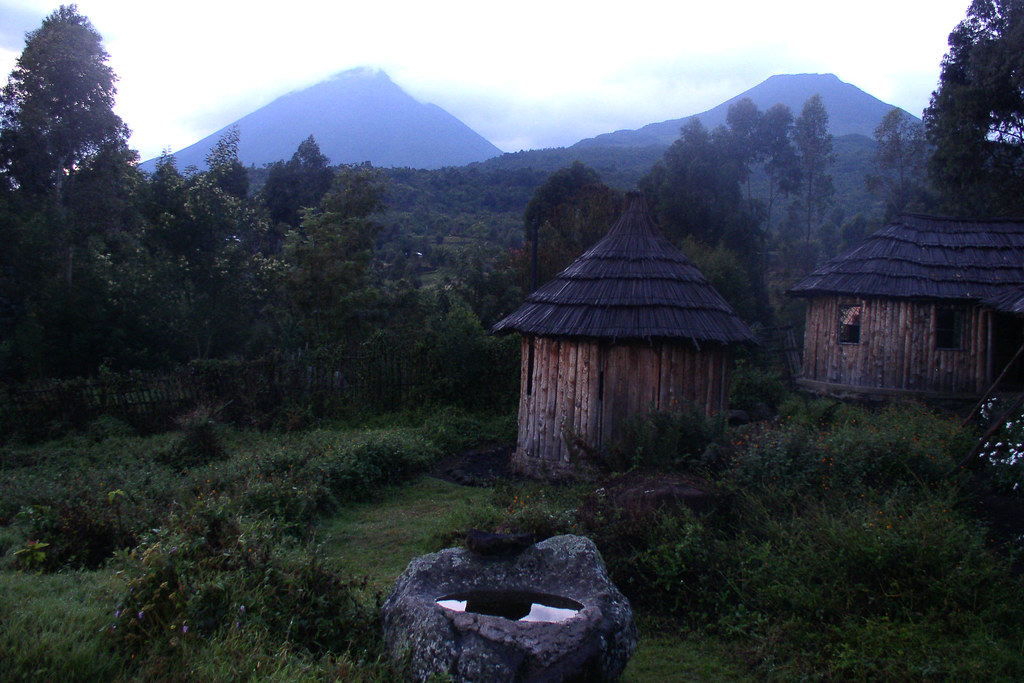
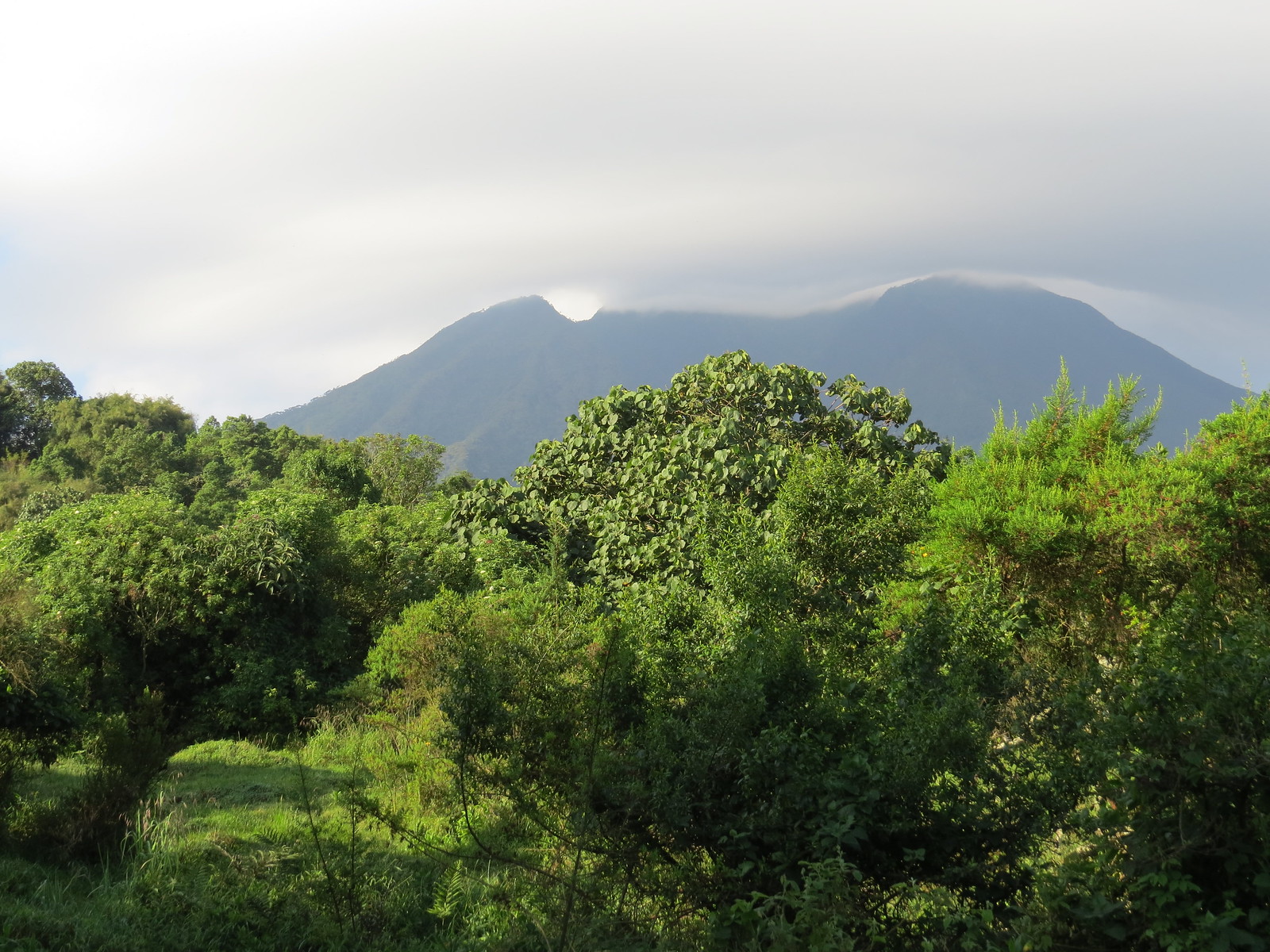
In the Realm of Giants – Bwindi & Mgahinga in Frames.
Wander through an elegant gallery capturing Uganda’s most exclusive gorilla sanctuaries, where ancient forests cradle the last mountain gorillas in a world of mist, mystery, and majesty.
Essential Planning Tips for Visiting Uganda’s National Parks.
Get ready for the wild heart of Africa with expert travel tips on when to visit, what to pack, where to go, and how to make the most of your safari across Uganda’s breathtaking national parks.
Why Uganda for Gorilla Trekking?
Uganda is not just a destination — it's the very soul of gorilla trekking. With over half of the world’s remaining mountain gorillas calling its misty forests home, Uganda offers the rarest encounters in their most authentic setting. Here, your journey is not rushed or crowded. Instead, you’re guided by experienced rangers through pristine jungles where gorillas live as they always have — wild, free, and magnificent
From insider travel insights to unforgettable trekking guides, our blog is your trusted path into Uganda’s wild heart — connecting you with mountain gorillas, breathtaking landscapes, and the soul-stirring adventures that make this land unlike any other.