

Where the soul of the forest whispers in the mist
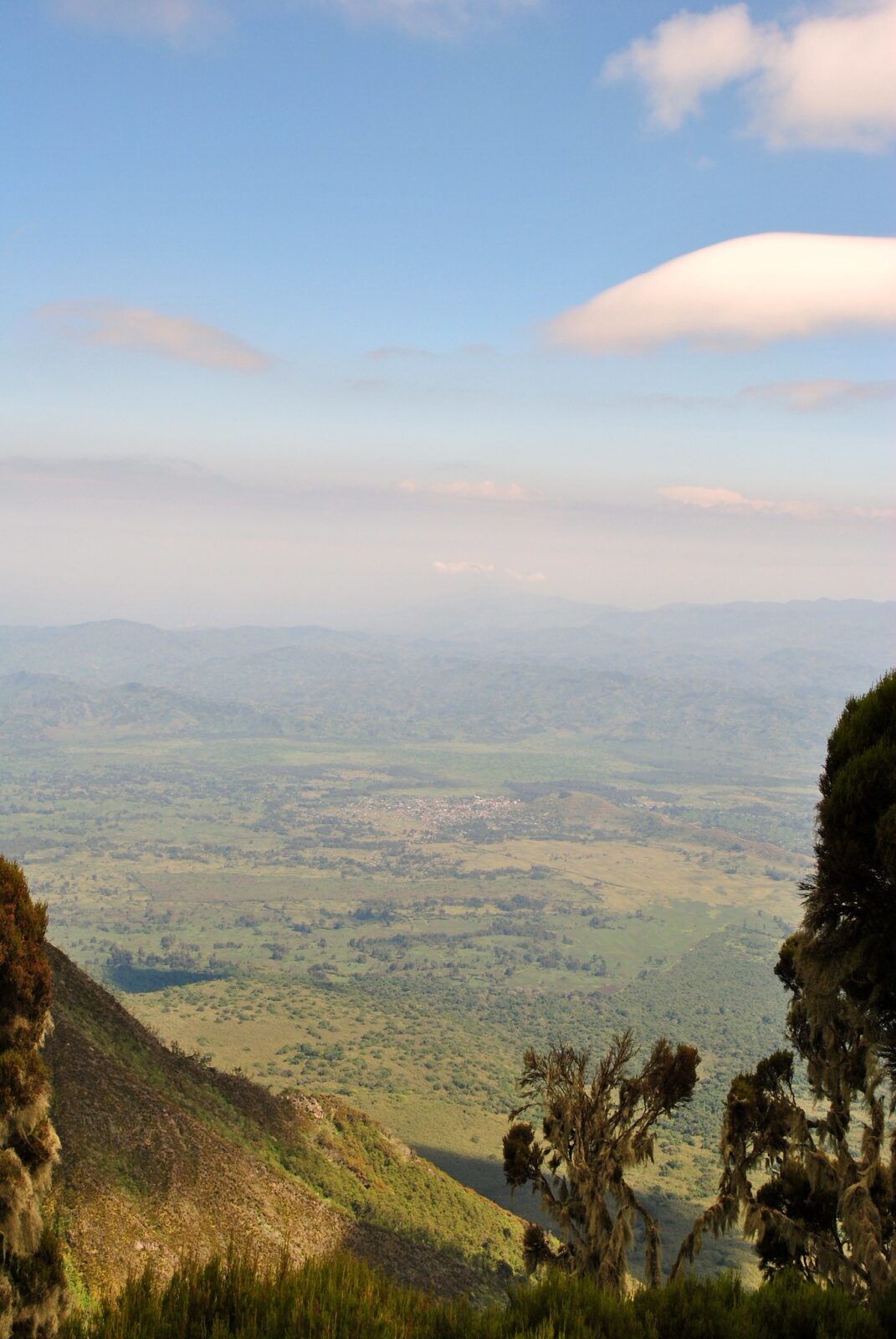
The climate of Mgahinga Gorilla National Park is shaped almost entirely by its high altitude and volcanic landscape. Located in southwestern Uganda within the Virunga Mountains, Mgahinga experiences a cool, moist mountain climate that feels very different from the warmer lowland savannahs most people associate with African safaris. Understanding this climate is essential when planning gorilla trekking, golden monkey tracking, or volcano hiking in the park.
Because Mgahinga sits high above sea level, weather conditions can change quickly, often within the same day. Mornings may begin cold and misty, afternoons can be mild and bright, and evenings frequently turn chilly. This variability is part of what gives the park its dramatic atmosphere but also requires visitors to prepare carefully.
So lace up your boots, grab your camera, and prepare to meet the wild — this is where your gorilla trekking dreams and unforgettable safari adventures truly begin.
Truly Iconic Highlights in Uganda

Trek through Bwindi’s mystical rainforest and meet the endangered mountain gorillas in their breathtaking natural home.
Encounter mountain gorillas and golden monkeys on Mgahinga’s misty volcanic trails, where culture and alpine wildlife thrive together.
Unwind after your trek with a peaceful canoe ride across Lake Bunyonyi, Uganda’s most tranquil and scenic highland lake.
Enhance your gorilla trekking safari with an optional chimpanzee encounter in Uganda’s lush forests, adding depth and diversity to your primate adventure
Understanding Mgahinga’s Weather: Climate Conditions in Uganda’s Mountain Gorilla Park
Temperature Patterns in Mgahinga
Mgahinga’s altitude ranges from approximately 2,227 meters to over 4,100 meters above sea level, making it one of Uganda’s coldest protected areas. Daytime temperatures usually range between 15°C and 20°C, depending on elevation and cloud cover. In the early mornings and evenings, temperatures can drop to as low as 7°C to 10°C, especially near the volcano slopes and higher trekking zones.
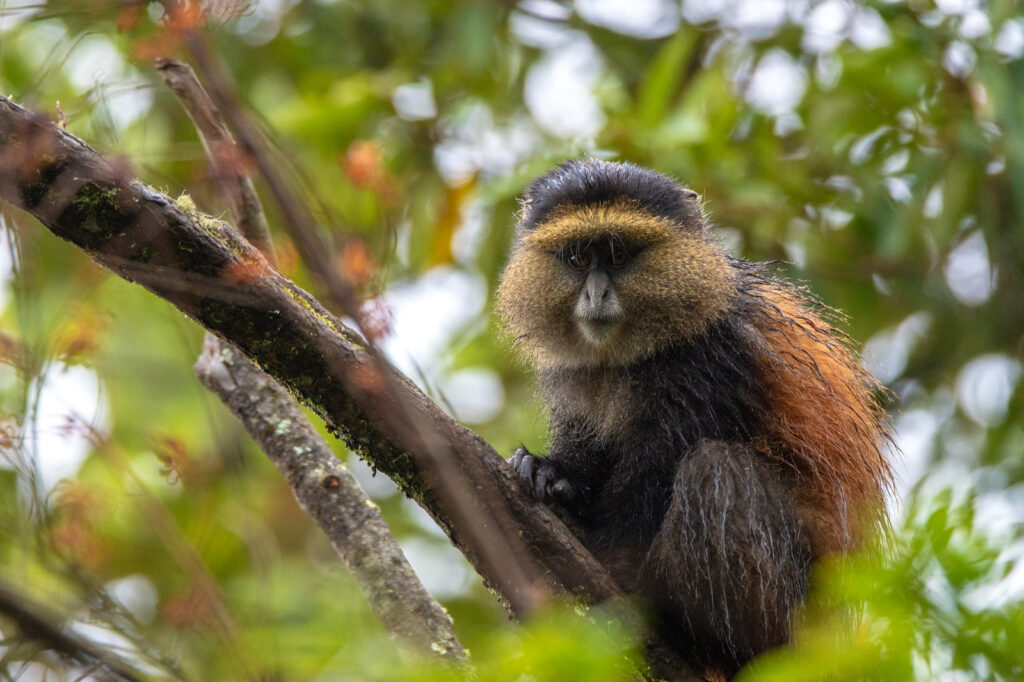
These cooler conditions are ideal for mountain gorillas and golden monkeys, which thrive in montane and bamboo forests. For visitors, however, the cold can be surprising, particularly after sunset or during early-morning briefing sessions before trekking begins.
Rainfall and Seasonal Patterns
Mgahinga receives rainfall throughout the year, but there are distinct wetter and drier periods. The main rainy seasons occur from March to May and again from September to November. During these months, rainfall can be heavy and frequent, making trails muddy and steep slopes slippery. Visibility may also be reduced by mist and low cloud cover, especially on higher ground.
The relatively drier seasons run from June to August and from December to February. These months are generally considered the best time to visit Mgahinga, as trekking trails are more manageable and weather conditions are more stable. However, even during dry months, short rain showers are common, as the park lies within a humid mountain ecosystem.
How Climate Affects Gorilla Trekking
Climate plays a direct role in shaping the gorilla trekking experience in Mgahinga. Cooler temperatures mean treks can feel physically demanding, especially on steep volcanic slopes, but they are often more comfortable than hiking in intense heat. During wet periods, gorillas tend to stay closer to food sources, which can sometimes shorten trekking distances, although trail conditions become tougher.
Mist and cloud cover are common features of Mgahinga’s climate and add a dramatic, almost mystical quality to gorilla encounters. While this can affect photography conditions, it also enhances the sense of wilderness and remoteness that defines the park.
What the Climate Means for Visitors
Visitors to Mgahinga should expect cool mornings, possible rain at any time of year, and rapid weather changes. Dressing in layers is essential, as is carrying waterproof clothing. Sturdy hiking boots with good grip are critical, especially during wet months, when volcanic soil becomes slick and unstable.
The park’s climate is one of its defining characteristics. It supports rare ecosystems, shapes wildlife behavior, and creates a trekking experience that feels raw and untamed. Travelers who understand and respect Mgahinga’s weather patterns are rewarded with a more comfortable journey and a deeper appreciation of this remarkable mountain landscape.
In short, Mgahinga’s climate is cool, wet, and unpredictable—but it is precisely these conditions that make the park such a powerful sanctuary for gorillas and an unforgettable destination for adventurous travelers.
More Mgahinga Information to Know.
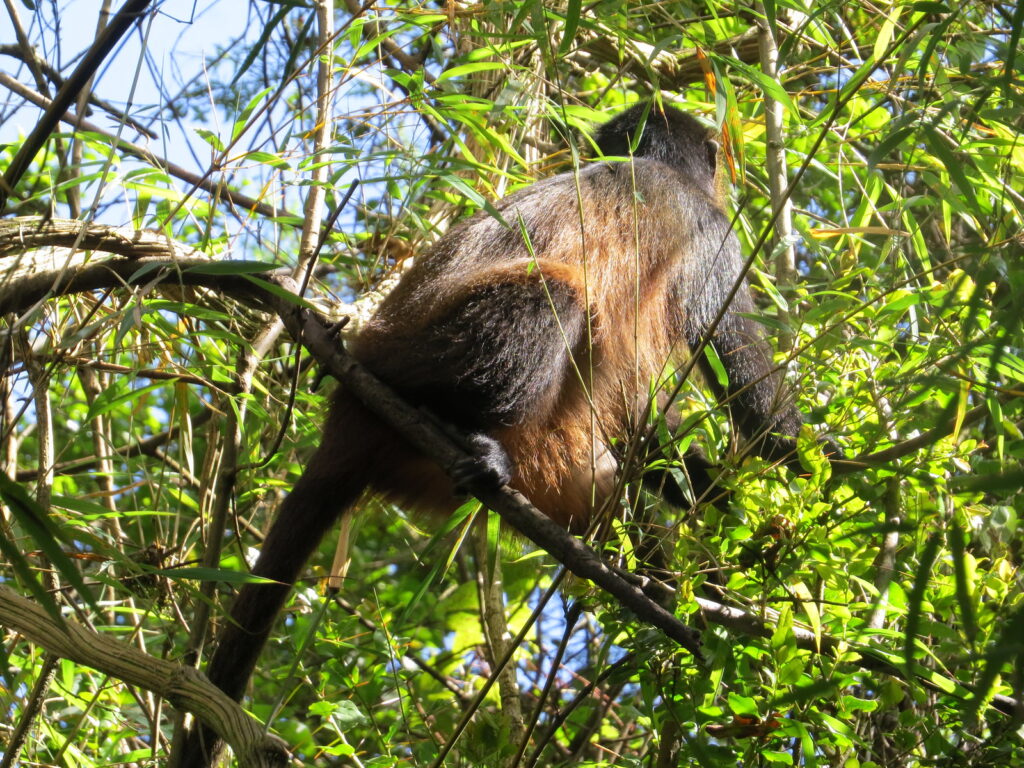
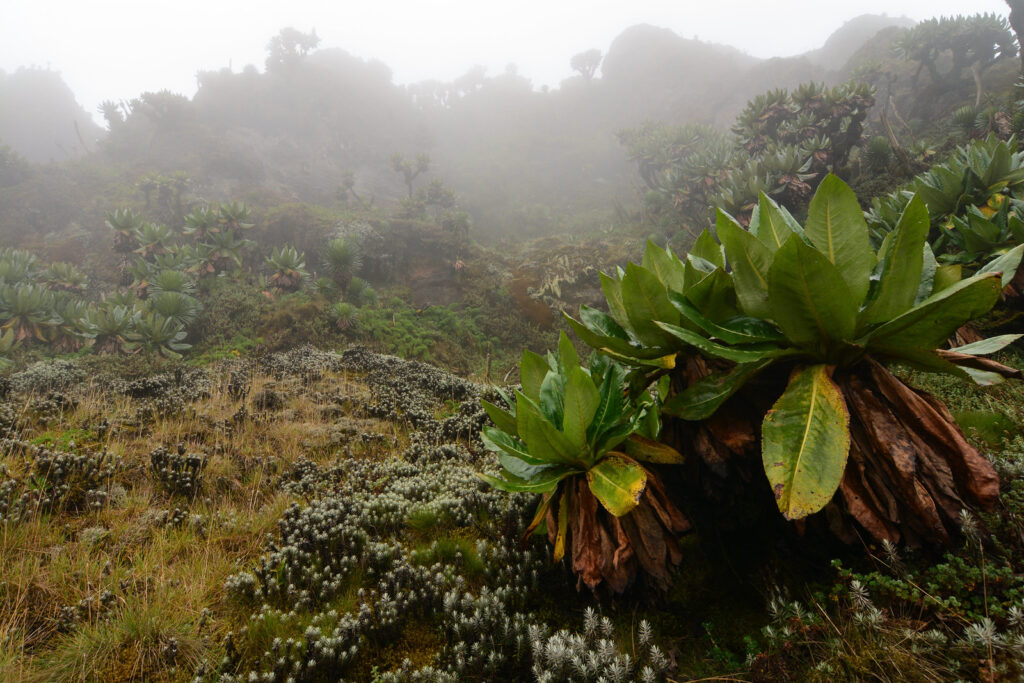
Mgahinga Gorilla National Park is a compact, high-altitude park in southwestern Uganda, defined by dramatic volcanic mountains and afro-montane forest. Its cool climate, rare vegetation, golden monkey habitat, rich cultural heritage, and strong conservation focus make it a unique and rewarding destination for primate and nature experiences.
Mgahinga Geography & Geology
Mgahinga Geography & Geology
Mgahinga History
Mgahinga History
Mgahinga Vegetation
Mgahinga Vegetation
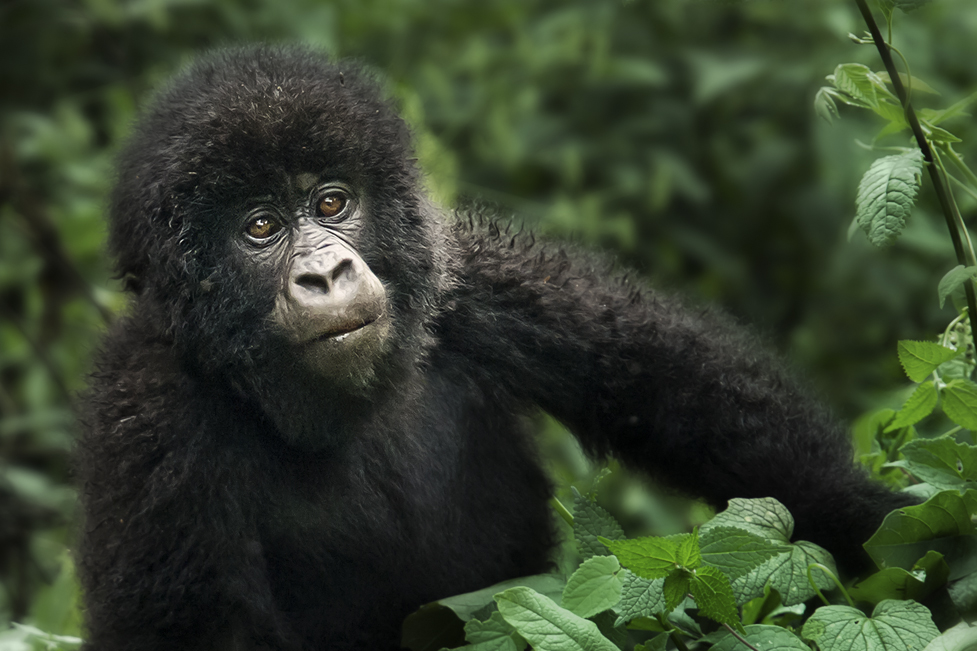
Ntebeko Visitor Centre
Ntebeko Visitor Centre
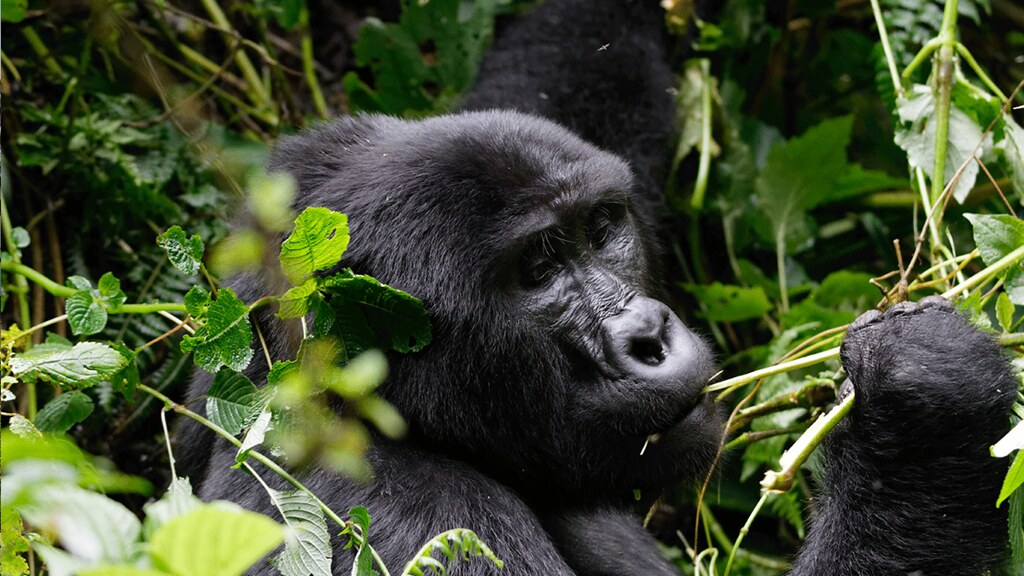
Mgahinga Biodiversity
Mgahinga Biodiversity
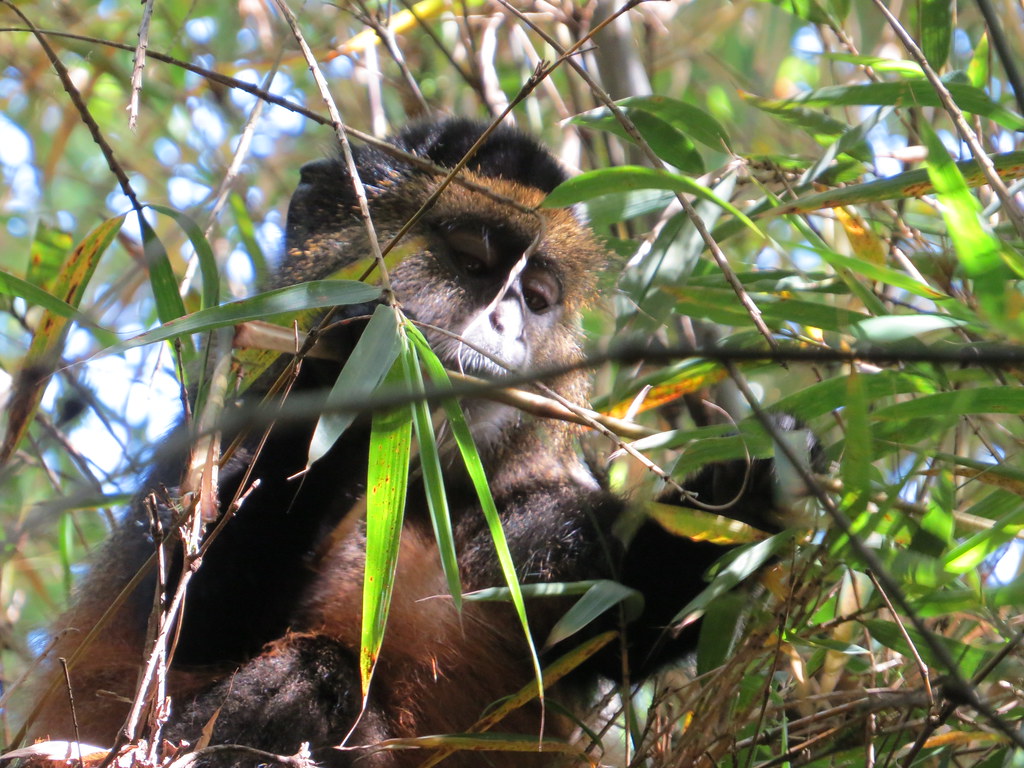
Mgahinga FAQs Information
Mgahinga FAQs Information
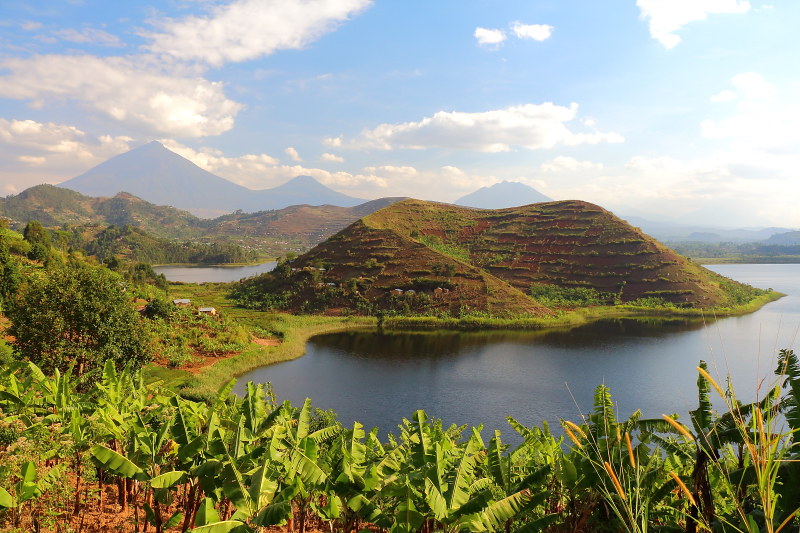
Getting There To Mgahinga
Getting There To Mgahinga
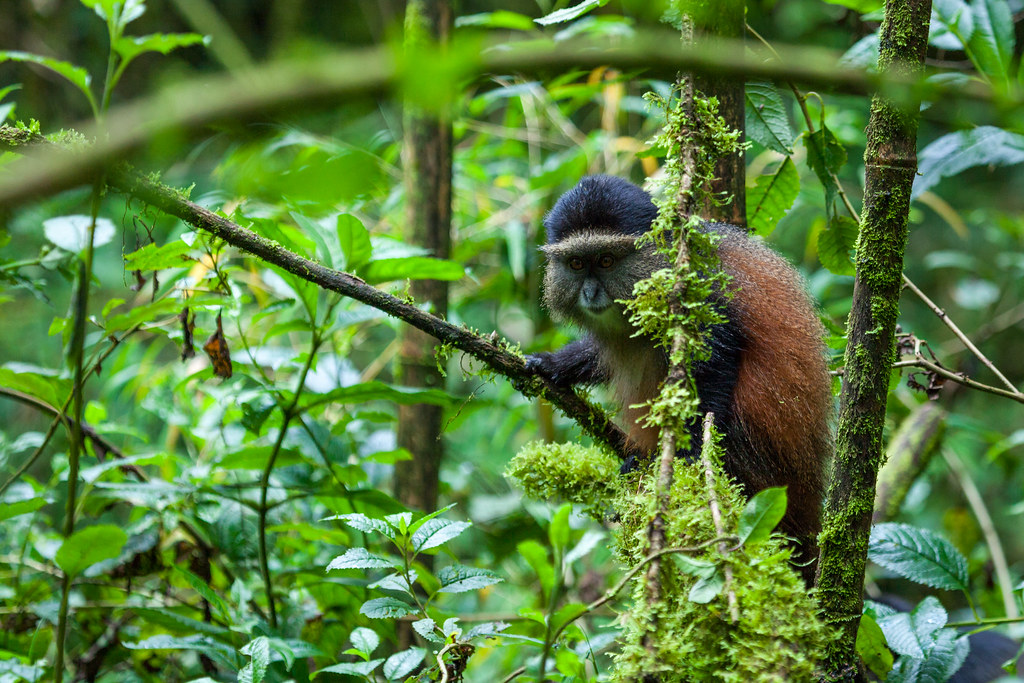
Mgahinga Location
Mgahinga Location
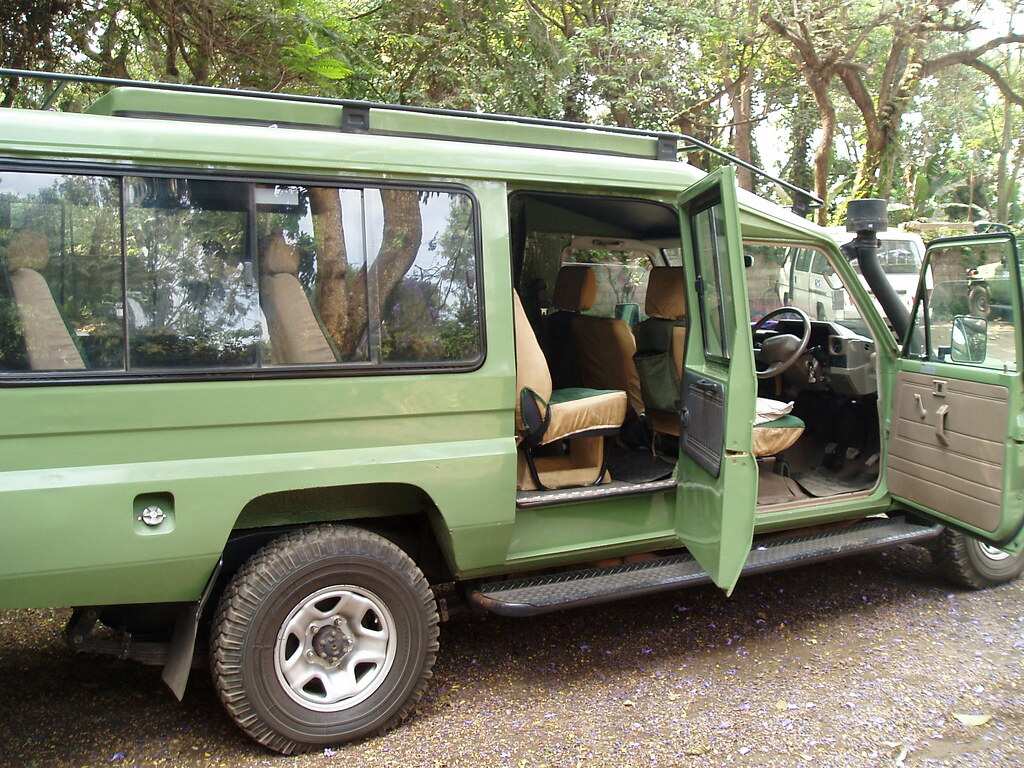
Self Drive
Self Drive
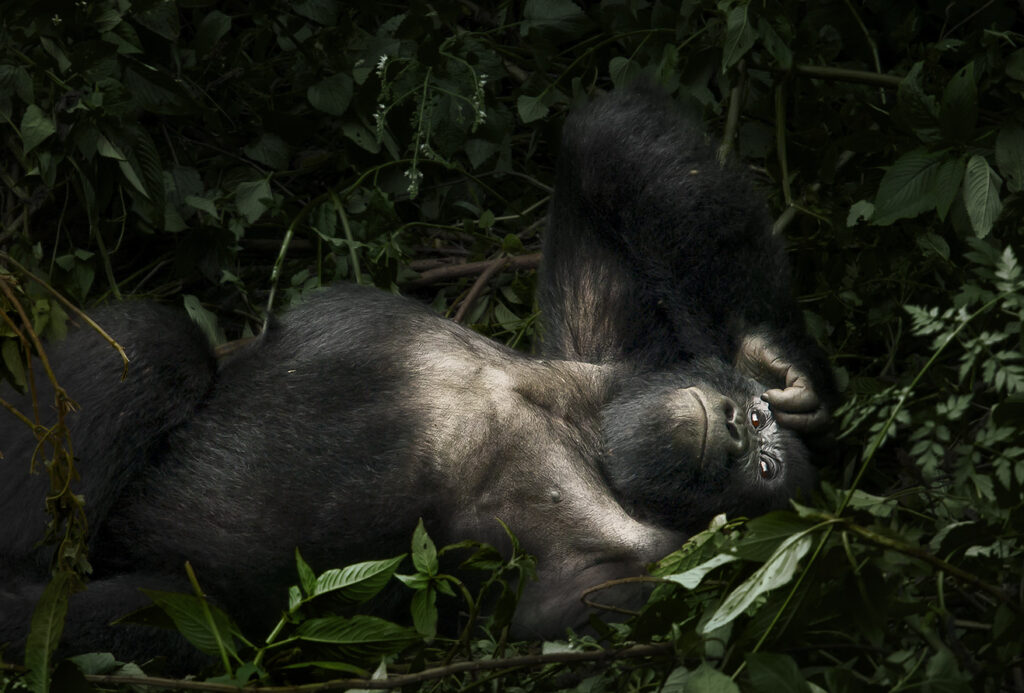
Mgahinga Altitude
Mgahinga Altitude
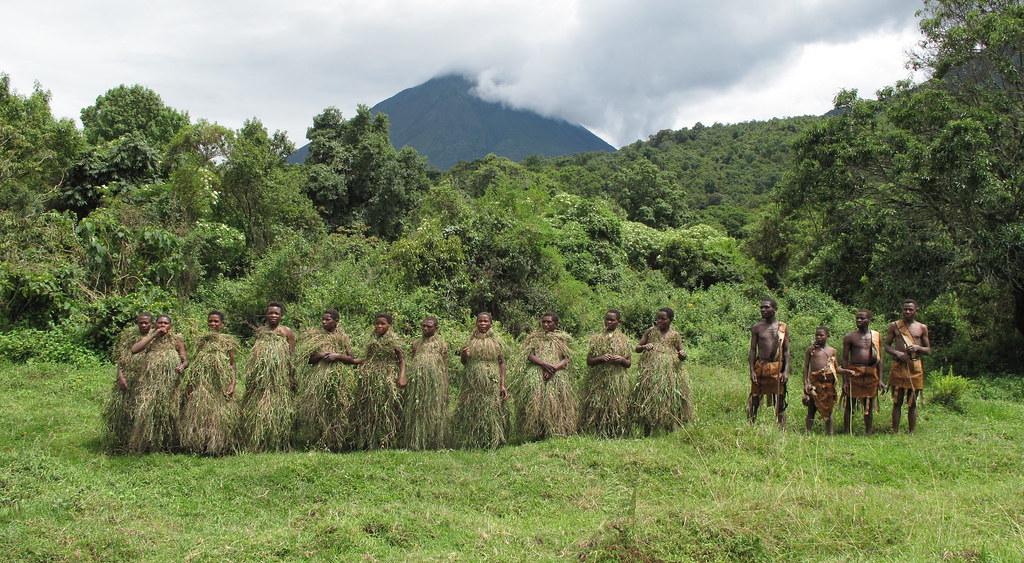
Batwa Trail
Batwa Trail
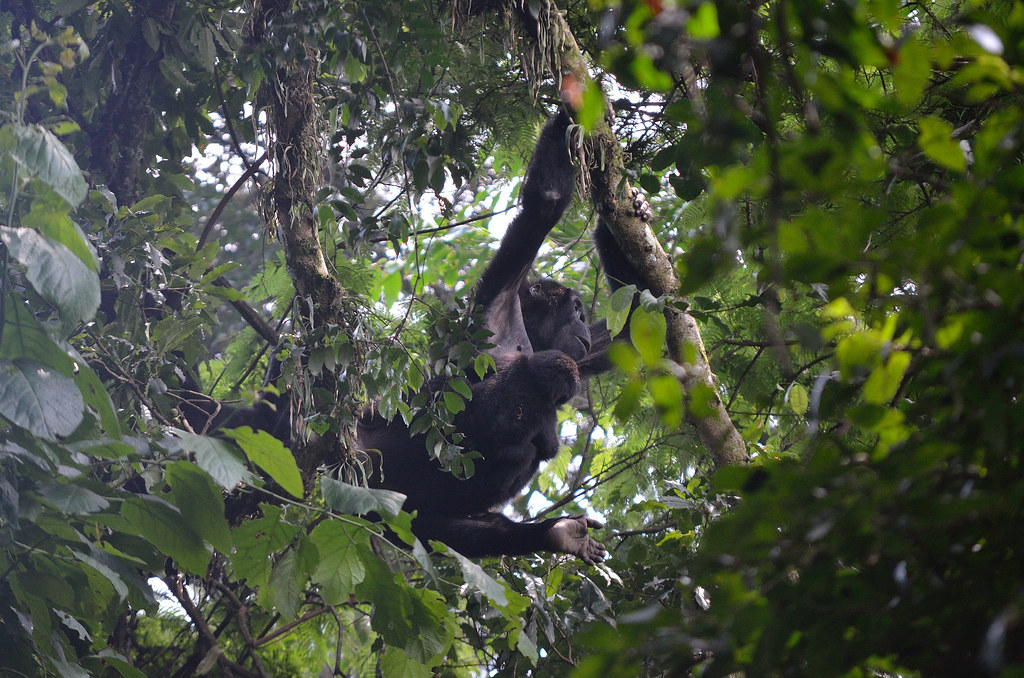
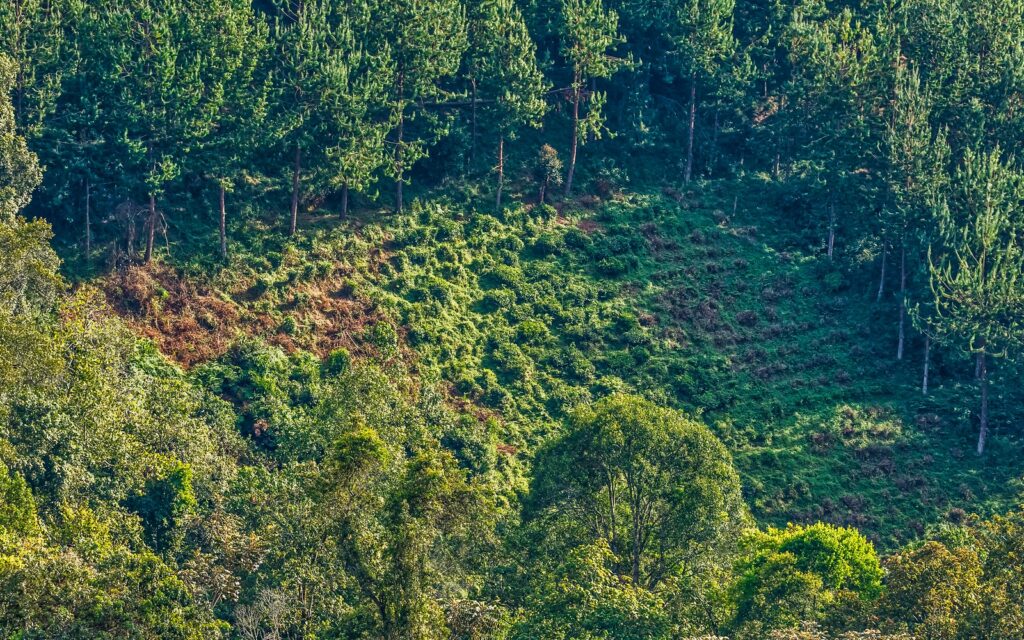
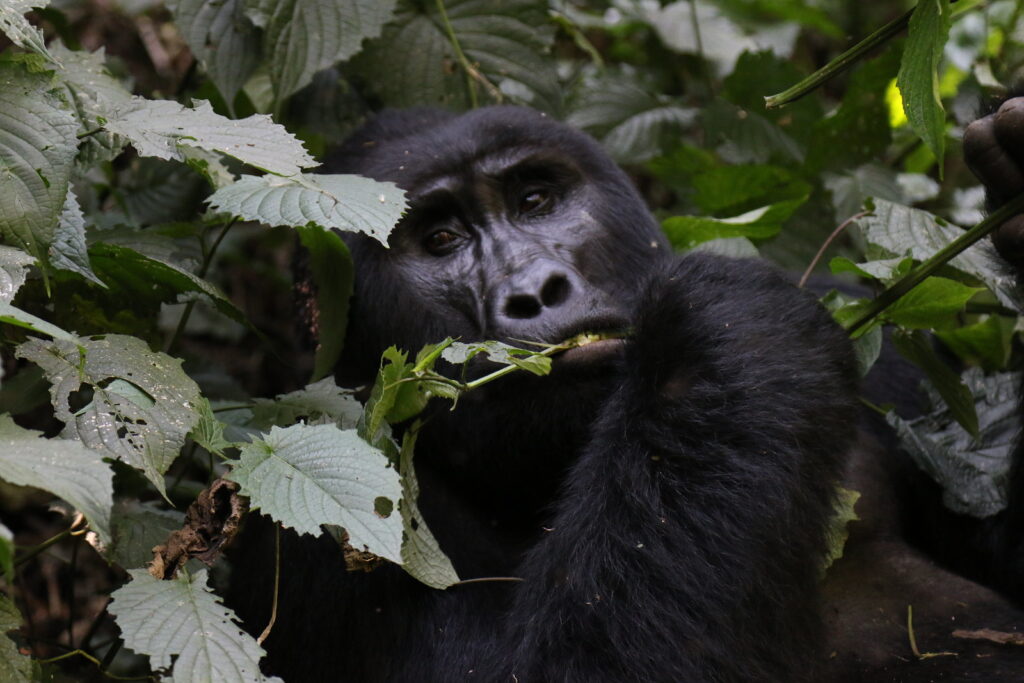
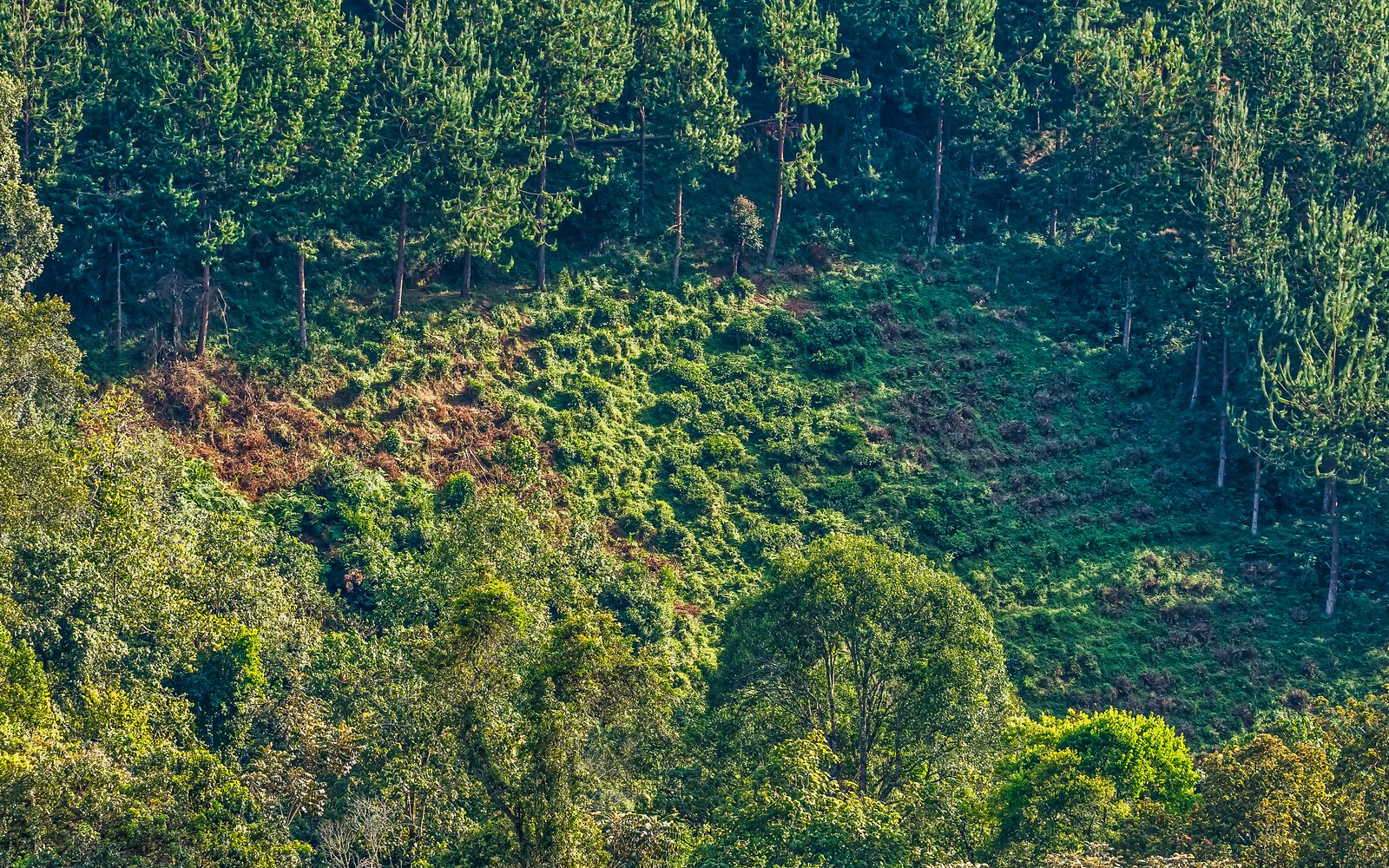
In the Realm of Giants – Bwindi & Mgahinga in Frames.
Wander through an elegant gallery capturing Uganda’s most exclusive gorilla sanctuaries, where ancient forests cradle the last mountain gorillas in a world of mist, mystery, and majesty.

Essential Planning Tips for Visiting Uganda’s National Parks.
Get ready for the wild heart of Africa with expert travel tips on when to visit, what to pack, where to go, and how to make the most of your safari across Uganda’s breathtaking national parks.
Why Uganda for Gorilla Trekking?
Uganda is not just a destination — it's the very soul of gorilla trekking. With over half of the world’s remaining mountain gorillas calling its misty forests home, Uganda offers the rarest encounters in their most authentic setting. Here, your journey is not rushed or crowded. Instead, you’re guided by experienced rangers through pristine jungles where gorillas live as they always have — wild, free, and magnificent
From insider travel insights to unforgettable trekking guides, our blog is your trusted path into Uganda’s wild heart — connecting you with mountain gorillas, breathtaking landscapes, and the soul-stirring adventures that make this land unlike any other.