

Where the soul of the forest whispers in the mist
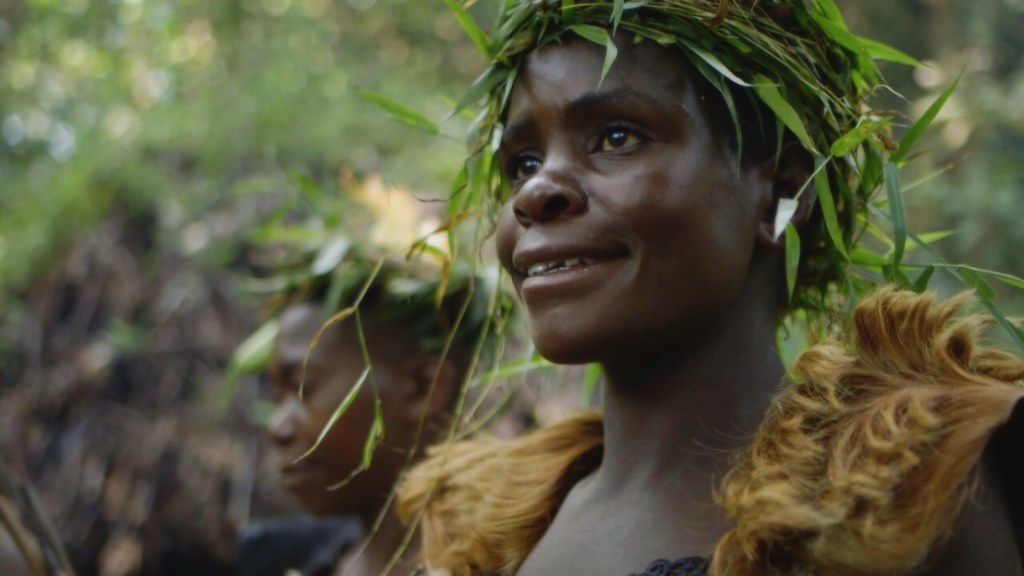
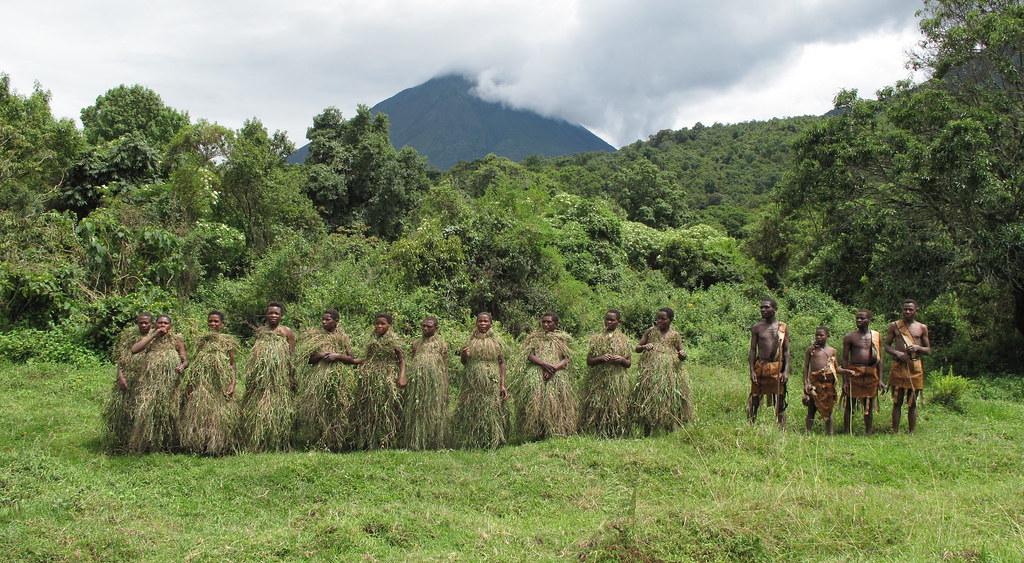
The Batwa Trail in Mgahinga Gorilla National Park is one of Uganda’s most meaningful cultural experiences, offering visitors a deep insight into the traditional forest life of the Batwa people, the original inhabitants of the Virunga forests. This interpretive cultural walk takes place along the lower slopes of the park and is guided by Batwa community members who share their ancestral knowledge, survival skills, spiritual beliefs, and historical relationship with the forest. Unlike conventional nature walks, the Batwa Trail is a living cultural journey that connects visitors directly to centuries-old traditions.
The trail represents a powerful blend of conservation and cultural preservation. Following the gazettement of Mgahinga as a national park, the Batwa were relocated from their ancestral forest home. The Batwa Trail was later developed to preserve their heritage while creating sustainable livelihoods through cultural tourism. Today, the experience allows visitors to understand how the Batwa lived in harmony with the forest ecosystem while highlighting the importance of inclusive conservation approaches.
So lace up your boots, grab your camera, and prepare to meet the wild — this is where your gorilla trekking dreams and unforgettable safari adventures truly begin.
Truly Iconic Highlights in Uganda

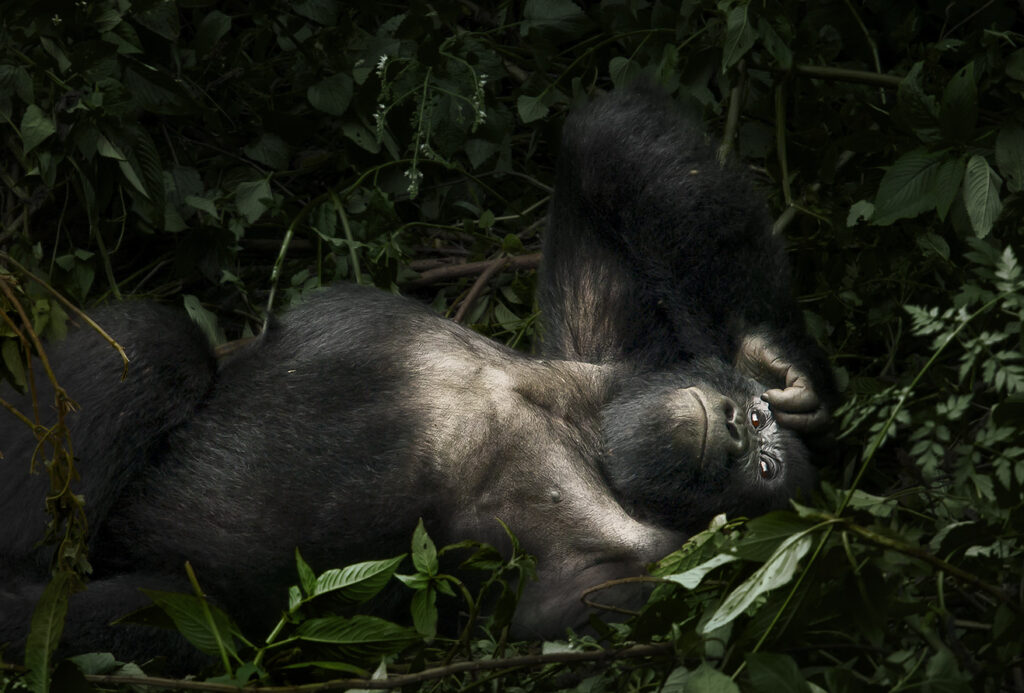
Trek through Bwindi’s mystical rainforest and meet the endangered mountain gorillas in their breathtaking natural home.
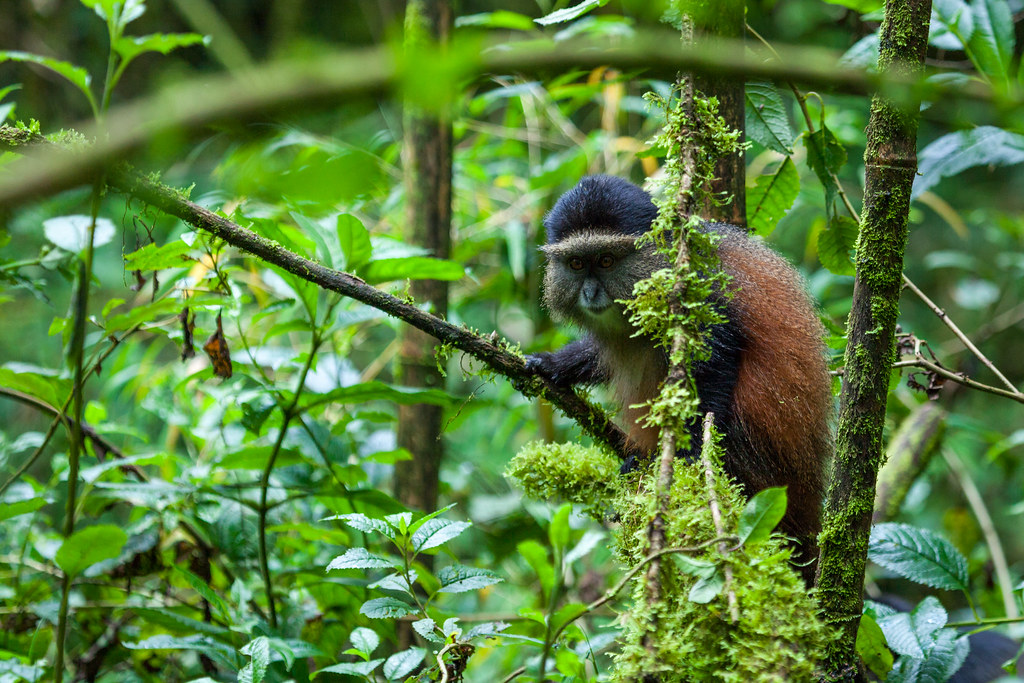
Encounter mountain gorillas and golden monkeys on Mgahinga’s misty volcanic trails, where culture and alpine wildlife thrive together.
Unwind after your trek with a peaceful canoe ride across Lake Bunyonyi, Uganda’s most tranquil and scenic highland lake.
Enhance your gorilla trekking safari with an optional chimpanzee encounter in Uganda’s lush forests, adding depth and diversity to your primate adventure
A DETAILED STUDY OF THE BATWA TRAIL EXPERIENCE
Location and Setting of the Trail
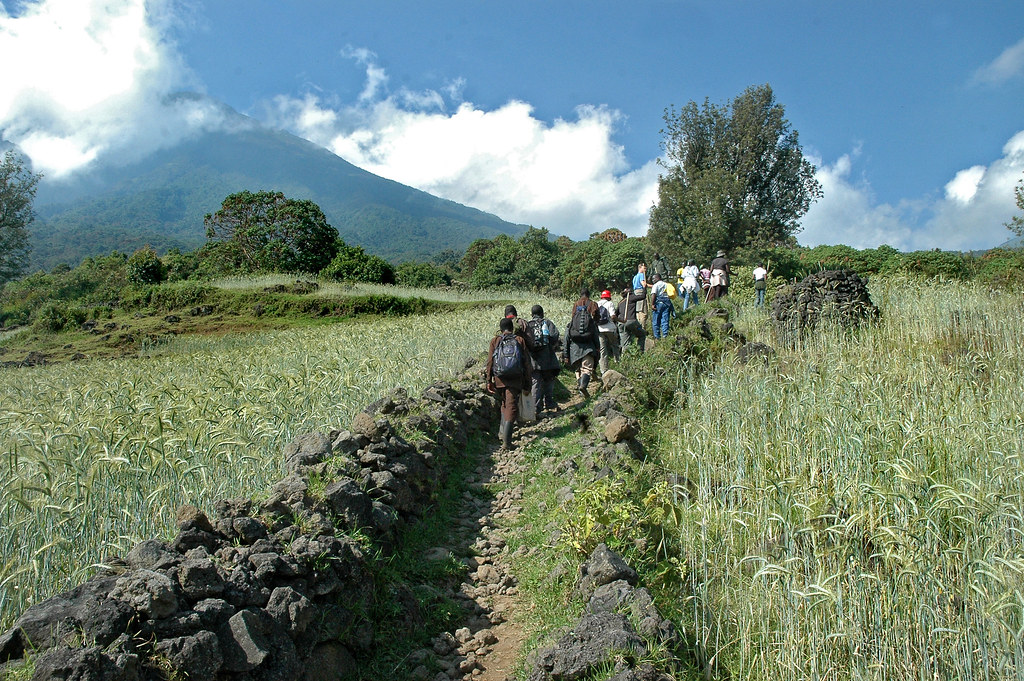
The Batwa Trail is located on the lower slopes of Mgahinga Gorilla National Park, close to Ntebeko Visitor Centre. This area mirrors the forested environment that sustained the Batwa for centuries, featuring montane vegetation, bamboo groves, streams, and sacred caves. The trail follows natural footpaths historically used by the Batwa, offering visitors an authentic experience of the forest as it existed before the creation of protected areas. Its proximity to the park entrance ensures accessibility for a wide range of visitors, including those who may not participate in strenuous wildlife treks, making the trail an inclusive and educational experience.
Traditional Hunting and Gathering Practices
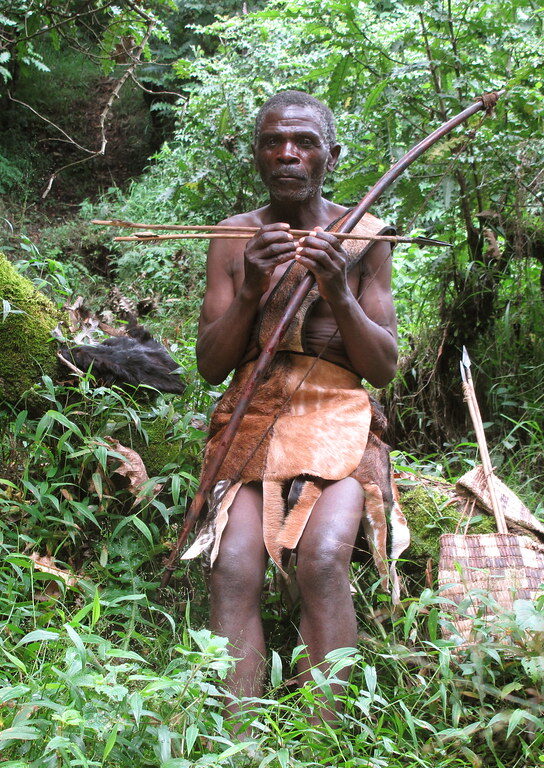
A central feature of the Batwa Trail is learning about traditional hunting and gathering techniques. Guides demonstrate how the Batwa tracked animals, set traps, and crafted handmade bows and arrows for hunting small game. Visitors are also introduced to methods for identifying edible plants, roots, and fruits, and shown how these resources were harvested sustainably. These practices reflect an intricate understanding of forest ecology, animal behavior, and seasonal cycles, passed down through generations. They demonstrate how the Batwa maintained balance with their environment, a philosophy closely aligned with modern conservation principles.
Medicinal Plant Knowledge
Along the trail, Batwa guides explain the use of medicinal plants for treating common ailments, including fevers, wounds, respiratory conditions, and digestive problems. Visitors learn how leaves, bark, and roots were prepared into remedies using simple, traditional techniques. This knowledge illustrates the Batwa’s profound understanding of forest biodiversity, much of which remains relevant in modern herbal medicine. By sharing this expertise, the Batwa underscore the scientific and cultural value of indigenous practices and highlight the importance of conserving plant diversity.
Caves and Spiritual Sites
The trail includes visits to sacred caves that once served as shelters and ceremonial sites. These caves offered protection from harsh weather and predators, while also functioning as locations for storytelling, rituals, and community decision-making. Guides explain the spiritual significance of these caves within Batwa cosmology, showing how ancestral beliefs were intertwined with forest stewardship. Understanding this spiritual dimension provides visitors with insight into how cultural practices historically contributed to wildlife protection and habitat conservation.
Traditional Music and Dance
The Batwa Trail culminates in performances of traditional music and dance, illustrating the community’s rich cultural expression. Songs and rhythms historically performed during hunting celebrations, healing ceremonies, and communal gatherings are presented with energy and symbolism, preserving oral traditions, storytelling, and social values. Visitors are often invited to participate, creating meaningful cultural exchange while supporting Batwa livelihoods. Music and dance thus serve as living archives of Batwa history and identity, fostering cultural continuity.
Role in Community Conservation
The Batwa Trail plays a vital role in community-based conservation and empowerment. Income generated from tourism supports Batwa families through education, healthcare, and employment opportunities. Involving the community directly in tourism ensures that conservation benefits are shared locally, fostering a sense of ownership and responsibility toward environmental protection. This approach demonstrates how cultural tourism can complement wildlife conservation, enabling indigenous communities to thrive while contributing to the sustainable management of protected areas.
Visitor Experience and Interpretation
Guided entirely by Batwa interpreters, the trail provides visitors with an authentic and immersive experience. The gentle pace accommodates participants of varying fitness levels while delivering firsthand storytelling and demonstrations. The trail encourages intellectual and emotional engagement, allowing visitors to understand the Batwa perspective on conservation, survival, and spiritual practice. Many describe the Batwa Trail as one of the most meaningful components of a visit to Mgahinga, as it provides a human-centered view of the region’s history and ecology.
Cultural Preservation and Modern Relevance
In today’s rapidly changing world, the Batwa Trail serves as a crucial platform for preserving endangered cultural knowledge. Oral traditions, survival skills, and spiritual practices that once faced extinction are now documented, shared, and valued, reinforcing Batwa identity while educating international audiences. The trail exemplifies how indigenous knowledge can coexist with modern conservation and tourism, promoting resilience, dignity, and cultural continuity.
Importance of the Batwa Trail in Mgahinga
The Batwa Trail adds a profound cultural layer to Mgahinga Gorilla National Park, complementing wildlife experiences with human history and heritage. It demonstrates that conservation landscapes are not empty wildernesses but areas shaped by human activity over centuries. Understanding the Batwa story enhances appreciation of Mgahinga’s biodiversity and reinforces the principle that protecting nature includes respecting cultural connections to the land. The trail stands as a model for integrating conservation, tourism, and cultural preservation for mutual benefit.
More Mgahinga Information to Know.
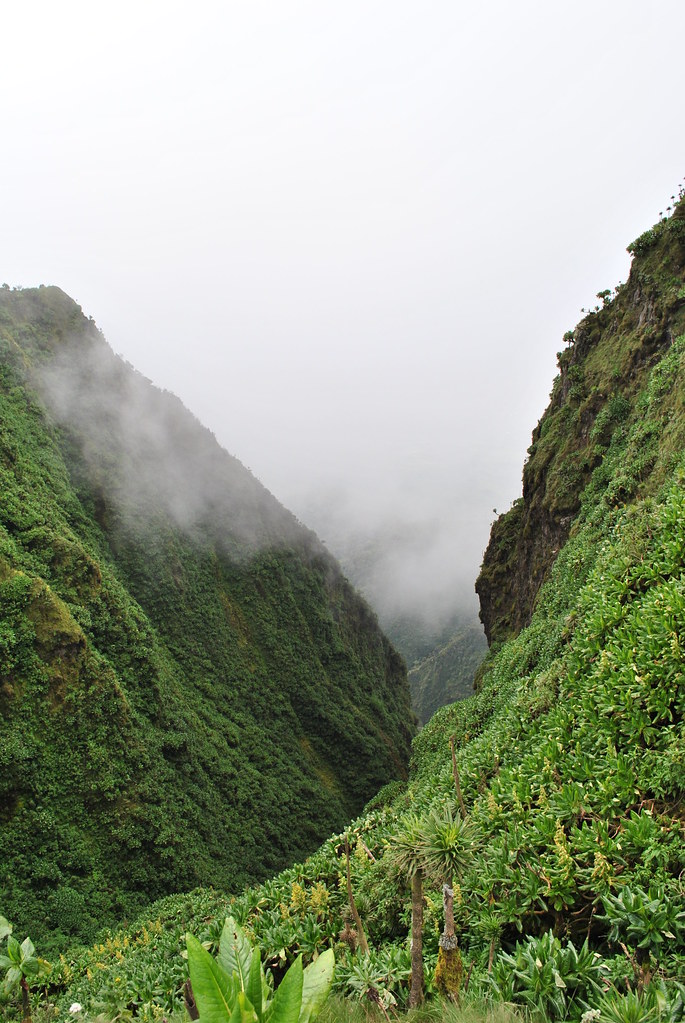
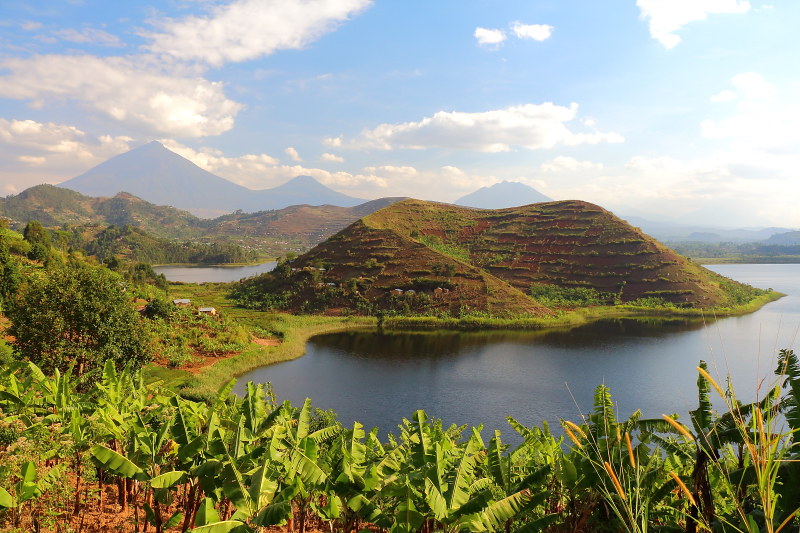
Mgahinga Gorilla National Park is a compact, high-altitude park in southwestern Uganda, defined by dramatic volcanic mountains and afro-montane forest. Its cool climate, rare vegetation, golden monkey habitat, rich cultural heritage, and strong conservation focus make it a unique and rewarding destination for primate and nature experiences.
Mgahinga Climate
Mgahinga Climate
Mgahinga Geography & Geology
Mgahinga Geography & Geology
Mgahinga History
Mgahinga History
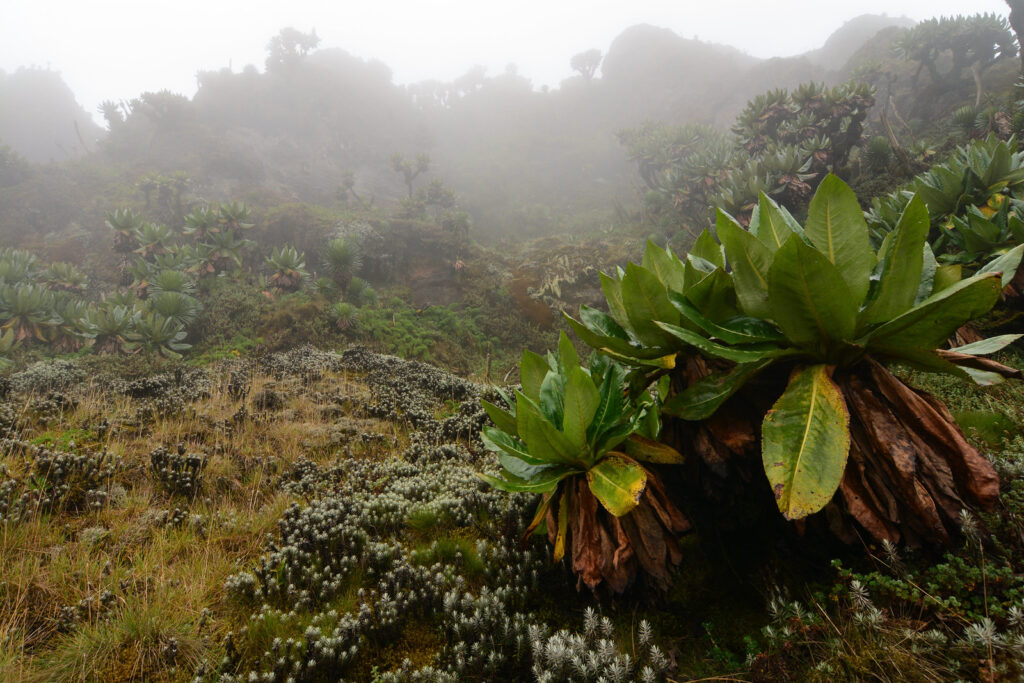
Mgahinga Vegetation
Mgahinga Vegetation
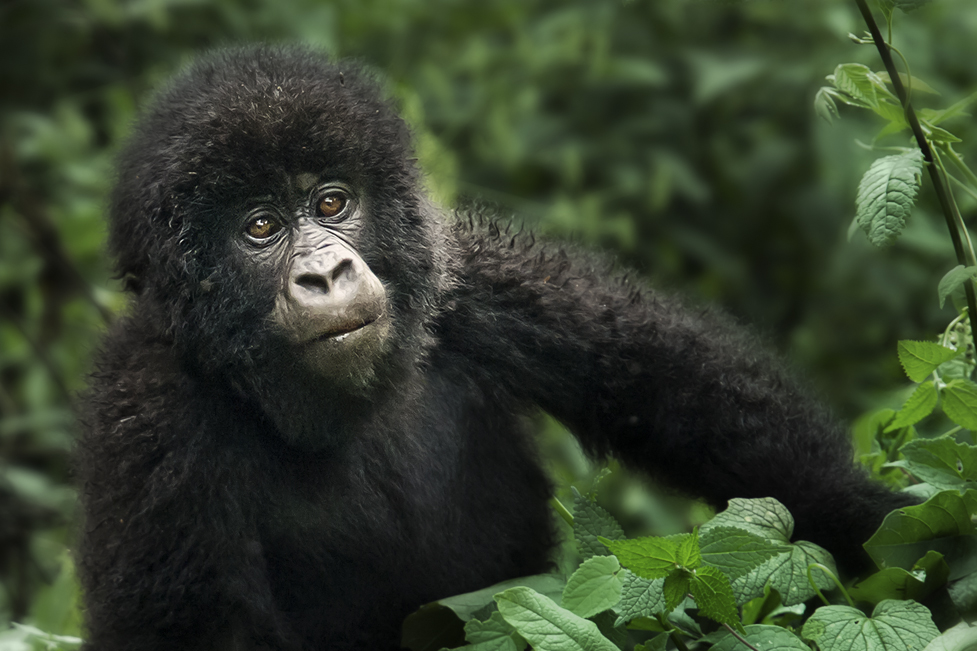
Ntebeko Visitor Centre
Ntebeko Visitor Centre
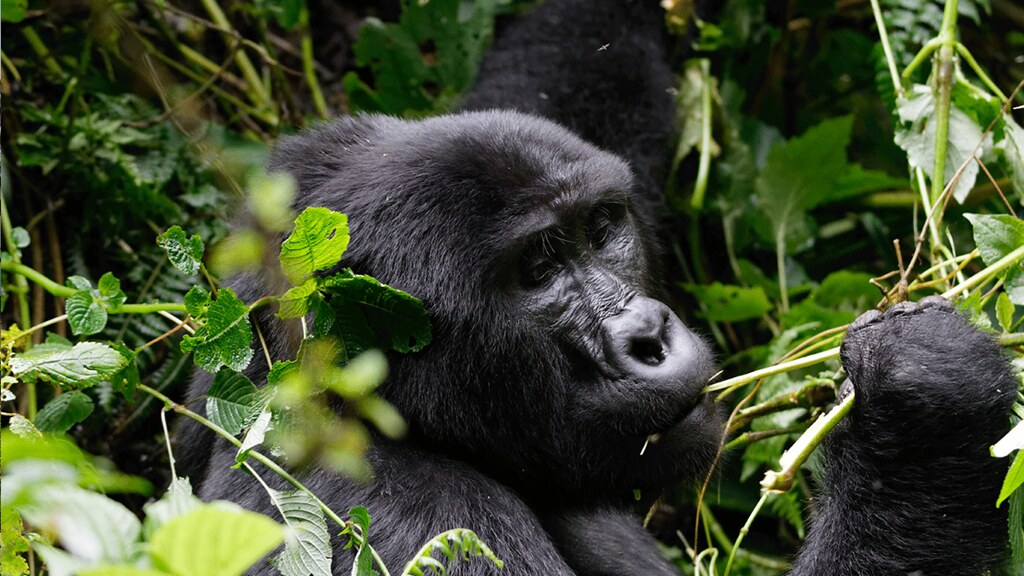
Mgahinga Biodiversity
Mgahinga Biodiversity
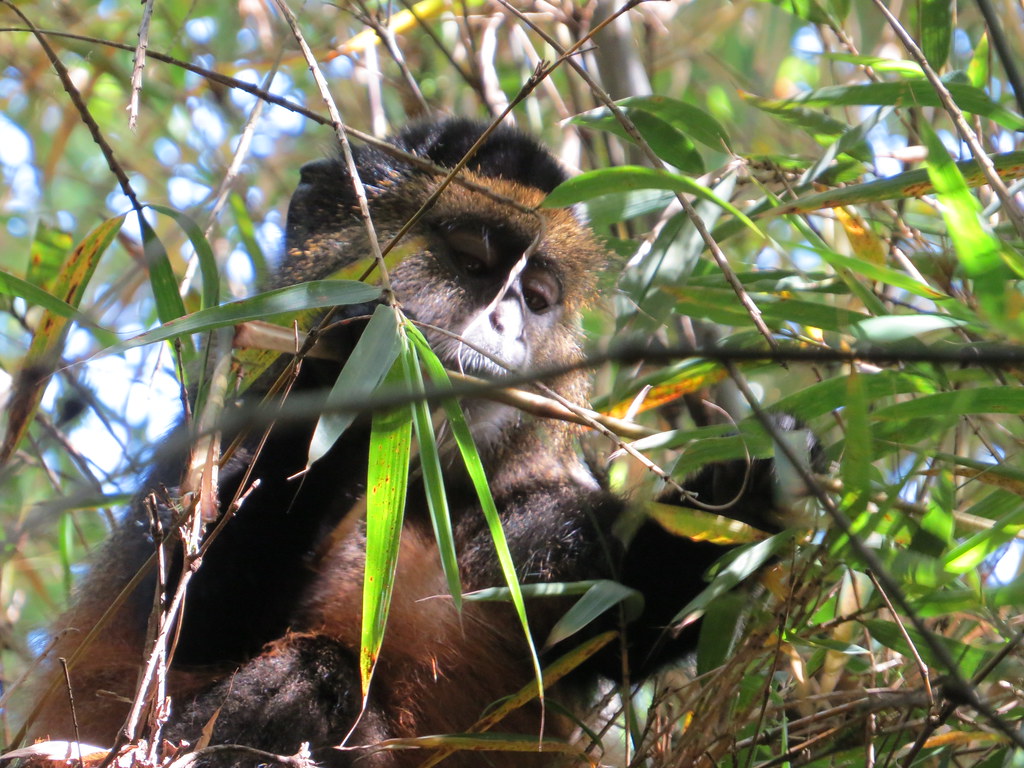
Mgahinga FAQs Information
Mgahinga FAQs Information
Getting There To Mgahinga
Getting There To Mgahinga
Mgahinga Location
Mgahinga Location

Self Drive
Self Drive
Mgahinga Altitude
Mgahinga Altitude
In the Realm of Giants – Bwindi & Mgahinga in Frames.
Wander through an elegant gallery capturing Uganda’s most exclusive gorilla sanctuaries, where ancient forests cradle the last mountain gorillas in a world of mist, mystery, and majesty.
Essential Planning Tips for Visiting Uganda’s National Parks.
Get ready for the wild heart of Africa with expert travel tips on when to visit, what to pack, where to go, and how to make the most of your safari across Uganda’s breathtaking national parks.
Why Uganda for Gorilla Trekking?
Uganda is not just a destination — it's the very soul of gorilla trekking. With over half of the world’s remaining mountain gorillas calling its misty forests home, Uganda offers the rarest encounters in their most authentic setting. Here, your journey is not rushed or crowded. Instead, you’re guided by experienced rangers through pristine jungles where gorillas live as they always have — wild, free, and magnificent
From insider travel insights to unforgettable trekking guides, our blog is your trusted path into Uganda’s wild heart — connecting you with mountain gorillas, breathtaking landscapes, and the soul-stirring adventures that make this land unlike any other.