

Where the soul of the forest whispers in the mist
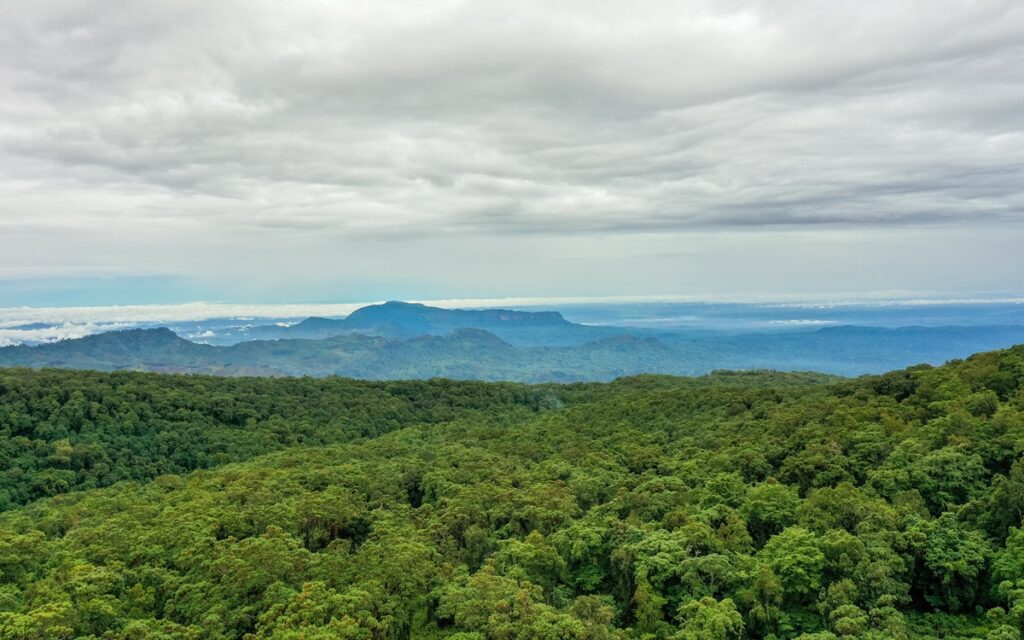
Kibale National Park vegetation is one of the richest and most diverse in East Africa, reflecting Uganda’s tropical rainforest ecosystem. The park, located near Fort Portal in western Uganda, spans approximately 766 square kilometers and features a variety of habitats, including evergreen rainforest, swamp forests, grasslands, and wetland areas. This diversity supports over 13 primate species, more than 200 bird species, and numerous small mammals, reptiles, and amphibians. The park’s vegetation is characterized by tall hardwood trees, dense understory shrubs, climbing lianas, and a wide array of medicinal and edible plants, creating a complex ecosystem that sustains both wildlife and human communities.
The vegetation of Kibale is shaped by its tropical equatorial climate, with high humidity, stable temperatures ranging from 18°C to 27°C, and abundant rainfall throughout the year. Wetlands such as those around Bigodi add unique plant species like papyrus, sedges, and swamp grasses. Evergreen forest patches support towering trees like Albizia, Strombosia, and Celtis, while bamboo groves and secondary forests regenerate in areas previously disturbed by human activity. This plant diversity not only provides food, shelter, and nesting sites for wildlife but also contributes to carbon storage, water filtration, and soil stabilization, highlighting the ecological importance of Kibale’s vegetation.
So lace up your boots, grab your camera, and prepare to meet the wild — this is where your gorilla trekking dreams and unforgettable safari adventures truly begin.
Truly Iconic Highlights in Uganda

Trek through Bwindi’s mystical rainforest and meet the endangered mountain gorillas in their breathtaking natural home.
Encounter mountain gorillas and golden monkeys on Mgahinga’s misty volcanic trails, where culture and alpine wildlife thrive together.
Unwind after your trek with a peaceful canoe ride across Lake Bunyonyi, Uganda’s most tranquil and scenic highland lake.
Enhance your gorilla trekking safari with an optional chimpanzee encounter in Uganda’s lush forests, adding depth and diversity to your primate adventure
Kibale National Park vegetation
Forest Types and Plant Communities
Kibale vegetation comprises several distinct forest types:
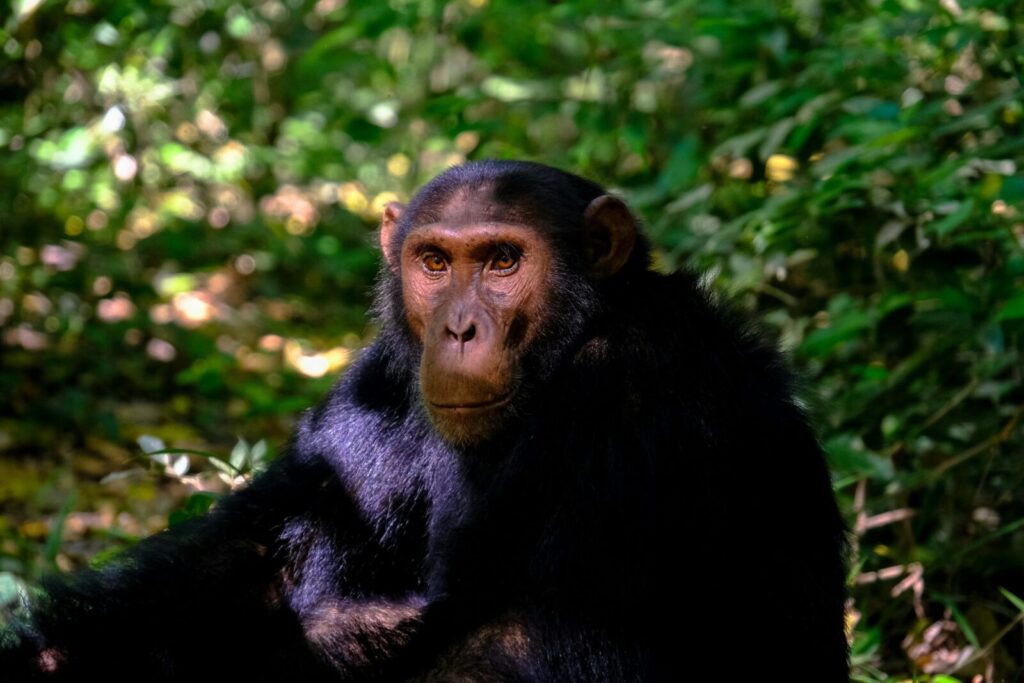
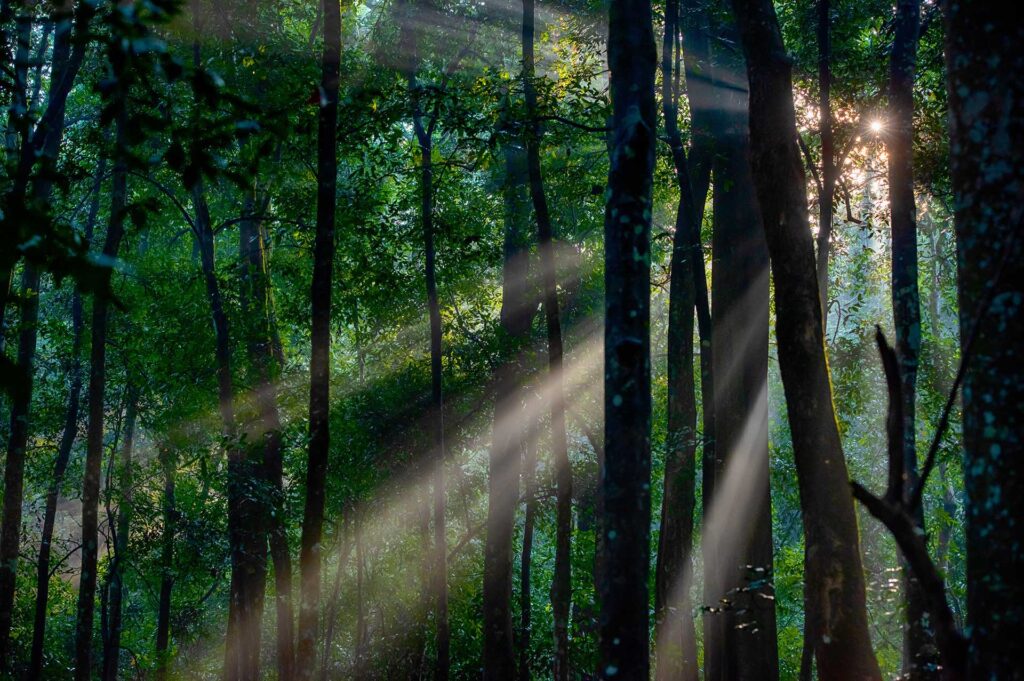
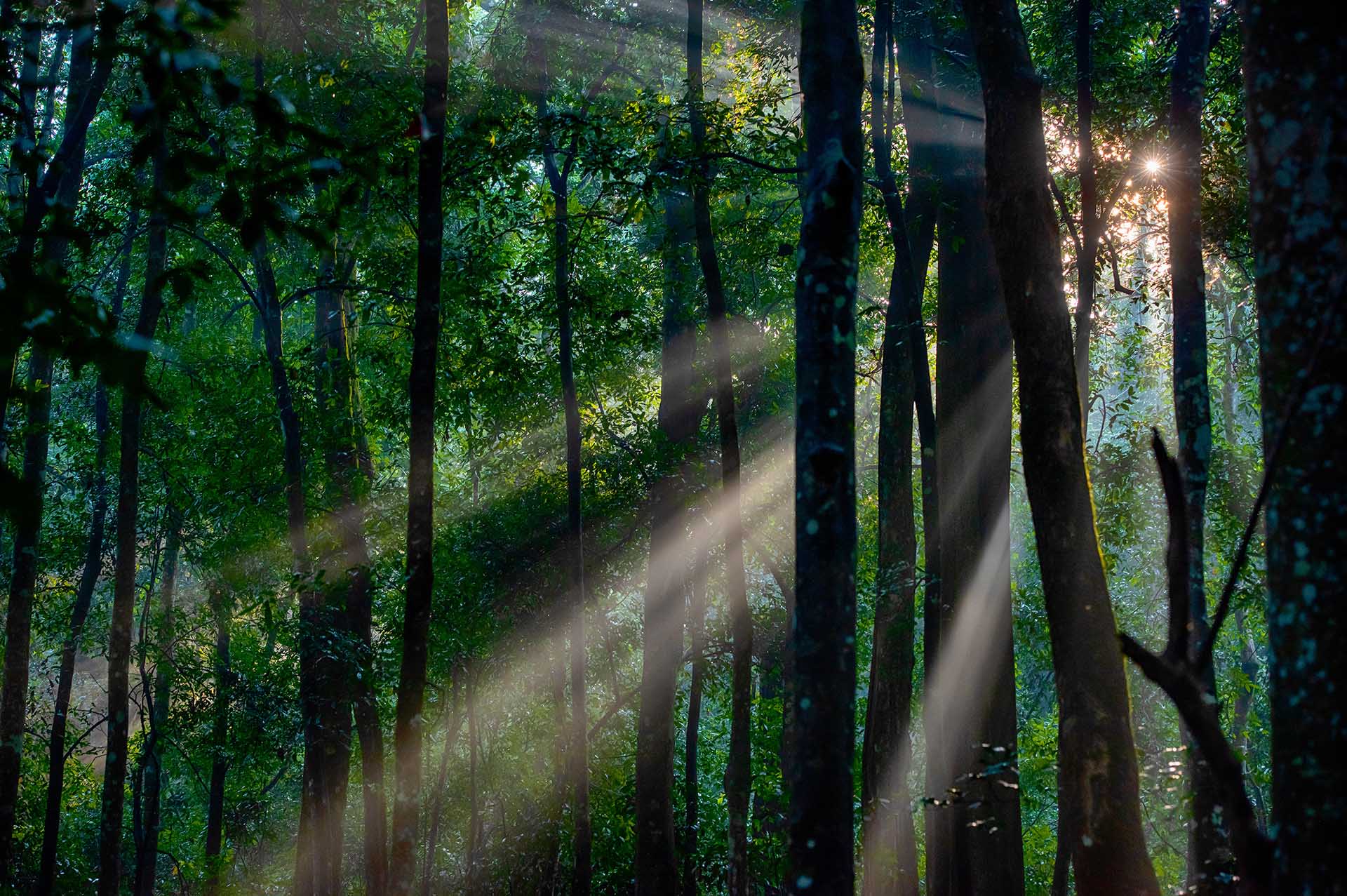
Primary Evergreen Rainforest: Characterized by tall hardwood trees forming a dense canopy, supporting chimpanzees, colobus monkeys, and other forest-dependent species.
Secondary Forests: Regenerating areas with smaller trees, shrubs, and pioneer plant species that grow after human or natural disturbances.
Swamp Forests: Found along streams and wetlands, dominated by papyrus, sedges, and wetland shrubs, crucial for birdlife and amphibians.
Bamboo and Grassland Patches: Provide habitat for small mammals and act as corridors between forested areas.
Ecological Importance
The vegetation of Kibale plays a vital ecological role:
Provides shelter, food, and nesting sites for primates, birds, and other wildlife.
Supports complex food webs and biodiversity.
Stabilizes soil and prevents erosion in wetland and forested areas.
Helps in carbon sequestration and climate regulation, mitigating climate change impacts.
Conservation and Human Interaction
Community involvement has been central to protecting Kibale’s vegetation. Programs like the Bigodi Wetland Sanctuary demonstrate sustainable use, ensuring locals benefit from eco-tourism while conserving forests. Forest research projects, such as the Ngogo Chimpanzee Project, also monitor the impact of vegetation changes on wildlife behavior. These initiatives help maintain the delicate balance between human activity and forest preservation, highlighting the park’s role in both ecological and socio-economic sustainability.
Visitor Insights
Visitors to Kibale can explore its vegetation through guided forest walks, chimpanzee trekking, and birdwatching trails. Trails through primary forests offer a chance to observe towering trees, dense understories, and rich epiphyte life, while swamp forest trails showcase papyrus and wetland plant species. Knowledgeable guides explain the ecological and cultural significance of various plant species, from medicinal herbs to fruit-bearing trees that sustain primates.
Best Time to Explore Vegetation
The dry seasons (December–February and June–August) provide easier walking conditions for exploring dense forest trails. During wet seasons (March–May and September–November), trails may be slippery, but the vegetation is lush, waterfalls are at their peak, and ephemeral plant species flourish. Bird and primate activity may vary seasonally, so understanding these patterns enhances wildlife viewing and forest exploration.
More Kibale Information to Know.
Kibale National Park is a lush, lowland rainforest in western Uganda, defined by dense tropical forest and rolling hills. Its warm, humid climate, rich vegetation, diverse primate population, chimpanzee habitat, and strong conservation focus make it a unique and rewarding destination for primate and nature experiences.
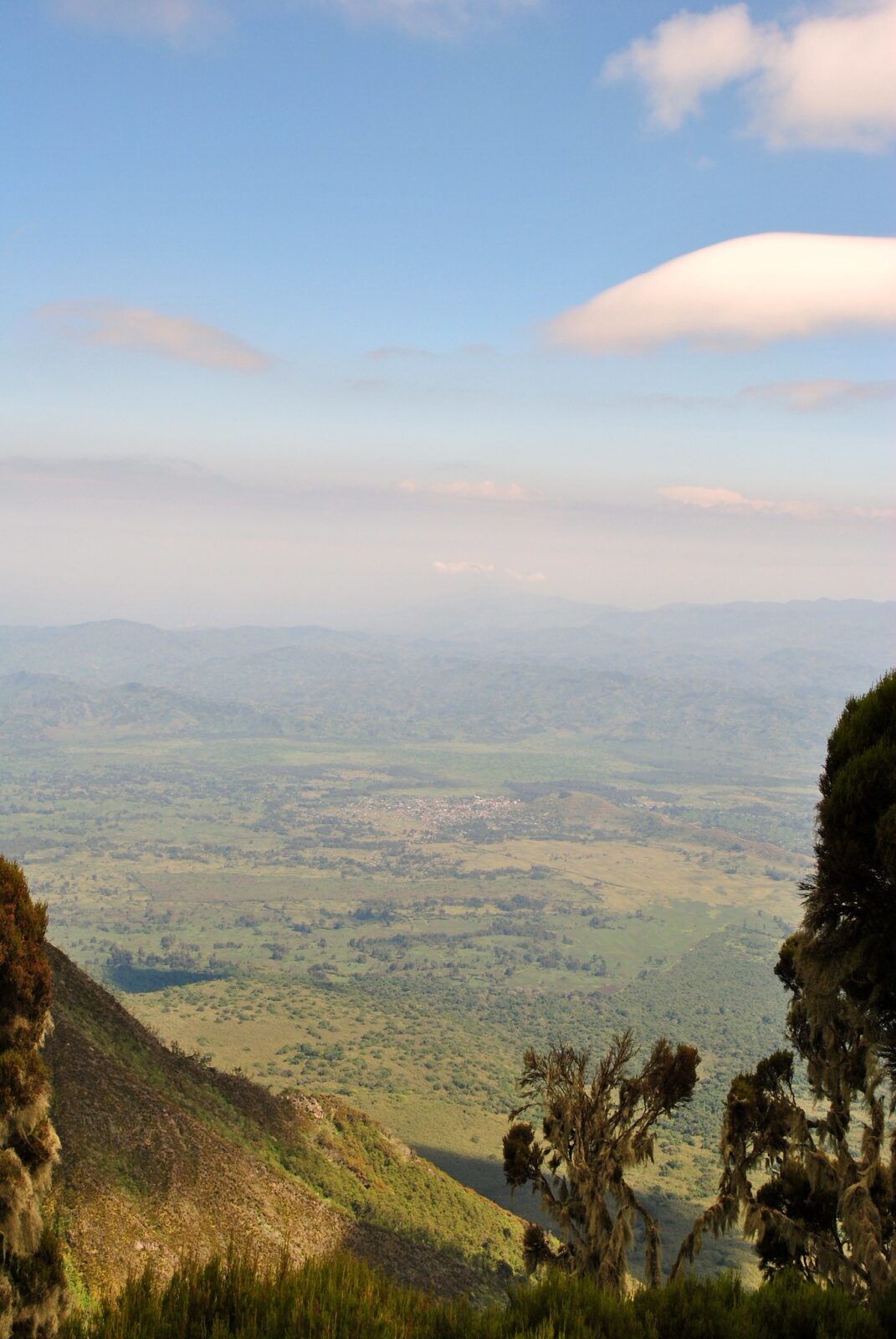
How To Get To Kibale Forest
How To Get To Kibale Forest
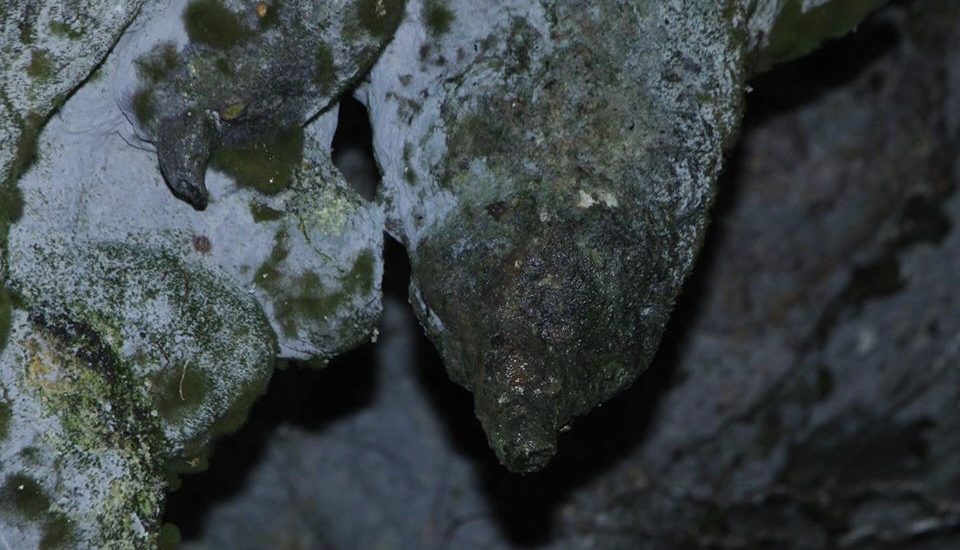
Amebere Ga Nyinamwiru Caves
Amebere Ga Nyinamwiru Caves
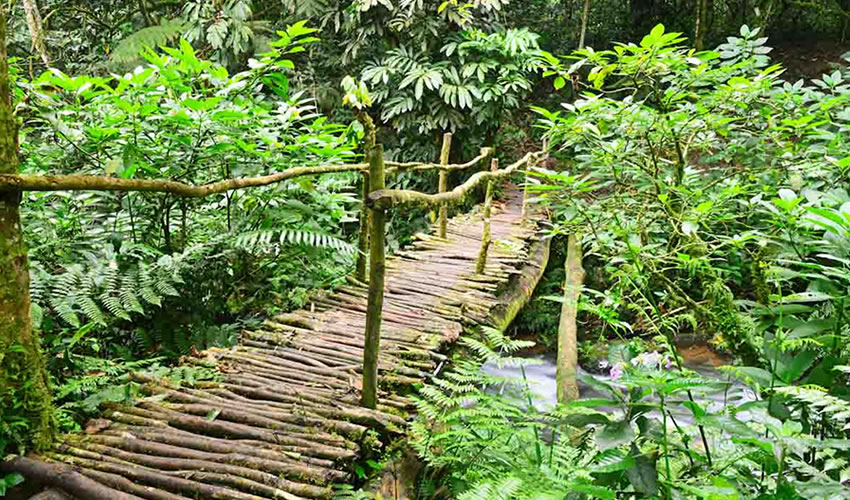
Bigodi Wetland Sanctuary
Bigodi Wetland Sanctuary
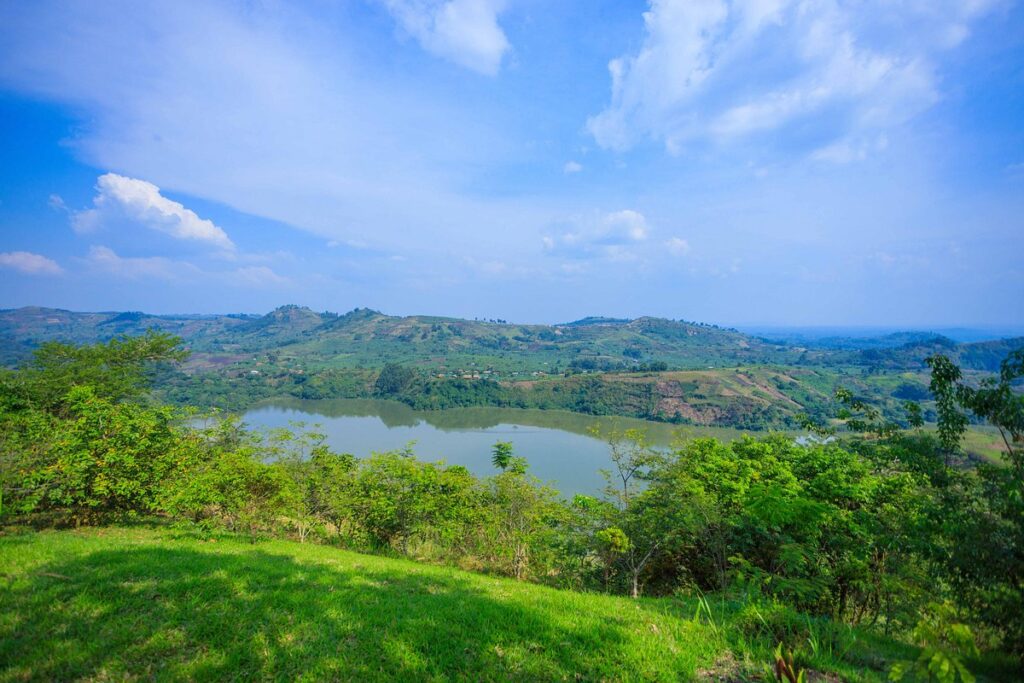
Kibale Climate
Kibale Climate
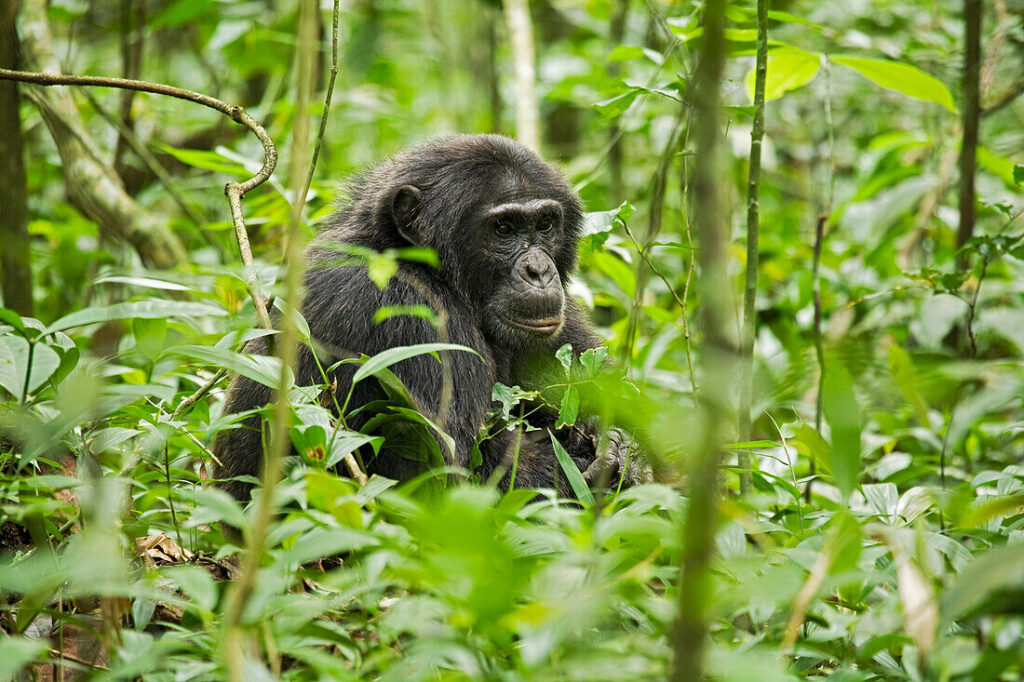
The Ngogo Chimpanzee Project
The Ngogo Chimpanzee Project
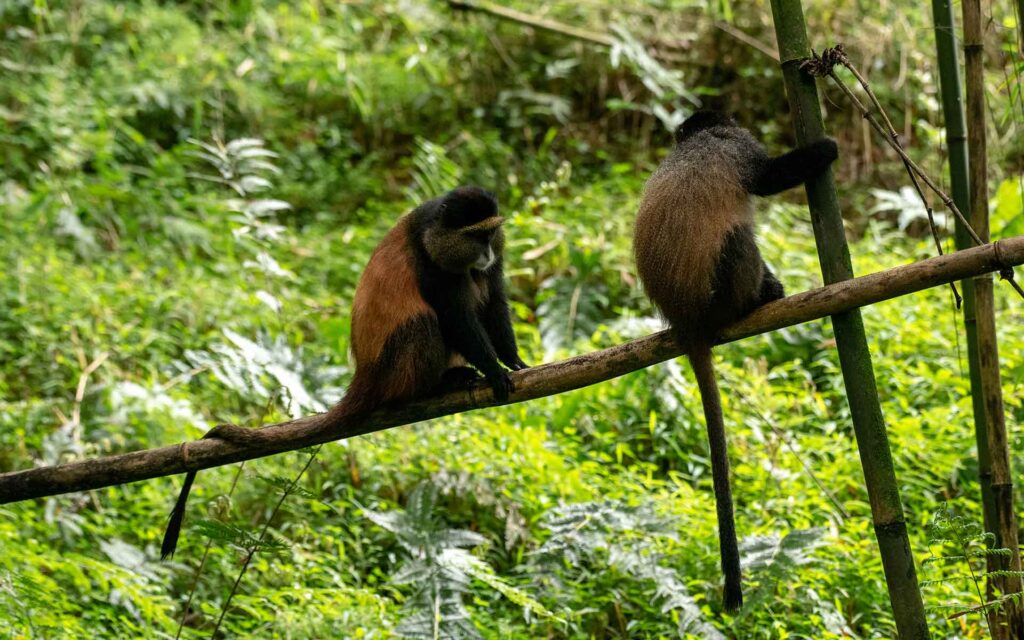
Kibale History
Kibale History
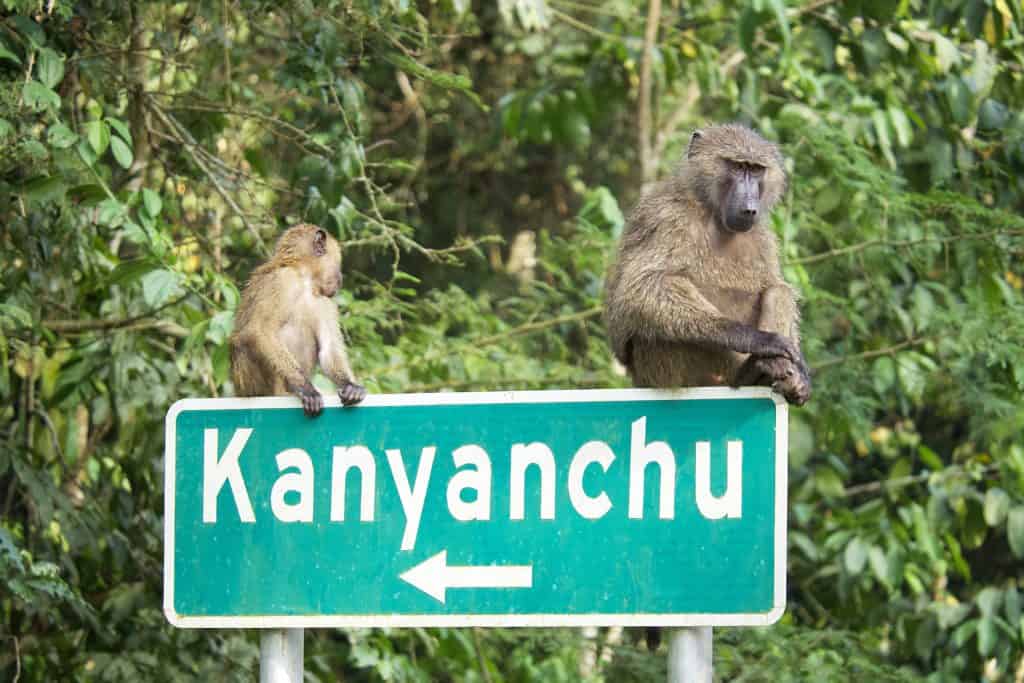
Kanyanchu Visitors’ Center
Kanyanchu Visitors’ Center
Kibale Geography
Kibale Geography
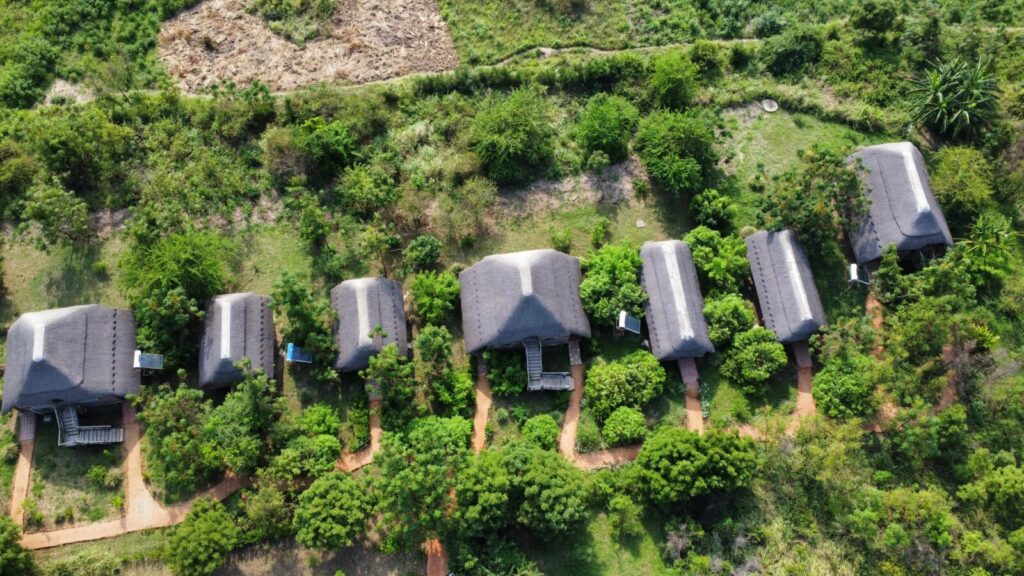
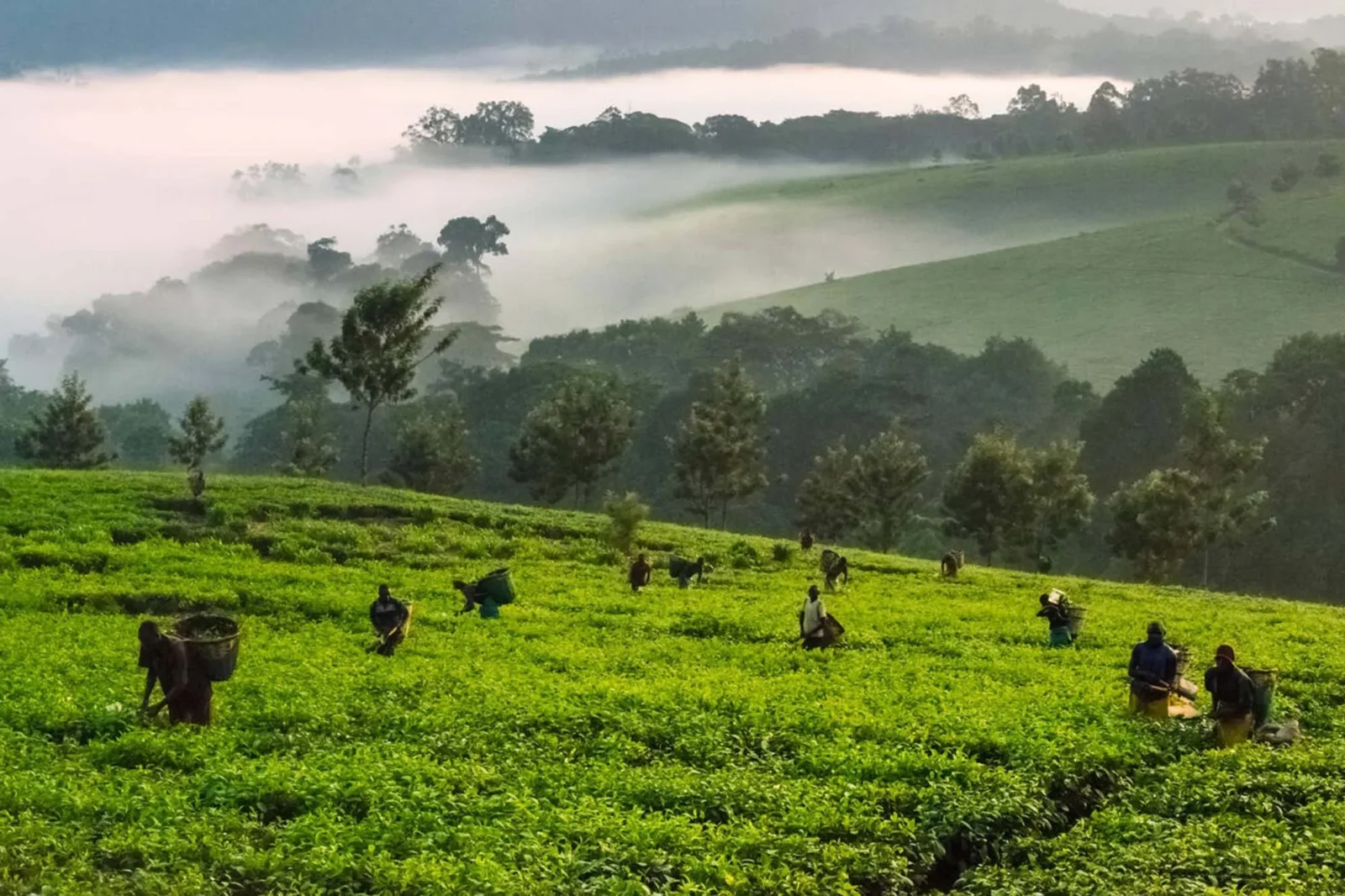
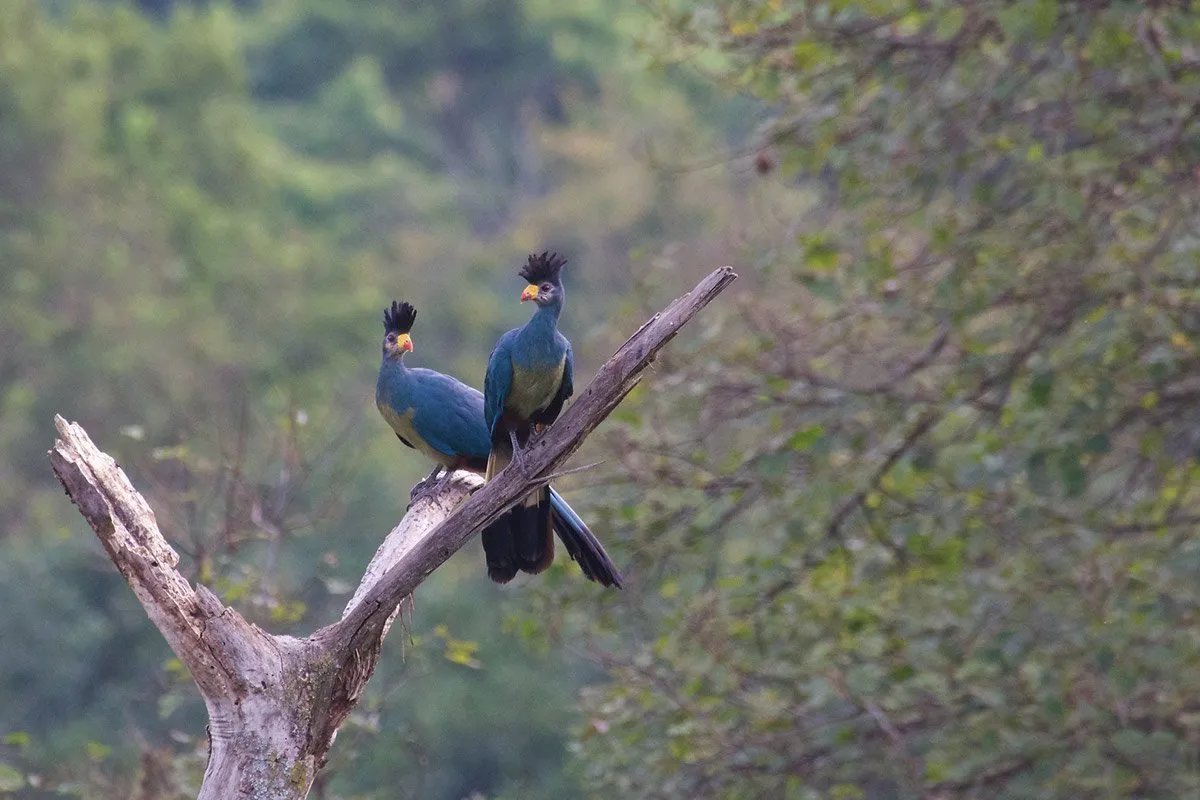
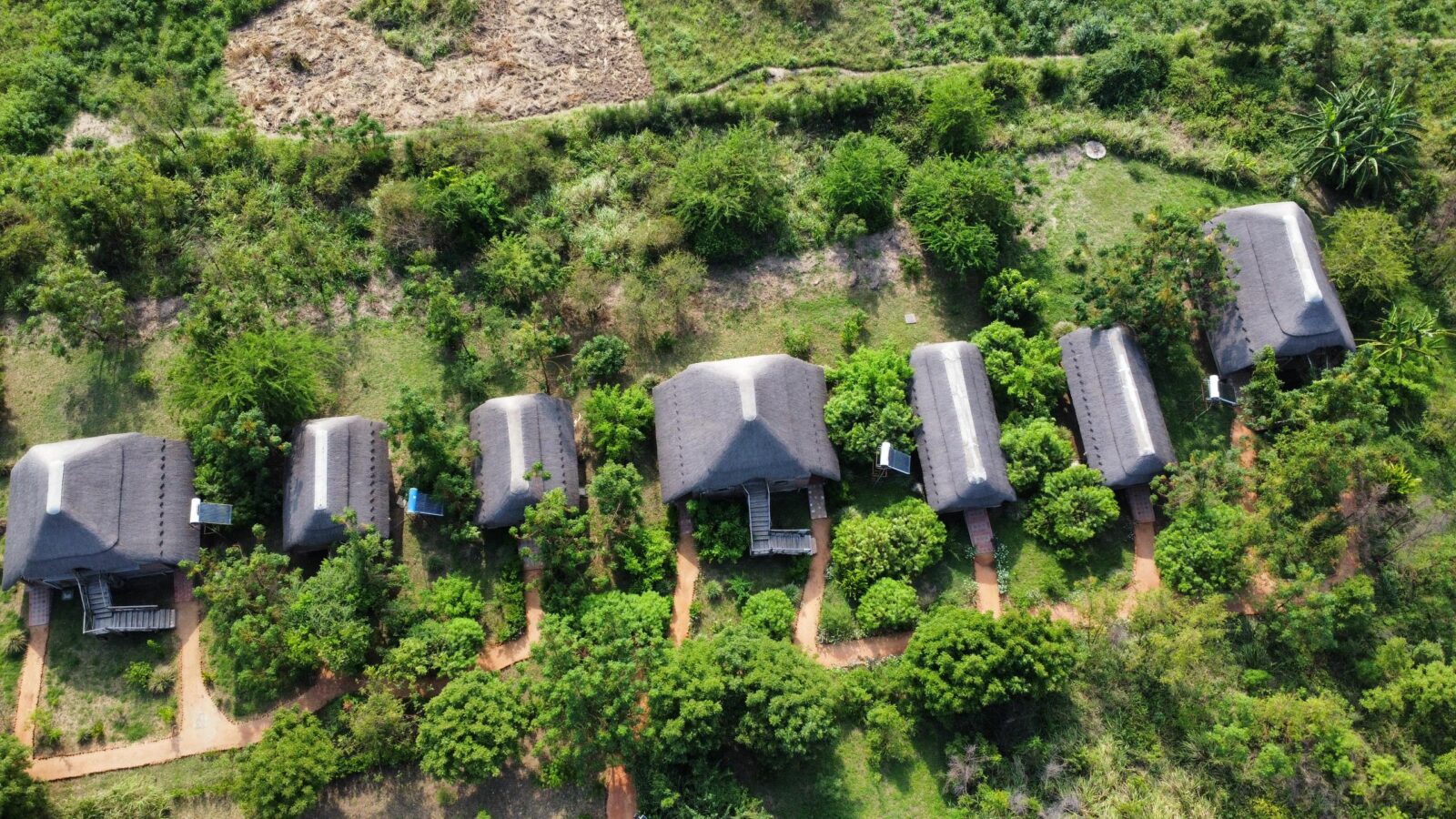
In the Realm of Giants – Kibale in Frames.
Essential Planning Tips for Visiting Uganda’s National Parks.
Get ready for the wild heart of Africa with expert travel tips on when to visit, what to pack, where to go, and how to make the most of your safari across Uganda’s breathtaking national parks.
Why Uganda for Gorilla Trekking?
Uganda is not just a destination — it's the very soul of gorilla trekking. With over half of the world’s remaining mountain gorillas calling its misty forests home, Uganda offers the rarest encounters in their most authentic setting. Here, your journey is not rushed or crowded. Instead, you’re guided by experienced rangers through pristine jungles where gorillas live as they always have — wild, free, and magnificent
From insider travel insights to unforgettable trekking guides, our blog is your trusted path into Uganda’s wild heart — connecting you with mountain gorillas, breathtaking landscapes, and the soul-stirring adventures that make this land unlike any other.